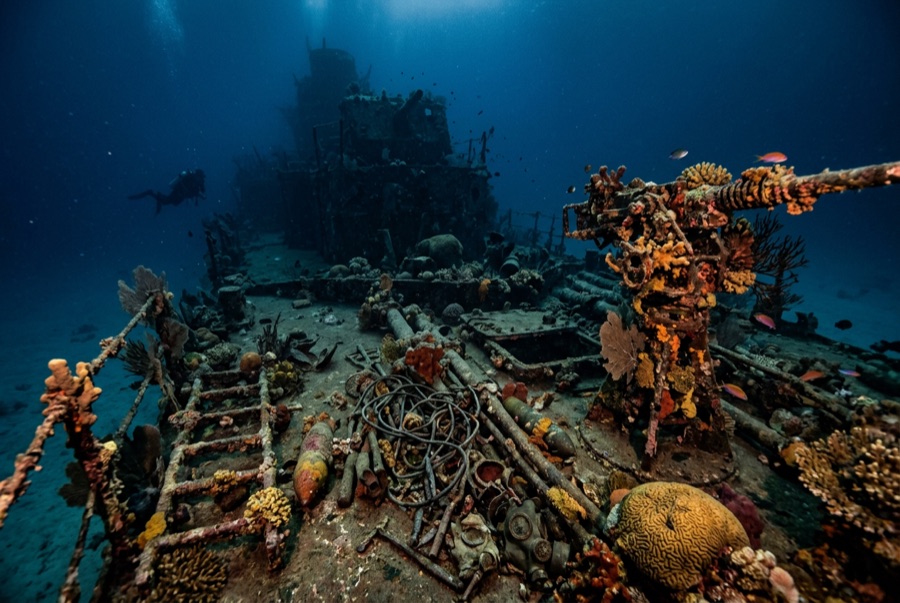
Okikawa Maru
La profondeur correspond à la plage allant du sommet du site jusqu'à son maximum habituel ; le « niveau recommandé » est le niveau demandé en général par les opérateurs auprès des grandes agences, pas une règle légale. Les courants et la visibilité varient chaque jour, traitez donc tout cela comme des plages indicatives de planification.
The Okikawa Maru, an oil tanker on the order of 160 m, is the friendliest big ship in Coron: her main deck lies at just 10-16 m, shallow enough for long, unhurried laps of a hull that seems to go on forever. Corals and anemones have colonized the deck fittings so thoroughly that parts read as reef, patrolled by batfish, sweetlips, and turtles. The bow section, mangled by the 1944 attacks and later salvage, makes dramatic wide-angle scenery, and trained divers can thread the propeller-shaft tunnel and pump spaces. Generous light, generous time; many divers log their first-ever wreck penetration here.
Le moment pour lequel vous venez: Shallow sprawling tanker deck, coral-and-anemone overgrowth, approachable first penetrations
Topographie: Nearly upright hull on sand around 26 m
Courant: More exposed than the inner bay wrecks; current over the deck is common and occasionally calls the dive.
Entrée: Moored off Concepcion on Busuanga's west side; the longest boat ride of the main fleet from Coron town.
À savoir avant de plonger
Dangers: Current over the deck, entangling lines near the bow wreckage, and silt in the shaft tunnel.
Conservation: Part of the protected 1944 fleet; no artifact recovery, no souvenir chipping.
Nitrox: Pertinent ici : les profils se situent dans la plage où le nitrox prolonge significativement le temps sans palier (avec la formation pour l'utiliser).
Qui vous croiserez
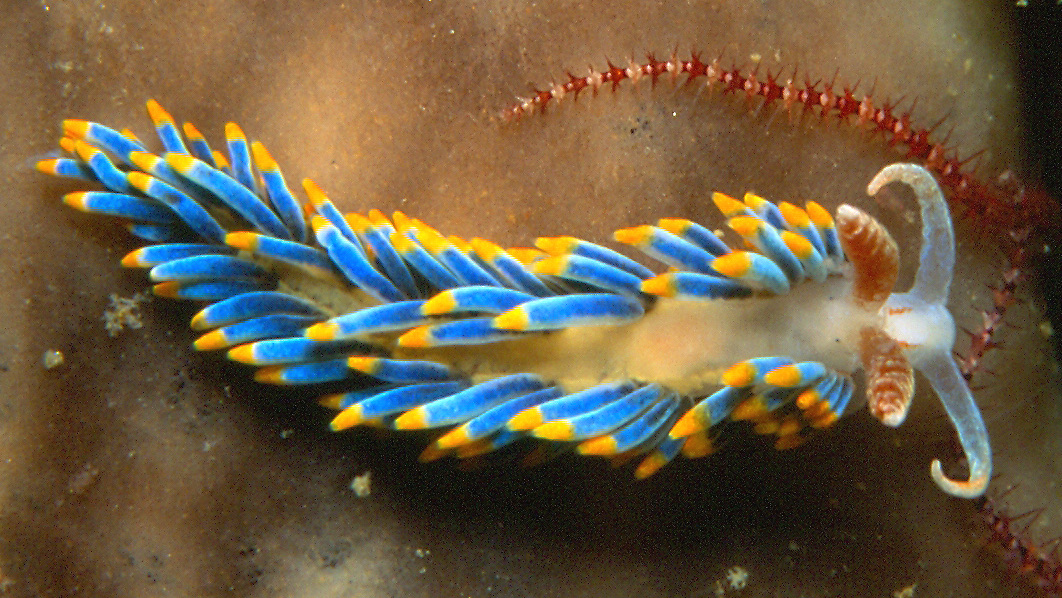
Nudibranchs
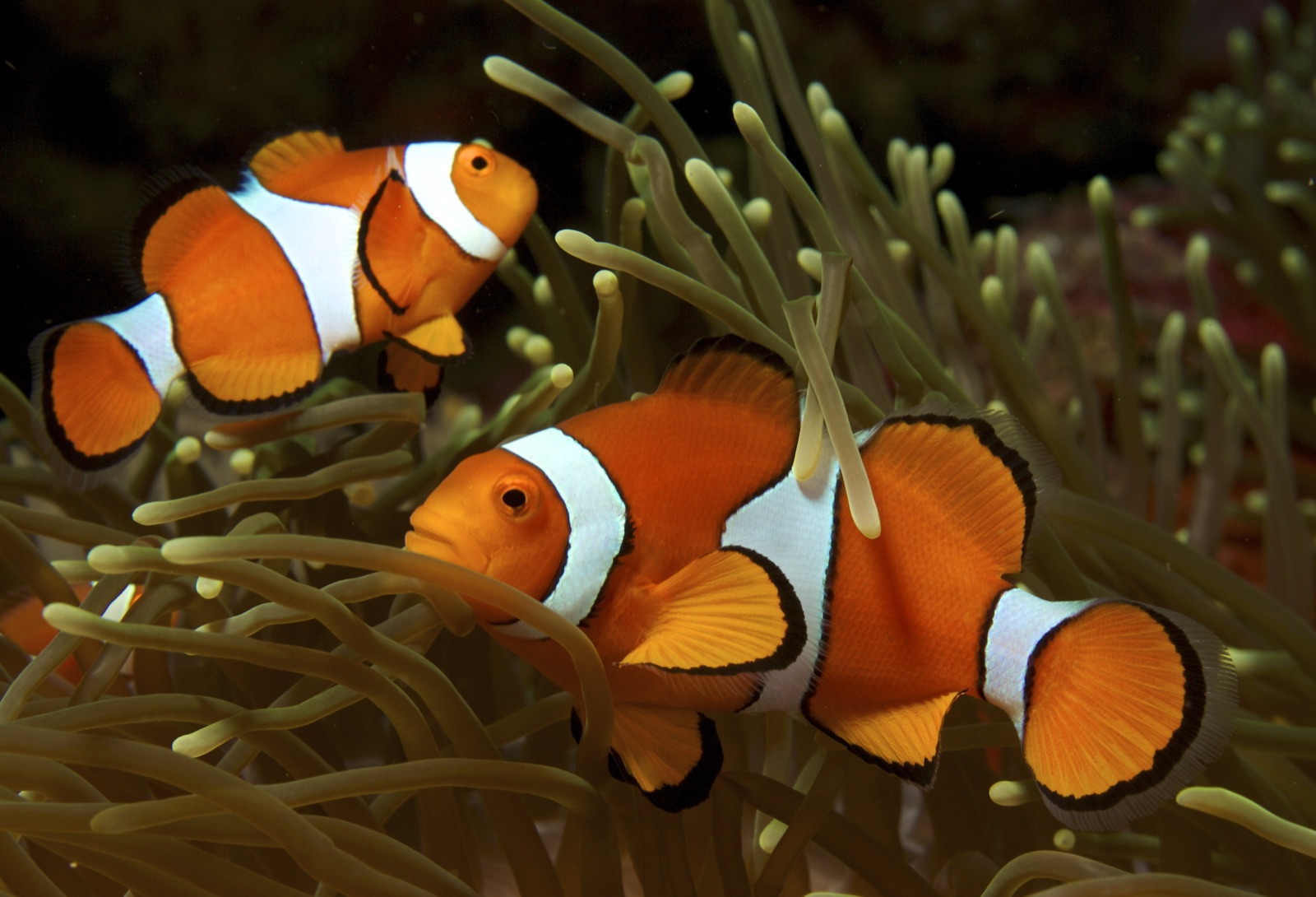
Clownfish & Anemonefish
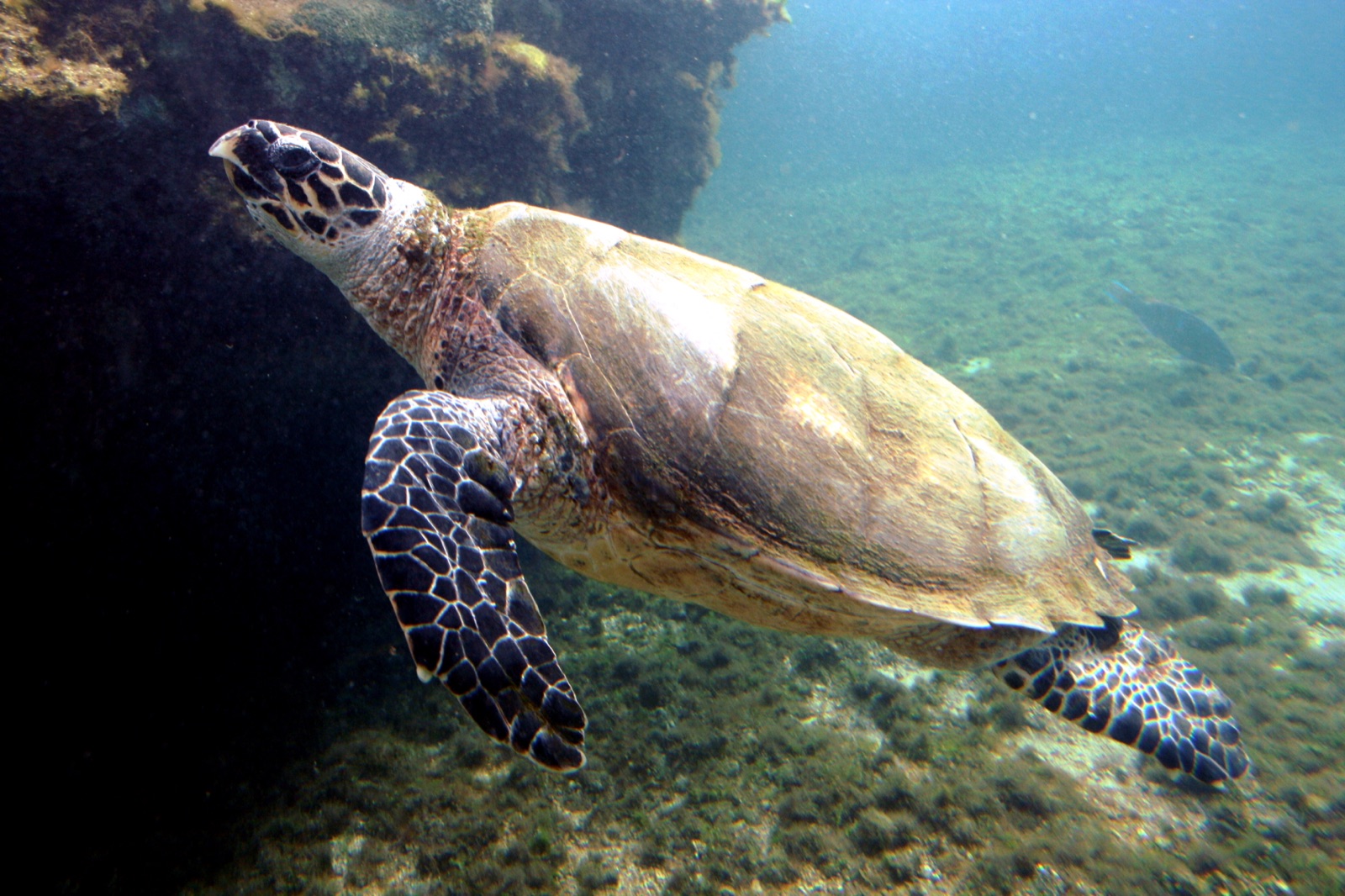
Hawksbill Turtle
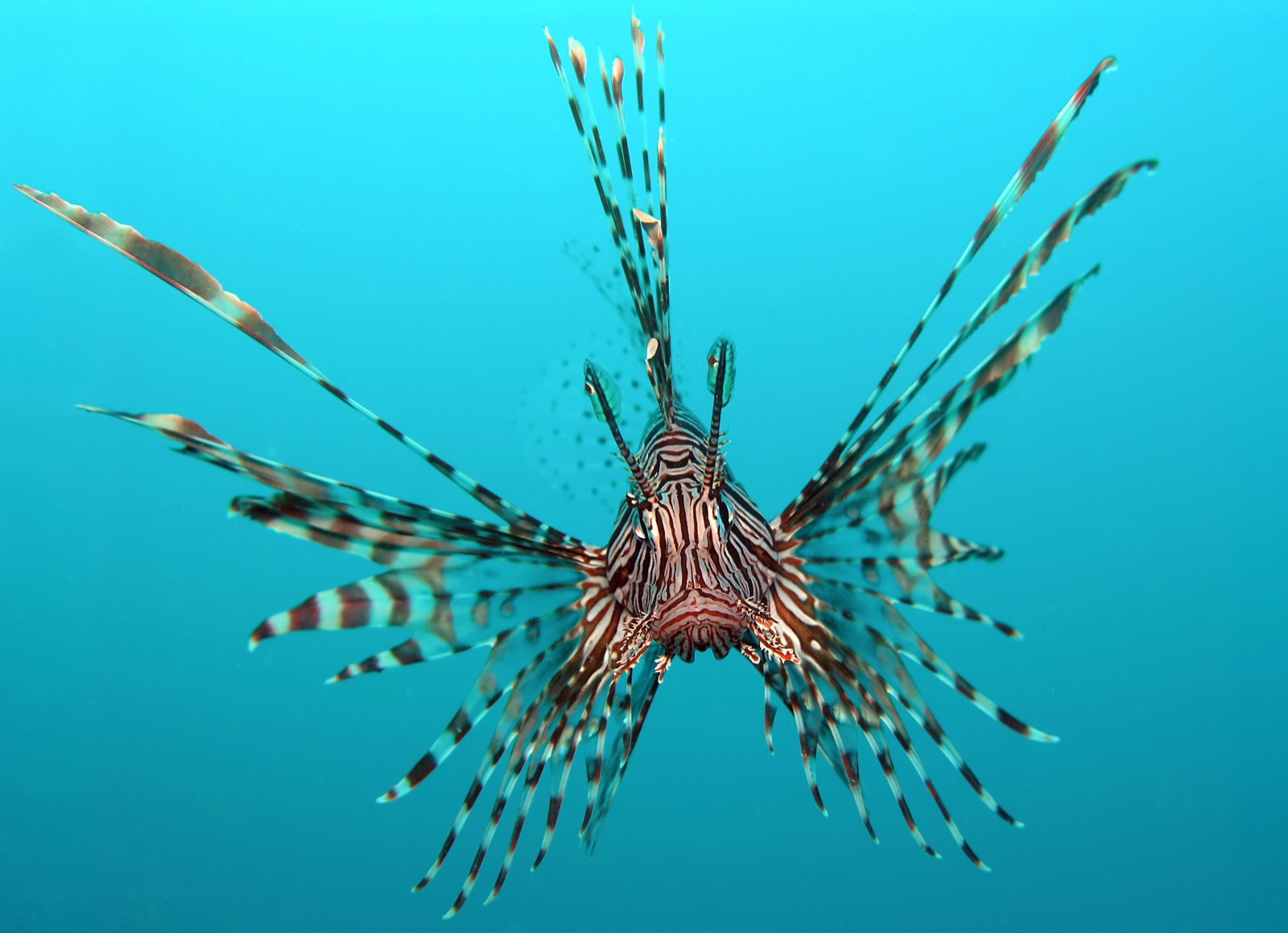
Lionfish
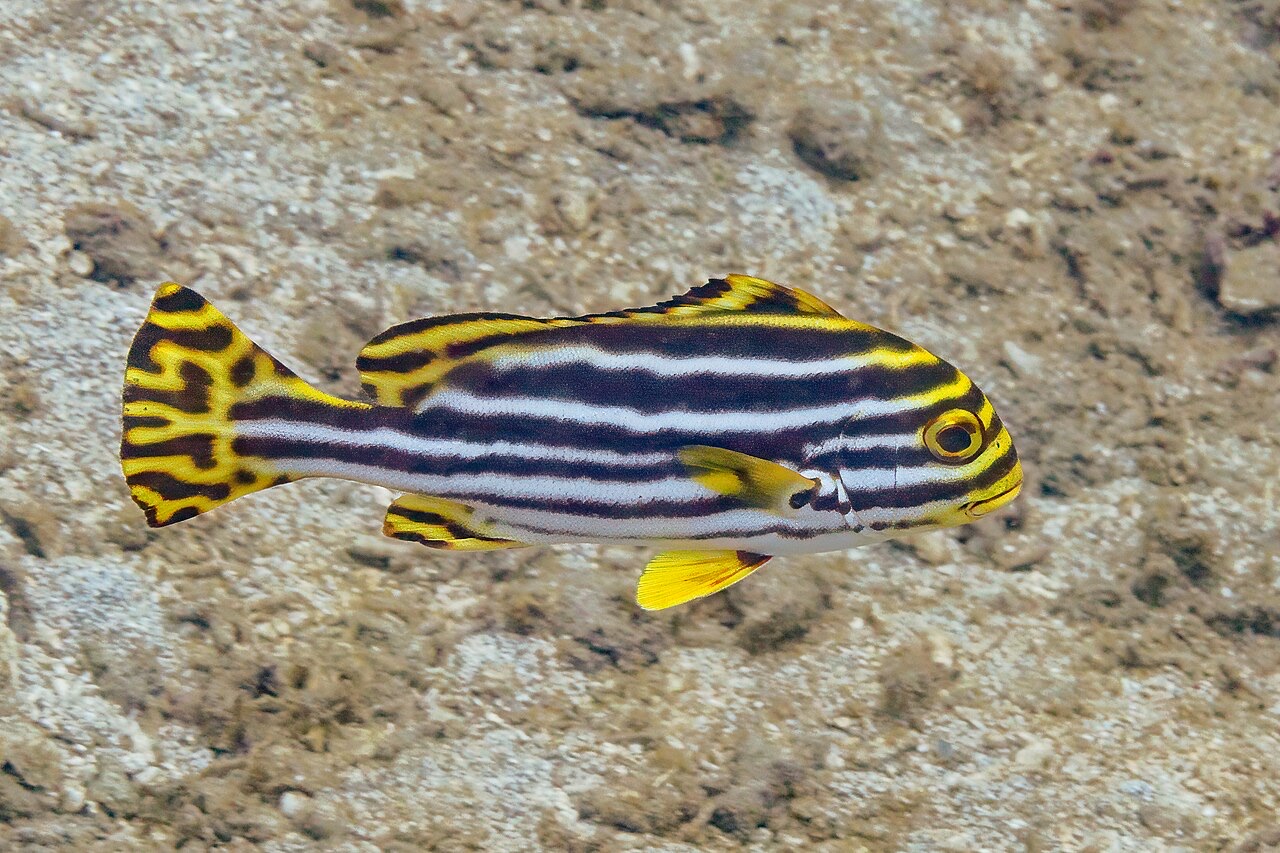
Oriental Sweetlips
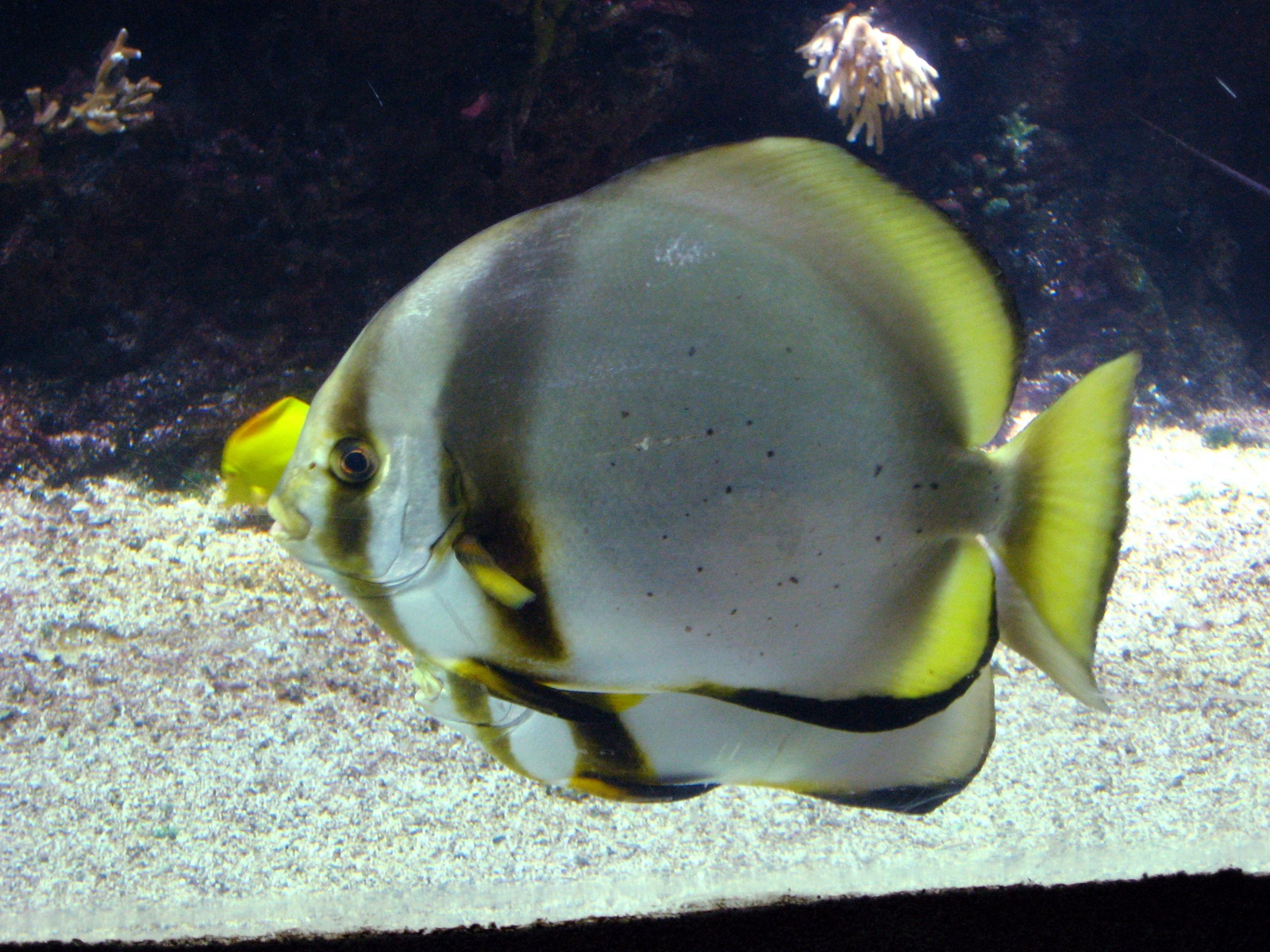
Pinnate Batfish
Les espèces « cartographiées ici » ont été répertoriées par nos éditeurs à partir des sources indiquées sur cette page. Les comptages correspondent aux occurrences GBIF : observations enregistrées dans un rayon d'environ 5 km autour de la position cartographiée depuis 1990, comparées uniquement aux espèces de notre catalogue. Ils indiquent ce qui a été observé à cet endroit, sans garantir ce que vous y verrez.
Pour les photographes
Grand angle: ★★★★★ · Macro: ★★★☆☆ (note 1–5 des éditeurs sur ce que ce site offre à chaque style de prise de vue)