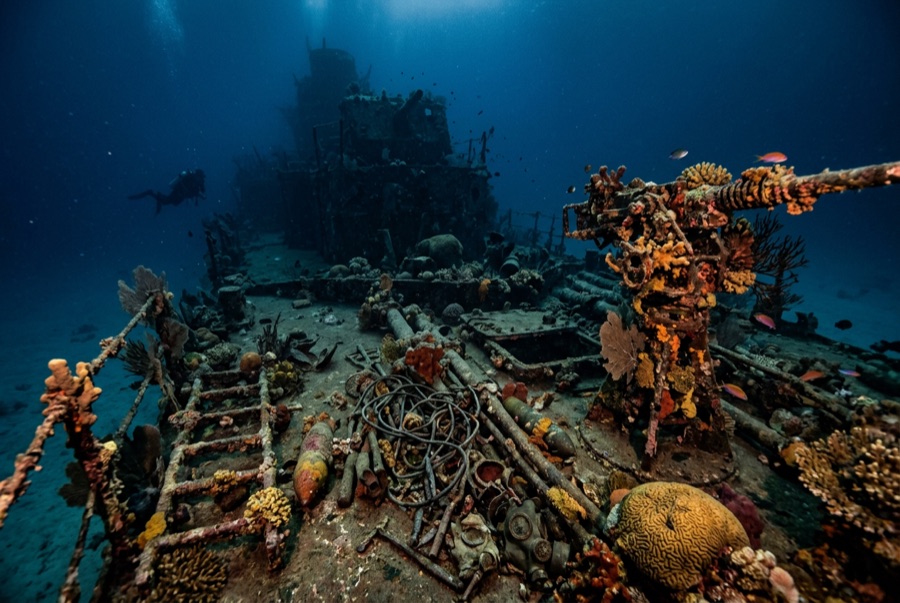
Okikawa Maru
A profundidade é o intervalo entre o topo do local e o seu máximo habitual; "certificação recomendada" é o nível das agências convencionais que os operadores normalmente exigem, não uma regra legal. As correntes e a visibilidade mudam diariamente, por isso trata tudo isto como intervalos de planeamento.
The Okikawa Maru, an oil tanker on the order of 160 m, is the friendliest big ship in Coron: her main deck lies at just 10-16 m, shallow enough for long, unhurried laps of a hull that seems to go on forever. Corals and anemones have colonized the deck fittings so thoroughly that parts read as reef, patrolled by batfish, sweetlips, and turtles. The bow section, mangled by the 1944 attacks and later salvage, makes dramatic wide-angle scenery, and trained divers can thread the propeller-shaft tunnel and pump spaces. Generous light, generous time; many divers log their first-ever wreck penetration here.
O momento pelo qual você vem: Shallow sprawling tanker deck, coral-and-anemone overgrowth, approachable first penetrations
Topografia: Nearly upright hull on sand around 26 m
Corrente: More exposed than the inner bay wrecks; current over the deck is common and occasionally calls the dive.
Entrada: Moored off Concepcion on Busuanga's west side; the longest boat ride of the main fleet from Coron town.
Sabe antes de entrar na água
Perigos: Current over the deck, entangling lines near the bow wreckage, and silt in the shaft tunnel.
Conservação: Part of the protected 1944 fleet; no artifact recovery, no souvenir chipping.
Nitrox: Vale a pena aqui: os perfis situam-se na gama em que o nitrox prolonga significativamente o tempo sem paragem de descompressão (com a formação para o usar).
Quem vai encontrar
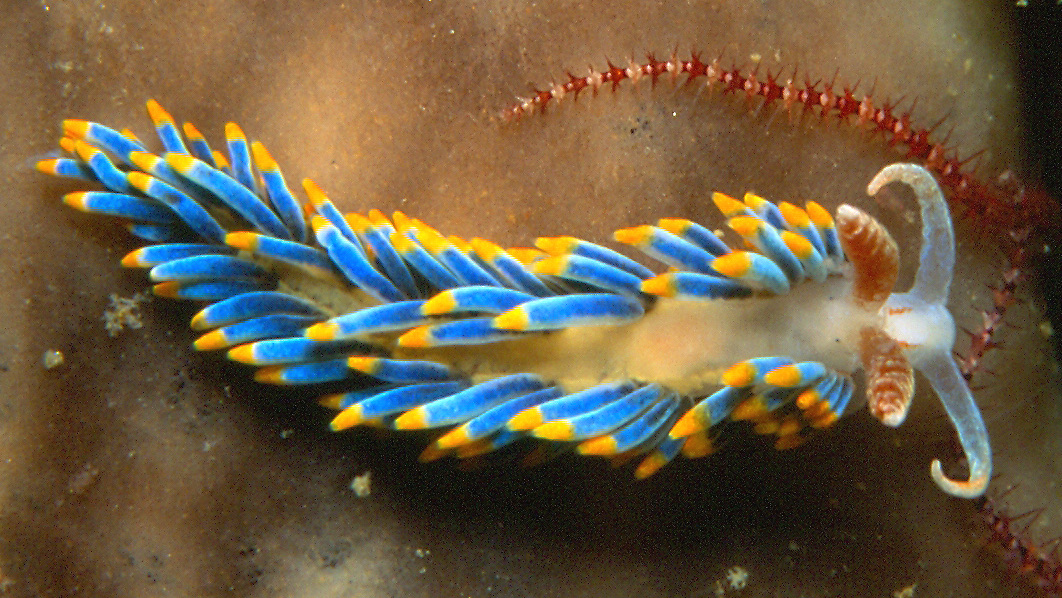
Nudibranchs
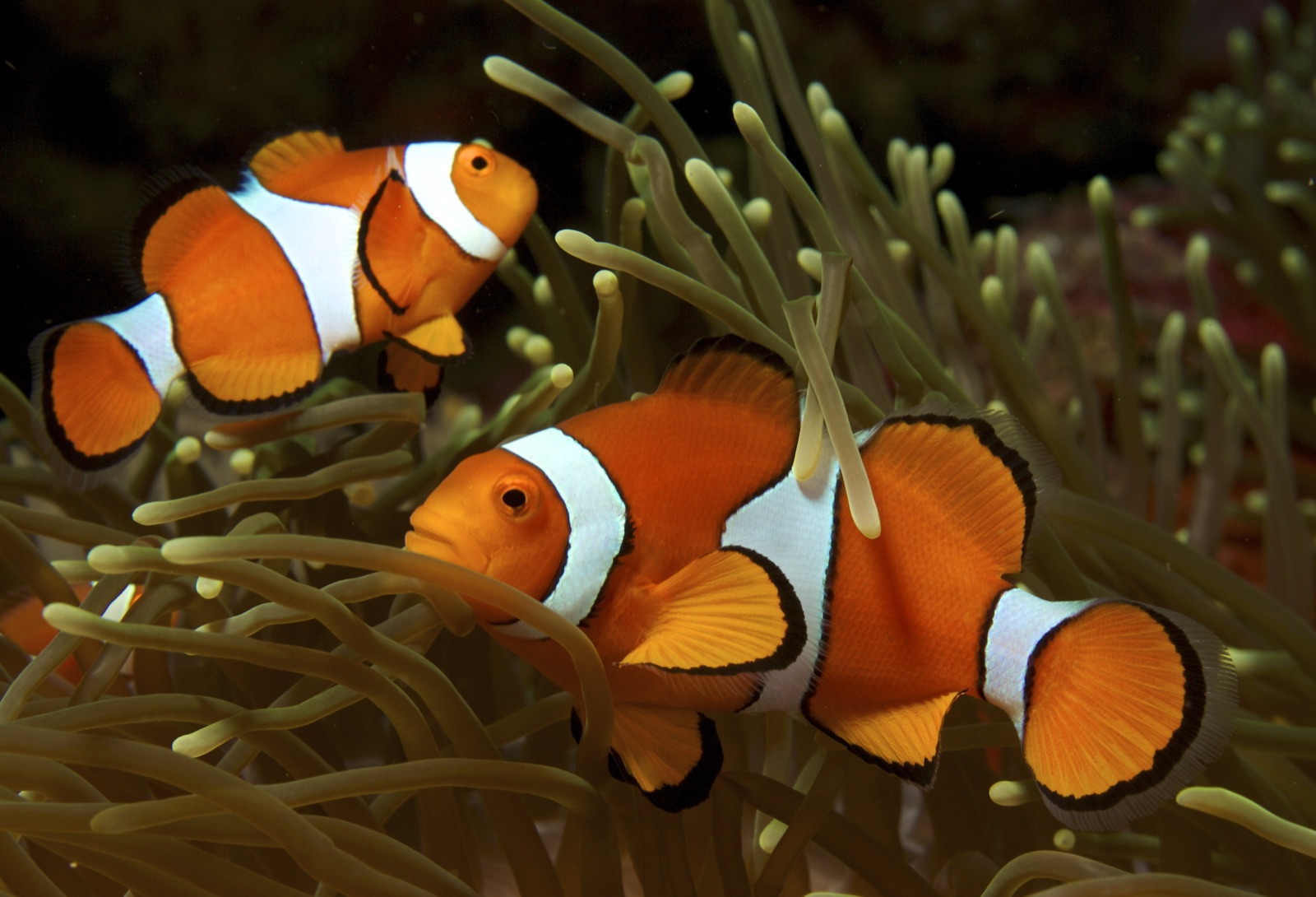
Clownfish & Anemonefish
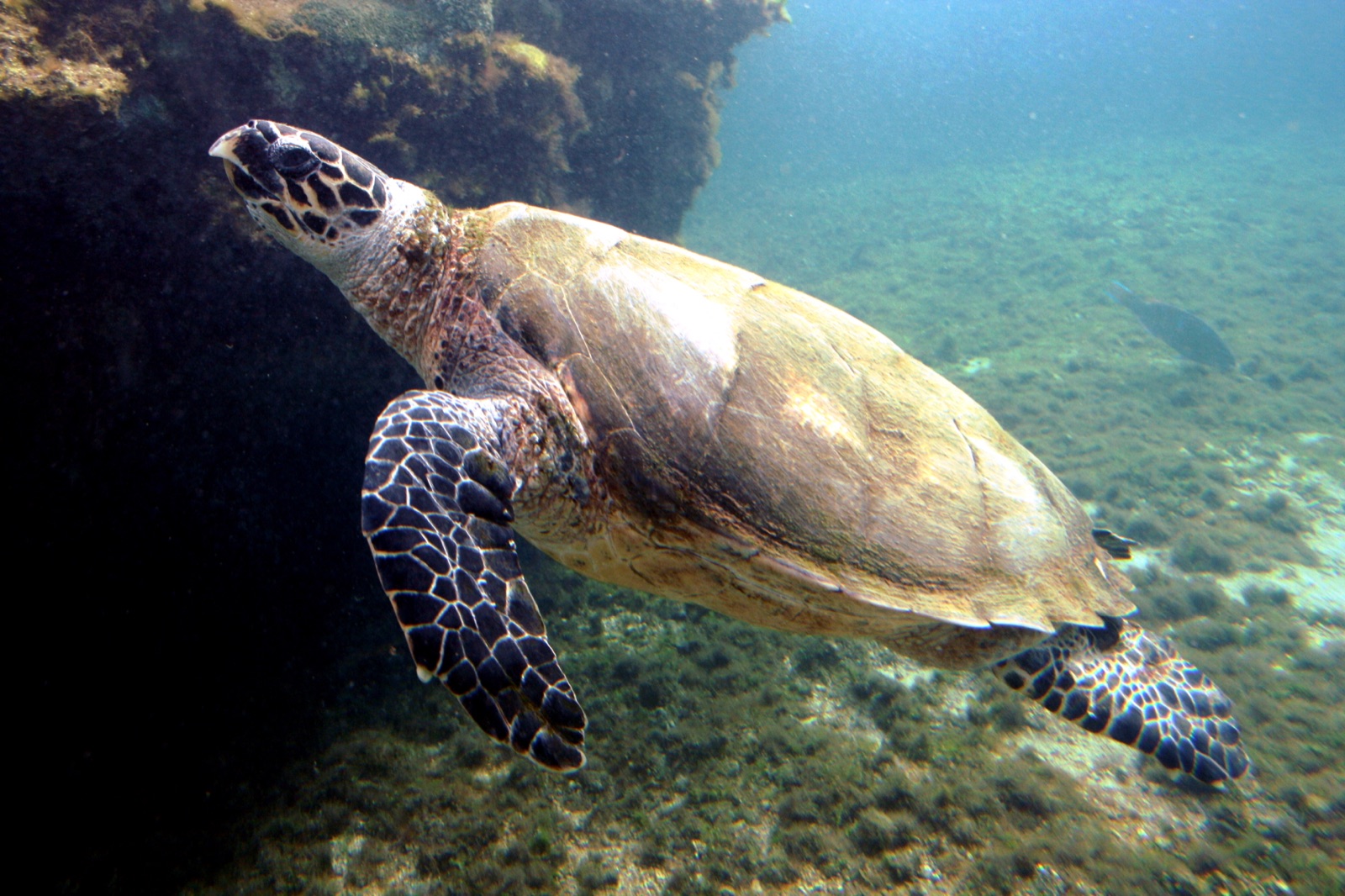
Hawksbill Turtle
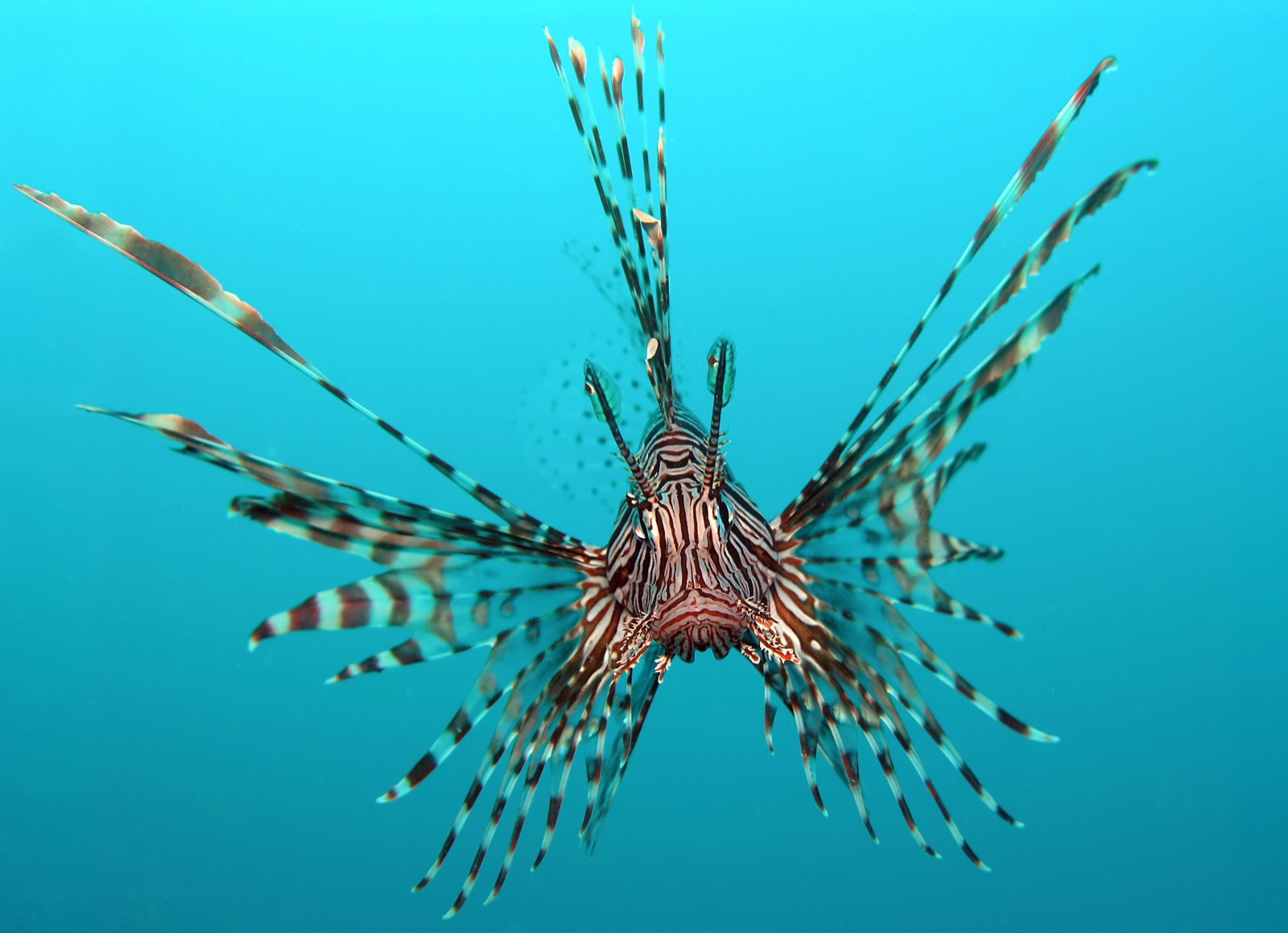
Lionfish
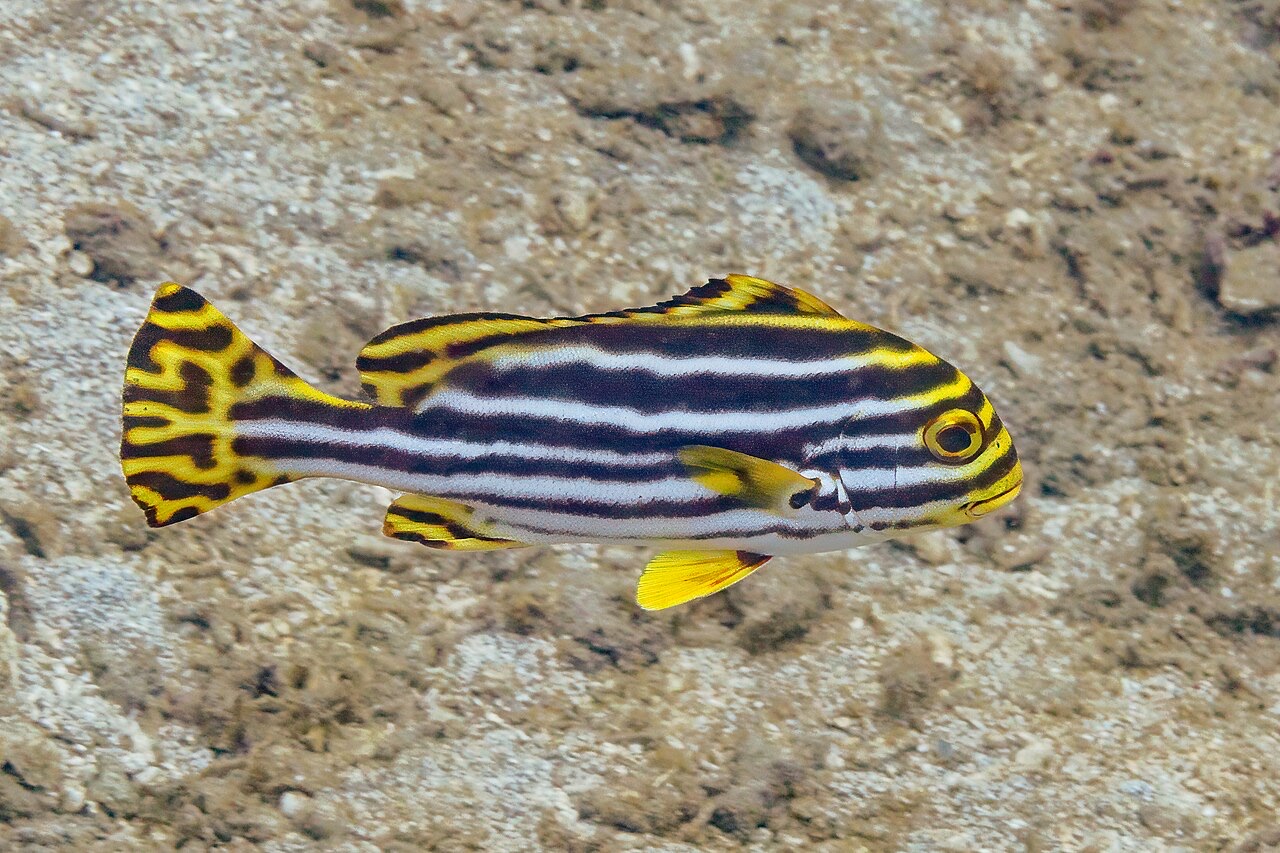
Oriental Sweetlips
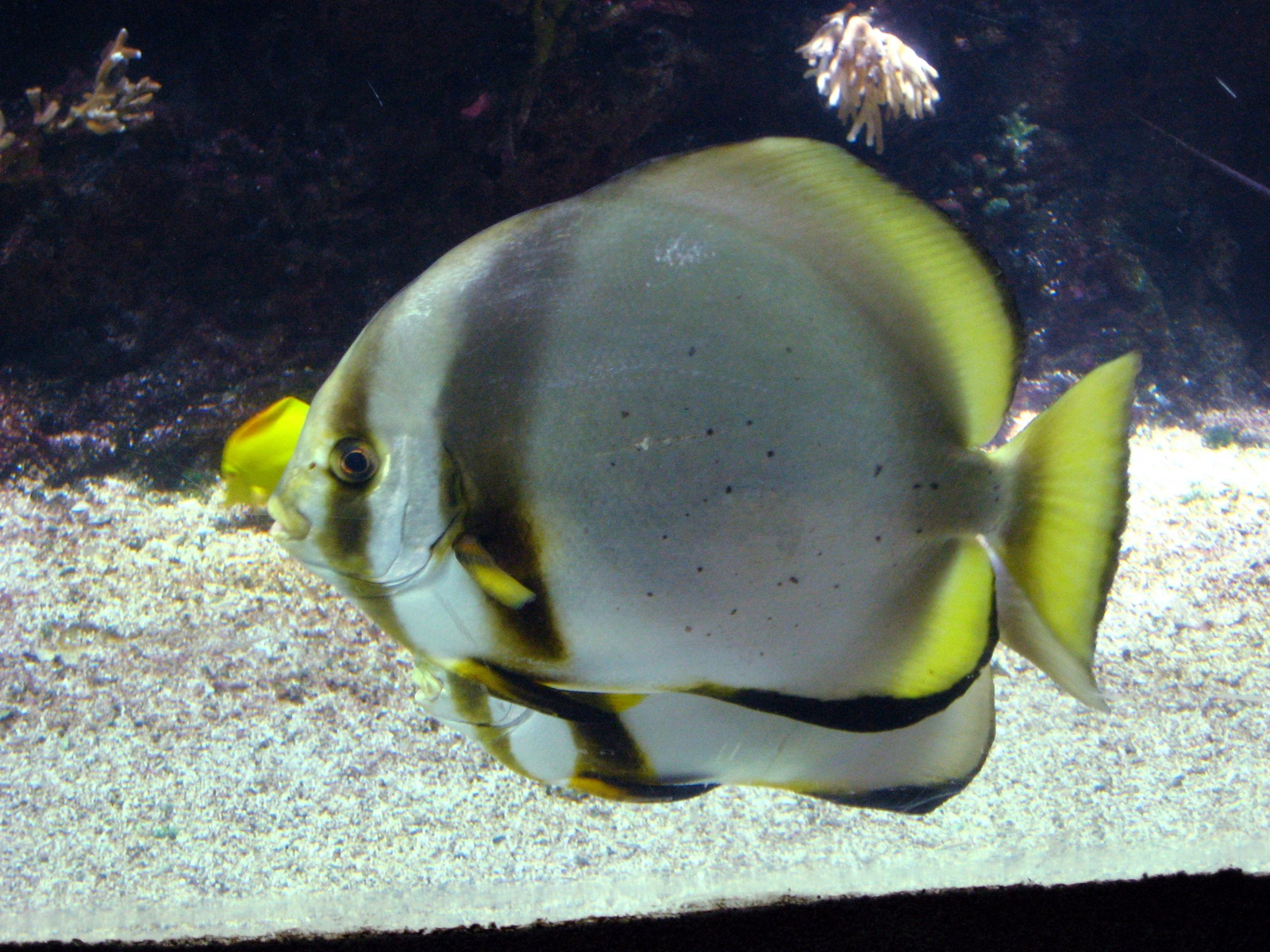
Pinnate Batfish
As espécies "registadas aqui" foram listadas pelos nossos editores a partir das fontes desta página. As contagens são registos de ocorrência do GBIF: observações registadas num raio de cerca de 5 km da posição indicada desde 1990, cruzadas apenas com as espécies do nosso catálogo. Mostram o que foi avistado no local, não uma garantia do que irá encontrar.
Para fotógrafos
Grande angular: ★★★★★ · Macro: ★★★☆☆ (classificação de 1–5 dos editores sobre o que este sítio oferece a cada estilo de fotografia)