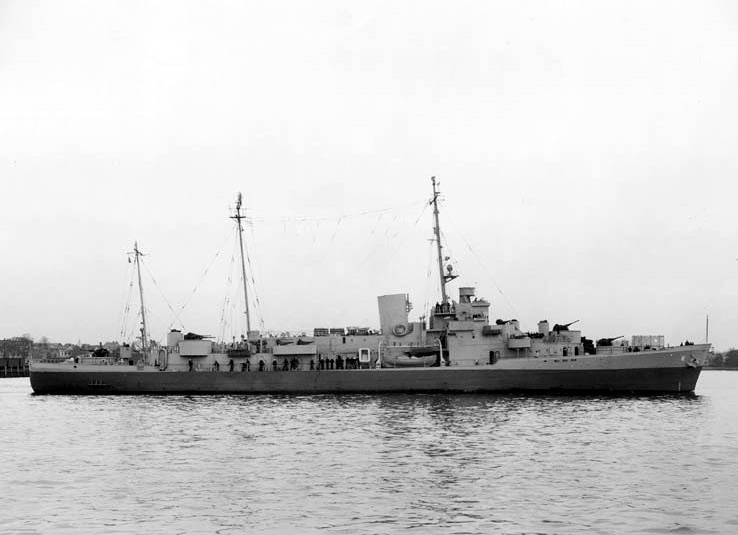
USCGC Duane
La profondeur correspond à la plage allant du sommet du site jusqu'à son maximum habituel ; le « niveau recommandé » est le niveau demandé en général par les opérateurs auprès des grandes agences, pas une règle légale. Les courants et la visibilité varient chaque jour, traitez donc tout cela comme des plages indicatives de planification.
The Duane earned her keep for five decades - Depression-era patrols, WWII convoy escort, a submarine kill, Vietnam service - before the Coast Guard retired her and Key Largo sank her upright in 1987, one of the first purpose-built dive reefs in the Keys. She sits proud on the sand at 36 m with her mast still climbing toward the surface, and because the Gulf Stream sweeps her regularly, she is the fishiest wreck in the upper Keys: barracuda in ranks along the rails, jacks spiraling the mast, goliath groupers in the deckhouse, and reef sharks appearing when the blue water is on. In clear stream water, hanging on the mooring line above her is the best view in Key Largo.
Le moment pour lequel vous venez: An upright, storied cutter in blue Gulf Stream water, barracuda escorts, big grouper
Topographie: 100 m Coast Guard cutter upright on sand at about 36 m
Courant: The most current-exposed of the Key Largo wrecks - trips get called or converted when the Gulf Stream leans in.
À savoir avant de plonger
Dangers: Strong current on many days; depth for the full tour; hold the line on ascent and descent.
Conservation: FKNMS artificial reef; moorings mandatory.
Nitrox: Pertinent ici : les profils se situent dans la plage où le nitrox prolonge significativement le temps sans palier (avec la formation pour l'utiliser).
Qui vous croiserez
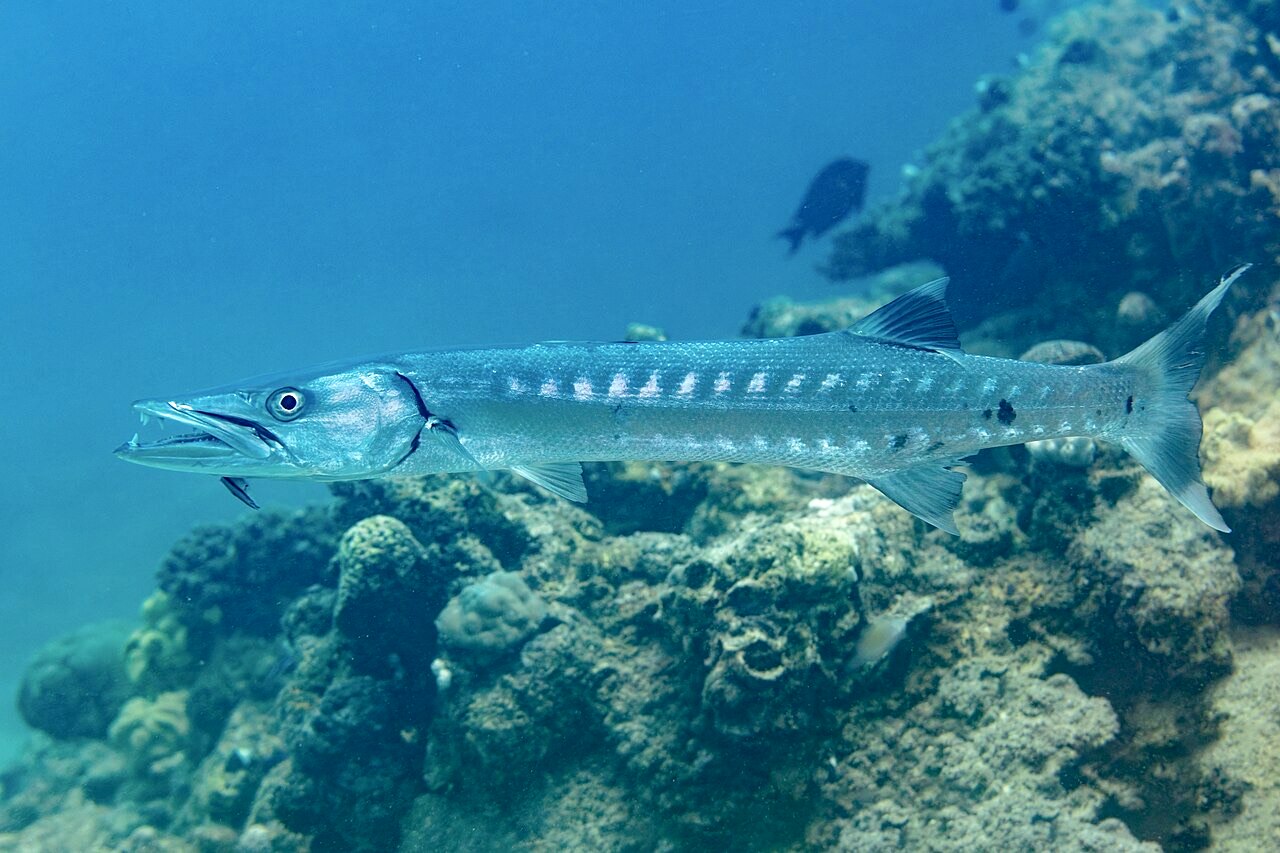
Great Barracuda
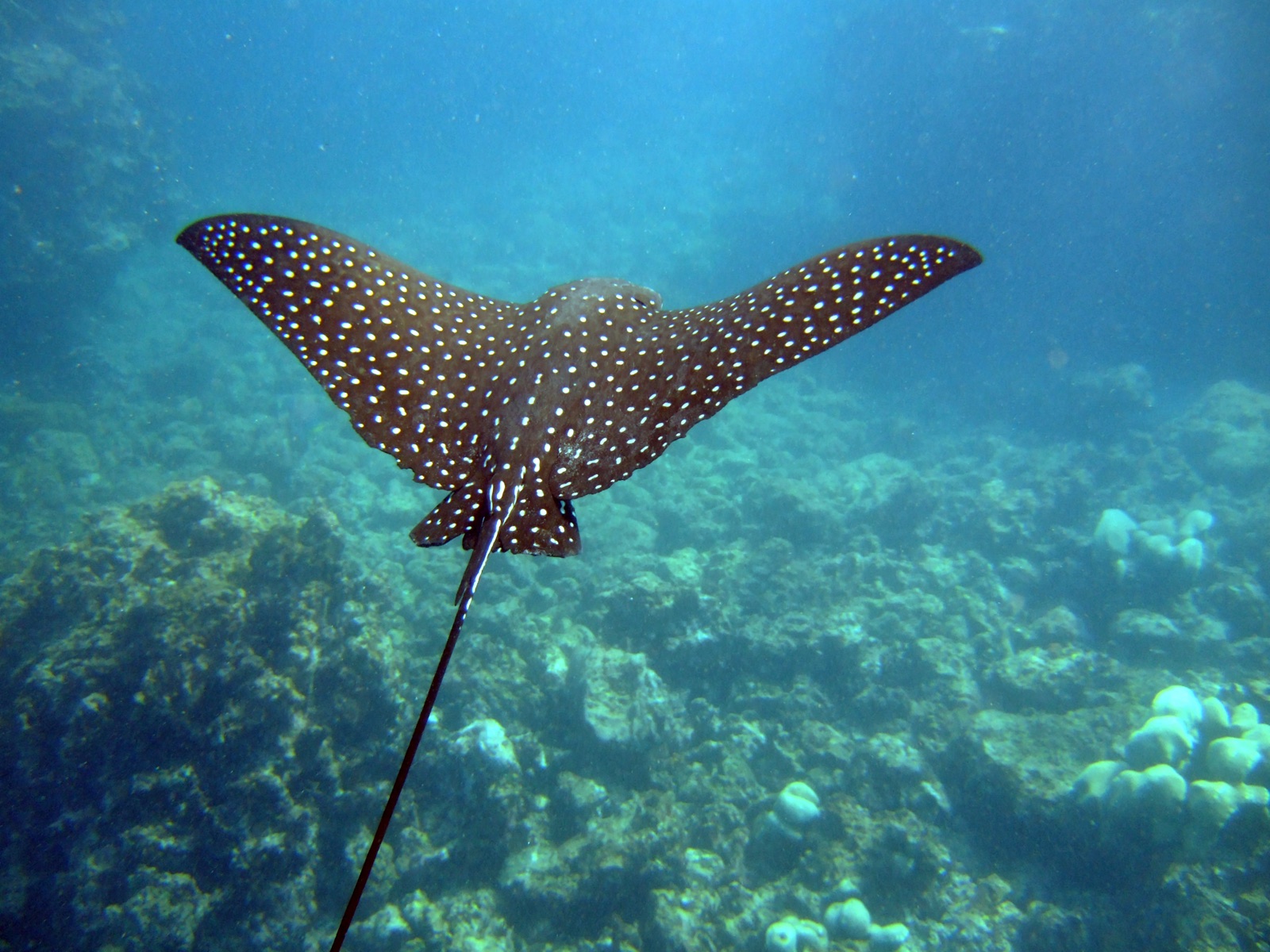
Spotted Eagle Ray
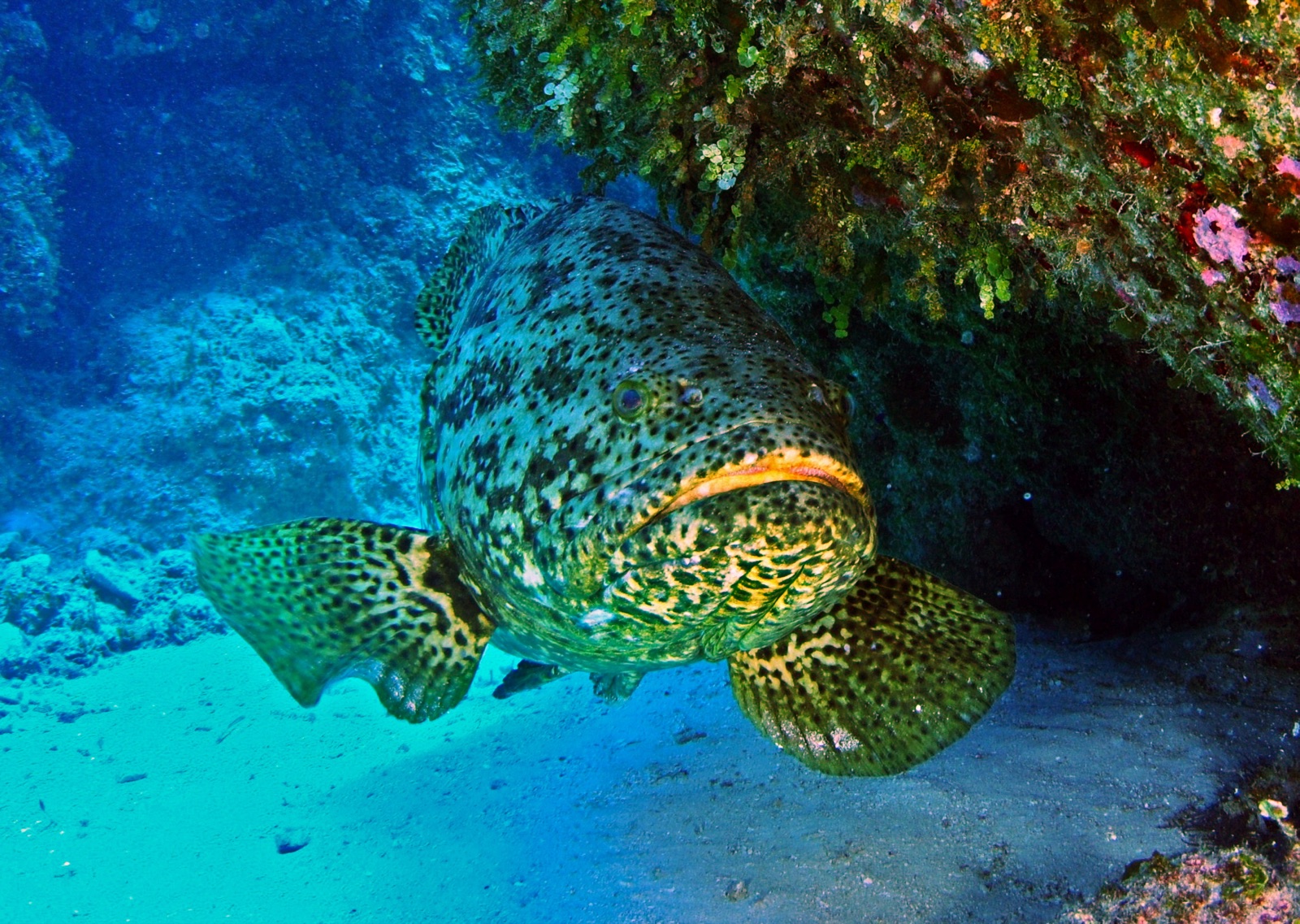
Atlantic Goliath Grouper
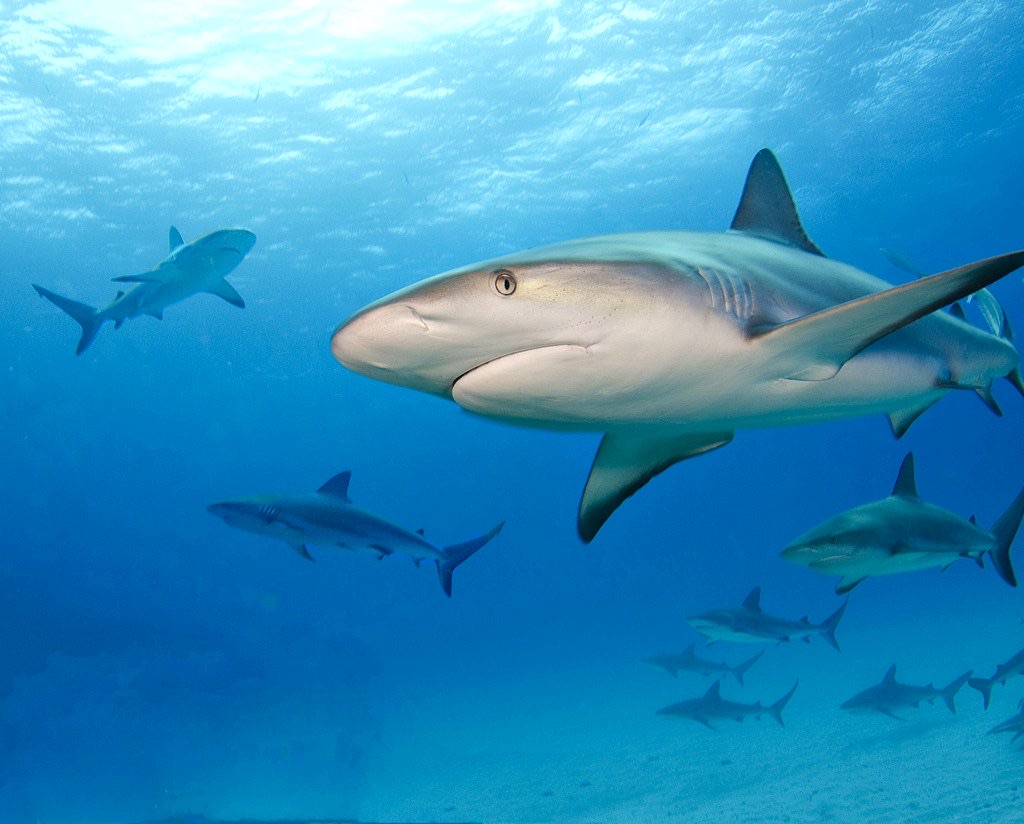
Caribbean Reef Shark
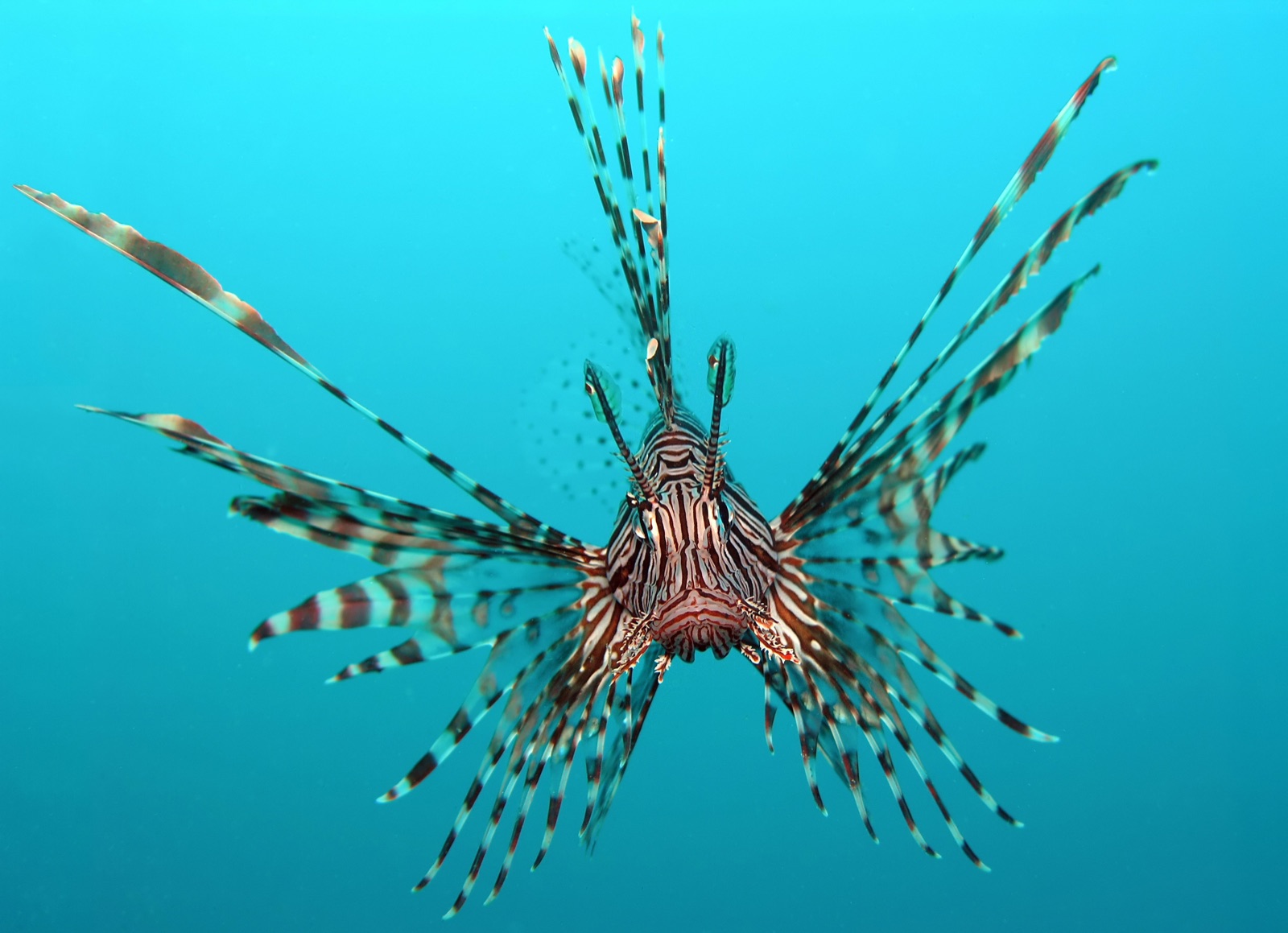
Lionfish
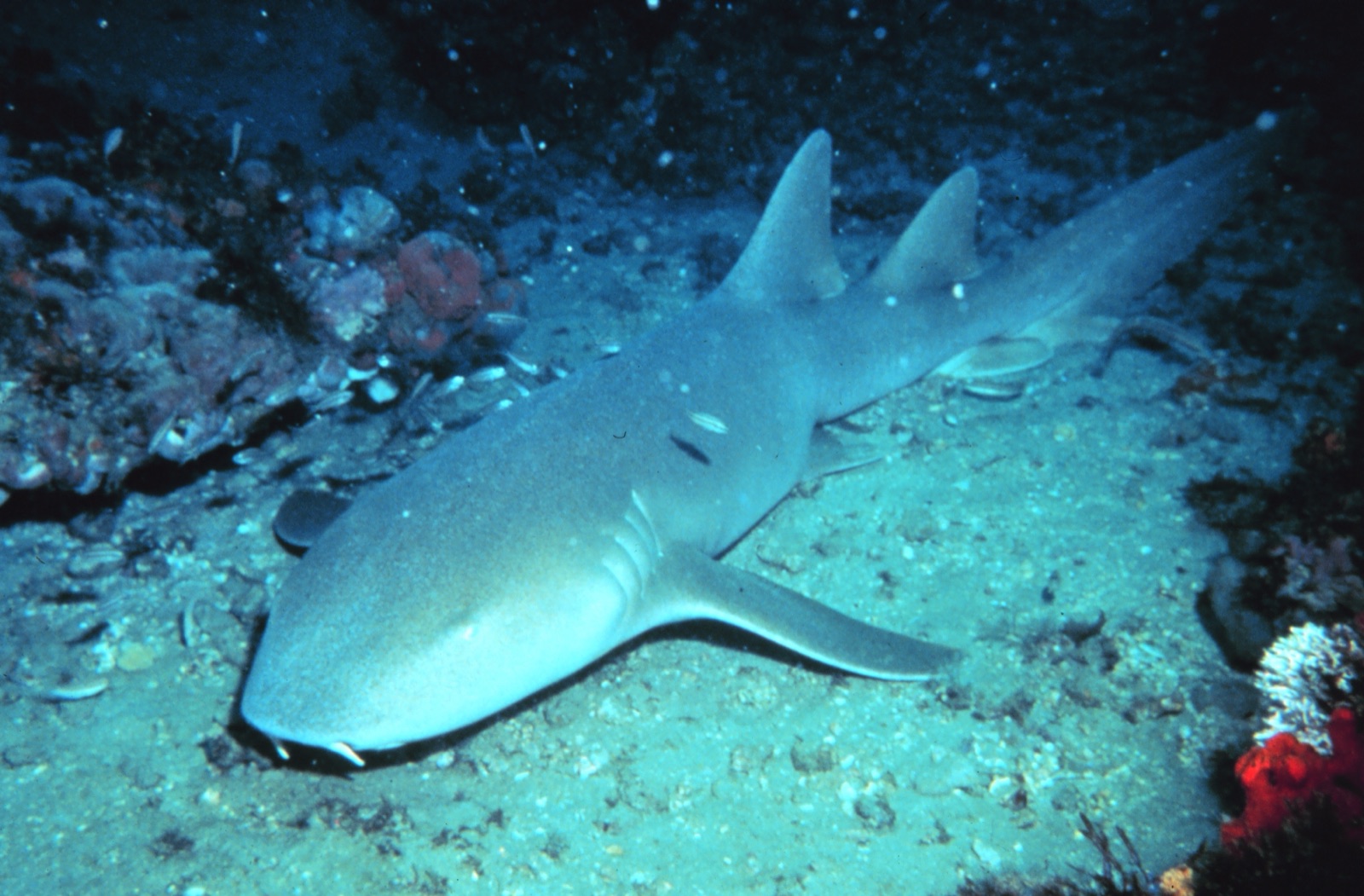
Nurse Shark
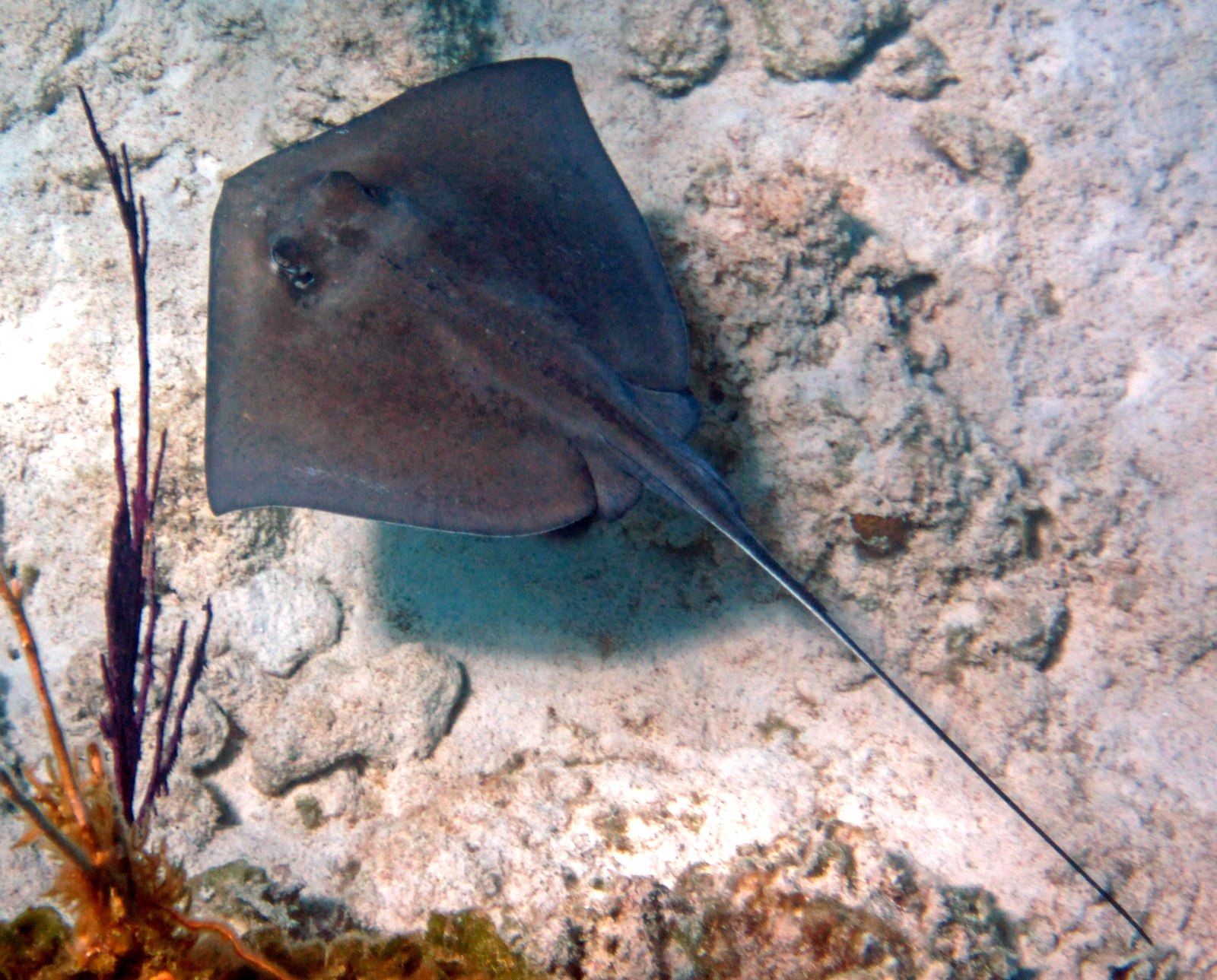
Southern Stingray
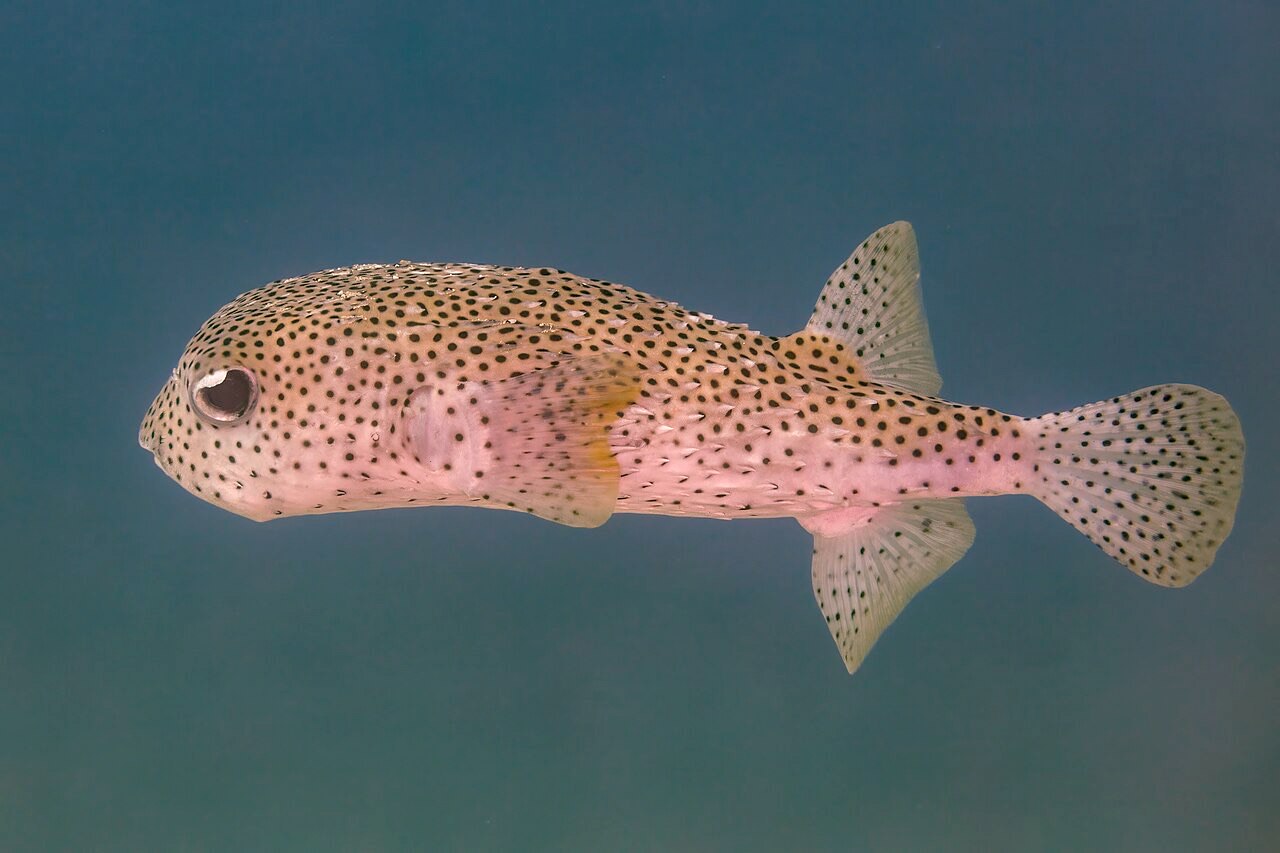
Porcupinefish
Également observé à proximité
Les espèces « cartographiées ici » ont été répertoriées par nos éditeurs à partir des sources indiquées sur cette page. Les comptages correspondent aux occurrences GBIF : observations enregistrées dans un rayon d'environ 5 km autour de la position cartographiée depuis 1990, comparées uniquement aux espèces de notre catalogue. Ils indiquent ce qui a été observé à cet endroit, sans garantir ce que vous y verrez.
Pour les photographes
Grand angle: ★★★★★ · Macro: ★☆☆☆☆ (note 1–5 des éditeurs sur ce que ce site offre à chaque style de prise de vue)