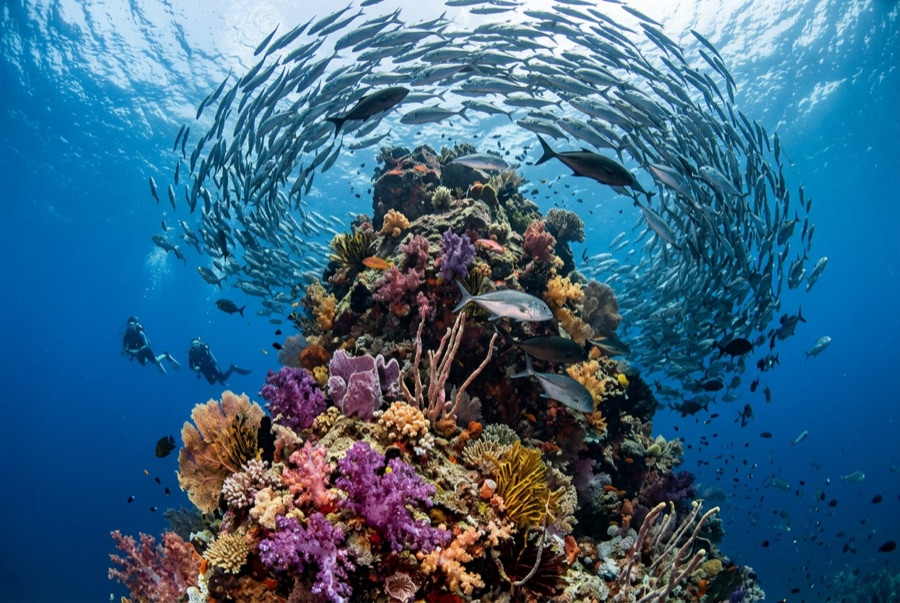
Gordon Rocks
La profundidad es el rango desde la cima del punto de buceo hasta su máximo habitual; la "certificación recomendada" es el nivel que los operadores suelen pedir según las agencias principales, no una norma legal. Las corrientes y la visibilidad cambian a diario, así que trata todo esto como rangos de planificación.
Gordon Rocks is the best big-animal dive available without boarding a liveaboard: an eroded tuff crater off northeastern Santa Cruz whose rim breaks the surface in three stacks. Inside, the crater floor sits around 32 m; the action concentrates along the rim, where scalloped hammerheads patrol singly or in small schools and eagle rays hold formation against the flow. Sea lions dive-bomb safety stops, turtles wedge into the rock to be cleaned, and the current - the site's engine and its hazard - can shift mid-dive. Locals call it the washing machine without exaggerating much. Day boats run it regularly from Puerto Ayora, making it many divers' first hammerhead encounter.
El momento por el que vienes: Hammerheads on a day trip, eagle rays stacked in current, sea lion buzz-bys
Topografía: Submerged volcanic crater rim with sand at depth inside
Corriente: The eroded crater funnels tide through gaps in the rim - down-currents happen, which is why day boats vet experience.
Lo que debes saber antes de tirarte al agua
Riesgos: Down-currents and washing-machine turbulence at the rim gaps; surge near the stacks.
Conservación: Within the Galapagos Marine Reserve; guided groups only.
Nitrox: Vale la pena aquí: los perfiles están en el rango donde el nitrox amplía de forma significativa el tiempo sin parada (con la formación necesaria para usarlo).
A quién encontrarás
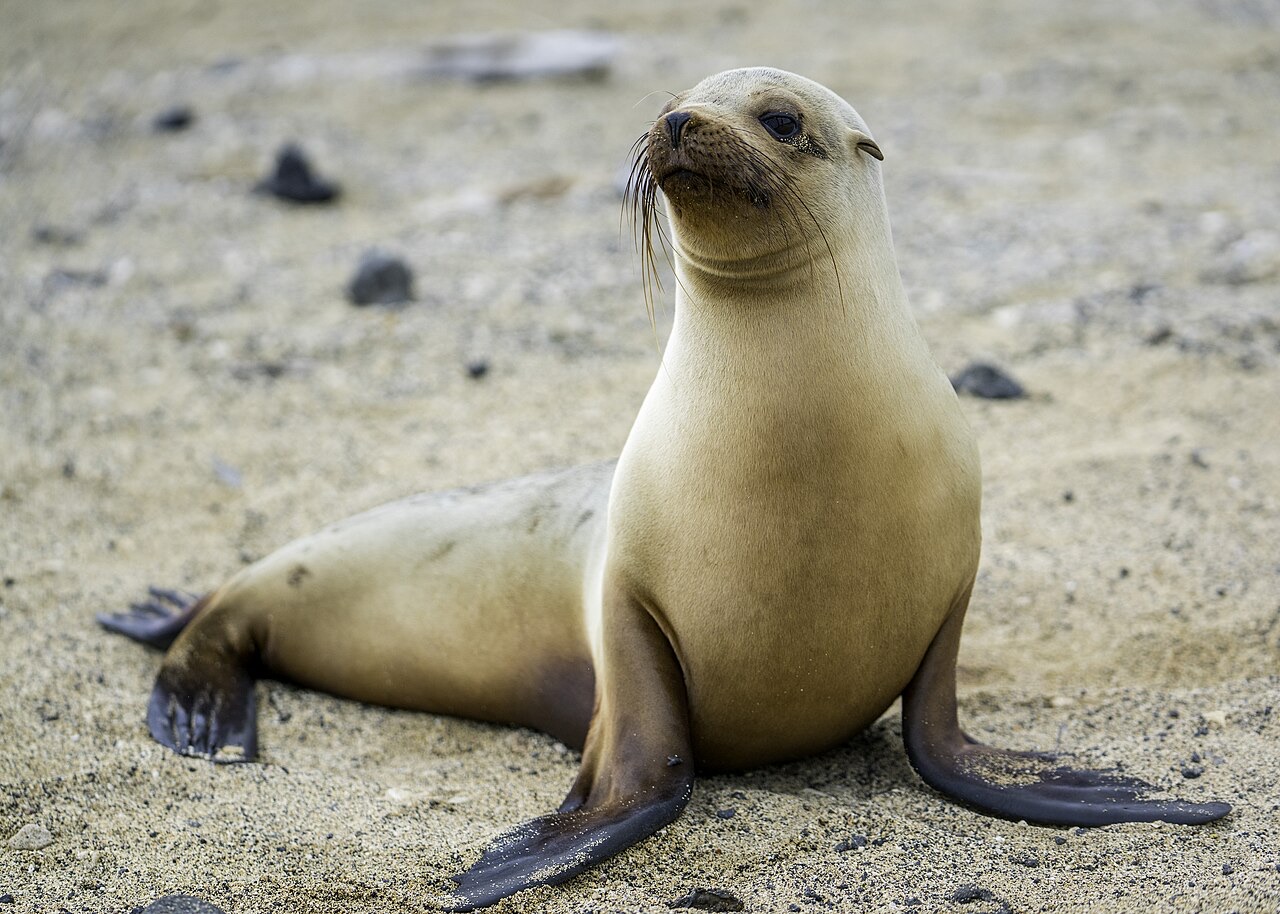
Galápagos Sea Lion
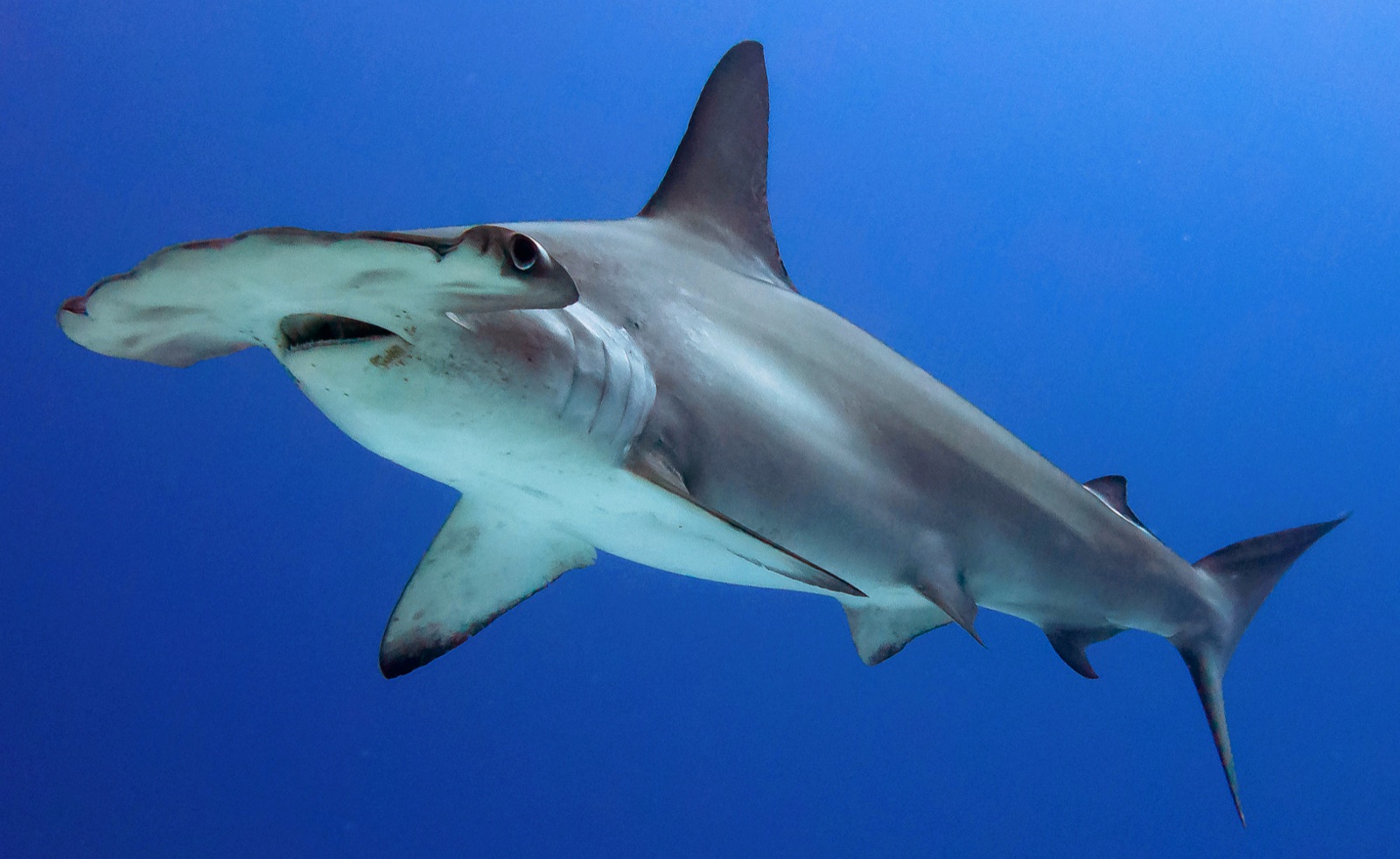
Scalloped Hammerhead
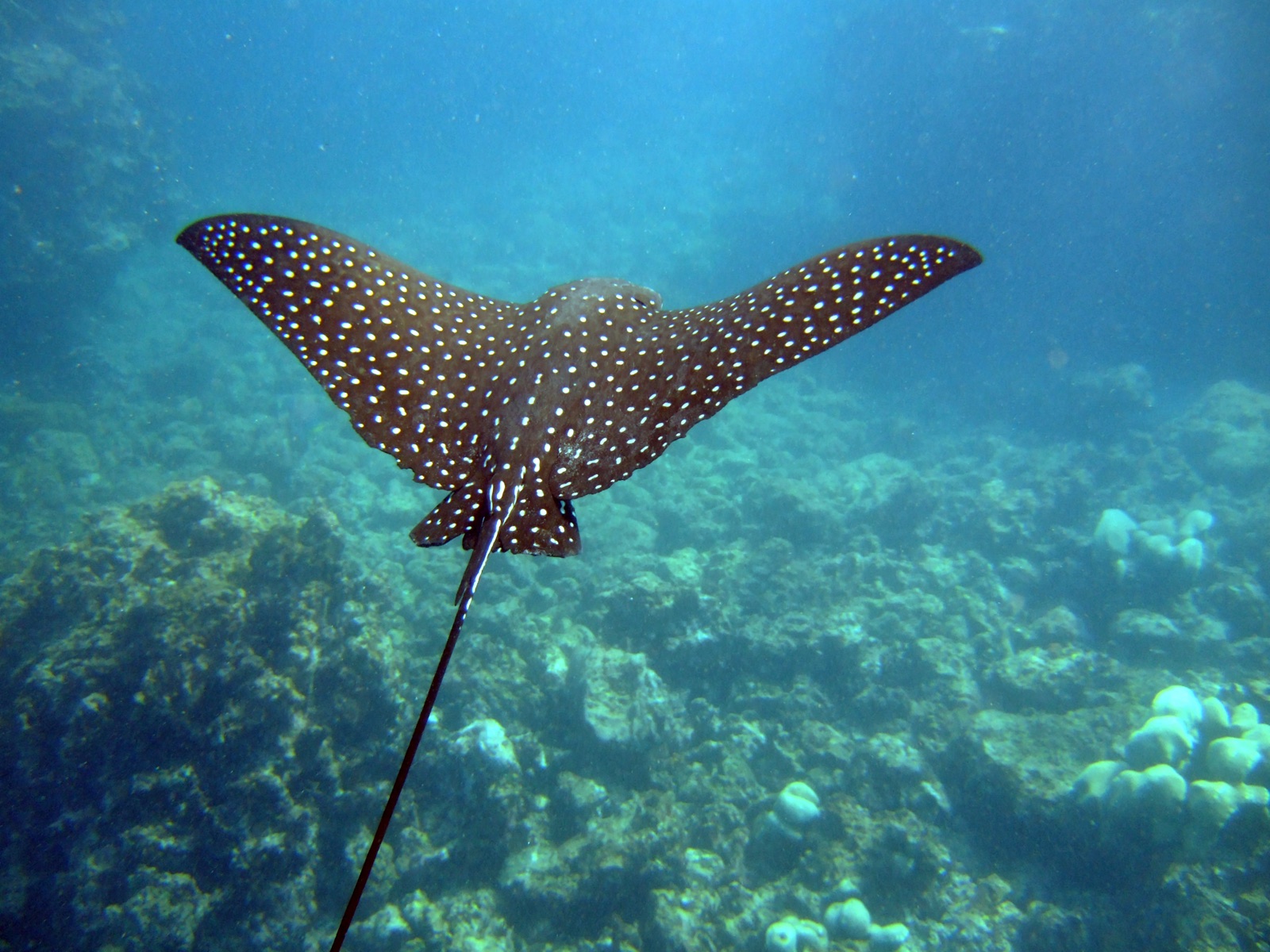
Spotted Eagle Ray
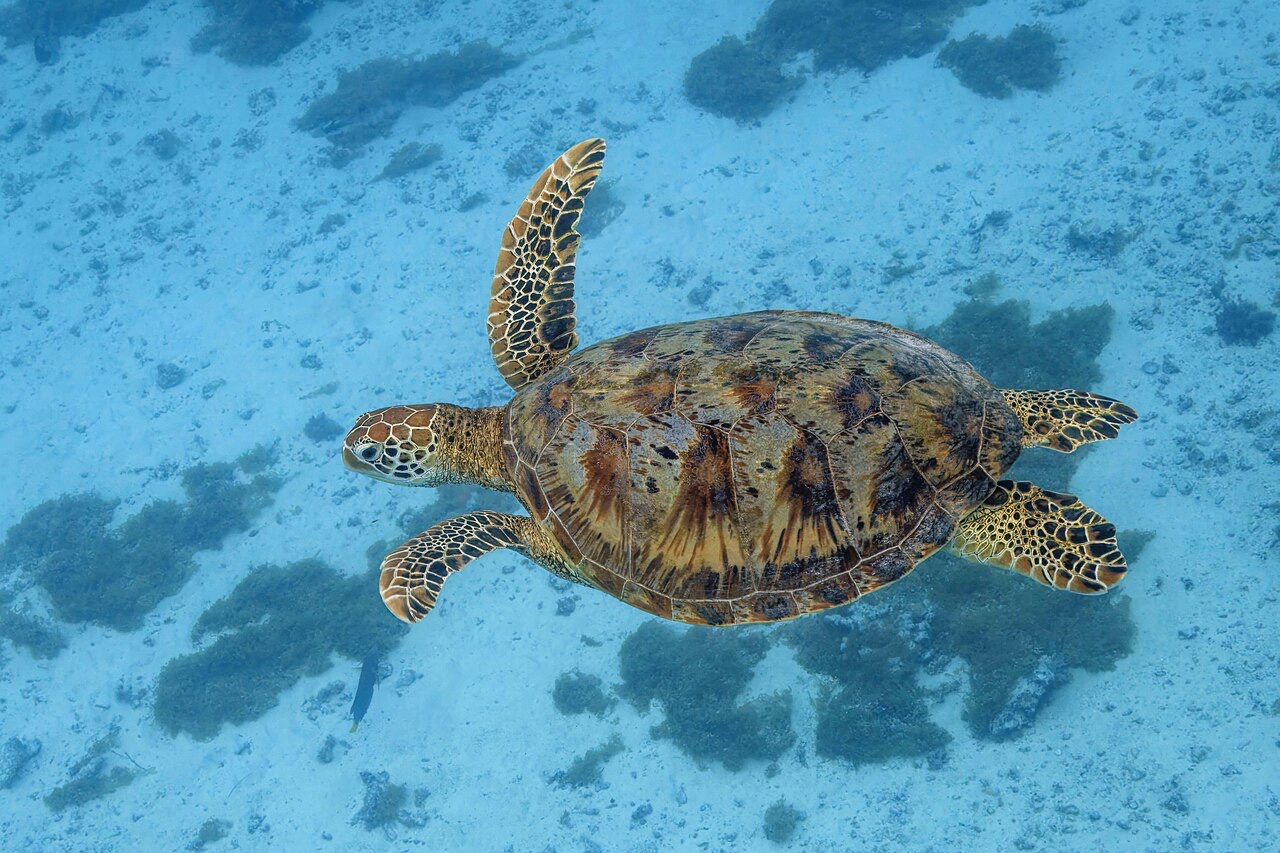
Green Sea Turtle
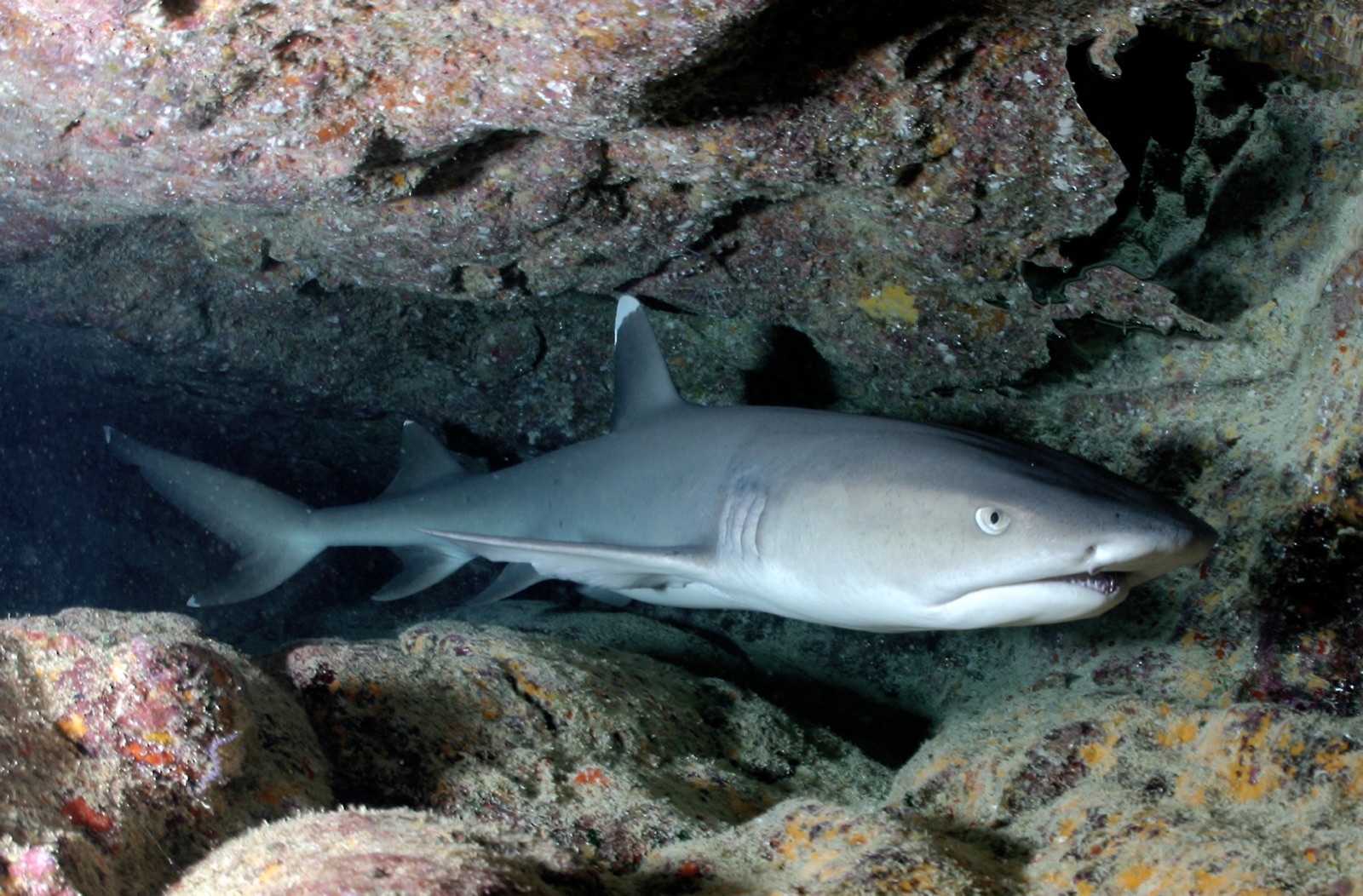
Whitetip Reef Shark
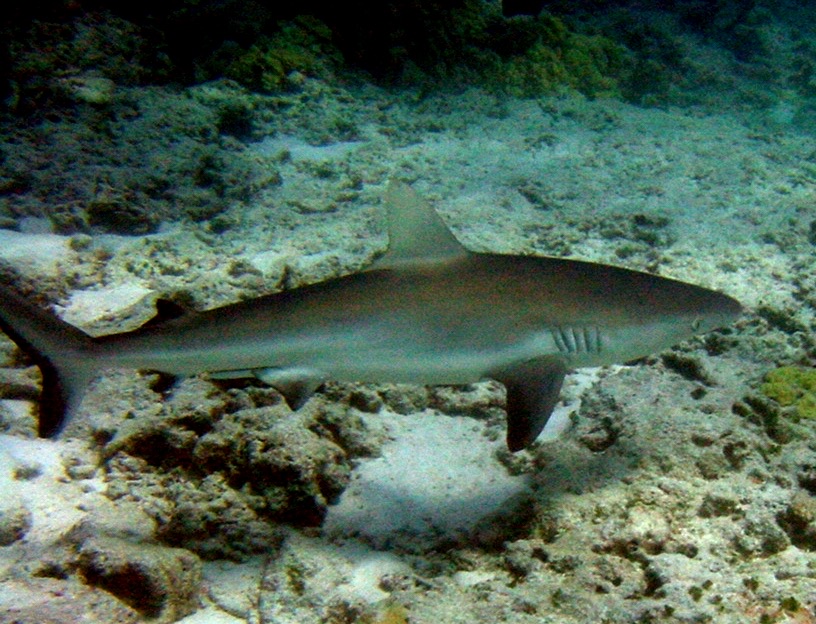
Galápagos Shark
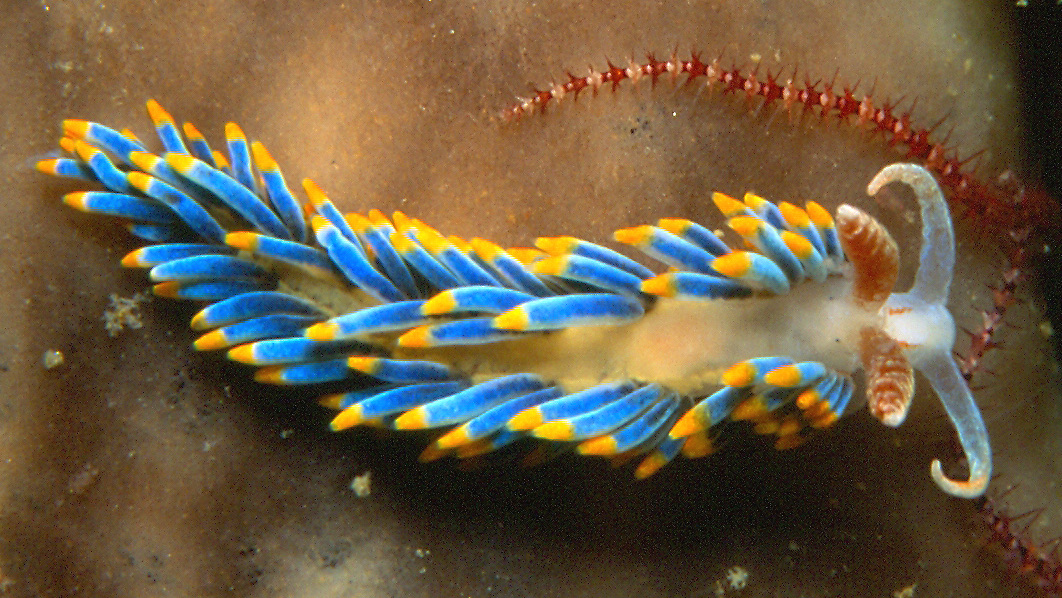
Nudibranchs
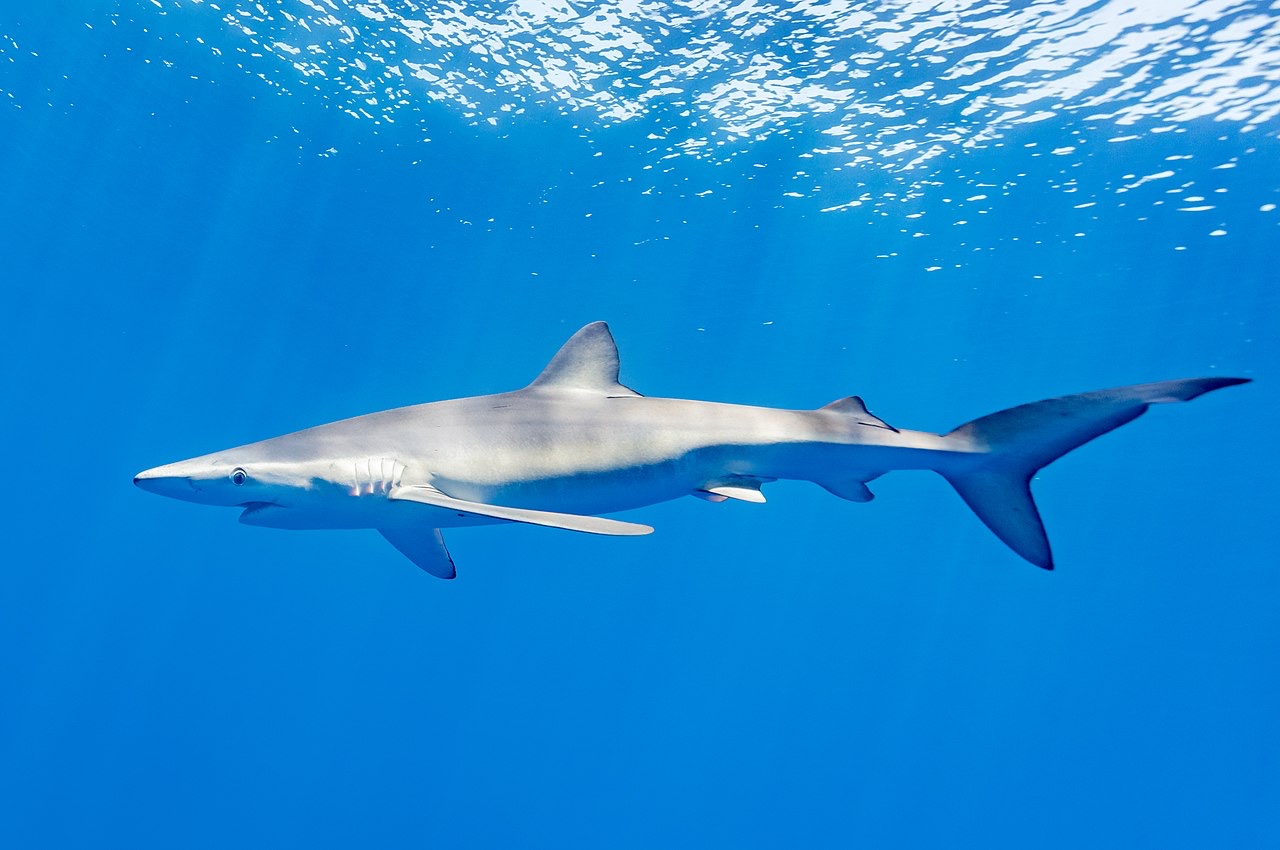
Blue Shark
También registrado cerca
Las especies "aquí registradas" fueron añadidas por nuestros editores a partir de las fuentes de esta página. Los recuentos son registros de ocurrencia de GBIF: observaciones anotadas en un radio de unos 5 km de la posición registrada desde 1990, cotejadas únicamente con las especies de nuestro catálogo. Muestran lo que se ha avistado allí, no una garantía de lo que verás.
Para fotógrafos
Gran angular: ★★★★☆ · Macro: ★★☆☆☆ (valoración de 1 a 5 de los editores sobre lo que ofrece este sitio para cada estilo de fotografía)