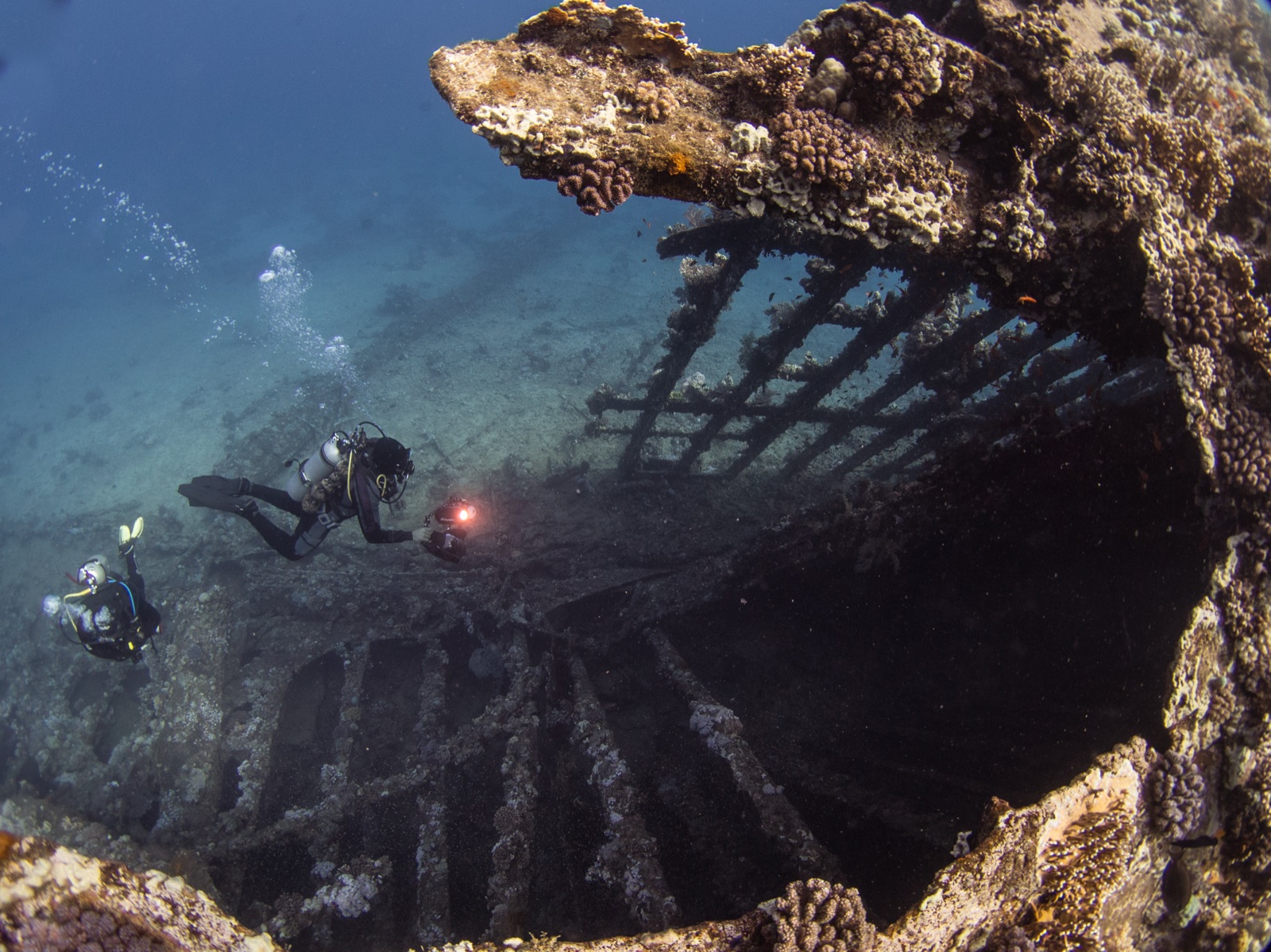
SS Carnatic
수심은 사이트 상단부터 통상적인 최대 수심까지의 범위이며, '권장 자격증'은 업체에서 통상적으로 요구하는 주요 인증 기관 기준이지 법적 규정이 아닙니다. 조류와 시야는 매일 달라지므로, 모든 정보는 계획 수립용 참고 범위로 활용하세요.
A P&O steam-and-sail mail ship, the Carnatic struck Abu Nuhas in September 1869 and broke apart the following day with the loss of 31 of those aboard; most of her gold specie was salvaged within weeks, feeding a century of treasure rumors. What remains is the most beautiful object on the reef: an iron skeleton lying on its port side, planking long gone, so that light falls through the ribs into open holds and the whole midships reads as a sunlit arcade. Soft corals candy-stripe the frames, glassfish pack the bow, and the intact stern still carries its propeller and rudder. As one of the world's oldest routinely dived wrecks, she asks for gentle fins and no souvenirs.
바로 그 순간: Light through the exposed iron ribs; soft-coral growth on a Victorian hull; the intact stern and propeller.
지형: Iron-framed hull lying on its port side on sand at the reef base
진입: Mid-reef on Abu Nuhas; usually the second dive of a wreck day, with descent down a mooring or shot line.
입수 전에 알아두세요
위험 요소: Aging structure - do not pull or push on the frames; mild surge near the reef.
보존: An 1869 loss with lives taken - dive it as heritage: no contact, no removal.
나이트록스: 여기서 가치 있는 이유: 이 프로필들은 엔리치드 에어가 무감압 시간을 의미 있게 연장해 주는 범위에 해당하며, 교육을 받은 경우에 해당합니다.
만날 수 있는 생물
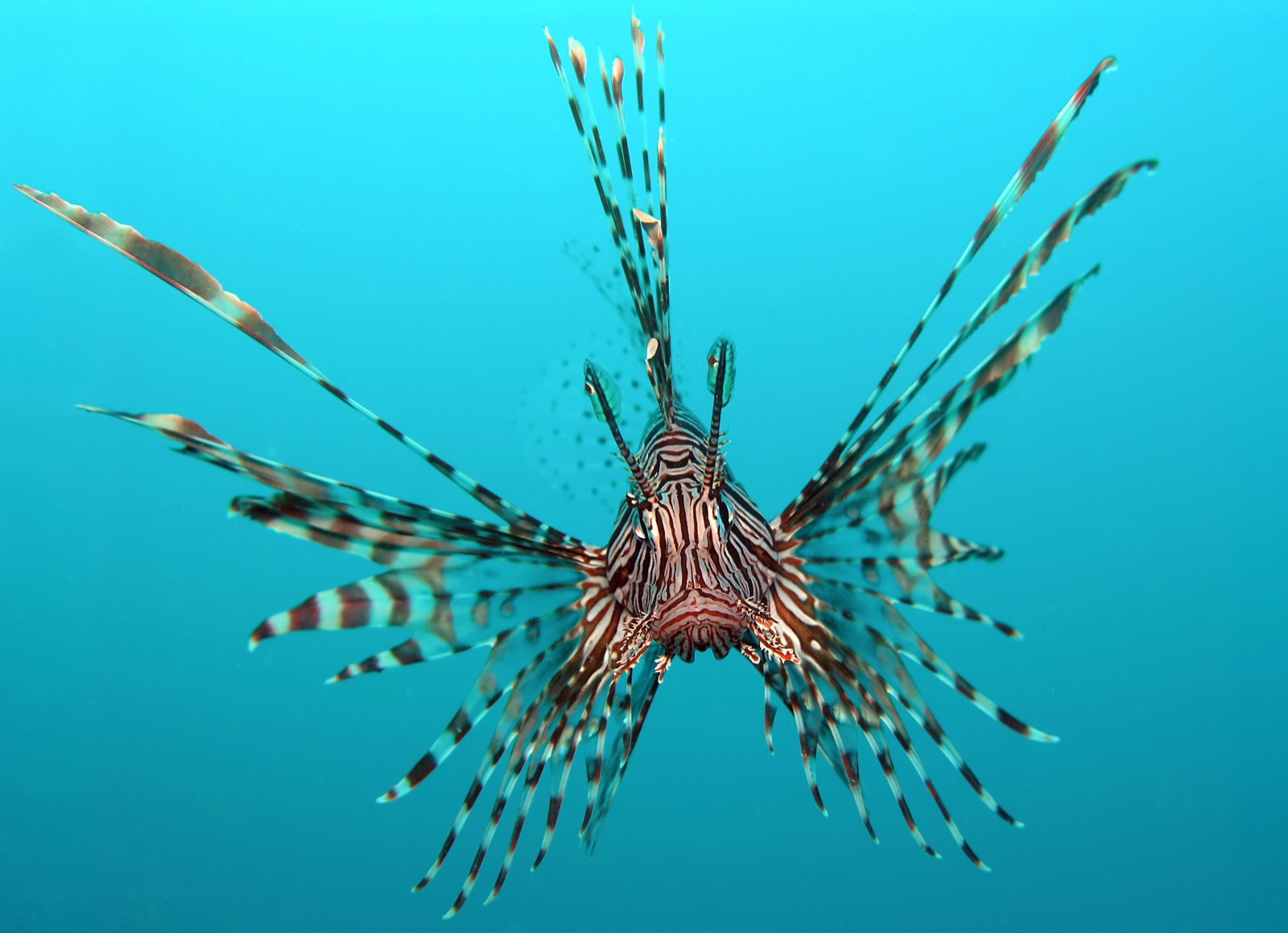
Lionfish
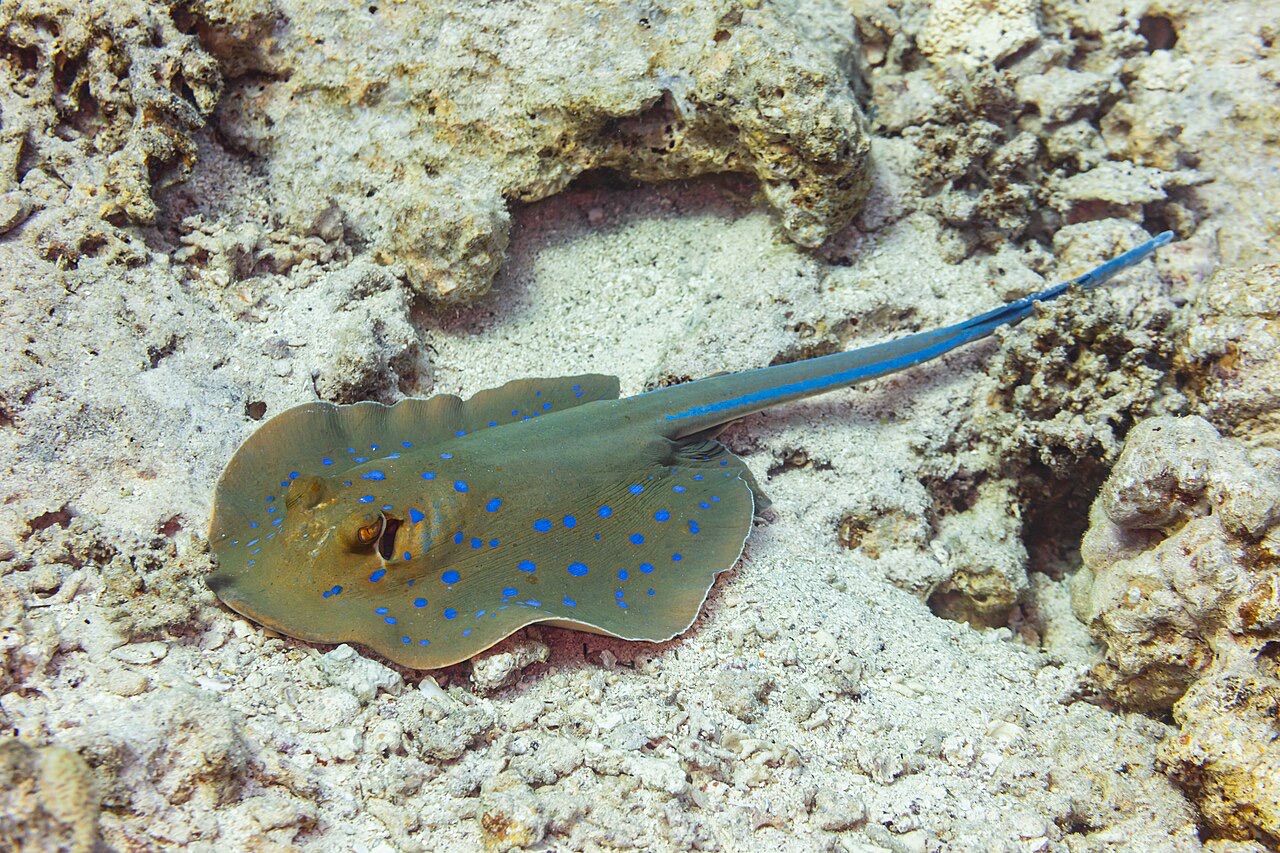
Blue-Spotted Ribbontail Ray
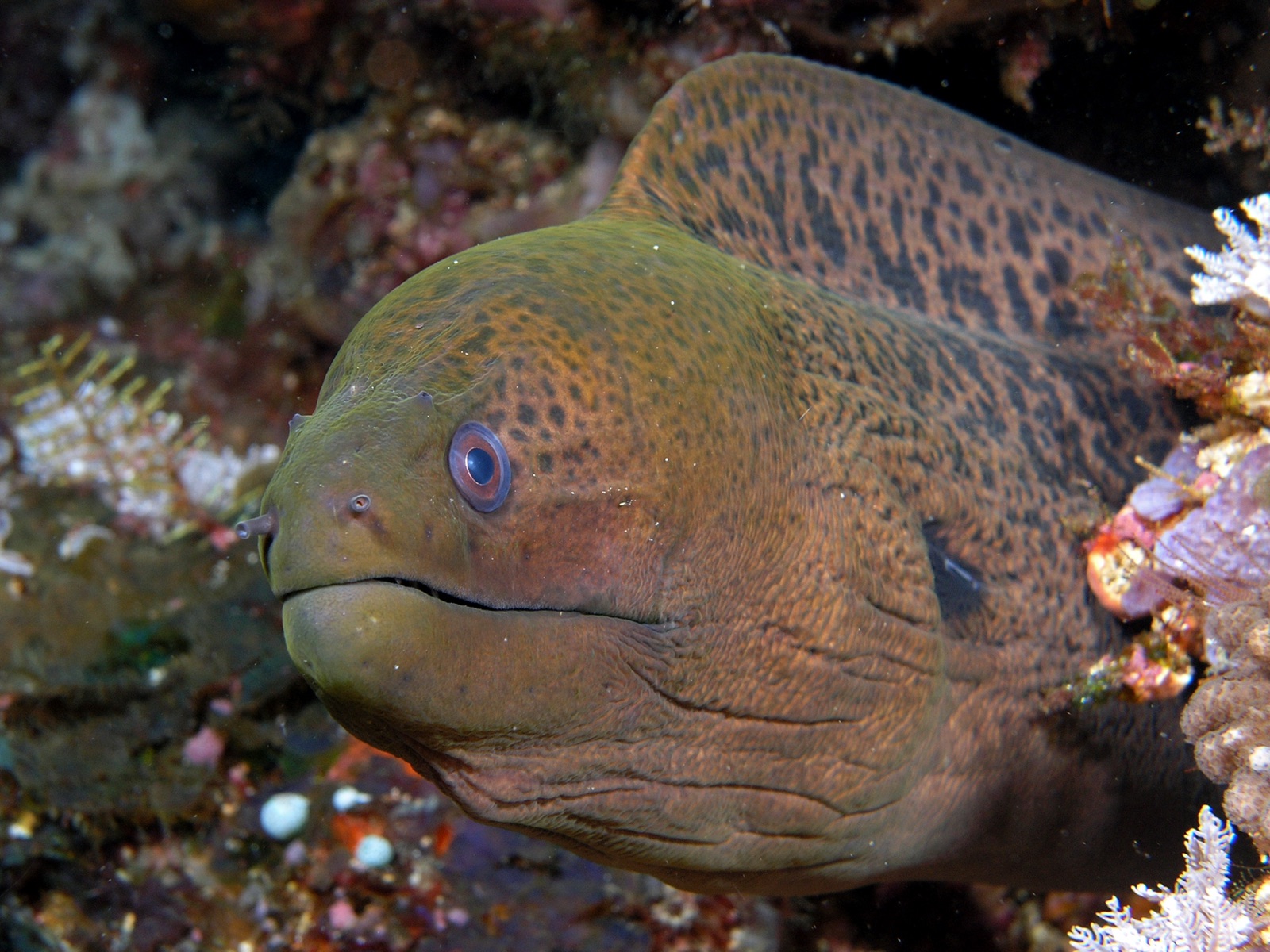
Giant Moray Eel
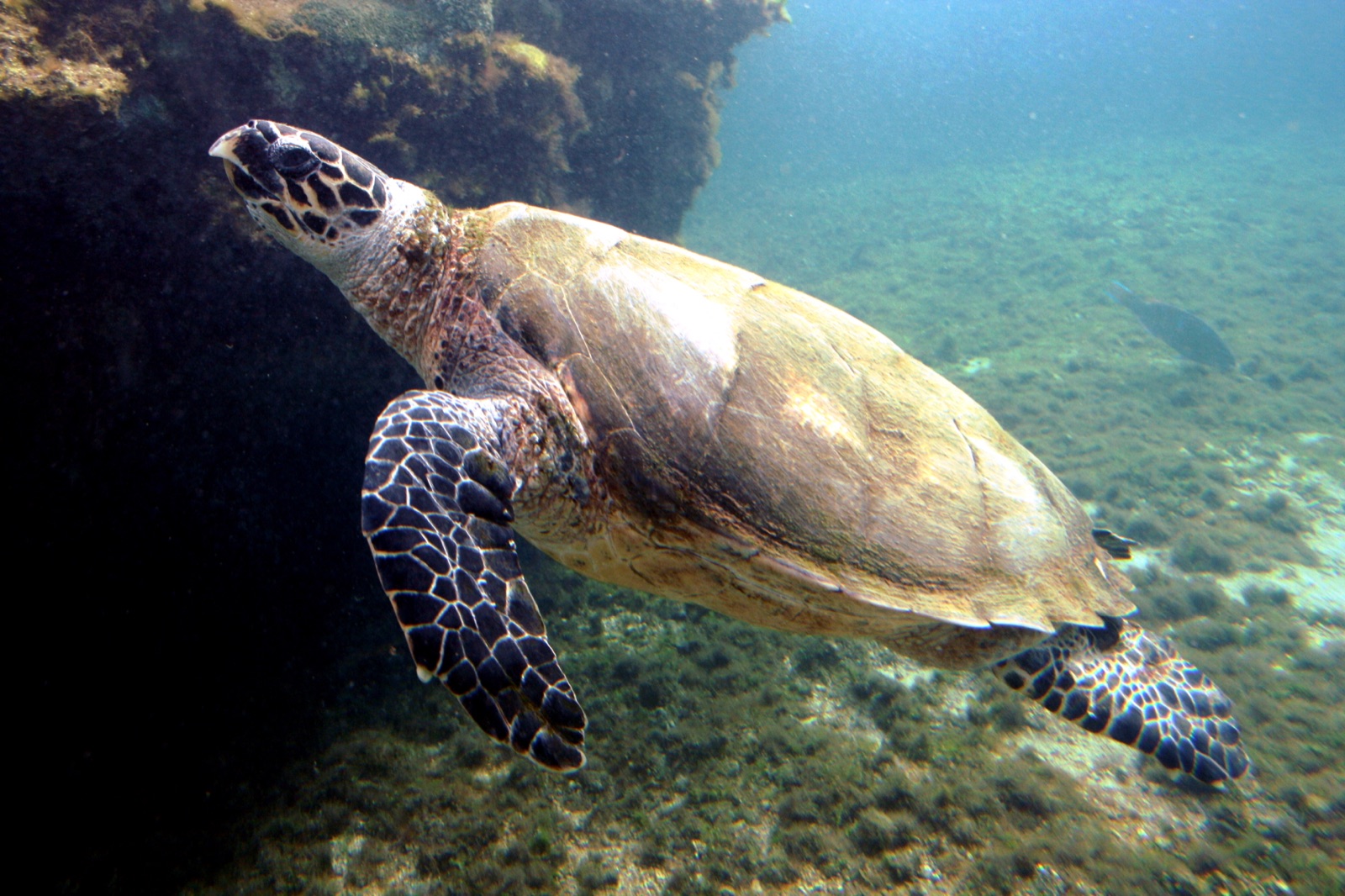
Hawksbill Turtle
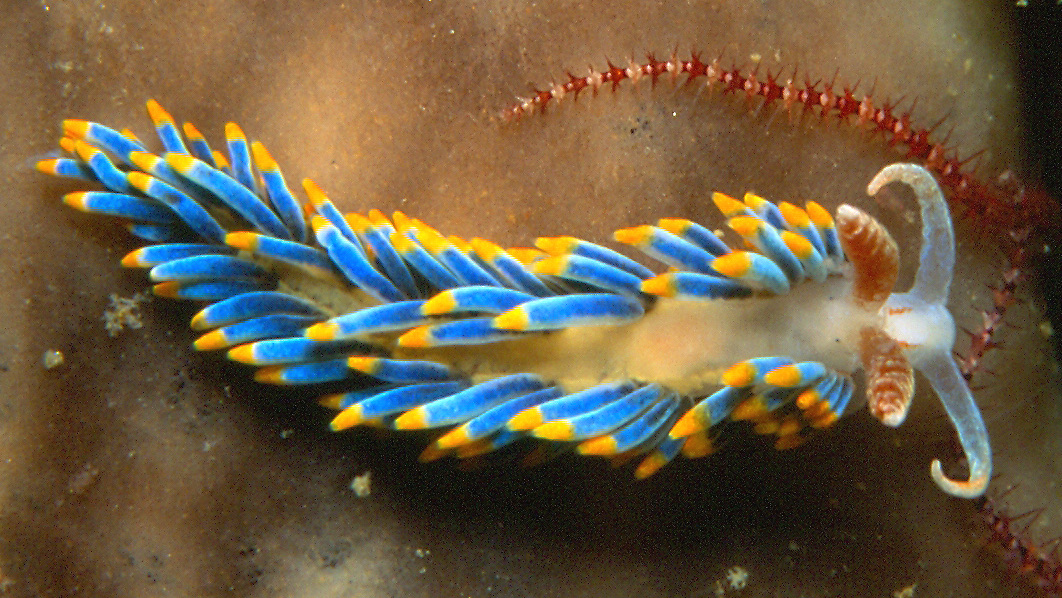
Nudibranchs
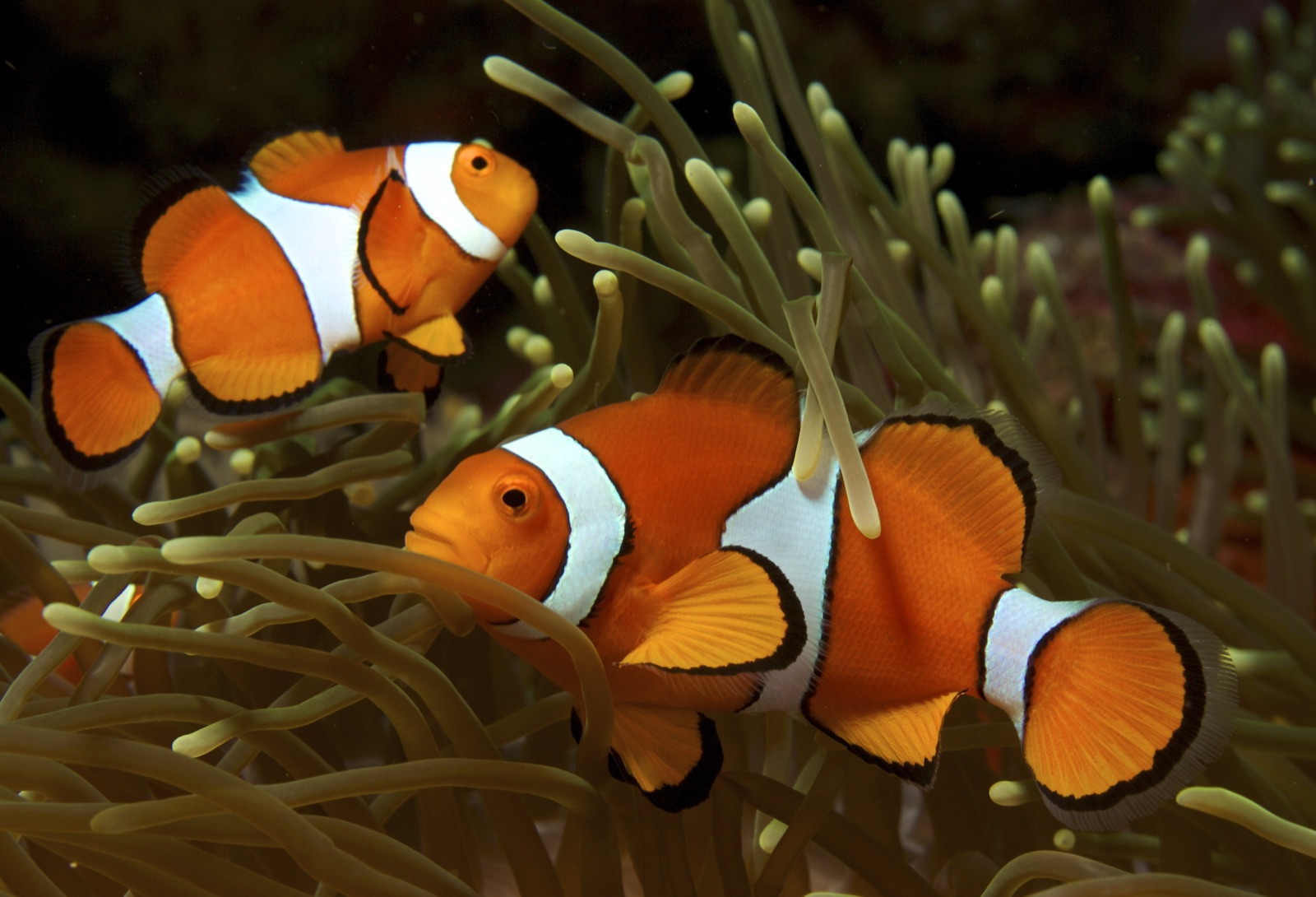
Clownfish & Anemonefish
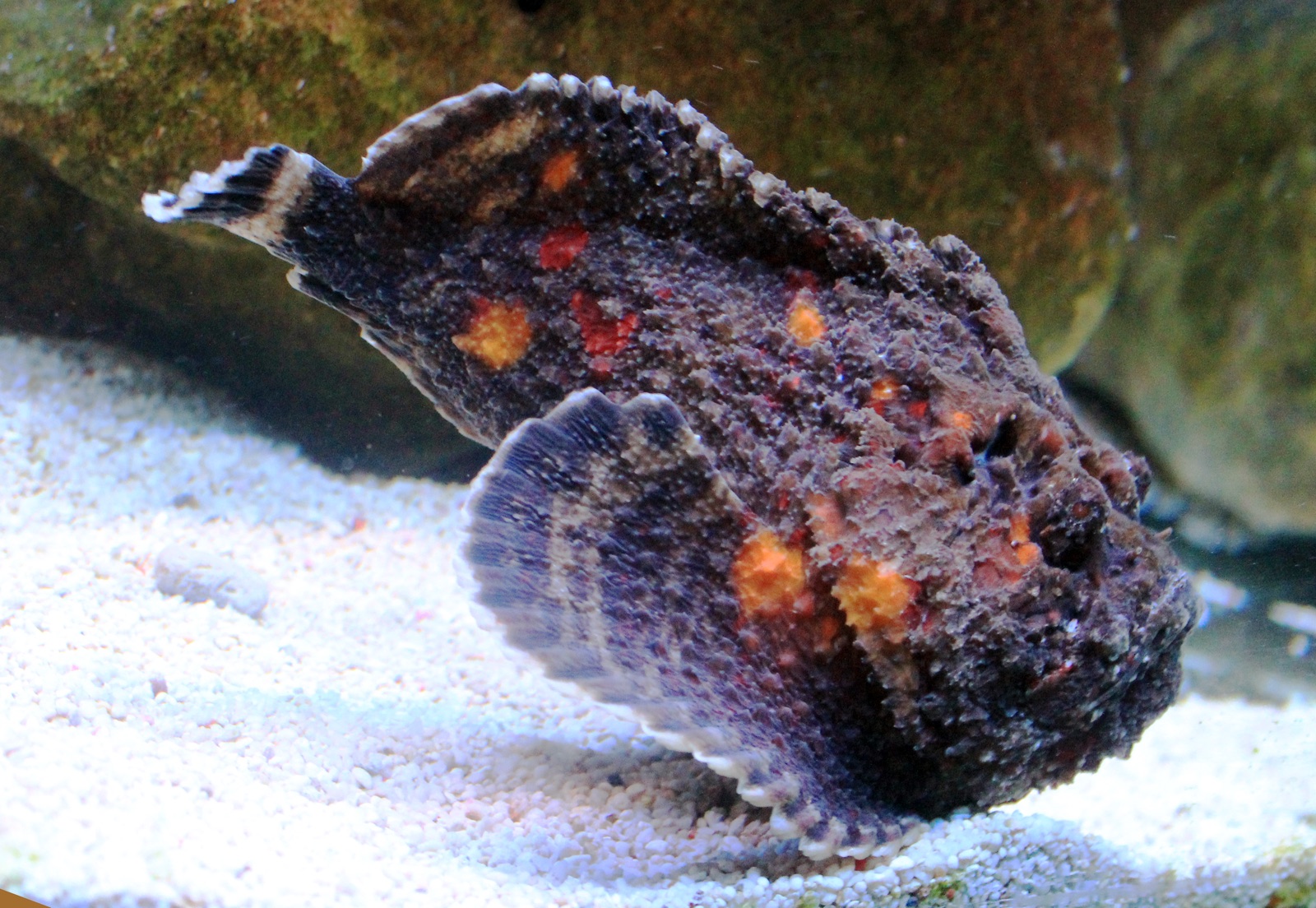
Reef Stonefish
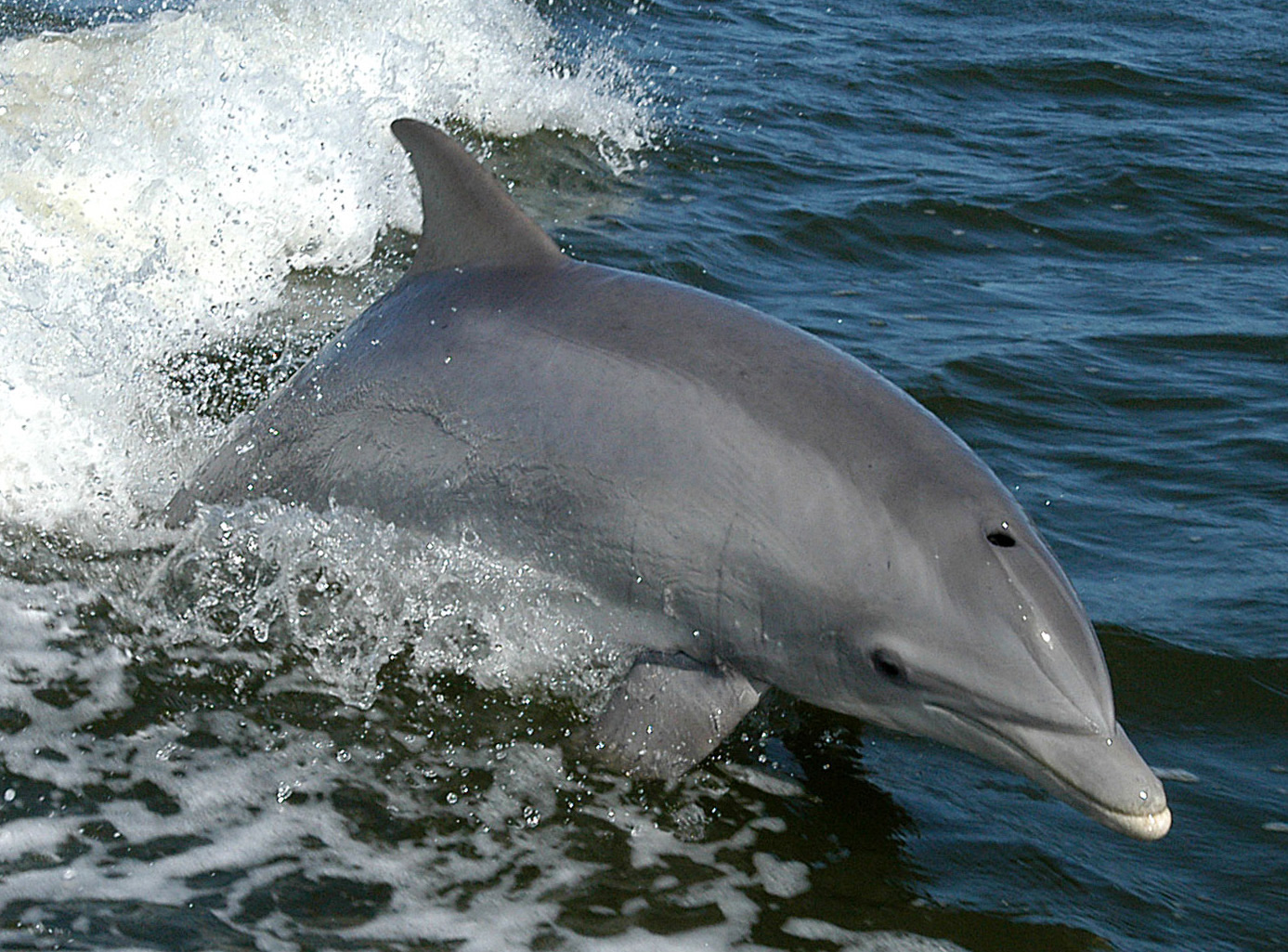
Bottlenose Dolphin
인근에서도 기록된 종
"여기에 등록된" 생물종은 편집팀이 이 페이지의 출처를 바탕으로 목록화한 종입니다. 표시된 수치는 GBIF 출현 기록으로, 1990년 이후 등록 위치 기준 약 5km 이내에서 관찰·기록된 건수이며, 저희 카탈로그에 수록된 종에 한해 대조한 결과입니다. 실제로 목격된 사례를 보여주는 것이며, 현장에서 반드시 볼 수 있다는 보장은 아닙니다.
수중 촬영자를 위한 정보
광각: ★★★★★ · 마크로: ★★★☆☆ (각 촬영 스타일에 대한 에디터의 1–5점 평가)