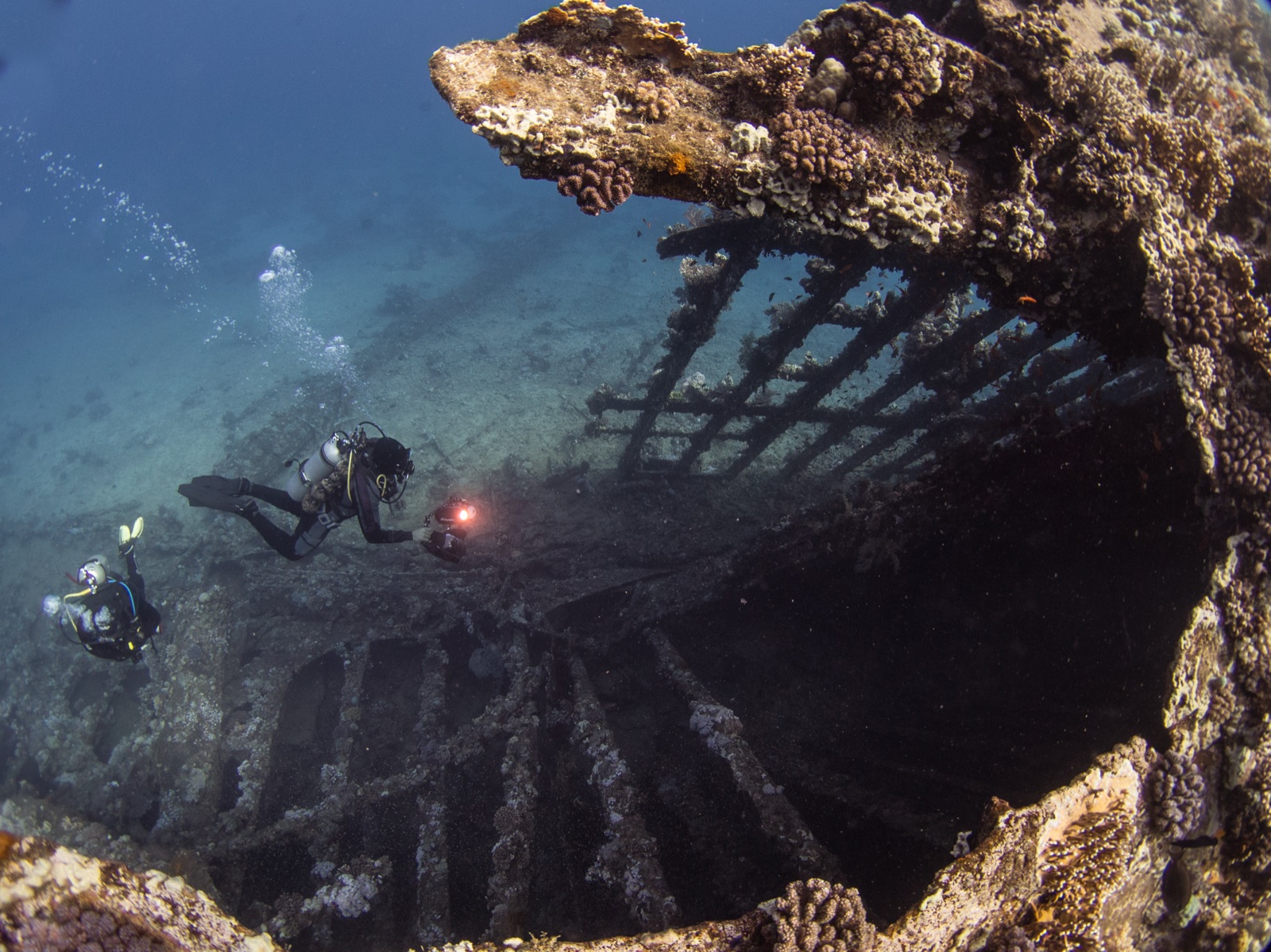
SS Carnatic
La profondeur correspond à la plage allant du sommet du site jusqu'à son maximum habituel ; le « niveau recommandé » est le niveau demandé en général par les opérateurs auprès des grandes agences, pas une règle légale. Les courants et la visibilité varient chaque jour, traitez donc tout cela comme des plages indicatives de planification.
A P&O steam-and-sail mail ship, the Carnatic struck Abu Nuhas in September 1869 and broke apart the following day with the loss of 31 of those aboard; most of her gold specie was salvaged within weeks, feeding a century of treasure rumors. What remains is the most beautiful object on the reef: an iron skeleton lying on its port side, planking long gone, so that light falls through the ribs into open holds and the whole midships reads as a sunlit arcade. Soft corals candy-stripe the frames, glassfish pack the bow, and the intact stern still carries its propeller and rudder. As one of the world's oldest routinely dived wrecks, she asks for gentle fins and no souvenirs.
Le moment pour lequel vous venez: Light through the exposed iron ribs; soft-coral growth on a Victorian hull; the intact stern and propeller.
Topographie: Iron-framed hull lying on its port side on sand at the reef base
Entrée: Mid-reef on Abu Nuhas; usually the second dive of a wreck day, with descent down a mooring or shot line.
À savoir avant de plonger
Dangers: Aging structure - do not pull or push on the frames; mild surge near the reef.
Conservation: An 1869 loss with lives taken - dive it as heritage: no contact, no removal.
Nitrox: Pertinent ici : les profils se situent dans la plage où le nitrox prolonge significativement le temps sans palier (avec la formation pour l'utiliser).
Qui vous croiserez
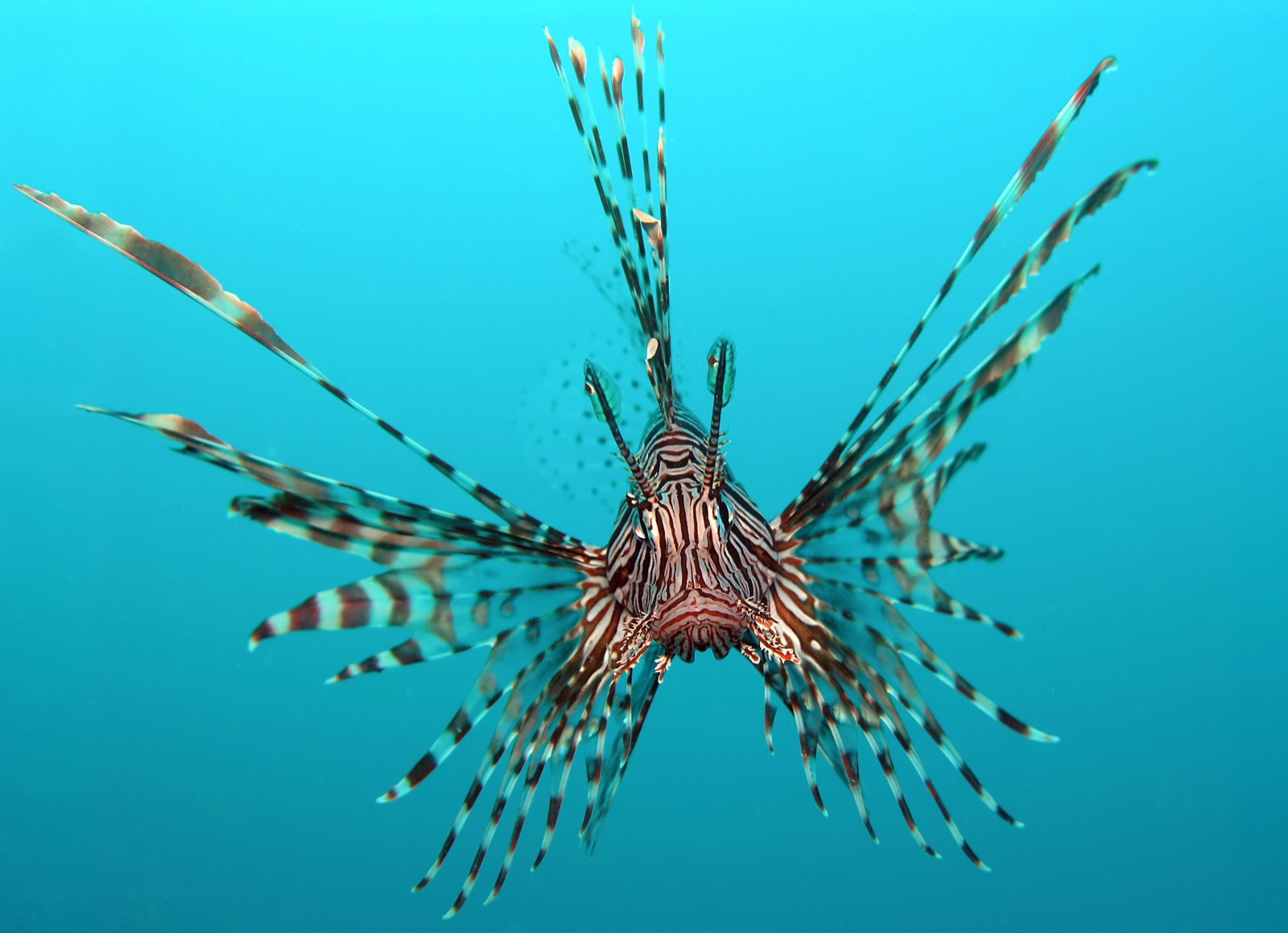
Lionfish
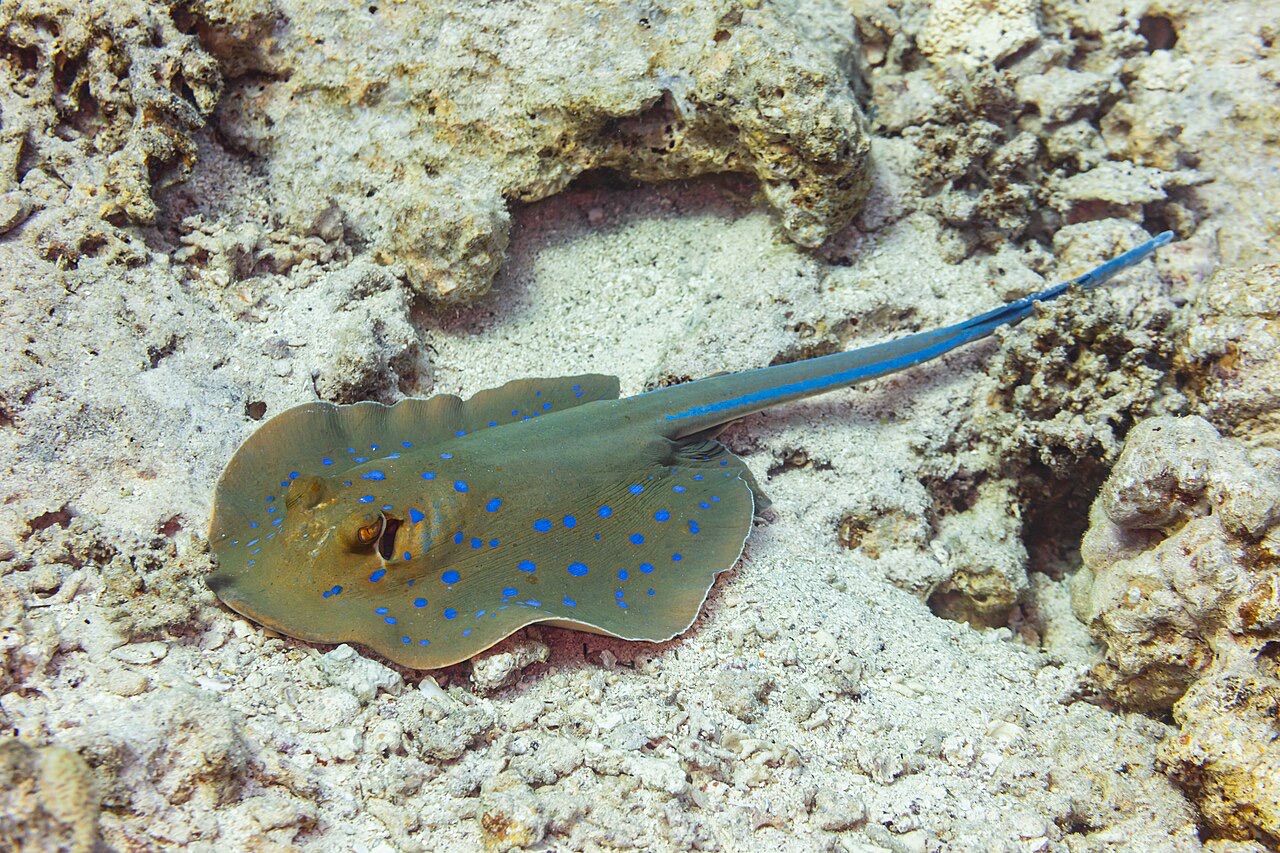
Blue-Spotted Ribbontail Ray
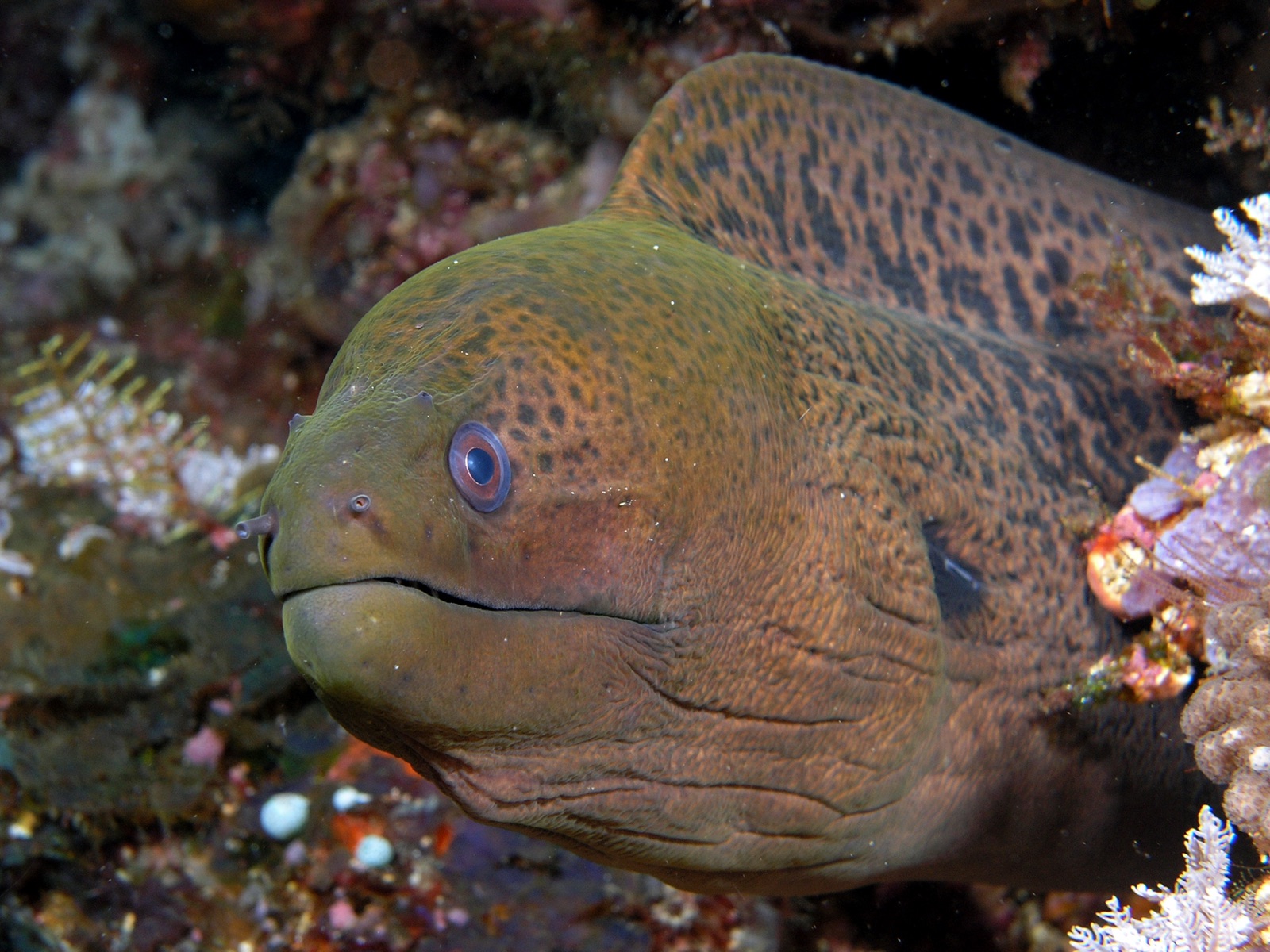
Giant Moray Eel
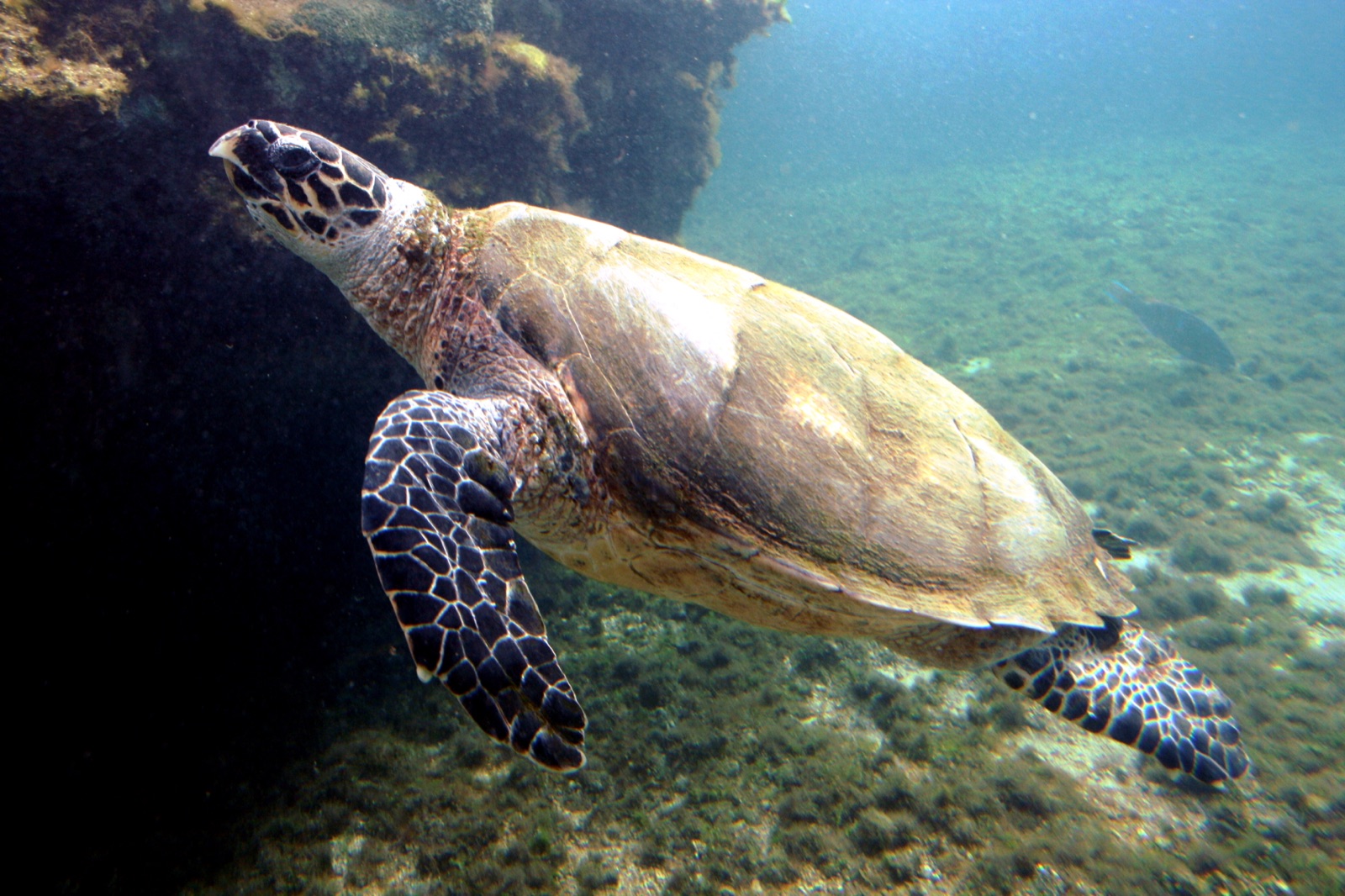
Hawksbill Turtle
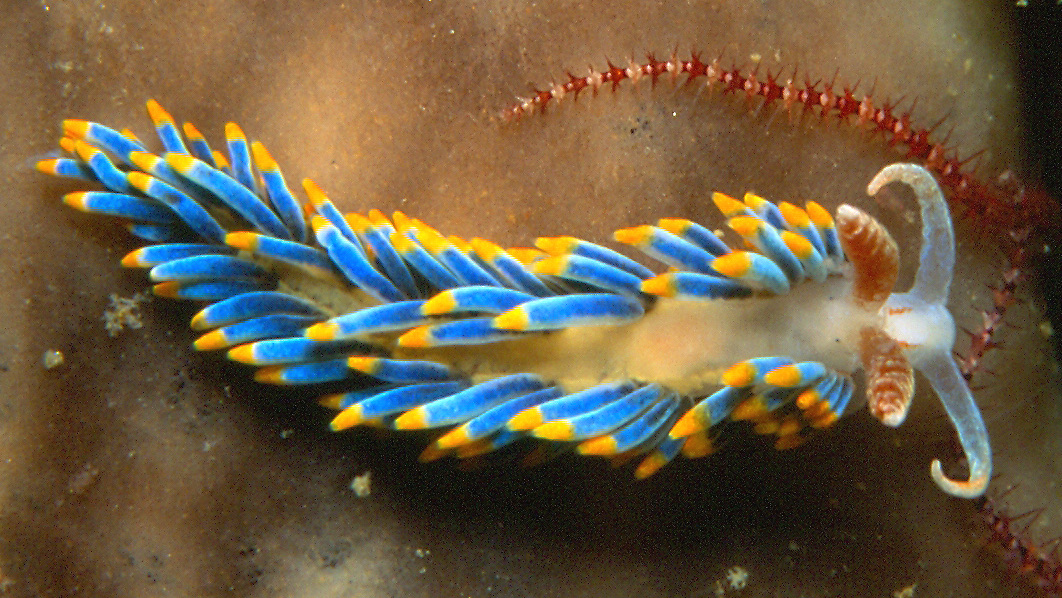
Nudibranchs
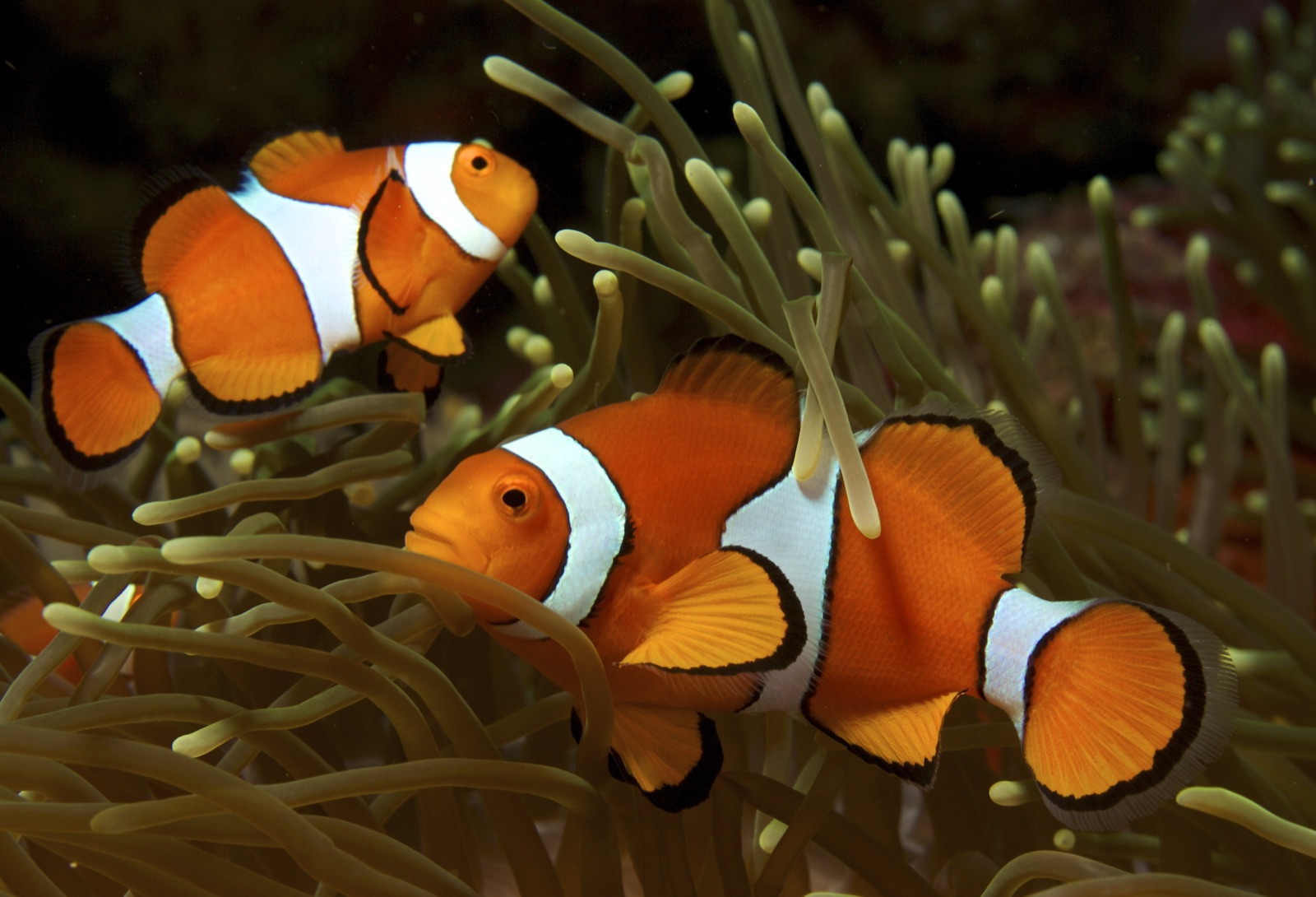
Clownfish & Anemonefish
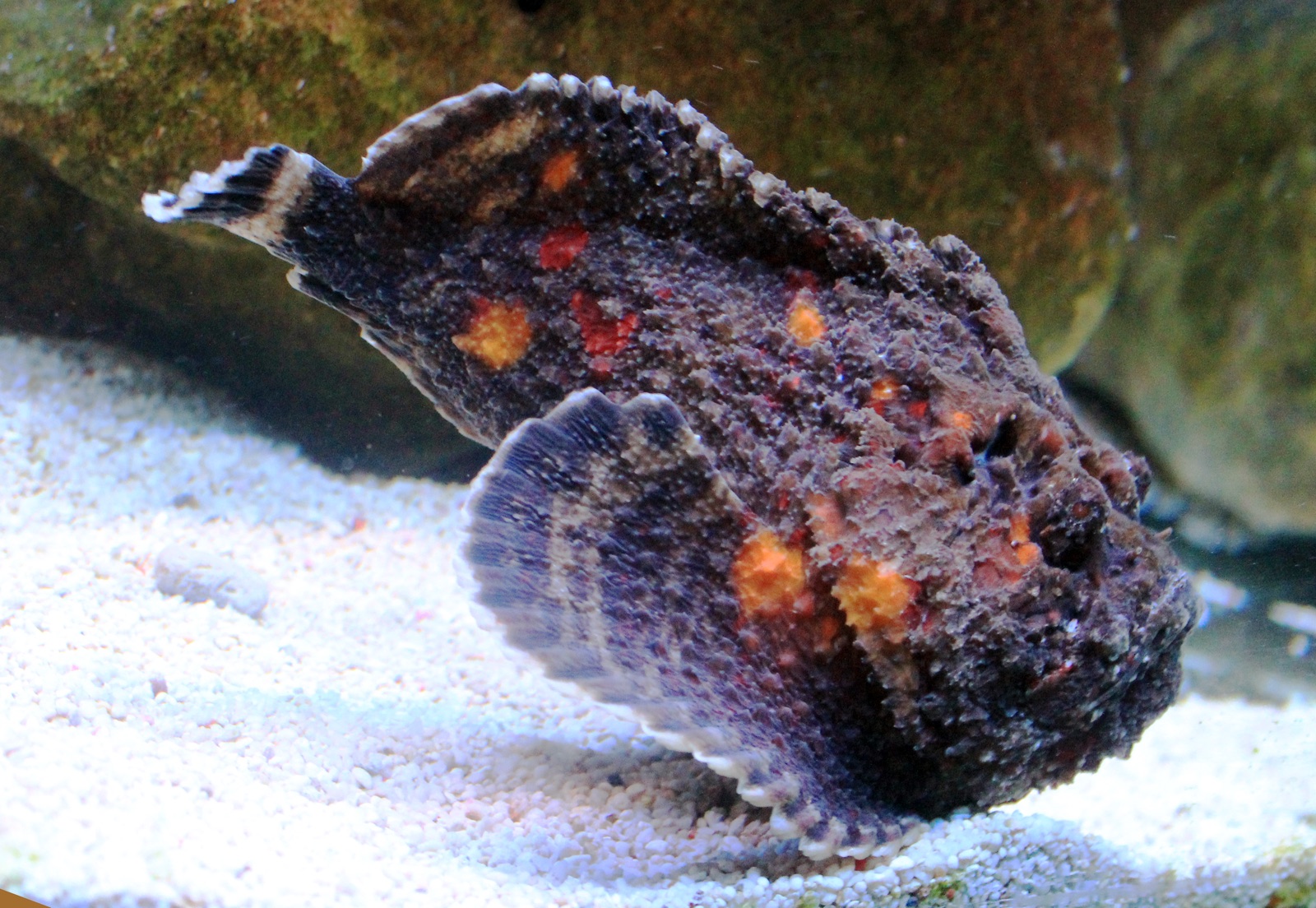
Reef Stonefish
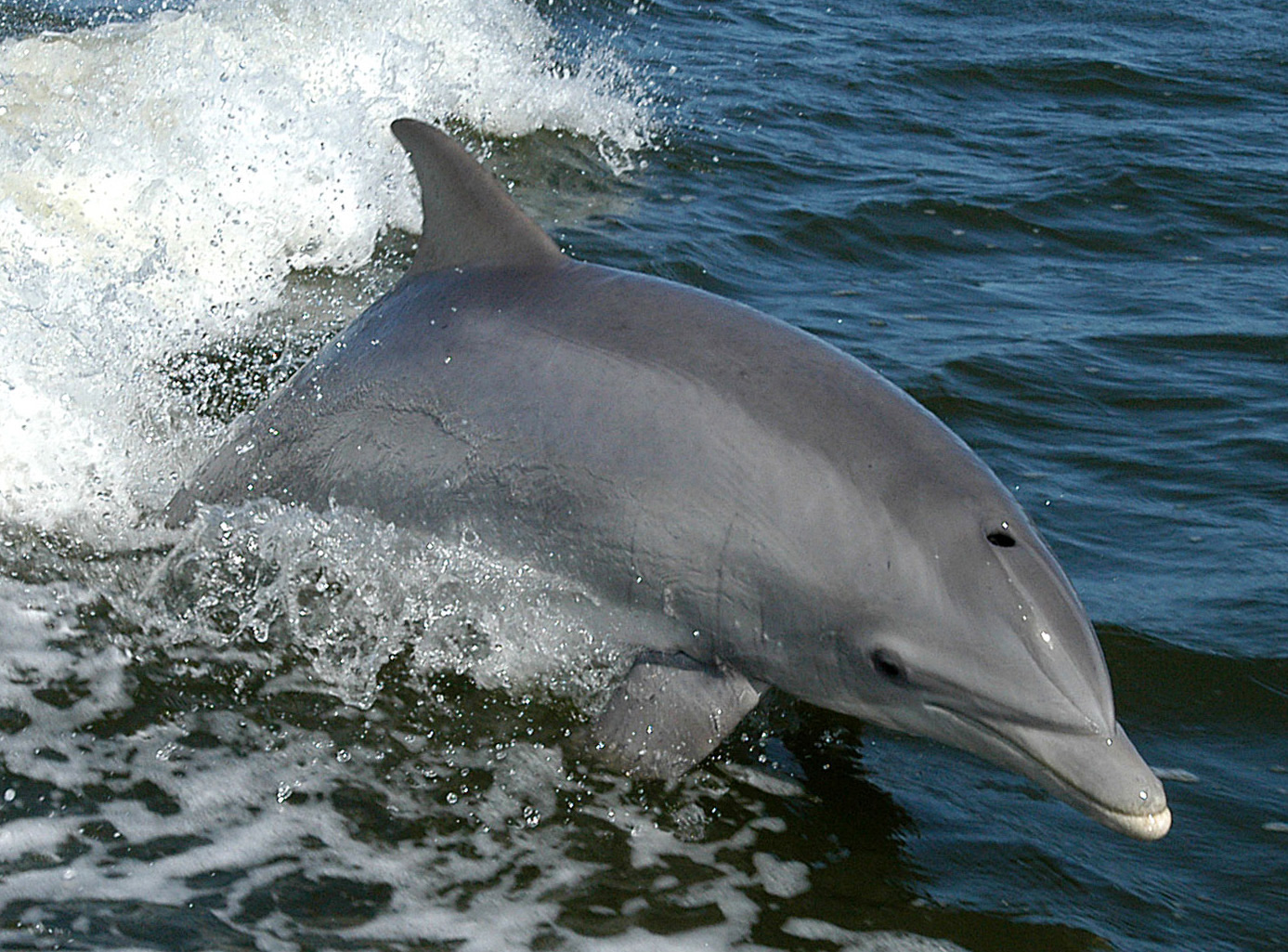
Bottlenose Dolphin
Également observé à proximité
Les espèces « cartographiées ici » ont été répertoriées par nos éditeurs à partir des sources indiquées sur cette page. Les comptages correspondent aux occurrences GBIF : observations enregistrées dans un rayon d'environ 5 km autour de la position cartographiée depuis 1990, comparées uniquement aux espèces de notre catalogue. Ils indiquent ce qui a été observé à cet endroit, sans garantir ce que vous y verrez.
Pour les photographes
Grand angle: ★★★★★ · Macro: ★★★☆☆ (note 1–5 des éditeurs sur ce que ce site offre à chaque style de prise de vue)