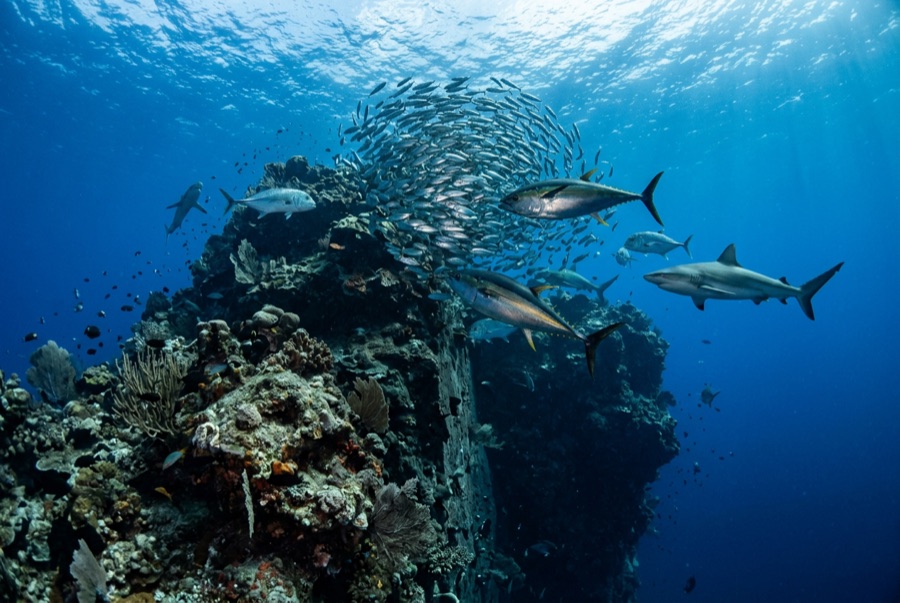
Cannibal Rock
Depth is the range from the top of the site to its usual maximum; "recommended cert" is the mainstream-agency level operators usually ask for, not a legal rule. Currents and visibility change daily, so treat everything here as planning ranges.
Cannibal Rock, named after a dragon seen eating one of its own on the shore nearby, is the flagship of cold, green, gloriously overgrown south Komodo. Upwelled nutrient water keeps visibility modest and the biology deliriously dense: crimson sea apples, feather stars on every ledge, black corals, tubastrea in bloom, and soft corals stacked like produce. The macro register runs from pygmy seahorses and ladybug amphipods to frogfish, nudibranchs by the dozen, and zebra crabs riding fire urchins. Turtles and schooling snapper cover the wide shots. Water temperature can startle divers fresh from the north, and that chill is precisely why the rock looks the way it does. Many guides call it their favorite dive in the park.
The moment you come for: Sea apples and carpet invertebrate cover; dense macro; the signature dive of Horseshoe Bay.
Topography: A small seamount inside Horseshoe Bay, every surface colonized by invertebrates over volcanic rock.
Current: Sheltered inside Horseshoe Bay compared with the south coast outside, but flow still wraps the seamount on the tide.
Know before you splash
Hazards: Cold thermoclines, venomous invertebrates in quantity, and remoteness; the nearest facilities are a long sail away.
Conservation: Fire urchins and stinging hydroids blanket parts of the rock; perfect buoyancy protects both parties.
Nitrox: Worth it here: profiles sit in the range where enriched air meaningfully extends no-stop time (with the training to use it).
Who you'll meet
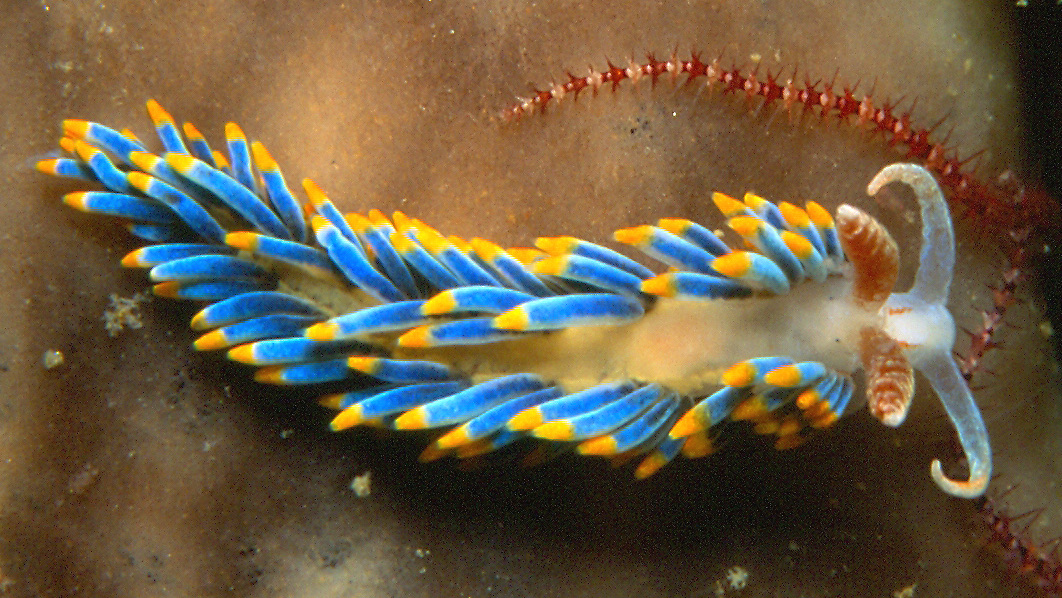
Nudibranchs
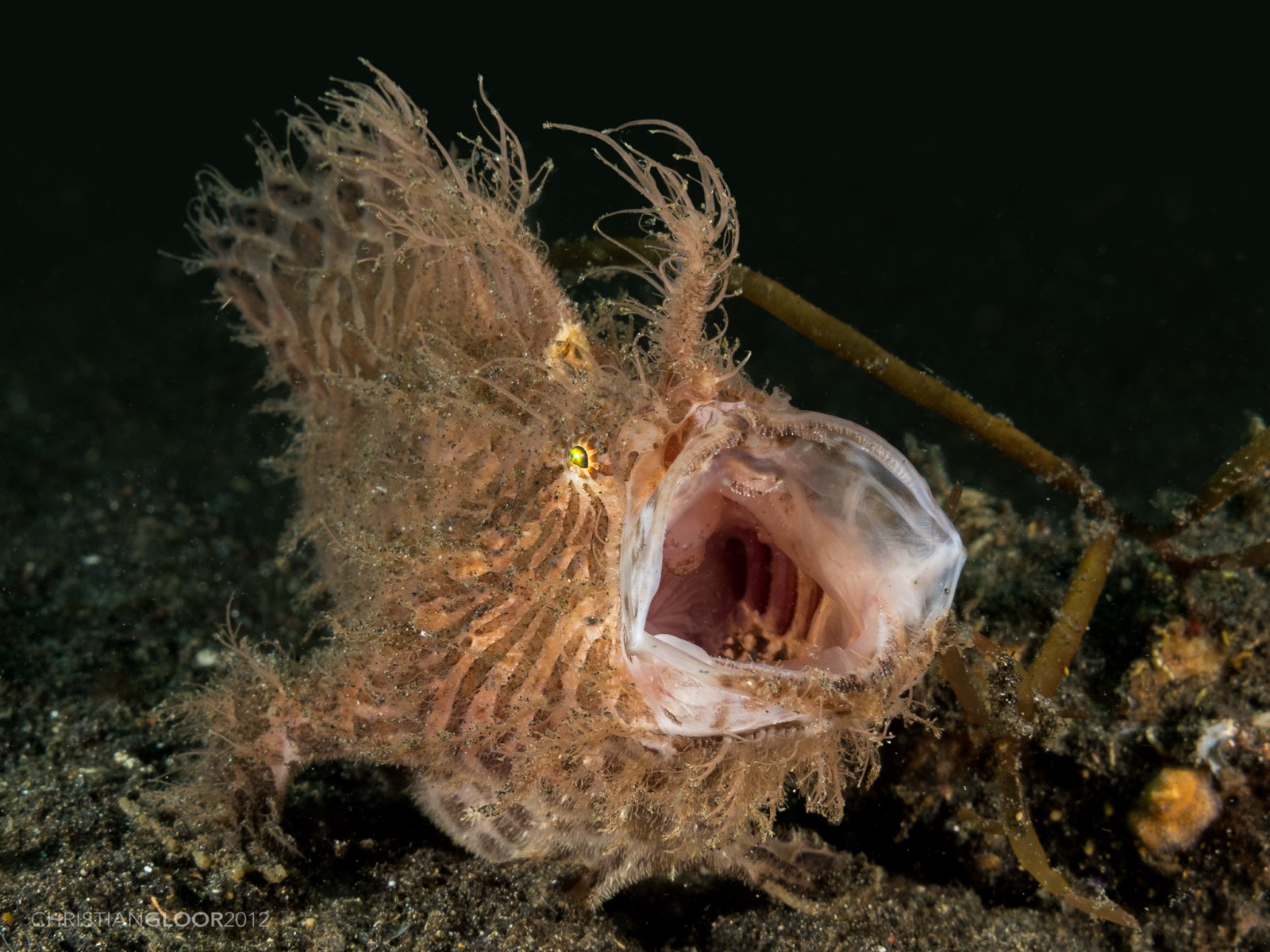
Frogfish
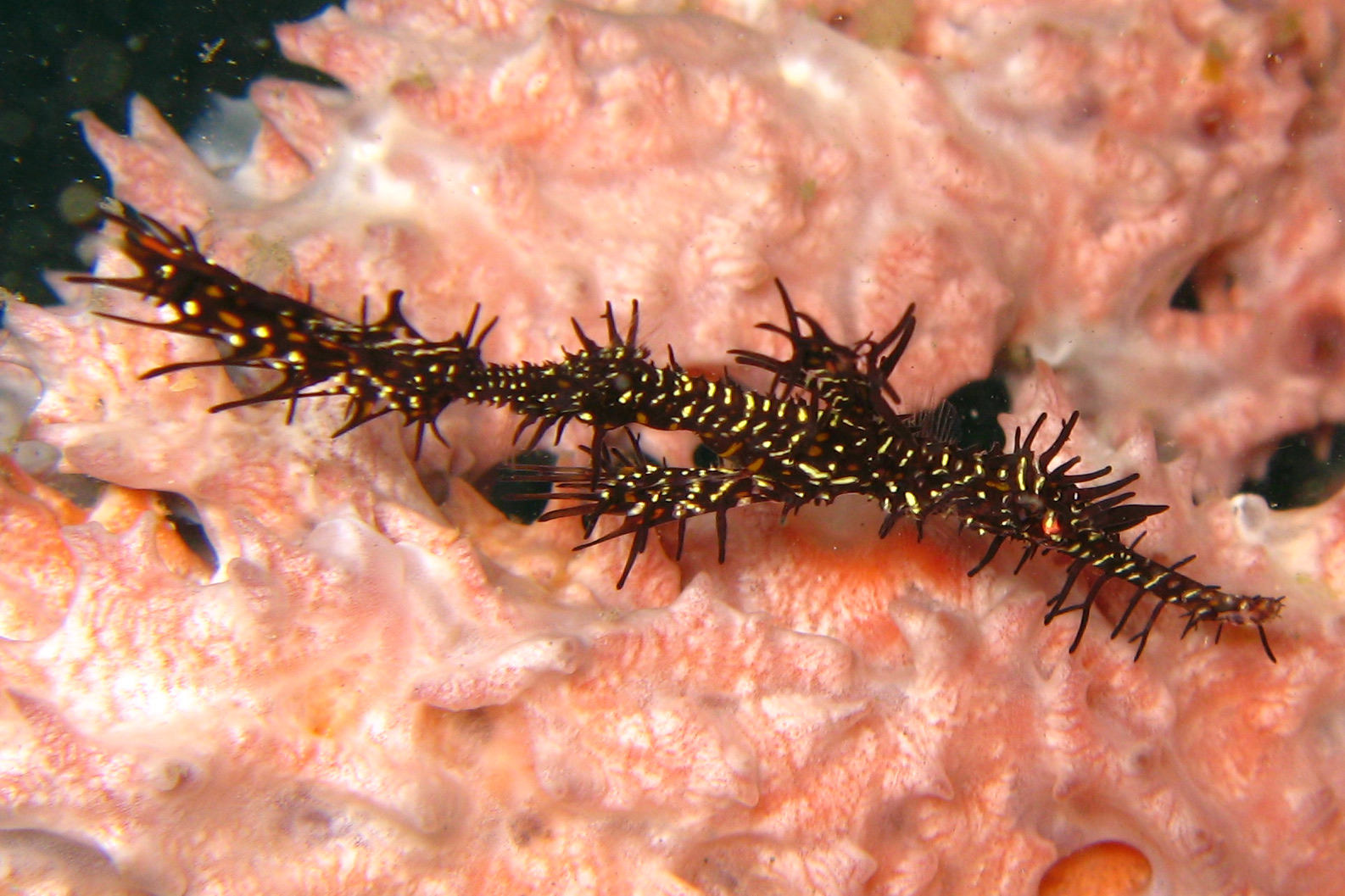
Ornate Ghost Pipefish
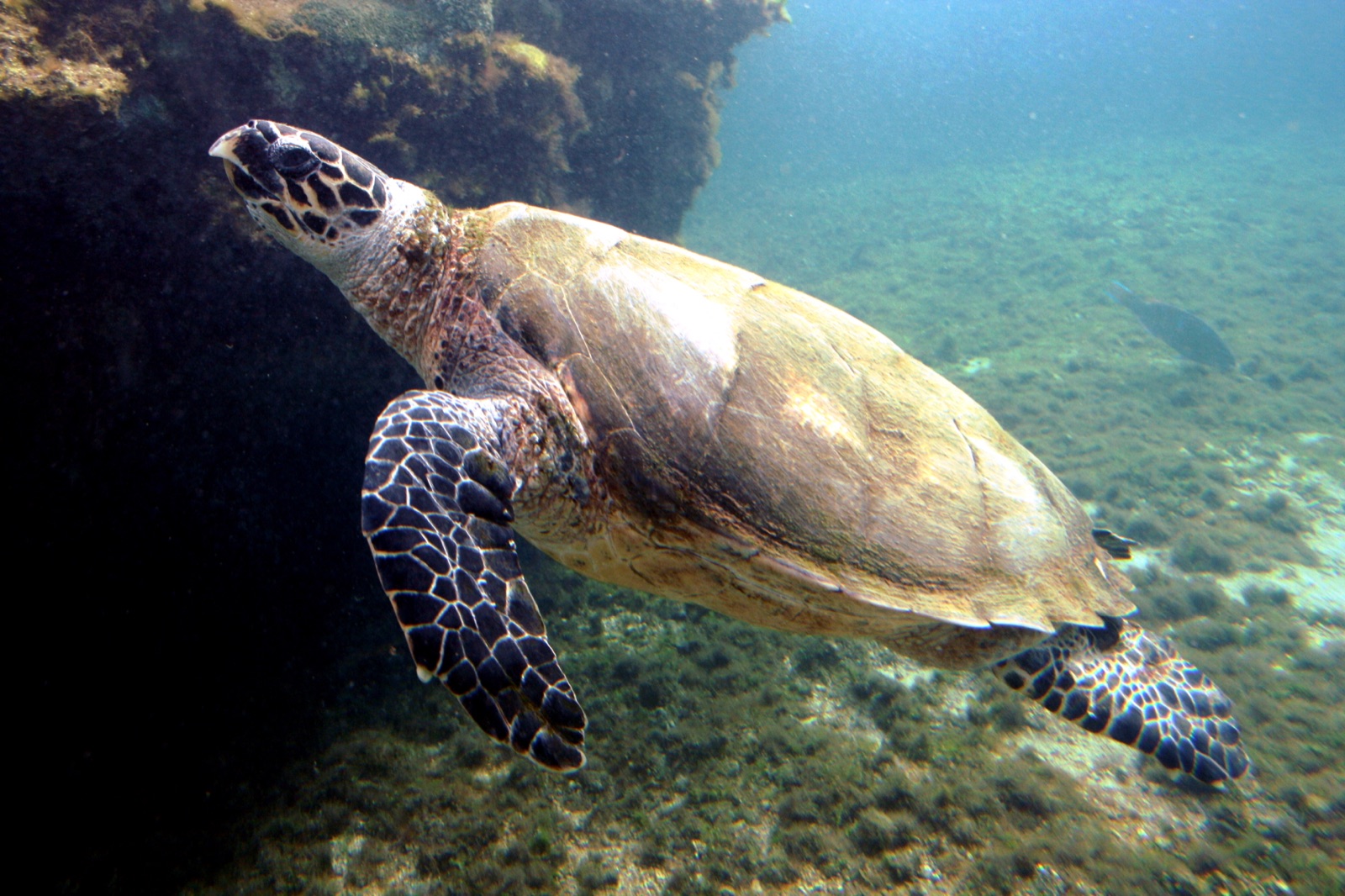
Hawksbill Turtle
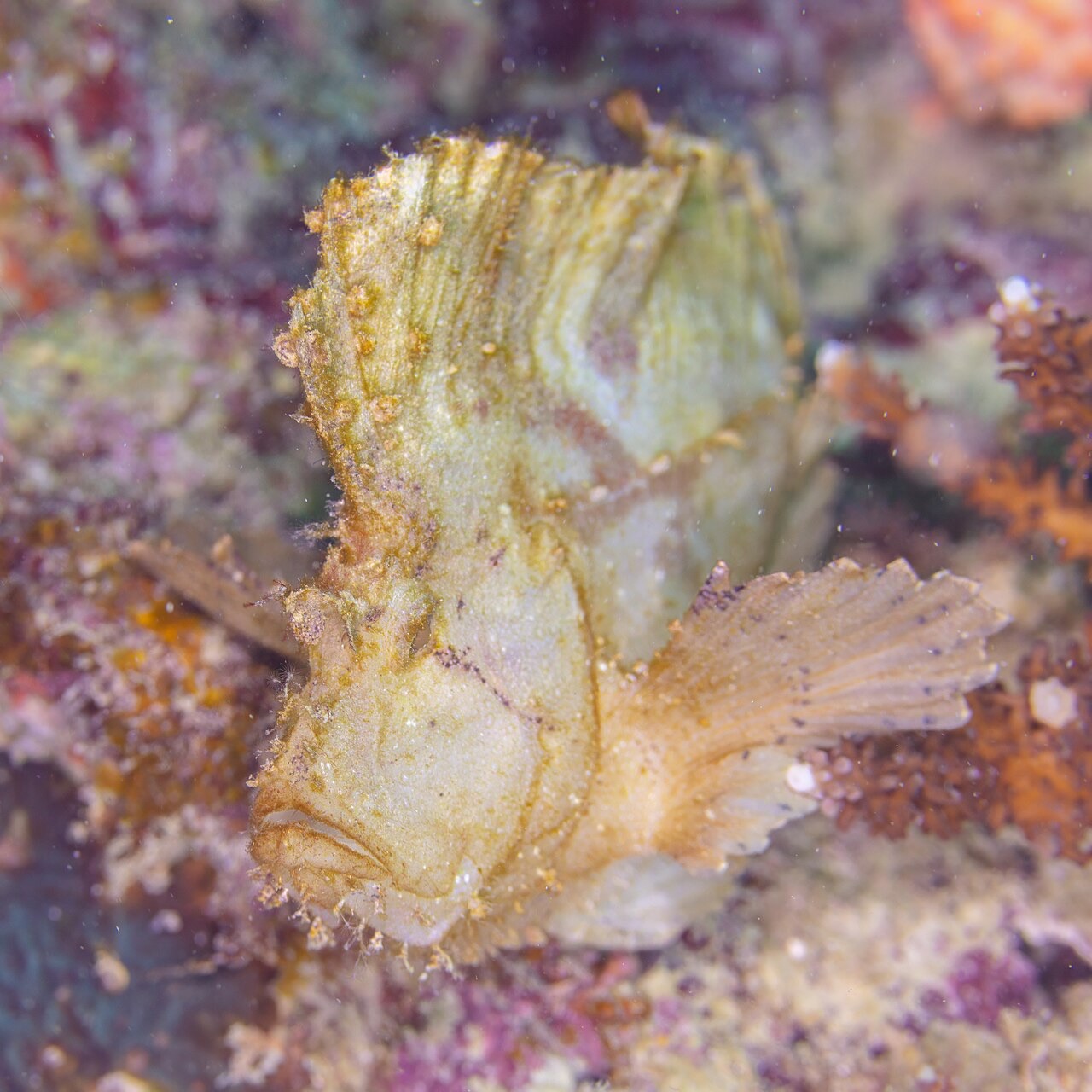
Leaf Scorpionfish
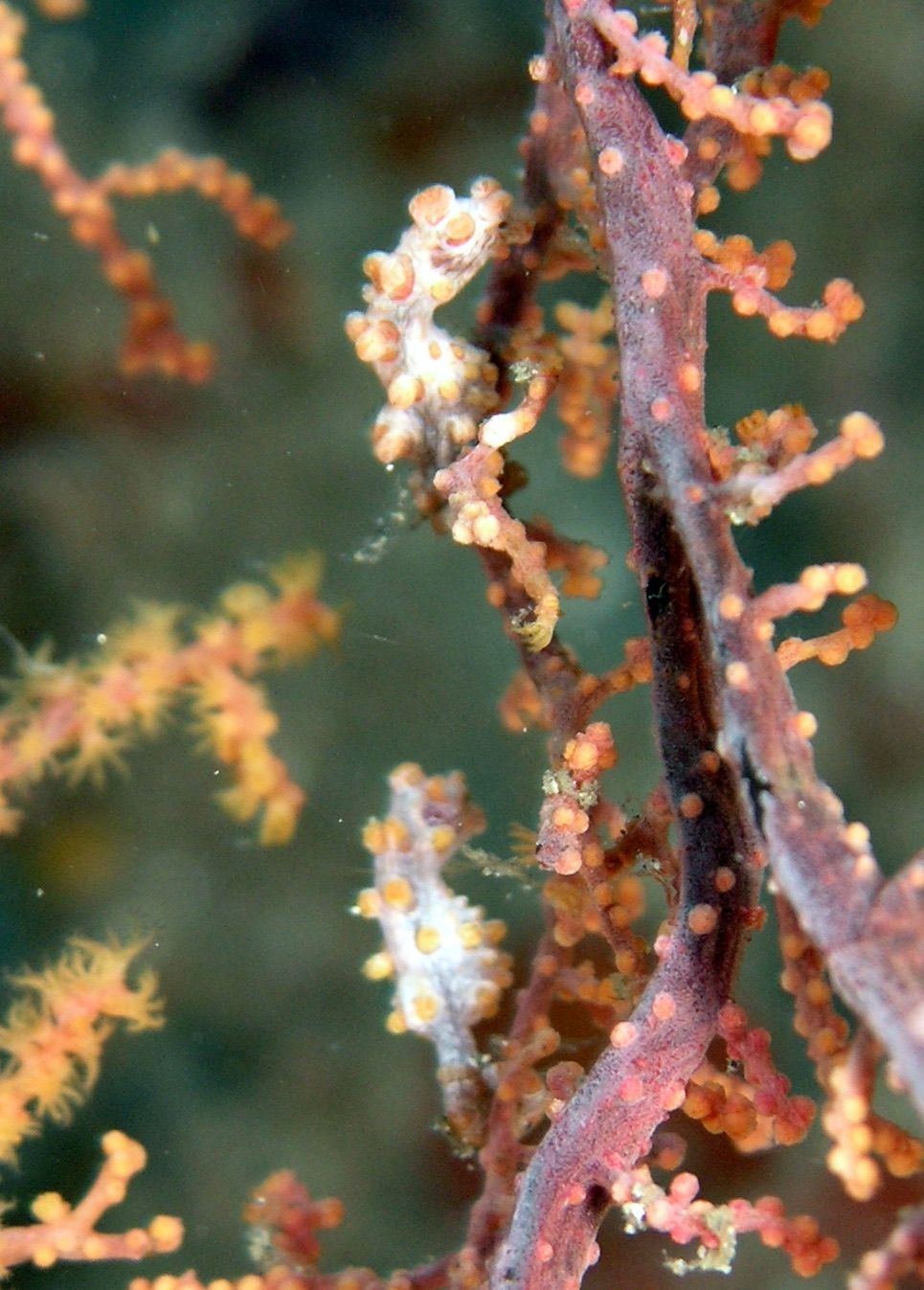
Pygmy Seahorse
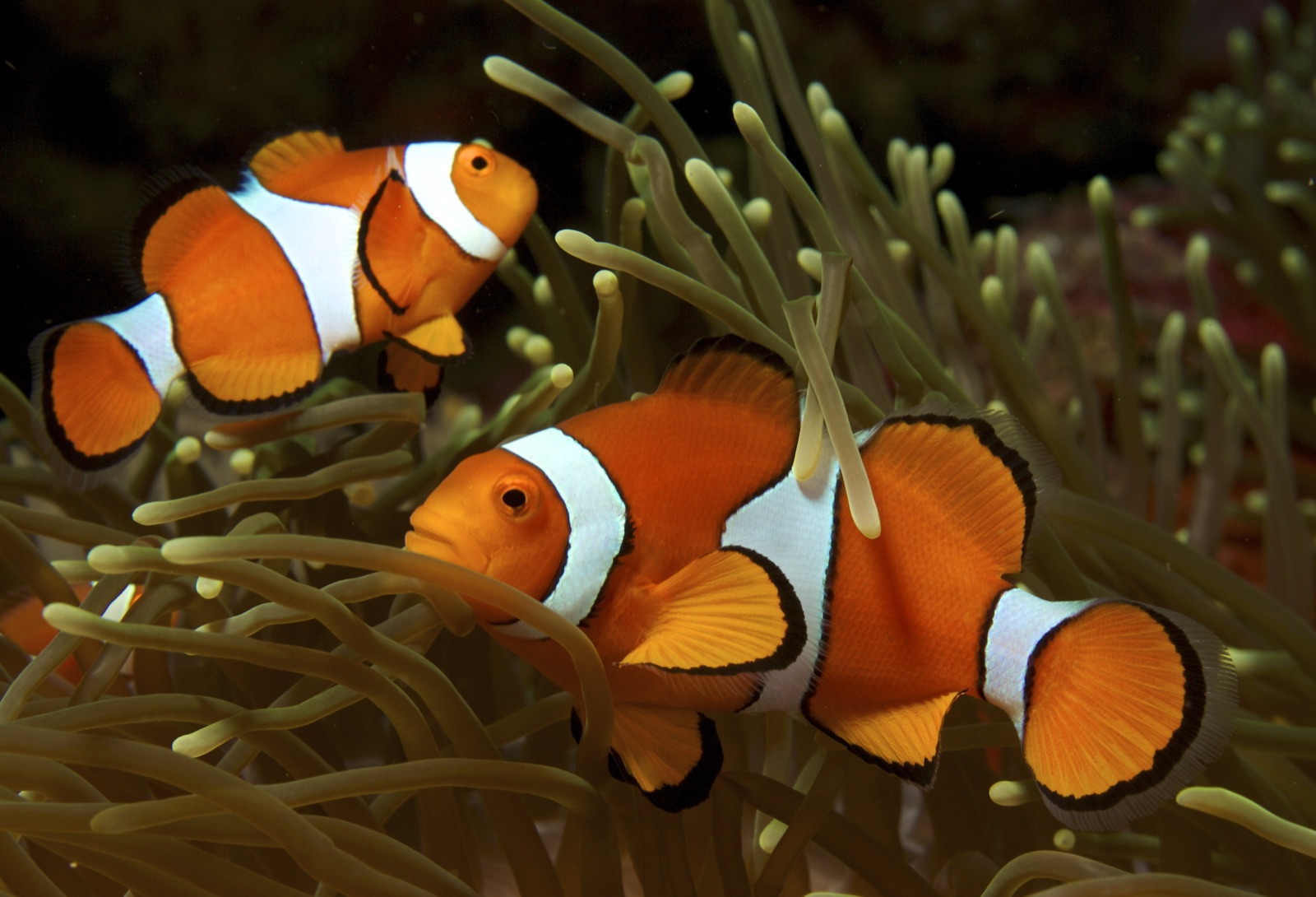
Clownfish & Anemonefish
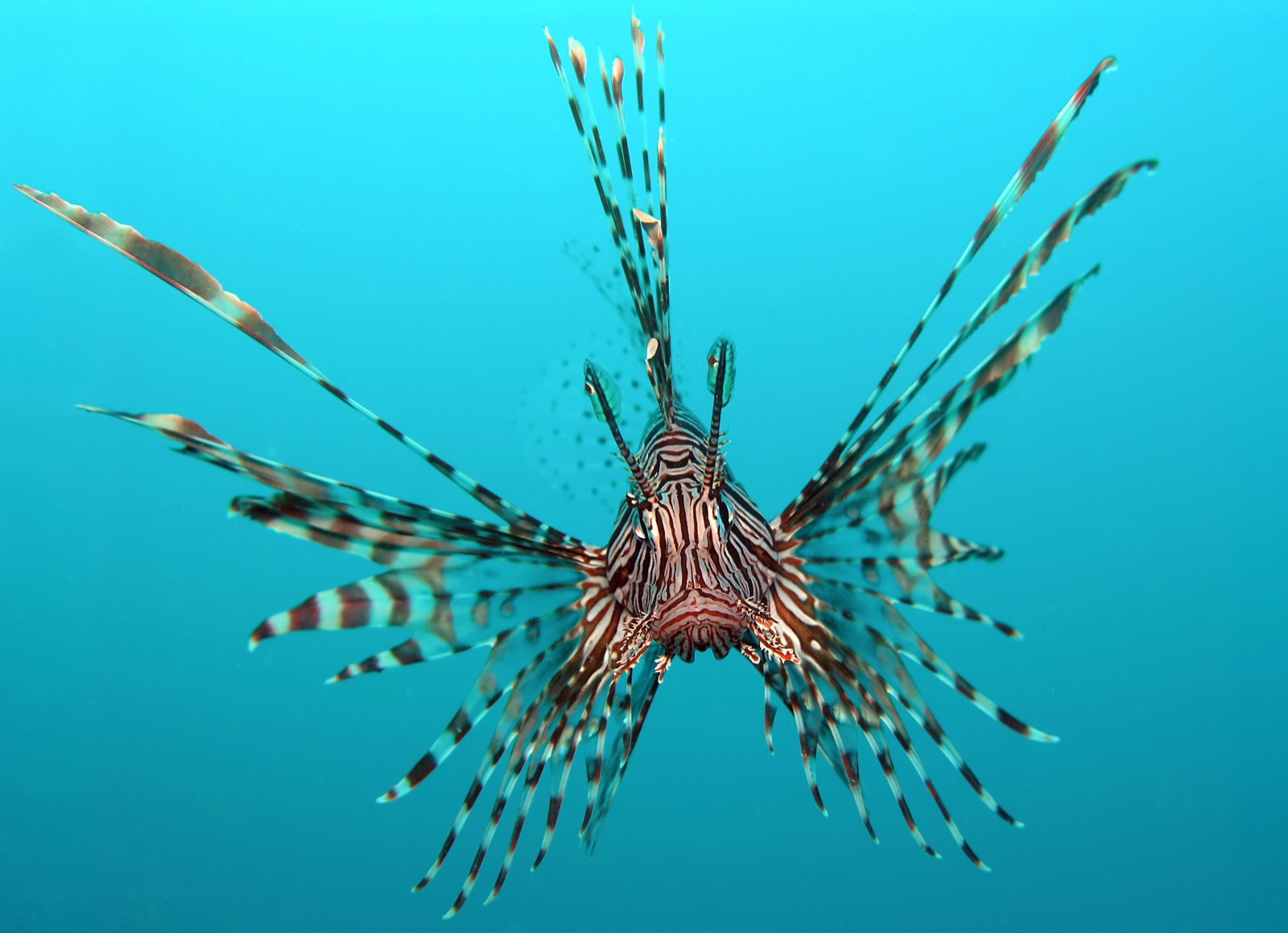
Lionfish
Also recorded nearby
"Charted here" species were listed by our editors from the sources on this page. Counts are GBIF occurrence records: observations logged within about 5 km of the charted position since 1990, matched only against the species in our catalogue. They show what has been seen there, not a promise of what you will see.
For photographers
Wide angle: ★★★★☆ · Macro: ★★★★★ (editors' 1–5 rating of what this site gives each style of shooting)