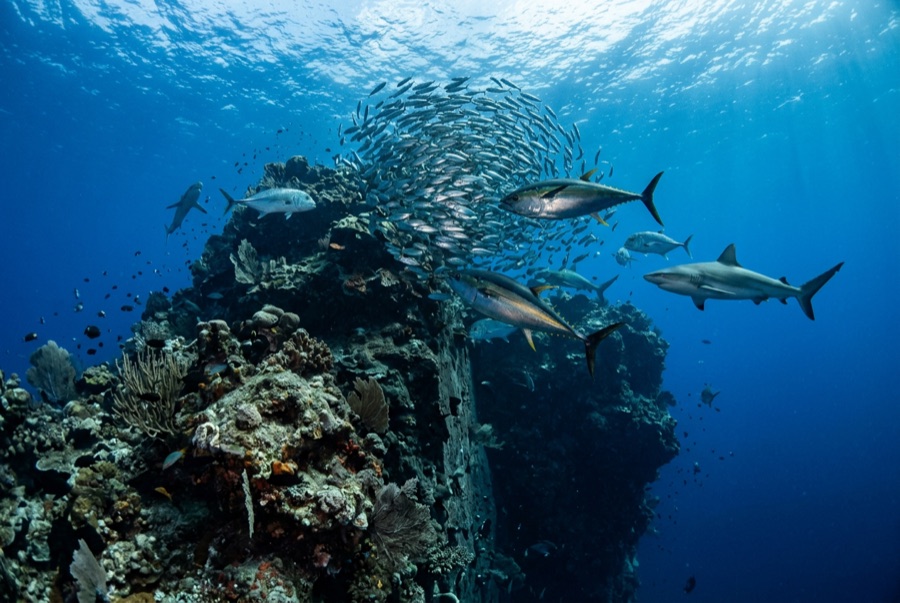
Cannibal Rock
La profondità indica l'intervallo dalla sommità del sito al suo massimo abituale; il "brevetto consigliato" è il livello richiesto dalla maggior parte degli operatori delle principali agenzie, non una norma di legge. Correnti e visibilità cambiano ogni giorno, quindi considera tutto come intervalli di pianificazione.
Cannibal Rock, named after a dragon seen eating one of its own on the shore nearby, is the flagship of cold, green, gloriously overgrown south Komodo. Upwelled nutrient water keeps visibility modest and the biology deliriously dense: crimson sea apples, feather stars on every ledge, black corals, tubastrea in bloom, and soft corals stacked like produce. The macro register runs from pygmy seahorses and ladybug amphipods to frogfish, nudibranchs by the dozen, and zebra crabs riding fire urchins. Turtles and schooling snapper cover the wide shots. Water temperature can startle divers fresh from the north, and that chill is precisely why the rock looks the way it does. Many guides call it their favorite dive in the park.
Il momento che aspettavi: Sea apples and carpet invertebrate cover; dense macro; the signature dive of Horseshoe Bay.
Topografia: A small seamount inside Horseshoe Bay, every surface colonized by invertebrates over volcanic rock.
Corrente: Sheltered inside Horseshoe Bay compared with the south coast outside, but flow still wraps the seamount on the tide.
Sapere prima di tuffarsi
Pericoli: Cold thermoclines, venomous invertebrates in quantity, and remoteness; the nearest facilities are a long sail away.
Conservazione: Fire urchins and stinging hydroids blanket parts of the rock; perfect buoyancy protects both parties.
Nitrox: Vale la pena qui: i profili rientrano nell'intervallo in cui l'aria arricchita (nitrox) prolunga in modo significativo il tempo di non-decompressione (con la formazione necessaria per utilizzarla).
Chi incontrerai
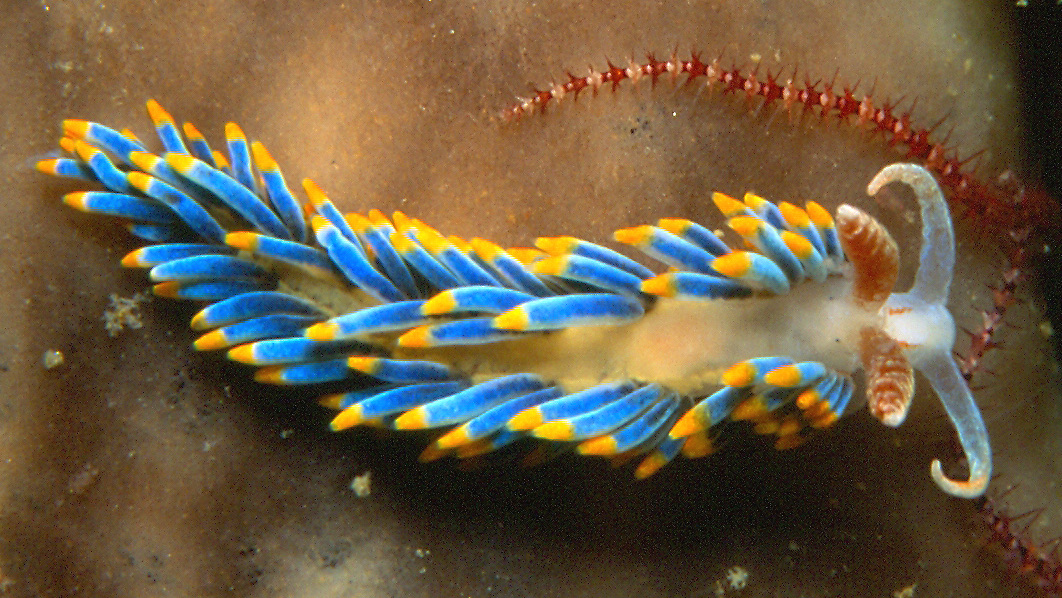
Nudibranchs
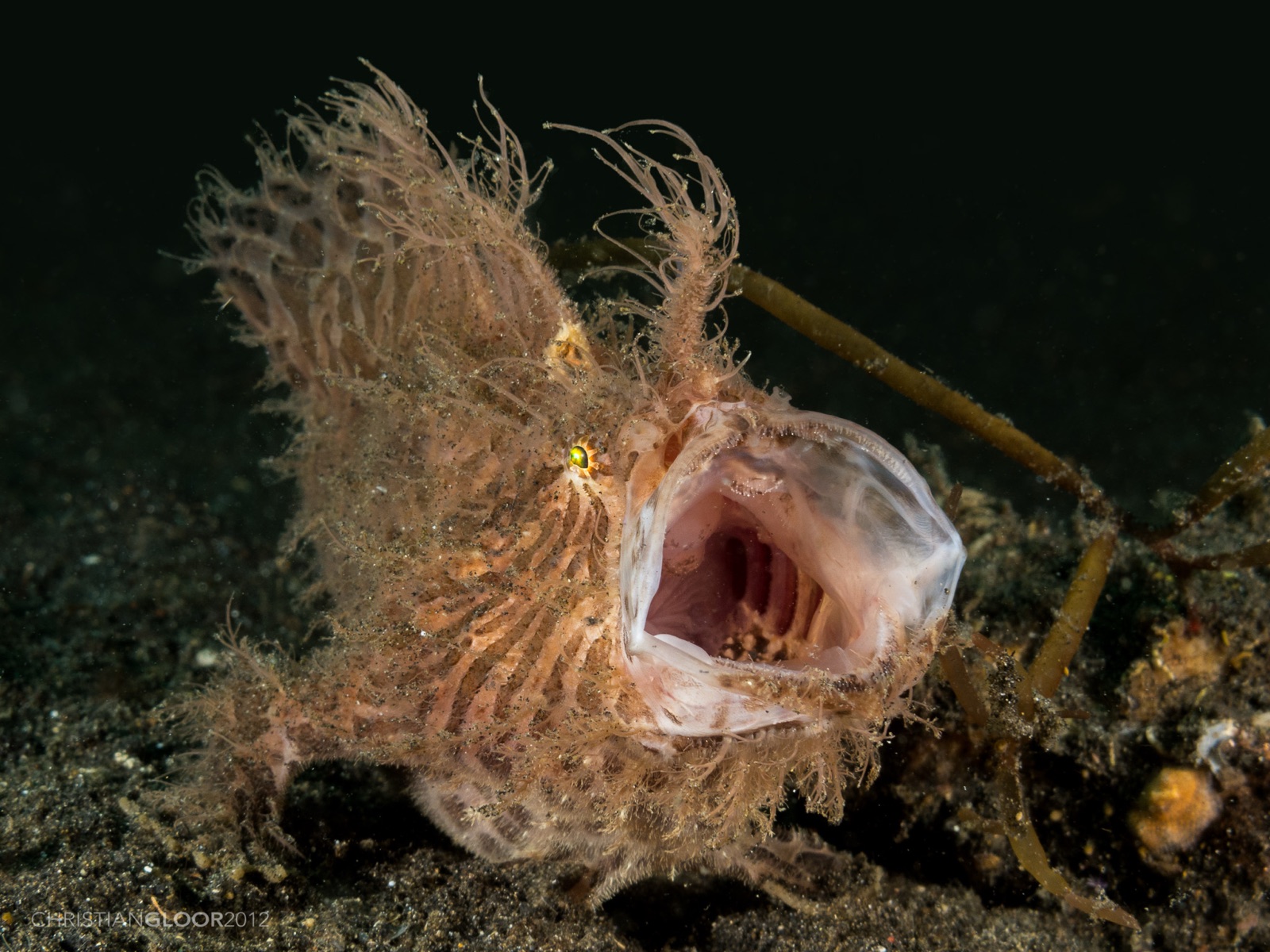
Frogfish
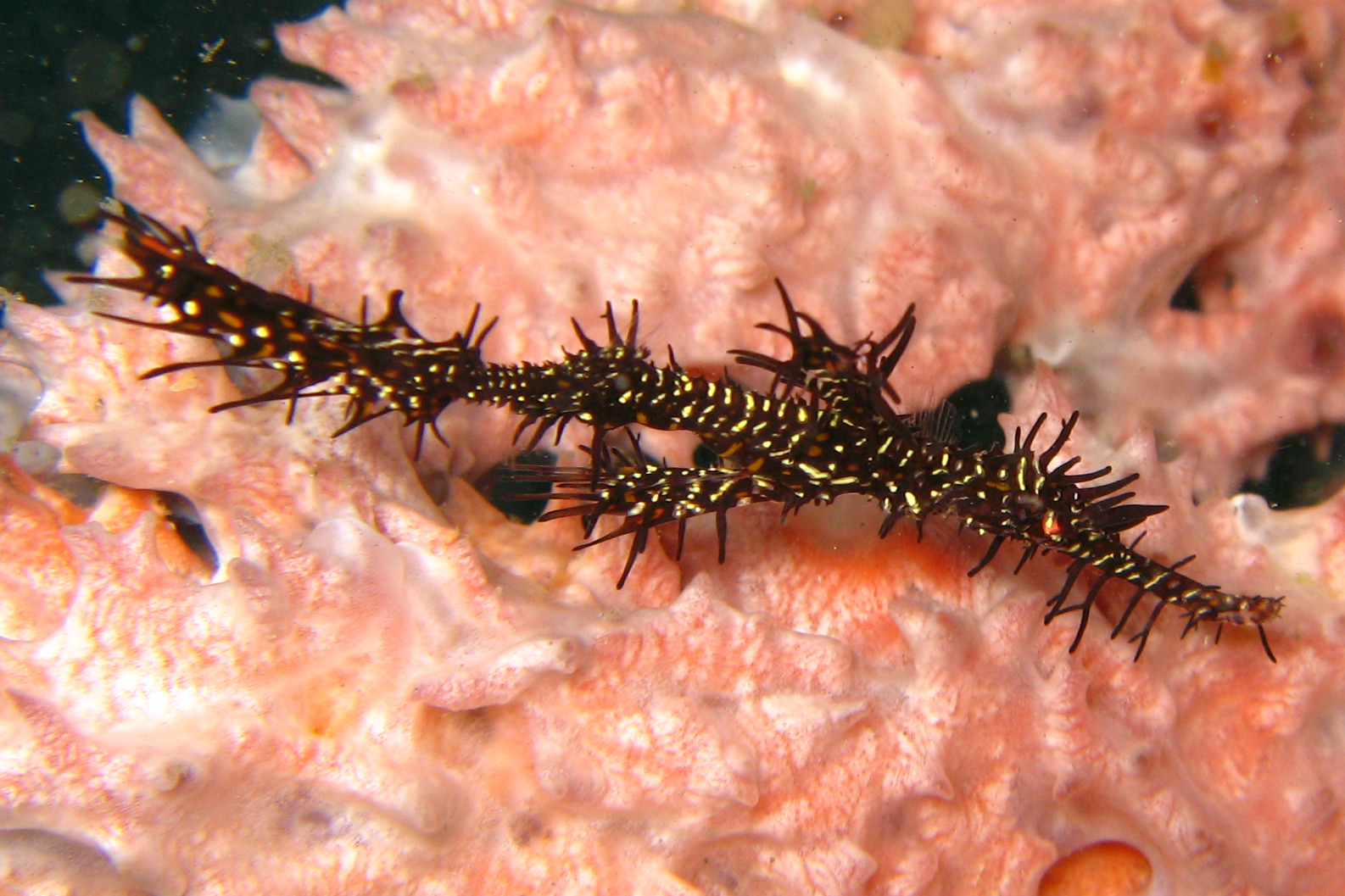
Ornate Ghost Pipefish
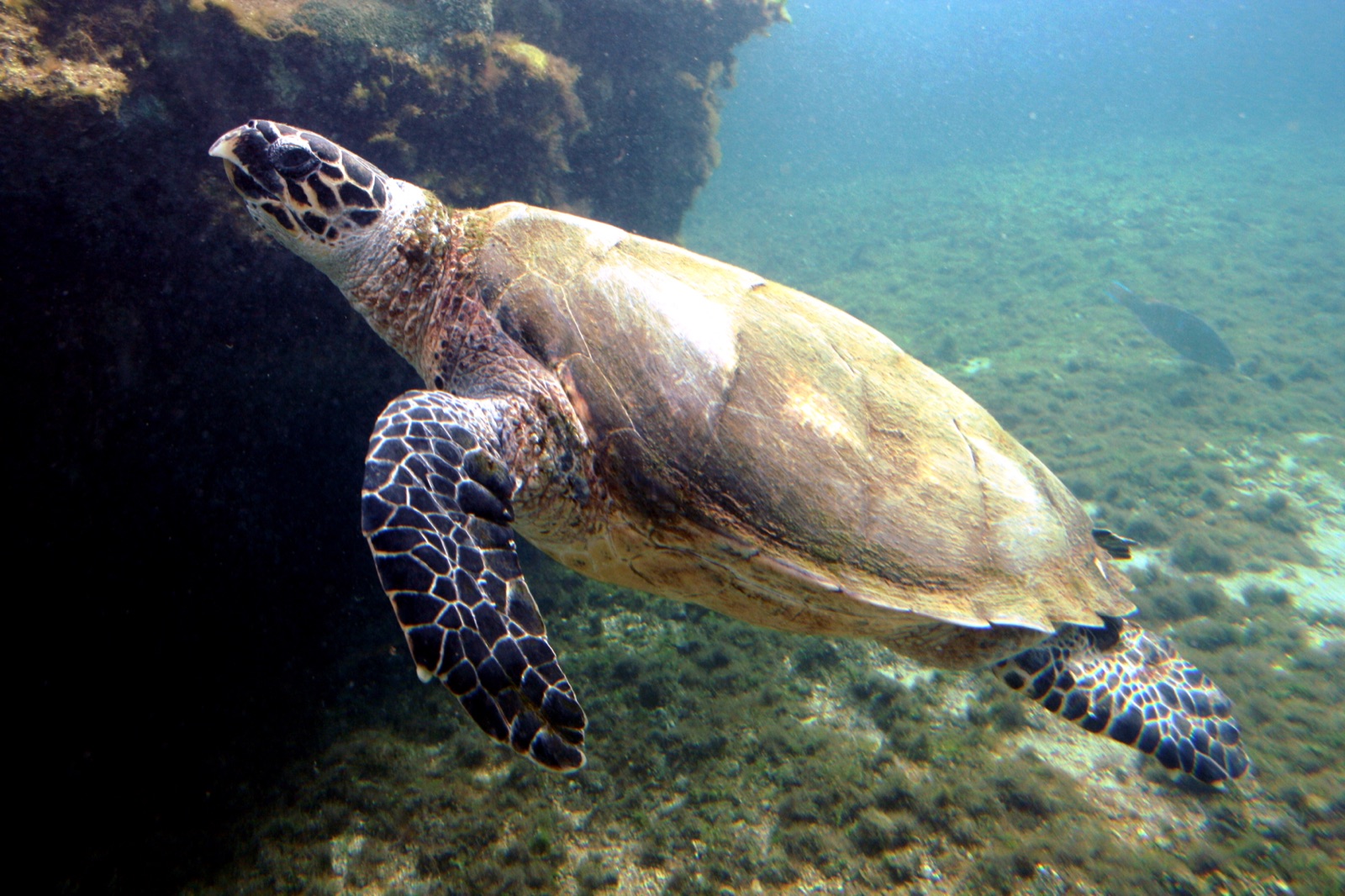
Hawksbill Turtle
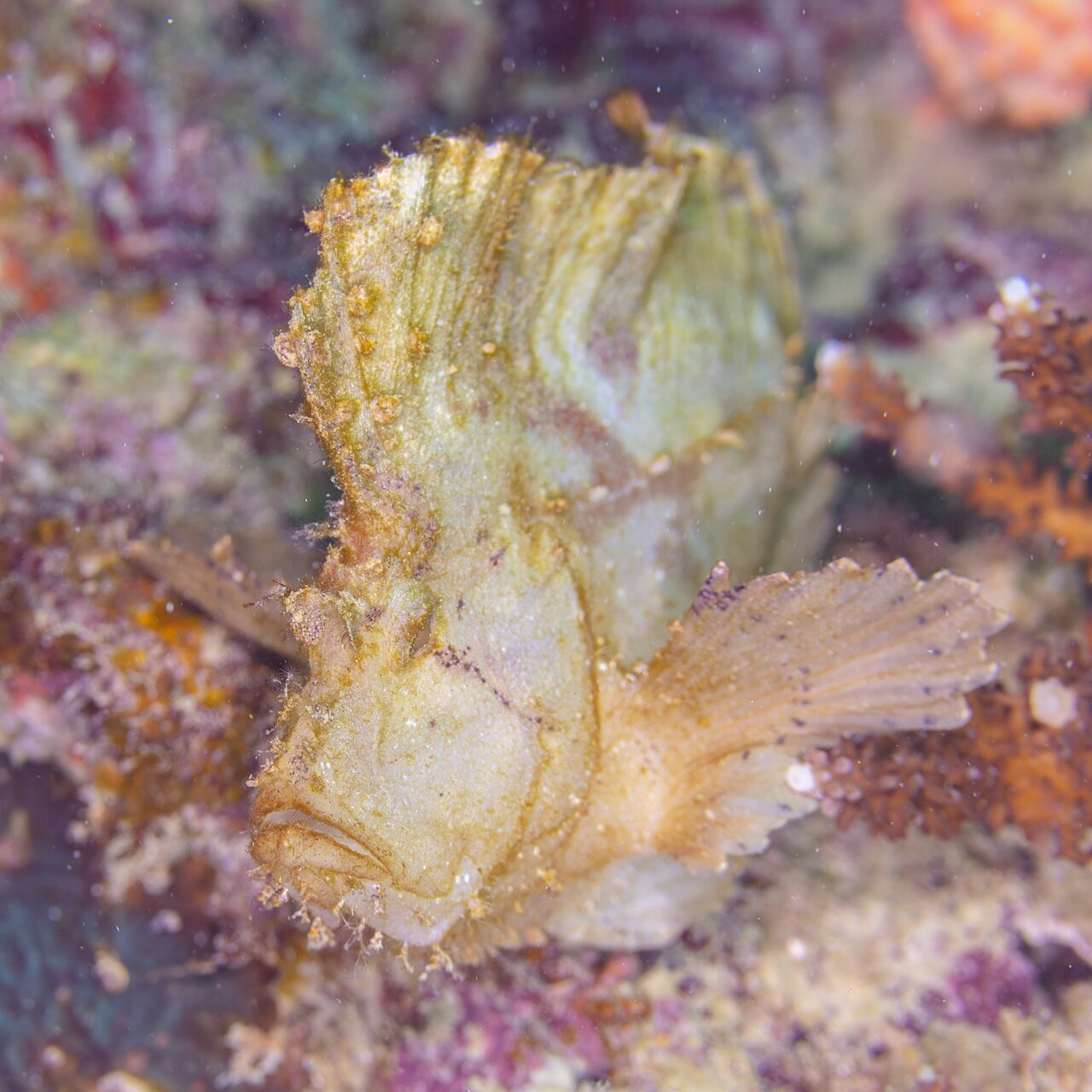
Leaf Scorpionfish
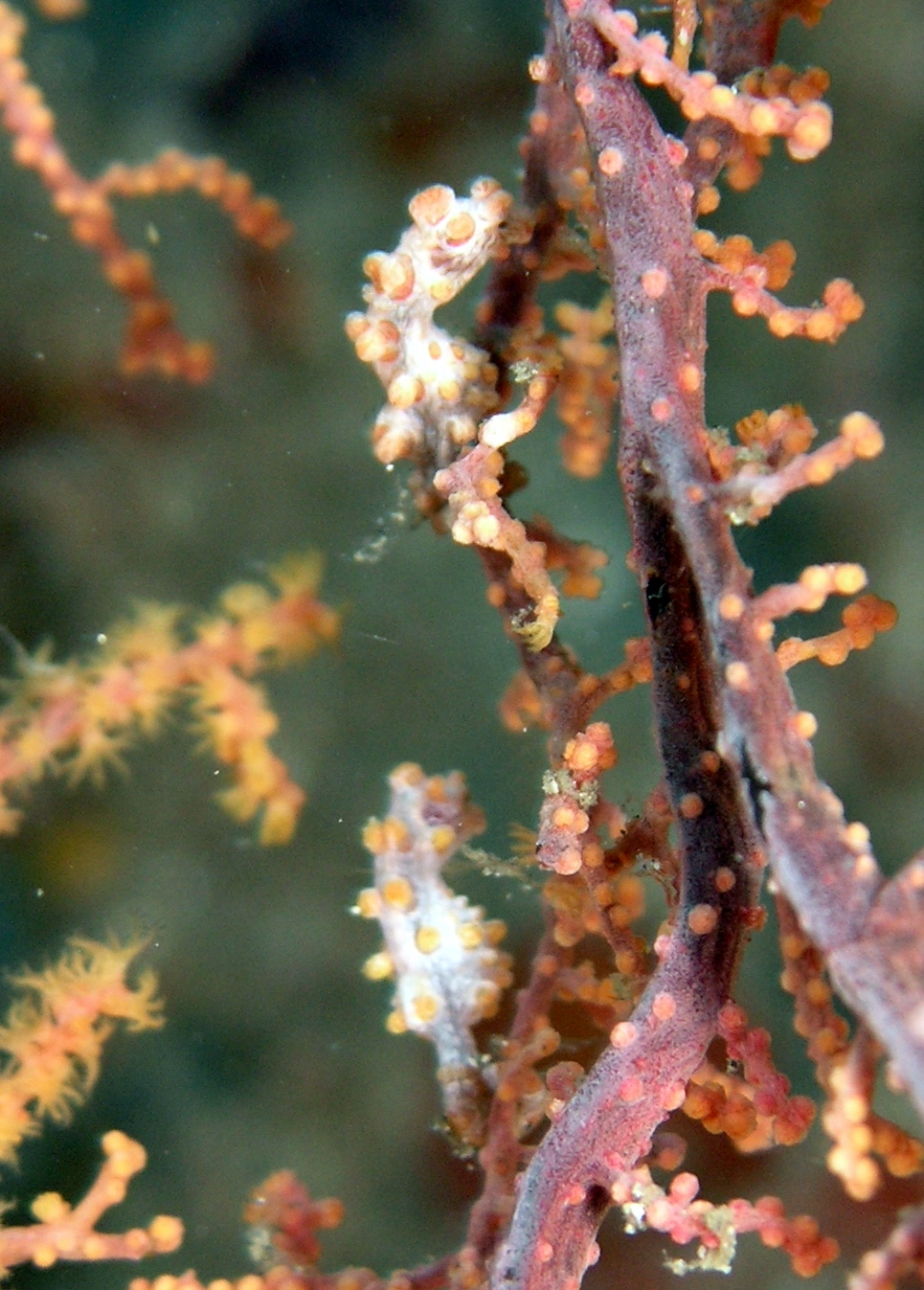
Pygmy Seahorse
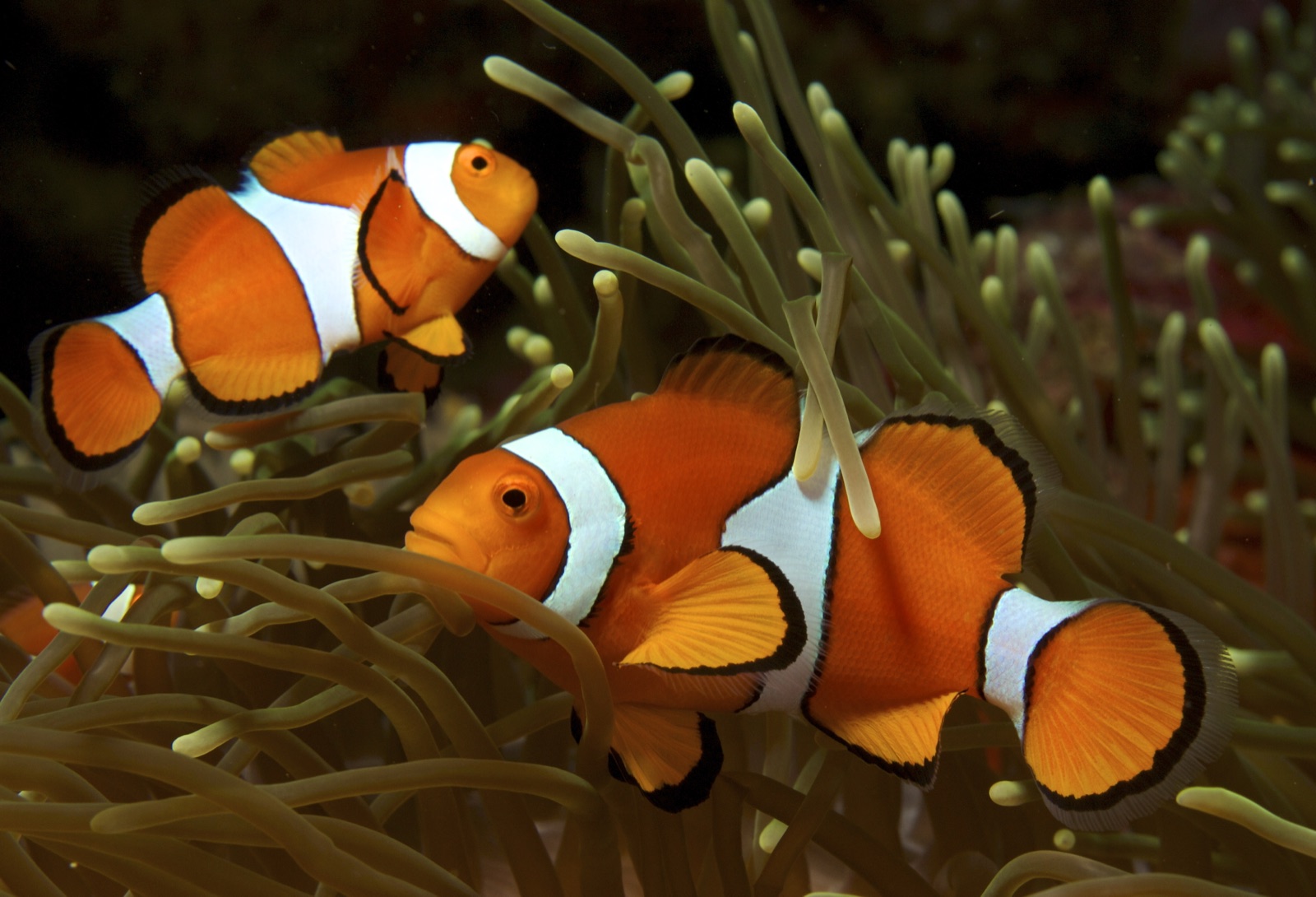
Clownfish & Anemonefish
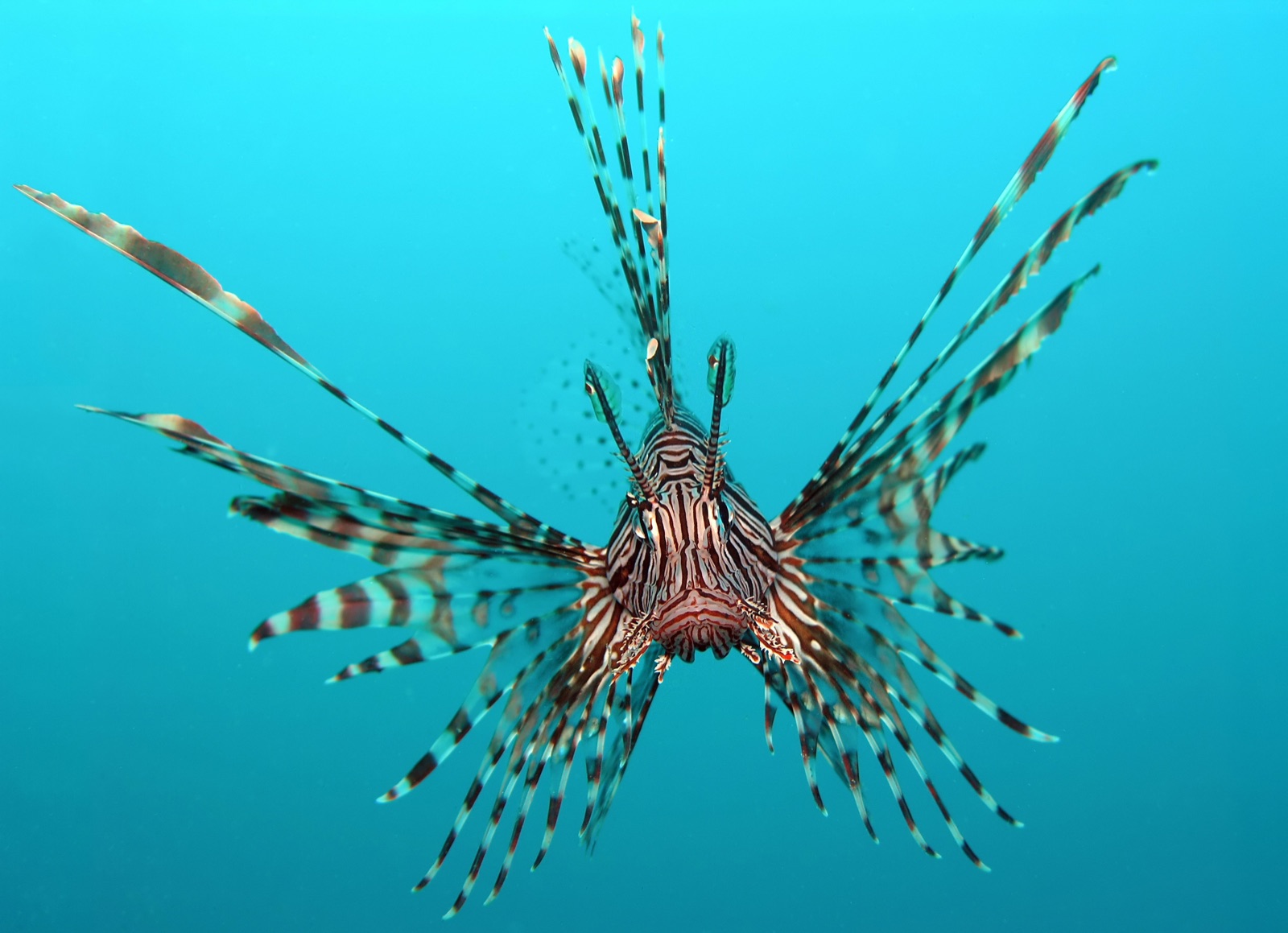
Lionfish
Registrate anche nelle vicinanze
Le specie "schedate qui" sono state inserite dai nostri redattori a partire dalle fonti indicate in questa pagina. I conteggi sono record di occorrenza GBIF: osservazioni registrate entro circa 5 km dalla posizione indicata in carta a partire dal 1990, confrontate esclusivamente con le specie presenti nel nostro catalogo. Mostrano ciò che è stato avvistato in quel luogo, non una garanzia di ciò che vedrete.
Per i fotografi
Grandangolo: ★★★★☆ · Macro: ★★★★★ (valutazione da 1 a 5 dei redattori su ciò che questo sito offre per ogni stile di ripresa)