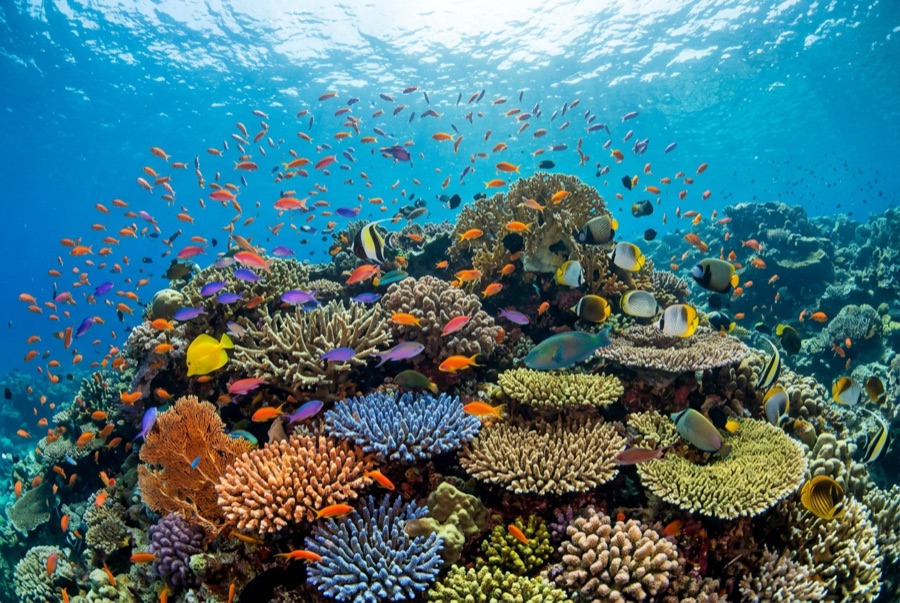
Kealakekua Bay
La profundidad es el rango desde la cima del punto de buceo hasta su máximo habitual; la "certificación recomendada" es el nivel que los operadores suelen pedir según las agencias principales, no una norma legal. Las corrientes y la visibilidad cambian a diario, así que trata todo esto como rangos de planificación.
Kealakekua pairs Hawaiʻi's history with its clearest easy water. The bay is a state Marine Life Conservation District and the site of Captain Cook's 1779 death; the white obelisk marking it stands a few steps from a shoreline where coral gardens begin immediately and fall away into a blue so clean it reads as air. Yellow tangs move in drifts across the shallows, endemic butterflyfish work the coral heads, and spinner dolphins rest in the bay's center on many mornings, legally protected from approach, best admired on their terms. The drop-off gives divers structure and depth; snorkelers honestly get the site's finest hour.
El momento por el que vienes: Reserve-quality coral and clarity; history at the Cook monument; resting spinner dolphins seen from respectful distance.
Topografía: A sheltered bay with dense coral gardens shelving to a steep drop-off along the northern shore
Entrada: A marine reserve with regulated access (most visitors arrive on permitted boats or kayaks); the best water lies near the Captain Cook monument.
Lo que debes saber antes de tirarte al agua
Riesgos: Afternoon wind chop on the crossing; sun exposure; entry restrictions that change: check current rules.
Conservación: An MLCD with access rules and no-take protections; give resting spinner dolphins the legally required berth and touch no coral in the shallows.
A quién encontrarás
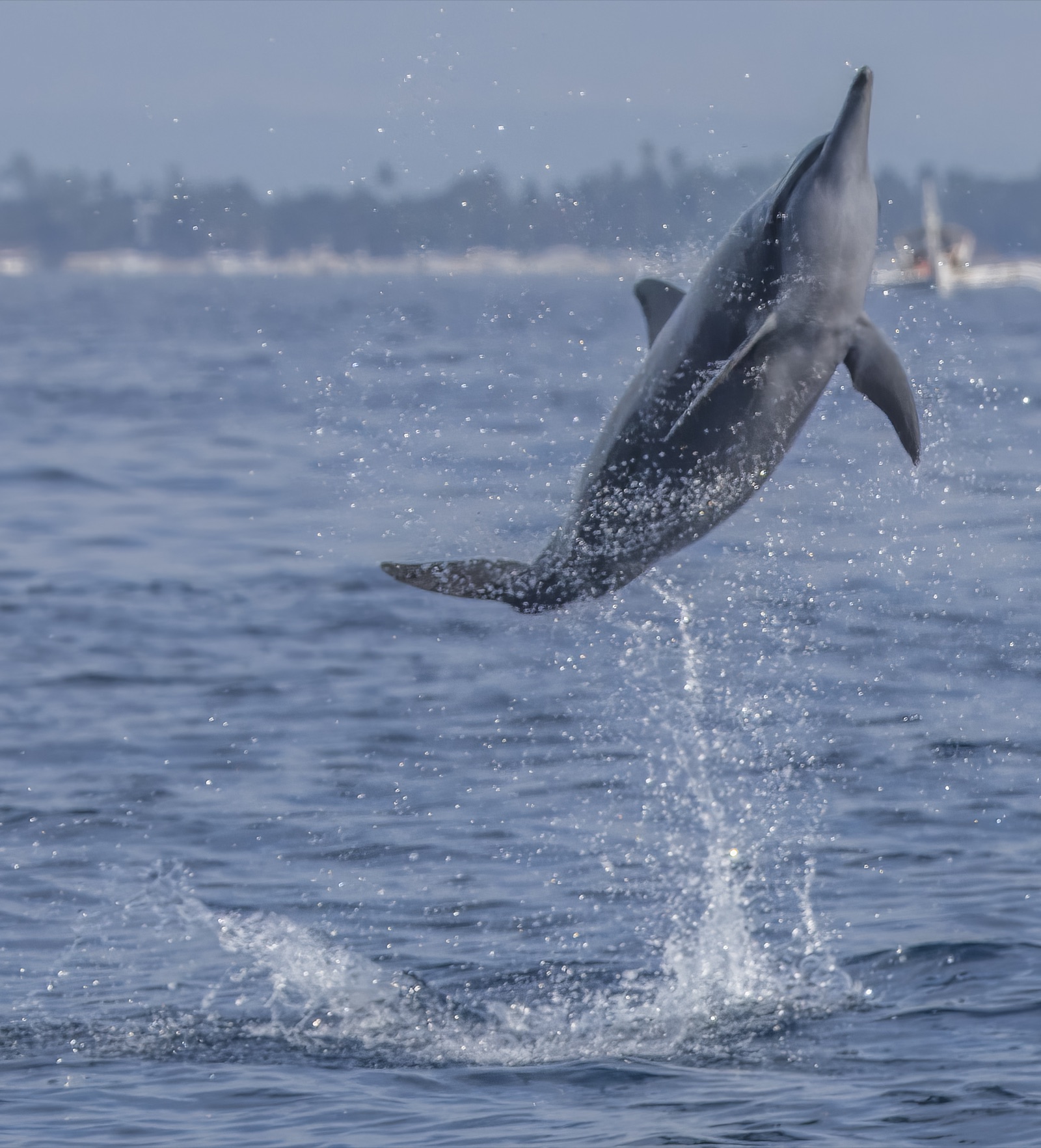
Spinner Dolphin
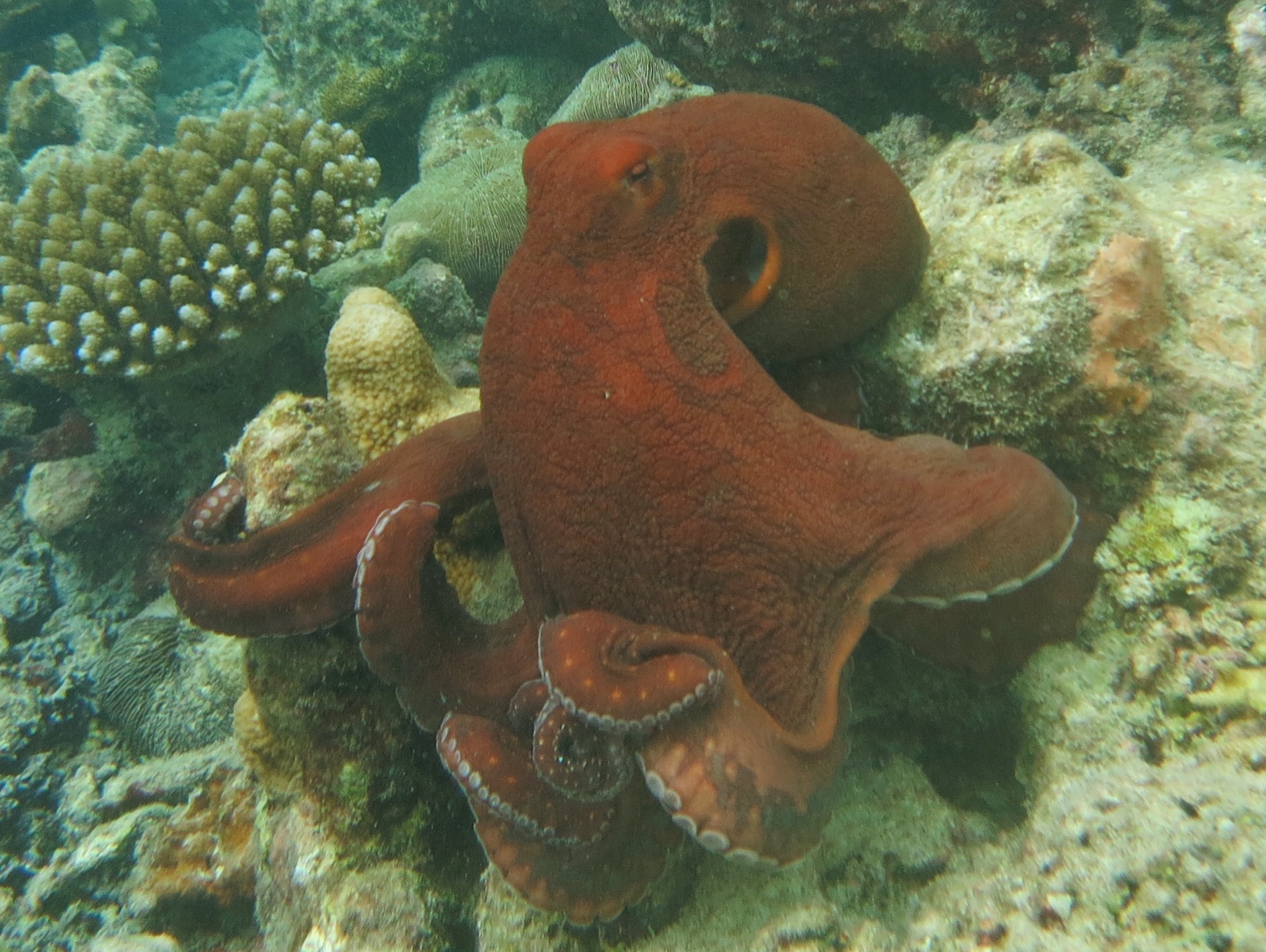
Common Reef (Day) Octopus
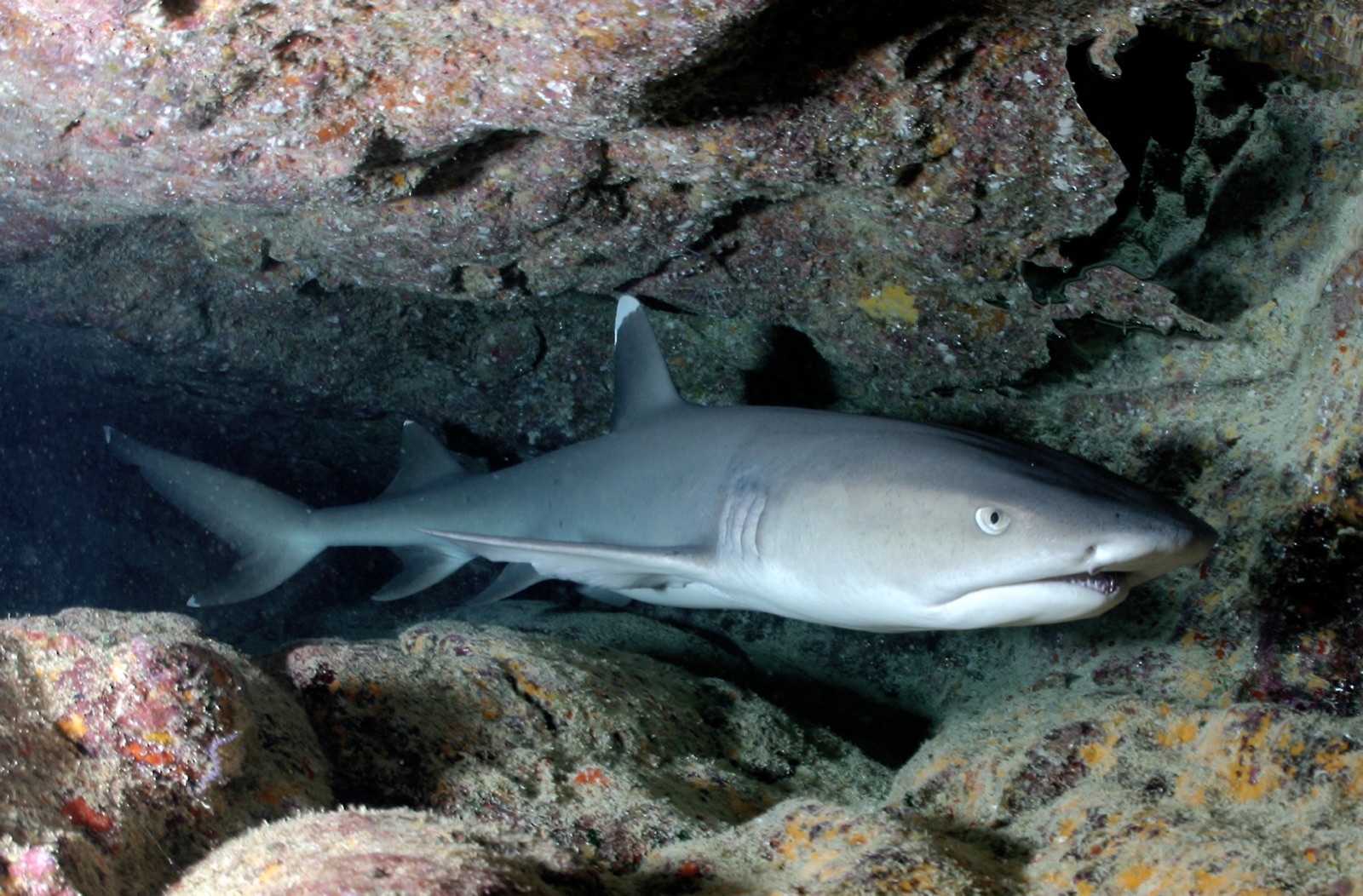
Whitetip Reef Shark
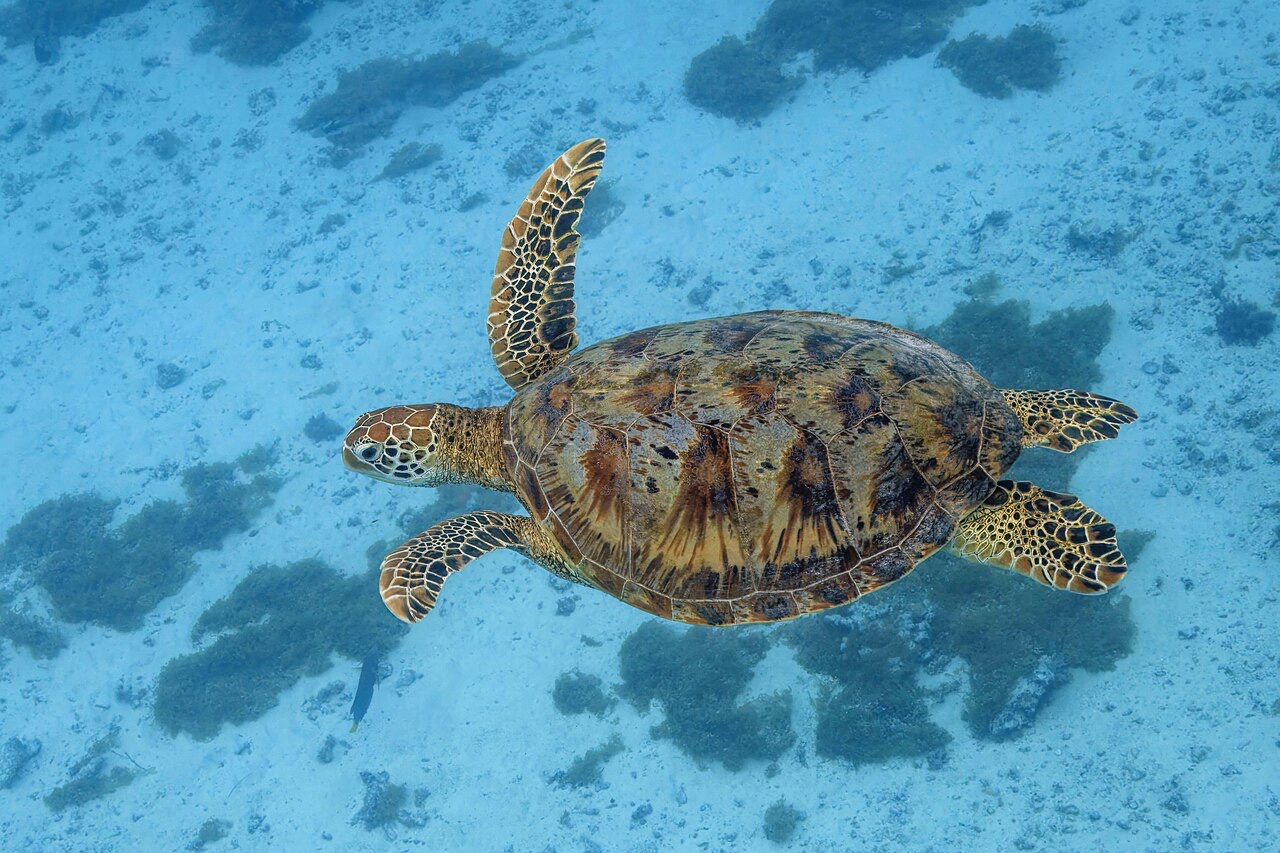
Green Sea Turtle
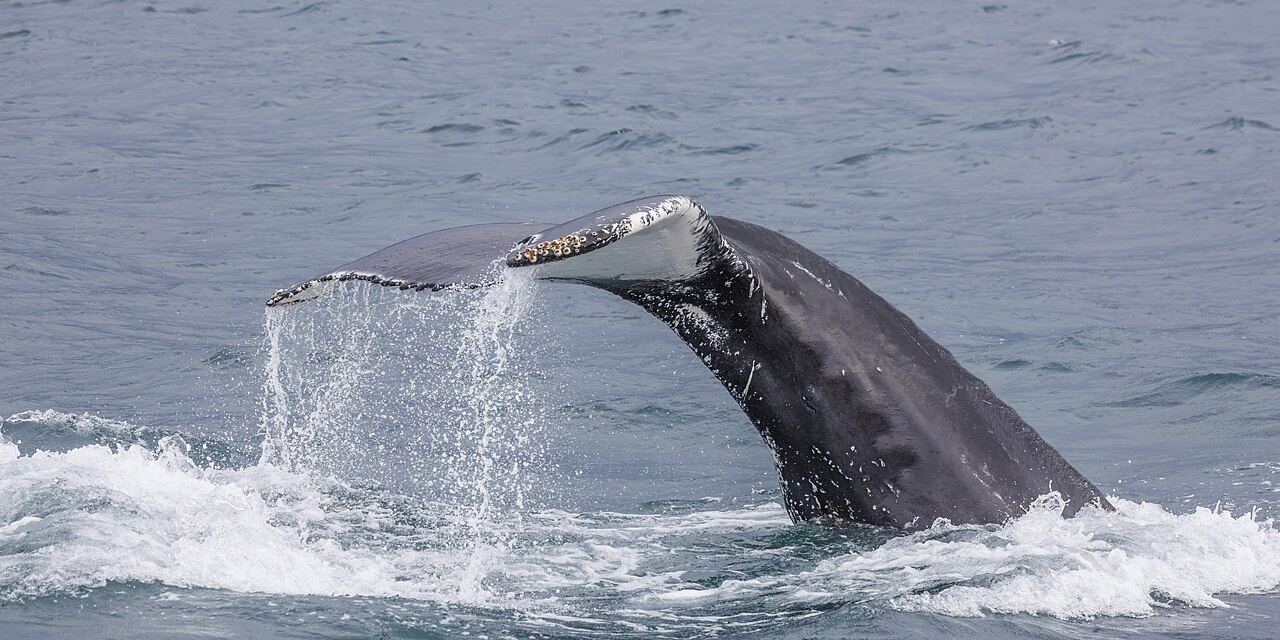
Humpback Whale
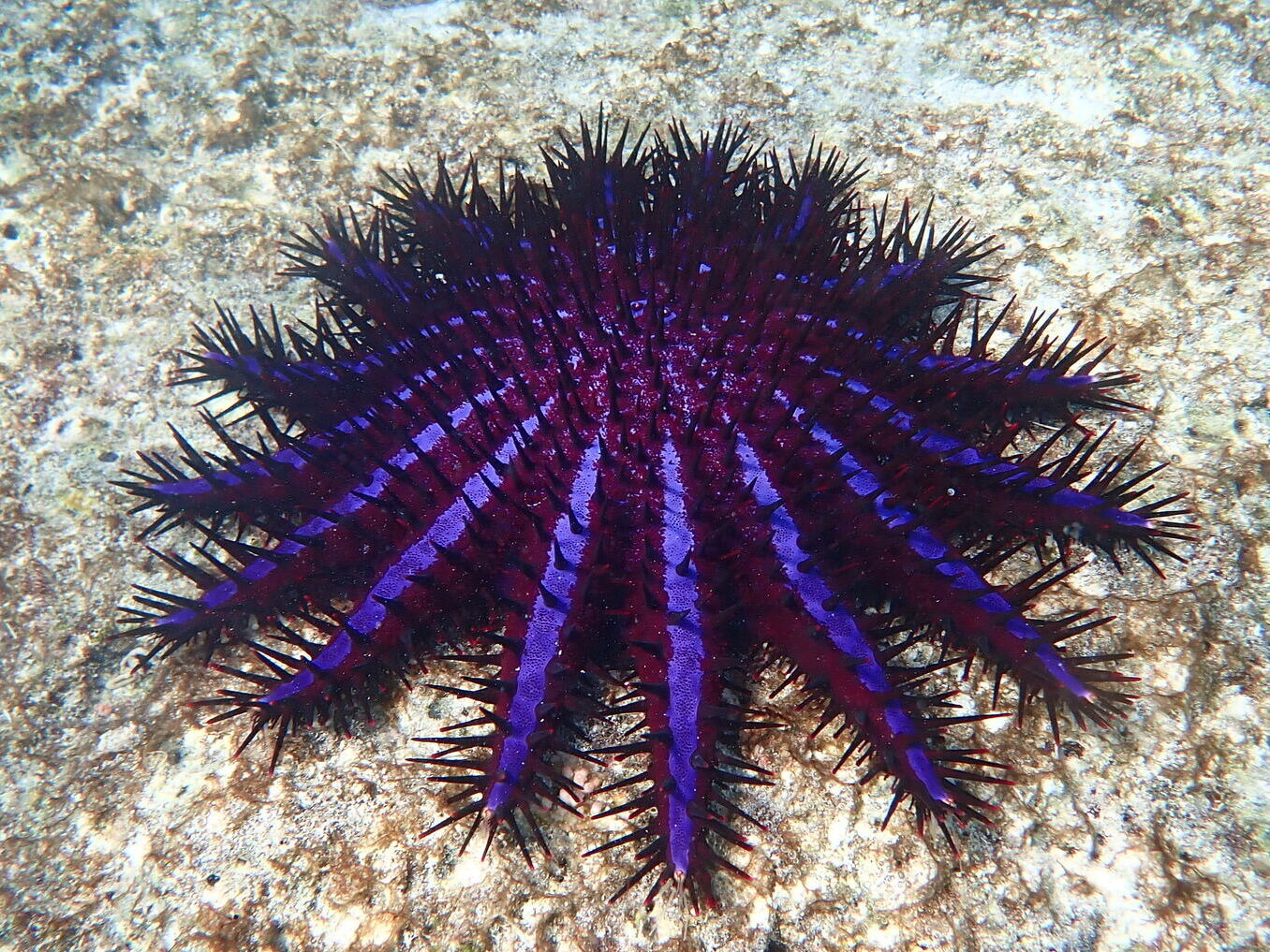
Crown-of-Thorns Starfish
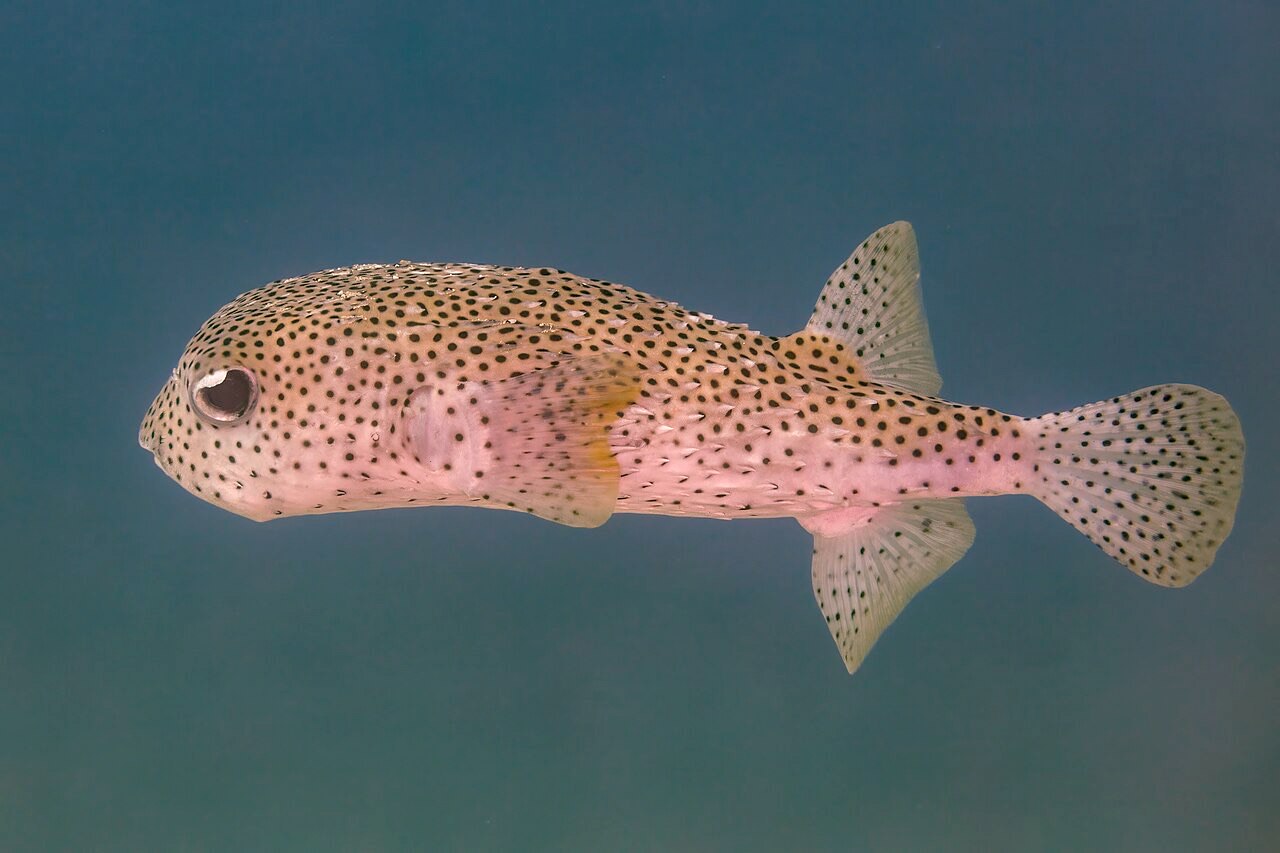
Porcupinefish
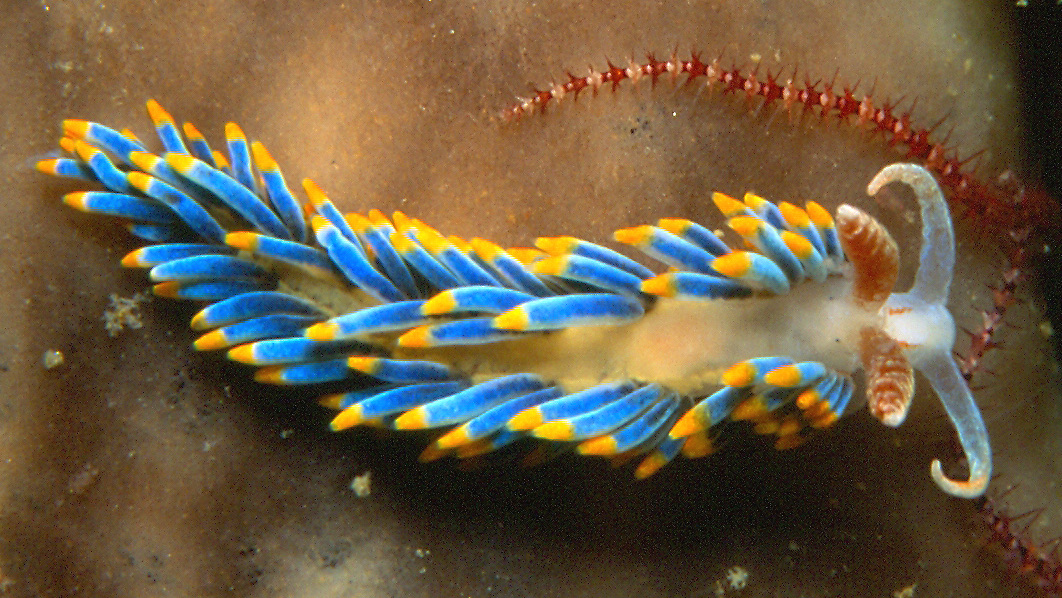
Nudibranchs
También registrado cerca
Las especies "aquí registradas" fueron añadidas por nuestros editores a partir de las fuentes de esta página. Los recuentos son registros de ocurrencia de GBIF: observaciones anotadas en un radio de unos 5 km de la posición registrada desde 1990, cotejadas únicamente con las especies de nuestro catálogo. Muestran lo que se ha avistado allí, no una garantía de lo que verás.
Para fotógrafos
Gran angular: ★★★★☆ · Macro: ★★☆☆☆ (valoración de 1 a 5 de los editores sobre lo que ofrece este sitio para cada estilo de fotografía)