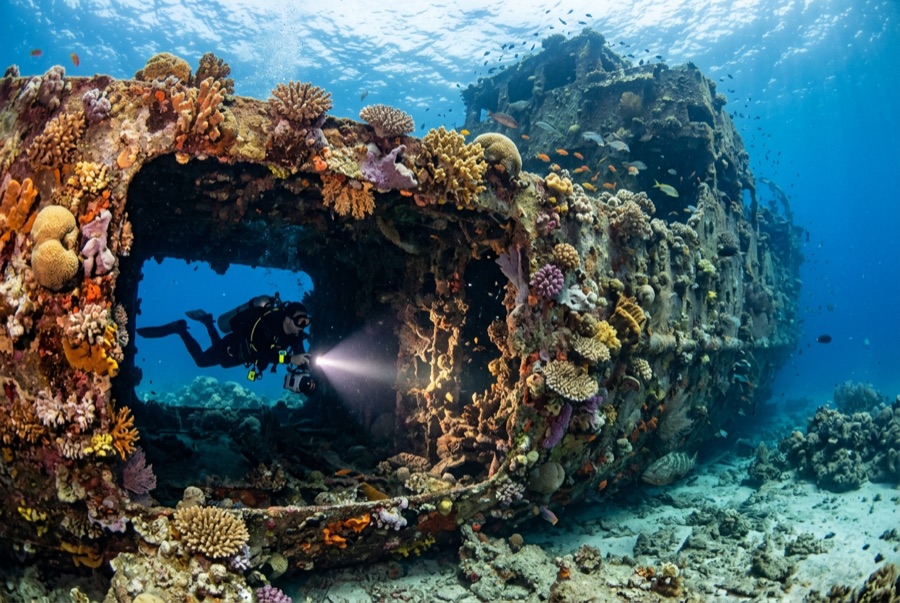
Stella Maru
Die Tiefe gibt den Bereich von der Oberkante des Tauchplatzes bis zur üblichen Maximaltiefe an; „empfohlene Zertifizierung" ist das von Anbietern üblicherweise geforderte Mainstream-Agenturniveau – keine gesetzliche Vorschrift. Strömungen und Sichtweite ändern sich täglich – behandle alle Angaben hier als Planungsbereiche.
The Stella Maru, a Japanese long-line trawler scuttled off Trou aux Biches in the late 1980s as an artificial reef, has aged into the north coast's most dependable wreck dive. The hull lies at recreational depth with its bow, masts, and deck machinery readable under a thickening coat of sponge and oyster growth. Big morays have divided up the interior spaces and greet torch beams at the openings, lionfish hover in the shade of the hull, and octopus work the debris field. Easy to navigate and forgiving of modest visibility, it is many visitors' first wreck, and a good one.
Der Moment, für den du kommst: Intact, easy-to-read trawler; resident morays at every opening
Topografie: Japanese trawler resting on sand off Trou aux Biches, hull largely intact
Strömung: Calm north-coast conditions most of the year; occasional current along the sand.
Was du wissen solltest, bevor du ins Wasser gehst
Gefahren: Light entanglement risk around old cables; respect the no-penetration briefing.
Naturschutz: An artificial reef that now functions as habitat: no souvenir-taking, no prying at plates.
Nitrox: Hier lohnt es sich – die Profile liegen in einem Bereich, in dem Nitrox die Nullzeiten spürbar verlängert (mit der entsprechenden Ausbildung).
Wen du triffst
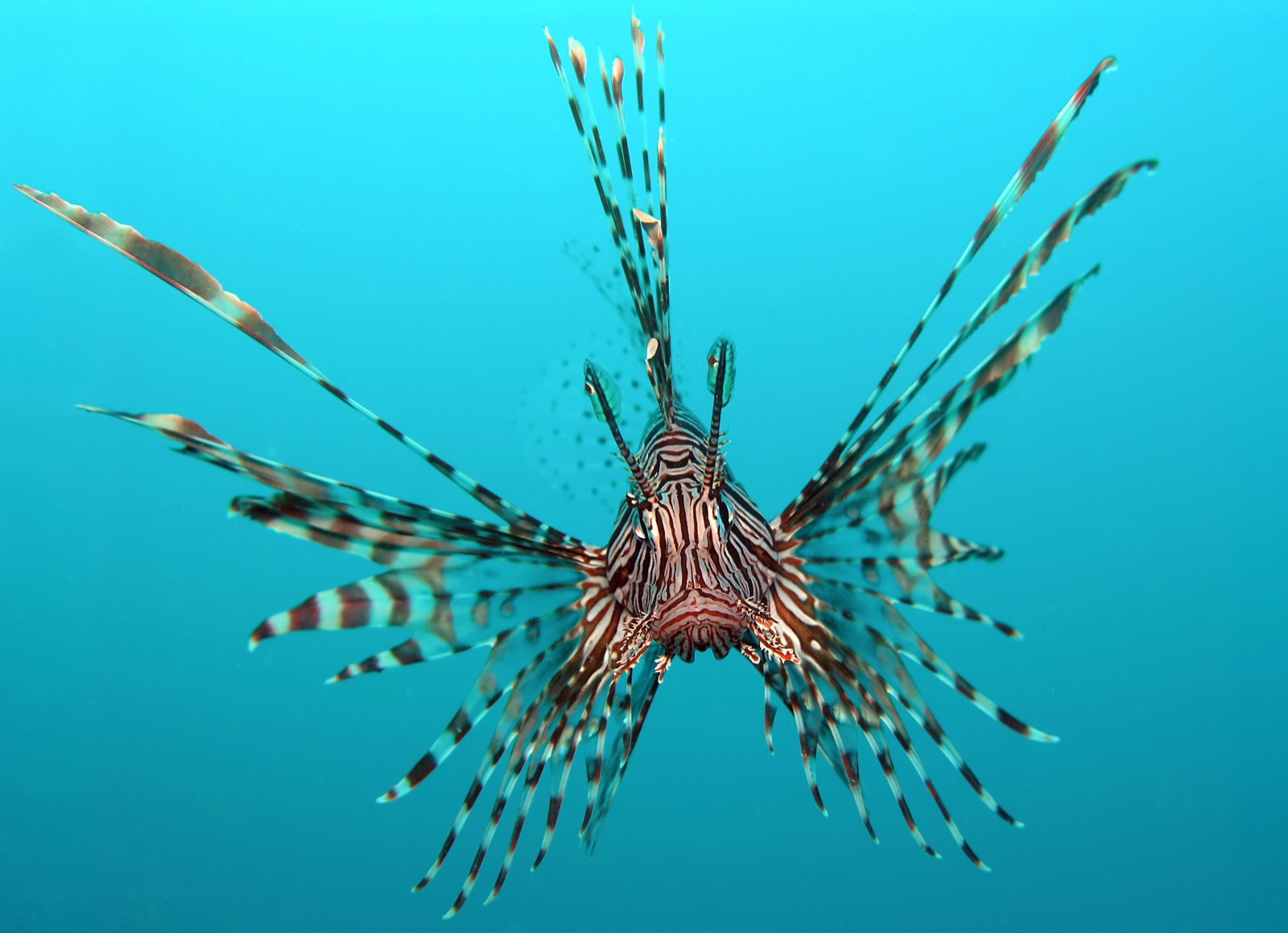
Lionfish
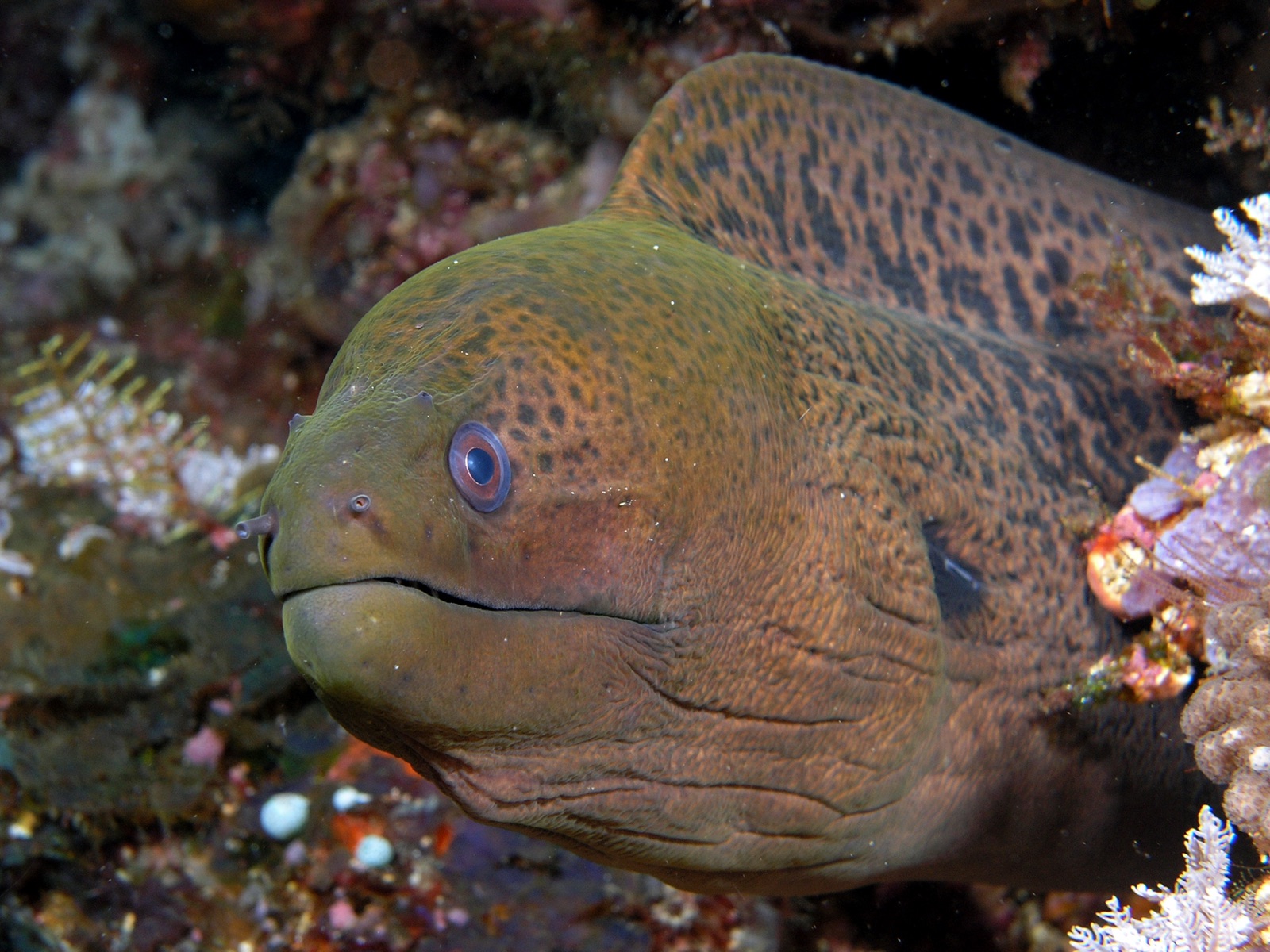
Giant Moray Eel
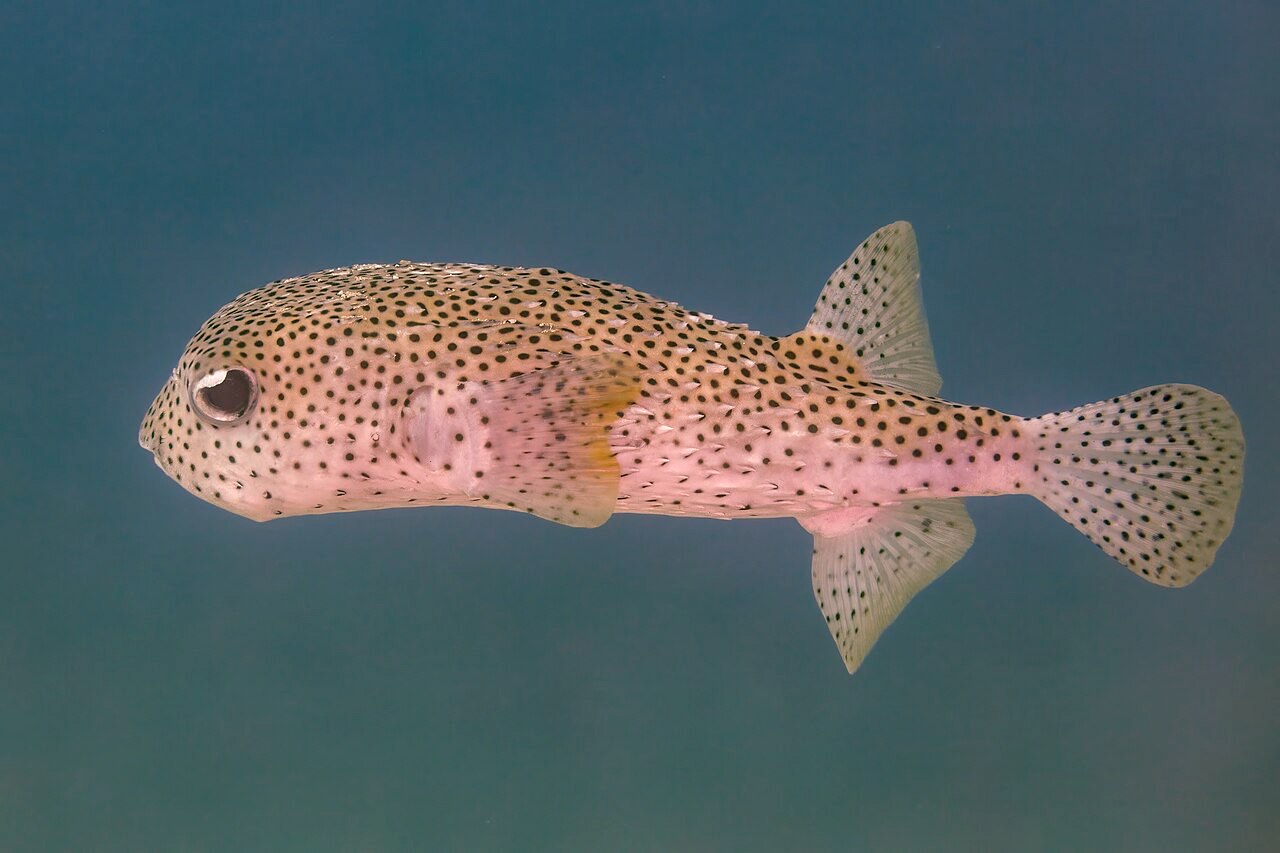
Porcupinefish
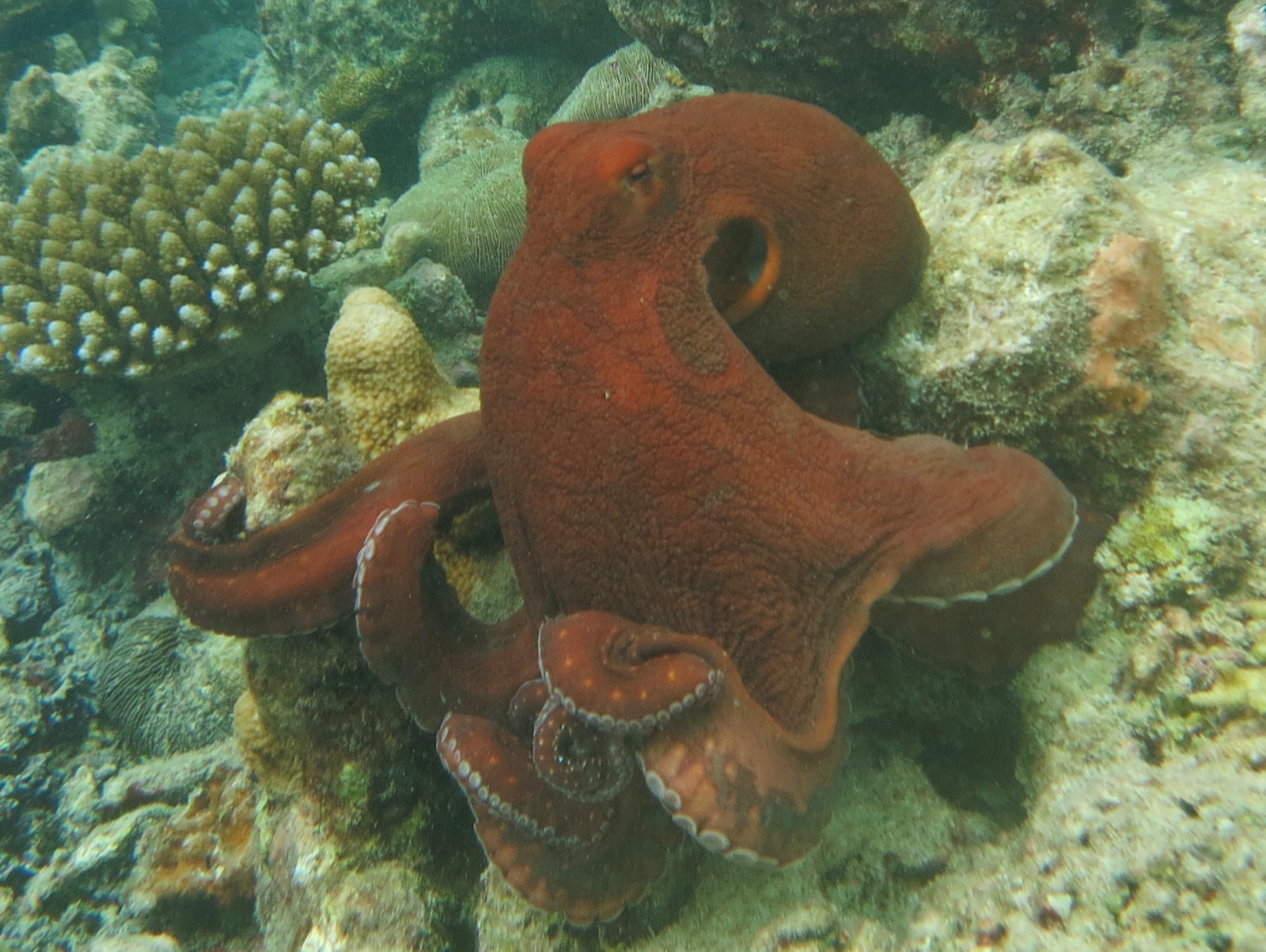
Common Reef (Day) Octopus
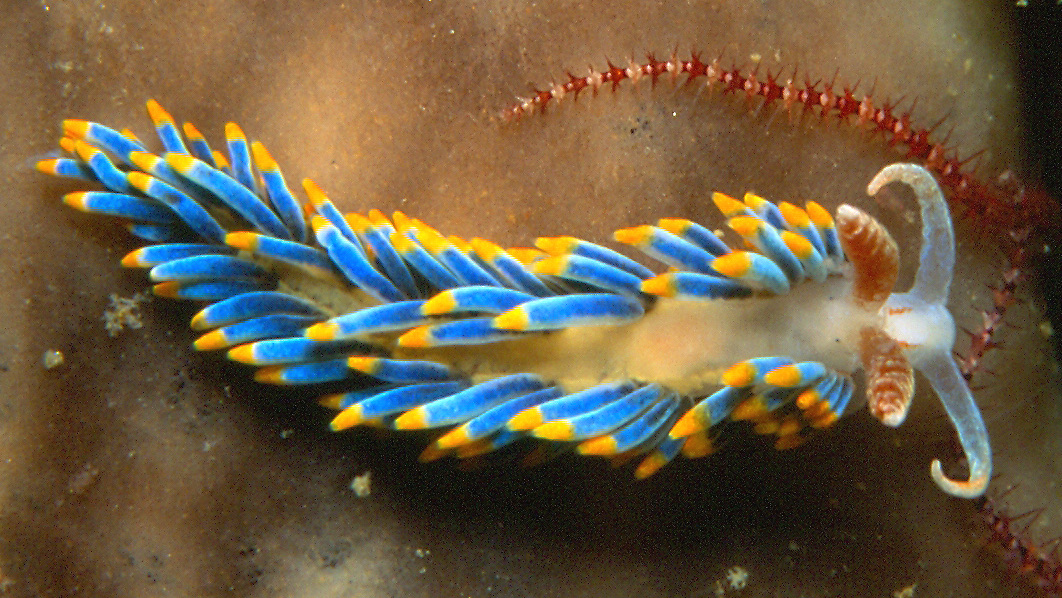
Nudibranchs
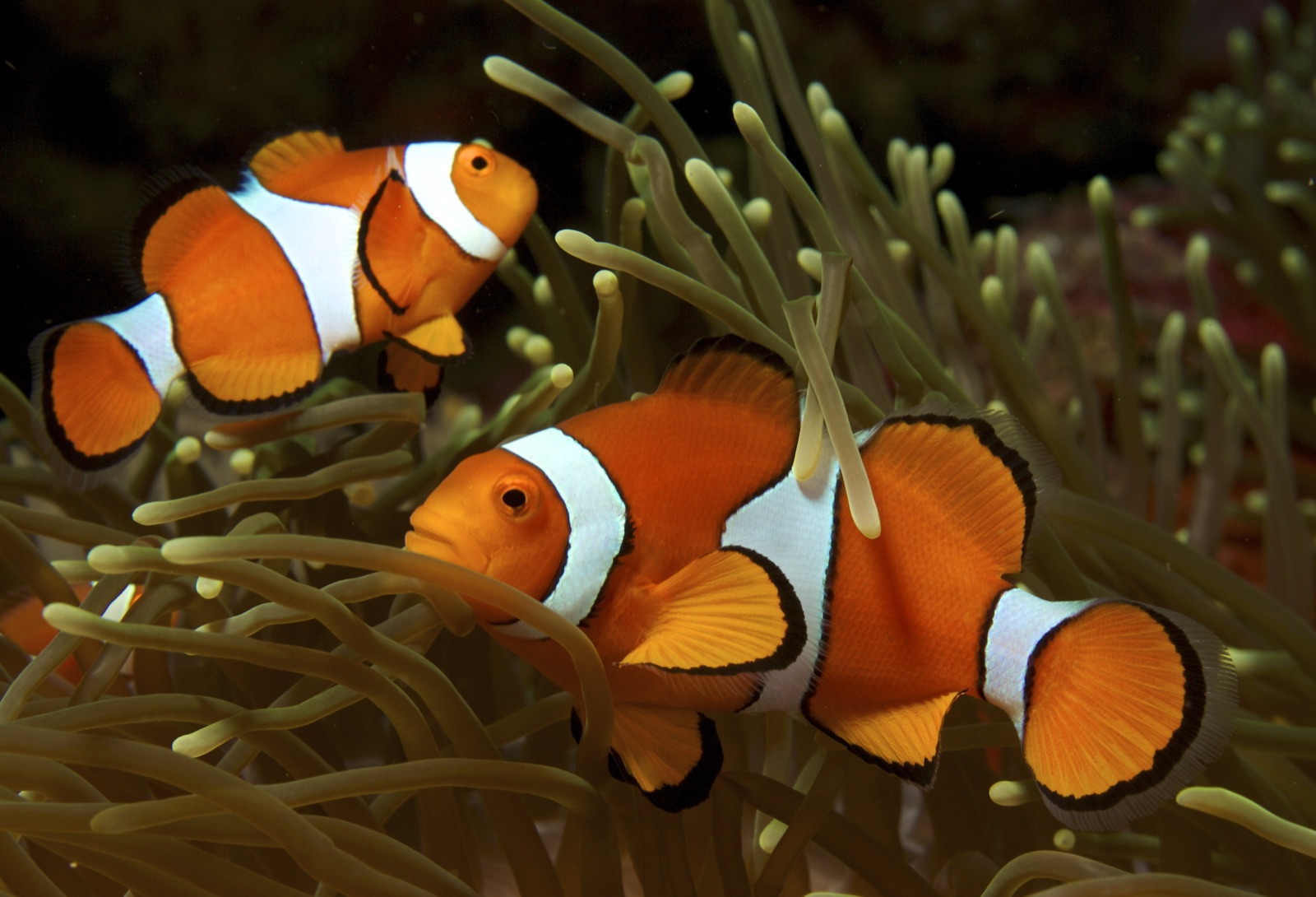
Clownfish & Anemonefish
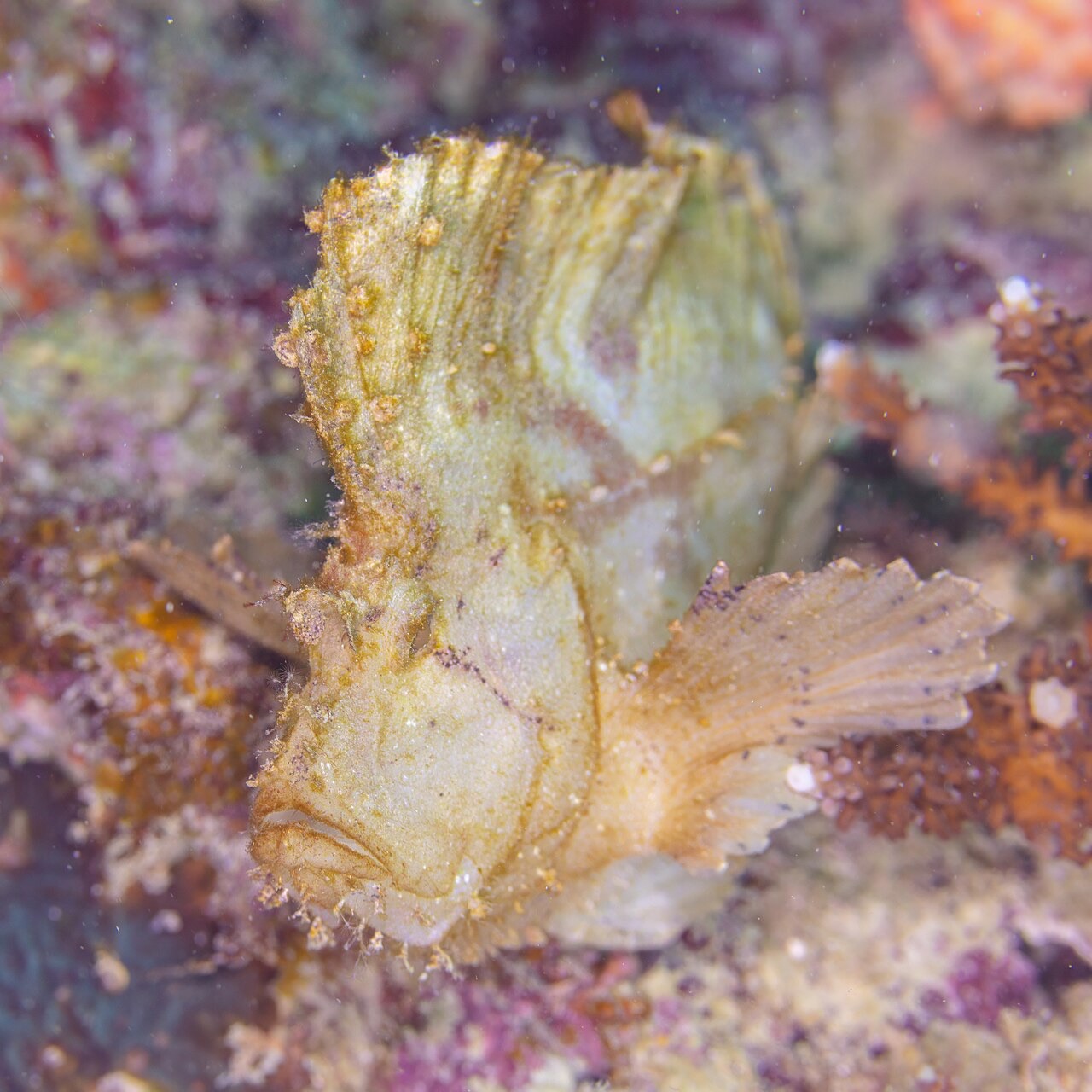
Leaf Scorpionfish
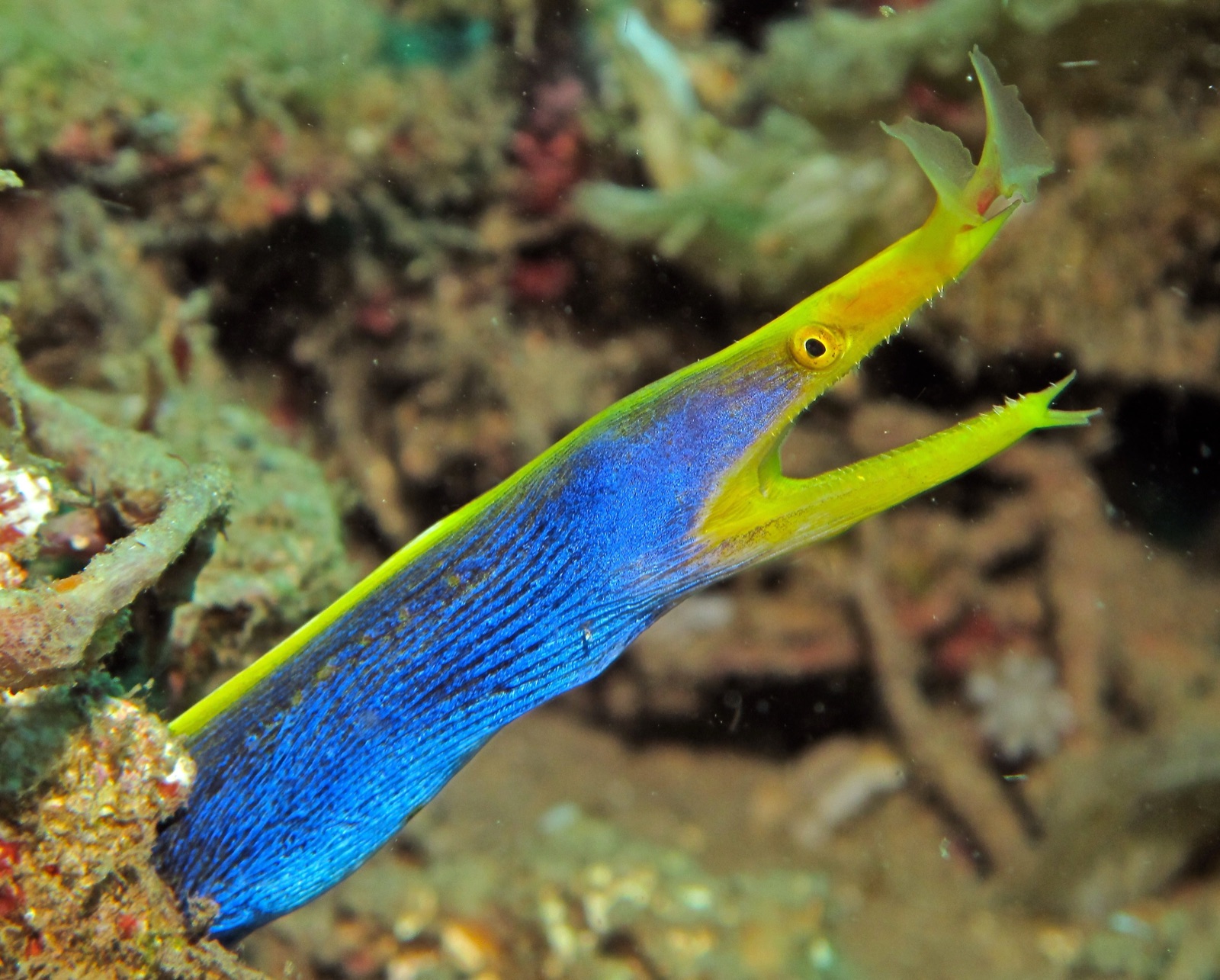
Ribbon Eel
Auch in der Nähe nachgewiesen
„Hier kartiert" – Arten wurden von unseren Redakteuren anhand der Quellen auf dieser Seite erfasst. Die Zahlen sind GBIF-Vorkommensdatensätze: Beobachtungen, die seit 1990 im Umkreis von etwa 5 km um die kartierte Position protokolliert wurden, ausschließlich abgeglichen mit den Arten in unserem Katalog. Sie zeigen, was dort gesichtet wurde – keine Garantie, was du sehen wirst.
Für Fotografen
Weitwinkel: ★★★★☆ · Makro: ★★★☆☆ (Redaktionelle 1–5-Bewertung, was dieser Platz für jeden Fotografie-Stil bietet)