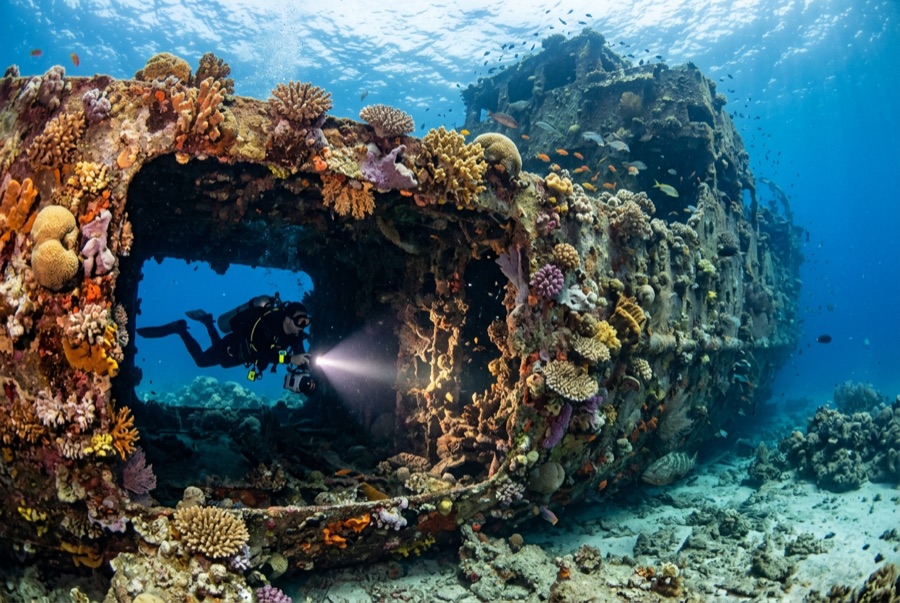
Stella Maru
La profundidad es el rango desde la cima del punto de buceo hasta su máximo habitual; la "certificación recomendada" es el nivel que los operadores suelen pedir según las agencias principales, no una norma legal. Las corrientes y la visibilidad cambian a diario, así que trata todo esto como rangos de planificación.
The Stella Maru, a Japanese long-line trawler scuttled off Trou aux Biches in the late 1980s as an artificial reef, has aged into the north coast's most dependable wreck dive. The hull lies at recreational depth with its bow, masts, and deck machinery readable under a thickening coat of sponge and oyster growth. Big morays have divided up the interior spaces and greet torch beams at the openings, lionfish hover in the shade of the hull, and octopus work the debris field. Easy to navigate and forgiving of modest visibility, it is many visitors' first wreck, and a good one.
El momento por el que vienes: Intact, easy-to-read trawler; resident morays at every opening
Topografía: Japanese trawler resting on sand off Trou aux Biches, hull largely intact
Corriente: Calm north-coast conditions most of the year; occasional current along the sand.
Lo que debes saber antes de tirarte al agua
Riesgos: Light entanglement risk around old cables; respect the no-penetration briefing.
Conservación: An artificial reef that now functions as habitat: no souvenir-taking, no prying at plates.
Nitrox: Vale la pena aquí: los perfiles están en el rango donde el nitrox amplía de forma significativa el tiempo sin parada (con la formación necesaria para usarlo).
A quién encontrarás
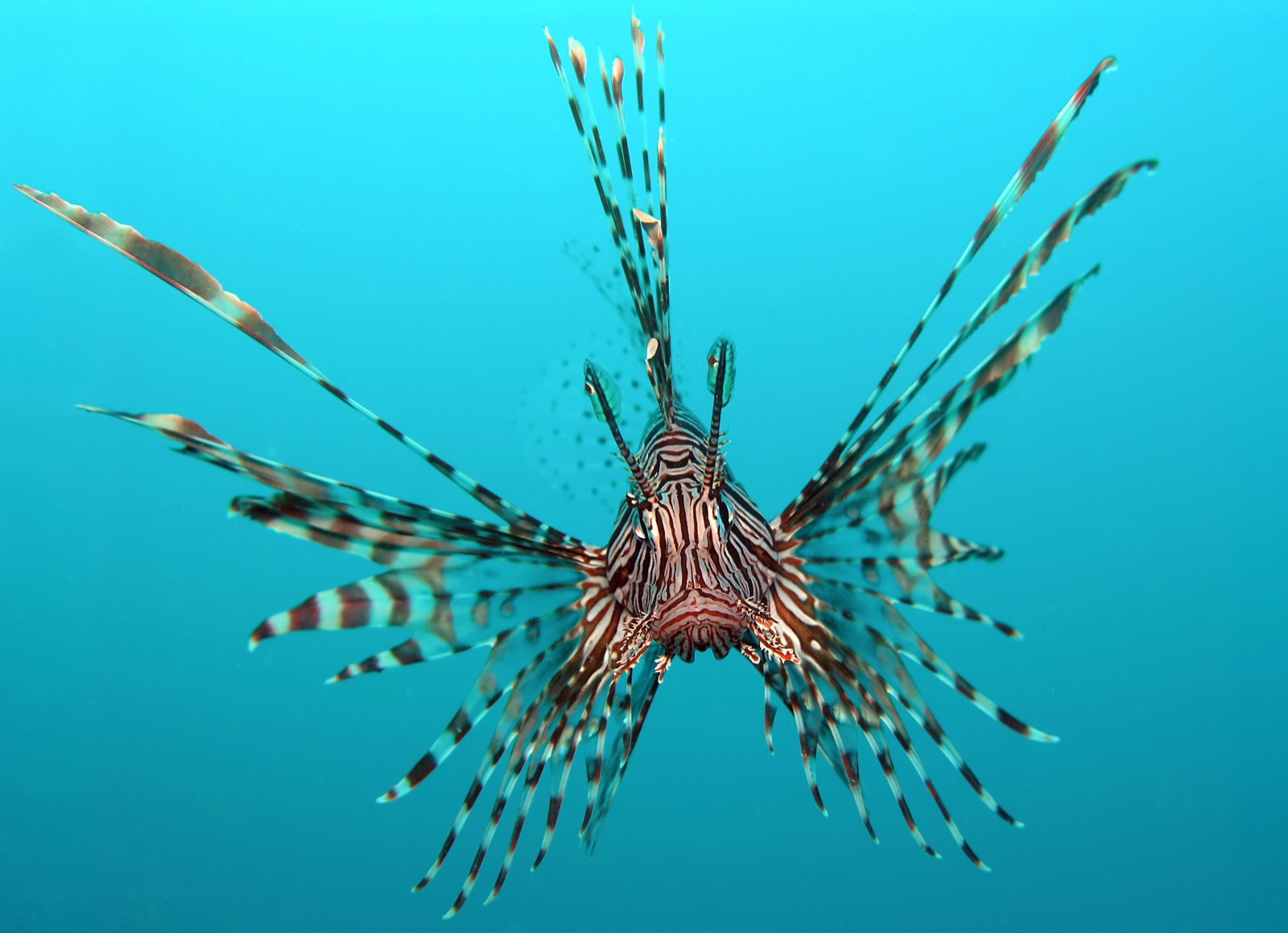
Lionfish
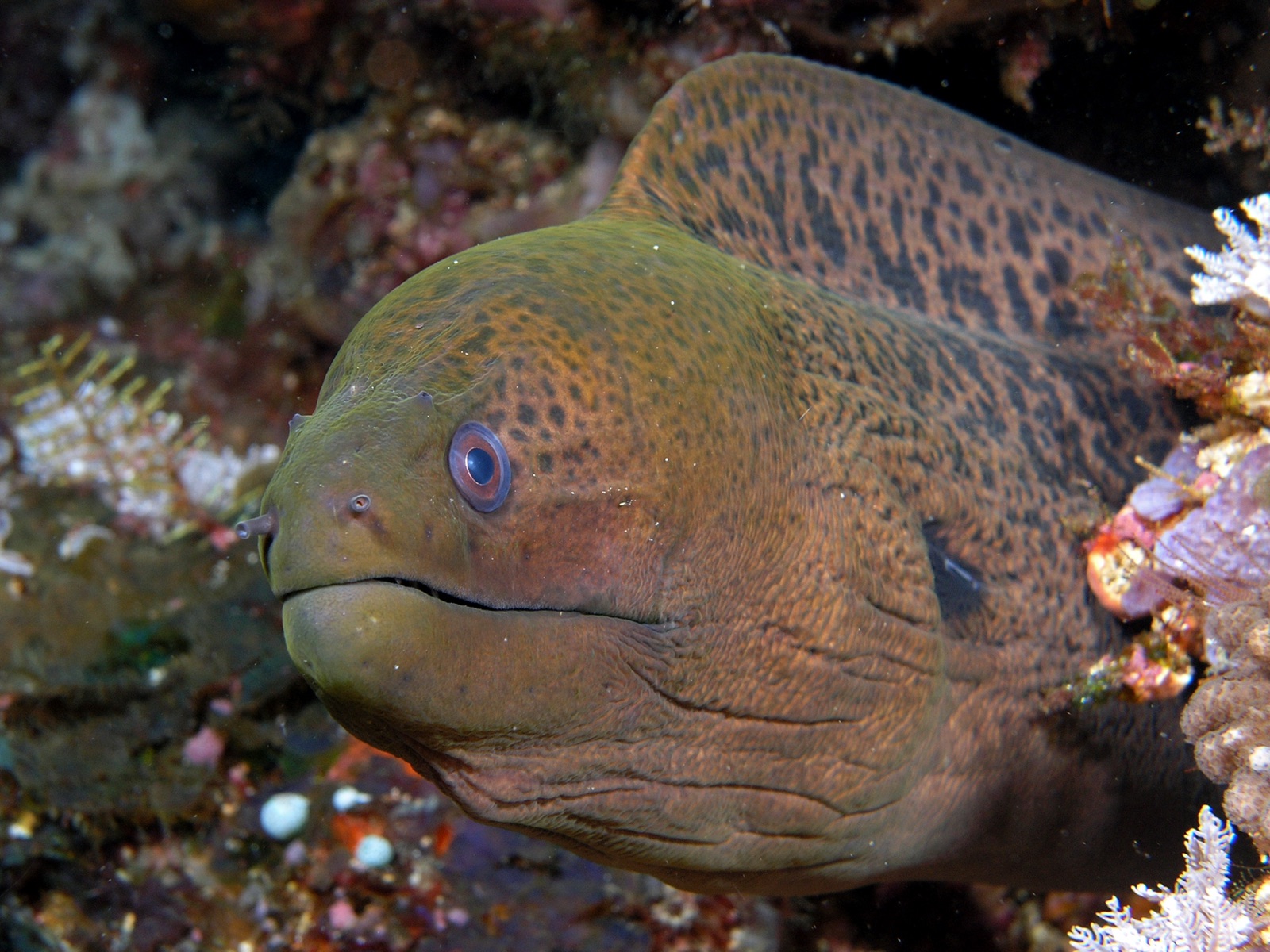
Giant Moray Eel
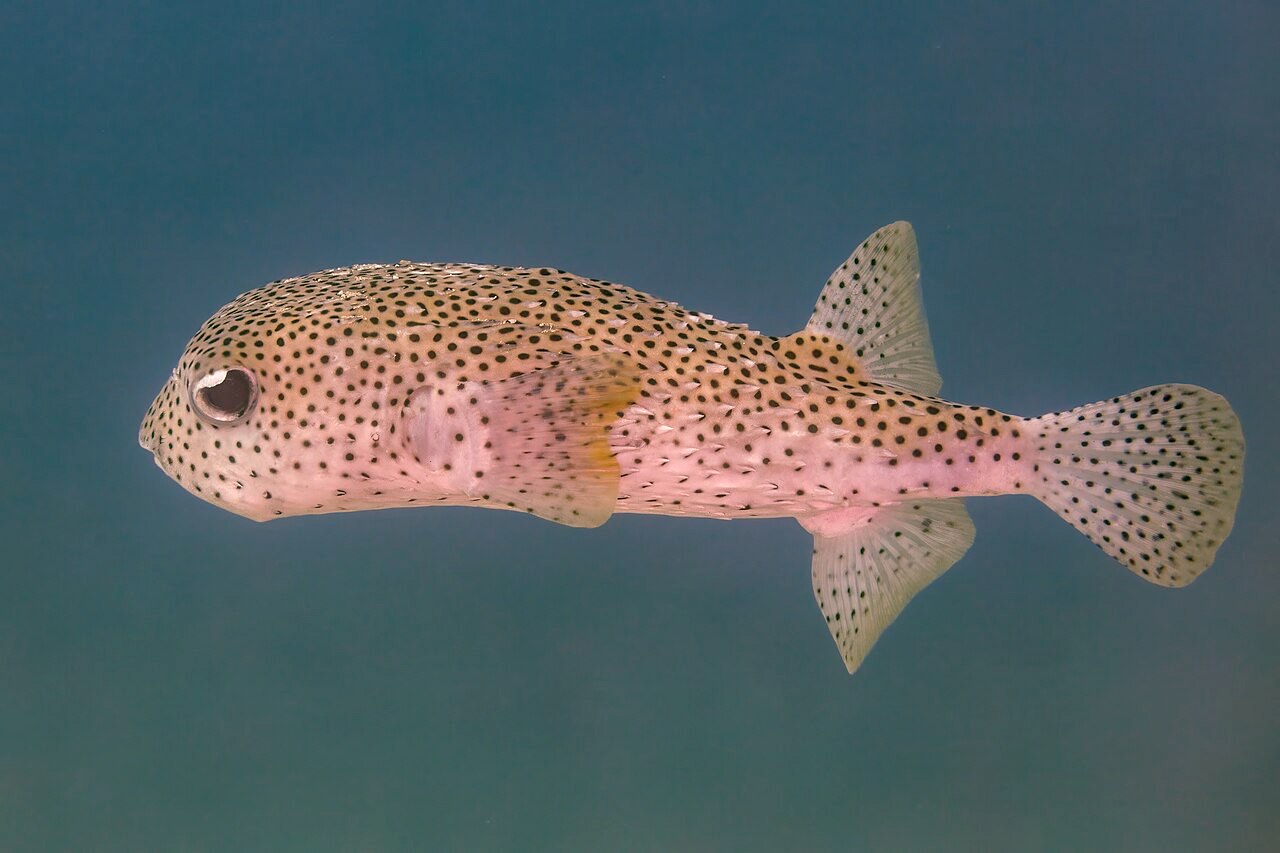
Porcupinefish
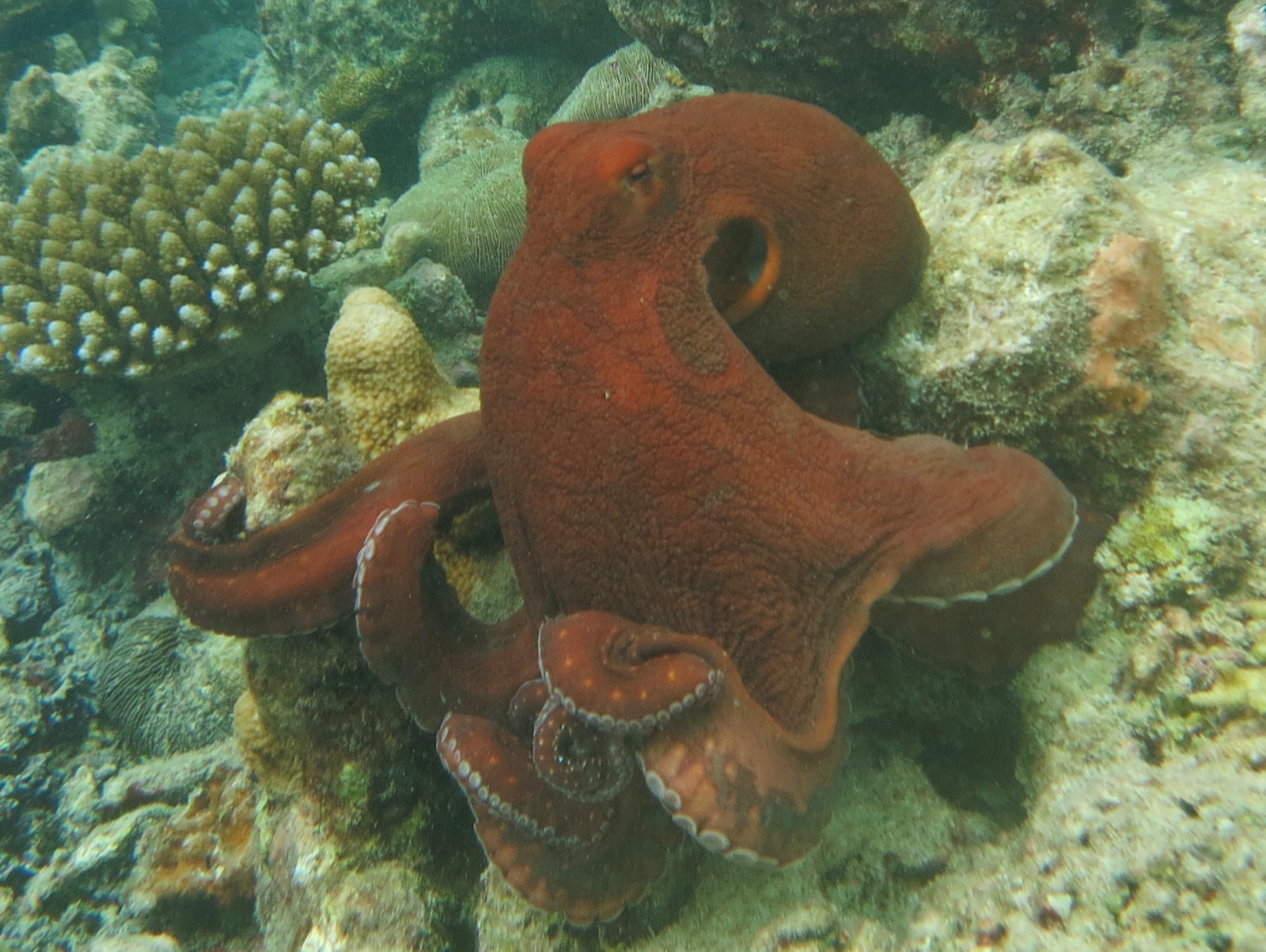
Common Reef (Day) Octopus
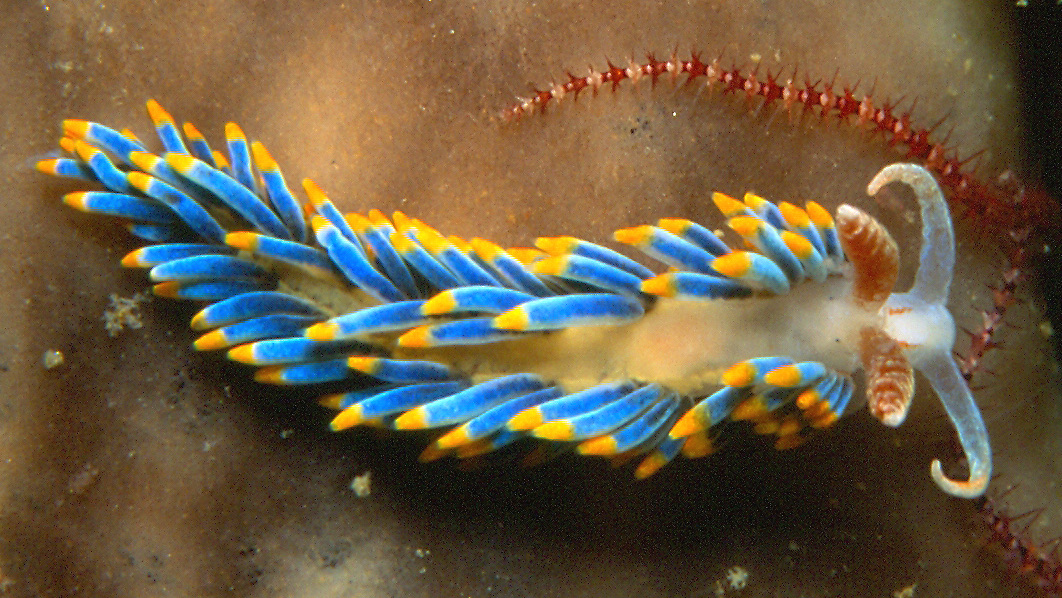
Nudibranchs
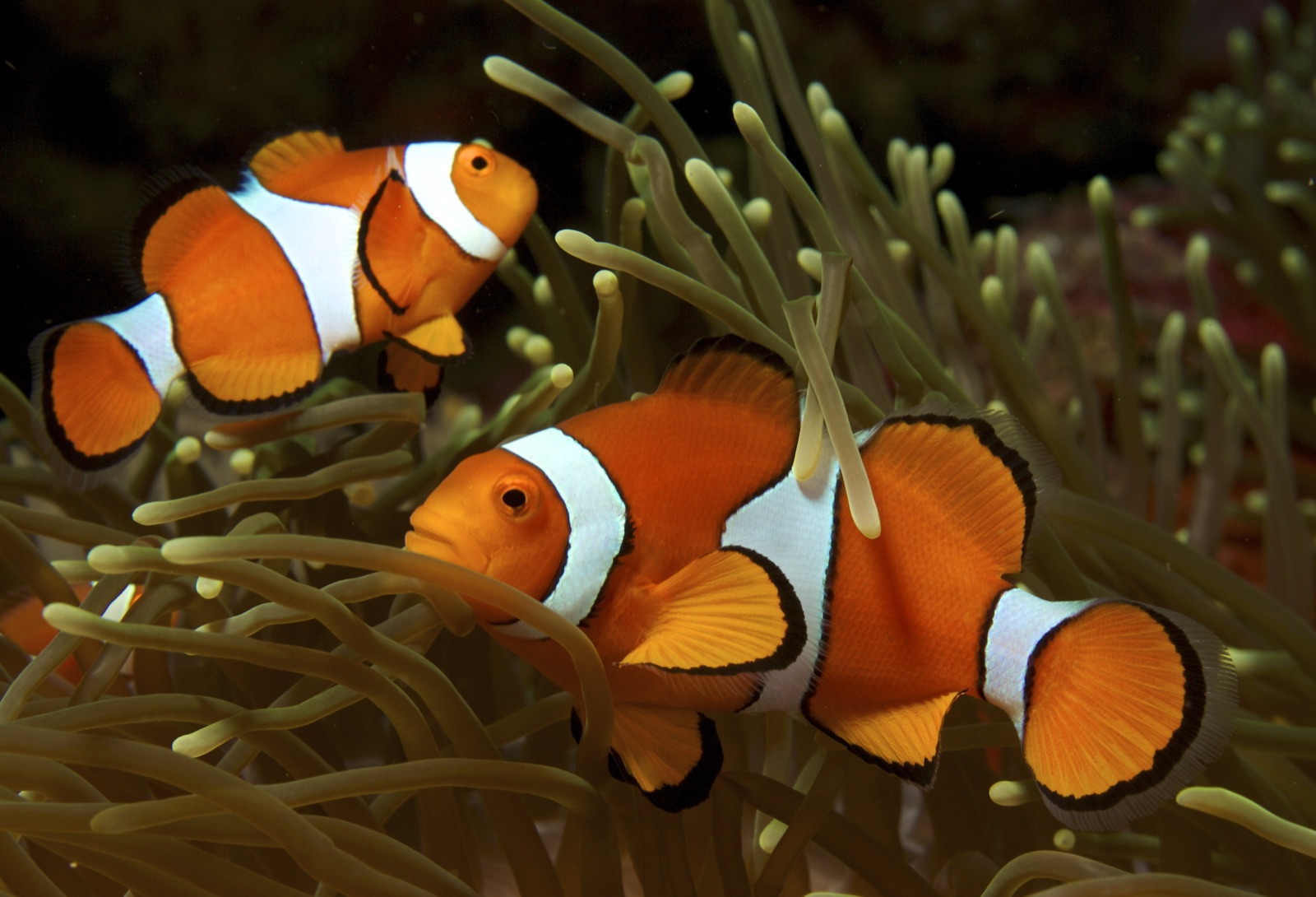
Clownfish & Anemonefish
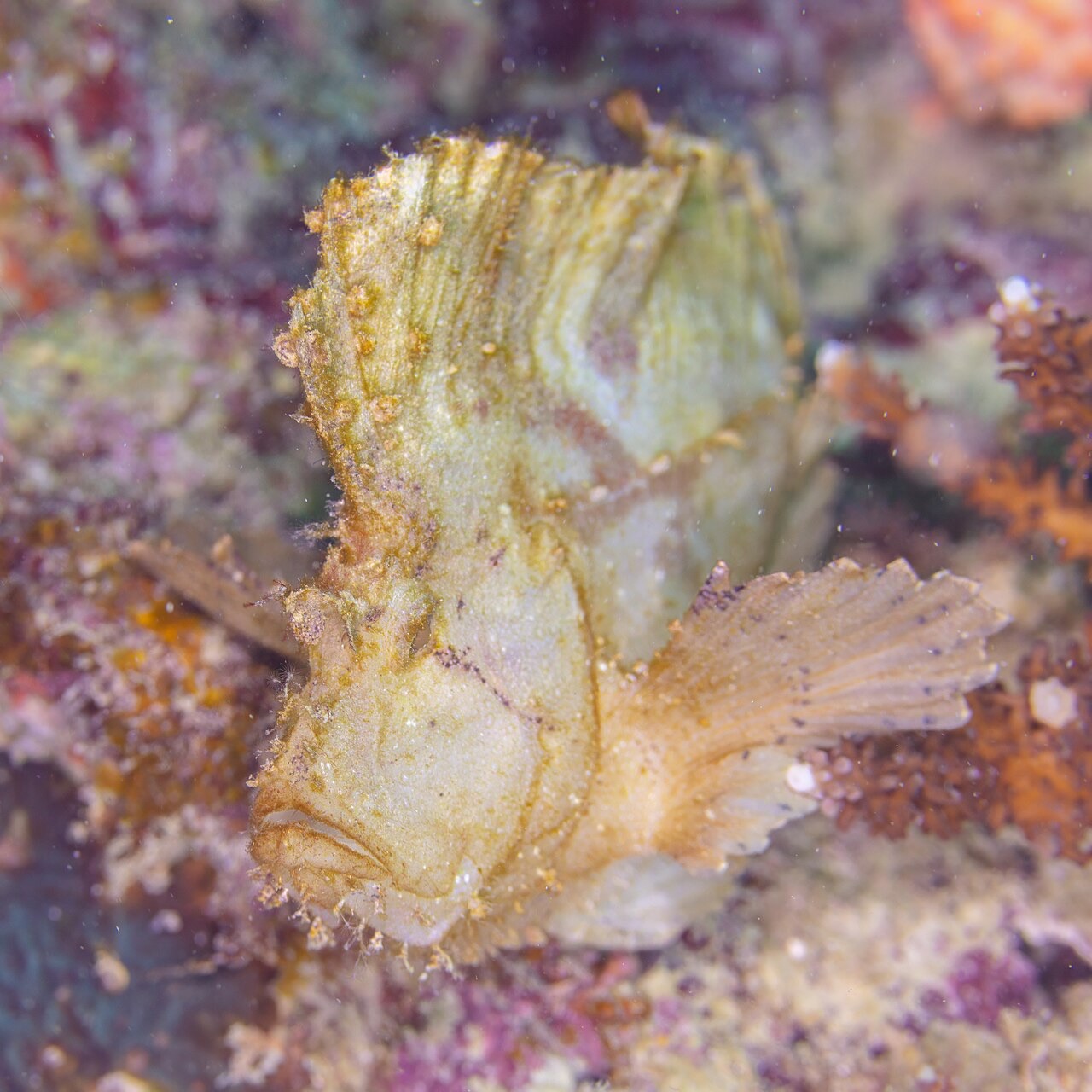
Leaf Scorpionfish
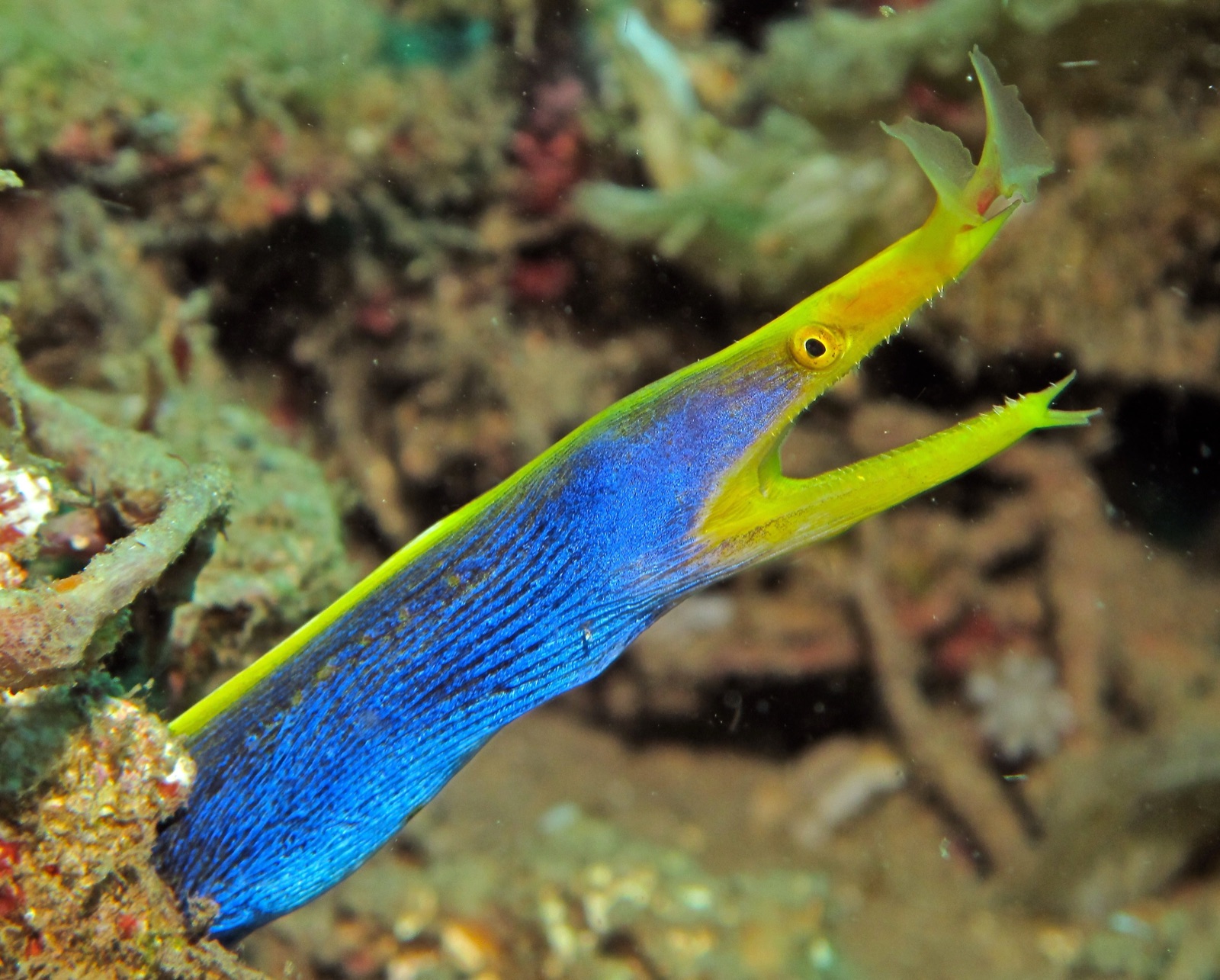
Ribbon Eel
También registrado cerca
Las especies "aquí registradas" fueron añadidas por nuestros editores a partir de las fuentes de esta página. Los recuentos son registros de ocurrencia de GBIF: observaciones anotadas en un radio de unos 5 km de la posición registrada desde 1990, cotejadas únicamente con las especies de nuestro catálogo. Muestran lo que se ha avistado allí, no una garantía de lo que verás.
Para fotógrafos
Gran angular: ★★★★☆ · Macro: ★★★☆☆ (valoración de 1 a 5 de los editores sobre lo que ofrece este sitio para cada estilo de fotografía)