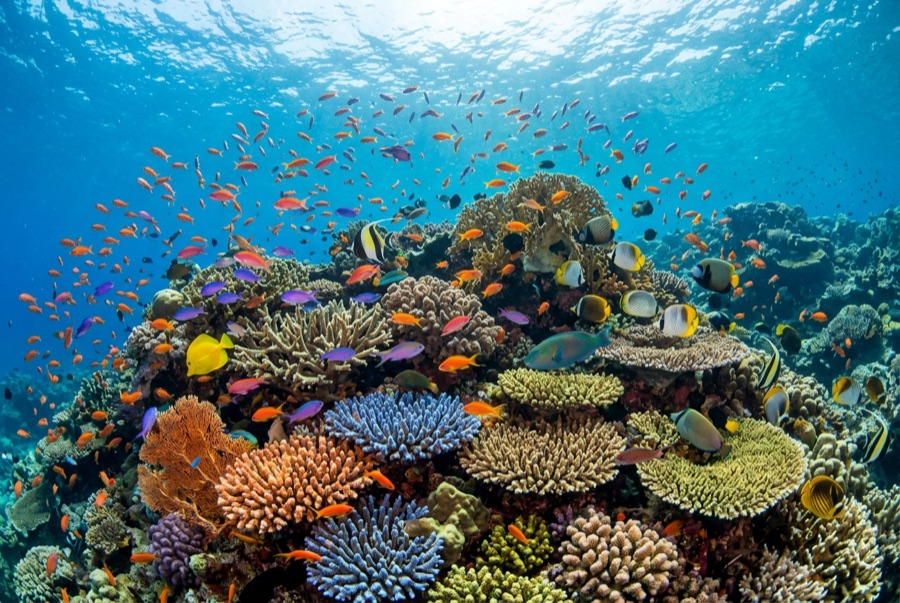
Molokini Inner Crater
Die Tiefe gibt den Bereich von der Oberkante des Tauchplatzes bis zur üblichen Maximaltiefe an; „empfohlene Zertifizierung" ist das von Anbietern üblicherweise geforderte Mainstream-Agenturniveau – keine gesetzliche Vorschrift. Strömungen und Sichtweite ändern sich täglich – behandle alle Angaben hier als Planungsbereiche.
Inside Molokini's crescent the Pacific behaves like a swimming pool with a wilderness in it. The drowned crater wall blocks swell, the bottom is visible from the boat before you gear up, and the reef slope hosts the standard Hawaiian cast at its most watchable: yellow tang shoals, endemic butterflyfish, garden eels swaying on the sand, whitetip reef sharks parked under ledges, octopus in the rubble for guides who know the dens. Depth is whatever you choose down to about 25 m. The morning fleet above is part of the deal; descend and the crowd dissolves into blue quiet within meters.
Der Moment, für den du kommst: Routine 30-meter-plus visibility; endemic-rich, easygoing reef; conditions that flatter new divers and relax old ones.
Topografie: A protected reef bowl inside the crater rim: coral slopes, rubble flats, and sand channels
Einstieg: Permitted boats moor inside the crescent on day-use buoys; dives run early before wind and snorkel traffic build.
Was du wissen solltest, bevor du ins Wasser gehst
Gefahren: Heavy snorkel-boat traffic overhead by mid-morning: ascend on the mooring; wind chop builds toward midday.
Genehmigungen & Regeln: Commercial vessels operate under permit; no landing on the islet.
Naturschutz: A no-take Marine Life Conservation District since 1977: moorings only, nothing touched, and the seabird islet above is strictly off-limits.
Wen du triffst
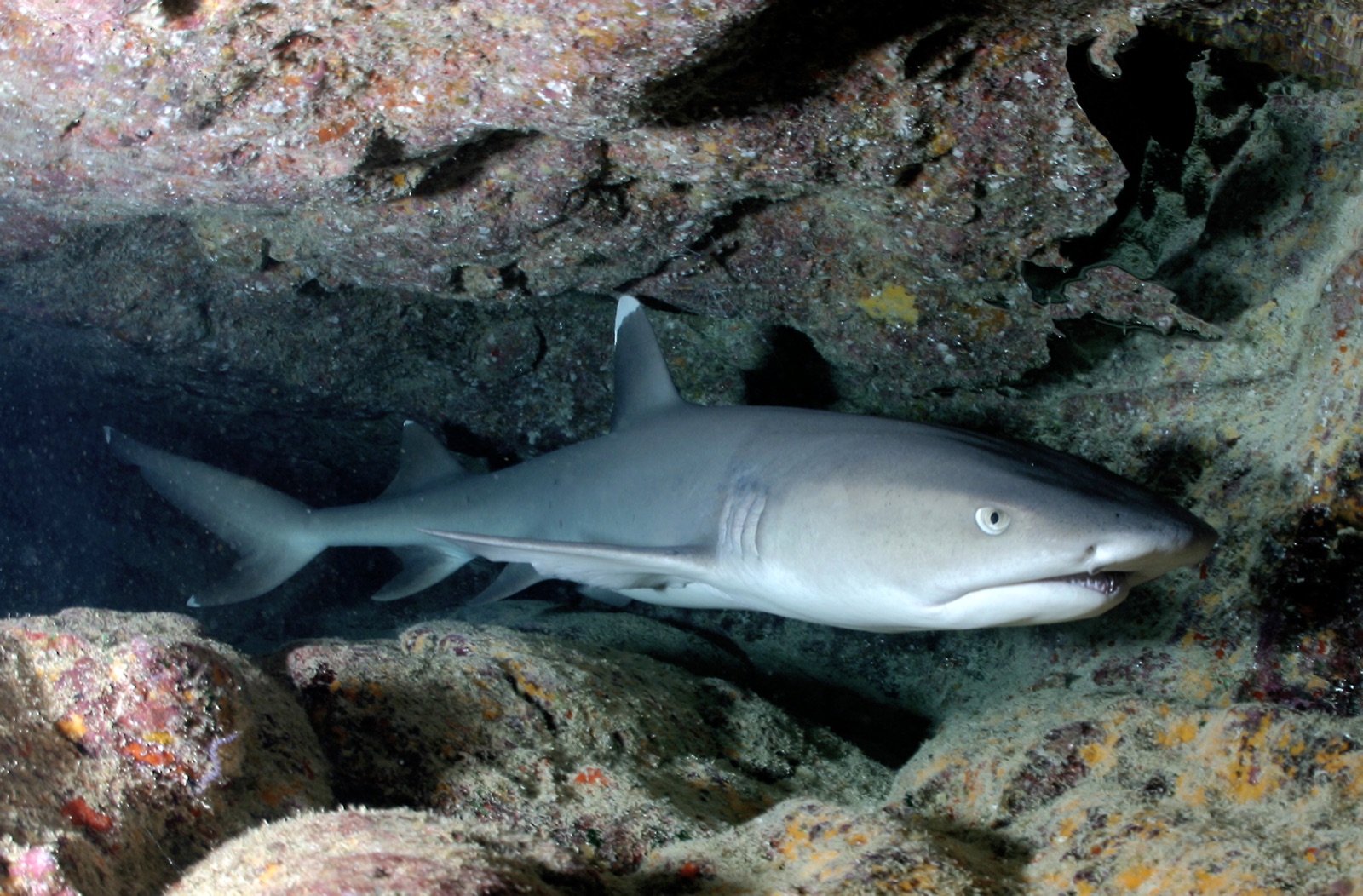
Whitetip Reef Shark
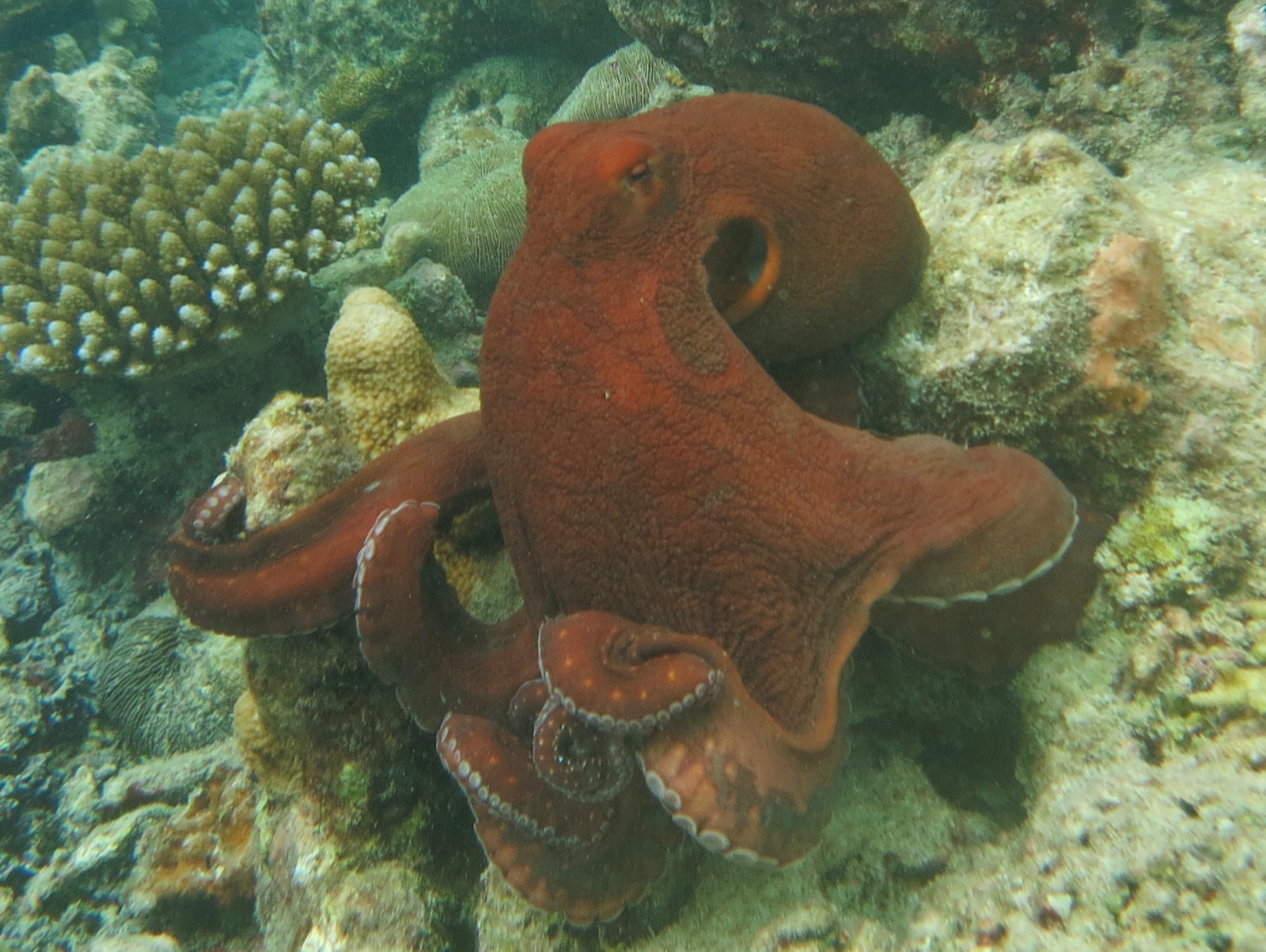
Common Reef (Day) Octopus
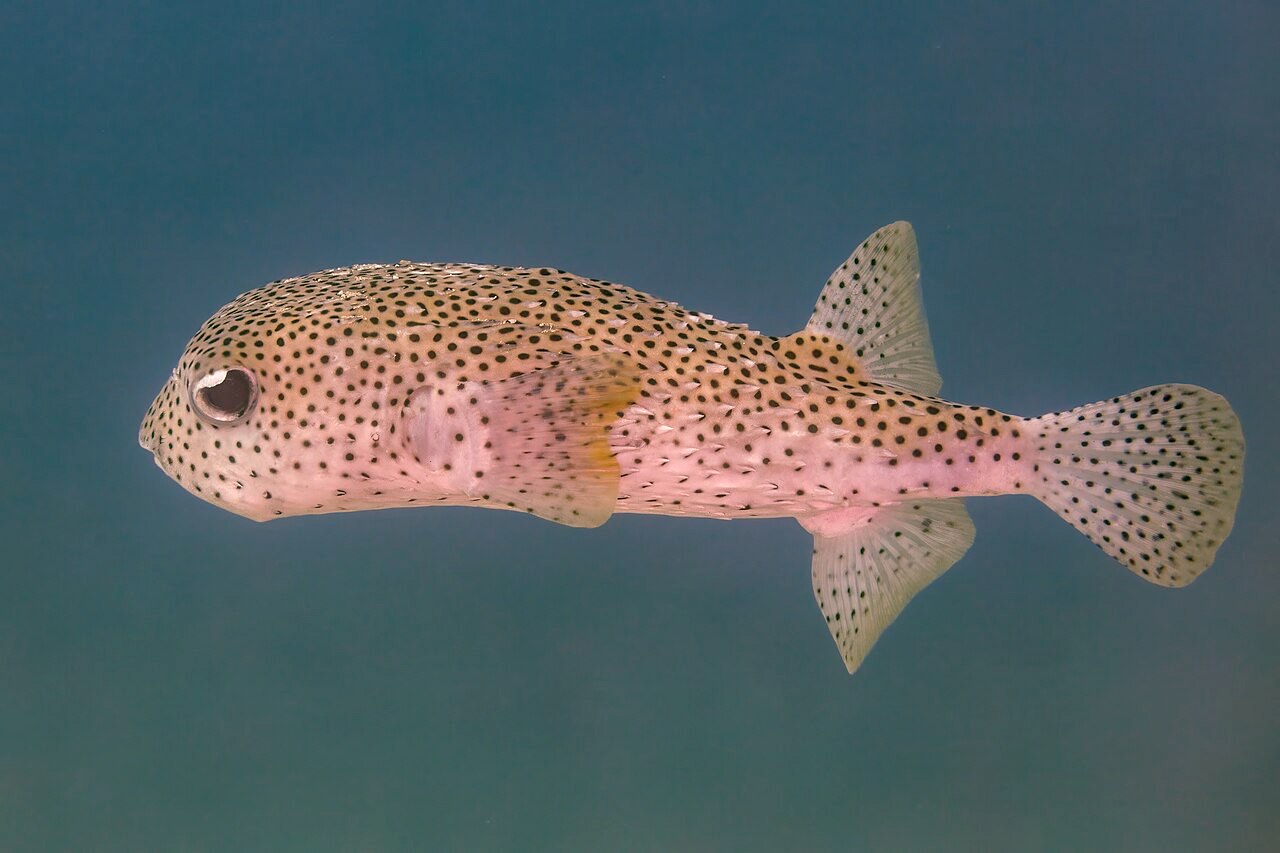
Porcupinefish
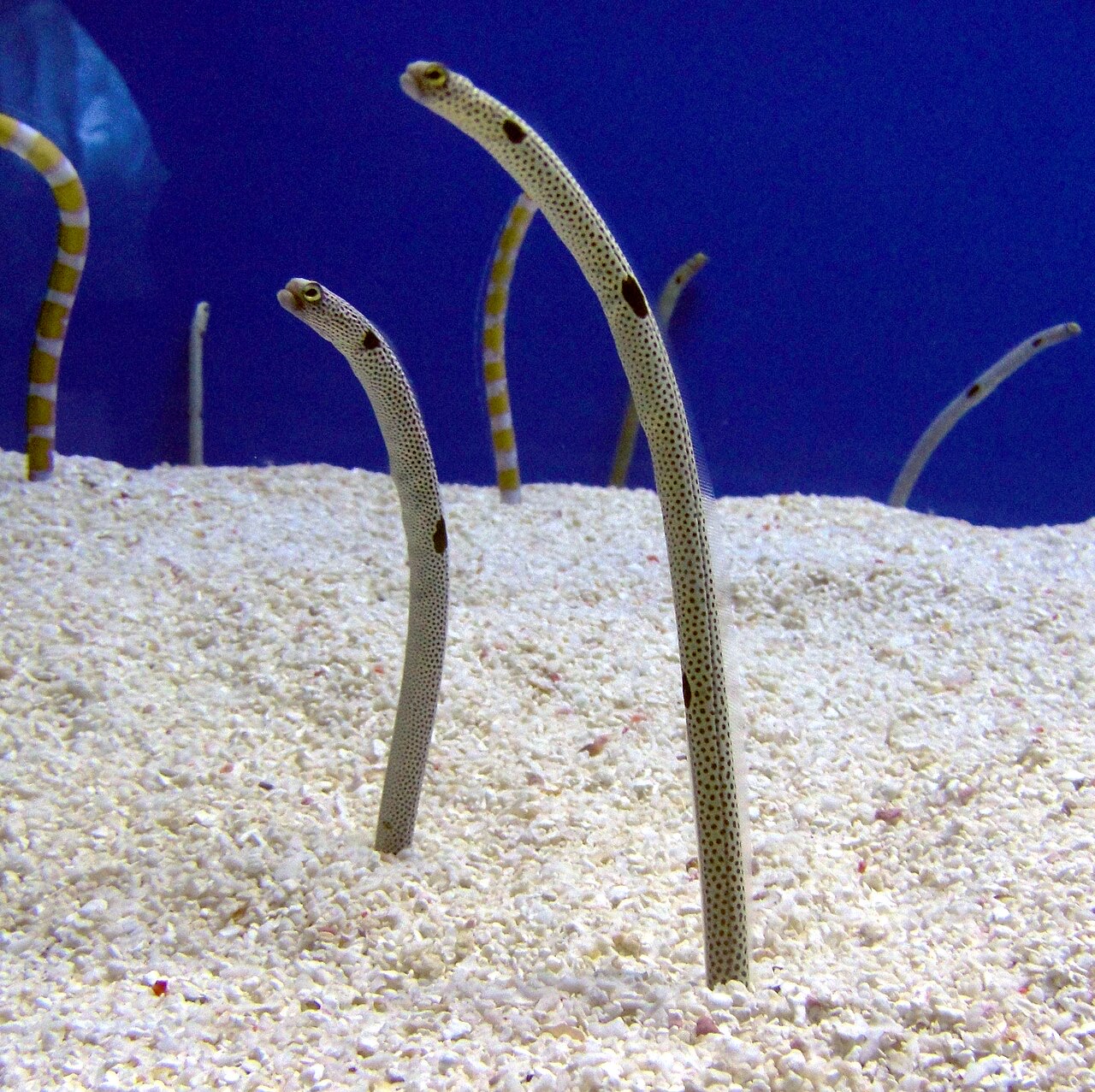
Garden Eel
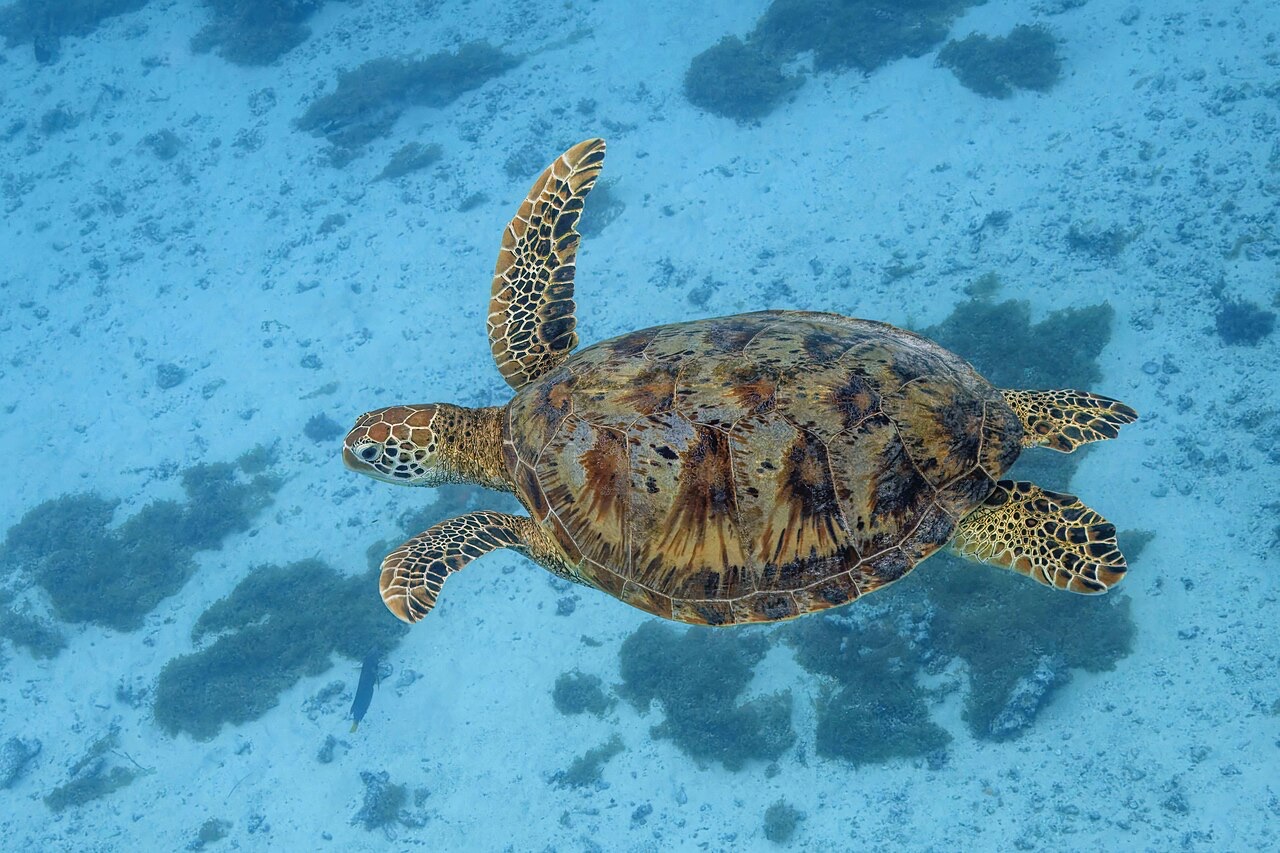
Green Sea Turtle
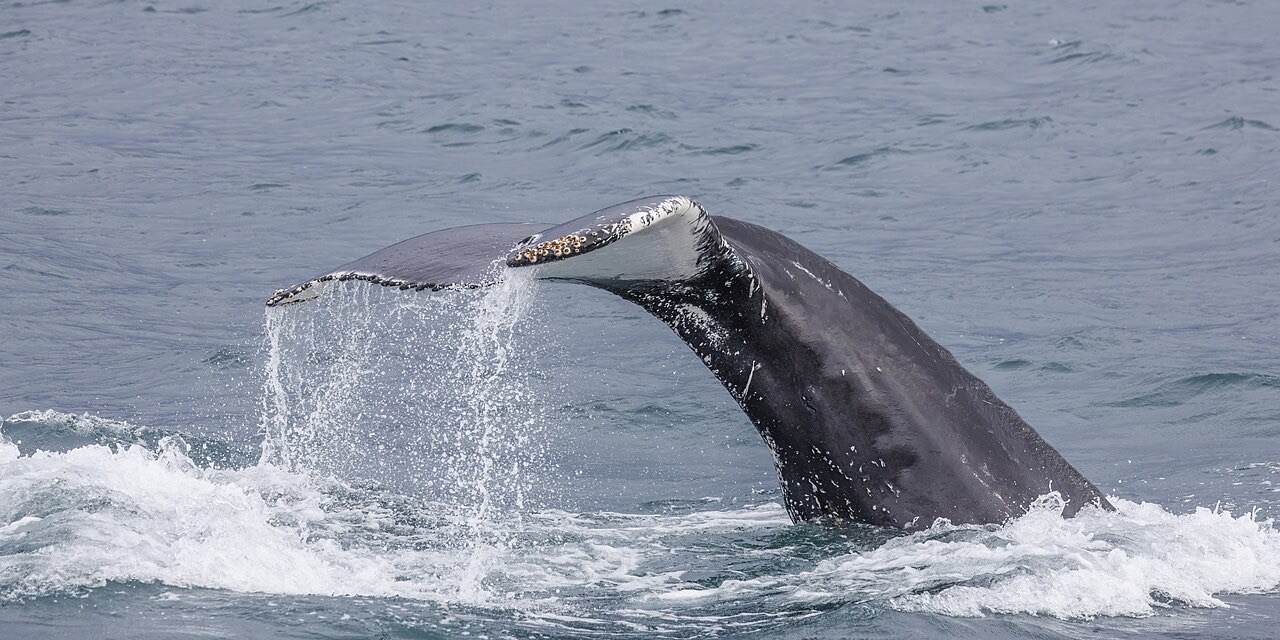
Humpback Whale
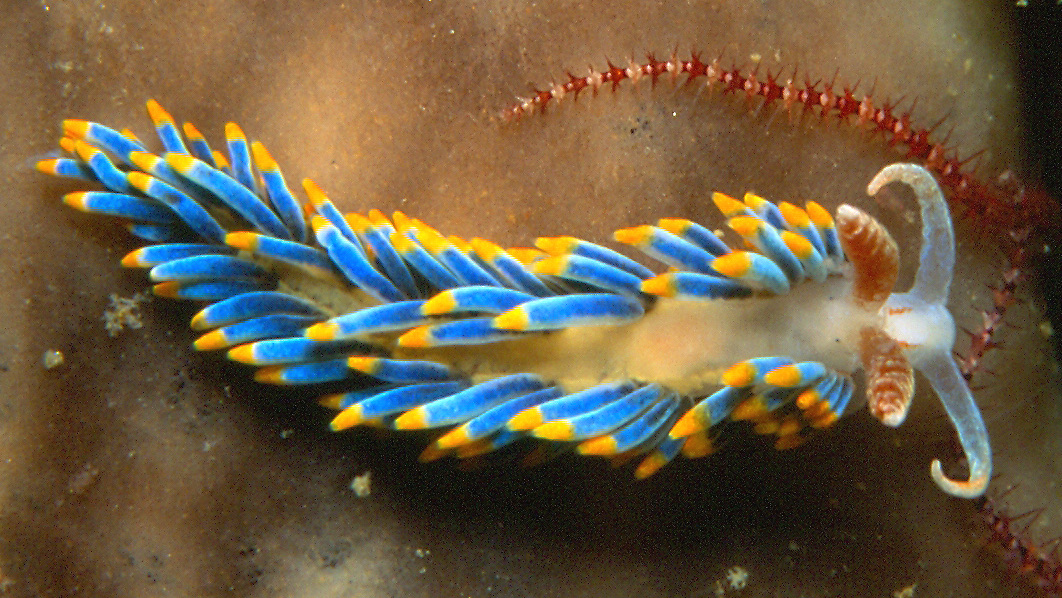
Nudibranchs
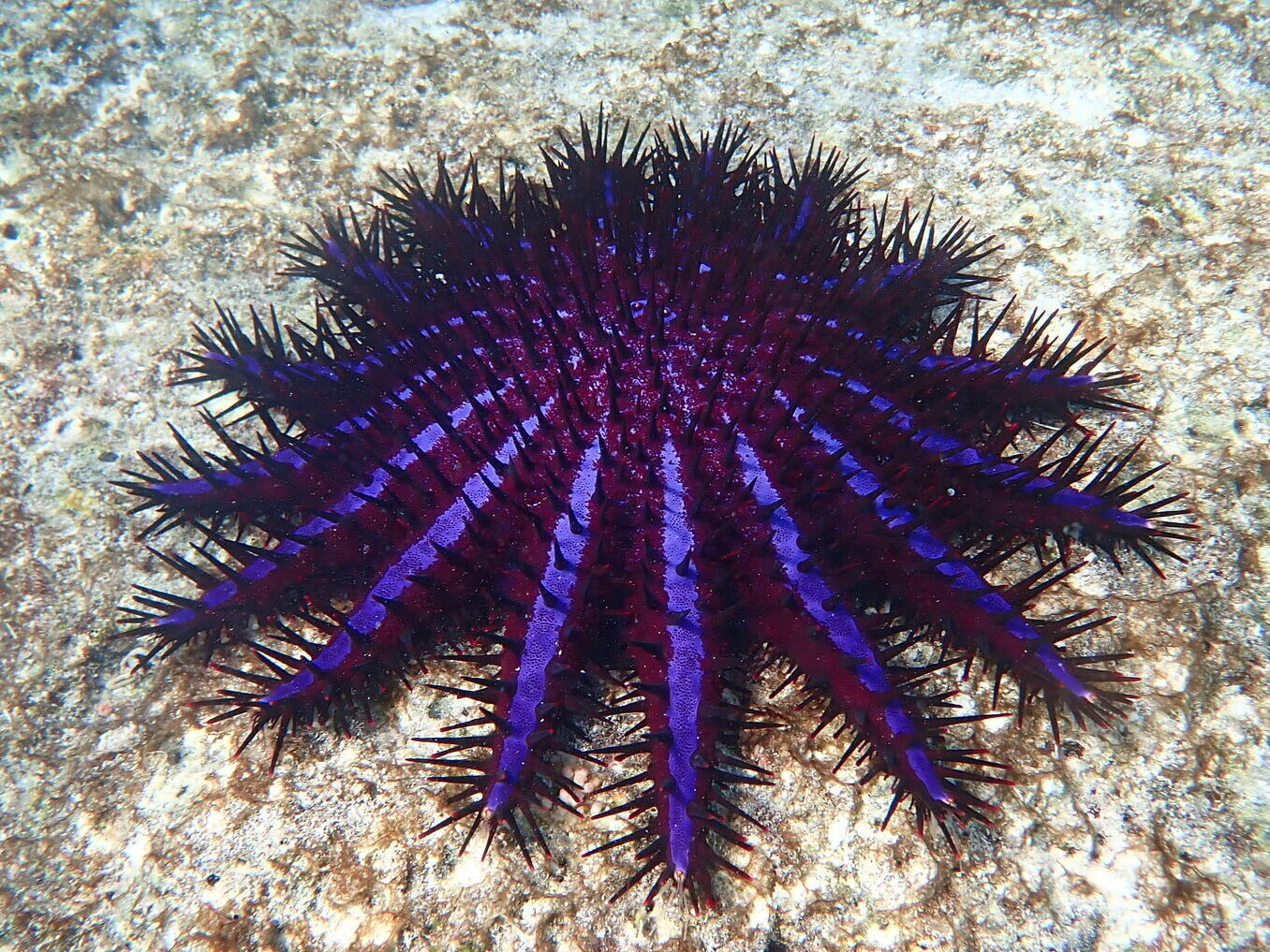
Crown-of-Thorns Starfish
Auch in der Nähe nachgewiesen
„Hier kartiert" – Arten wurden von unseren Redakteuren anhand der Quellen auf dieser Seite erfasst. Die Zahlen sind GBIF-Vorkommensdatensätze: Beobachtungen, die seit 1990 im Umkreis von etwa 5 km um die kartierte Position protokolliert wurden, ausschließlich abgeglichen mit den Arten in unserem Katalog. Sie zeigen, was dort gesichtet wurde – keine Garantie, was du sehen wirst.
Für Fotografen
Weitwinkel: ★★★★☆ · Makro: ★★☆☆☆ (Redaktionelle 1–5-Bewertung, was dieser Platz für jeden Fotografie-Stil bietet)