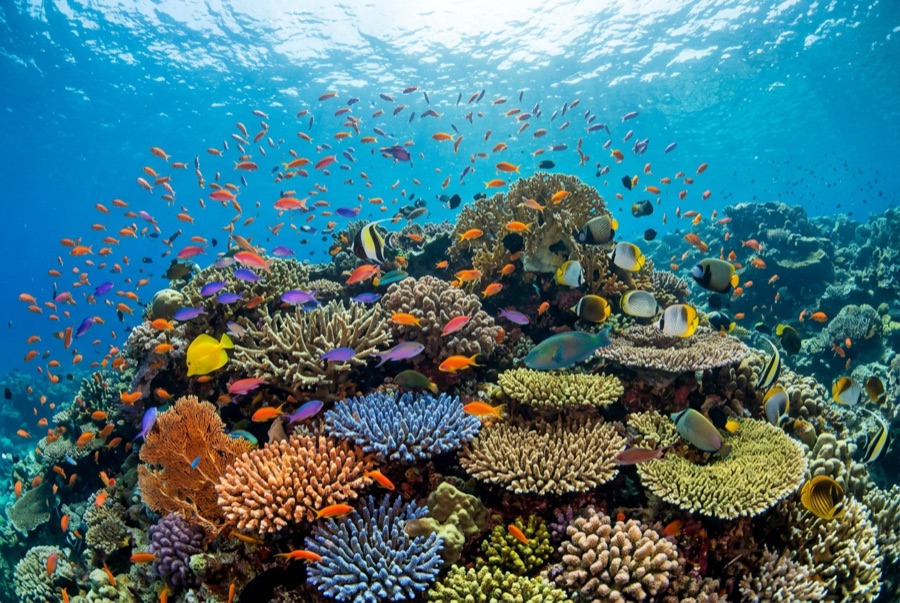
Molokini Inner Crater
La profondeur correspond à la plage allant du sommet du site jusqu'à son maximum habituel ; le « niveau recommandé » est le niveau demandé en général par les opérateurs auprès des grandes agences, pas une règle légale. Les courants et la visibilité varient chaque jour, traitez donc tout cela comme des plages indicatives de planification.
Inside Molokini's crescent the Pacific behaves like a swimming pool with a wilderness in it. The drowned crater wall blocks swell, the bottom is visible from the boat before you gear up, and the reef slope hosts the standard Hawaiian cast at its most watchable: yellow tang shoals, endemic butterflyfish, garden eels swaying on the sand, whitetip reef sharks parked under ledges, octopus in the rubble for guides who know the dens. Depth is whatever you choose down to about 25 m. The morning fleet above is part of the deal; descend and the crowd dissolves into blue quiet within meters.
Le moment pour lequel vous venez: Routine 30-meter-plus visibility; endemic-rich, easygoing reef; conditions that flatter new divers and relax old ones.
Topographie: A protected reef bowl inside the crater rim: coral slopes, rubble flats, and sand channels
Entrée: Permitted boats moor inside the crescent on day-use buoys; dives run early before wind and snorkel traffic build.
À savoir avant de plonger
Dangers: Heavy snorkel-boat traffic overhead by mid-morning: ascend on the mooring; wind chop builds toward midday.
Permis & règlements: Commercial vessels operate under permit; no landing on the islet.
Conservation: A no-take Marine Life Conservation District since 1977: moorings only, nothing touched, and the seabird islet above is strictly off-limits.
Qui vous croiserez
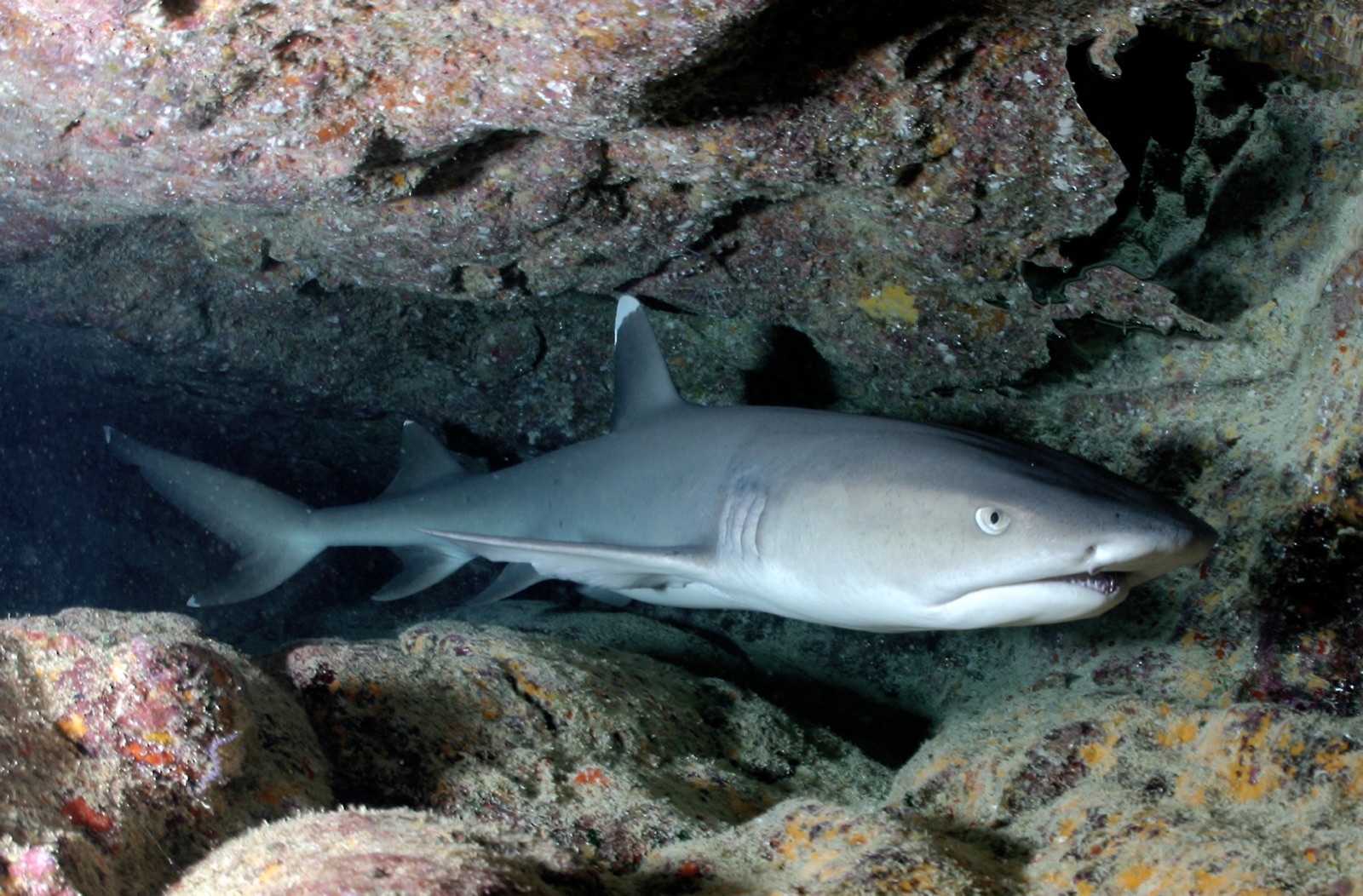
Whitetip Reef Shark
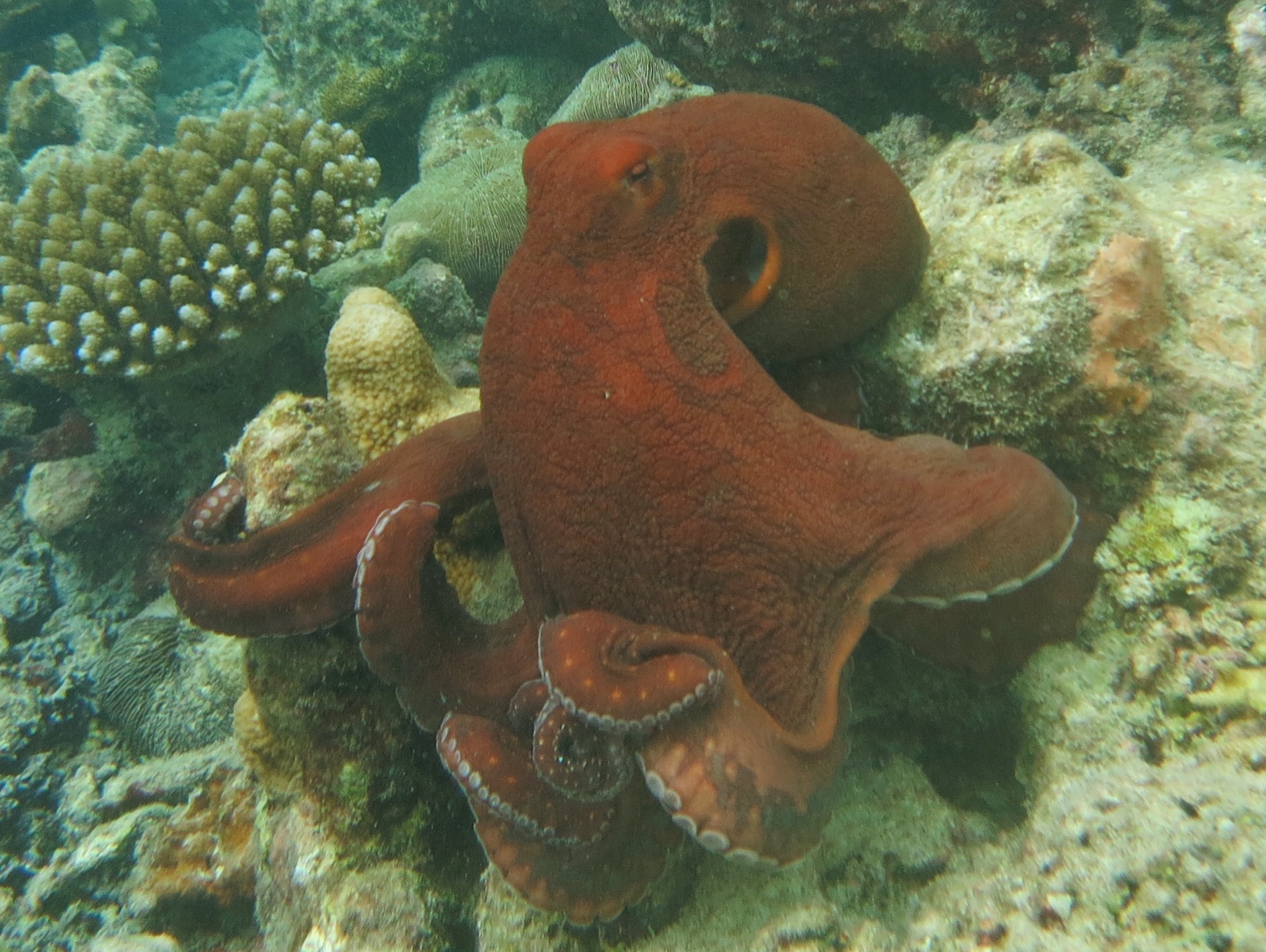
Common Reef (Day) Octopus
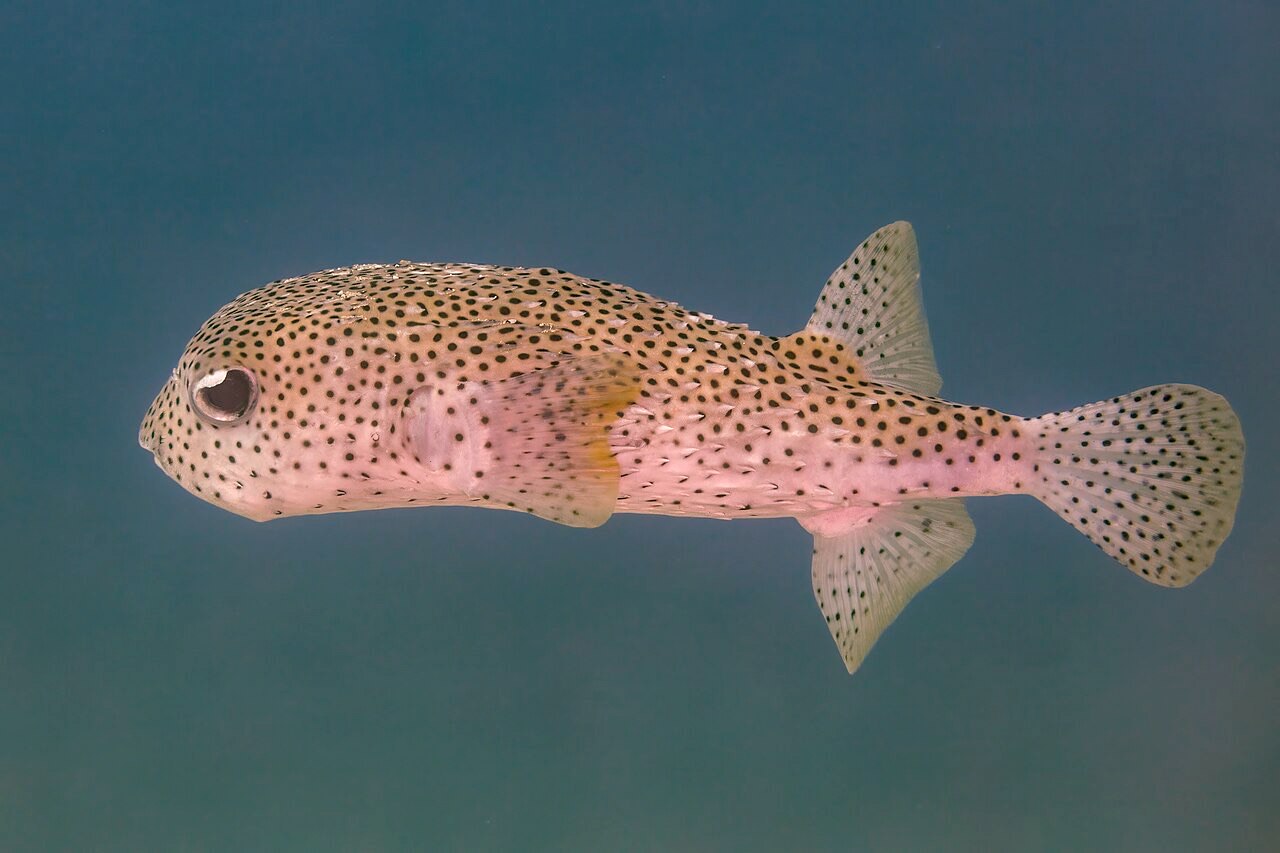
Porcupinefish
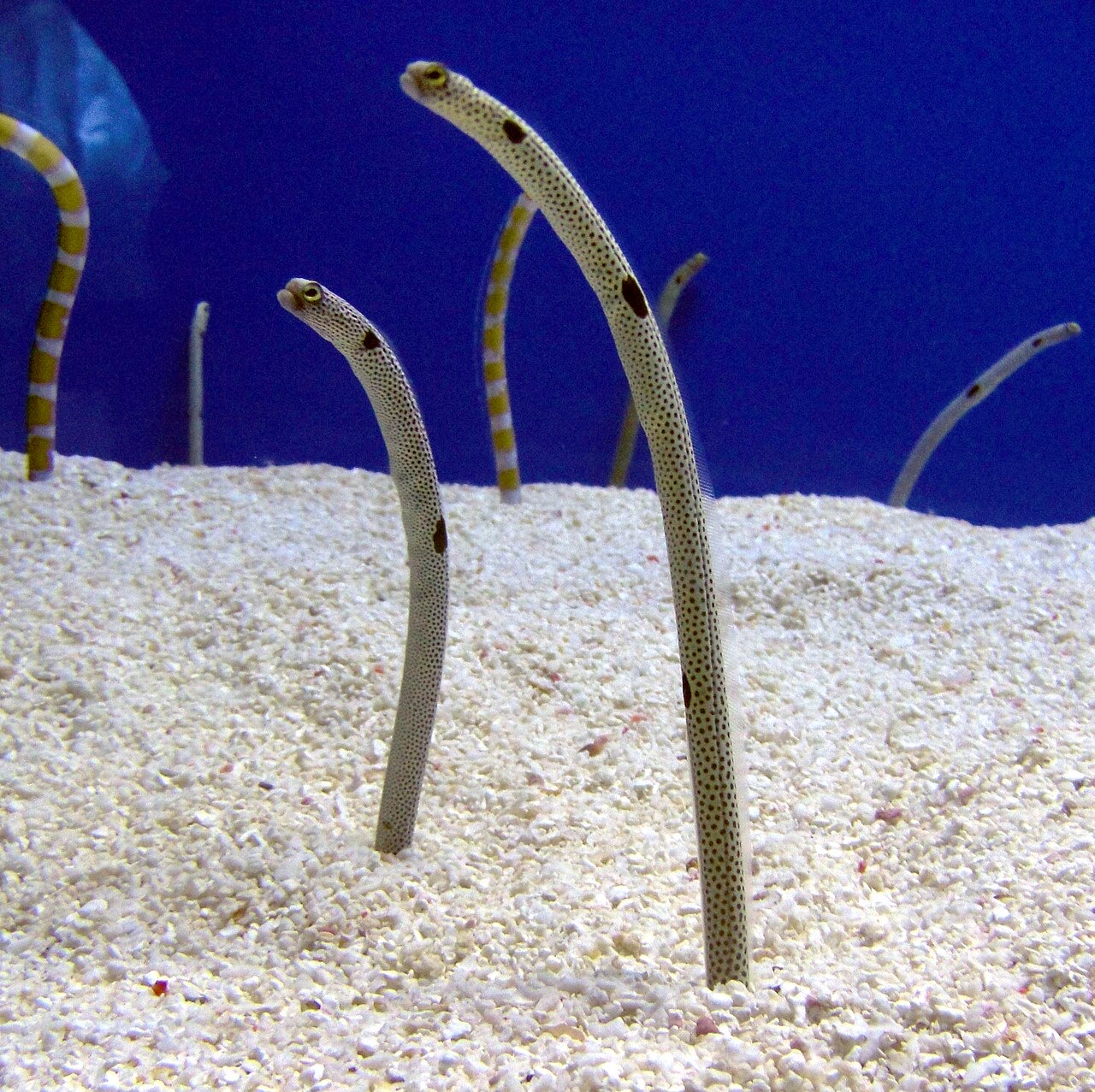
Garden Eel
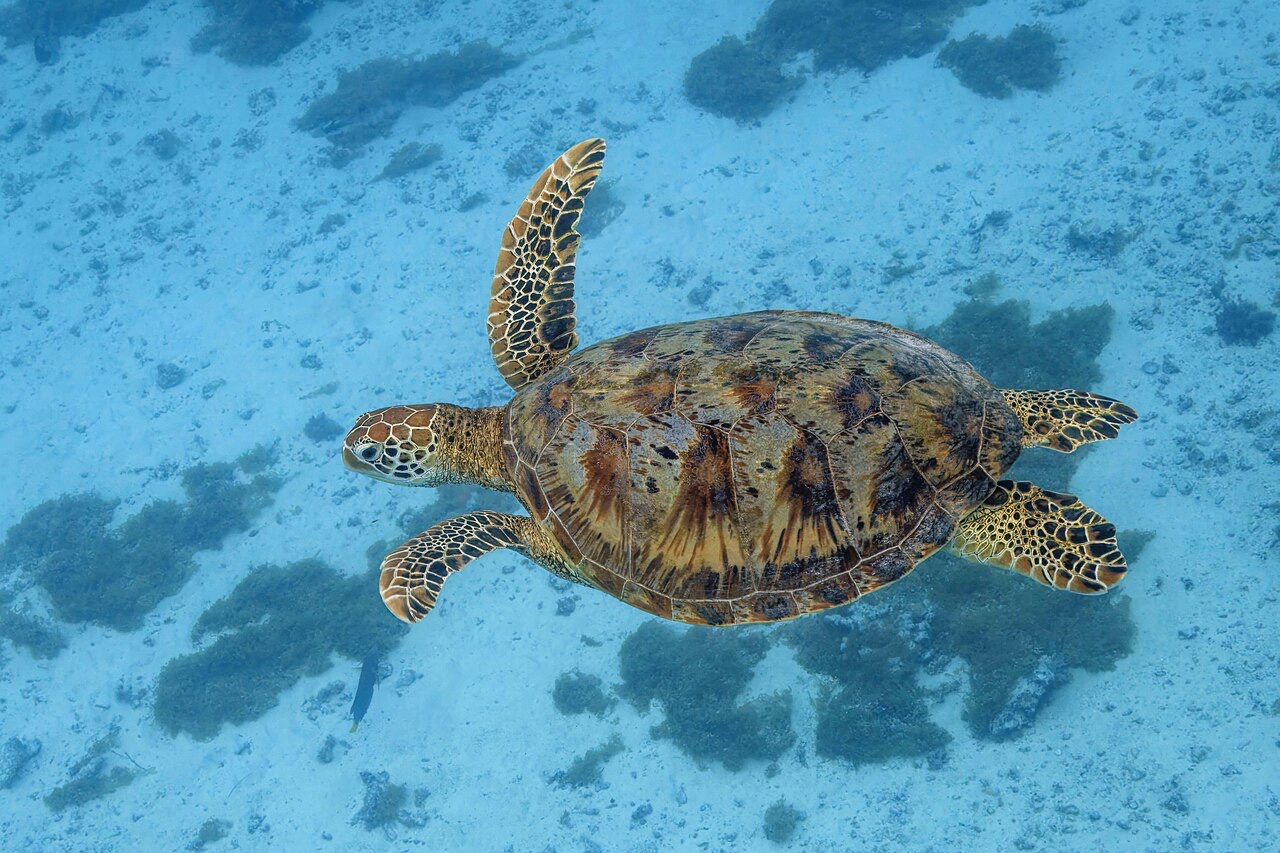
Green Sea Turtle
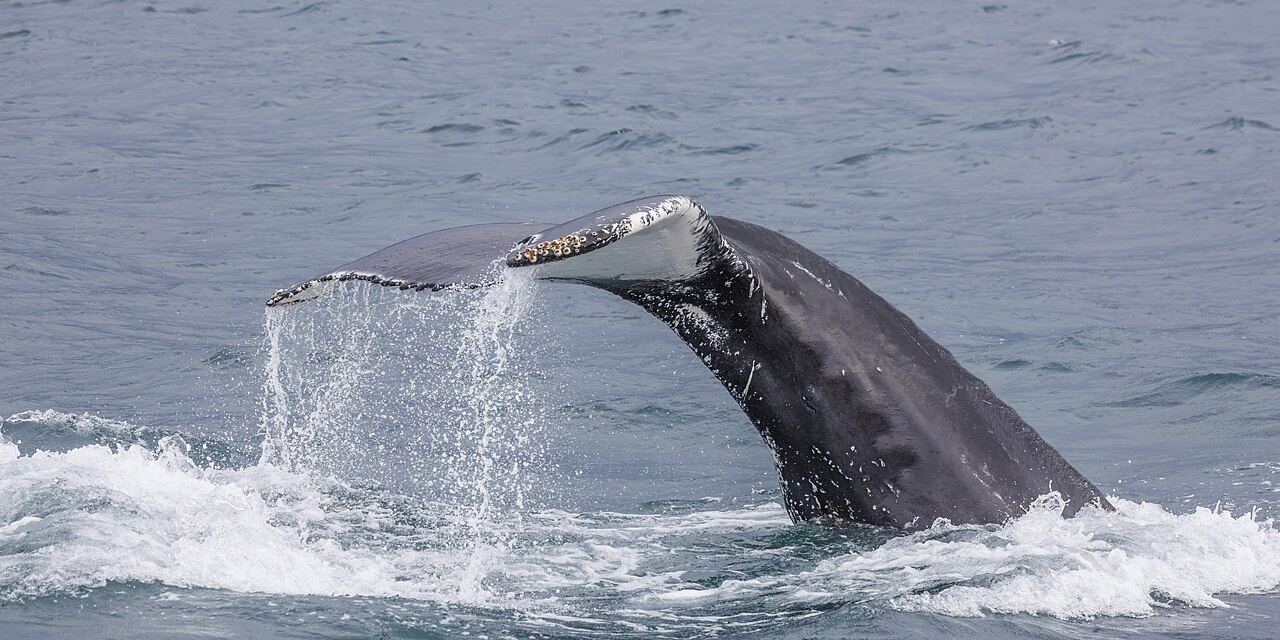
Humpback Whale
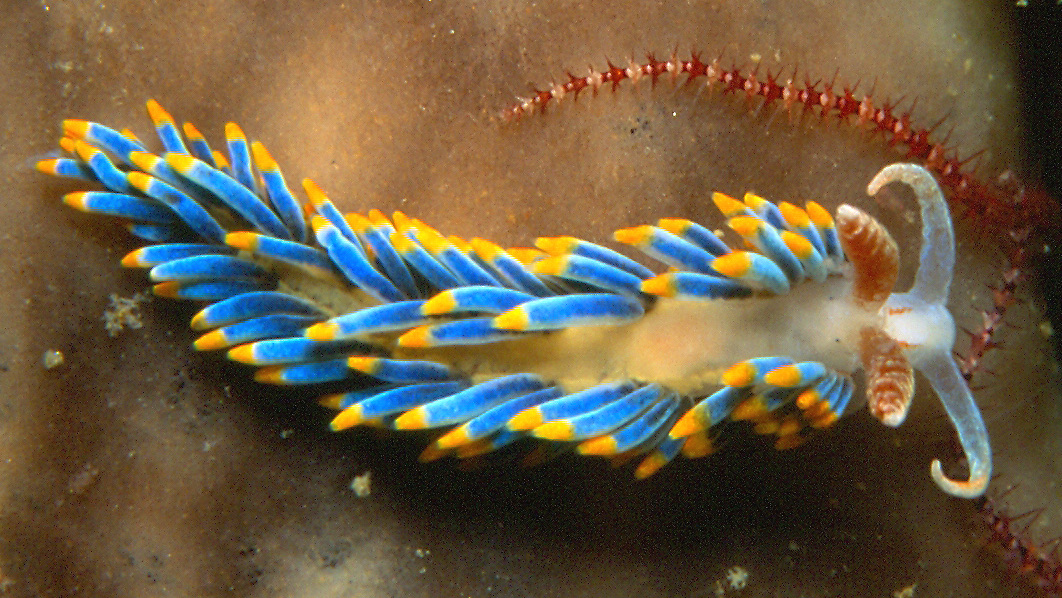
Nudibranchs
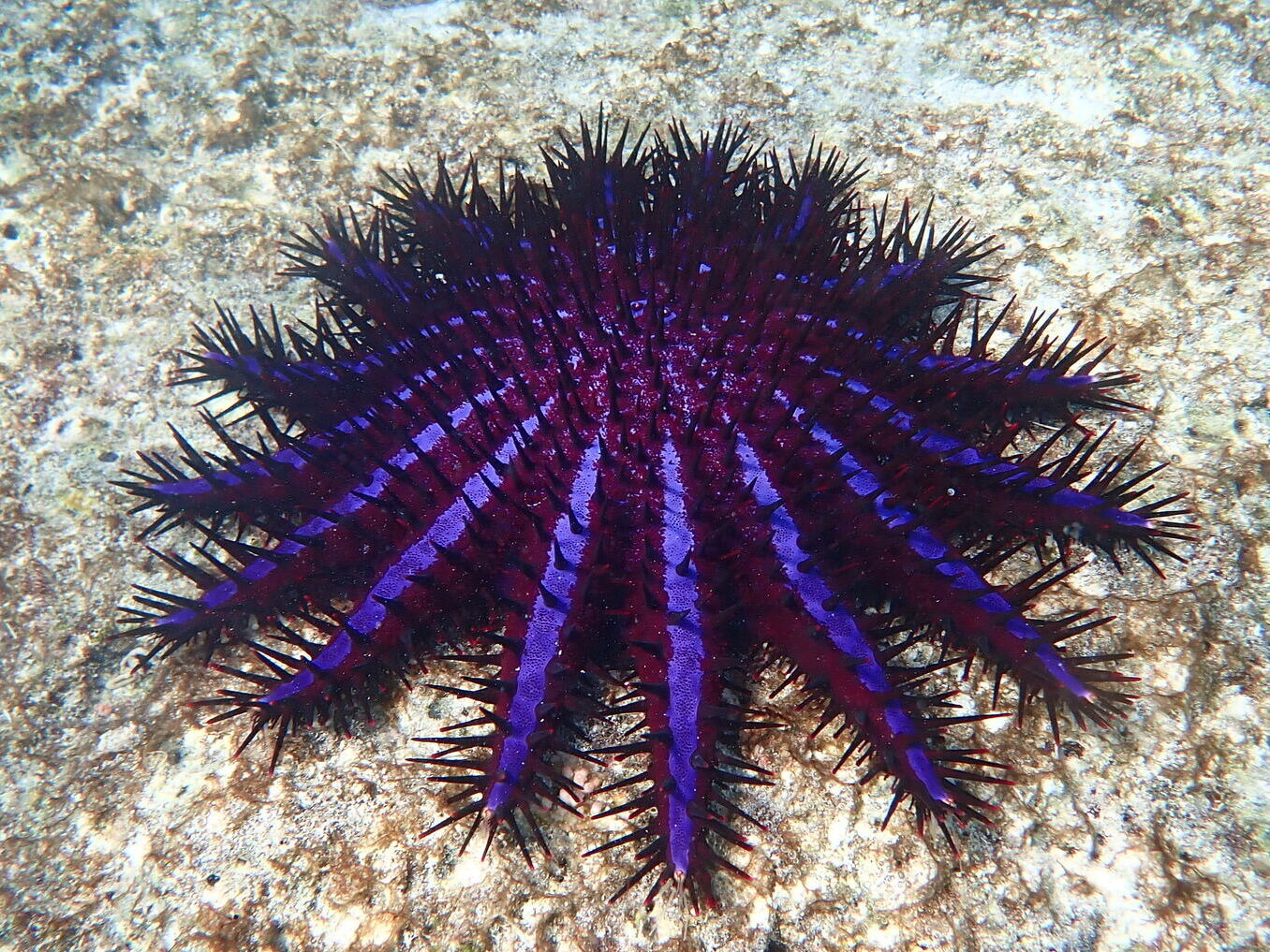
Crown-of-Thorns Starfish
Également observé à proximité
Les espèces « cartographiées ici » ont été répertoriées par nos éditeurs à partir des sources indiquées sur cette page. Les comptages correspondent aux occurrences GBIF : observations enregistrées dans un rayon d'environ 5 km autour de la position cartographiée depuis 1990, comparées uniquement aux espèces de notre catalogue. Ils indiquent ce qui a été observé à cet endroit, sans garantir ce que vous y verrez.
Pour les photographes
Grand angle: ★★★★☆ · Macro: ★★☆☆☆ (note 1–5 des éditeurs sur ce que ce site offre à chaque style de prise de vue)