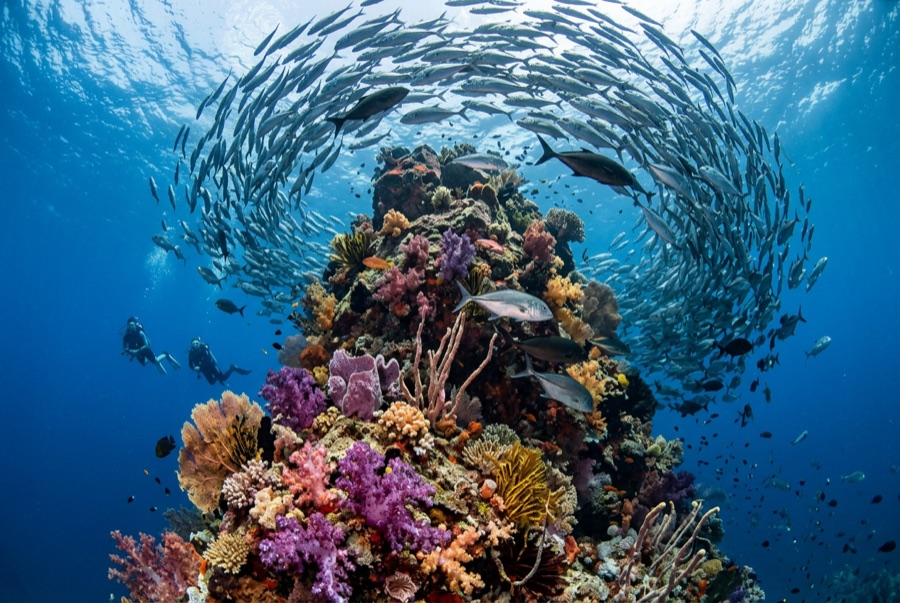
Lima Rock
Depth is the range from the top of the site to its usual maximum; "recommended cert" is the mainstream-agency level operators usually ask for, not a legal rule. Currents and visibility change daily, so treat everything here as planning ranges.
Lima Rock is Musandam's headline act: a sheer-sided islet whose cliffs continue underwater as walls and boulder slopes swept by the Strait of Hormuz's tidal engine. The water is rarely clear and never empty - fusiliers and snapper school in mid-water curtains, jacks strafe the edges, and the plankton haze that limits visibility is exactly what draws mobula rays, which pass in squadrons, and the occasional whale shark in the warm months. Honeycomb morays the width of drainpipes hold the boulder gaps, and eagle rays cruise the deeper sand line. Birds wheel off the cliffs through every surface interval. It is a site where divers learn to trade gin-clear water for biomass, and most decide the trade is good.
The moment you come for: Mobula squadrons in season; fish schools dense enough to dim the light; dramatic cliff-to-wall topography.
Topography: Steep boulder-and-wall flanks around a guano-capped limestone islet, shelving to sand
Current: Tidal flow accelerates around both ends; guides choose the lee and time the corners.
Entry: A limestone islet at the mouth of Lima bay, reached by dhow or speedboat from Khasab or Dibba; north and south faces are dived as separate sites.
Know before you splash
Hazards: Strong tidal current and eddies at the corners; boat traffic through the strait; variable visibility.
Nitrox: Worth it here: profiles sit in the range where enriched air meaningfully extends no-stop time (with the training to use it).
Who you'll meet
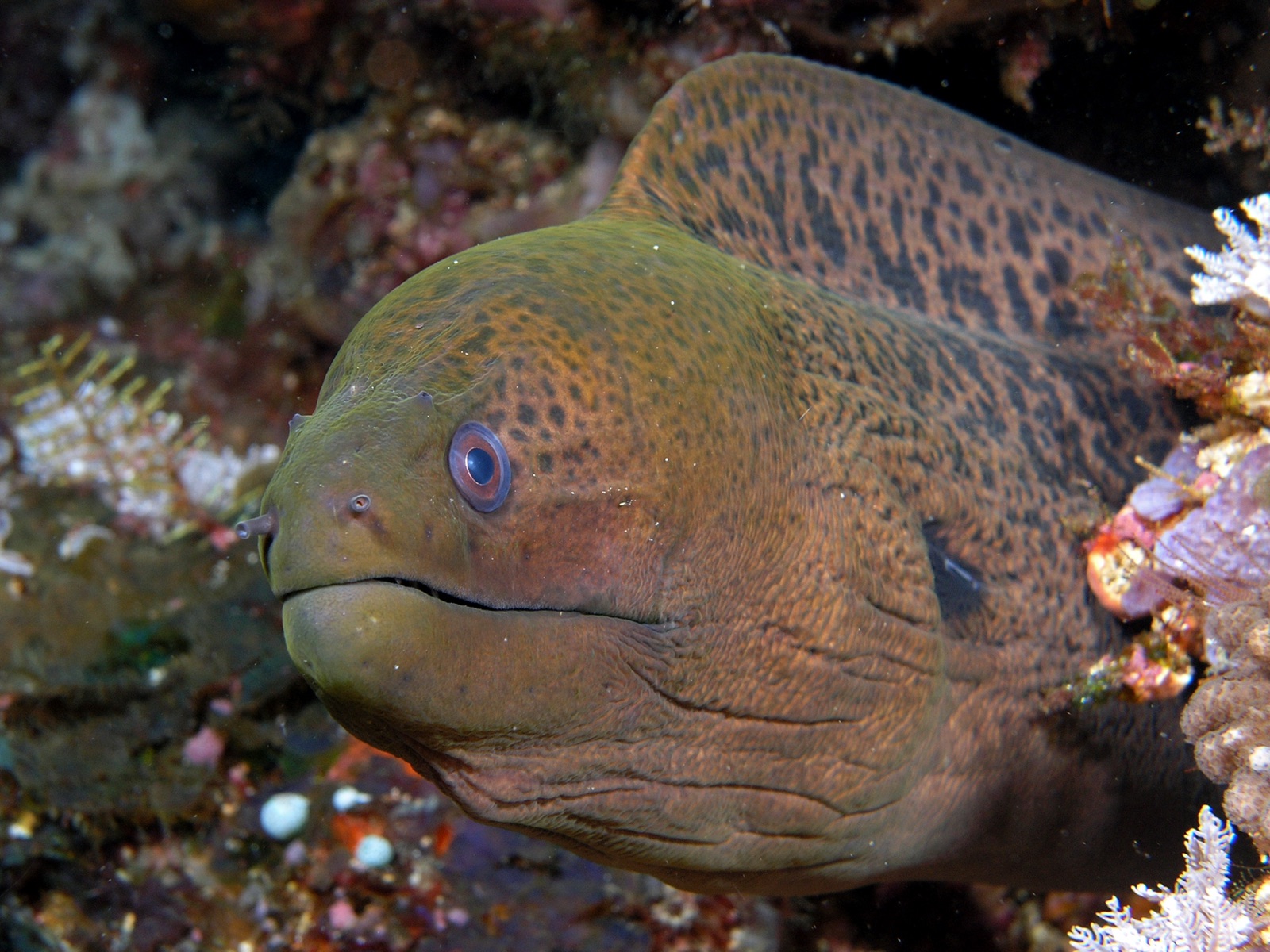
Giant Moray Eel
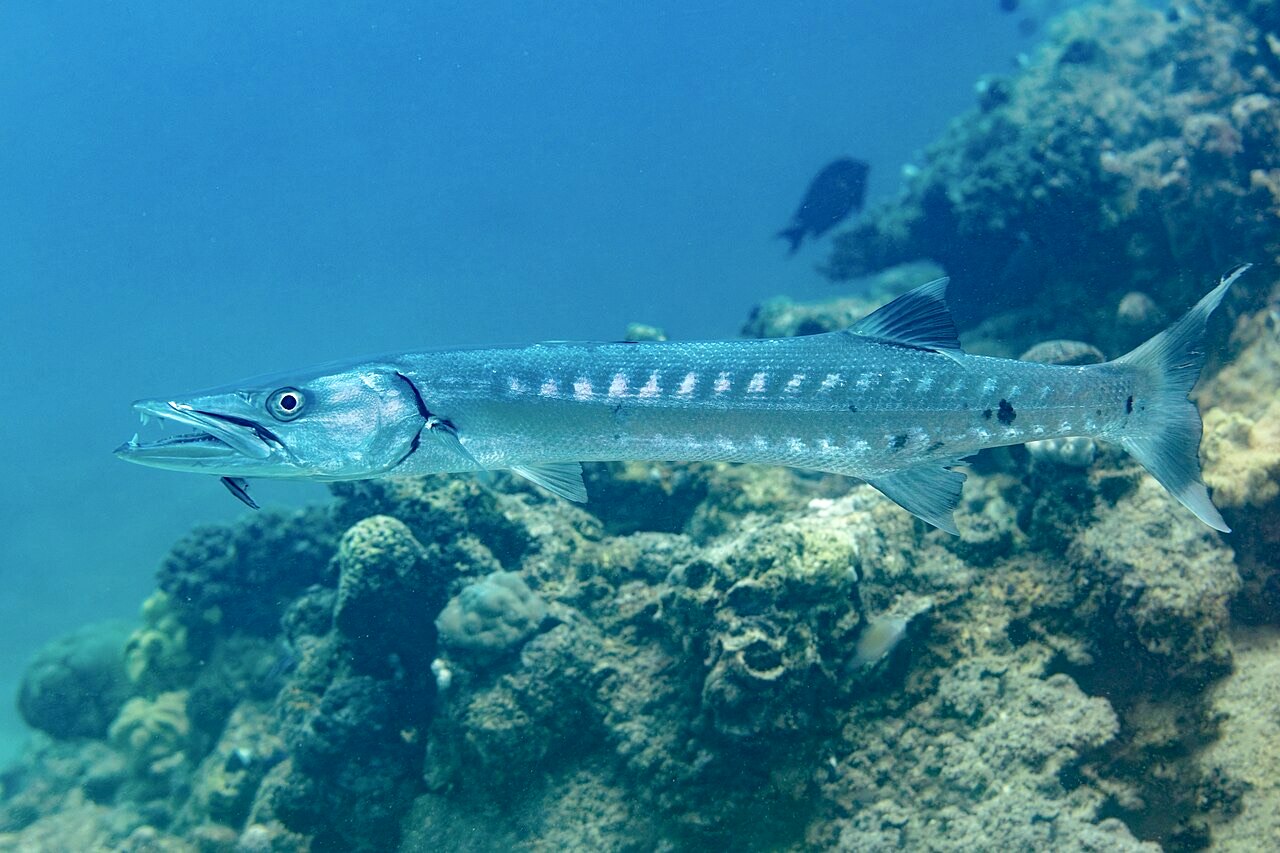
Great Barracuda
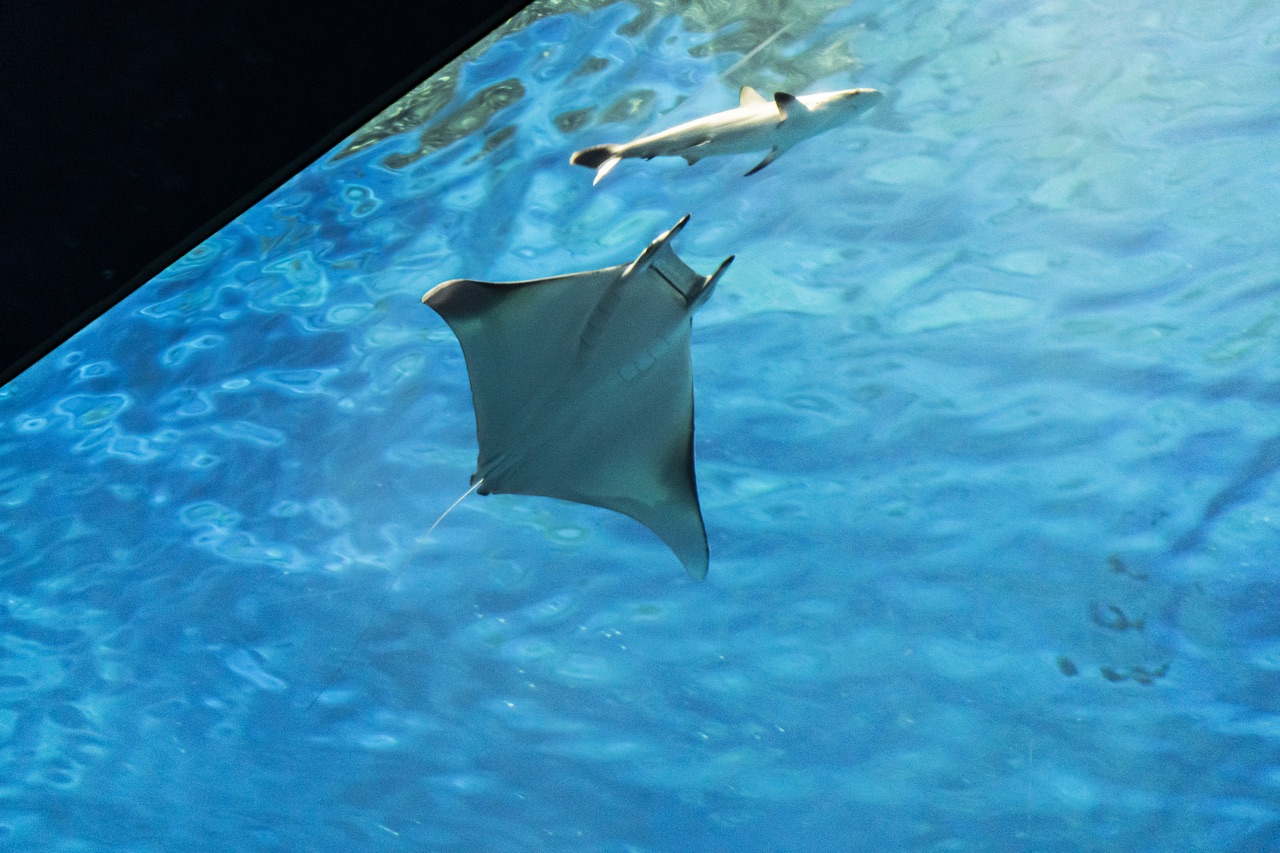
Mobula (Devil) Ray
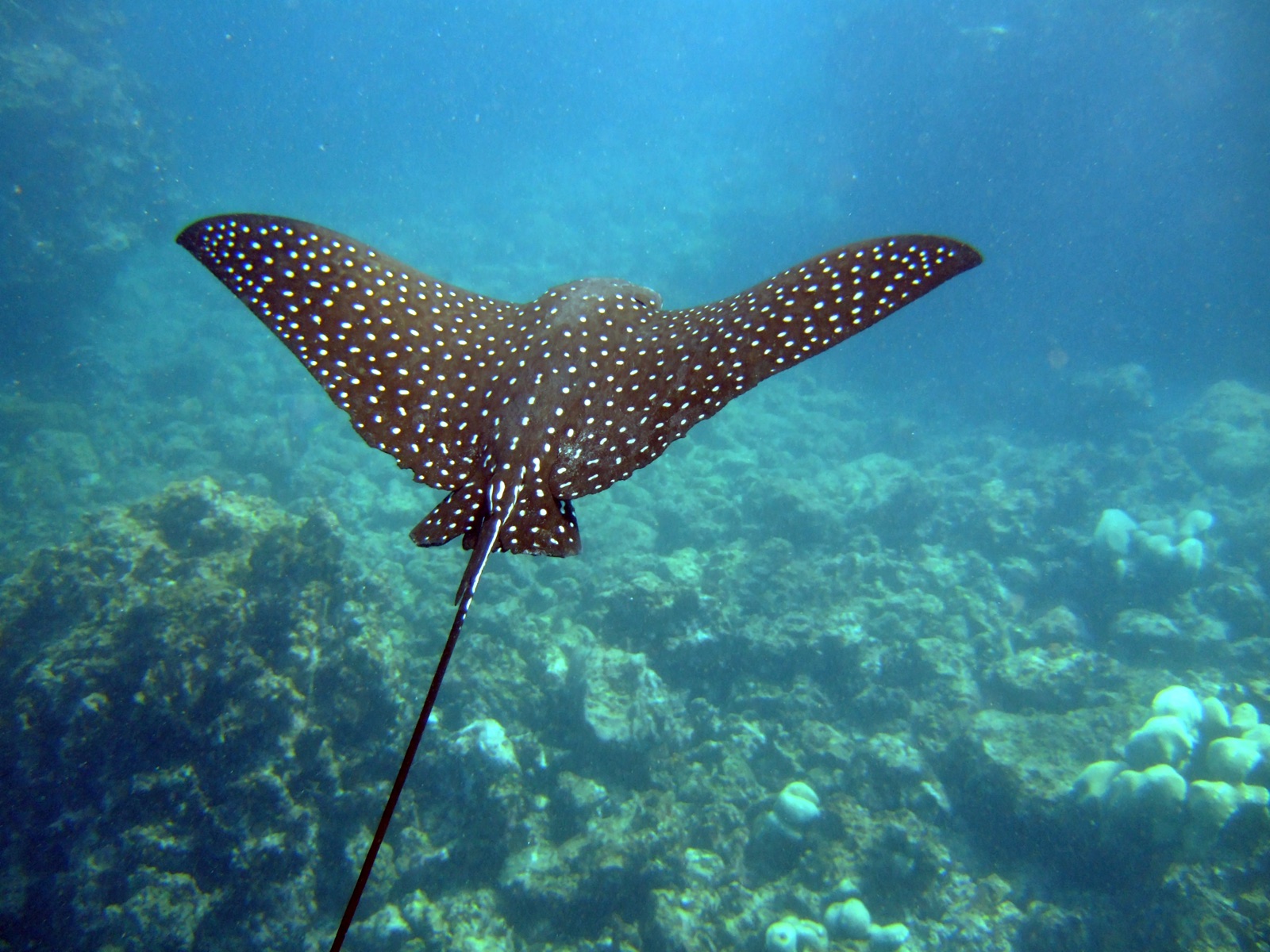
Spotted Eagle Ray
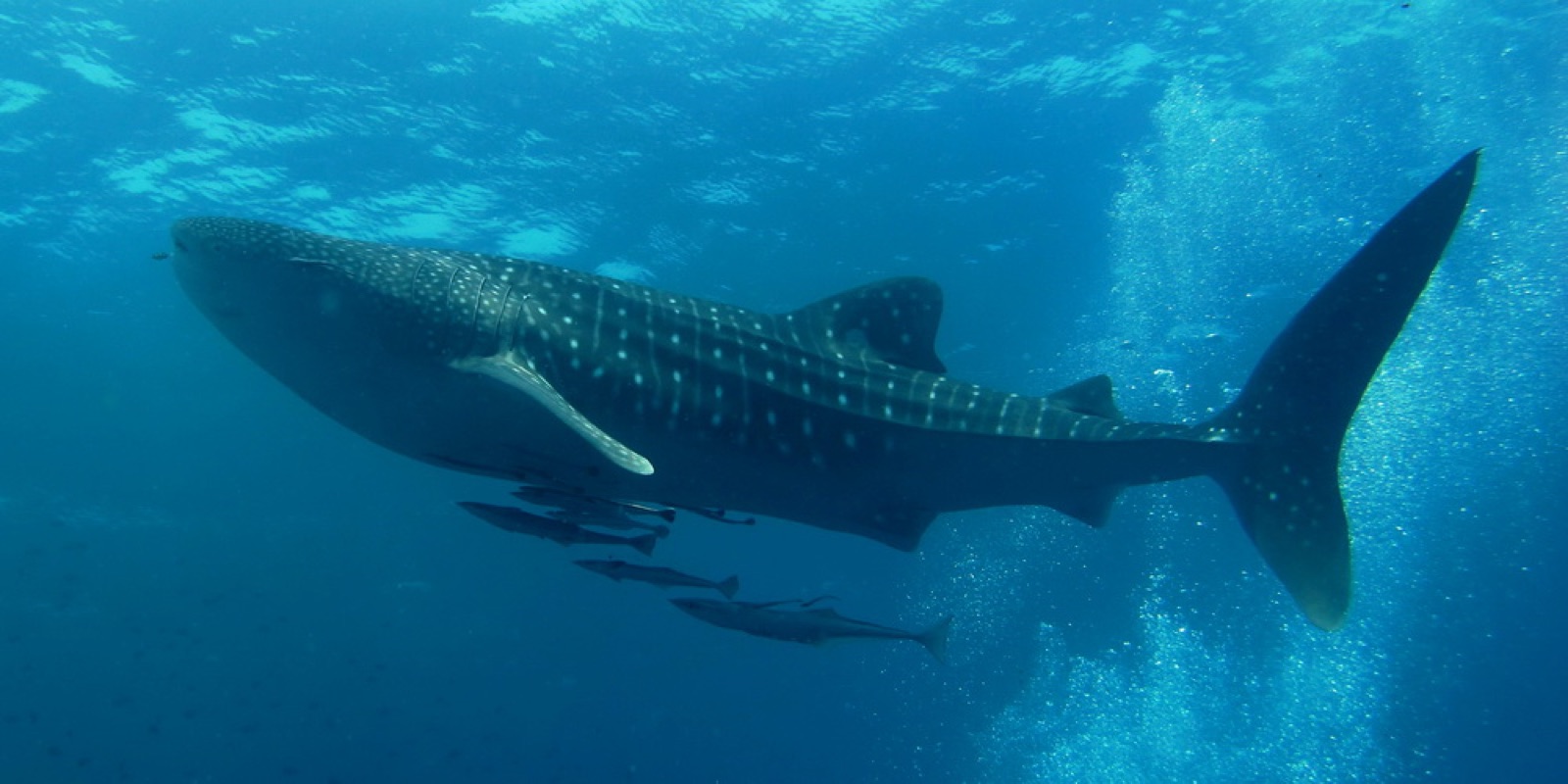
Whale Shark
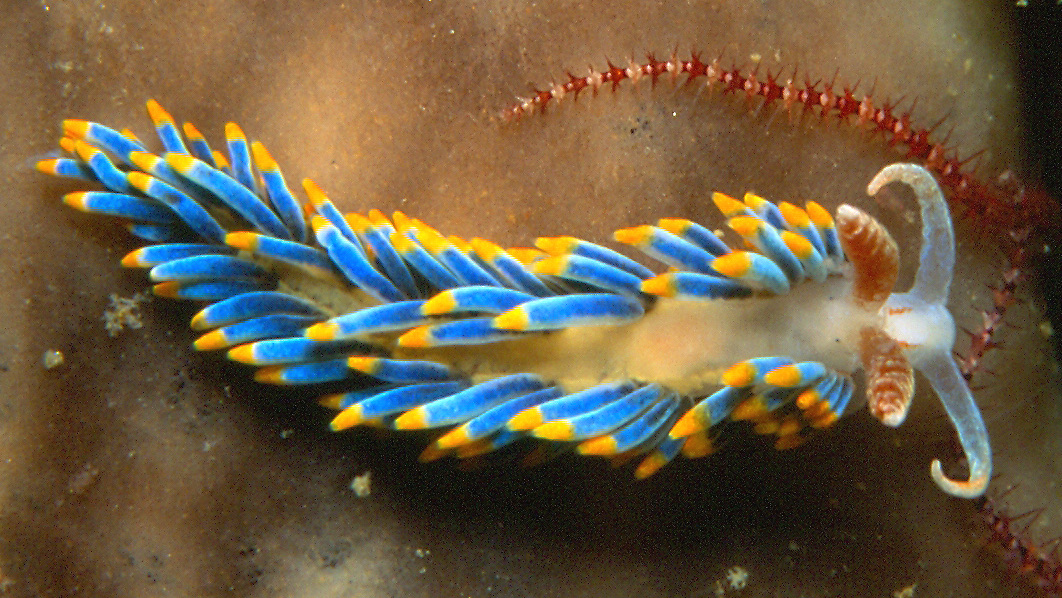
Nudibranchs
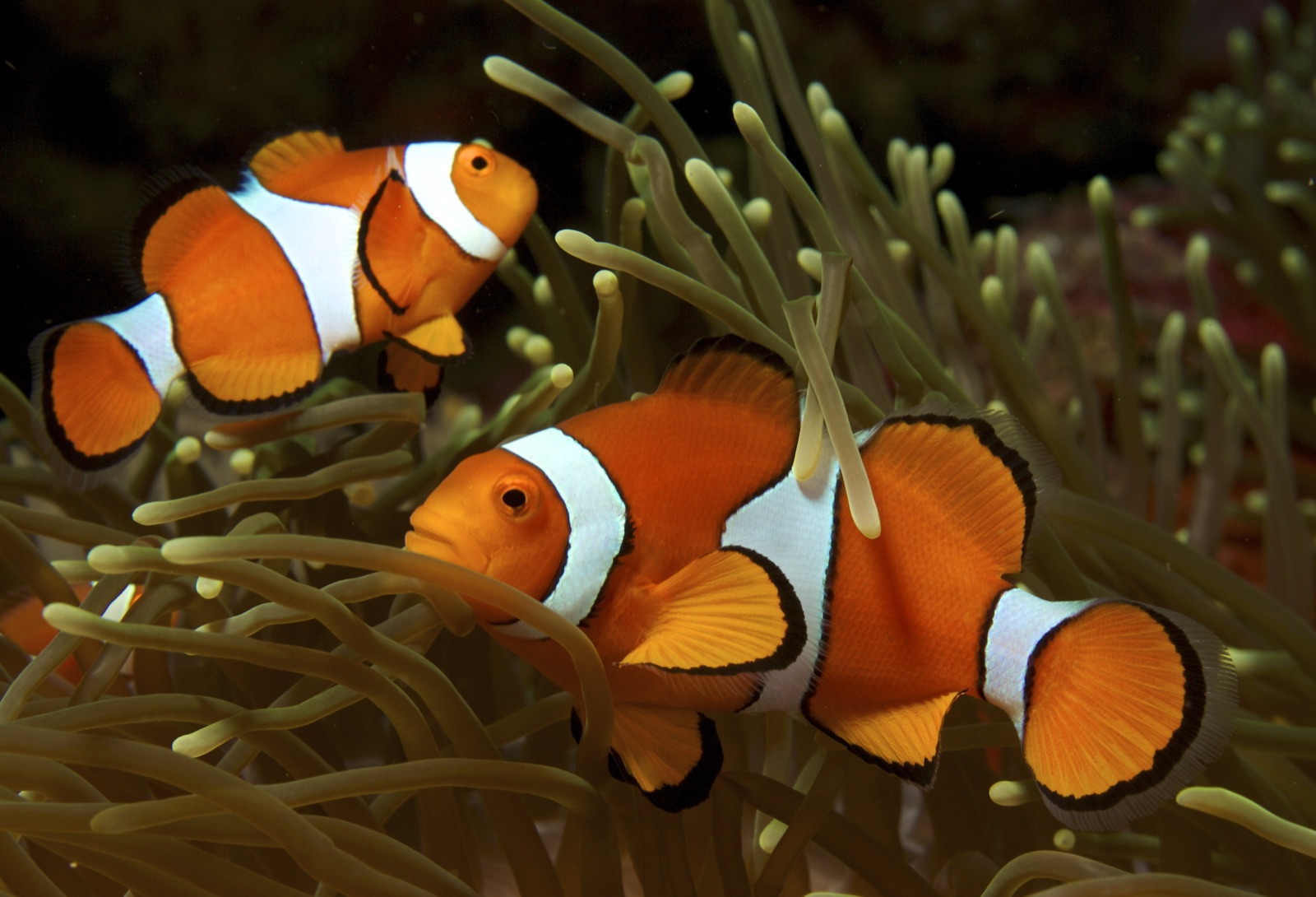
Clownfish & Anemonefish
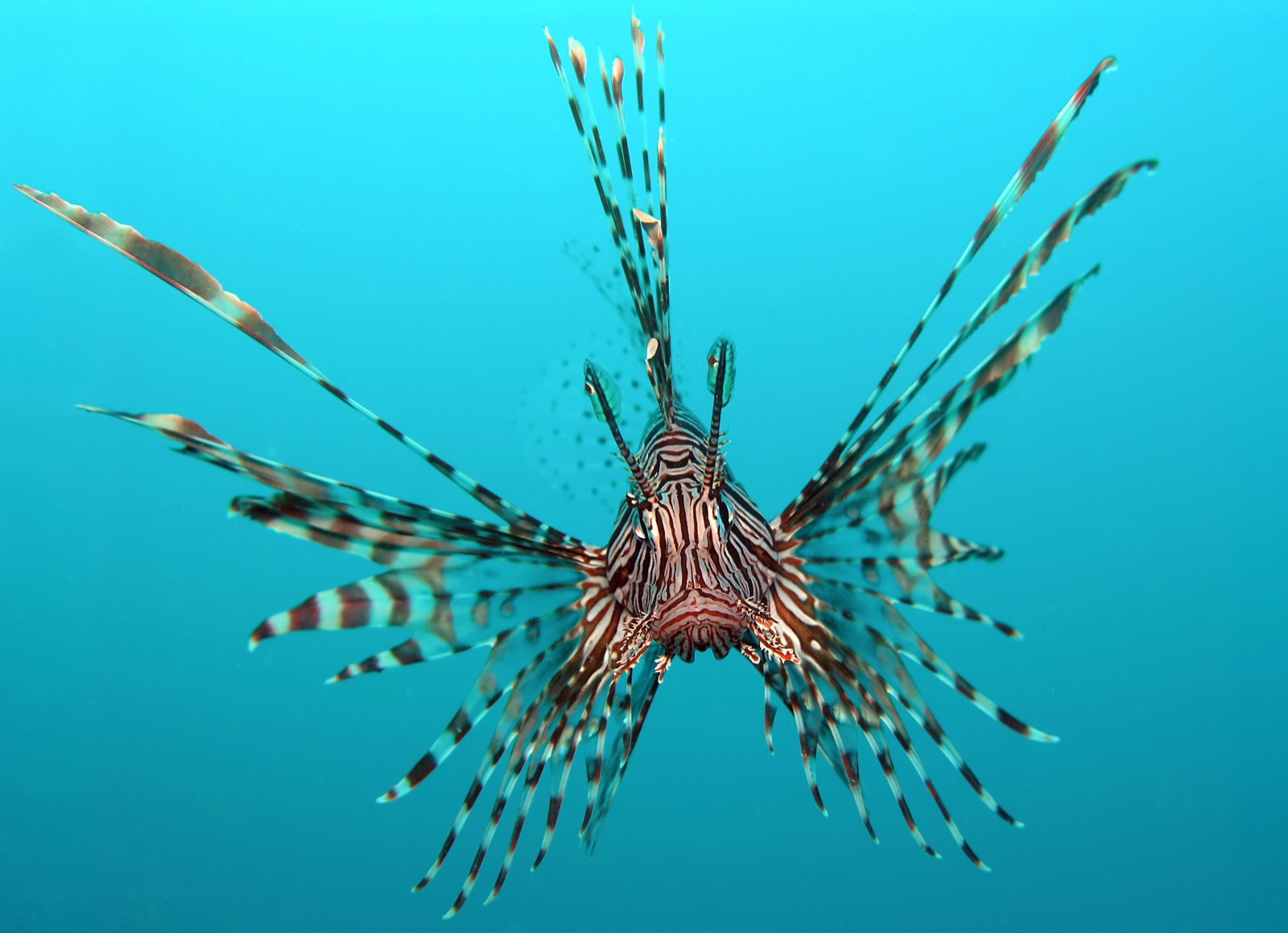
Lionfish
Also recorded nearby
"Charted here" species were listed by our editors from the sources on this page. Counts are GBIF occurrence records: observations logged within about 5 km of the charted position since 1990, matched only against the species in our catalogue. They show what has been seen there, not a promise of what you will see.
For photographers
Wide angle: ★★★★☆ · Macro: ★★★☆☆ (editors' 1–5 rating of what this site gives each style of shooting)