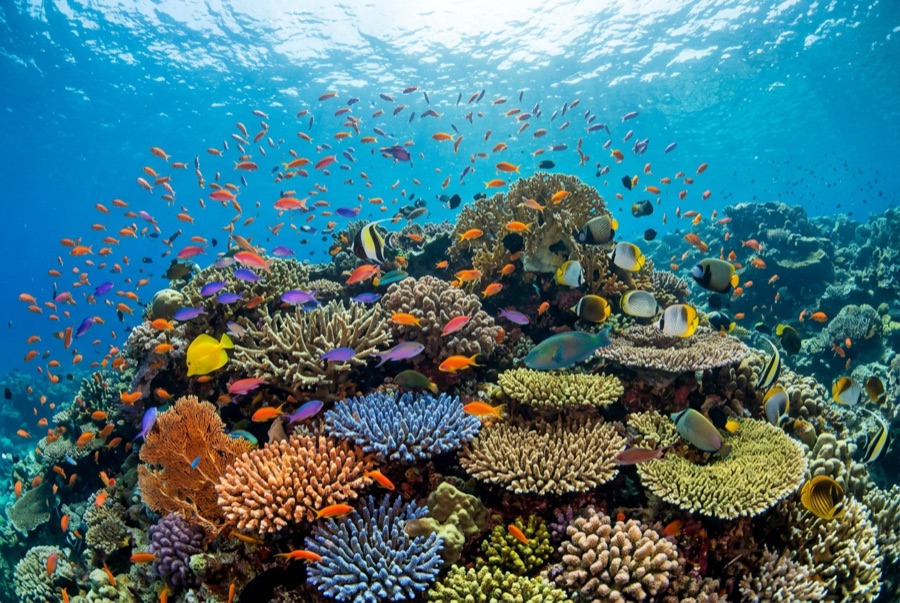
Tutuba Point
La profondeur correspond à la plage allant du sommet du site jusqu'à son maximum habituel ; le « niveau recommandé » est le niveau demandé en général par les opérateurs auprès des grandes agences, pas une règle légale. Les courants et la visibilité varient chaque jour, traitez donc tout cela comme des plages indicatives de planification.
Tutuba Point is where Santo remembers it has ocean diving as well as wrecks. The island's tip drops through coral terraces into channel-scoured blue, and on a running tide the point works like a tollbooth: trevally and barracuda queuing up-current, whitetip reef sharks patrolling the terraces, eagle rays planing past the wall, turtles commuting between grazing spots. The coral here is healthier than the harbor sites, fans and whips angling into the flow. It is the standard prescription for divers with the Coolidge ringing in their ears, a reminder that Vanuatu's reefs would justify the trip even if the great ship had made port safely.
Le moment pour lequel vous venez: Drift diving on the channel tide; eagle rays and reef sharks off the point; the trip's best straight reef scenery.
Topographie: Coral point and wall terrain where the Segond Channel meets open water
Courant: The point catches channel flow; the fish arrive with it.
Entrée: Boat run across the Segond Channel to Tutuba Island; dived on the tide as a drift along the point.
À savoir avant de plonger
Dangers: Current at the point; boat traffic in the Segond Channel; exposure to chop on the crossing.
Conservation: Reef custom applies on Tutuba: operators arrange access, and the point's coral deserves the same care as the wrecks' artifacts.
Nitrox: Pertinent ici : les profils se situent dans la plage où le nitrox prolonge significativement le temps sans palier (avec la formation pour l'utiliser).
Qui vous croiserez
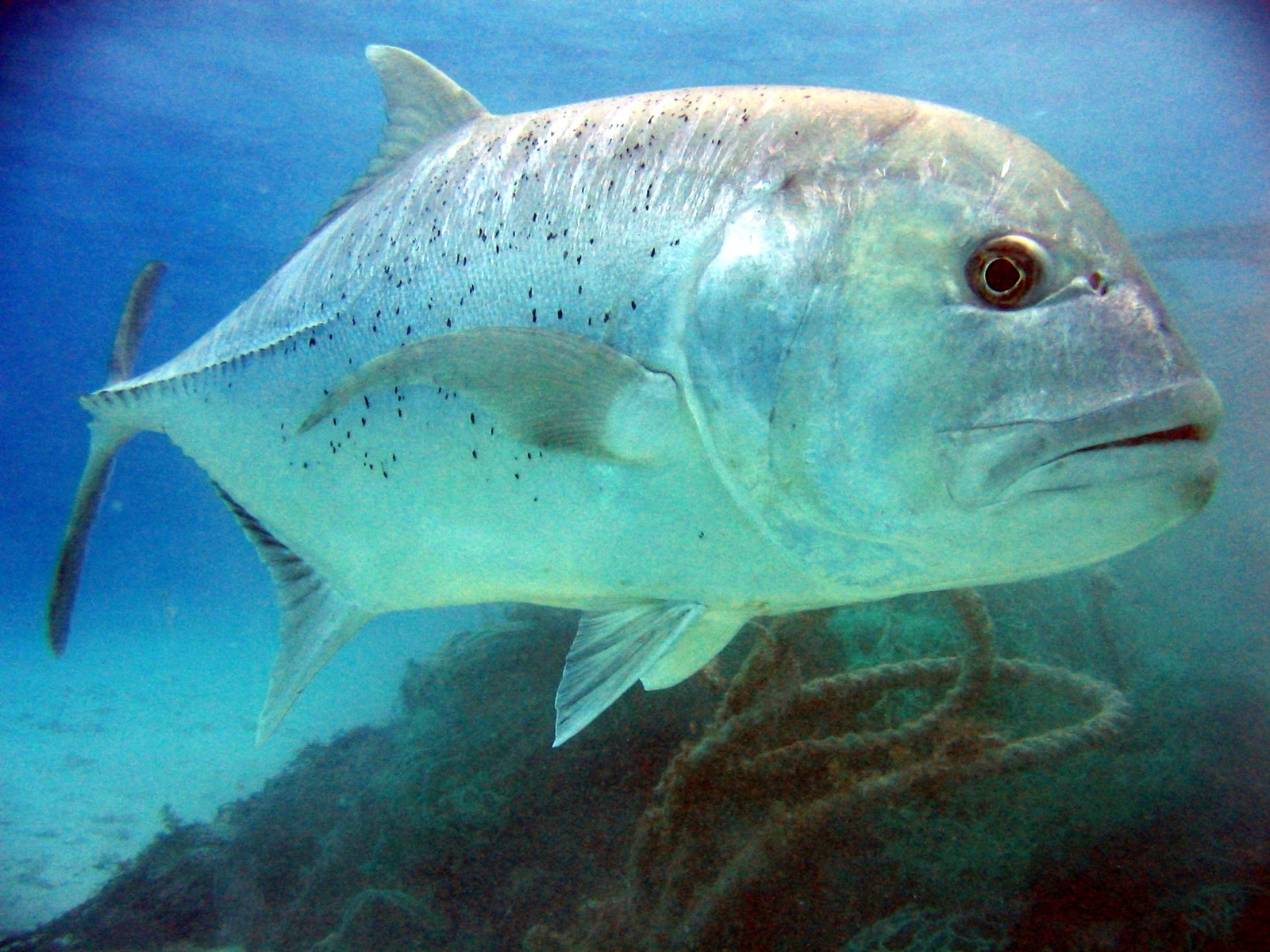
Giant Trevally
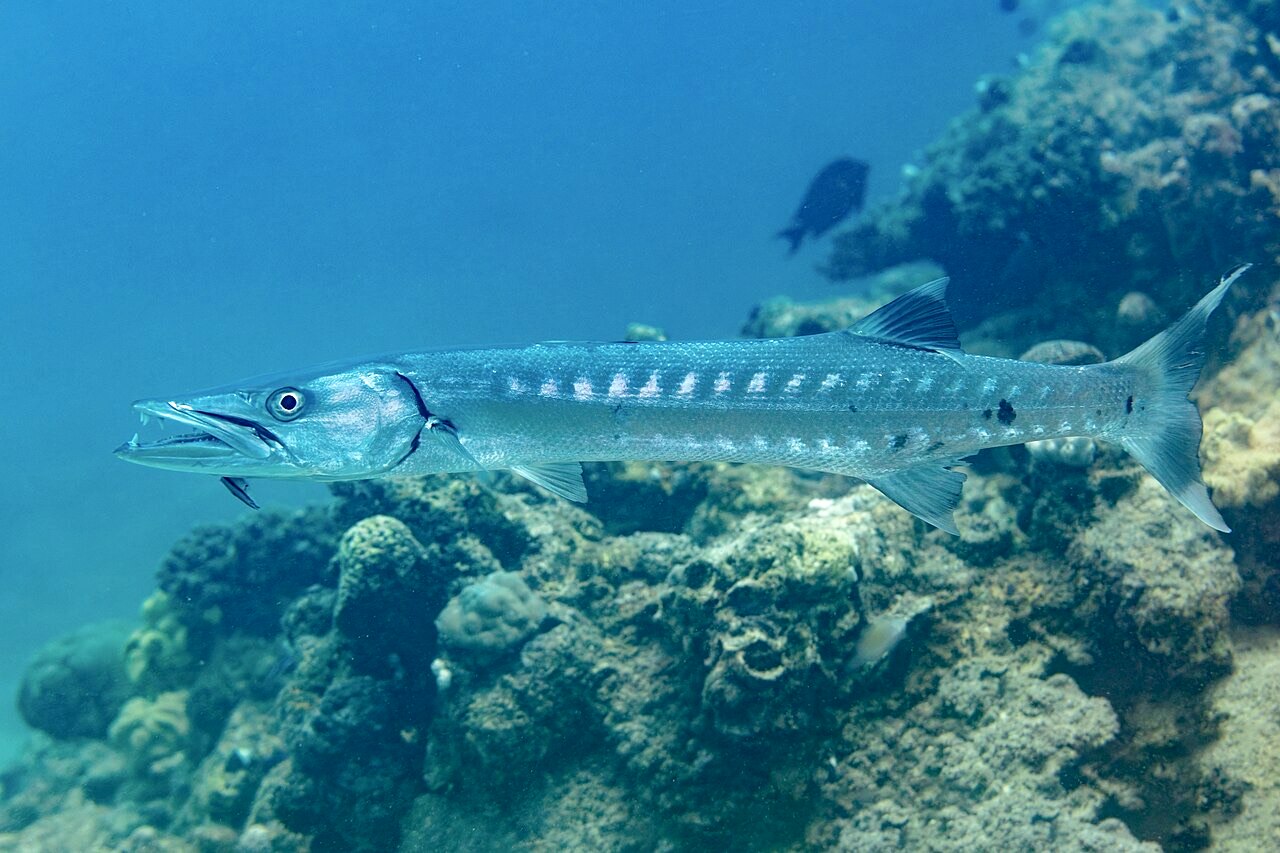
Great Barracuda
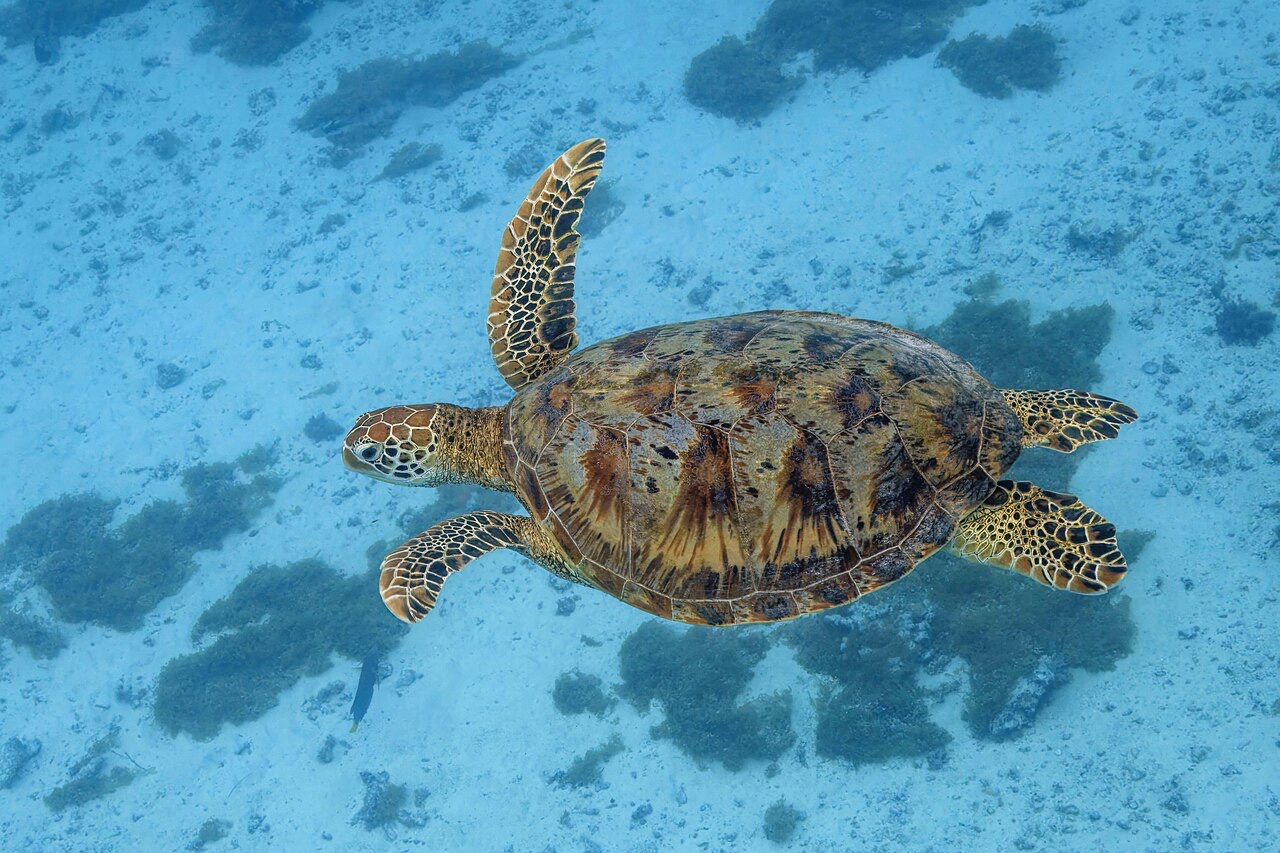
Green Sea Turtle
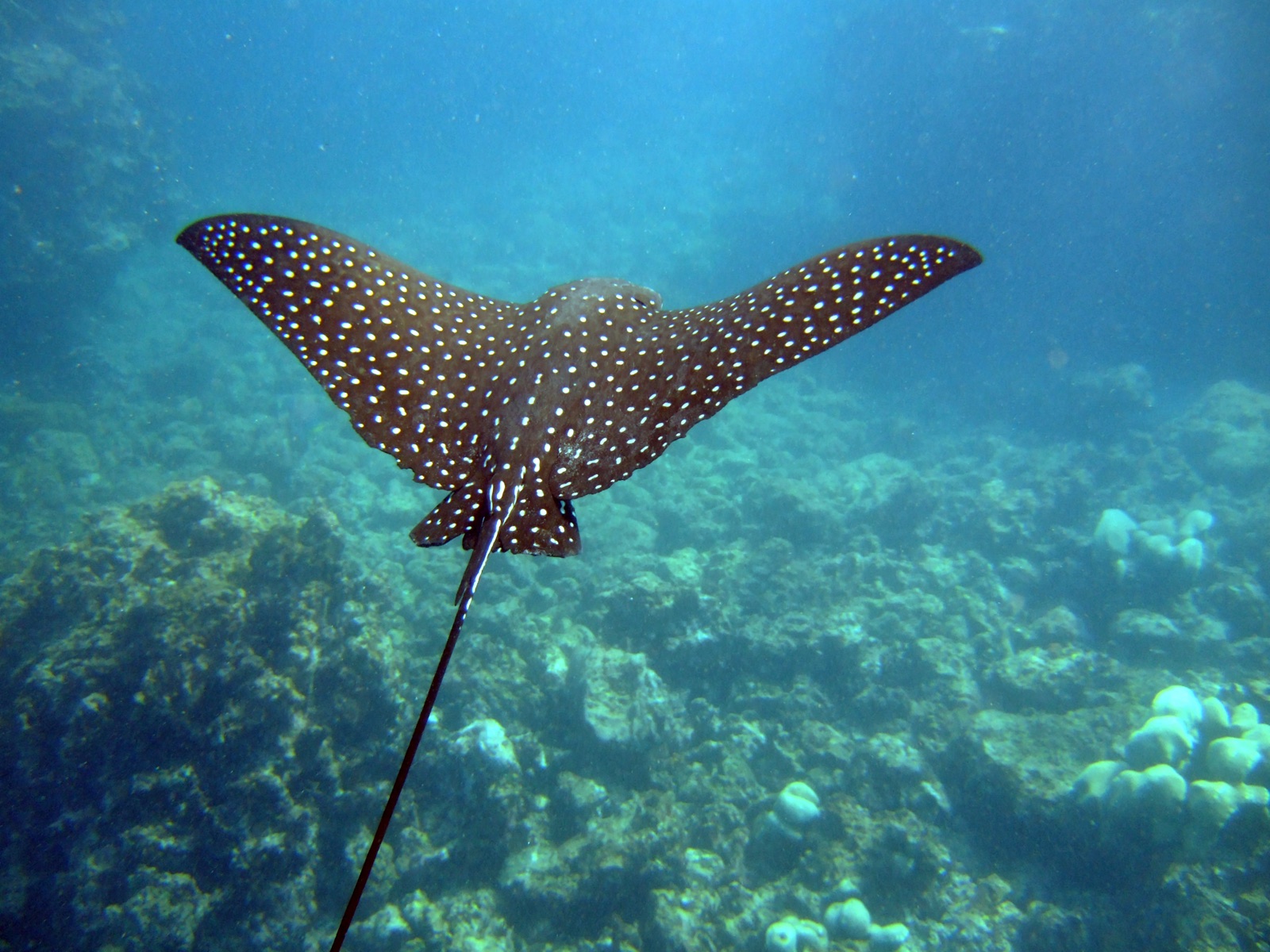
Spotted Eagle Ray
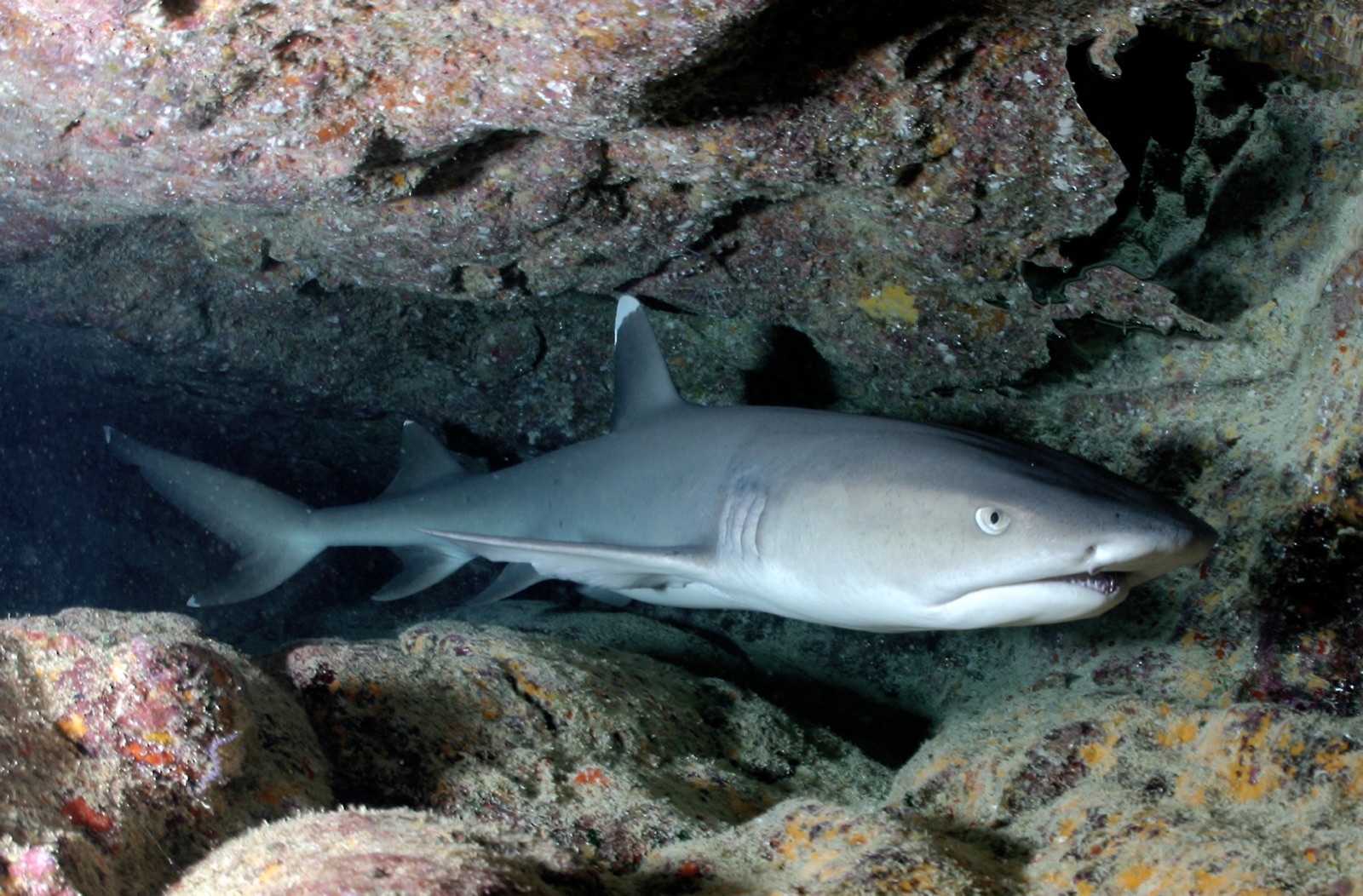
Whitetip Reef Shark
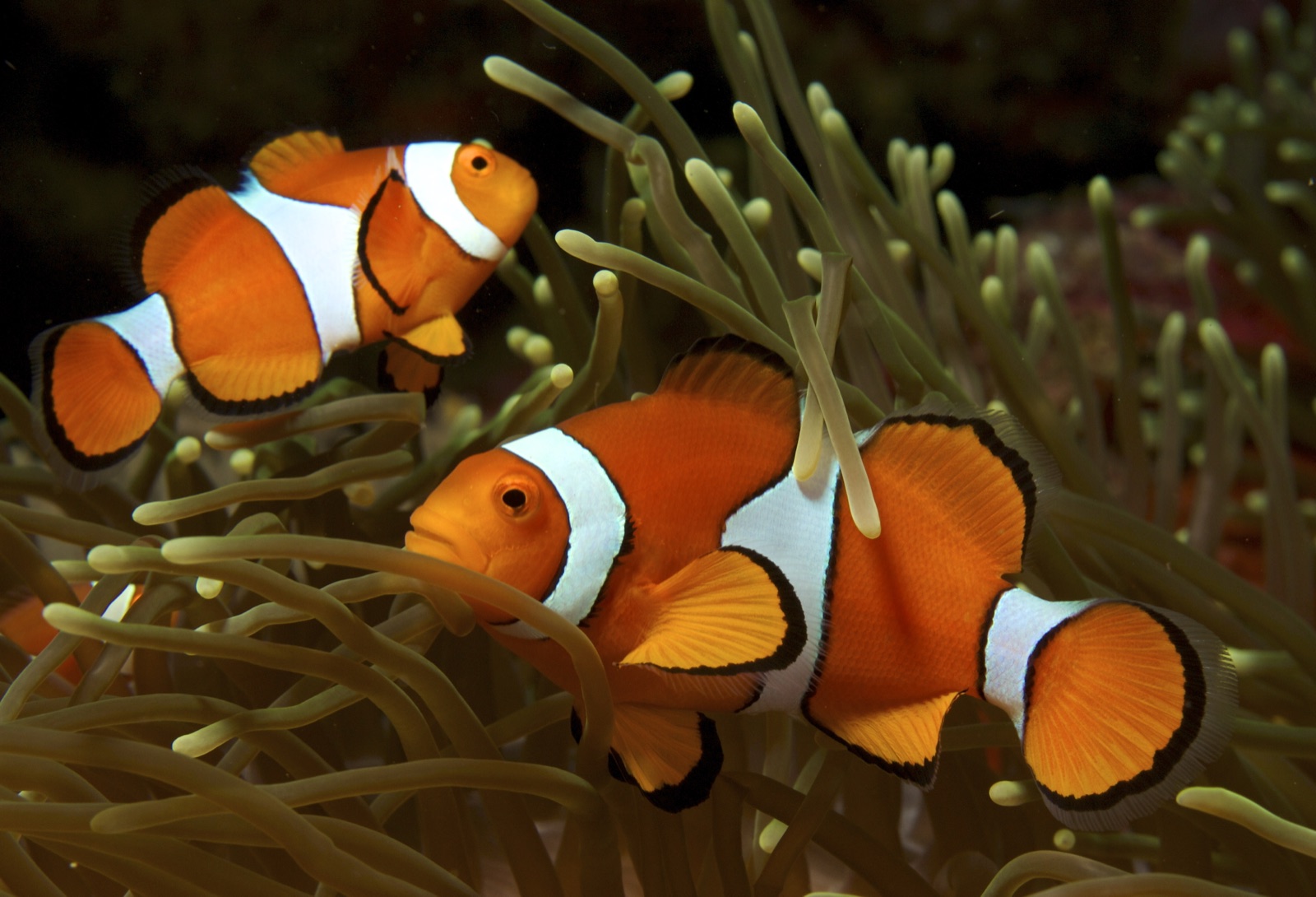
Clownfish & Anemonefish
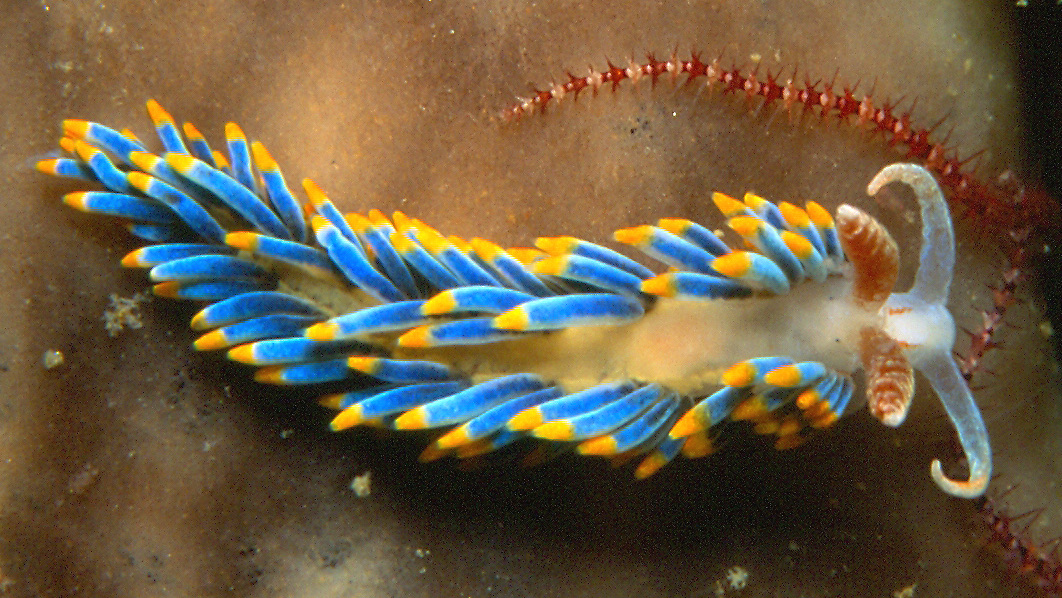
Nudibranchs
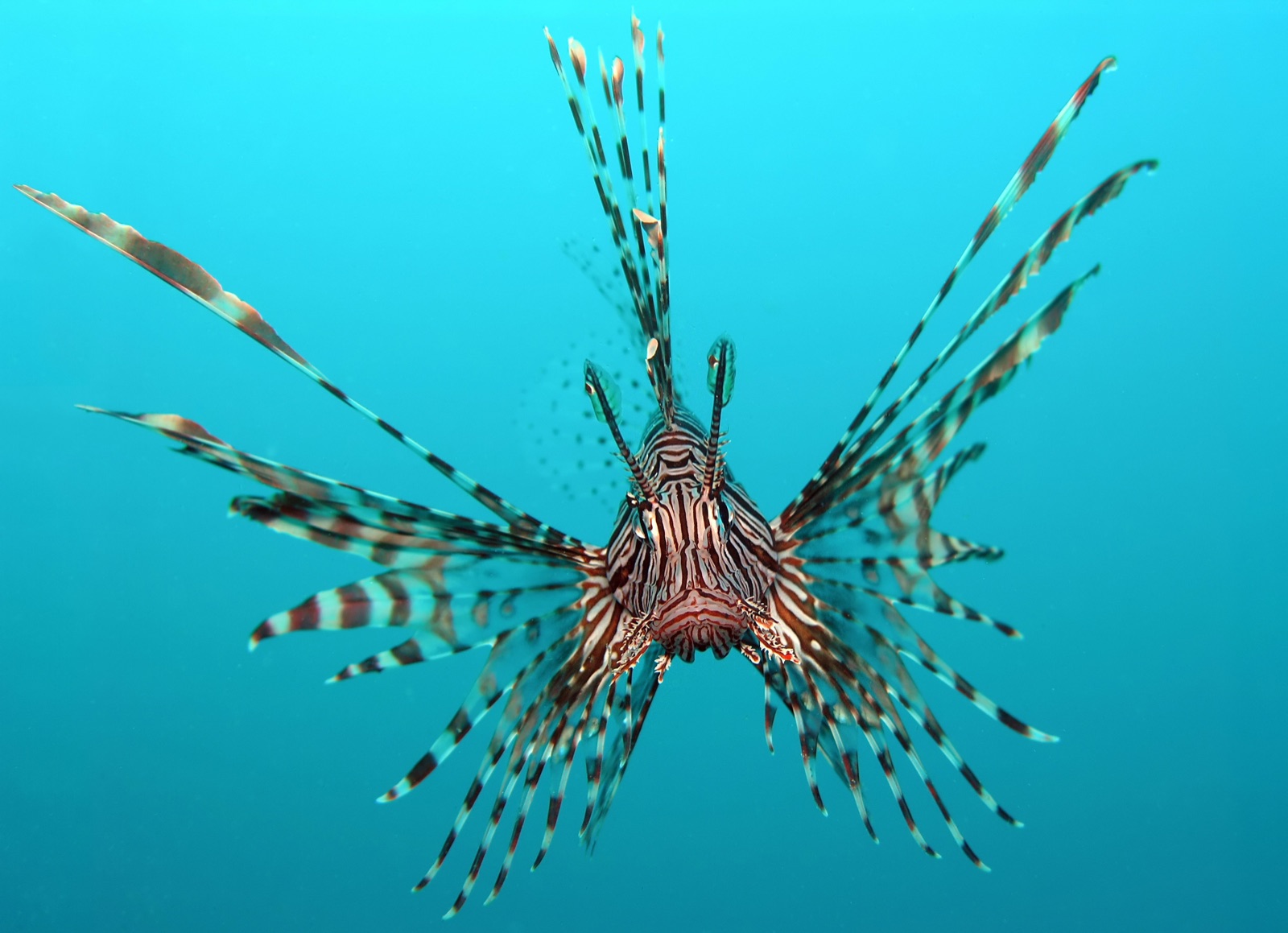
Lionfish
Les espèces « cartographiées ici » ont été répertoriées par nos éditeurs à partir des sources indiquées sur cette page. Les comptages correspondent aux occurrences GBIF : observations enregistrées dans un rayon d'environ 5 km autour de la position cartographiée depuis 1990, comparées uniquement aux espèces de notre catalogue. Ils indiquent ce qui a été observé à cet endroit, sans garantir ce que vous y verrez.
Pour les photographes
Grand angle: ★★★★☆ · Macro: ★★☆☆☆ (note 1–5 des éditeurs sur ce que ce site offre à chaque style de prise de vue)