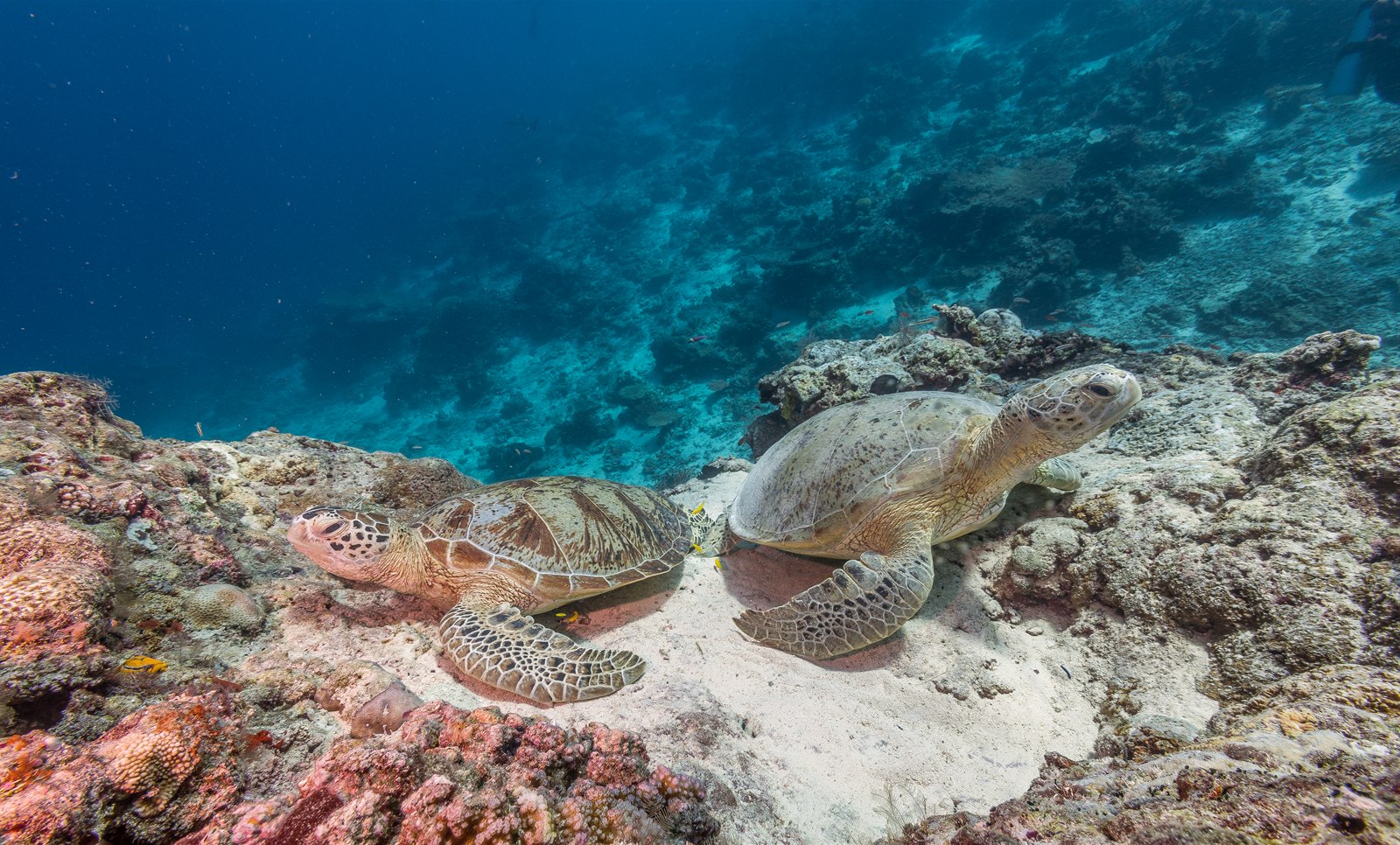
Turtle Cavern
La profundidad es el rango desde la cima del punto de buceo hasta su máximo habitual; la "certificación recomendada" es el nivel que los operadores suelen pedir según las agencias principales, no una norma legal. Las corrientes y la visibilidad cambian a diario, así que trata todo esto como rangos de planificación.
A gaping mouth in the wall near the Drop Off leads into a limestone cavern whose inner chambers hold the skeletons of sea turtles, and some dolphins, that swam in, lost the exit in the dark, and drowned. That fact is the dive's briefing and its warning in one. With lights, a guide who knows the line, and cavern-appropriate training, visitors enter the outer chamber where daylight still ghosts the entrance and bones rest in the silt like museum pieces nobody arranged. Beyond the light zone is cave diving, full stop, with silt that can erase the way out in seconds. The site kills the unprepared; treated properly, it is haunting and unforgettable.
El momento por el que vienes: Skeleton-strewn chambers, cathedral entrance light, a sobering lesson in overhead discipline
Topografía: Limestone cavern system opening off the wall near the Drop Off
Corriente: Still water inside; the wall outside carries normal island current.
Lo que debes saber antes de tirarte al agua
Riesgos: A genuine overhead environment with fatal history: total darkness beyond the light zone, disorienting silt, and no direct ascent. Turtles still enter and can panic; give them the exit.
Permisos y normas: Permit day required; entry only with a guide, and depth of penetration governed by training.
Conservación: The remains are left untouched as both record and memorial; disturbing them is prohibited.
A quién encontrarás
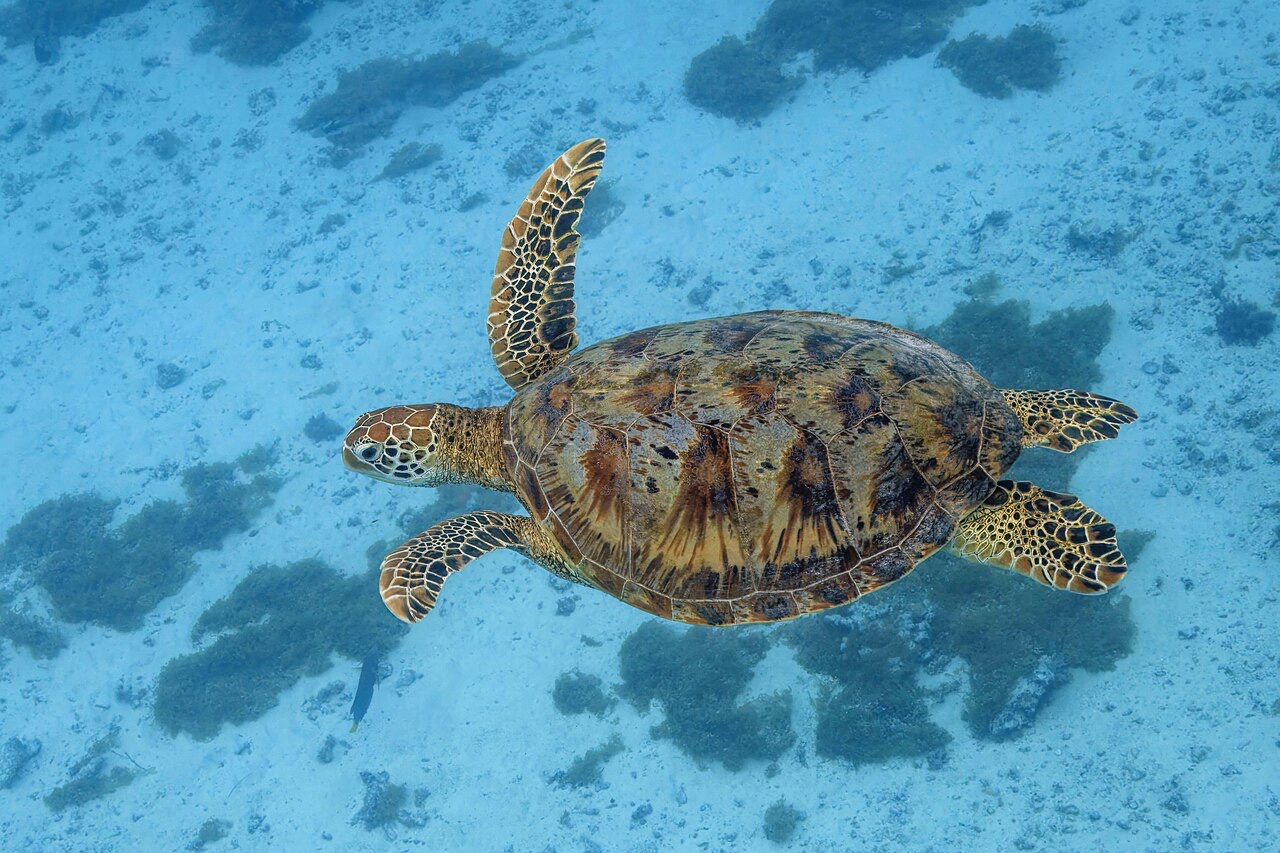
Green Sea Turtle
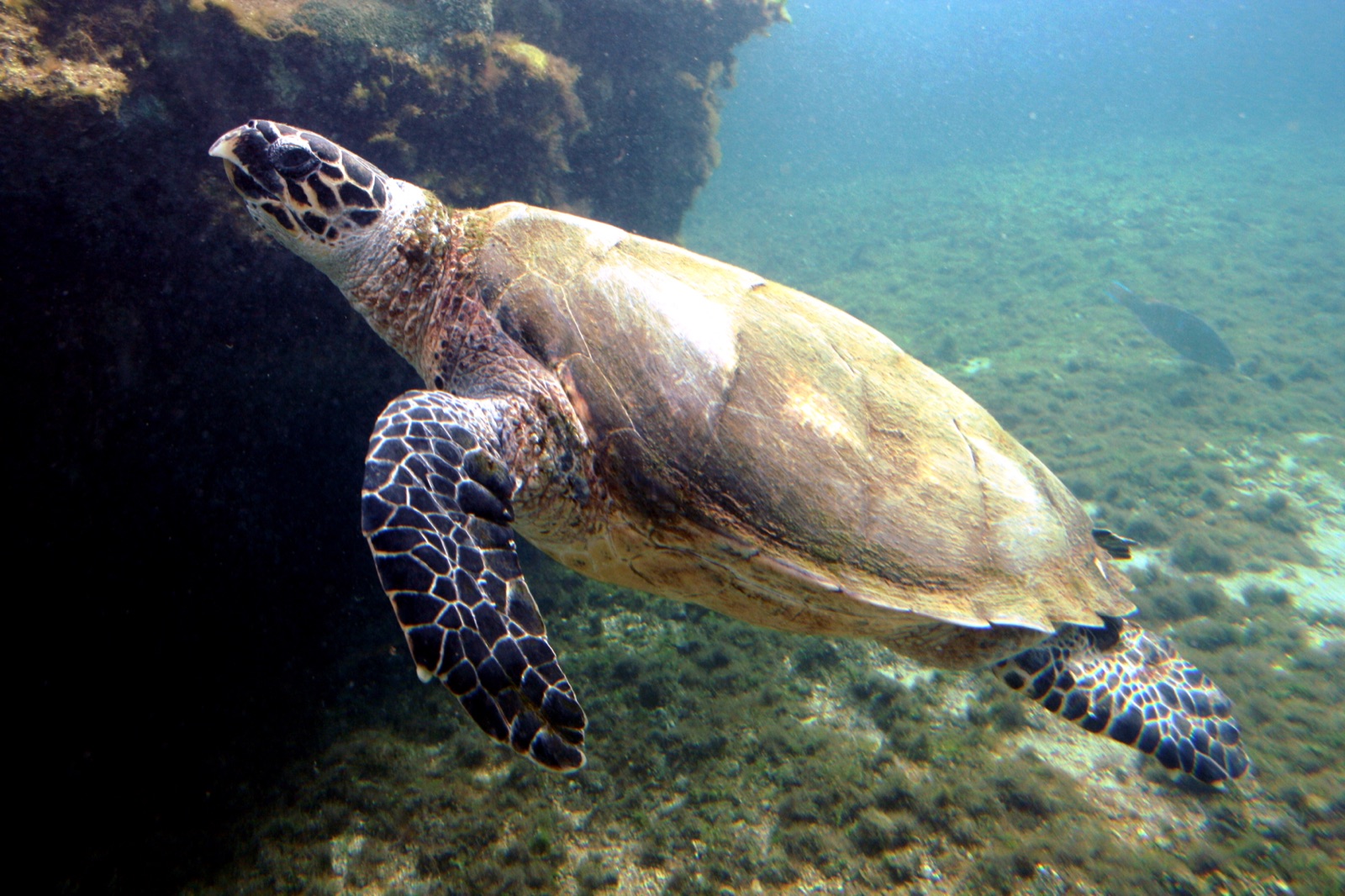
Hawksbill Turtle
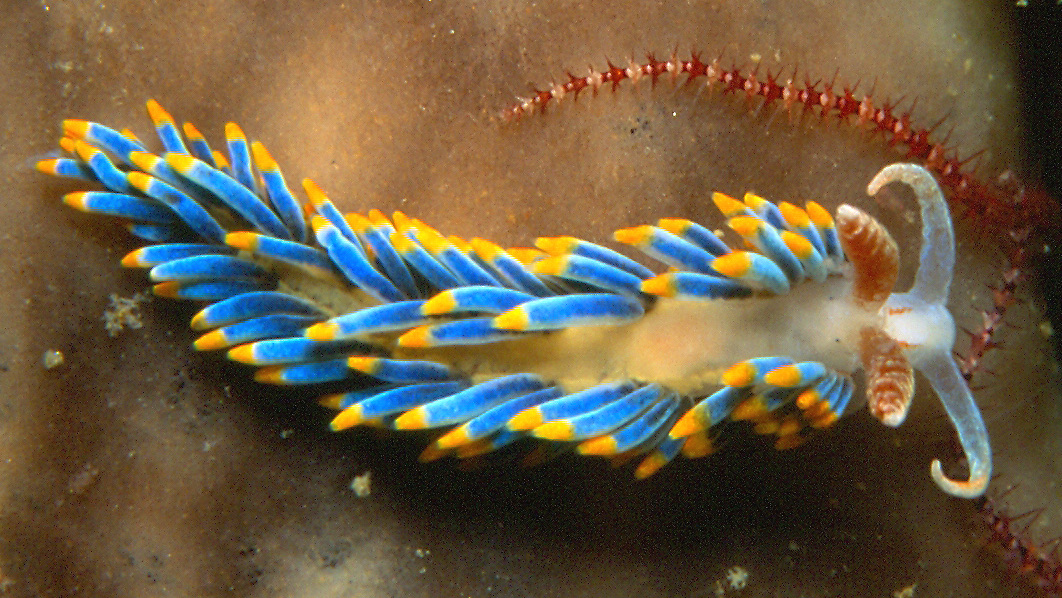
Nudibranchs
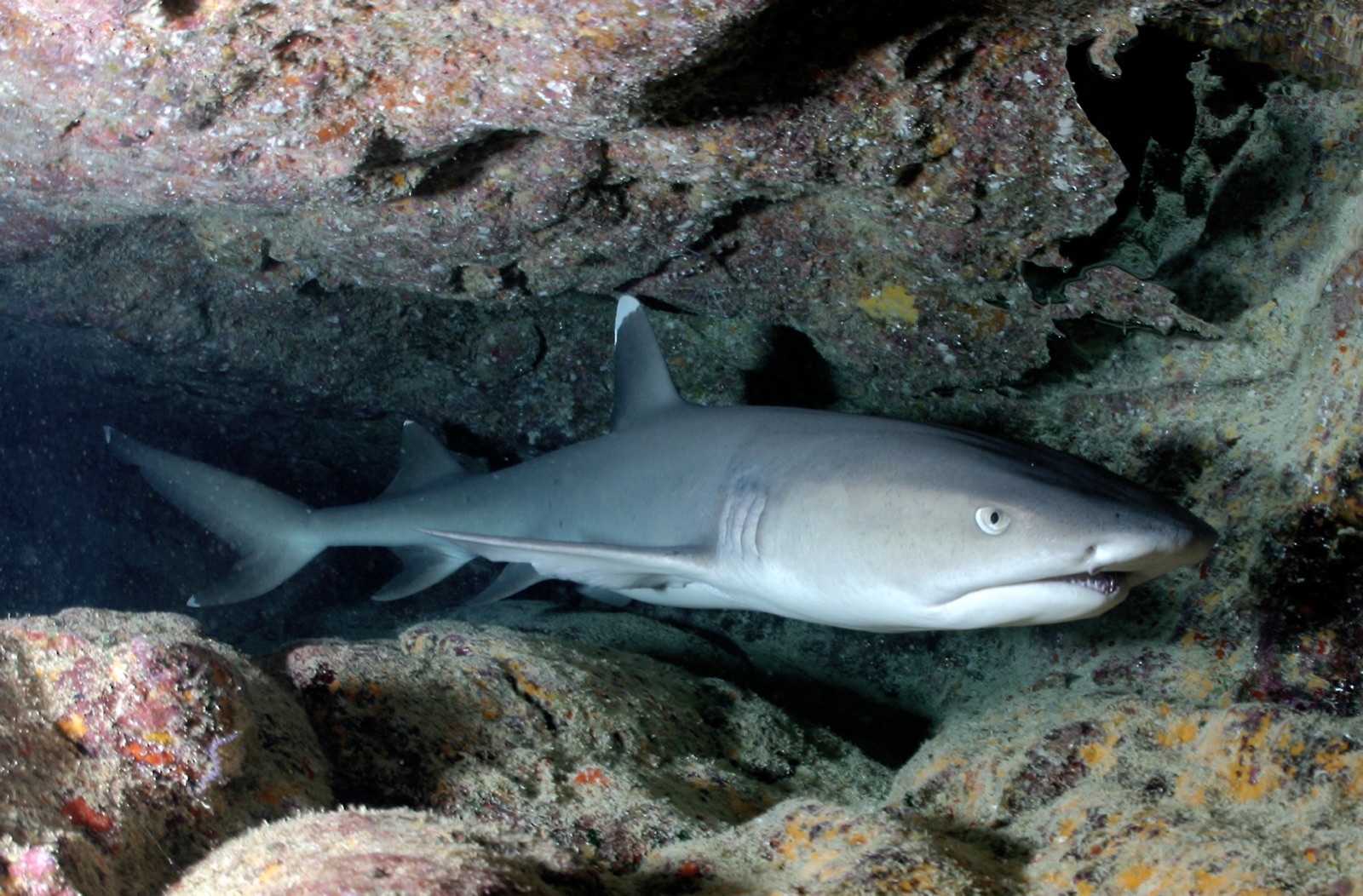
Whitetip Reef Shark
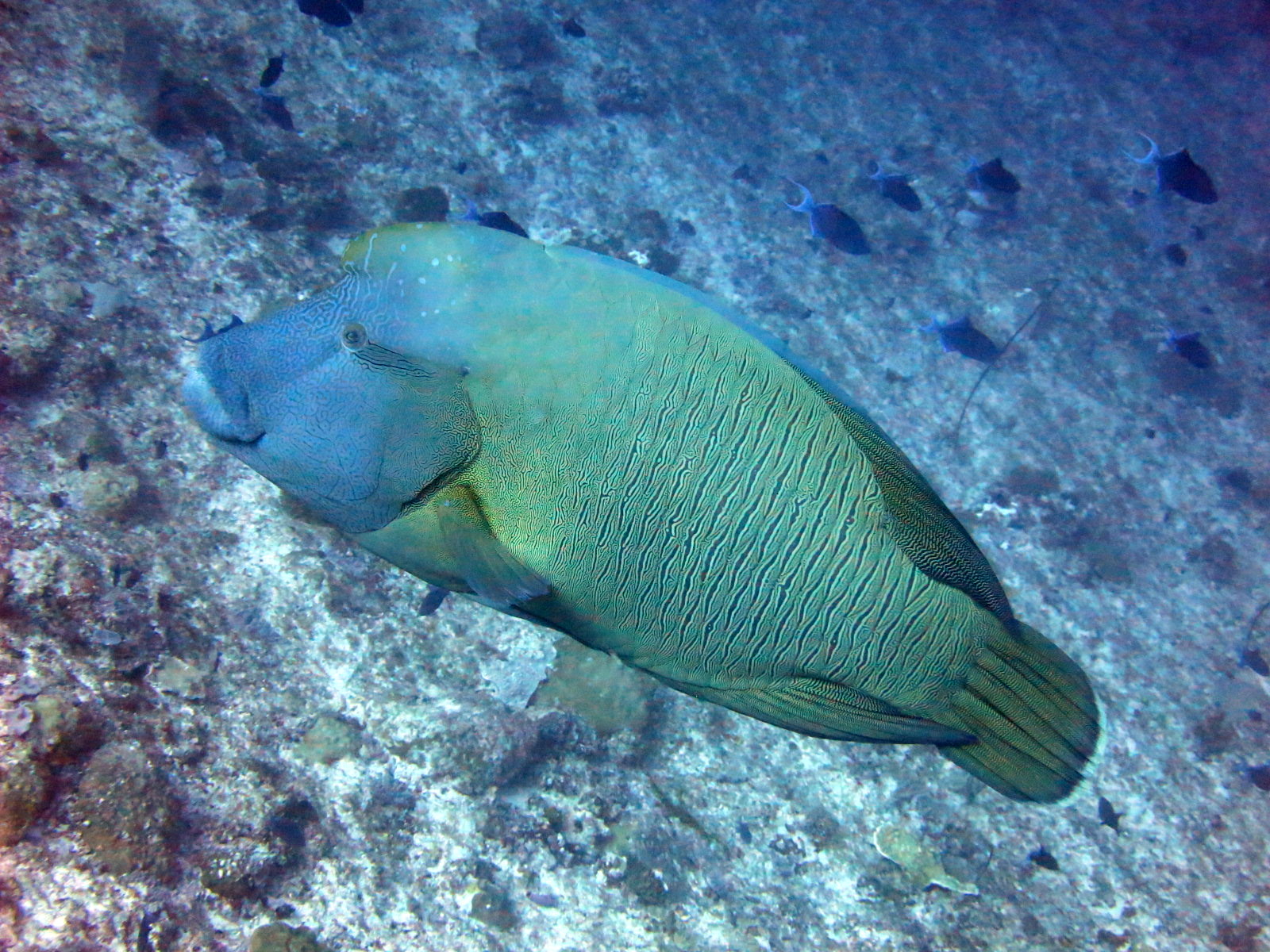
Napoleon (Humphead) Wrasse
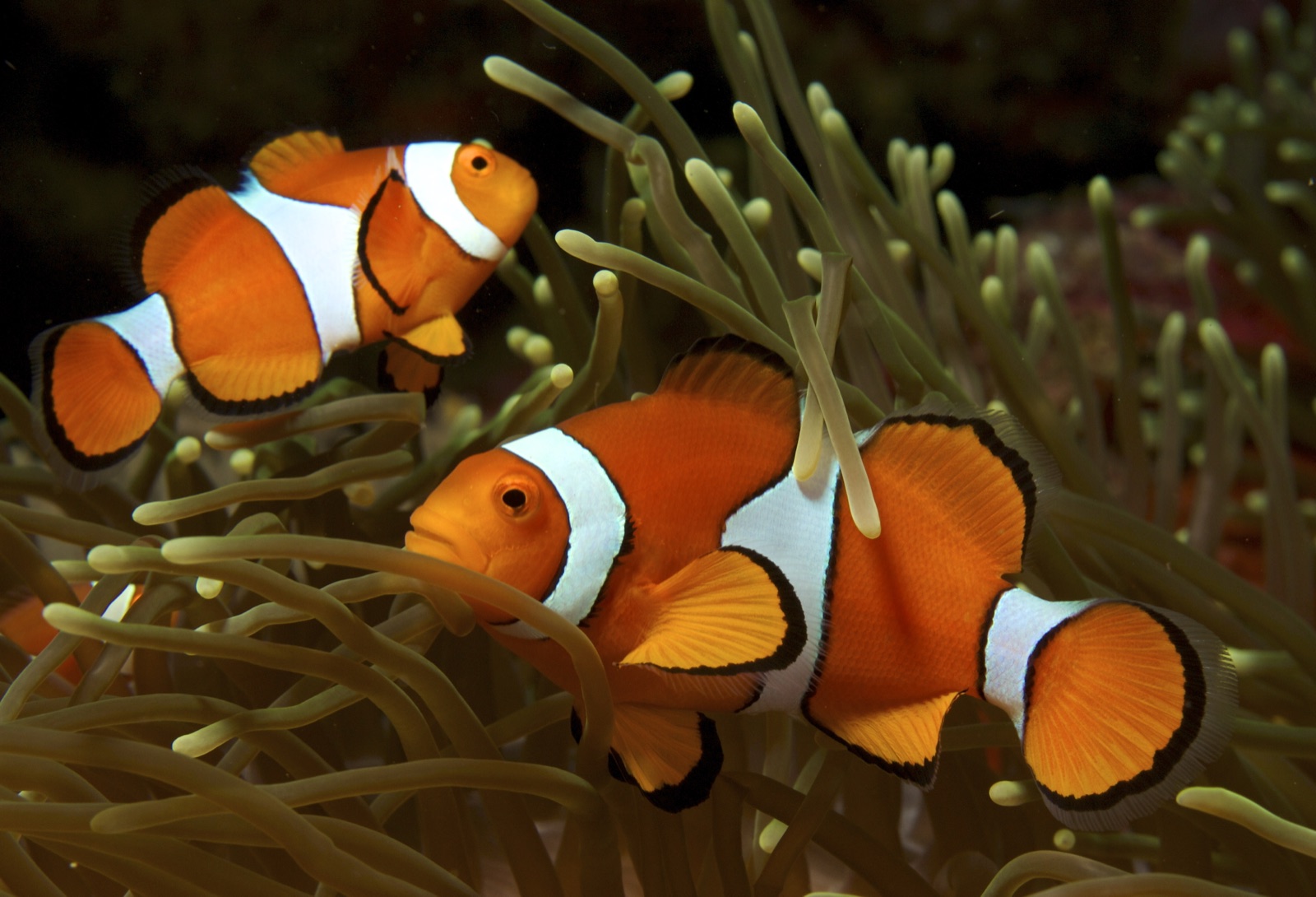
Clownfish & Anemonefish
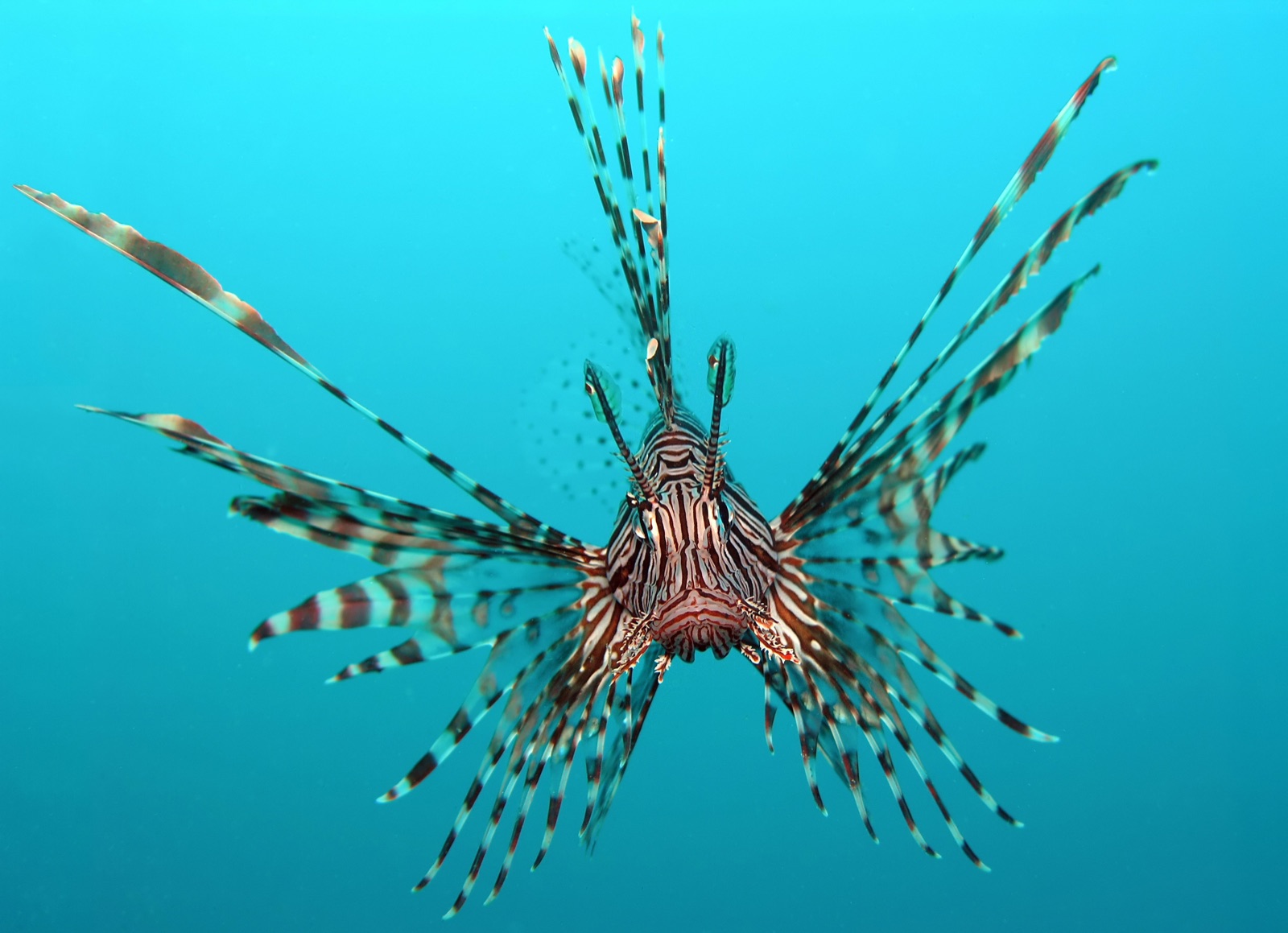
Lionfish
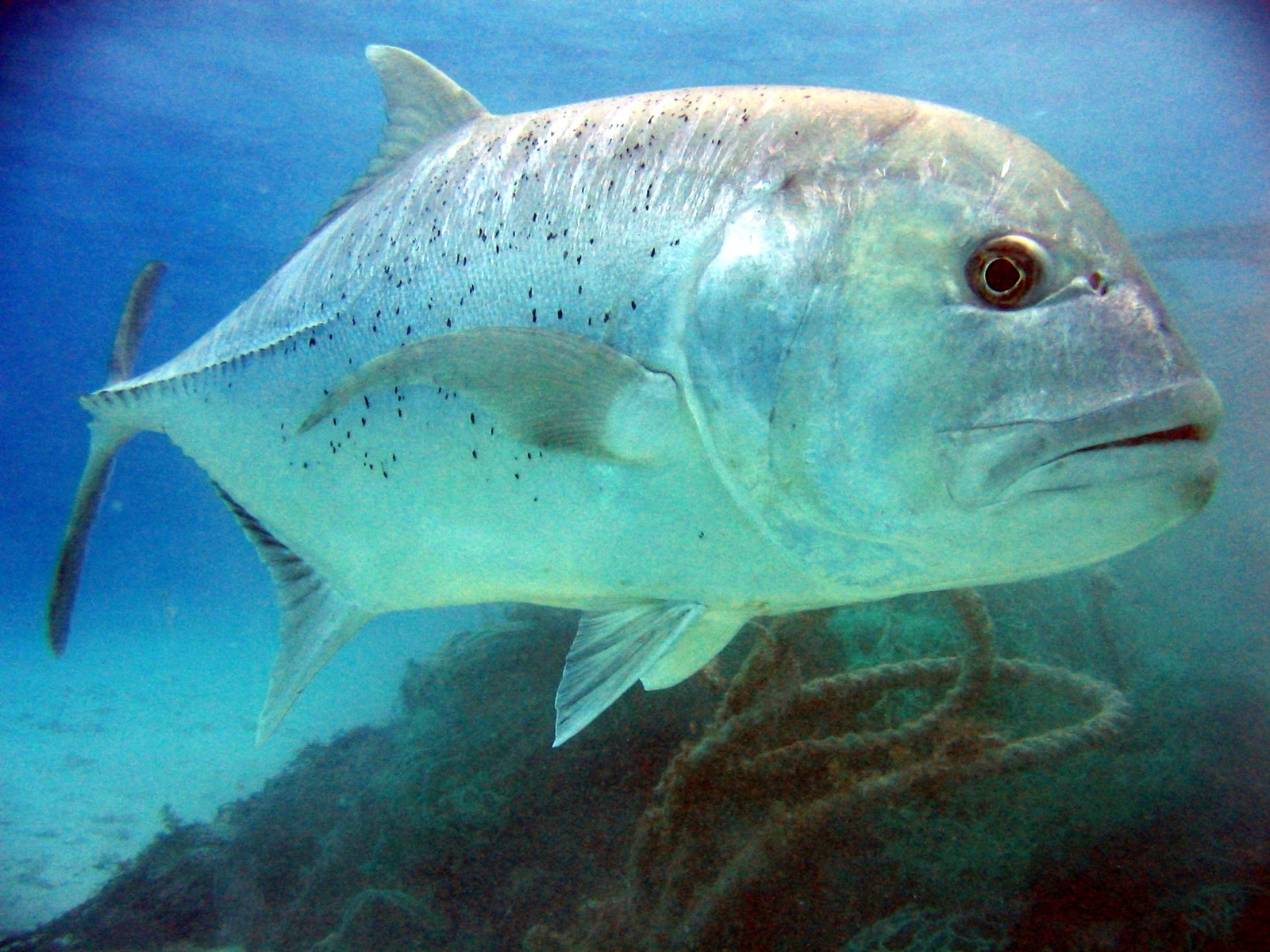
Giant Trevally
También registrado cerca
Las especies "aquí registradas" fueron añadidas por nuestros editores a partir de las fuentes de esta página. Los recuentos son registros de ocurrencia de GBIF: observaciones anotadas en un radio de unos 5 km de la posición registrada desde 1990, cotejadas únicamente con las especies de nuestro catálogo. Muestran lo que se ha avistado allí, no una garantía de lo que verás.
Para fotógrafos
Gran angular: ★★★★☆ · Macro: ★☆☆☆☆ (valoración de 1 a 5 de los editores sobre lo que ofrece este sitio para cada estilo de fotografía)