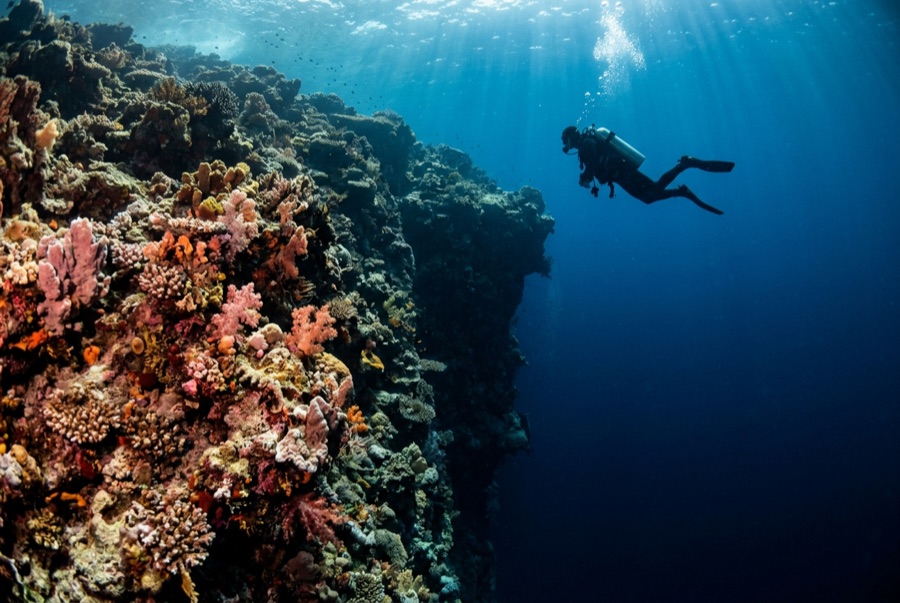
Purple Wall
Depth is the range from the top of the site to its usual maximum; "recommended cert" is the mainstream-agency level operators usually ask for, not a legal rule. Currents and visibility change daily, so treat everything here as planning ranges.
Where the Great White Wall goes pale, this face commits to purple: soft corals in shades from lavender to deep violet crowd the overhangs, mixed with fans and whip corals that comb the passing tide. The wall is cut with ledges and small caves where soldierfish hang in red ranks and morays keep station, so the dive alternates between open drifting and slow ledge-by-ledge inspection. Color depends on flow: slack water mutes it, moving water switches it on. It photographs best in the morning, when sun angles into the face and the violets fluoresce against the strait's blue.
The moment you come for: Violet soft-coral overhangs; ledge caves full of soldierfish; morning light on the wall face.
Topography: Undercut wall with ledges and overhangs, its face dominated by violet soft corals and sea fans
Entry: Tide-timed drop along the wall face; usually dived as a gentle drift.
Know before you splash
Hazards: Current along the face; surge into the undercuts when swell runs.
Conservation: Overhang corals grow downward into diver space: mind tank valves and fin tips when working the ledges.
Who you'll meet
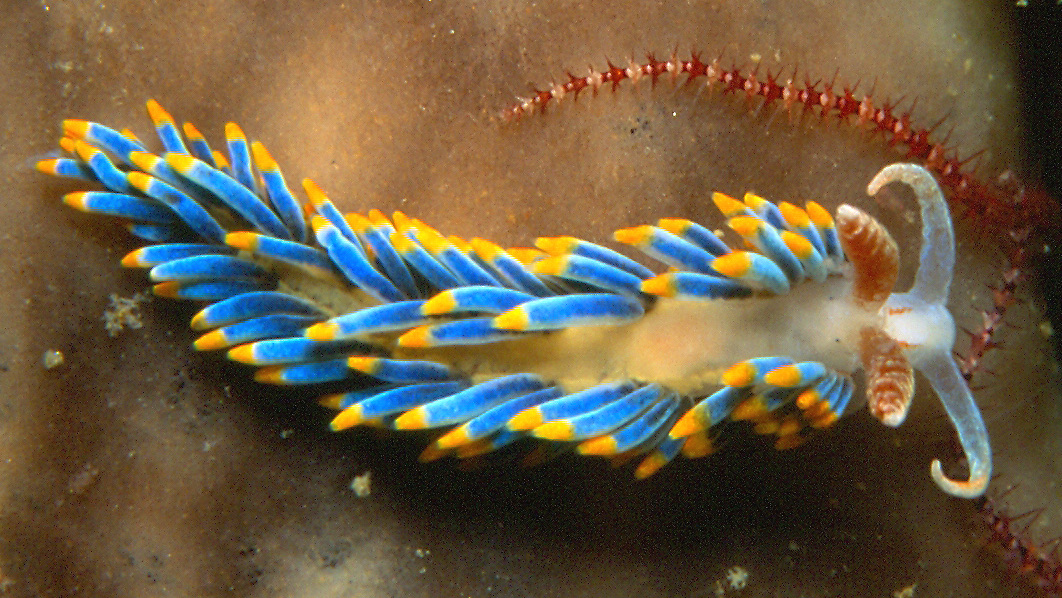
Nudibranchs
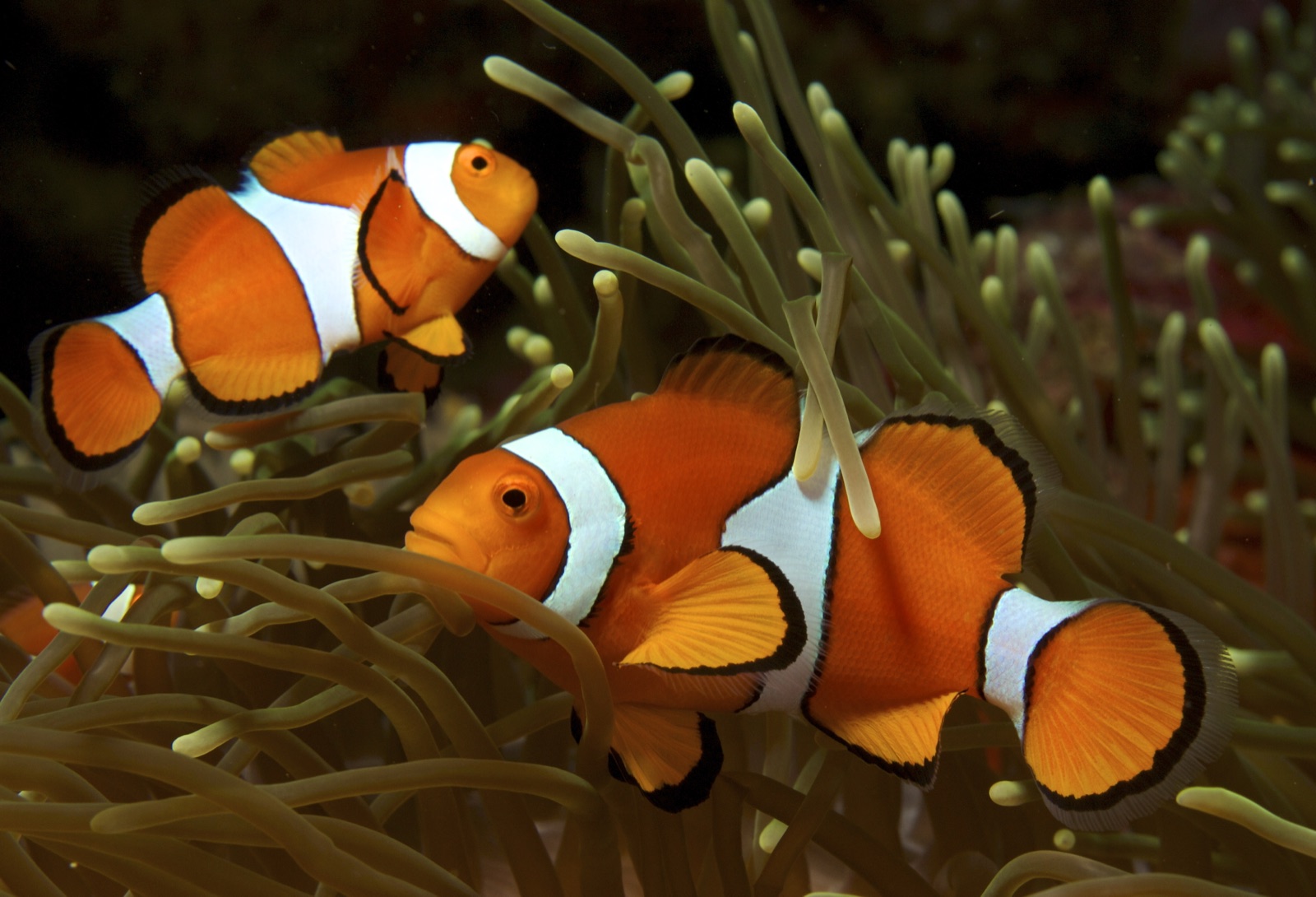
Clownfish & Anemonefish
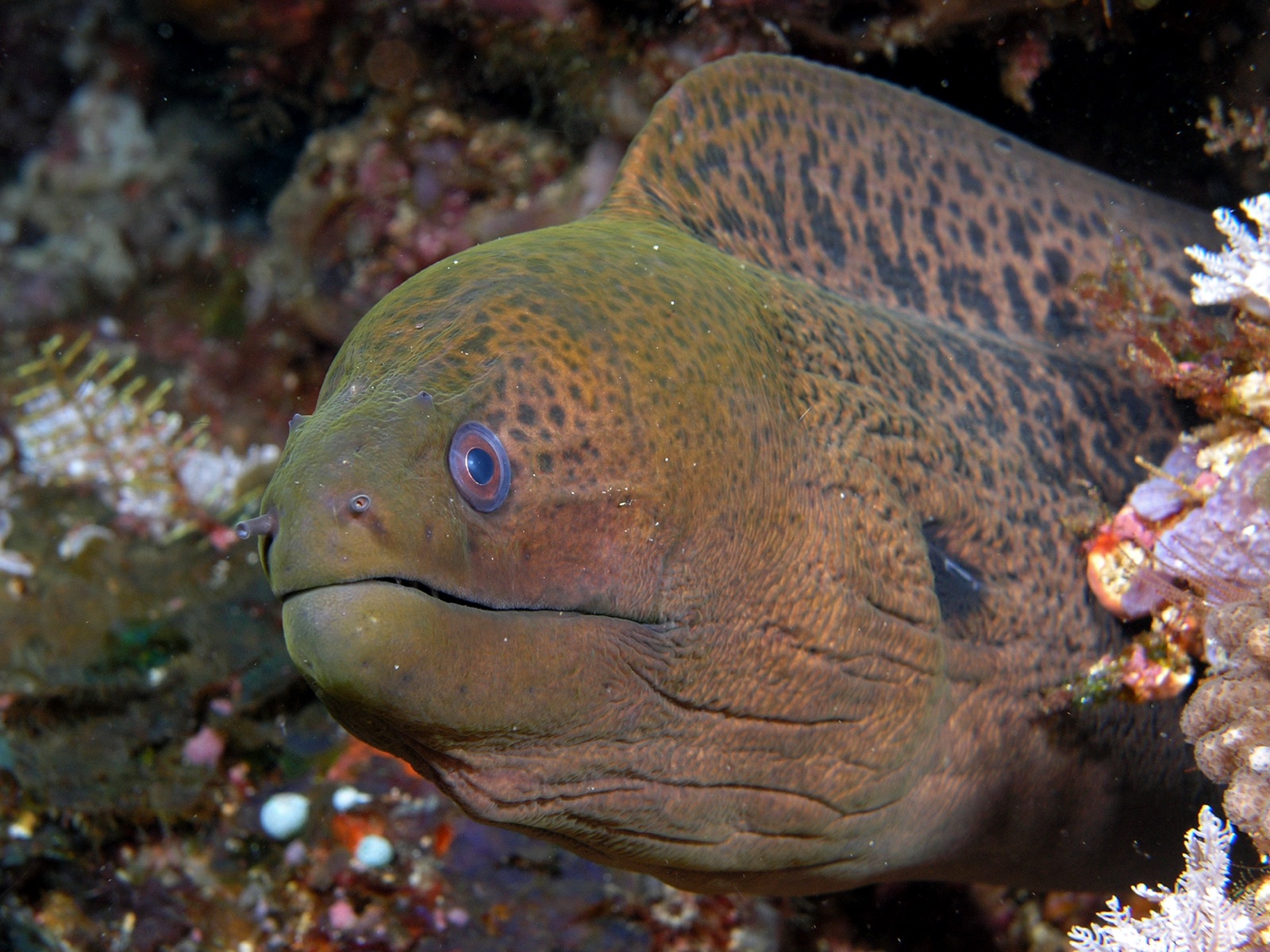
Giant Moray Eel
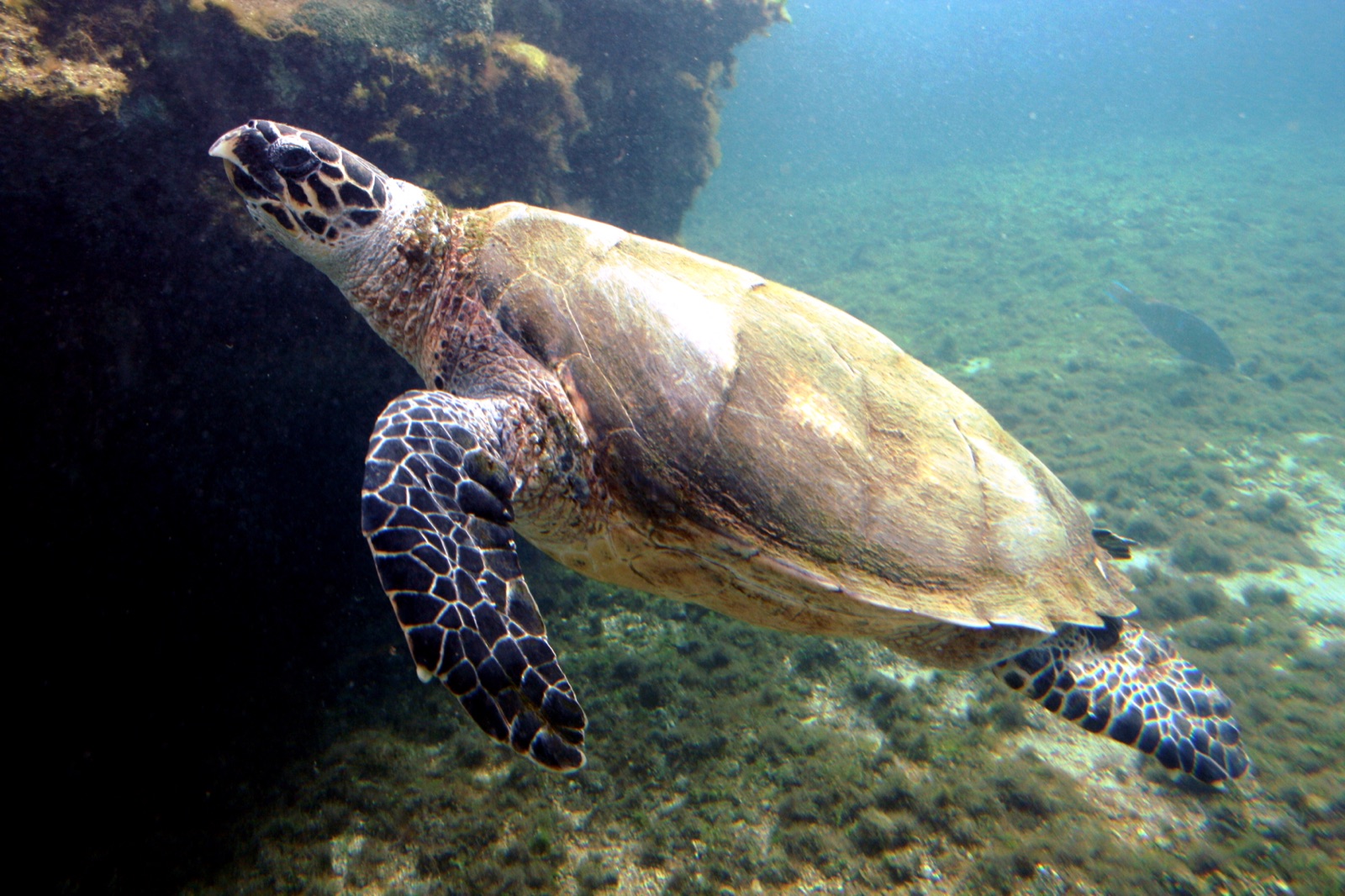
Hawksbill Turtle
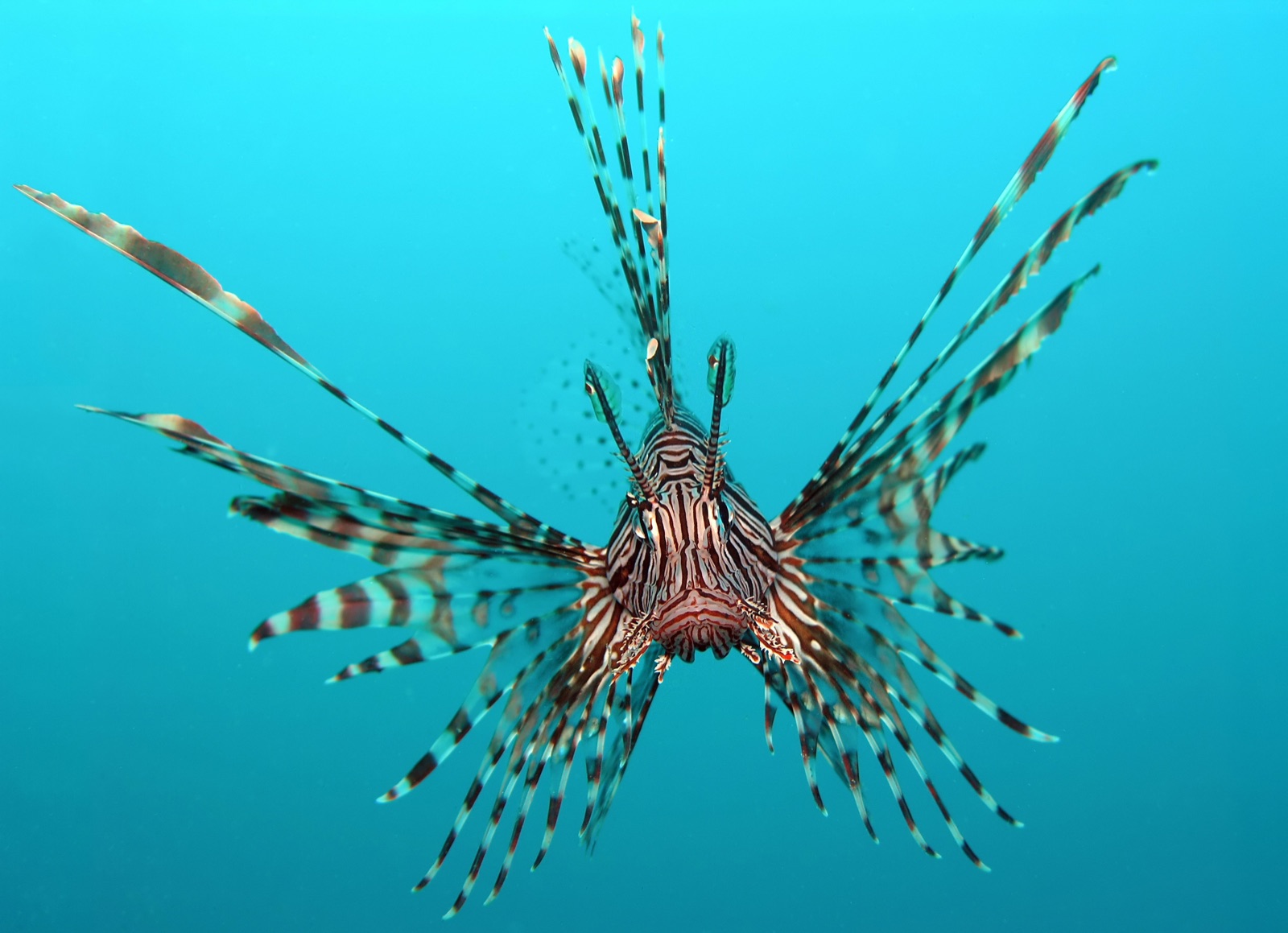
Lionfish
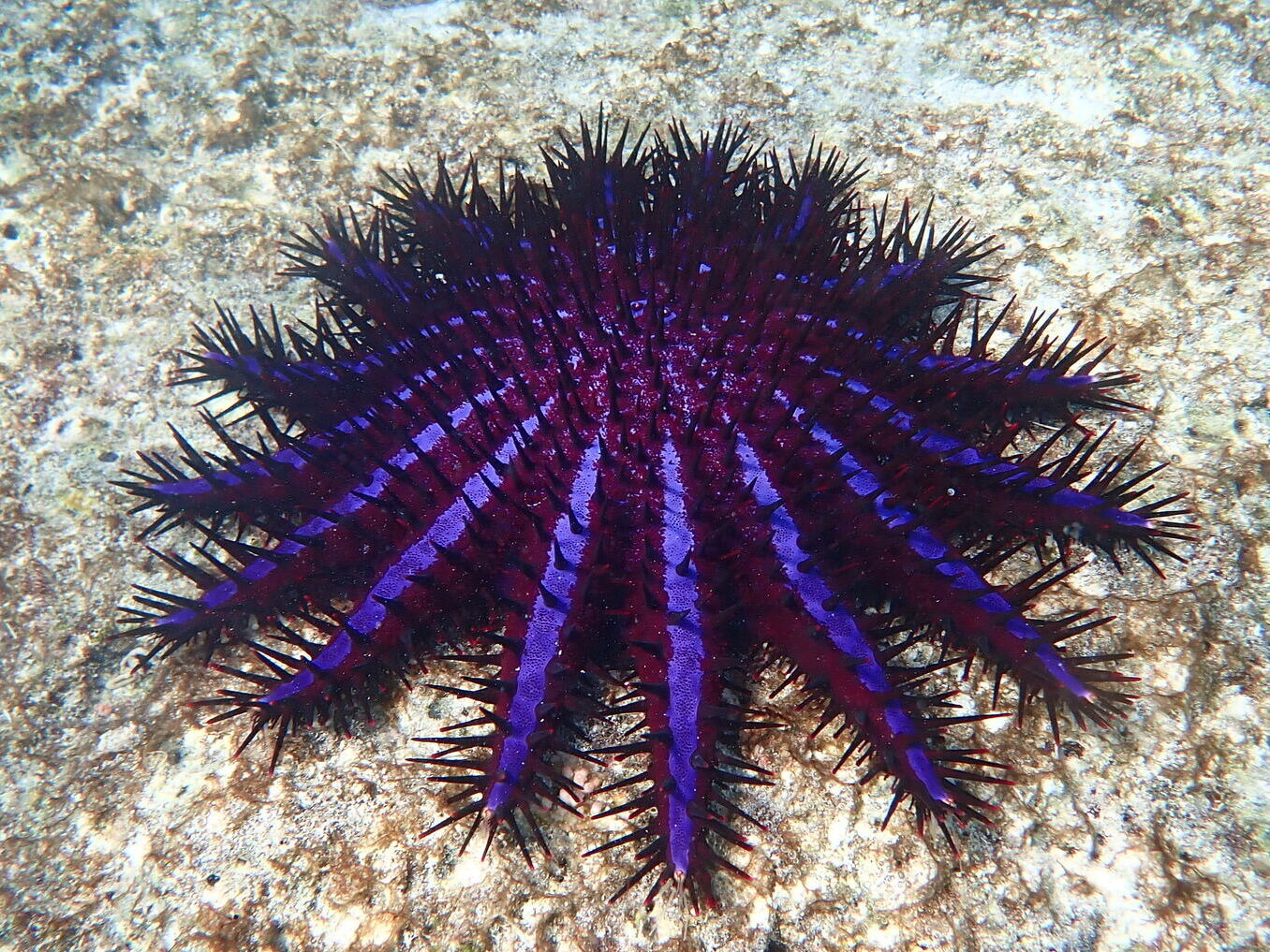
Crown-of-Thorns Starfish
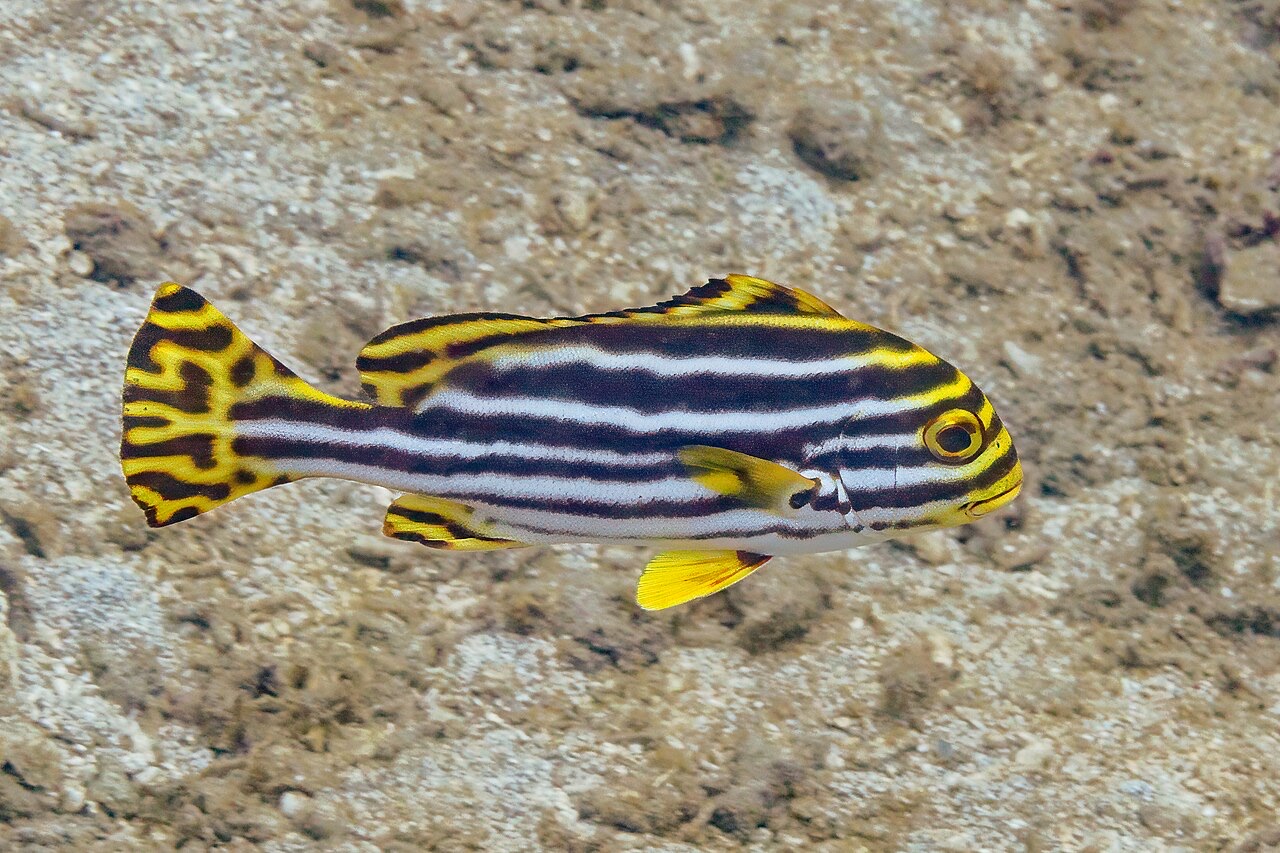
Oriental Sweetlips
"Charted here" species were listed by our editors from the sources on this page. Counts are GBIF occurrence records: observations logged within about 5 km of the charted position since 1990, matched only against the species in our catalogue. They show what has been seen there, not a promise of what you will see.
For photographers
Wide angle: ★★★★★ · Macro: ★★★☆☆ (editors' 1–5 rating of what this site gives each style of shooting)