Halliburton
La profondeur correspond à la plage allant du sommet du site jusqu'à son maximum habituel ; le « niveau recommandé » est le niveau demandé en général par les opérateurs auprès des grandes agences, pas une règle légale. Les courants et la visibilité varient chaque jour, traitez donc tout cela comme des plages indicatives de planification.
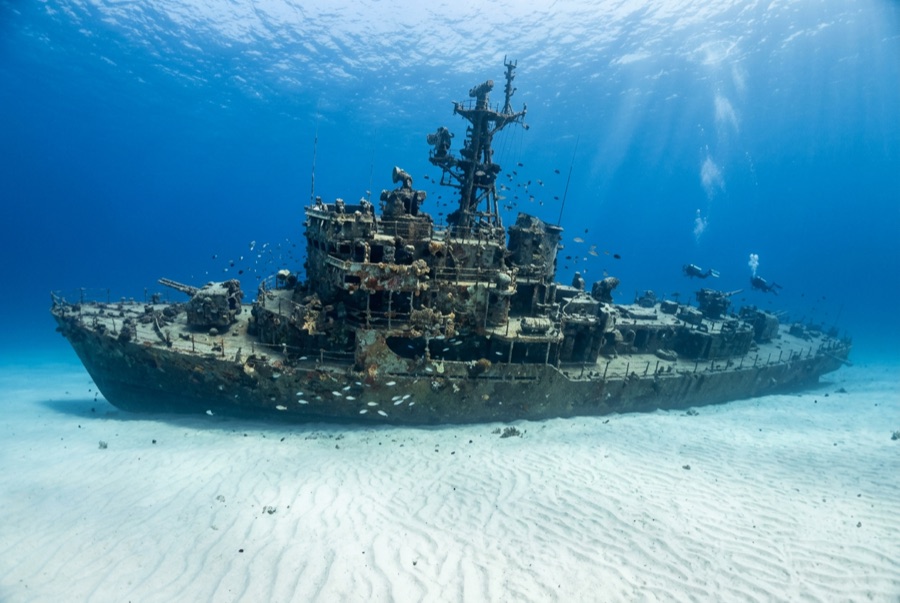
The Halliburton is Utila's classroom at depth. Sunk deliberately in 1998, the little freighter stands upright and complete on the sand (mast, wheelhouse, holds), with the tidy proportions of a training diagram, which is how half the island's advanced and wreck students come to know her. Grey angelfish patrol the rails, a moray or two keeps office hours in the machinery, and the anchor line descent through blue haze to a materializing shipwreck delivers the small theater that makes wreck diving addictive. Interior passes are short and prepared, but silt punishes lazy fins.
Le moment pour lequel vous venez: Compact upright wreck, textbook deep and wreck training profiles, moody mast-in-the-haze descents.
Topographie: A small cargo ship scuttled for divers in 1998, upright on sand at about 30 m with the deck near 20 m.
Entrée: Buoyed site a short run from the harbor on the sheltered south side; descend the mooring line to the deck.
À savoir avant de plonger
Dangers: Depth near the recreational edge and enclosed spaces; penetration needs training and a guide.
Conservation: Utila's principal artificial reef; leave the growth undisturbed for the classes behind you.
Nitrox: Pertinent ici : les profils se situent dans la plage où le nitrox prolonge significativement le temps sans palier (avec la formation pour l'utiliser).
Qui vous croiserez
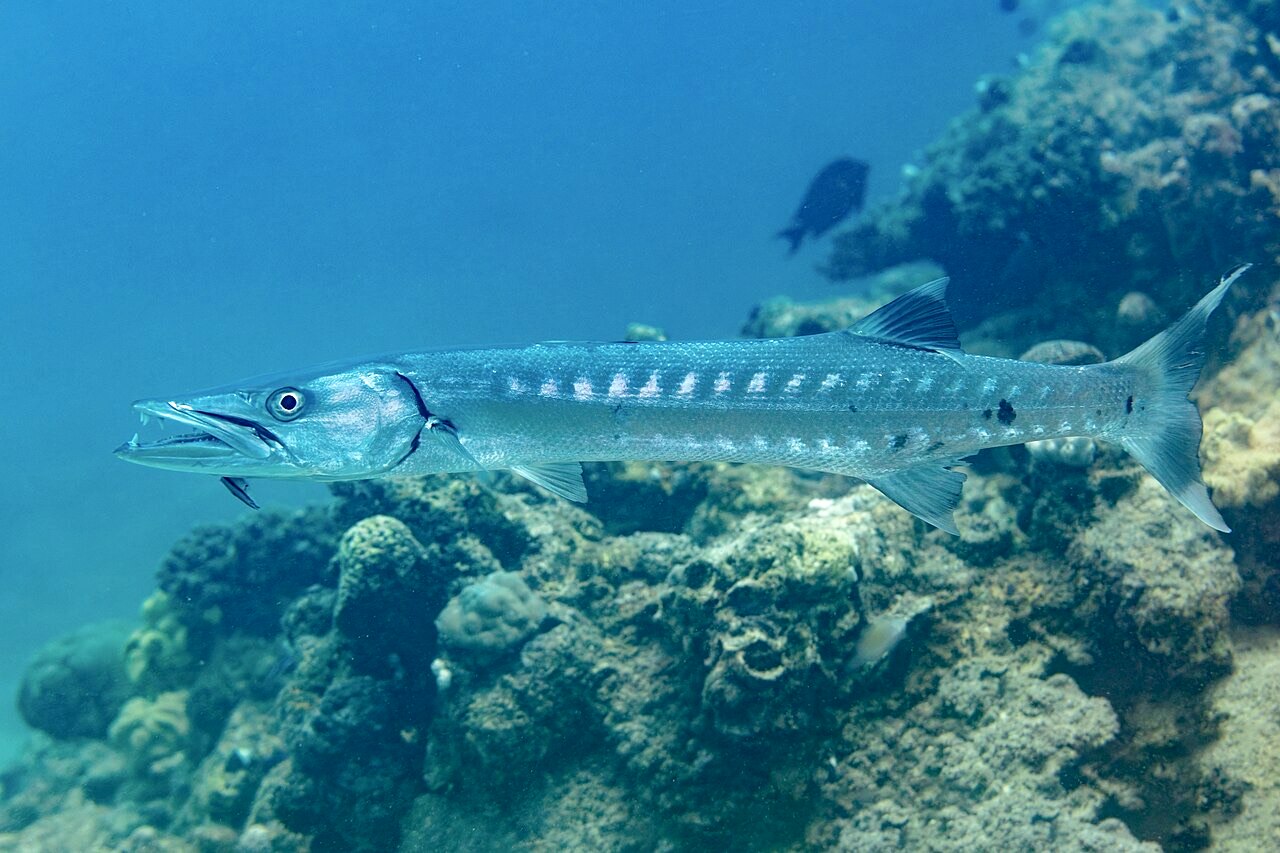
Great Barracuda
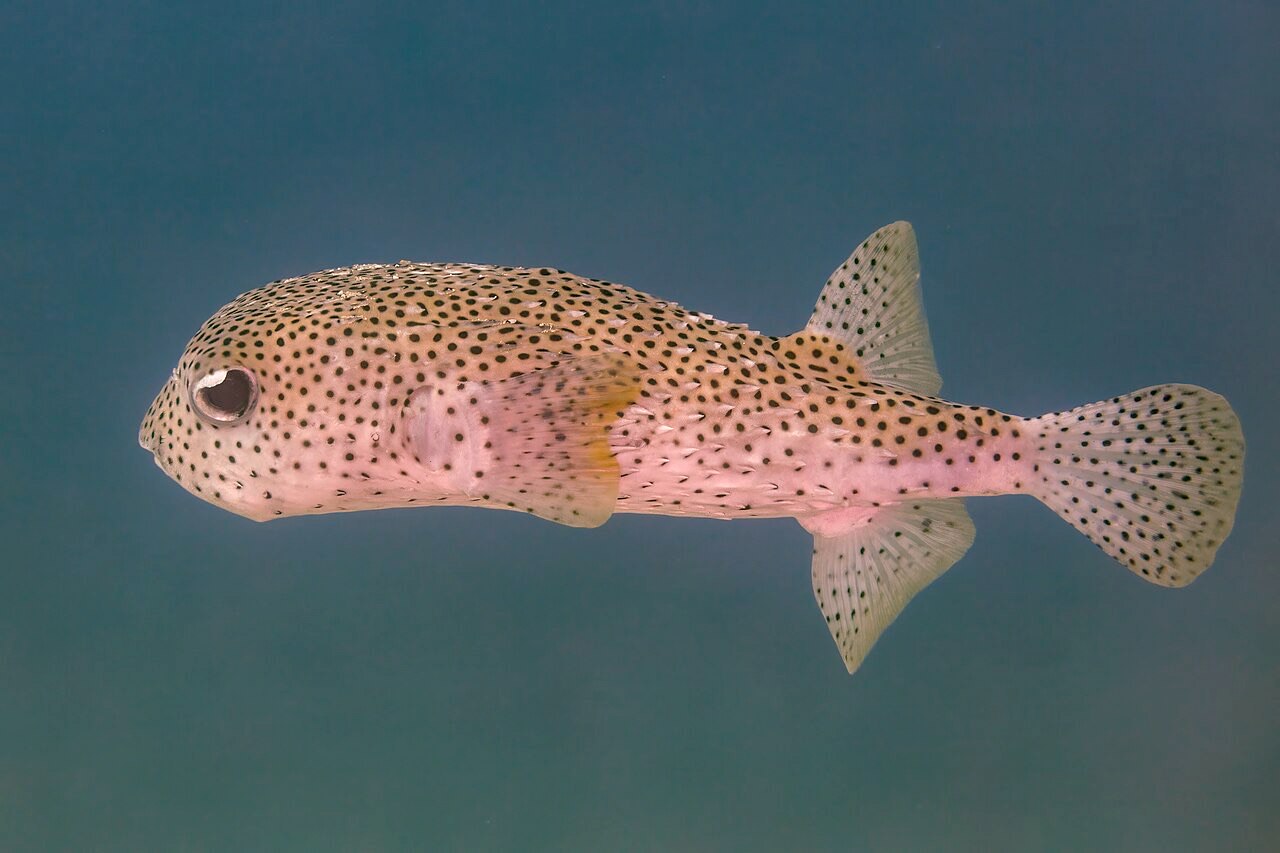
Porcupinefish
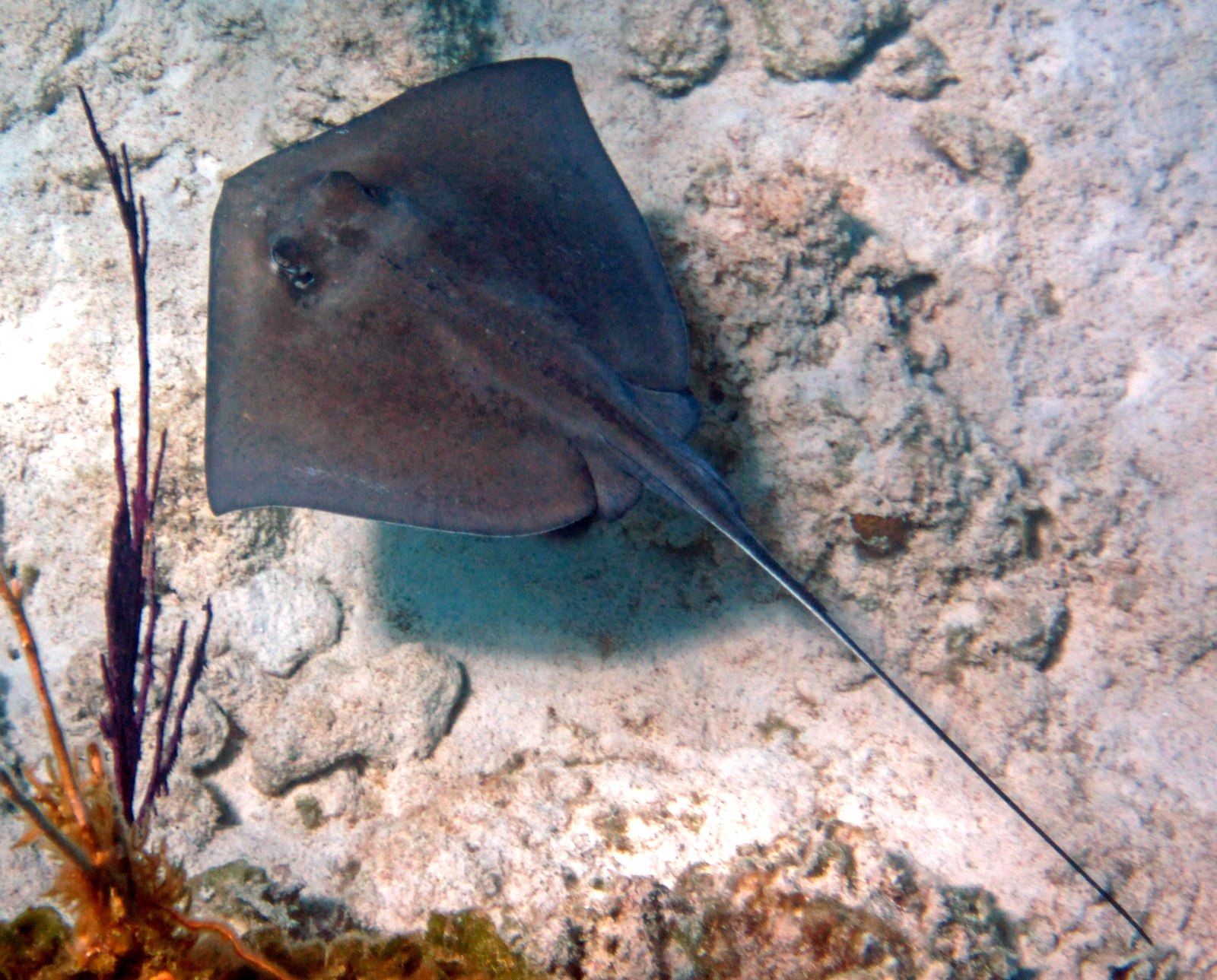
Southern Stingray
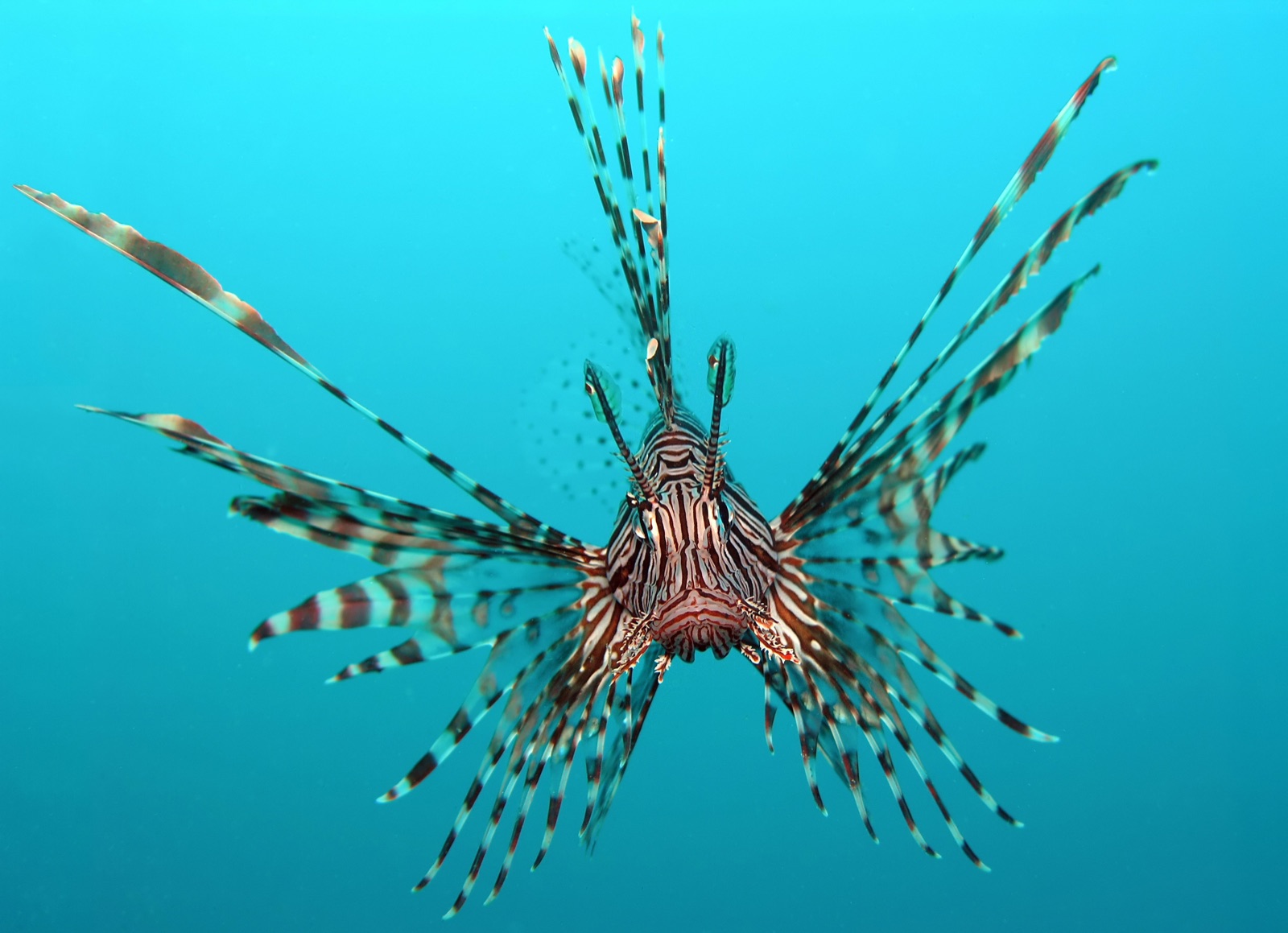
Lionfish
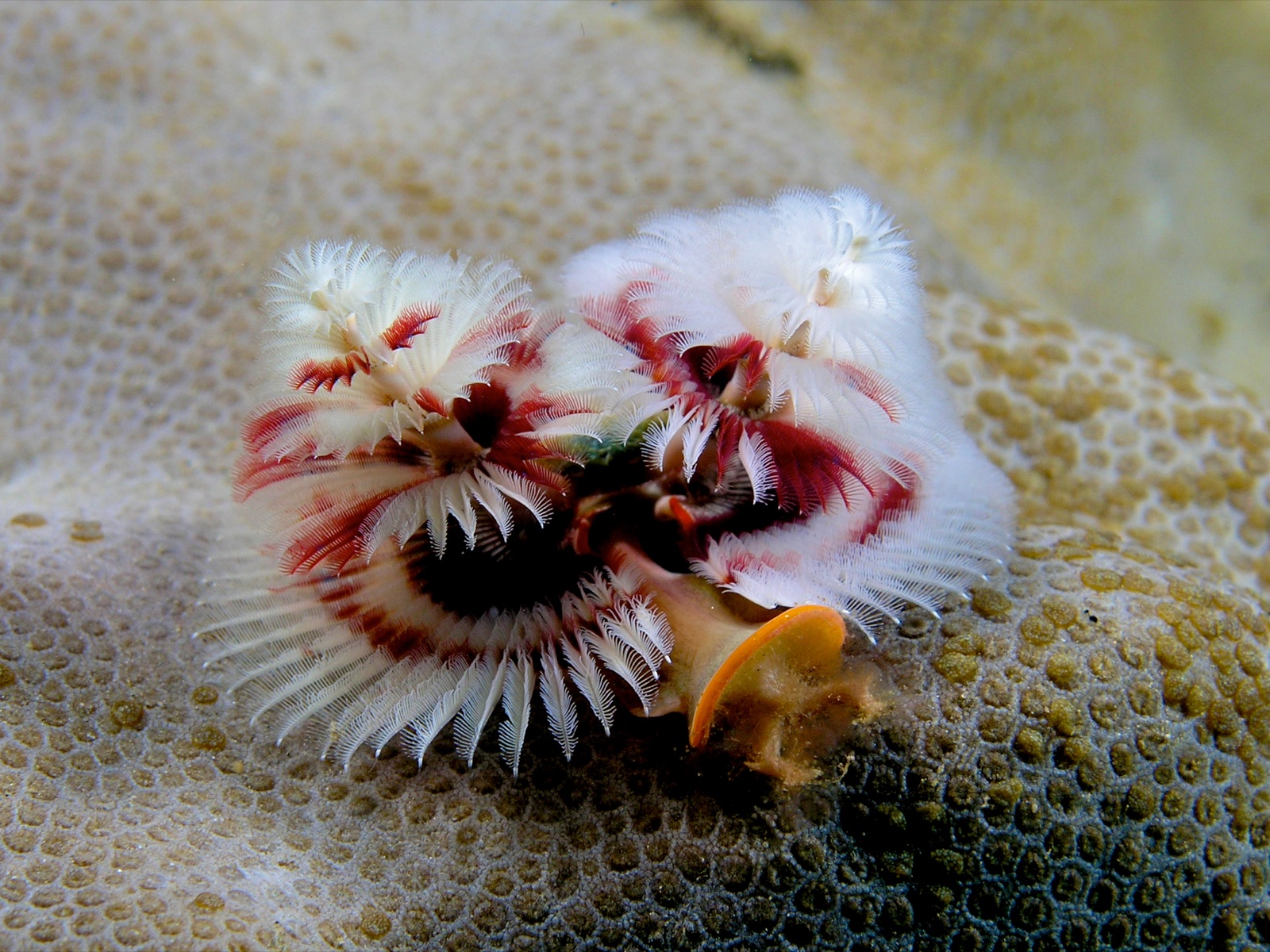
Christmas Tree Worm
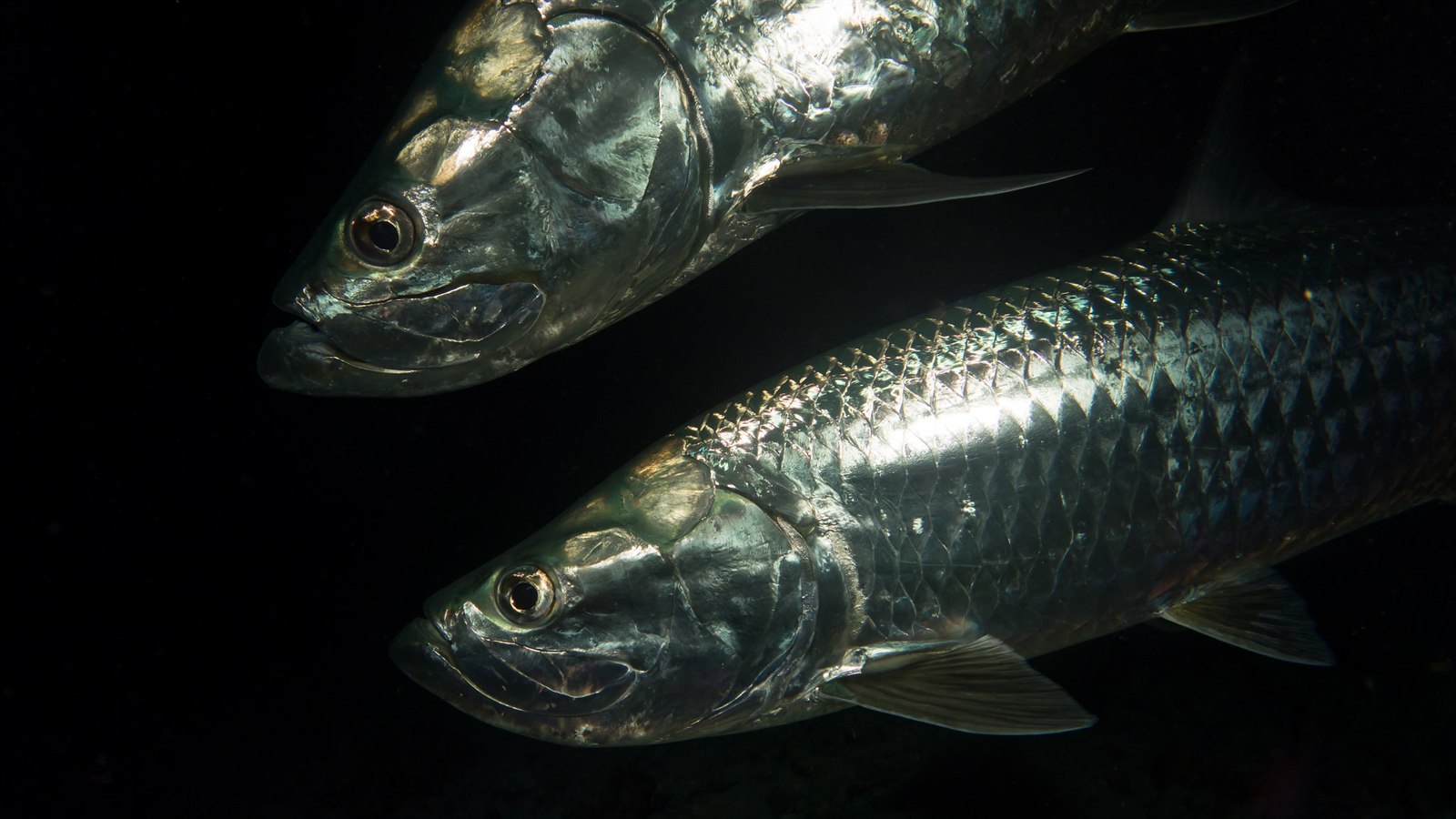
Atlantic Tarpon
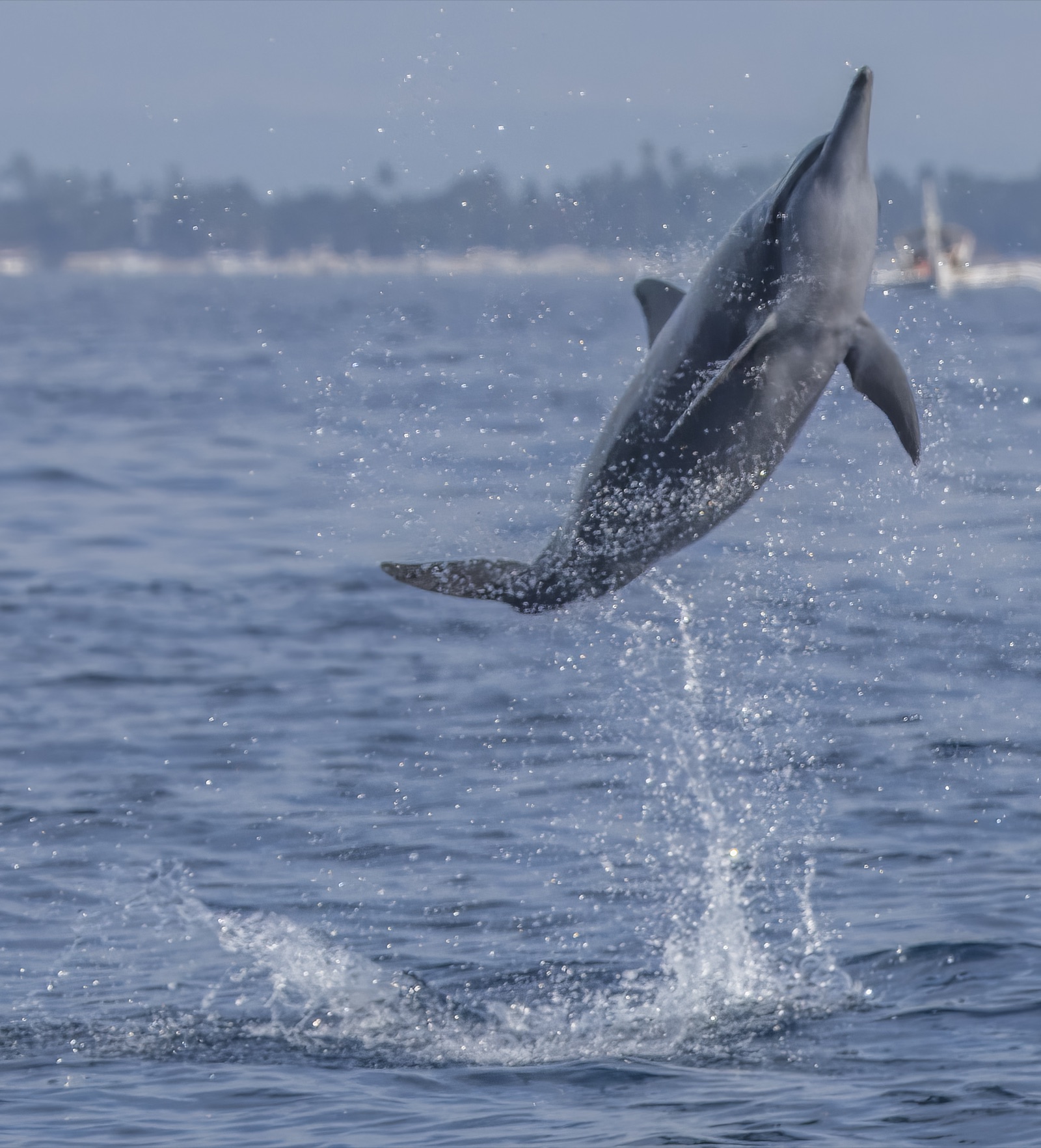
Spinner Dolphin
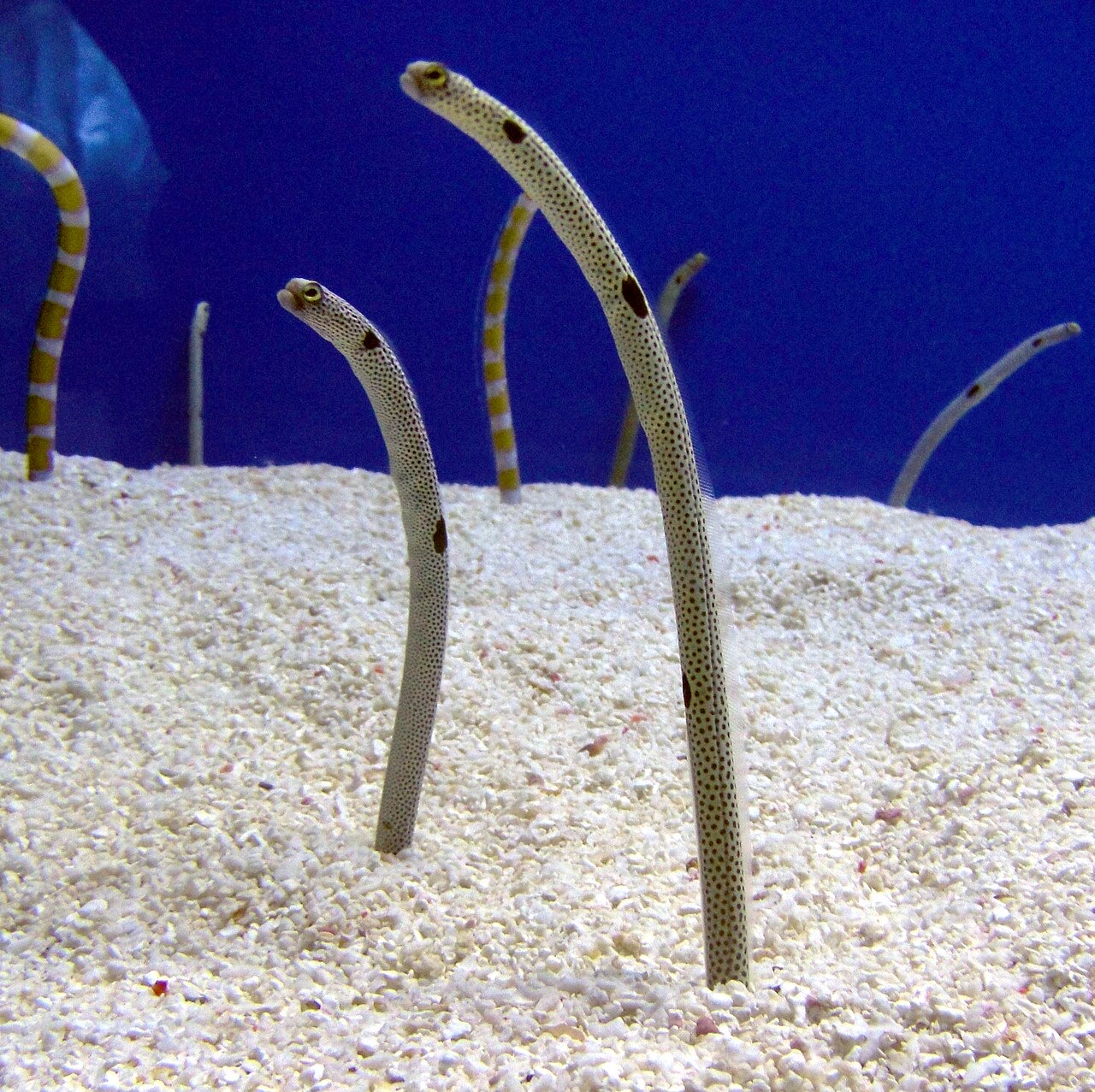
Garden Eel
Également observé à proximité
Les espèces « cartographiées ici » ont été répertoriées par nos éditeurs à partir des sources indiquées sur cette page. Les comptages correspondent aux occurrences GBIF : observations enregistrées dans un rayon d'environ 5 km autour de la position cartographiée depuis 1990, comparées uniquement aux espèces de notre catalogue. Ils indiquent ce qui a été observé à cet endroit, sans garantir ce que vous y verrez.
Pour les photographes
Grand angle: ★★★★☆ · Macro: ★★☆☆☆ (note 1–5 des éditeurs sur ce que ce site offre à chaque style de prise de vue)