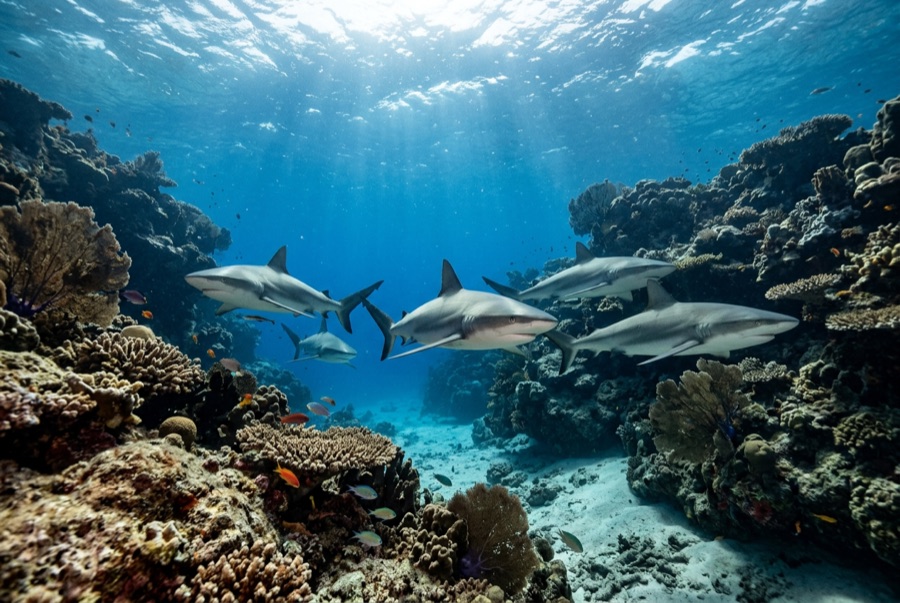
Goofnuw Channel
Depth is the range from the top of the site to its usual maximum; "recommended cert" is the mainstream-agency level operators usually ask for, not a legal rule. Currents and visibility change daily, so treat everything here as planning ranges.
When the northwest side goes quiet in the middle of the year, Yap's mantas commute to Goofnuw Channel on the island's opposite coast, and the dive follows them. The stretch guides call the Valley of the Rays holds a string of coral-head cleaning stations where mantas hover with gills flared while wrasses pick them over: slower, calmer behavior than the winter courtship, and often at shallower depths that stretch bottom time. Divers park on sand, cameras braced, and wait out the rotation as animals cycle between stations. Eagle rays and reef sharks pass through on the tide as supporting cast.
The moment you come for: Cleaning-station manta encounters at their mid-year best; long, shallow observation time; eagle rays transiting the channel.
Topography: Sandy channel with scattered coral heads worked by cleaner wrasse
Current: Tide-driven; the incoming phase brings cleaner ocean water and the most manta activity.
Entry: Northeast-coast channel reached through the mangroves from Colonia; dives set up on the cleaning stations inside.
Know before you splash
Hazards: Tidal current; visibility drops on the outgoing phase; long boat-and-channel transit in weather.
Conservation: The cleaning stations are working infrastructure for the manta population: never rest on the coral heads or crowd an occupied station.
Who you'll meet
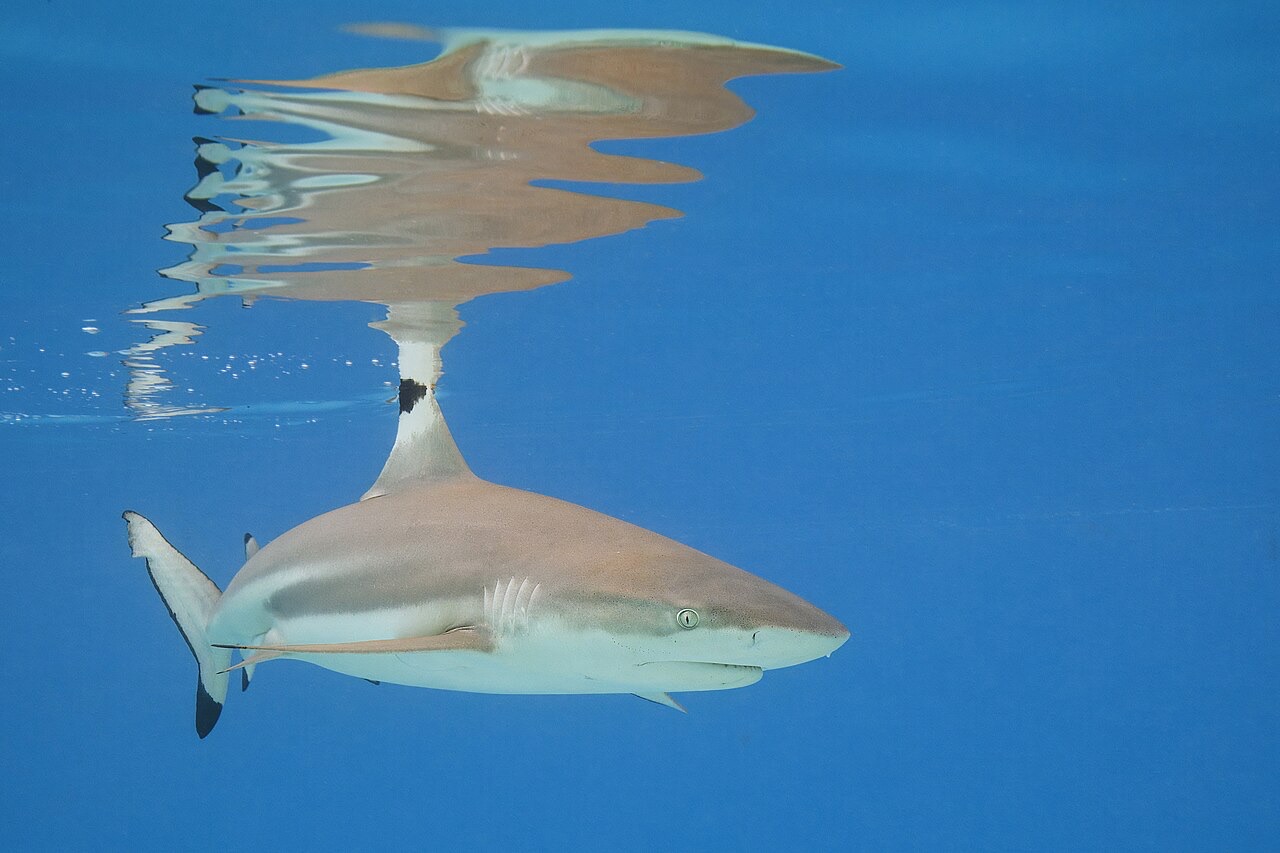
Blacktip Reef Shark
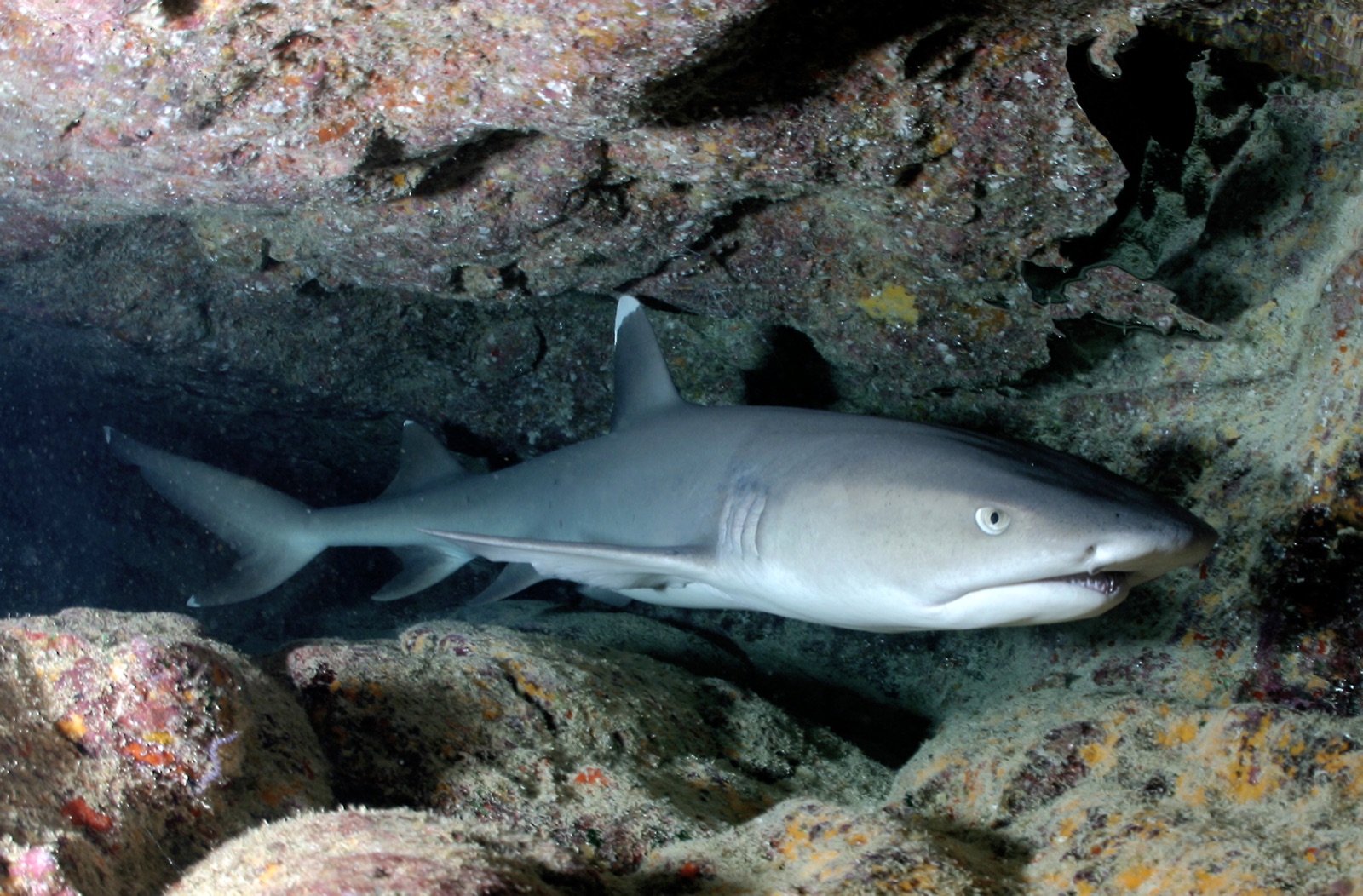
Whitetip Reef Shark
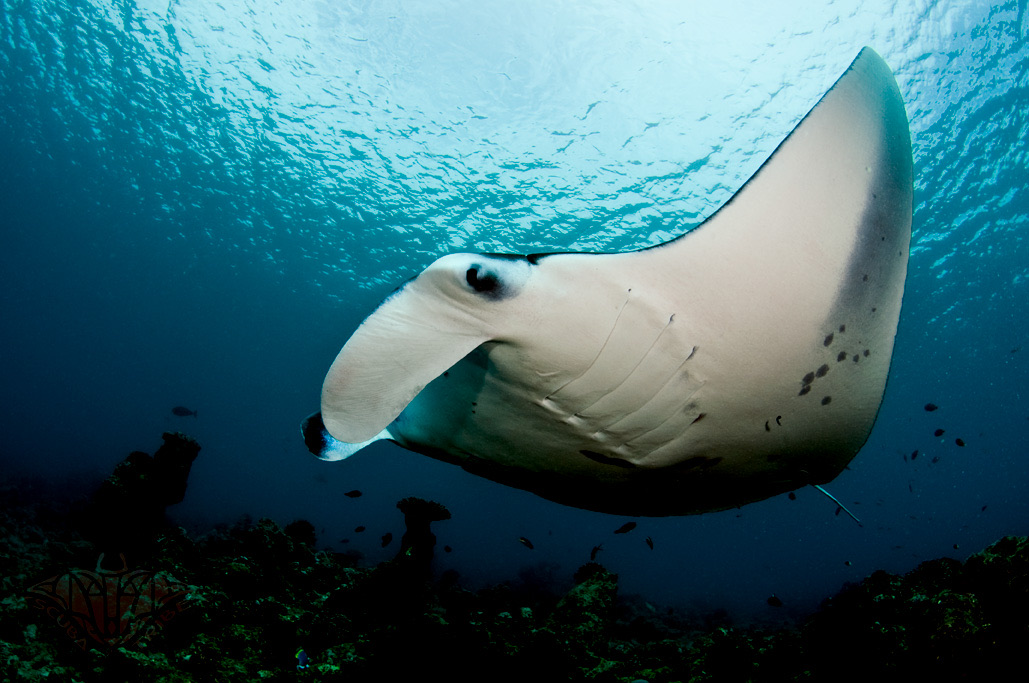
Reef Manta Ray
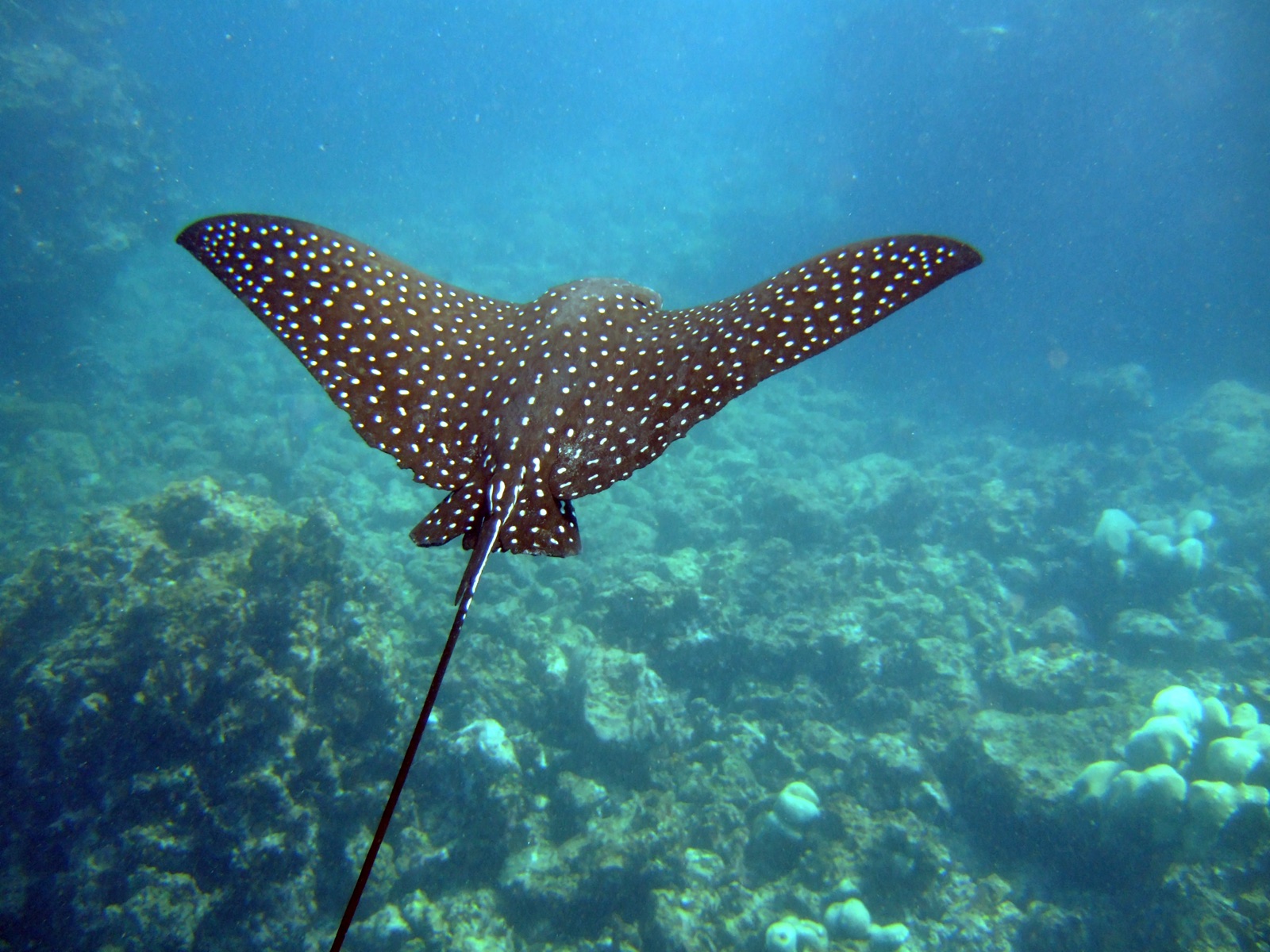
Spotted Eagle Ray
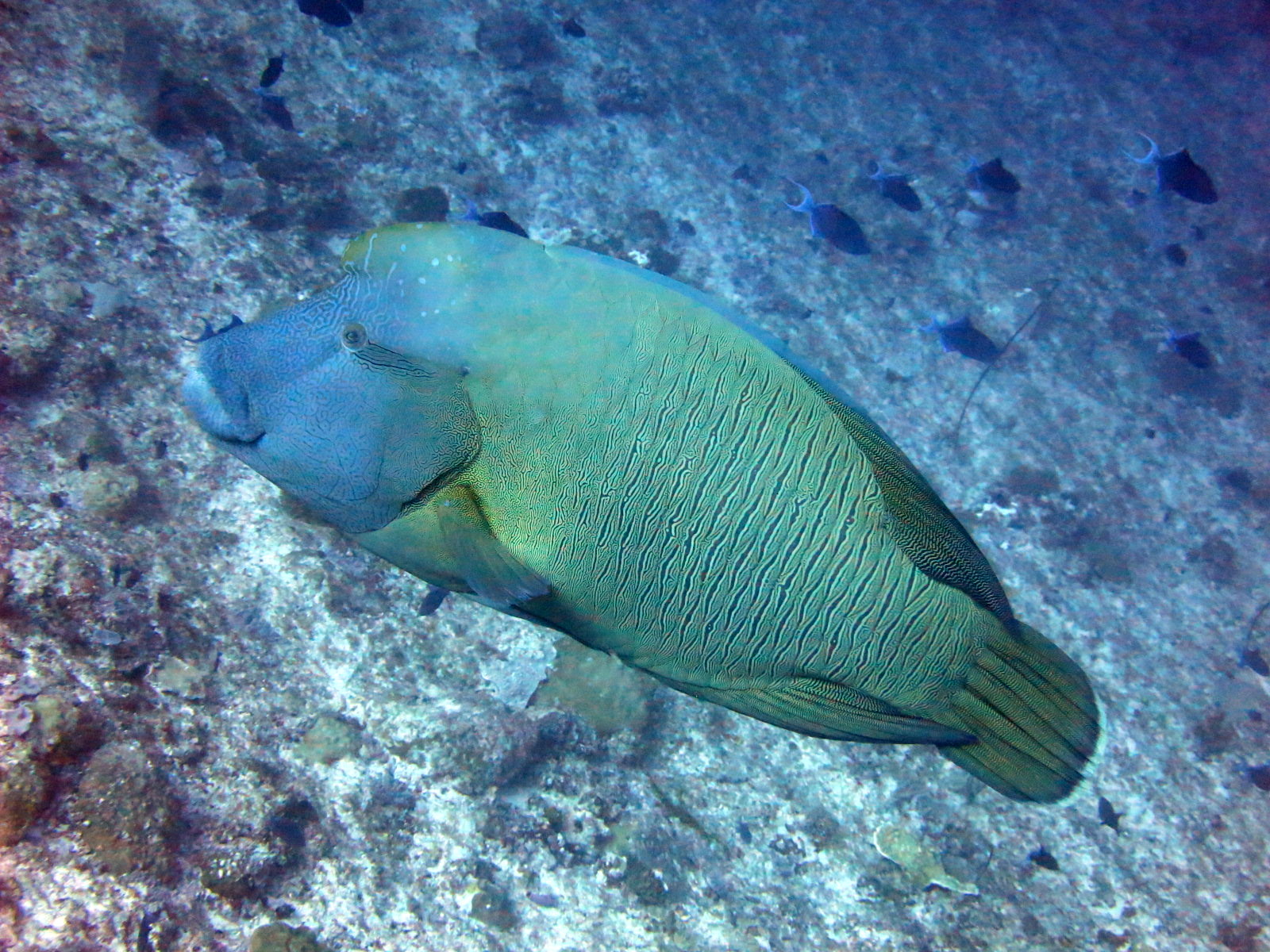
Napoleon (Humphead) Wrasse
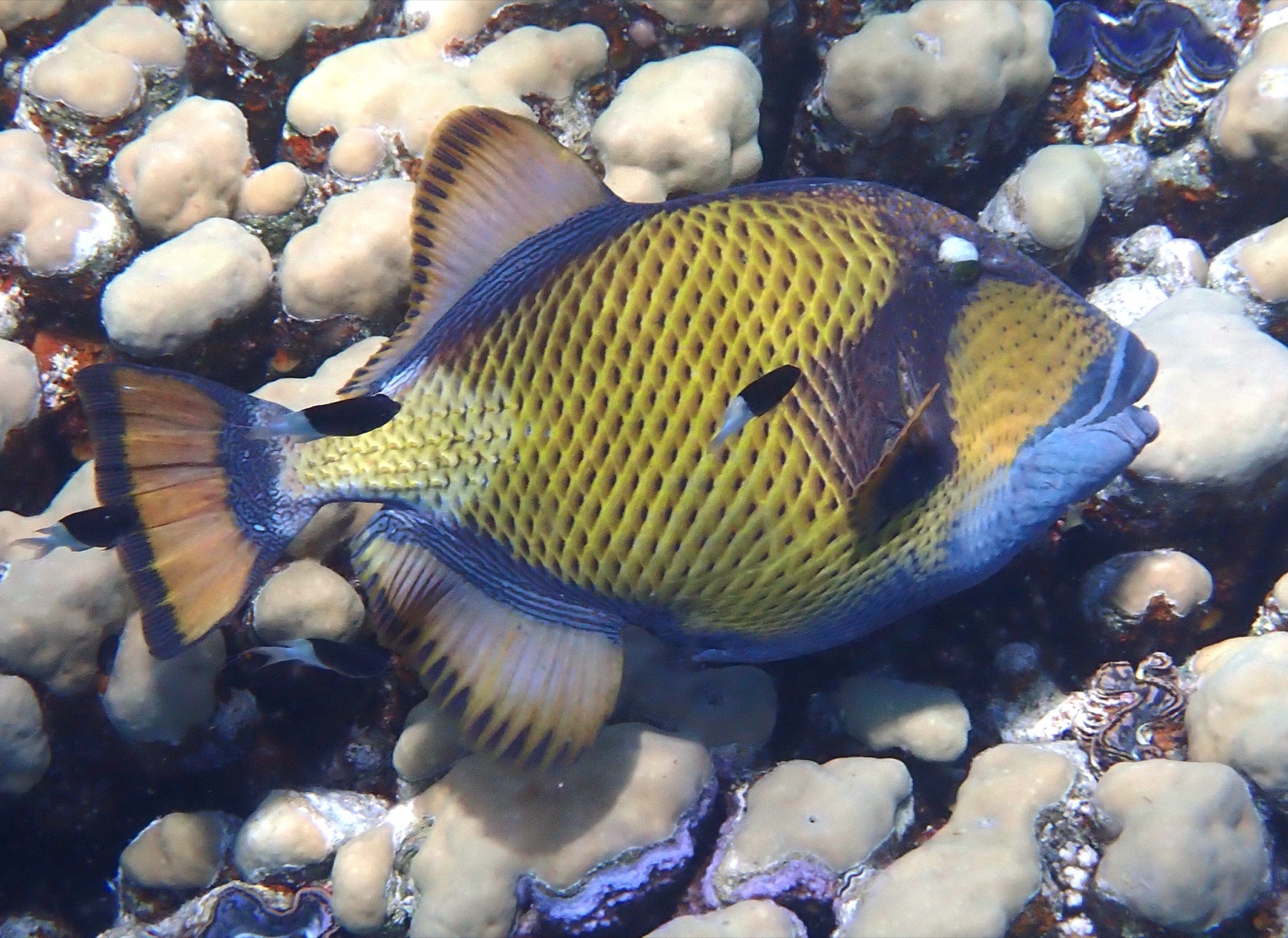
Titan Triggerfish
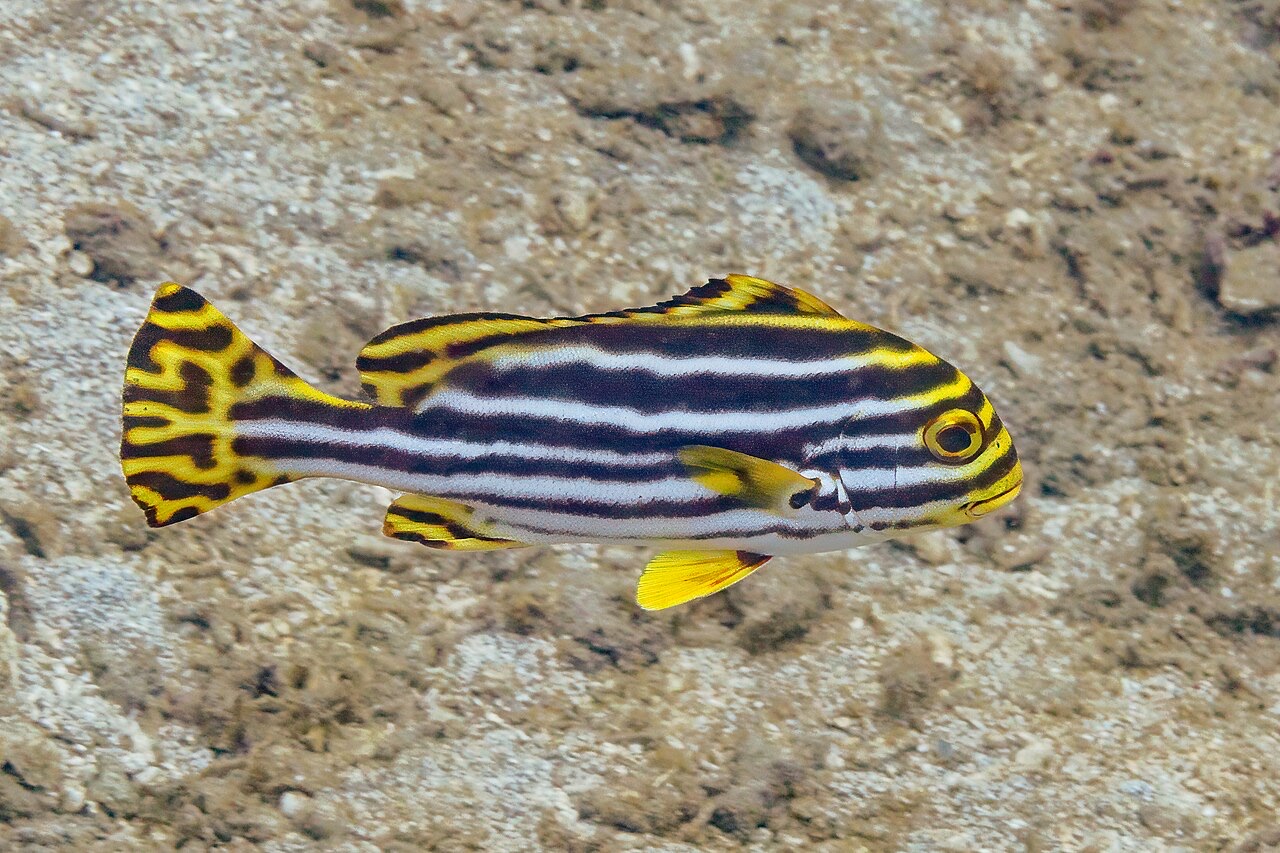
Oriental Sweetlips
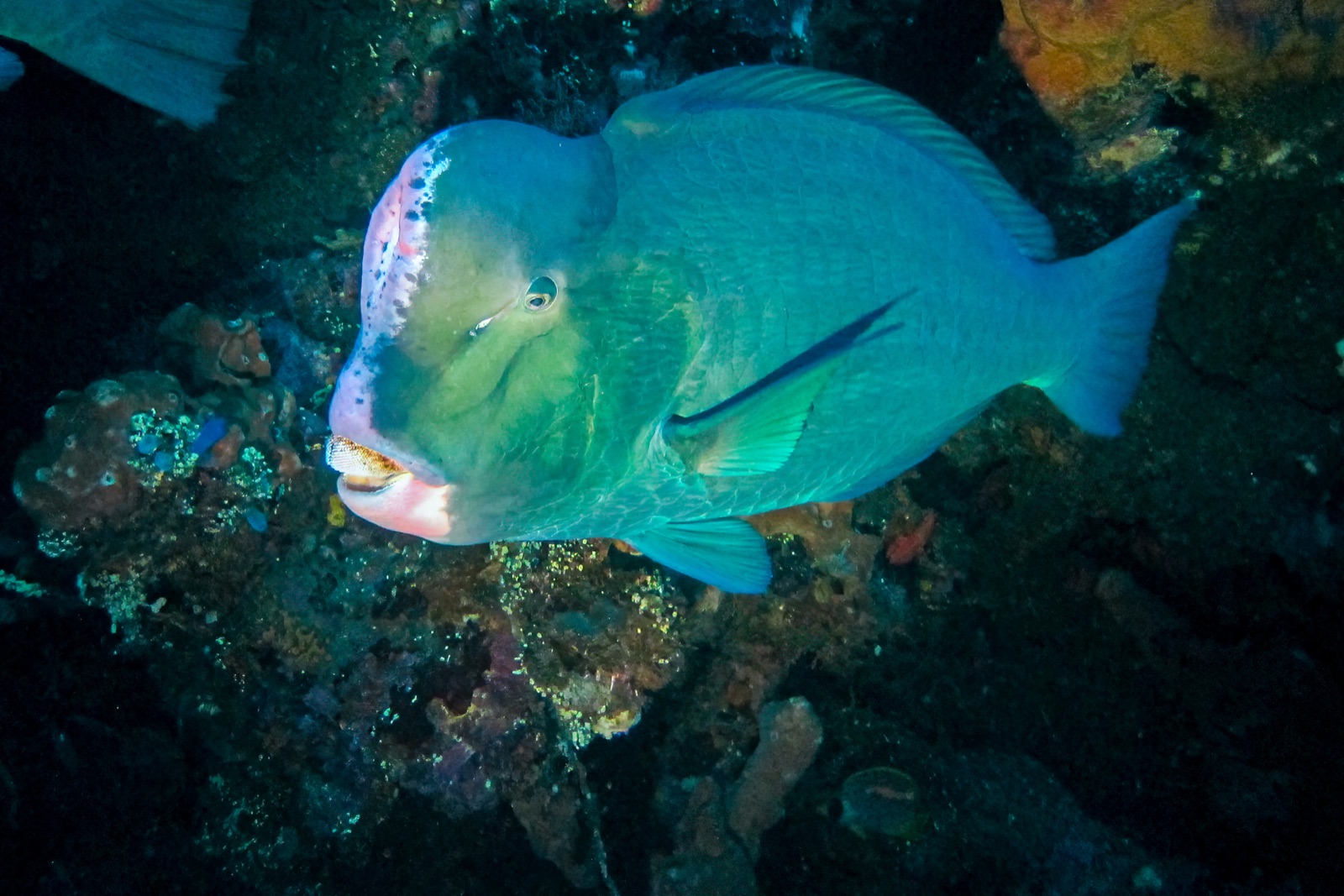
Bumphead Parrotfish
Also recorded nearby
"Charted here" species were listed by our editors from the sources on this page. Counts are GBIF occurrence records: observations logged within about 5 km of the charted position since 1990, matched only against the species in our catalogue. They show what has been seen there, not a promise of what you will see.
For photographers
Wide angle: ★★★★☆ · Macro: ★☆☆☆☆ (editors' 1–5 rating of what this site gives each style of shooting)