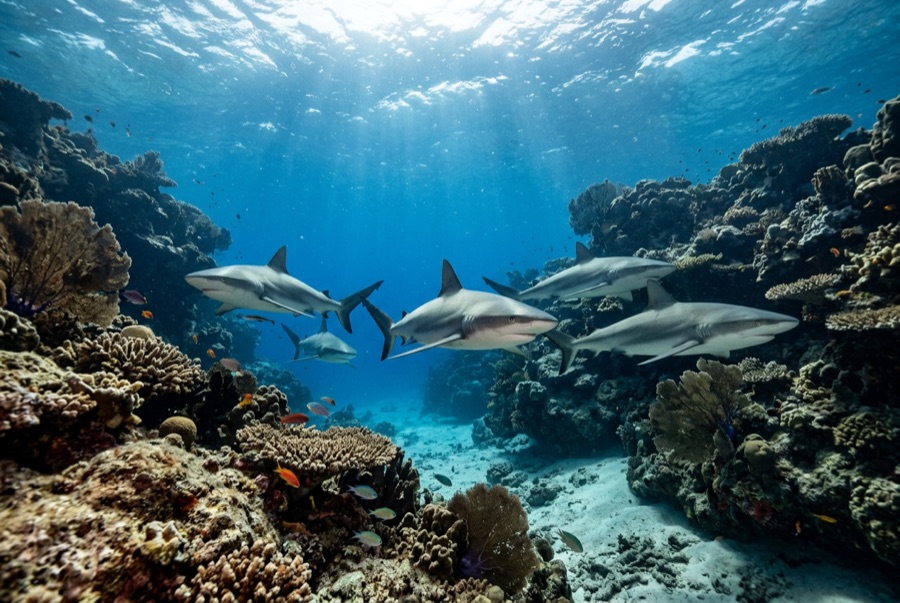
Goofnuw Channel
La profundidad es el rango desde la cima del punto de buceo hasta su máximo habitual; la "certificación recomendada" es el nivel que los operadores suelen pedir según las agencias principales, no una norma legal. Las corrientes y la visibilidad cambian a diario, así que trata todo esto como rangos de planificación.
When the northwest side goes quiet in the middle of the year, Yap's mantas commute to Goofnuw Channel on the island's opposite coast, and the dive follows them. The stretch guides call the Valley of the Rays holds a string of coral-head cleaning stations where mantas hover with gills flared while wrasses pick them over: slower, calmer behavior than the winter courtship, and often at shallower depths that stretch bottom time. Divers park on sand, cameras braced, and wait out the rotation as animals cycle between stations. Eagle rays and reef sharks pass through on the tide as supporting cast.
El momento por el que vienes: Cleaning-station manta encounters at their mid-year best; long, shallow observation time; eagle rays transiting the channel.
Topografía: Sandy channel with scattered coral heads worked by cleaner wrasse
Corriente: Tide-driven; the incoming phase brings cleaner ocean water and the most manta activity.
Entrada: Northeast-coast channel reached through the mangroves from Colonia; dives set up on the cleaning stations inside.
Lo que debes saber antes de tirarte al agua
Riesgos: Tidal current; visibility drops on the outgoing phase; long boat-and-channel transit in weather.
Conservación: The cleaning stations are working infrastructure for the manta population: never rest on the coral heads or crowd an occupied station.
A quién encontrarás
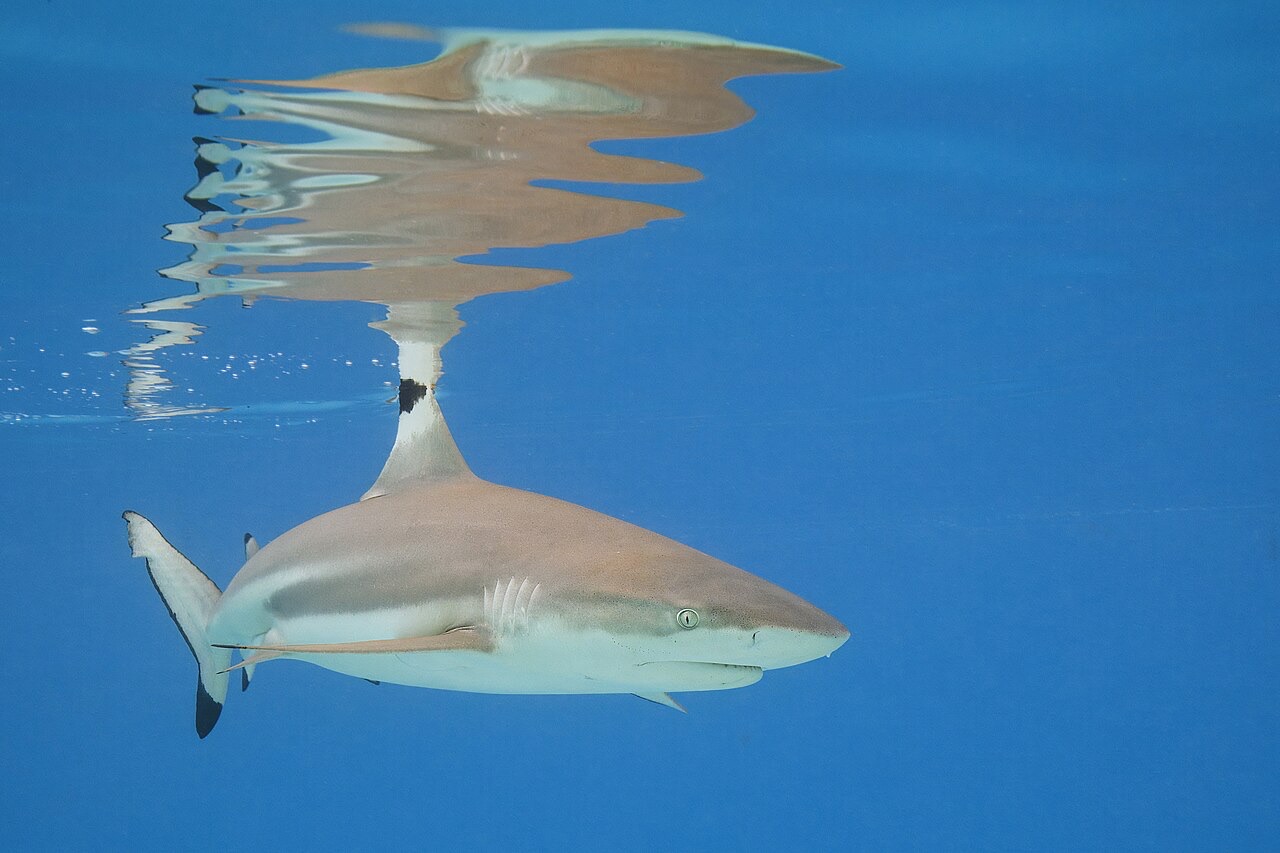
Blacktip Reef Shark
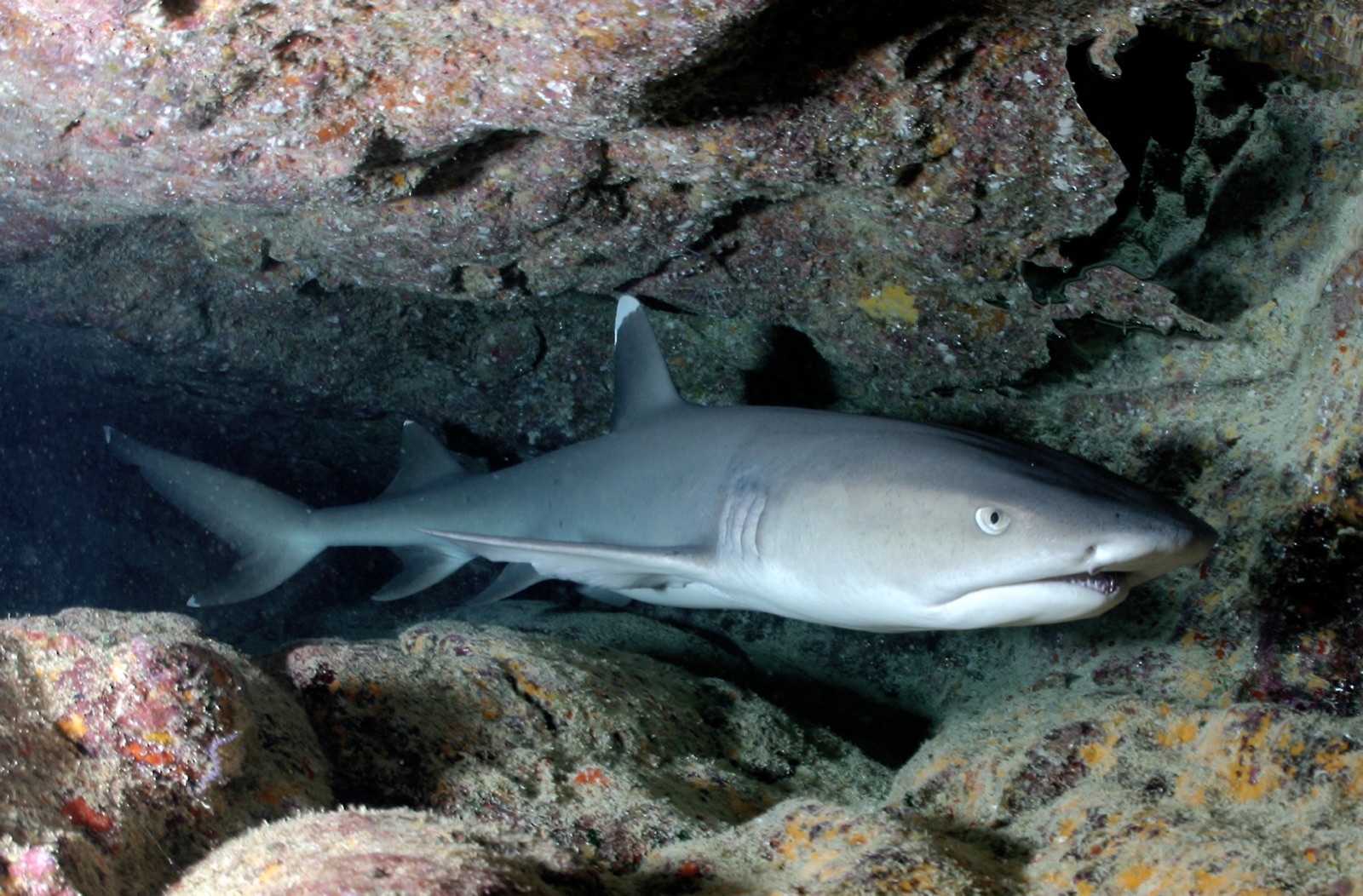
Whitetip Reef Shark
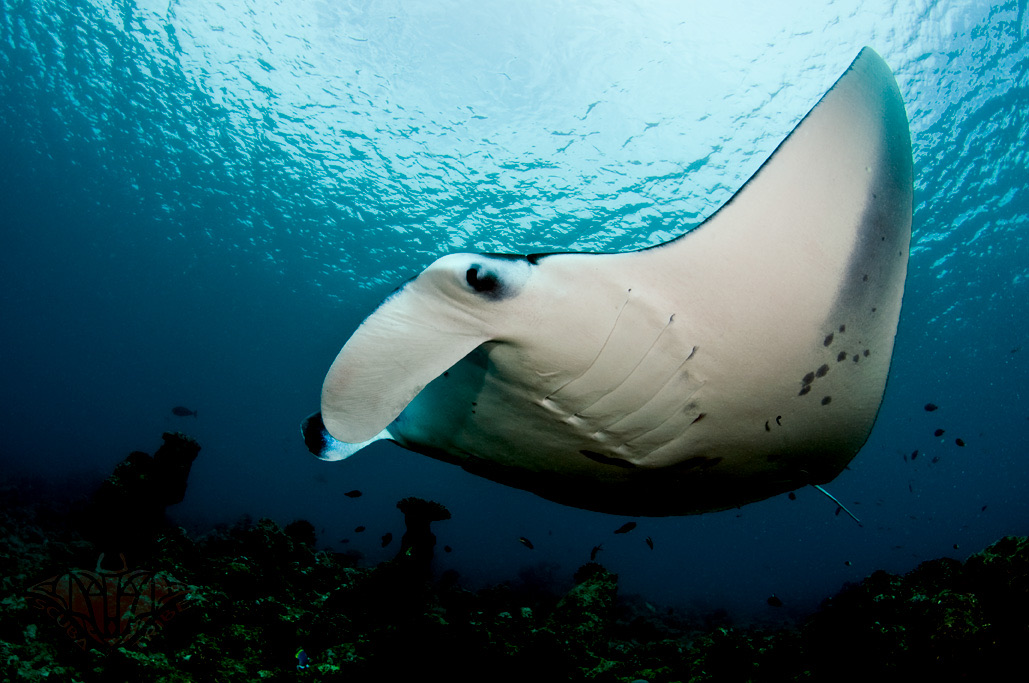
Reef Manta Ray
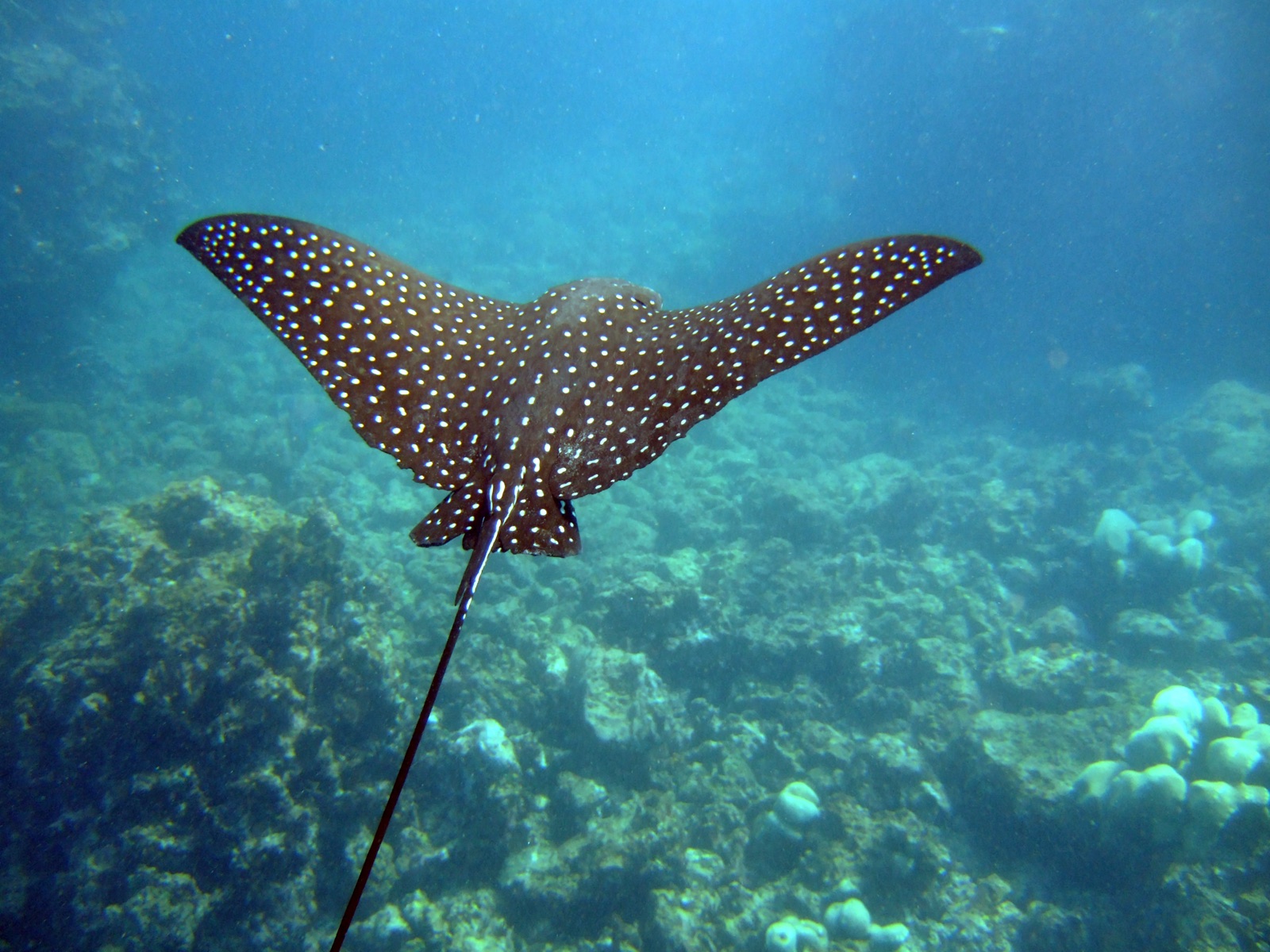
Spotted Eagle Ray
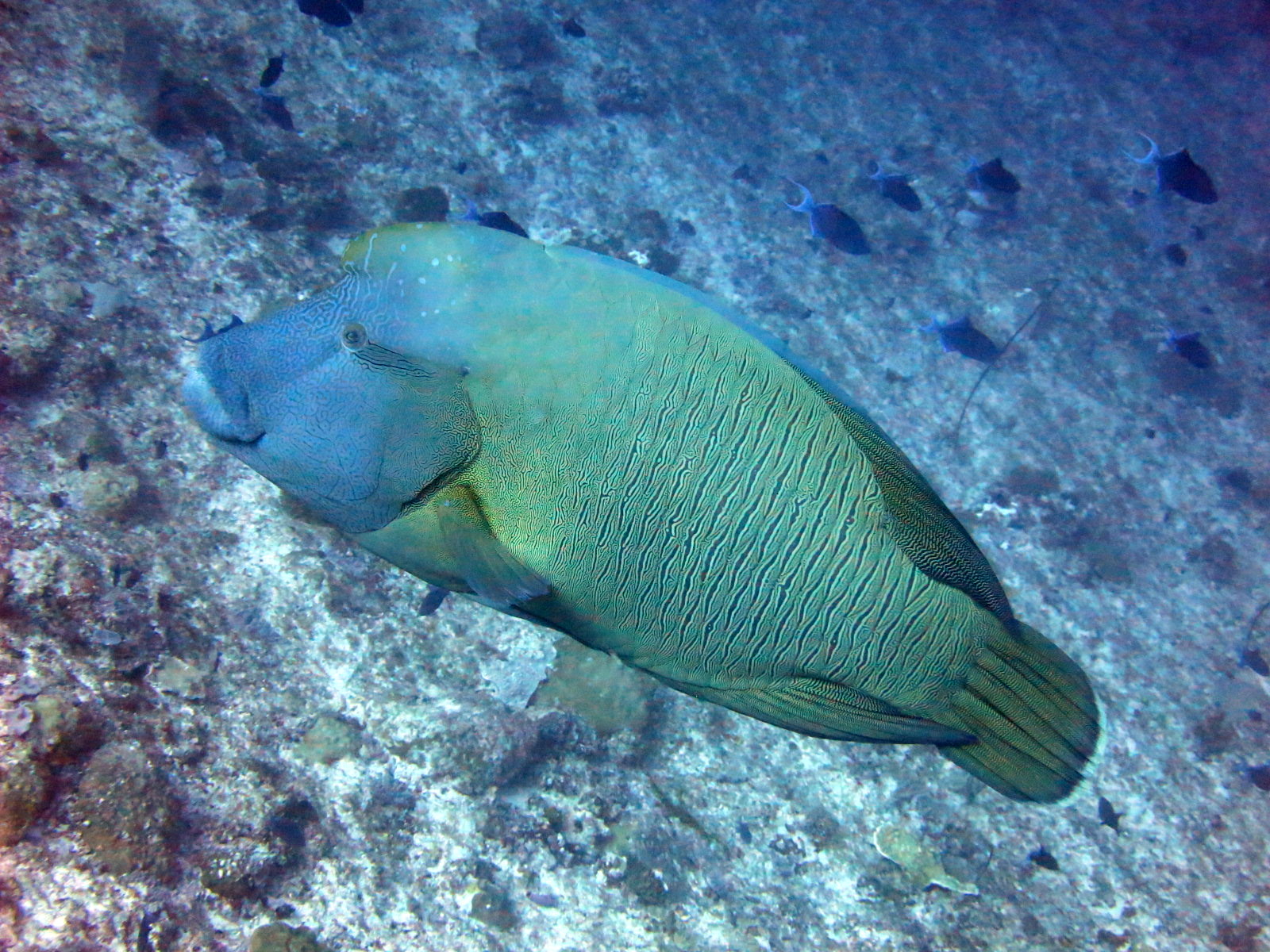
Napoleon (Humphead) Wrasse
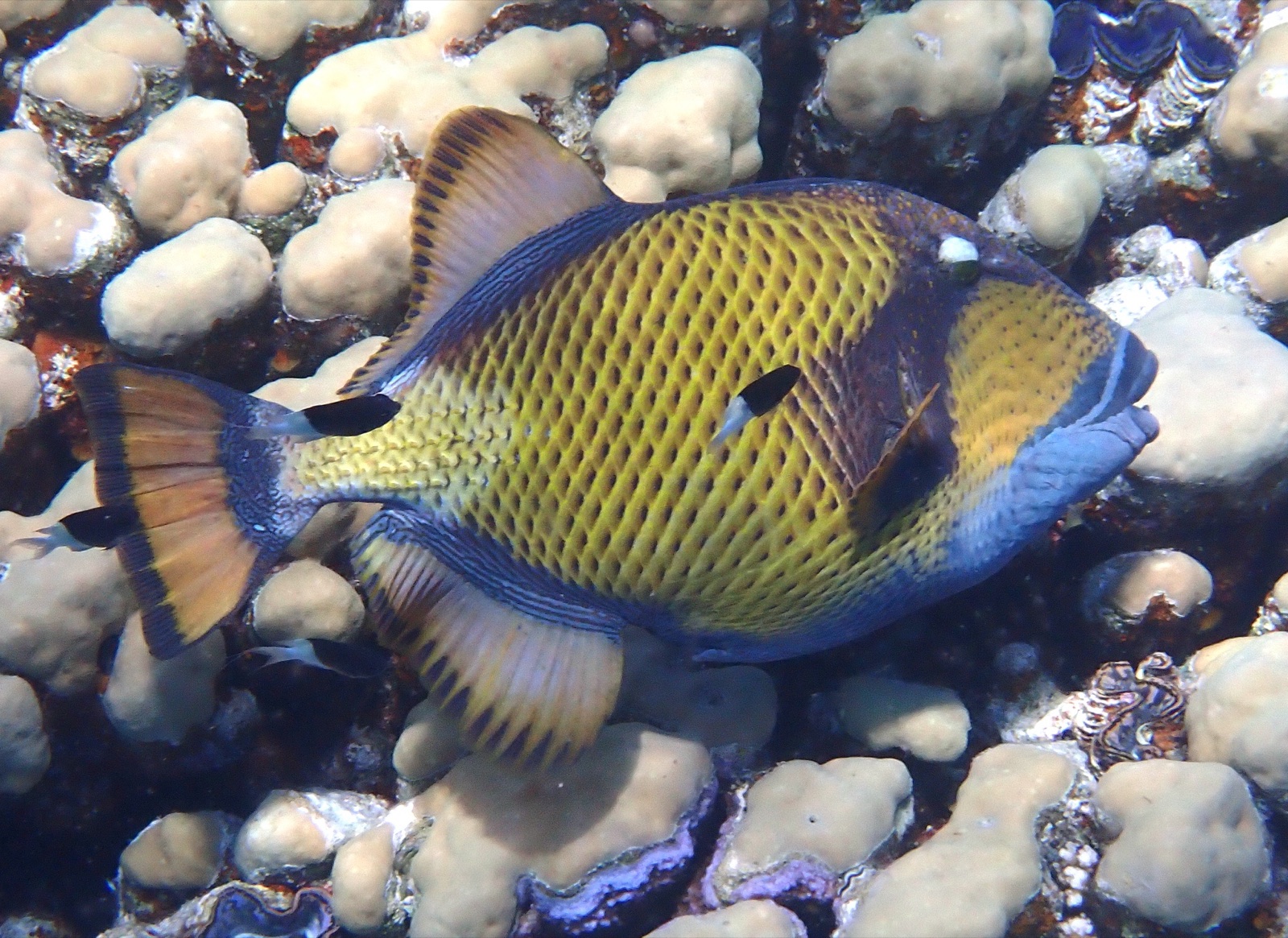
Titan Triggerfish
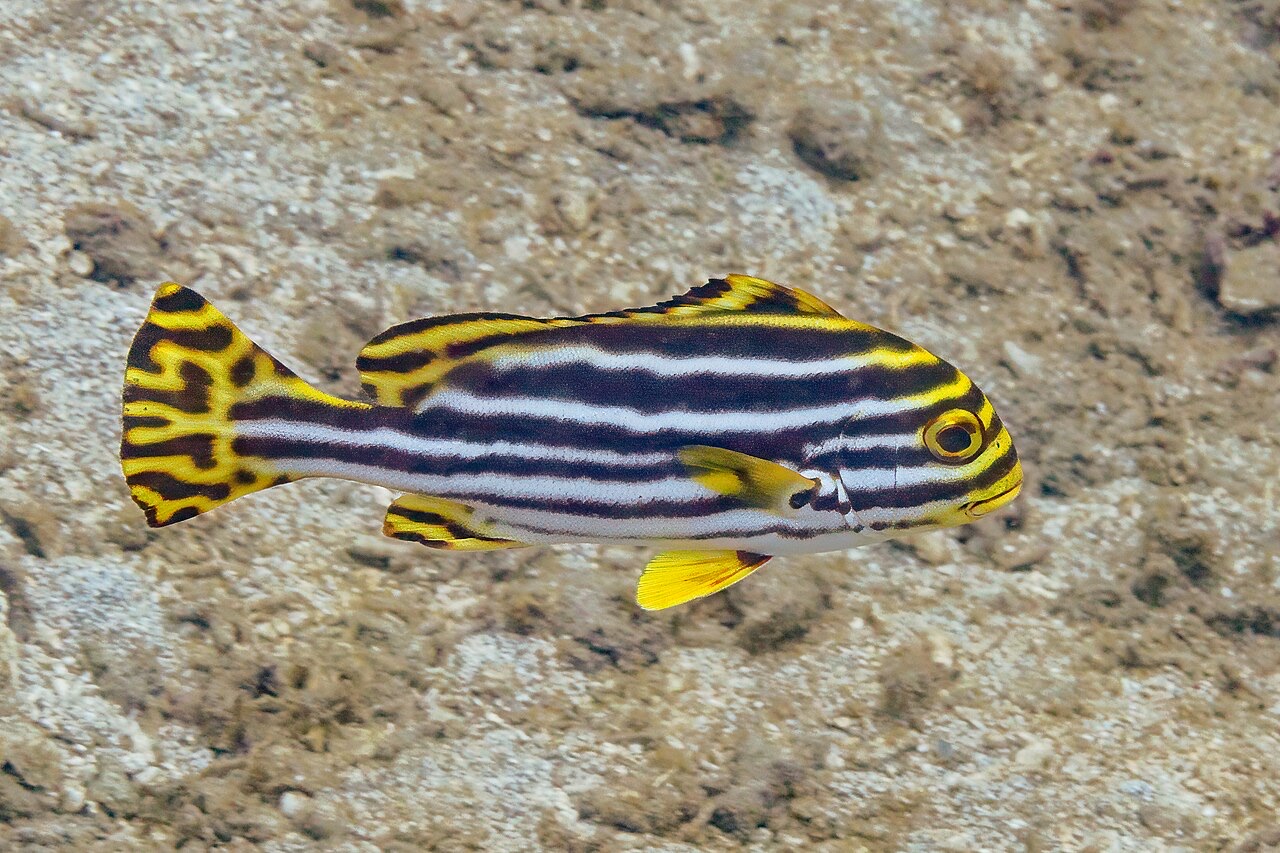
Oriental Sweetlips
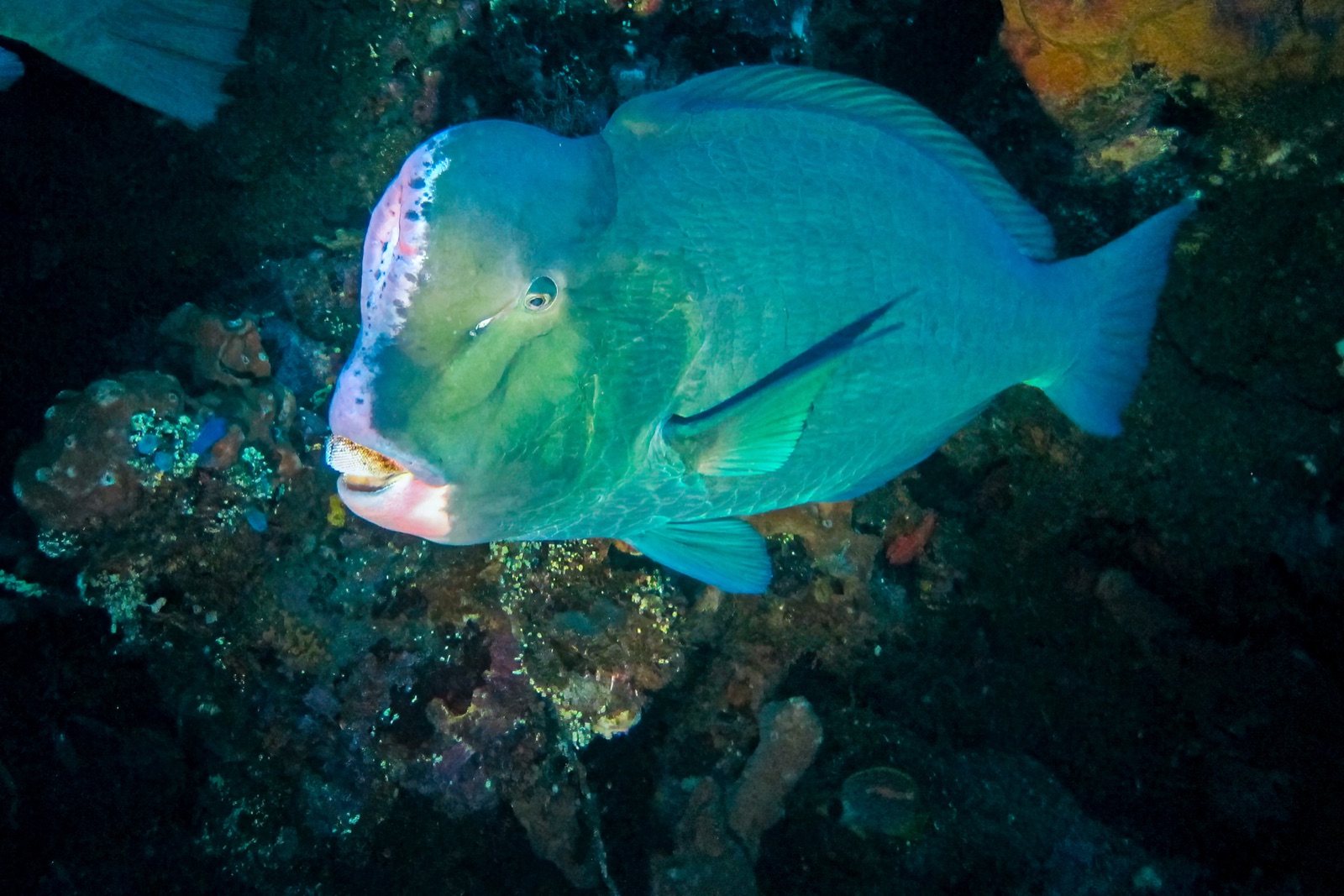
Bumphead Parrotfish
También registrado cerca
Las especies "aquí registradas" fueron añadidas por nuestros editores a partir de las fuentes de esta página. Los recuentos son registros de ocurrencia de GBIF: observaciones anotadas en un radio de unos 5 km de la posición registrada desde 1990, cotejadas únicamente con las especies de nuestro catálogo. Muestran lo que se ha avistado allí, no una garantía de lo que verás.
Para fotógrafos
Gran angular: ★★★★☆ · Macro: ★☆☆☆☆ (valoración de 1 a 5 de los editores sobre lo que ofrece este sitio para cada estilo de fotografía)