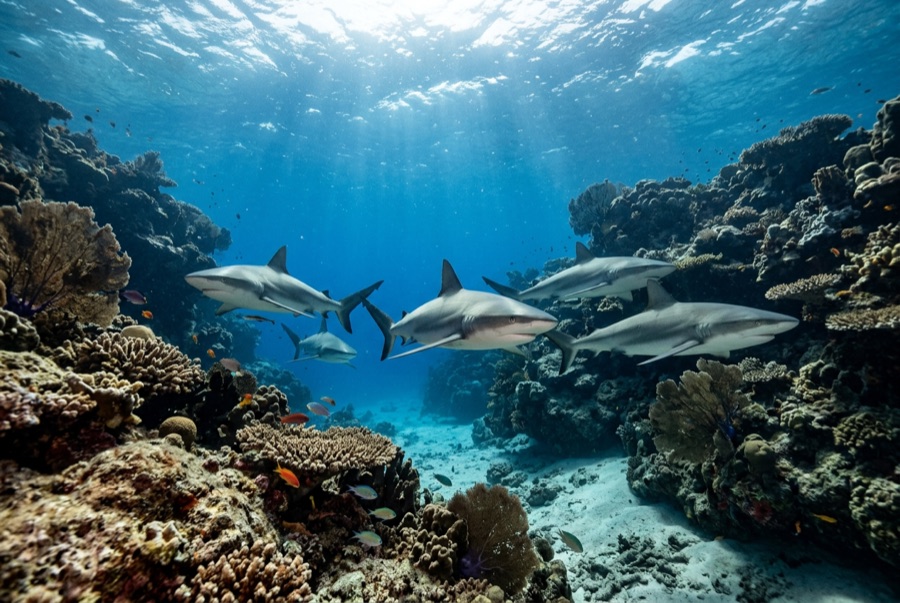
Goofnuw Channel
La profondeur correspond à la plage allant du sommet du site jusqu'à son maximum habituel ; le « niveau recommandé » est le niveau demandé en général par les opérateurs auprès des grandes agences, pas une règle légale. Les courants et la visibilité varient chaque jour, traitez donc tout cela comme des plages indicatives de planification.
When the northwest side goes quiet in the middle of the year, Yap's mantas commute to Goofnuw Channel on the island's opposite coast, and the dive follows them. The stretch guides call the Valley of the Rays holds a string of coral-head cleaning stations where mantas hover with gills flared while wrasses pick them over: slower, calmer behavior than the winter courtship, and often at shallower depths that stretch bottom time. Divers park on sand, cameras braced, and wait out the rotation as animals cycle between stations. Eagle rays and reef sharks pass through on the tide as supporting cast.
Le moment pour lequel vous venez: Cleaning-station manta encounters at their mid-year best; long, shallow observation time; eagle rays transiting the channel.
Topographie: Sandy channel with scattered coral heads worked by cleaner wrasse
Courant: Tide-driven; the incoming phase brings cleaner ocean water and the most manta activity.
Entrée: Northeast-coast channel reached through the mangroves from Colonia; dives set up on the cleaning stations inside.
À savoir avant de plonger
Dangers: Tidal current; visibility drops on the outgoing phase; long boat-and-channel transit in weather.
Conservation: The cleaning stations are working infrastructure for the manta population: never rest on the coral heads or crowd an occupied station.
Qui vous croiserez
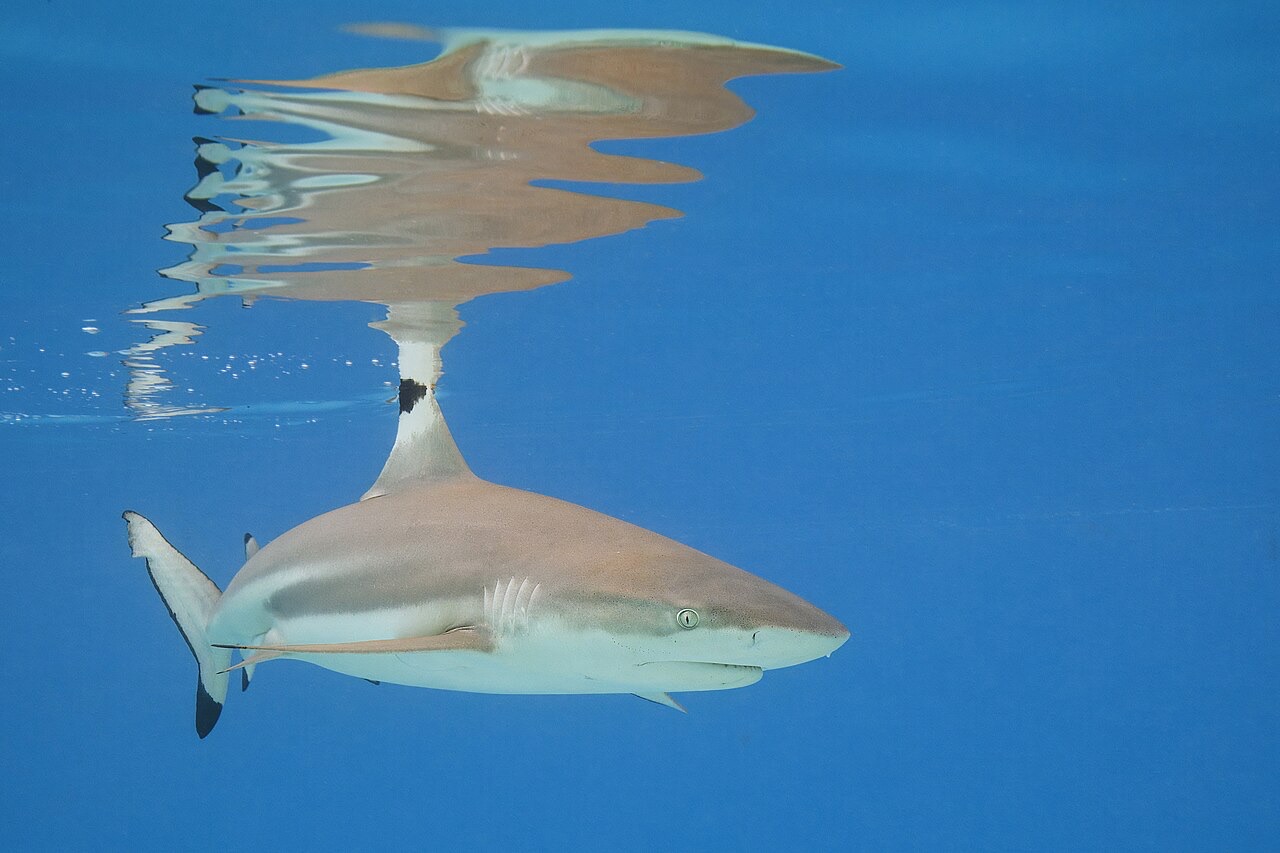
Blacktip Reef Shark
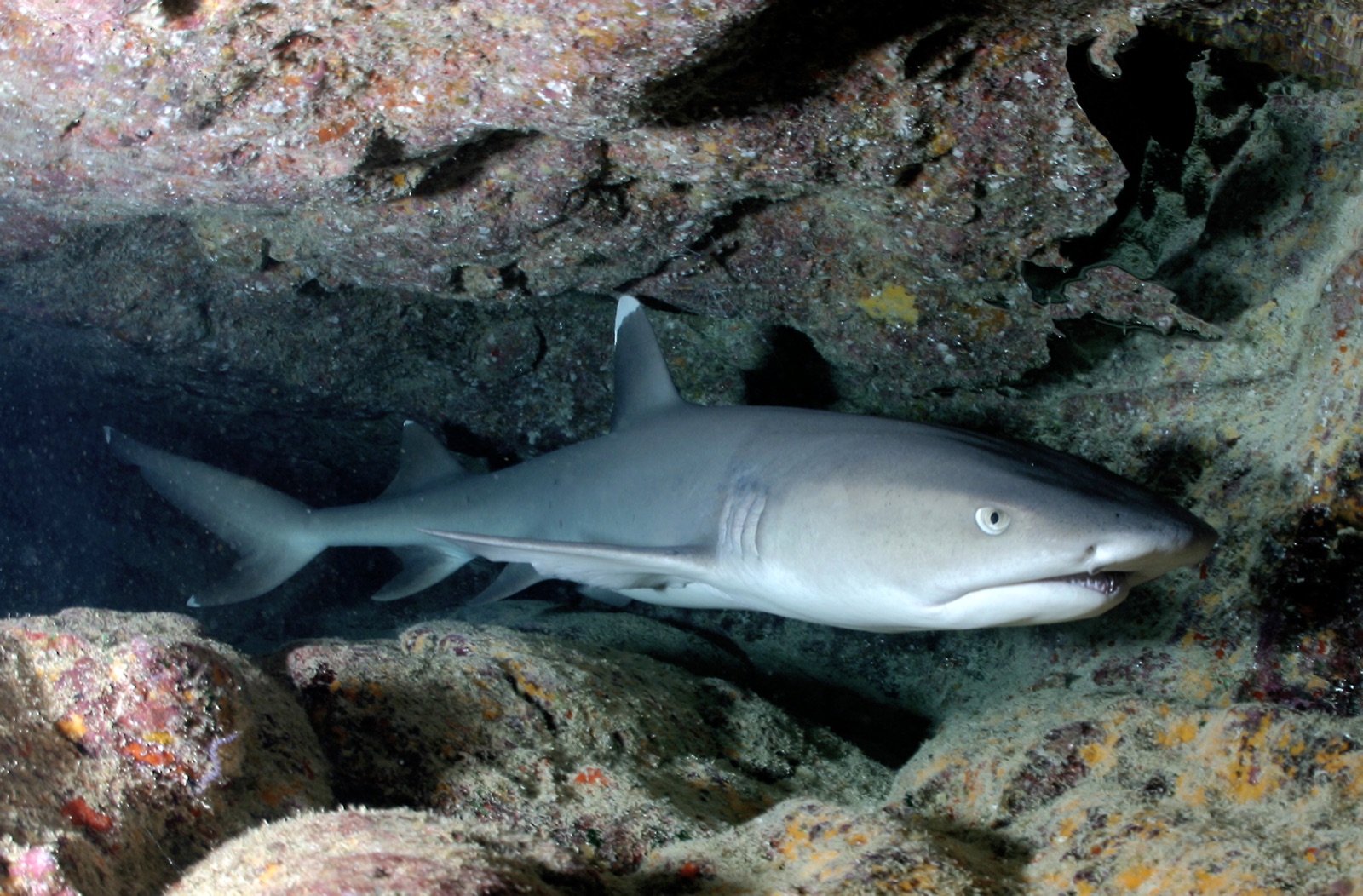
Whitetip Reef Shark
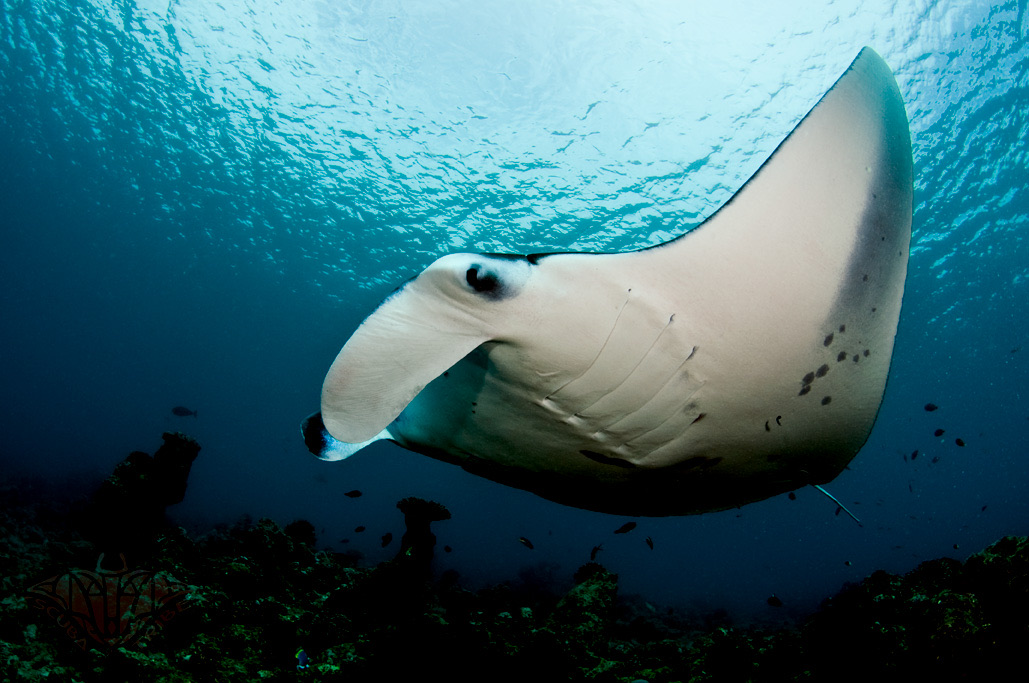
Reef Manta Ray
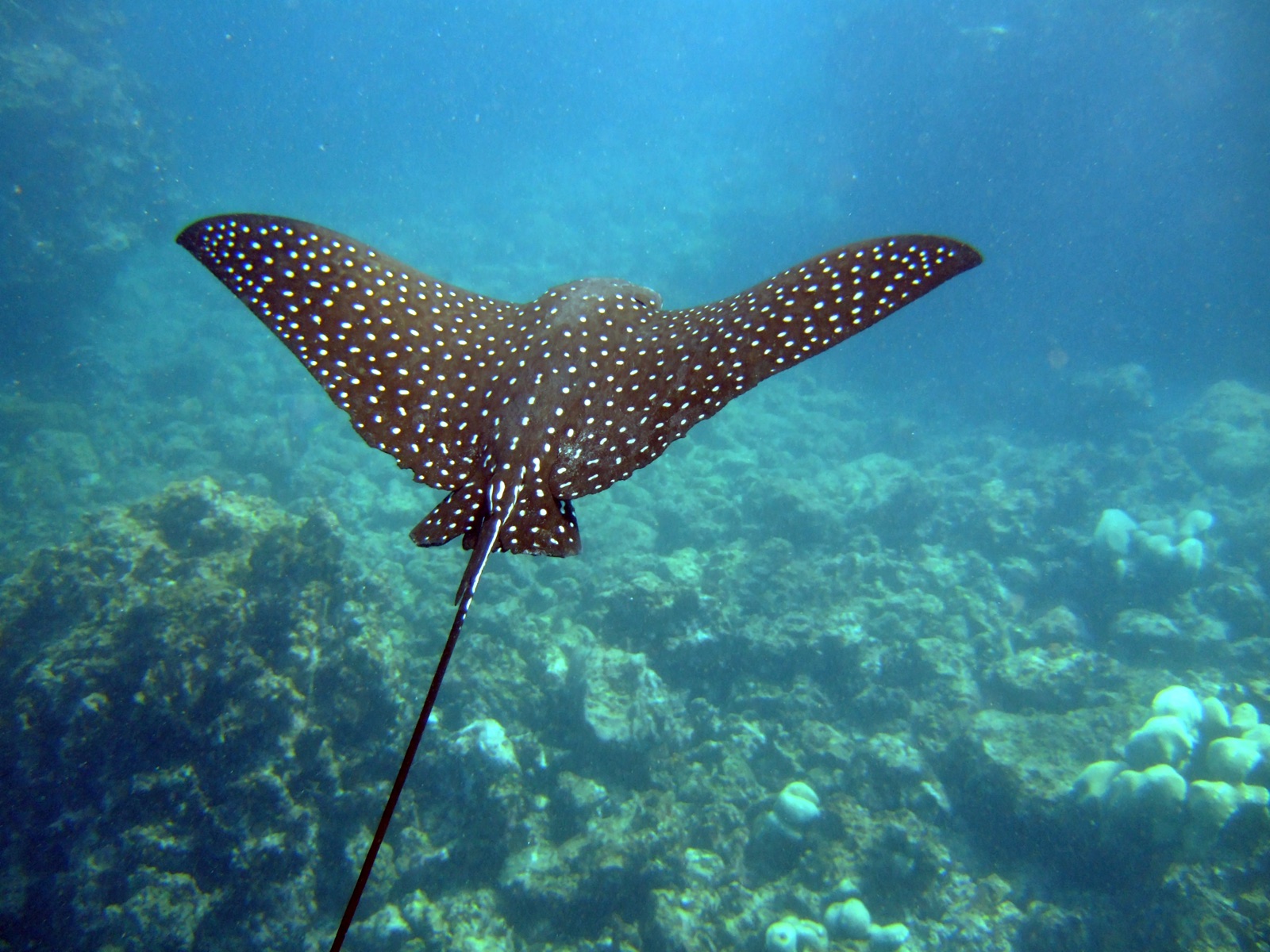
Spotted Eagle Ray
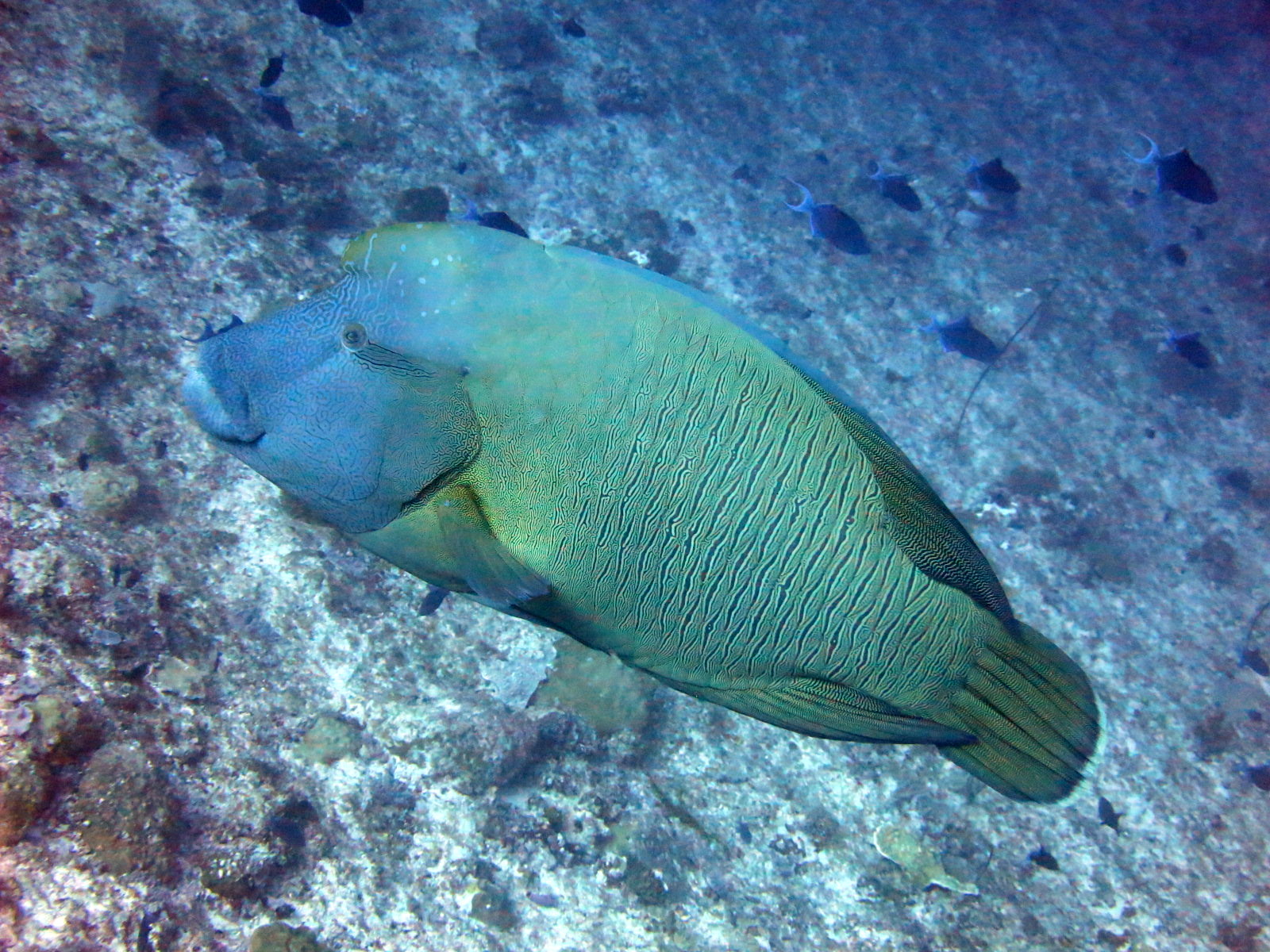
Napoleon (Humphead) Wrasse
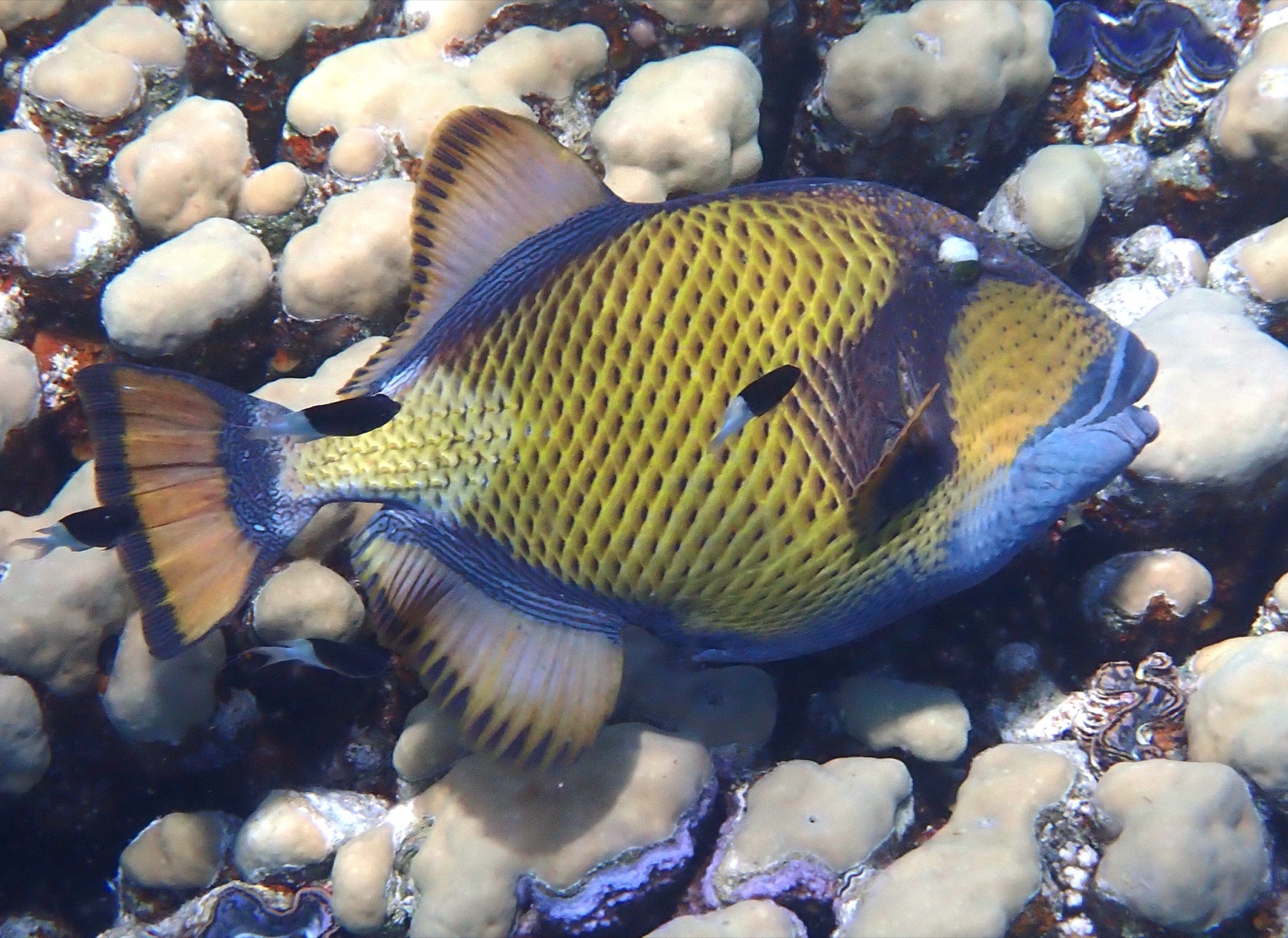
Titan Triggerfish
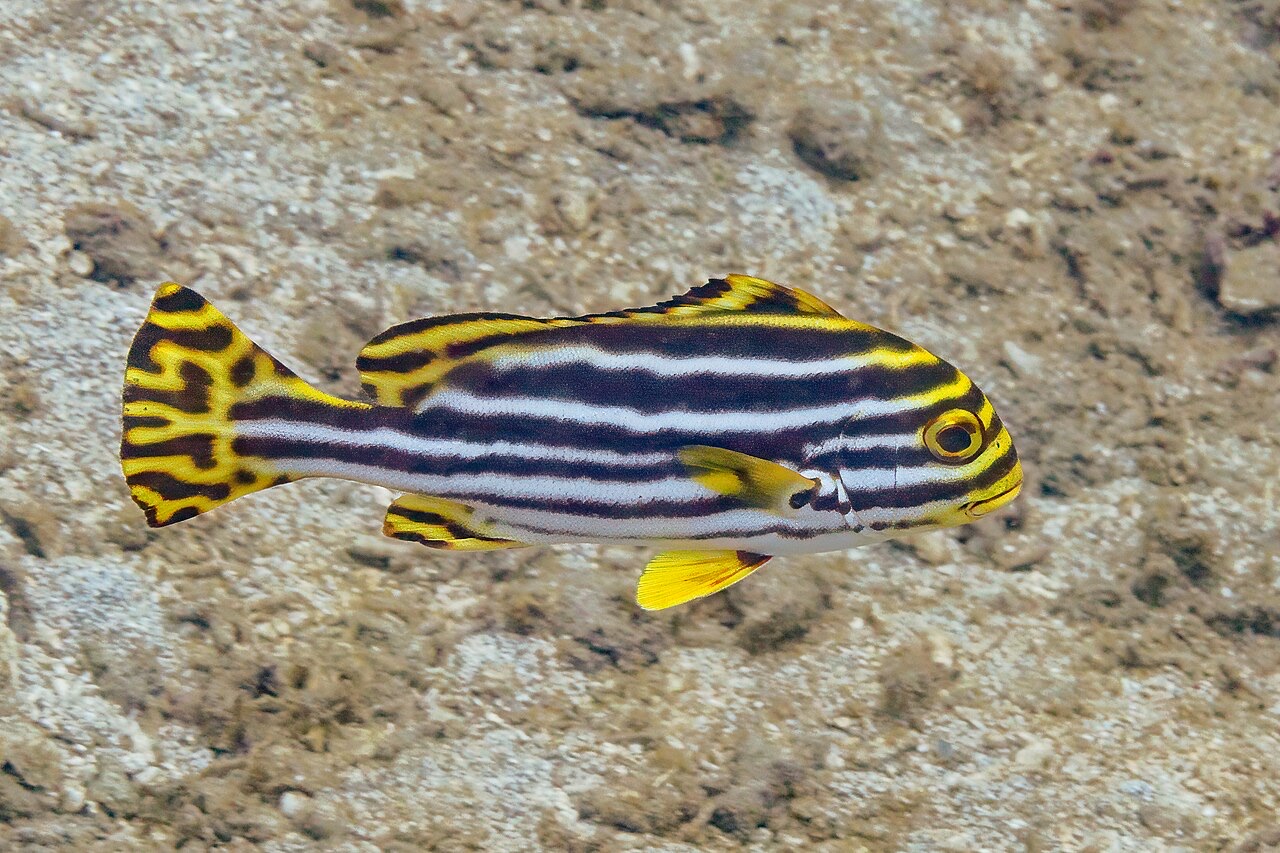
Oriental Sweetlips
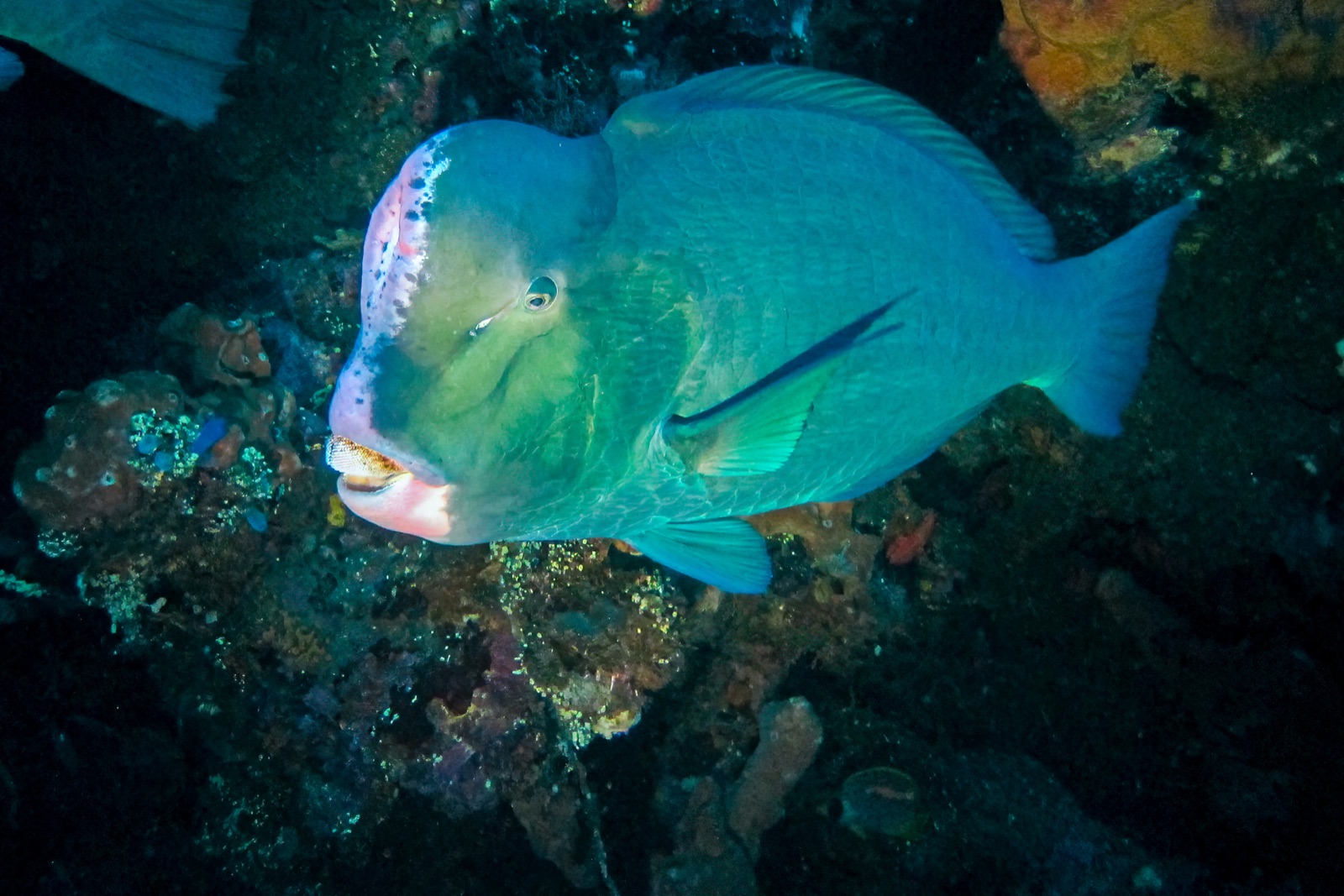
Bumphead Parrotfish
Également observé à proximité
Les espèces « cartographiées ici » ont été répertoriées par nos éditeurs à partir des sources indiquées sur cette page. Les comptages correspondent aux occurrences GBIF : observations enregistrées dans un rayon d'environ 5 km autour de la position cartographiée depuis 1990, comparées uniquement aux espèces de notre catalogue. Ils indiquent ce qui a été observé à cet endroit, sans garantir ce que vous y verrez.
Pour les photographes
Grand angle: ★★★★☆ · Macro: ★☆☆☆☆ (note 1–5 des éditeurs sur ce que ce site offre à chaque style de prise de vue)