Tauchen in South Africa
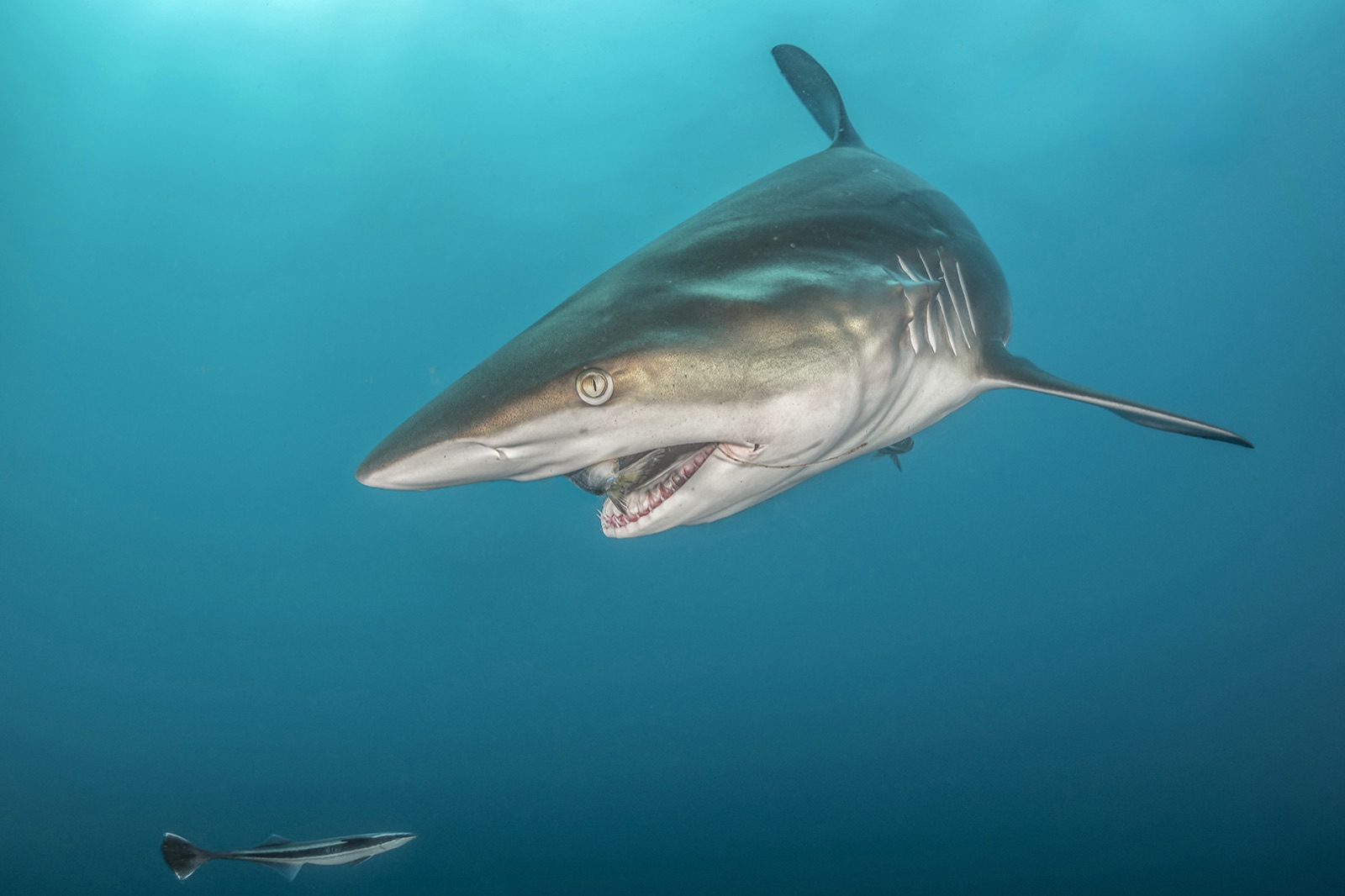
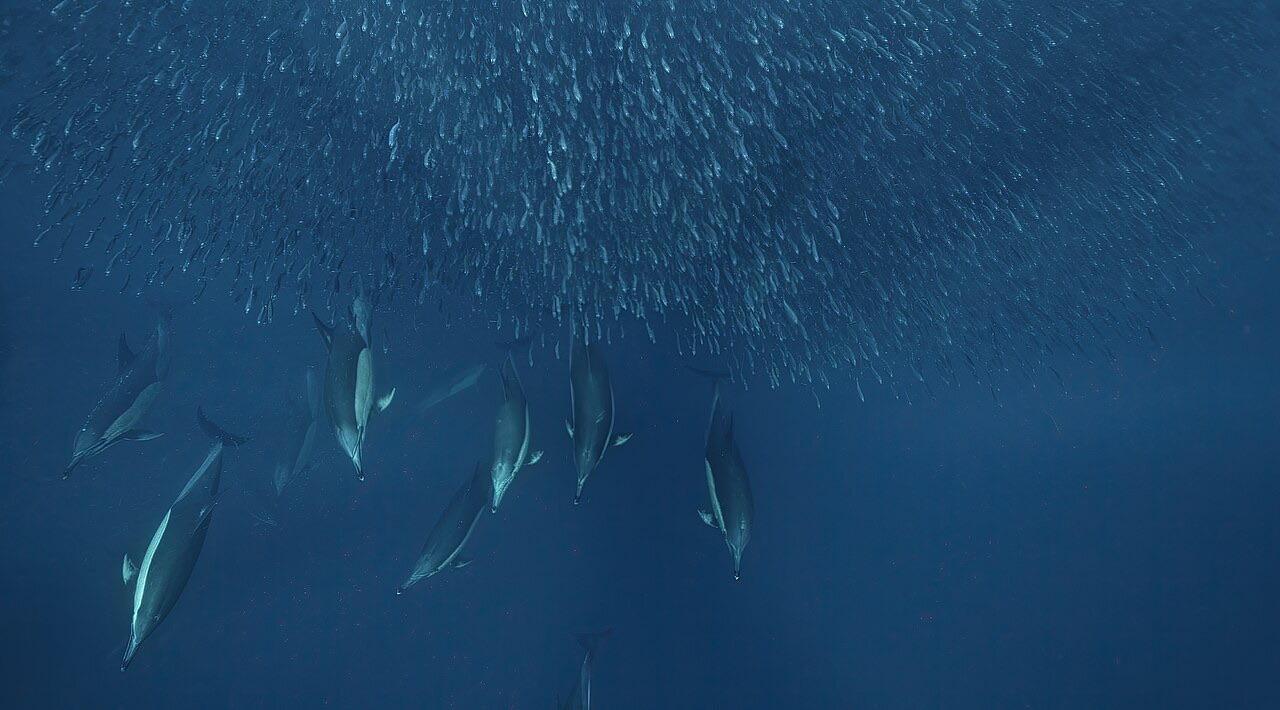
South Africa is big-animal diving with the safety brief to match. Off KwaZulu-Natal, rigid inflatables launch through surf to reach Aliwal Shoal, where ragged-tooth sharks gather in the cooler months and baited dives bring in blacktips and, in season, tigers. North along the iSimangaliso coast, Sodwana Bay lays some of Africa's southernmost coral reefs under warm Agulhas water. And each winter the Sardine Run turns the Wild Coast into open-ocean theater: bait balls hammered by dolphins, sharks, gannets, and whales. This is expedition-flavored diving: weather calls, surf launches, and blue-water searching are part of the deal, and rewards scale with flexibility. Costs stay reasonable, and the country wraps it all in safari and wine-country add-ons few dive trips can match.
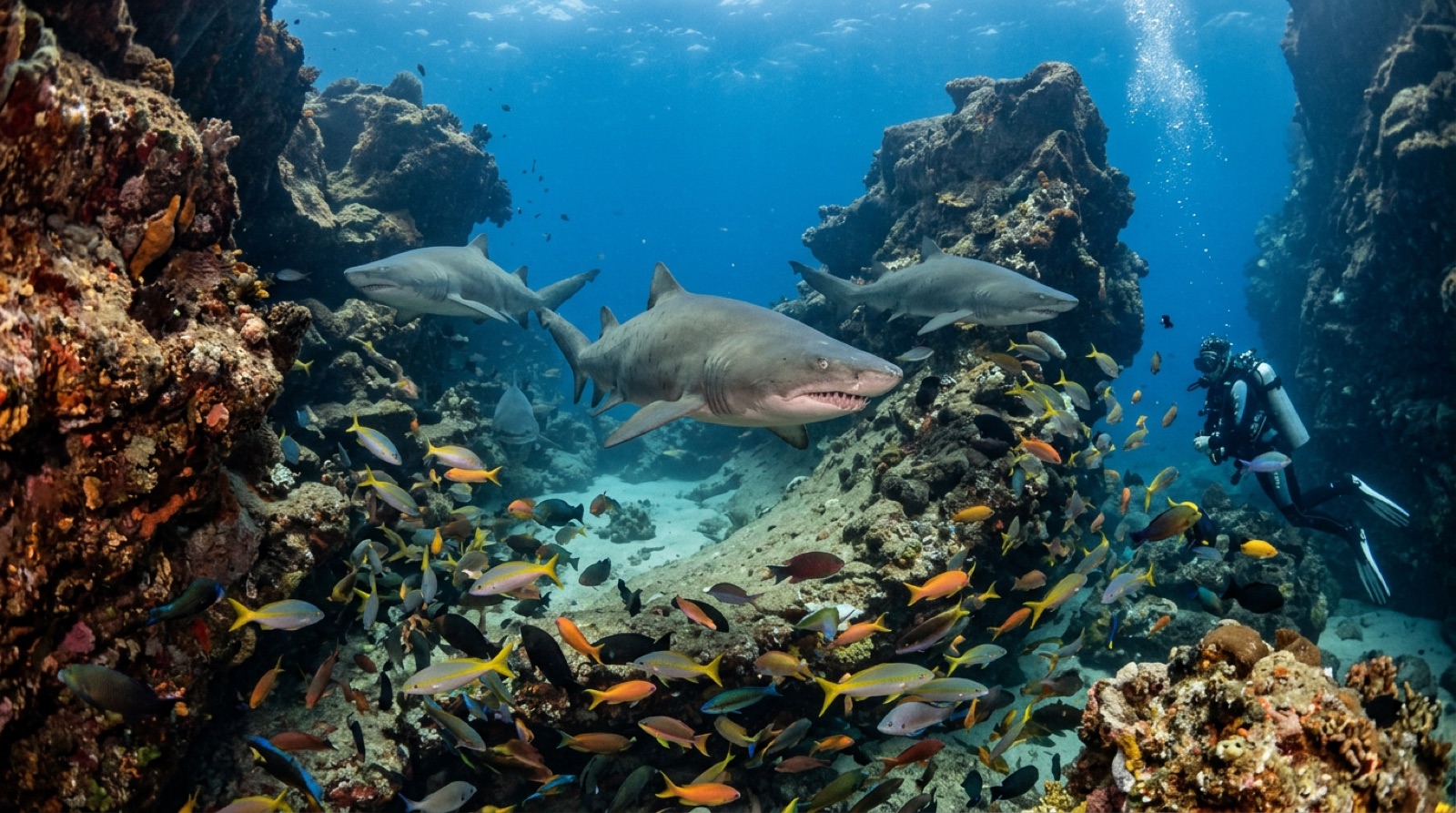
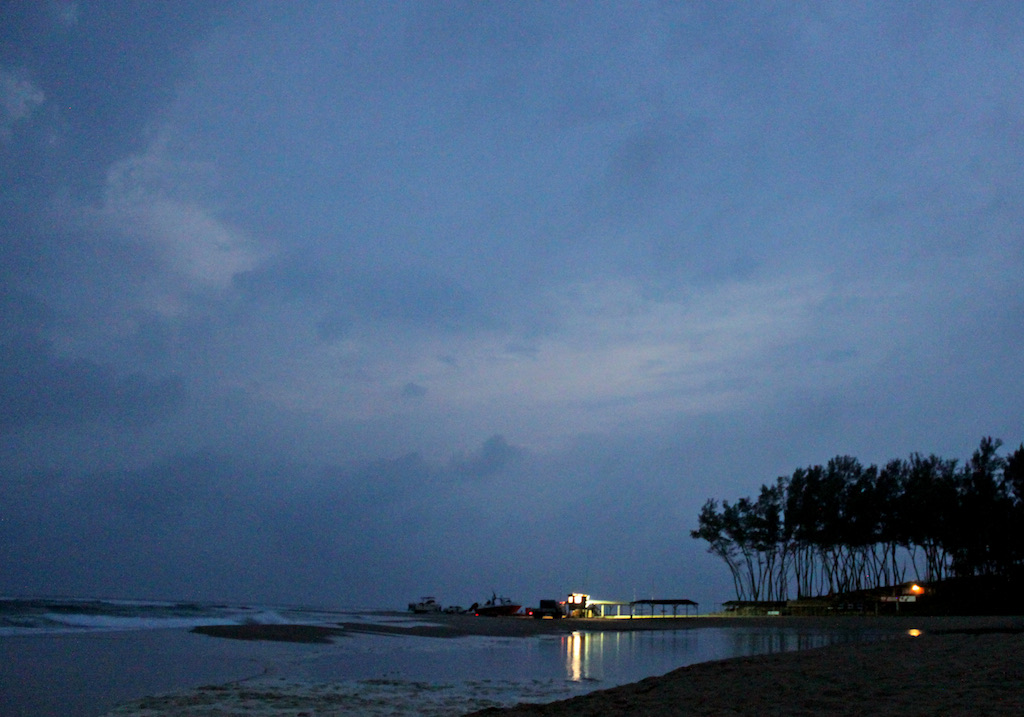
Three registry destinations, all on the east coast. Aliwal Shoal, off Umkomaas south of Durban, is the shark hub: raggies in caves and gullies, baited pelagic dives offshore. Sodwana Bay, inside iSimangaliso Wetland Park, runs coral-reef diving off Two Mile through Nine Mile reefs. The Sardine Run is a mobile Wild Coast expedition, chasing activity by boat and spotter plane rather than diving fixed sites.
Besondere Erlebnisse: Ragged-tooth sharks stacked in an Aliwal gully; a baited dive with blacktips spiraling the drum; coral ridges and turtles at Sodwana after a beach-launch through the surf; a sardine bait ball erupting with gannet strikes; whales breaching on the ride home.
Saisons: Seasons split by target: ragged-tooth sharks aggregate on Aliwal roughly in the cooler months from late autumn through spring; the Sardine Run peaks around June-July; Sodwana dives year-round with winter often clearer and summer warmer. Big swell can cancel launches any month. Build weather days into plans.
Die Reiseziele
Aliwal Shoal & Umkomaas
Sodwana Bay
The Sardine Run (Wild Coast)
Herausragende Tauchplätze
| Tauchplatz | Ziel | Typ | Tiefe | Level |
|---|---|---|---|---|
| Aliwal Baited Shark Dive | Aliwal Shoal & Umkomaas | Blue water | 0–15 m | Intermediate |
| Cathedral | Aliwal Shoal & Umkomaas | Reef | 14–27 m | Intermediate |
| East London & the Southern Start | The Sardine Run (Wild Coast) | Blue water | 0–25 m | Advanced |
| Five Mile Reef | Sodwana Bay | Reef | 12–21 m | Intermediate |
| MV Produce | Aliwal Shoal & Umkomaas | Wreck | 15–32 m | Advanced |
| Mbotyi & Waterfall Bluff | The Sardine Run (Wild Coast) | Blue water | 0–25 m | Advanced |
| Nine Mile Reef | Sodwana Bay | Reef | 8–24 m | Intermediate |
| Port St Johns Grounds | The Sardine Run (Wild Coast) | Blue water | 0–25 m | Advanced |
| Quarter Mile Reef | Sodwana Bay | Reef | 6–14 m | Beginner |
| Raggie Cave | Aliwal Shoal & Umkomaas | Reef | 12–27 m | Intermediate |
Jeder kartierte Tauchplatz in South Africa →
Meeresleben
Wracks
Die praktischen Infos
Anreise: Johannesburg (JNB) is the long-haul hub; Durban's King Shaka (DUR) serves the KwaZulu-Natal coast. Umkomaas is under an hour's drive south of Durban; Sodwana Bay about four hours north; Sardine Run bases such as Port St Johns are reached by road from Durban or East London.
Einreise & Visa: Many nationalities enter visa-free for short tourist stays; verify current requirements with South African authorities before travel, including any documentation rules for travelers with minors.
Was Tauchen kostet: Exchange rates keep South Africa good value: double-tank outings commonly equate to roughly US$70-120, with Sardine Run expedition packages the premium exception; lodging and food are inexpensive by developed-world standards.
Sprache: South Africa has a dozen official languages; English is universal in tourism and diving, with Zulu the everyday language along much of this coast.
Trinkgeld: Tipping is standard: 10-15 percent in restaurants, and tips for divemasters, skippers, and lodge staff are customary and appreciated.
Reisesicherheit: Be sober about crime: it is a real issue in cities, so use arranged transfers or reputable ride services, avoid displaying valuables, keep car doors locked, and take local advice on where not to walk or drive at night. Dive towns run calmer than the metros. Operationally, surf launches are physical and the ocean here is genuinely big; follow skipper instructions to the letter.
Dekompressionskammer in der Nähe: South Africa has established hyperbaric medicine capacity in major centers, including the Durban area, and DAN's Southern Africa organization is based in the country; emergencies route through local EMS and DAN, which maintains current referral pathways.