MV Produce
La profondeur correspond à la plage allant du sommet du site jusqu'à son maximum habituel ; le « niveau recommandé » est le niveau demandé en général par les opérateurs auprès des grandes agences, pas une règle légale. Les courants et la visibilité varient chaque jour, traitez donc tout cela comme des plages indicatives de planification.
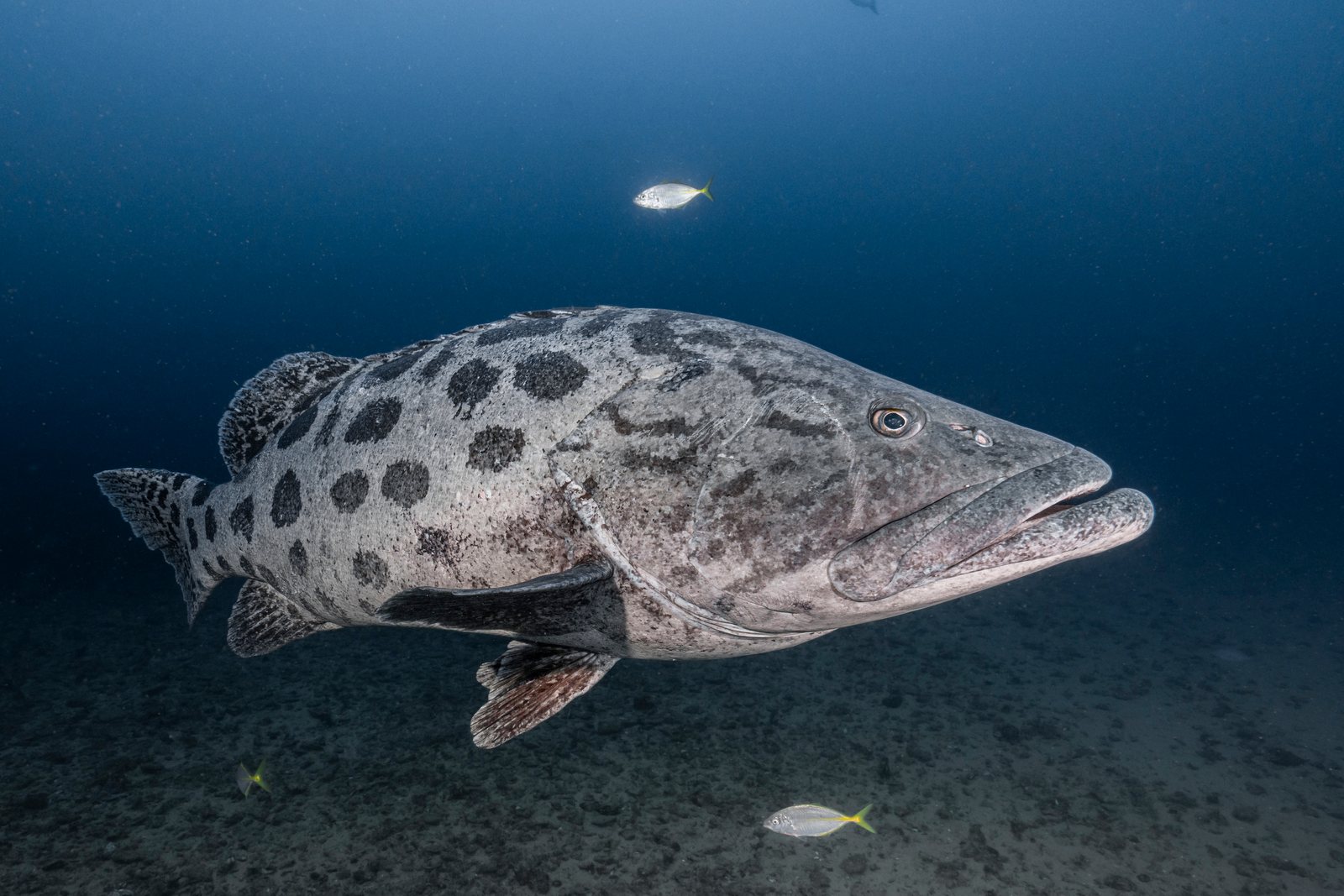
The Produce, a Norwegian bulk carrier, struck the northern edge of Aliwal Shoal in 1974 and went down with no loss of life: the crew was famously rescued with help from local fishermen. Fifty years of Indian Ocean later, she lies broken and softened on the sand, her holds and hull plates a giant fish shelter. Brindle bass the size of small sofas loiter in the shadows, oversized morays share cracks with lobster, and clouds of geelbek and baitfish wash over the wreckage. The site's mood depends entirely on the day's water: emerald and moody or blue and generous.
Le moment pour lequel vous venez: Resident giant grouper (brindle bass); fish-packed broken holds
Topographie: Large broken freighter lying on sand inshore of the shoal proper
Courant: Open-water descent down a line; current and visibility swing with the Agulhas edge.
À savoir avant de plonger
Dangers: Depth, loose plates and snag points, and variable visibility.
Permis & règlements: Aliwal Shoal MPA permit required, arranged via operators.
Conservation: The wreck is protected within the MPA: no artifact recovery, no penetration of unstable sections.
Nitrox: Pertinent ici : les profils se situent dans la plage où le nitrox prolonge significativement le temps sans palier (avec la formation pour l'utiliser).
Qui vous croiserez
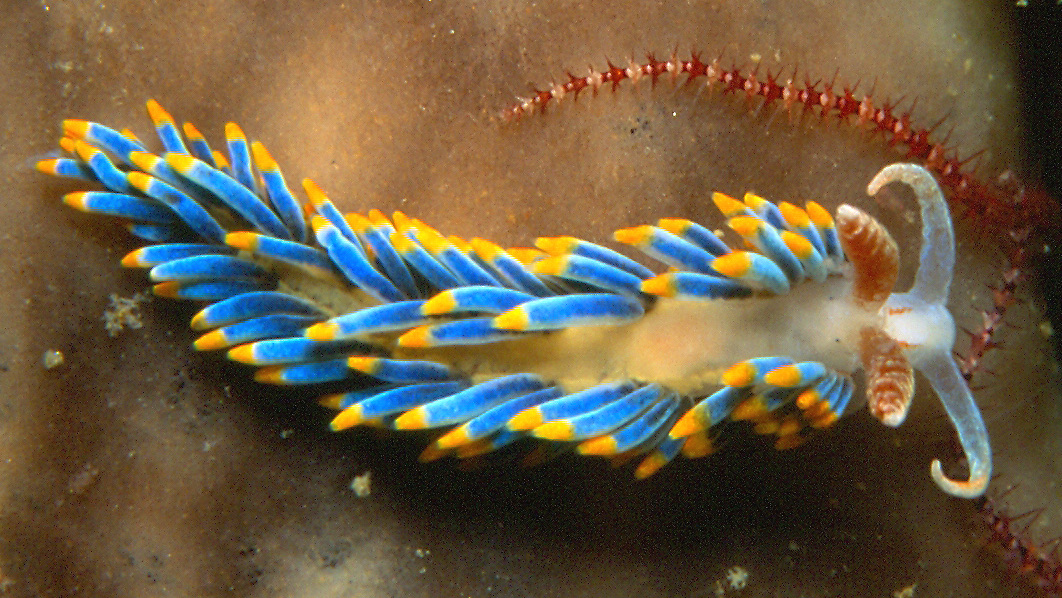
Nudibranchs
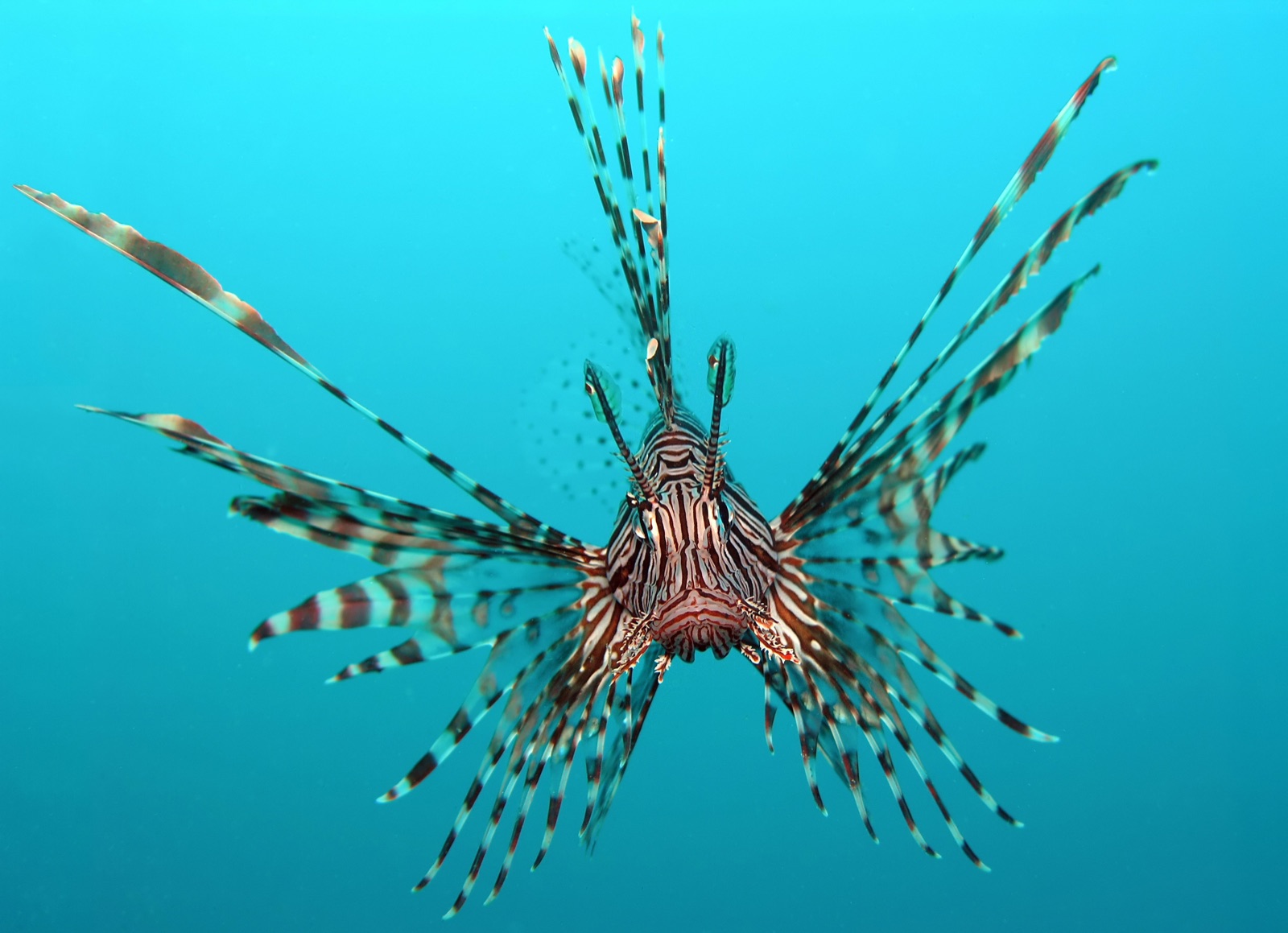
Lionfish
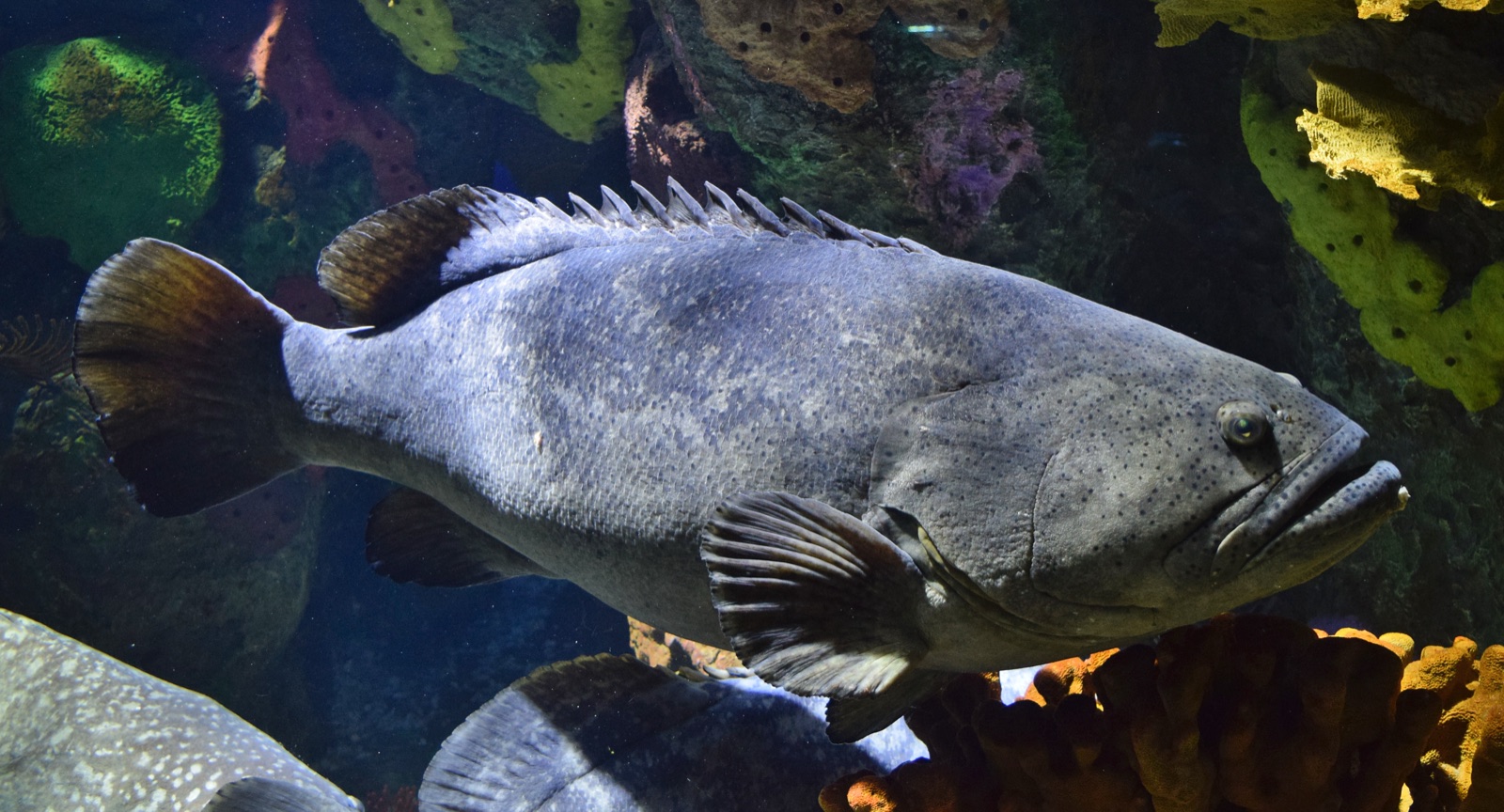
Giant Grouper
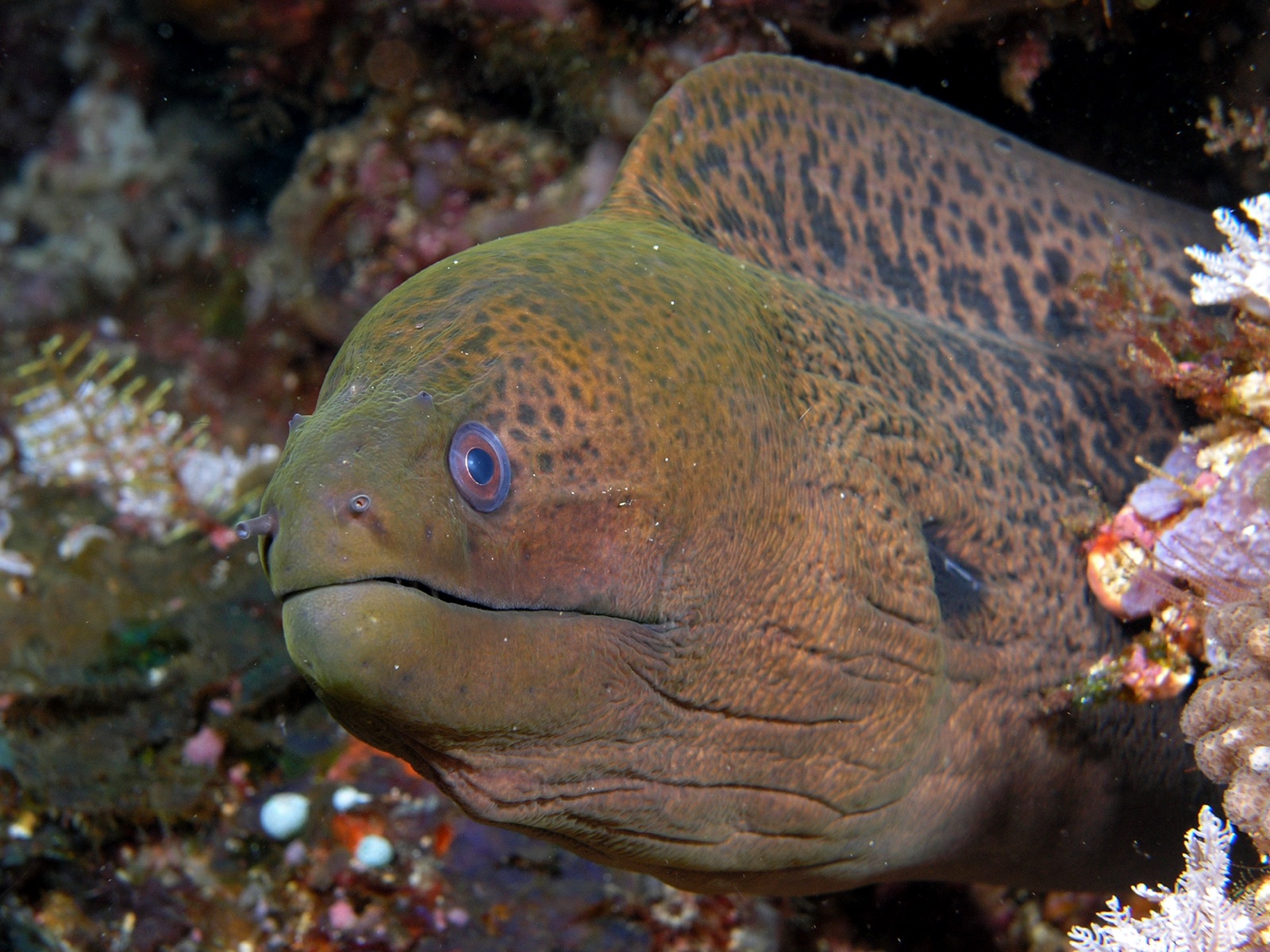
Giant Moray Eel
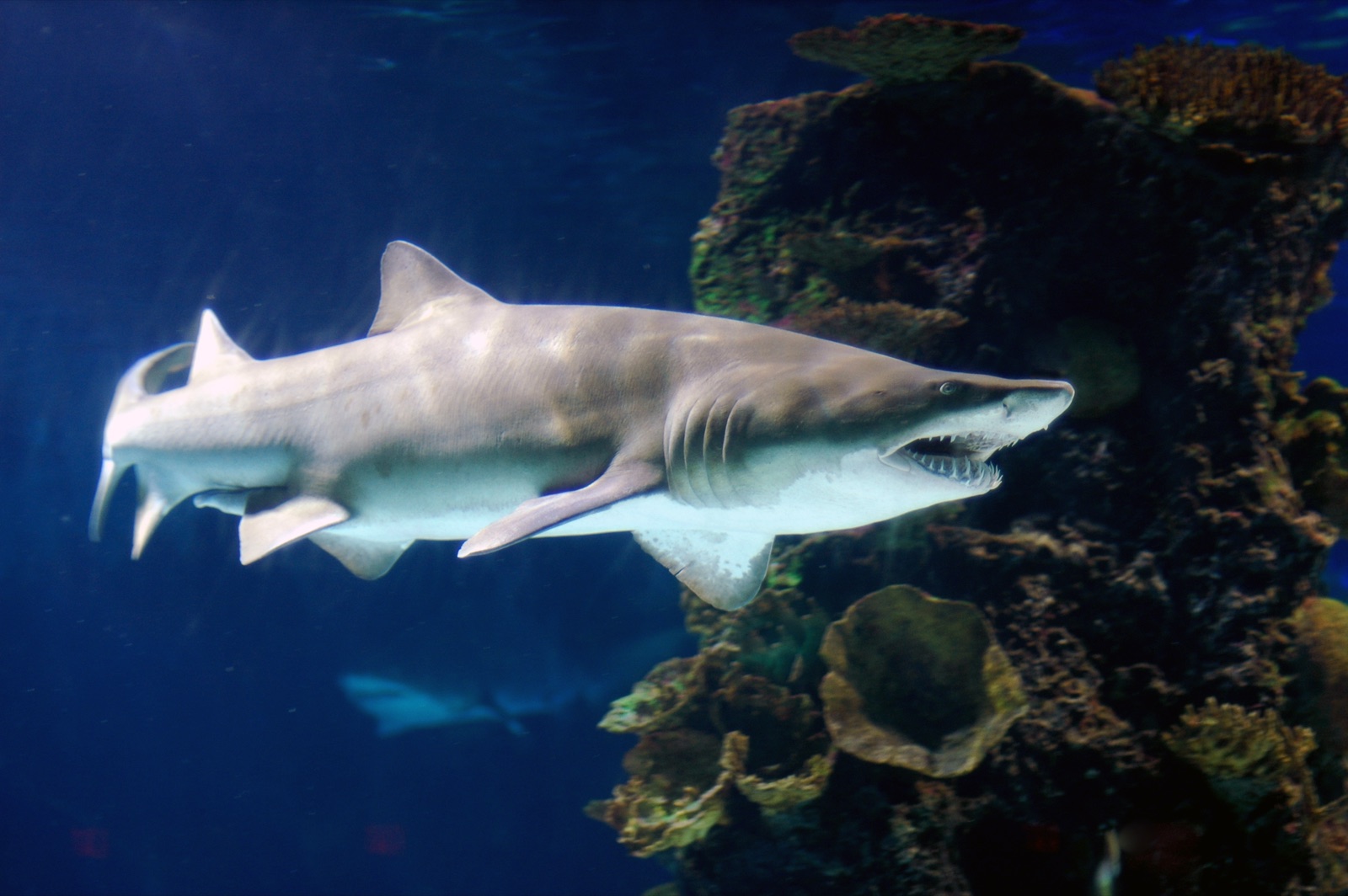
Sand Tiger (Ragged-Tooth) Shark
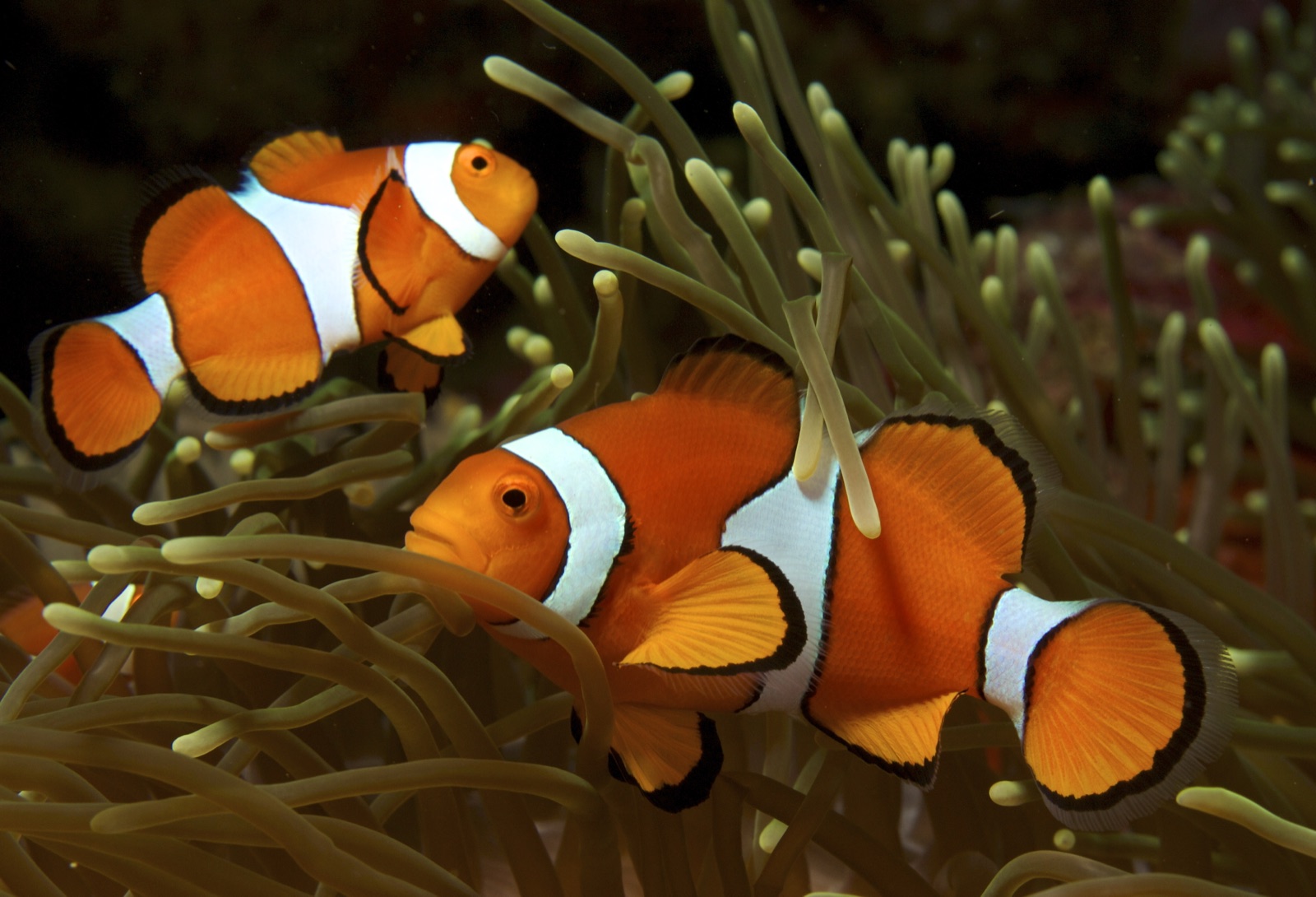
Clownfish & Anemonefish
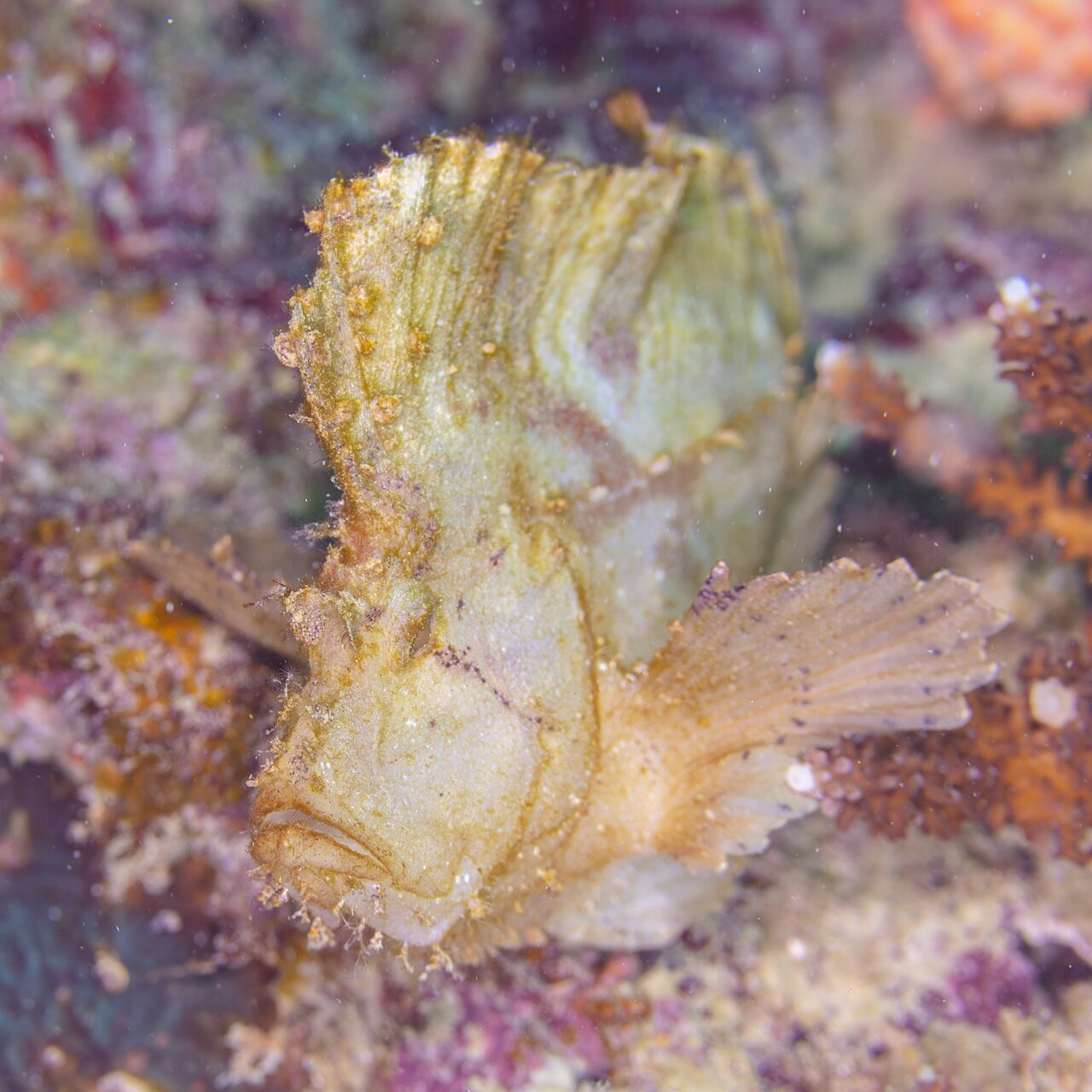
Leaf Scorpionfish
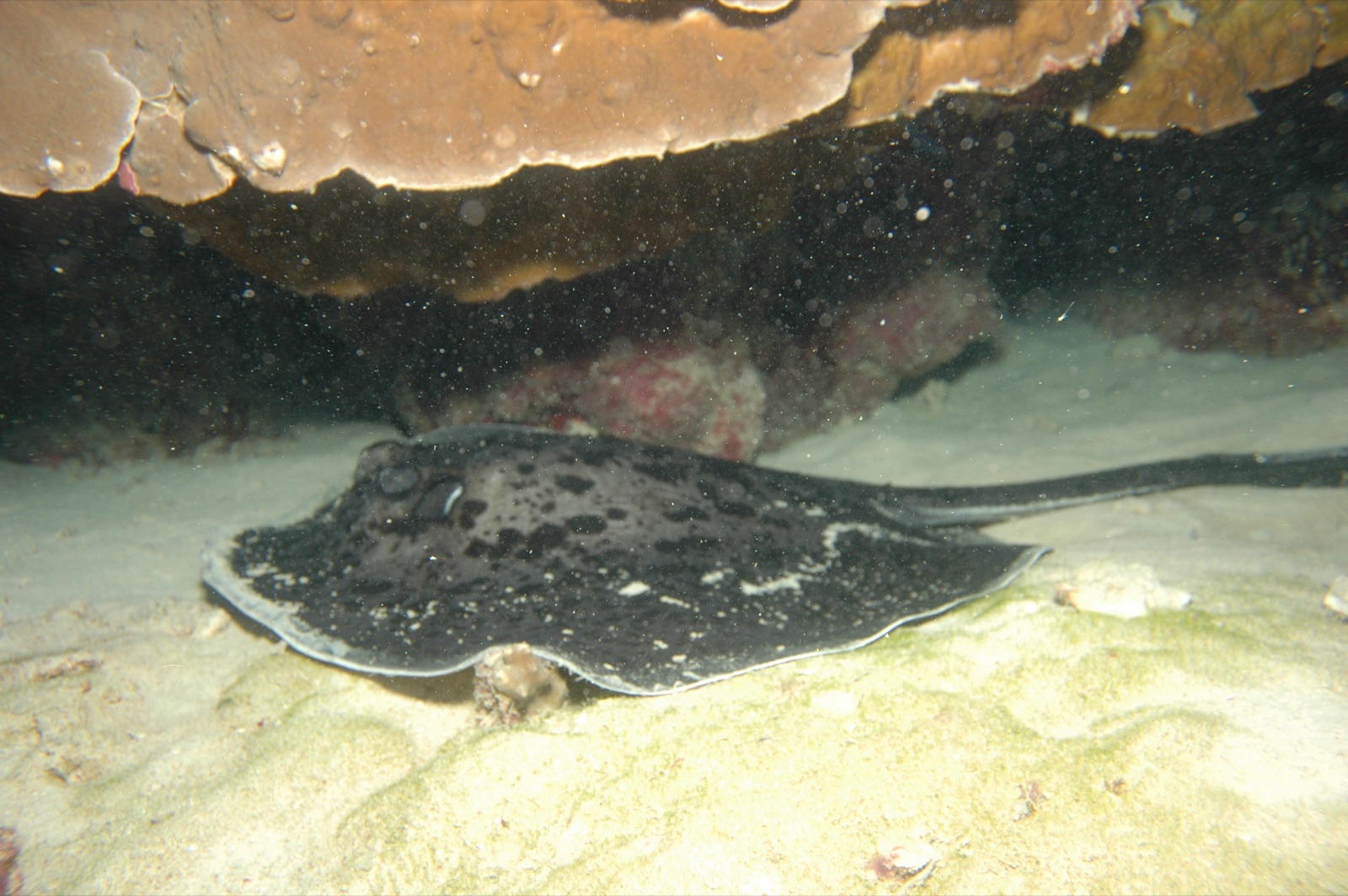
Marbled Ray
Également observé à proximité
Les espèces « cartographiées ici » ont été répertoriées par nos éditeurs à partir des sources indiquées sur cette page. Les comptages correspondent aux occurrences GBIF : observations enregistrées dans un rayon d'environ 5 km autour de la position cartographiée depuis 1990, comparées uniquement aux espèces de notre catalogue. Ils indiquent ce qui a été observé à cet endroit, sans garantir ce que vous y verrez.
Pour les photographes
Grand angle: ★★★★☆ · Macro: ★★★☆☆ (note 1–5 des éditeurs sur ce que ce site offre à chaque style de prise de vue)