Basura
Die Tiefe gibt den Bereich von der Oberkante des Tauchplatzes bis zur üblichen Maximaltiefe an; „empfohlene Zertifizierung" ist das von Anbietern üblicherweise geforderte Mainstream-Agenturniveau – keine gesetzliche Vorschrift. Strömungen und Sichtweite ändern sich täglich – behandle alle Angaben hier als Planungsbereiche.
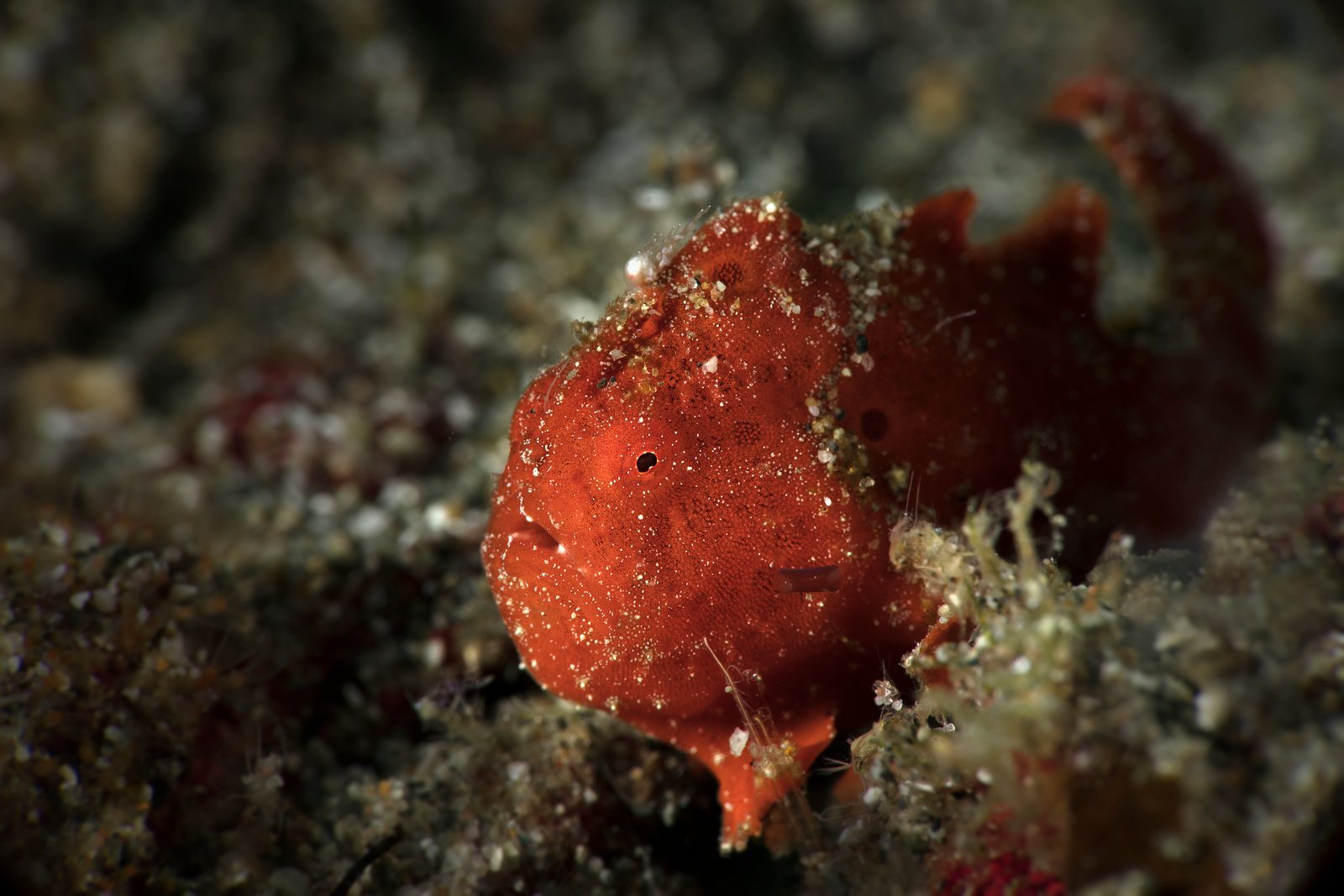
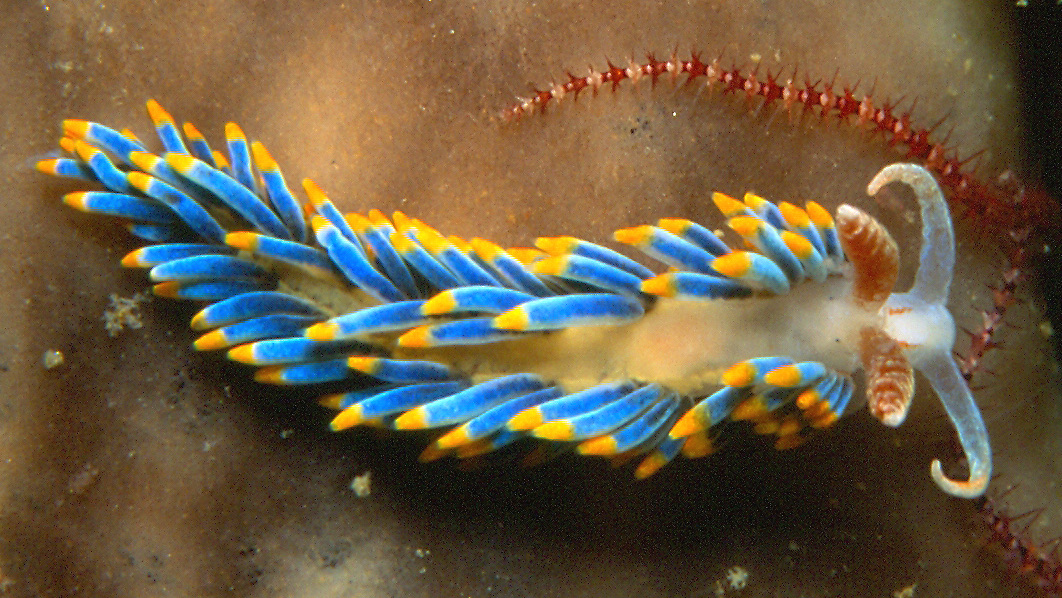
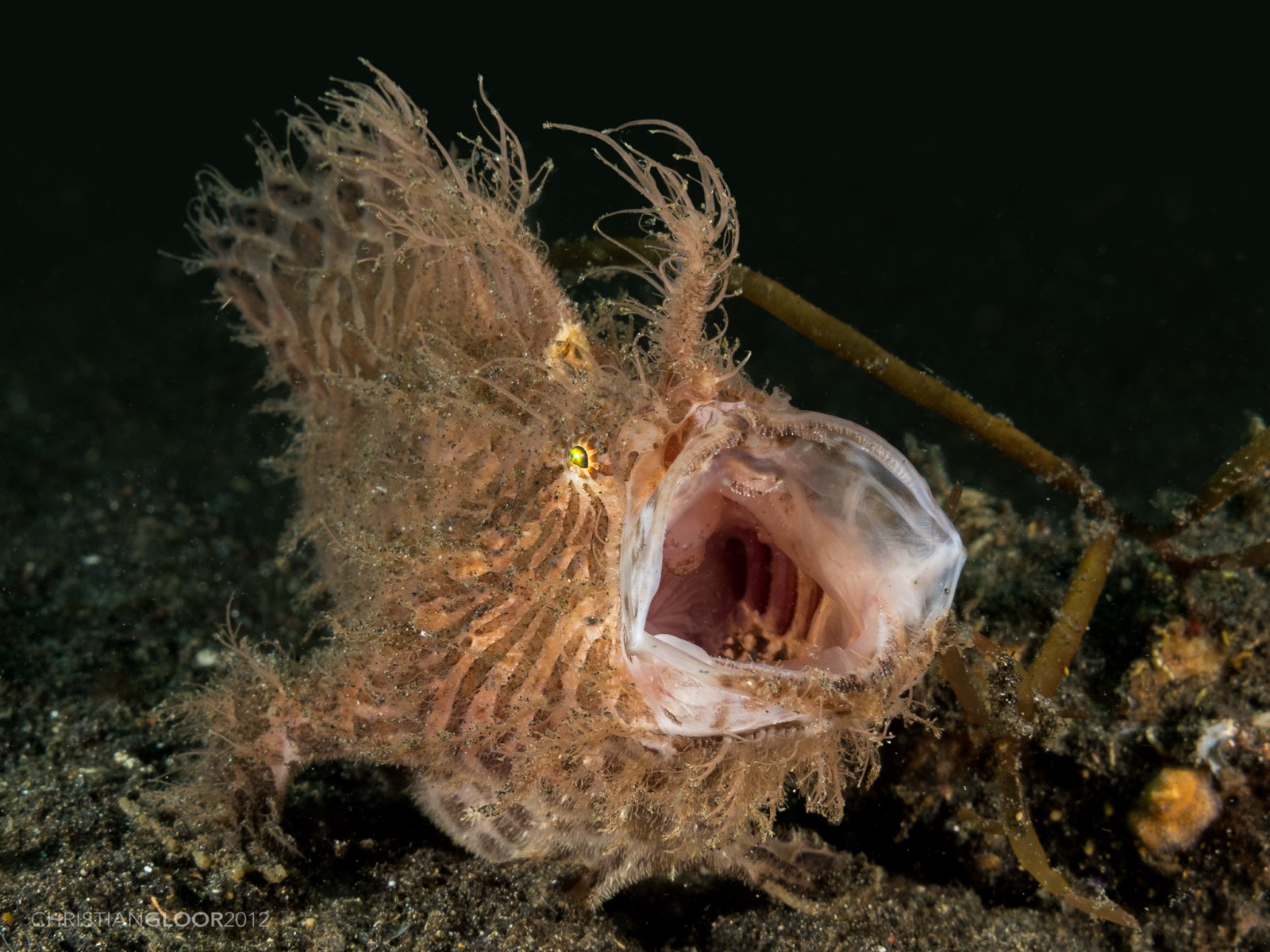
Basura means garbage in Tagalog, and the site wears the name without apology: a gray sand slope seeded with bottles, cans, and fragments of village life that have become prime critter real estate. This is where Anilao guides go hunting for the rare stuff, hairy frogfish yawning on open sand, wonderpus flowing between burrows, tiger shrimp posing on sponges, and nudibranch species that end up in identification books. Every object is checked like a lobster trap. The diving is slow, shallow, and forensic, better measured in finds per hour than distance covered, and it converts muck skeptics with a single dive.
Der Moment, für den du kommst: Hairy frogfish and rare octopus, junk-as-habitat safari, guide spotting at its sharpest
Topografie: Dark sand strewn with discarded debris
Strömung: Light along-slope movement at most.
Was du wissen solltest, bevor du ins Wasser gehst
Gefahren: Fire urchins, stinging hydroids, and easily stirred silt.
Naturschutz: The debris is functioning habitat; removing 'trash' here evicts the animals photographers came for.
Wen du triffst
Nudibranchs
Frogfish
Peacock Mantis Shrimp
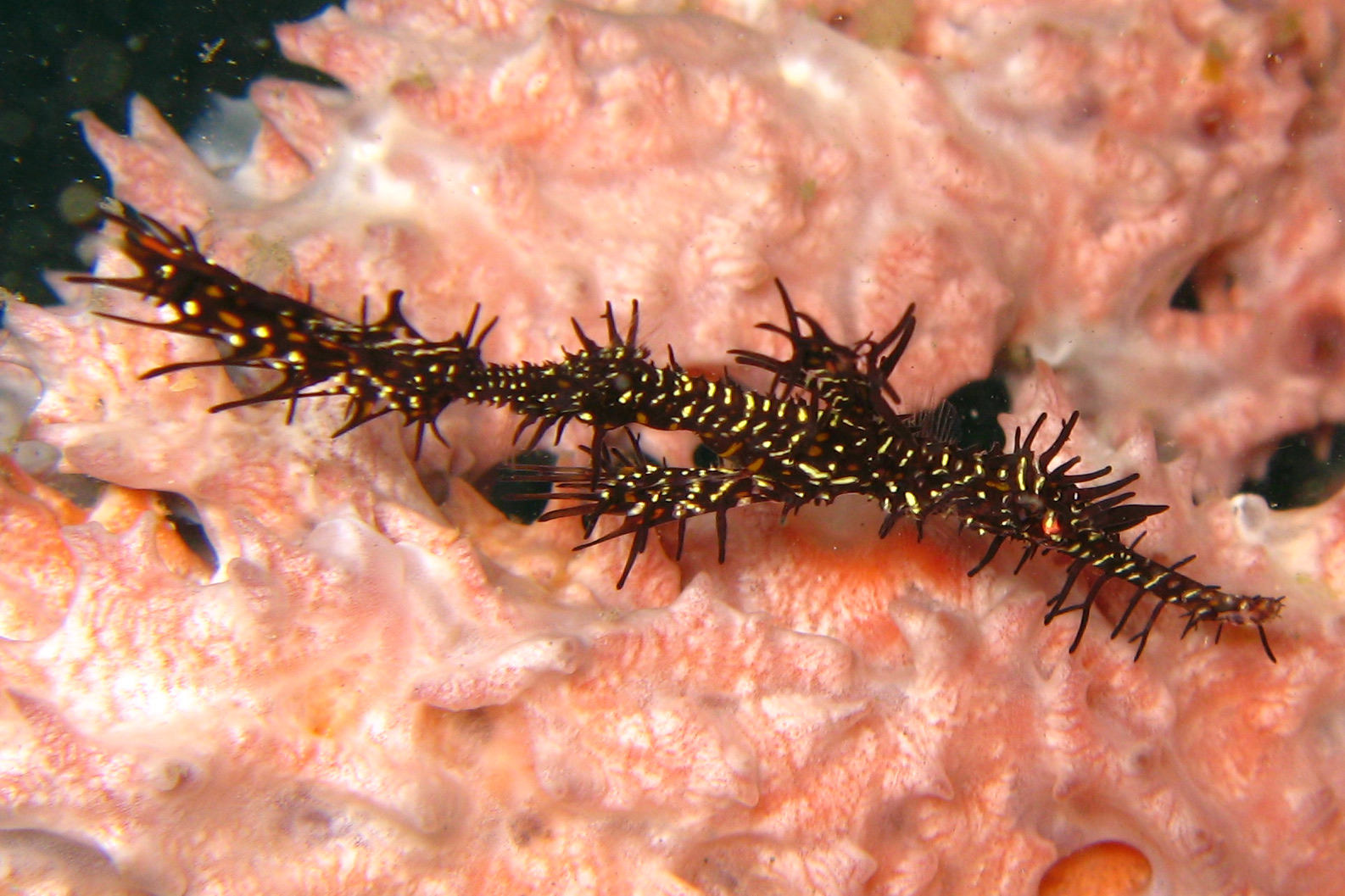
Ornate Ghost Pipefish
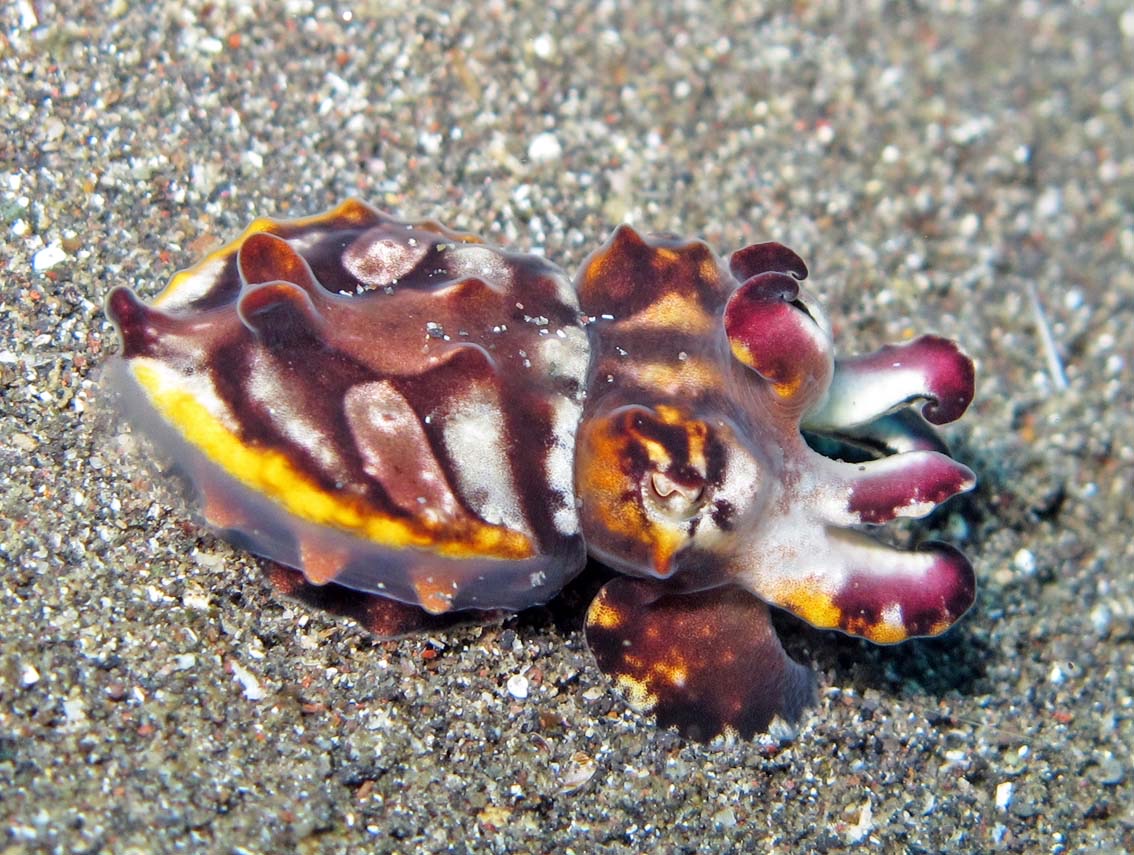
Flamboyant Cuttlefish
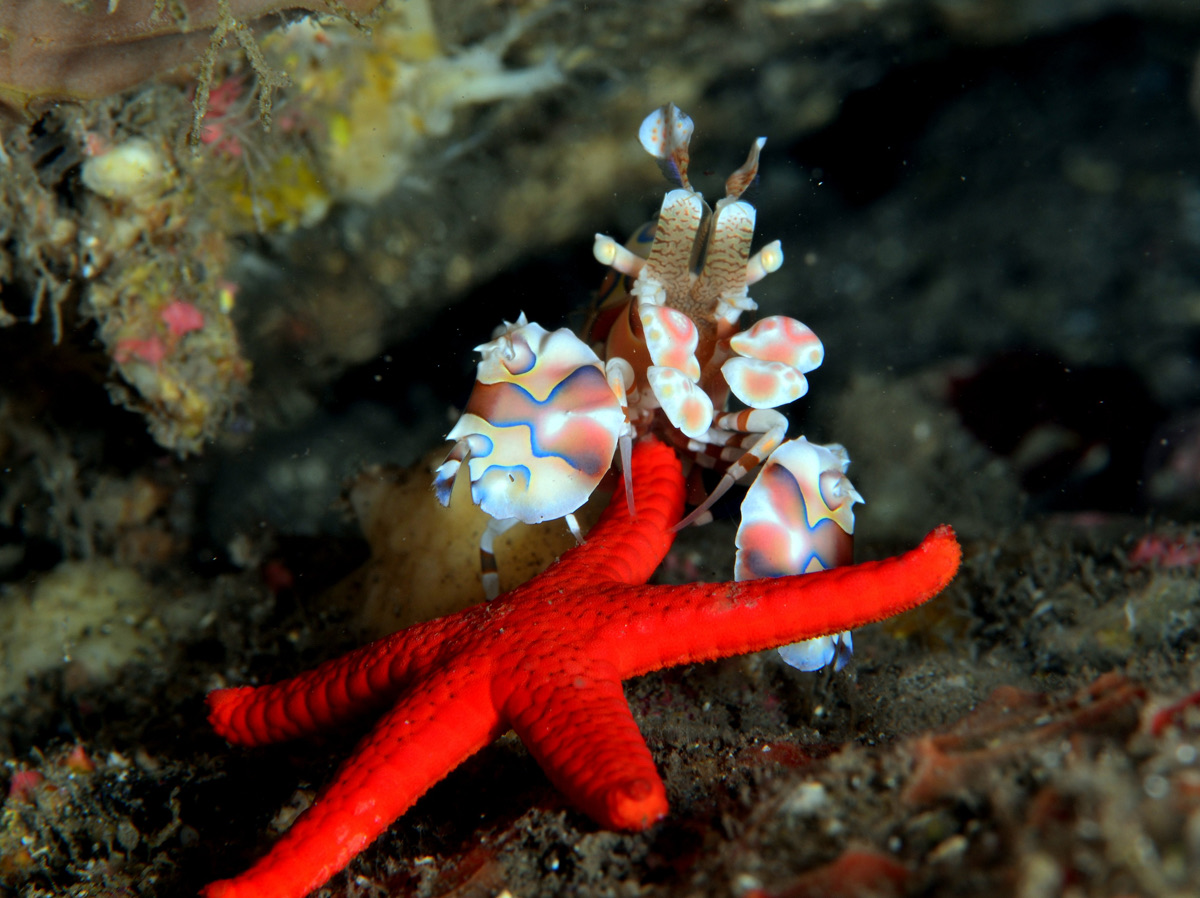
Harlequin Shrimp
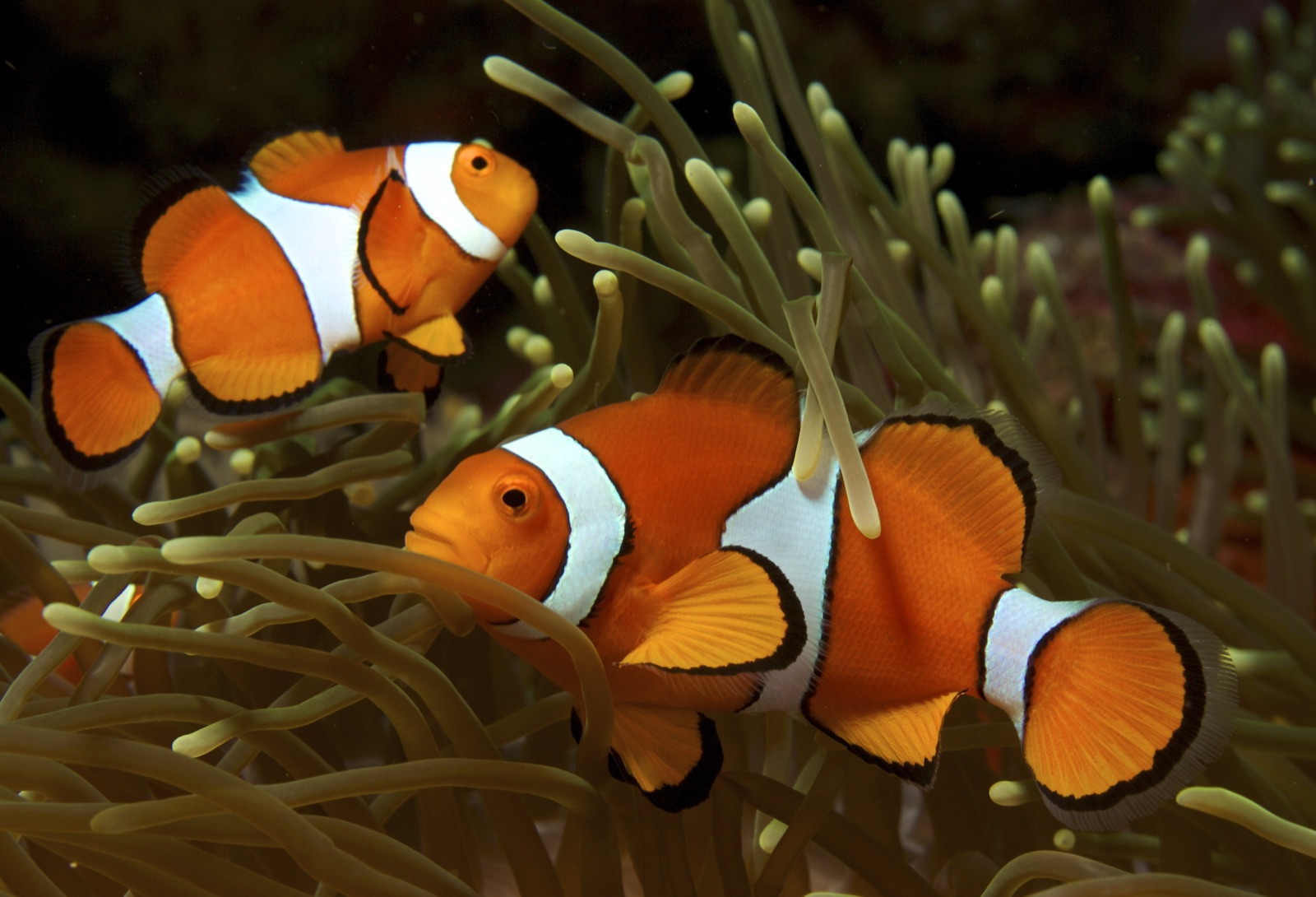
Clownfish & Anemonefish
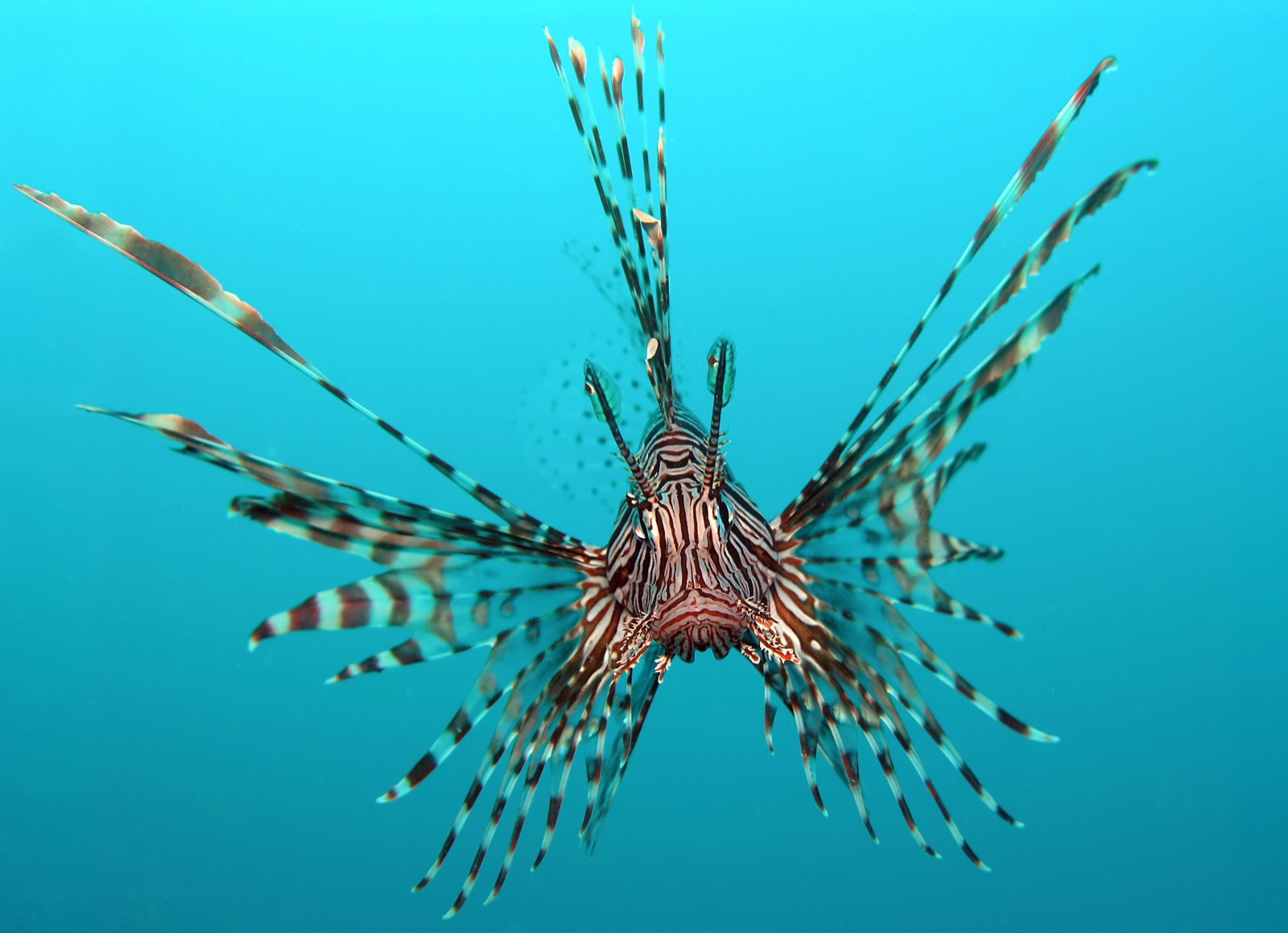
Lionfish
Auch in der Nähe nachgewiesen
„Hier kartiert" – Arten wurden von unseren Redakteuren anhand der Quellen auf dieser Seite erfasst. Die Zahlen sind GBIF-Vorkommensdatensätze: Beobachtungen, die seit 1990 im Umkreis von etwa 5 km um die kartierte Position protokolliert wurden, ausschließlich abgeglichen mit den Arten in unserem Katalog. Sie zeigen, was dort gesichtet wurde – keine Garantie, was du sehen wirst.
Für Fotografen
Weitwinkel: ★☆☆☆☆ · Makro: ★★★★★ (Redaktionelle 1–5-Bewertung, was dieser Platz für jeden Fotografie-Stil bietet)