Basura
Depth is the range from the top of the site to its usual maximum; "recommended cert" is the mainstream-agency level operators usually ask for, not a legal rule. Currents and visibility change daily, so treat everything here as planning ranges.
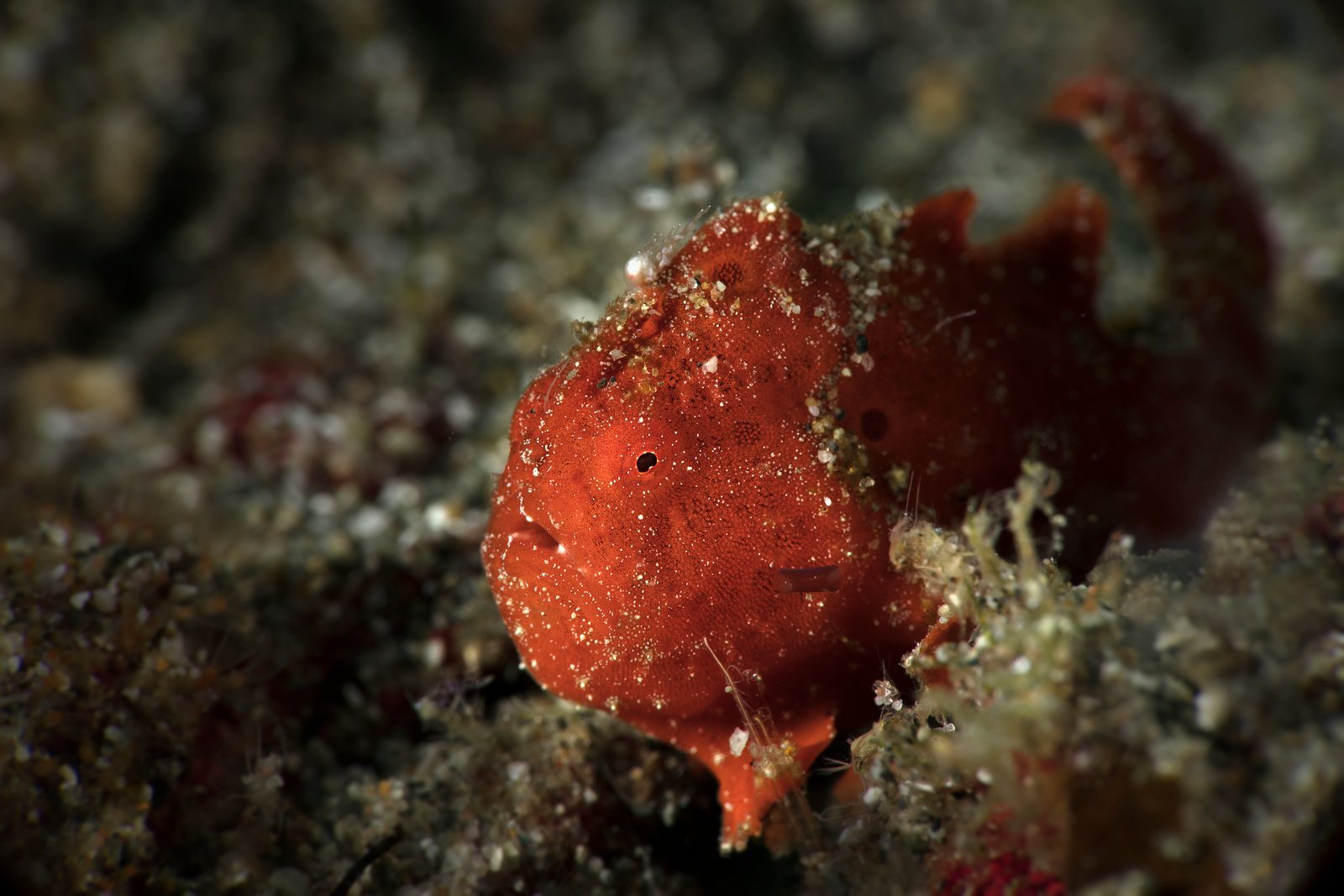
Basura means garbage in Tagalog, and the site wears the name without apology: a gray sand slope seeded with bottles, cans, and fragments of village life that have become prime critter real estate. This is where Anilao guides go hunting for the rare stuff, hairy frogfish yawning on open sand, wonderpus flowing between burrows, tiger shrimp posing on sponges, and nudibranch species that end up in identification books. Every object is checked like a lobster trap. The diving is slow, shallow, and forensic, better measured in finds per hour than distance covered, and it converts muck skeptics with a single dive.
The moment you come for: Hairy frogfish and rare octopus, junk-as-habitat safari, guide spotting at its sharpest
Topography: Dark sand strewn with discarded debris
Current: Light along-slope movement at most.
Know before you splash
Hazards: Fire urchins, stinging hydroids, and easily stirred silt.
Conservation: The debris is functioning habitat; removing 'trash' here evicts the animals photographers came for.
Who you'll meet
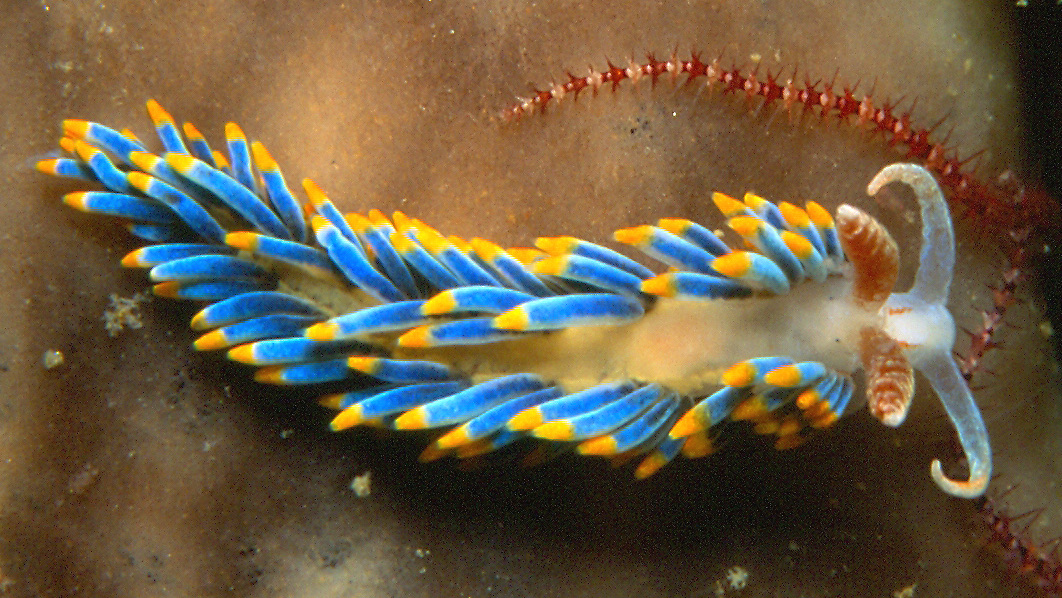
Nudibranchs
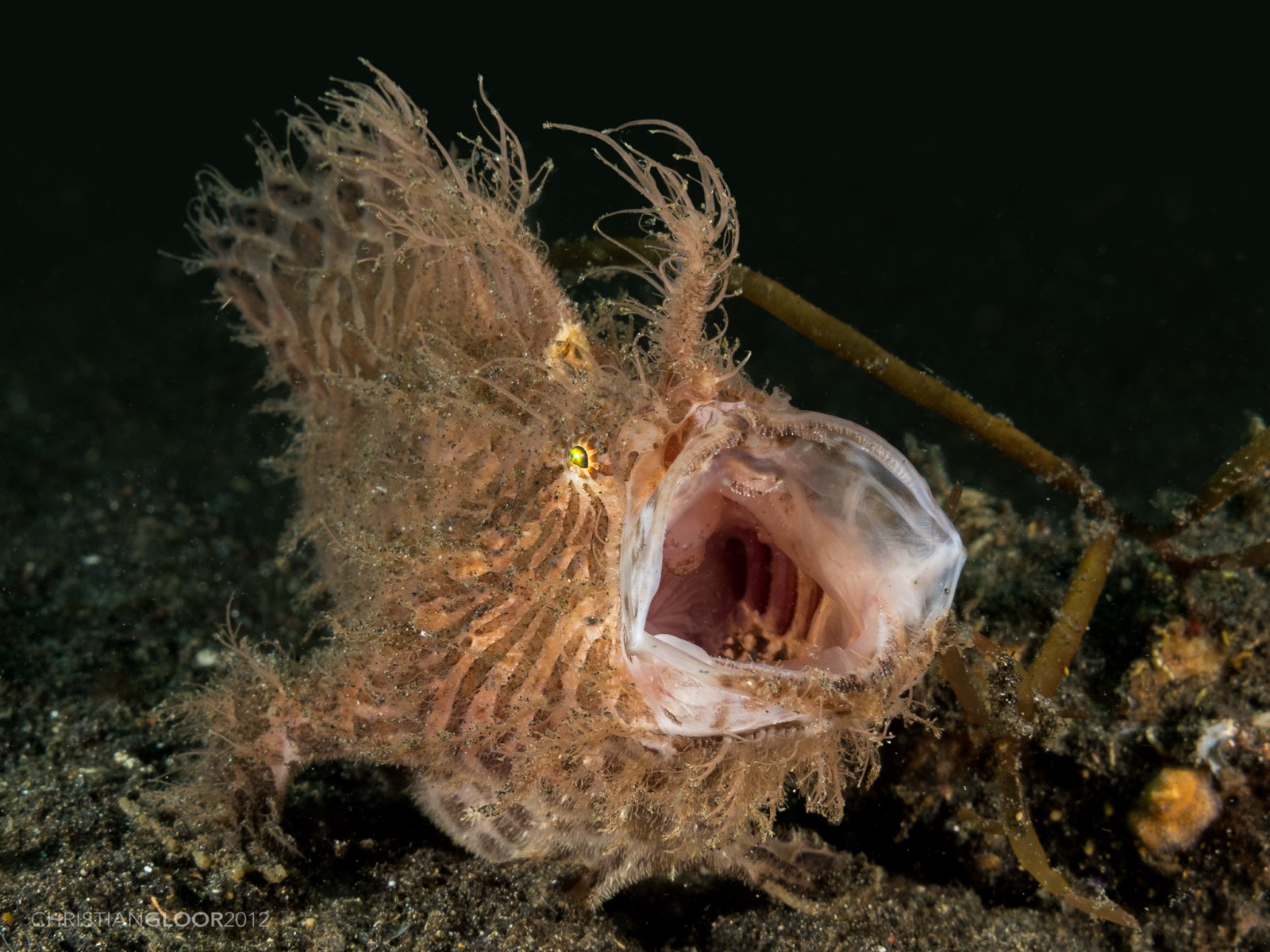
Frogfish
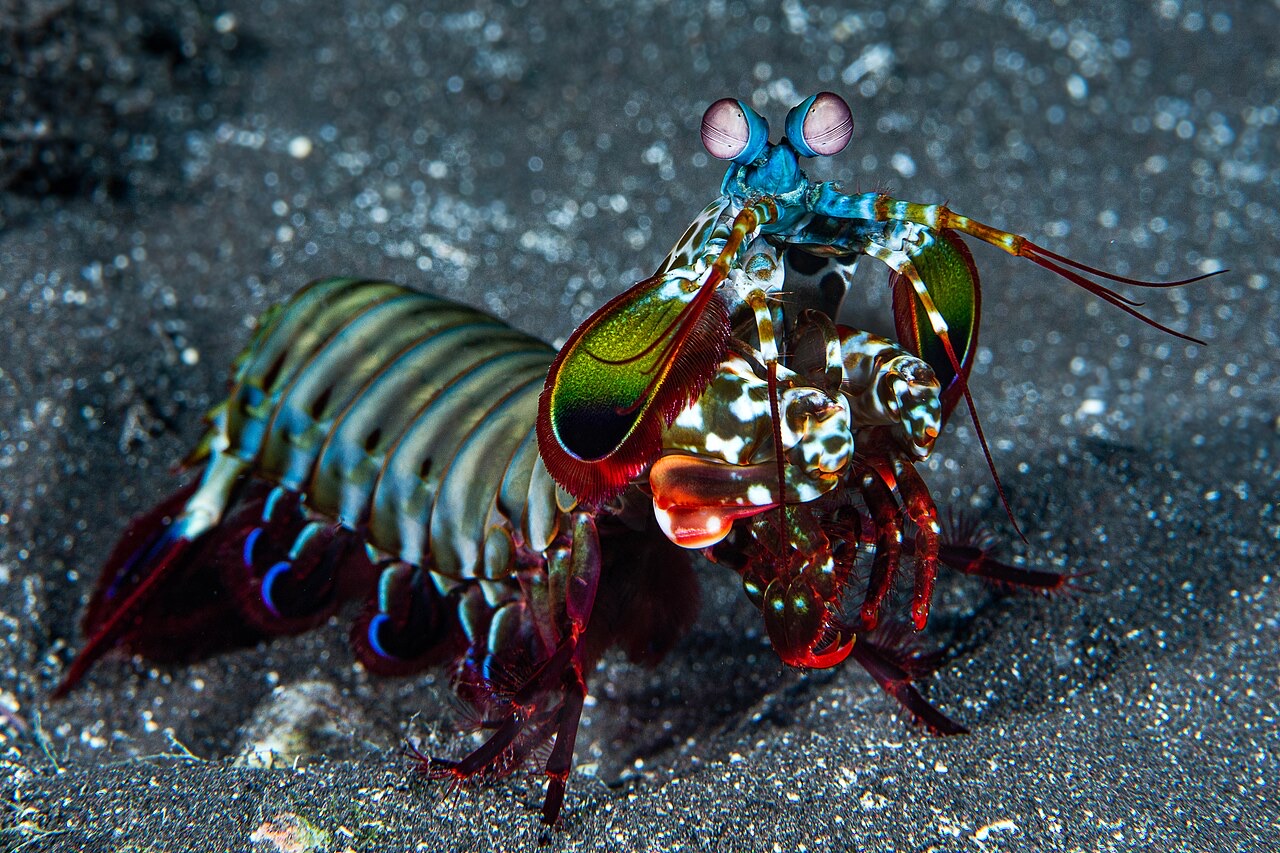
Peacock Mantis Shrimp
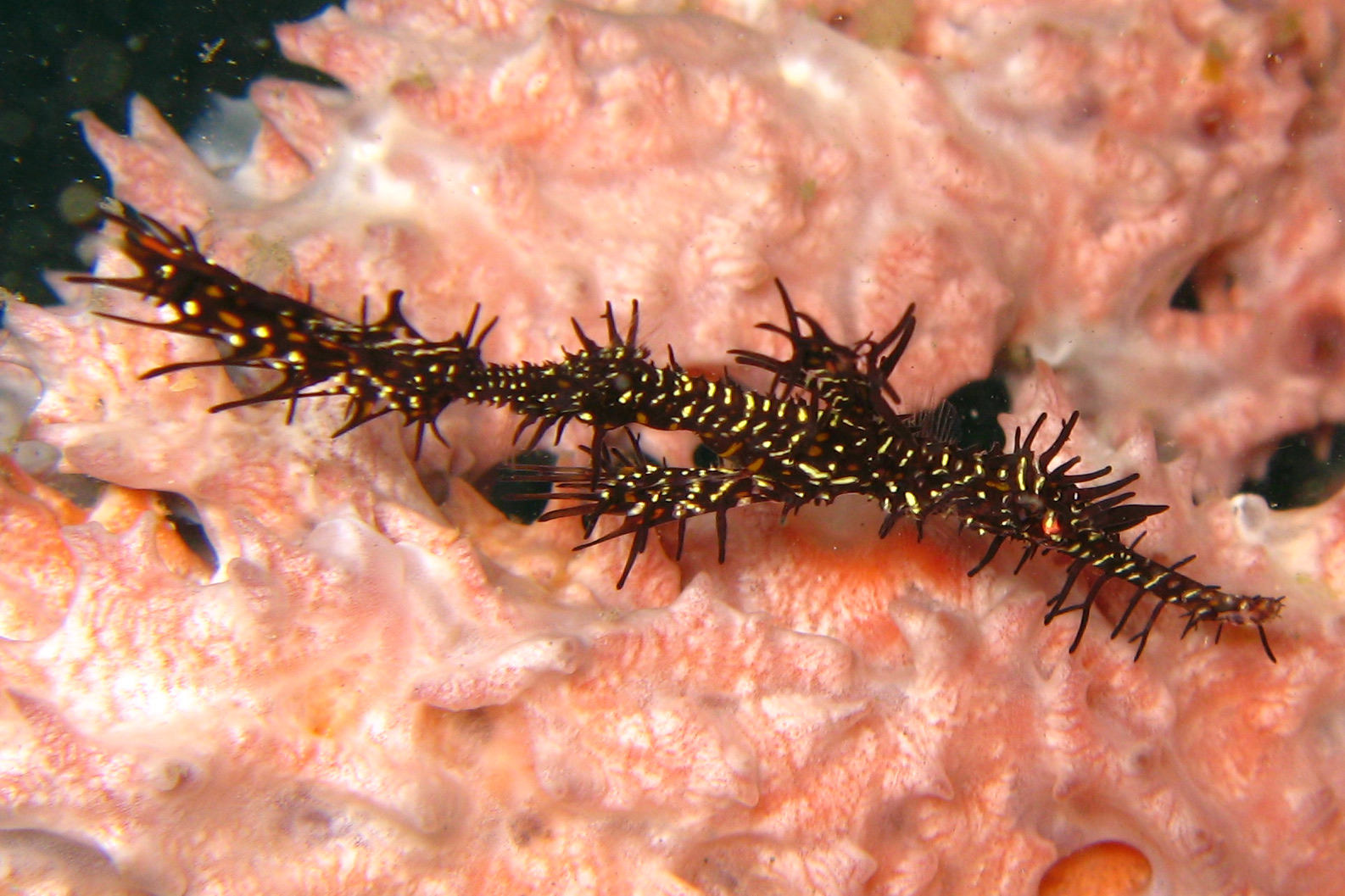
Ornate Ghost Pipefish
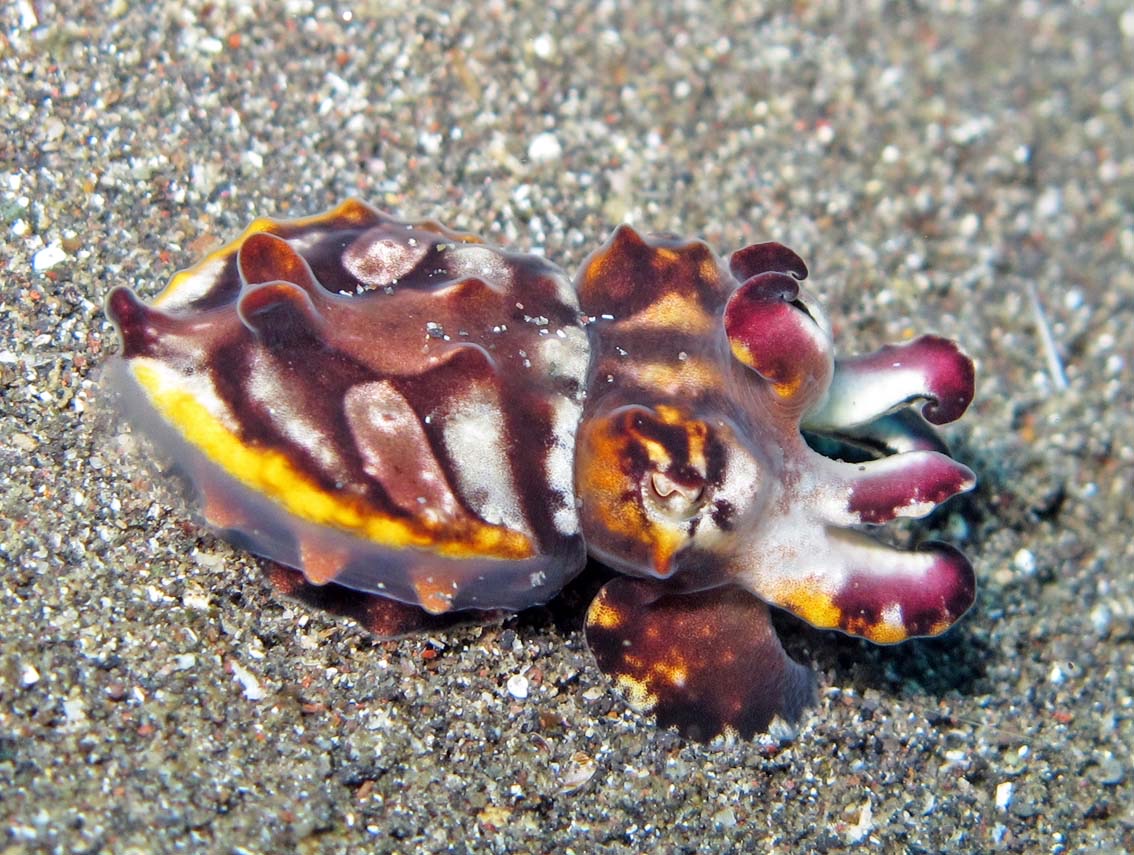
Flamboyant Cuttlefish
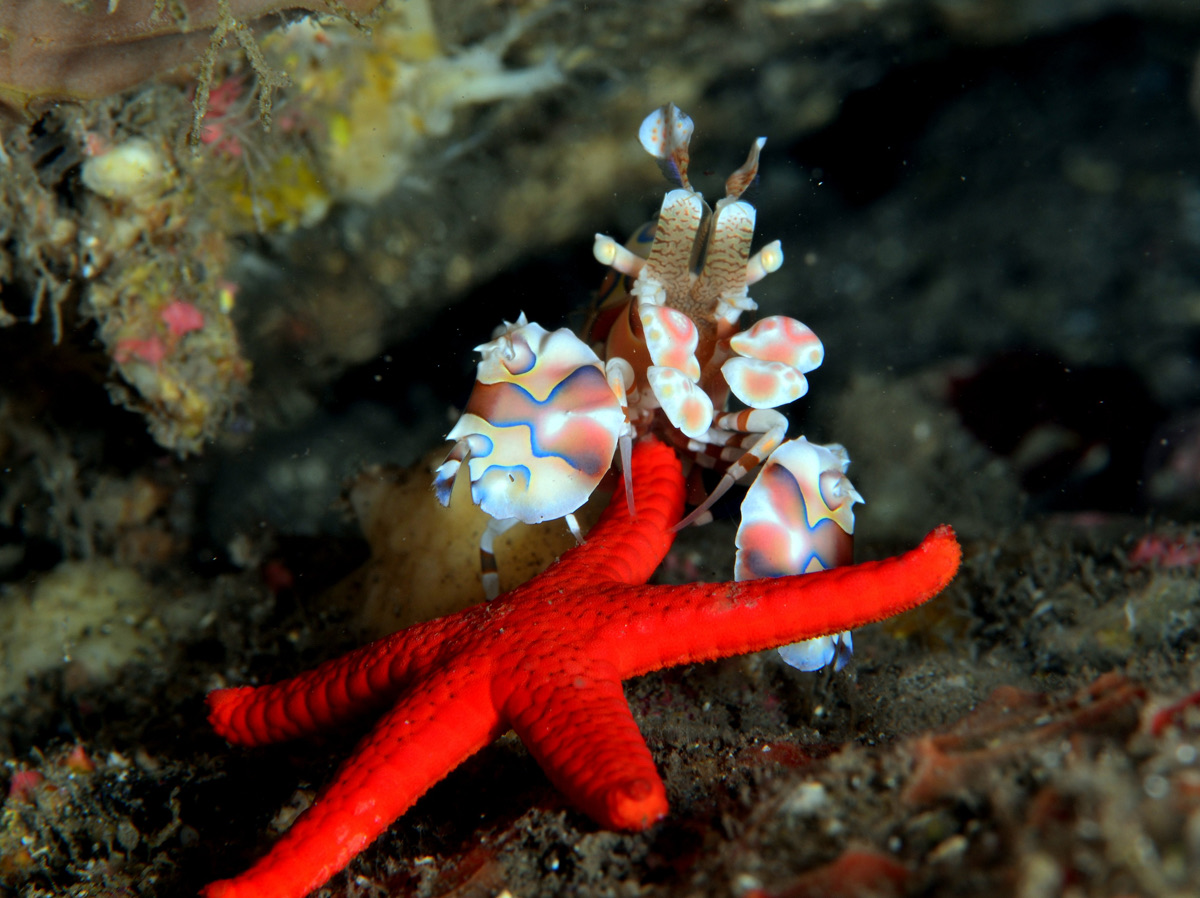
Harlequin Shrimp
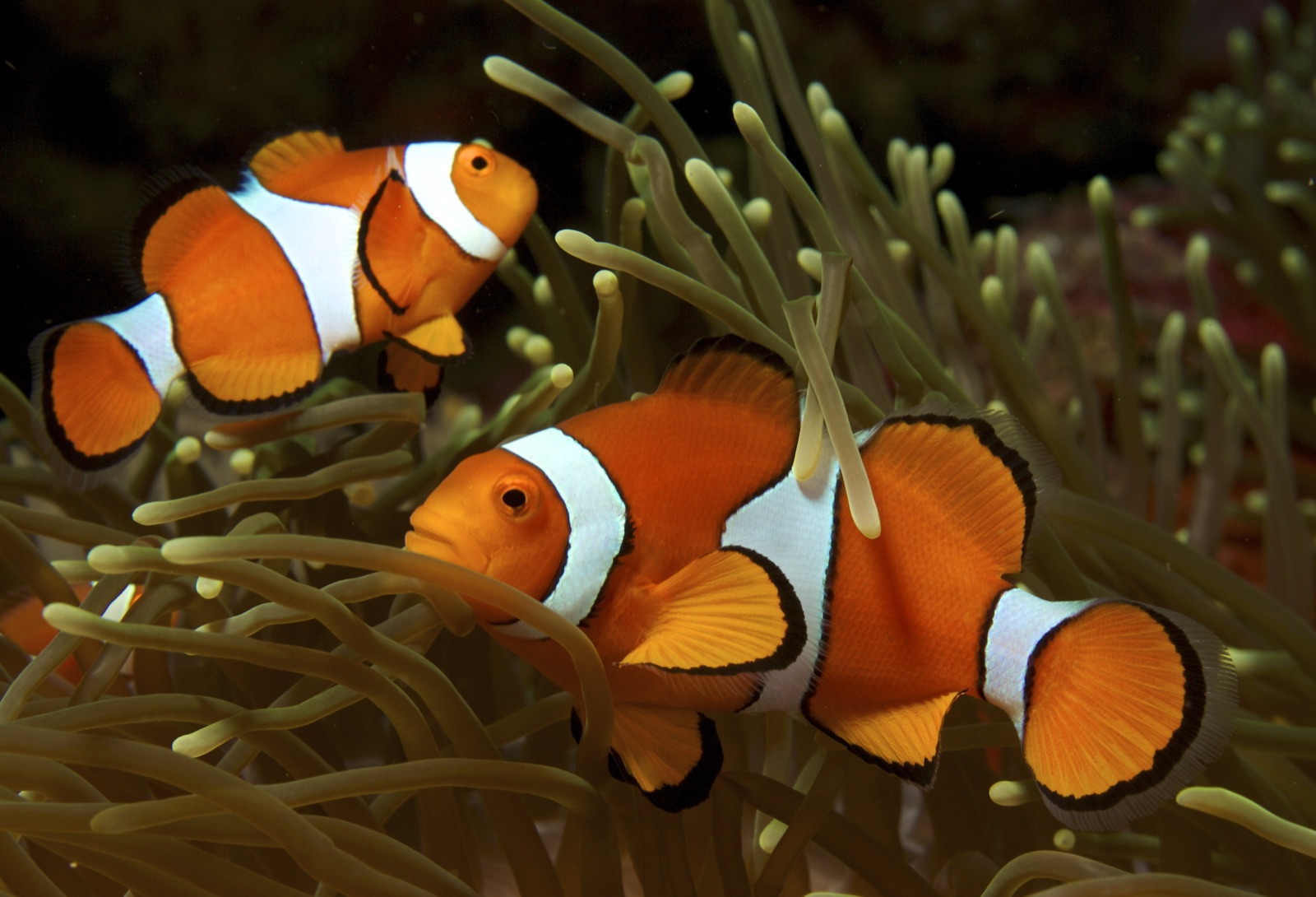
Clownfish & Anemonefish
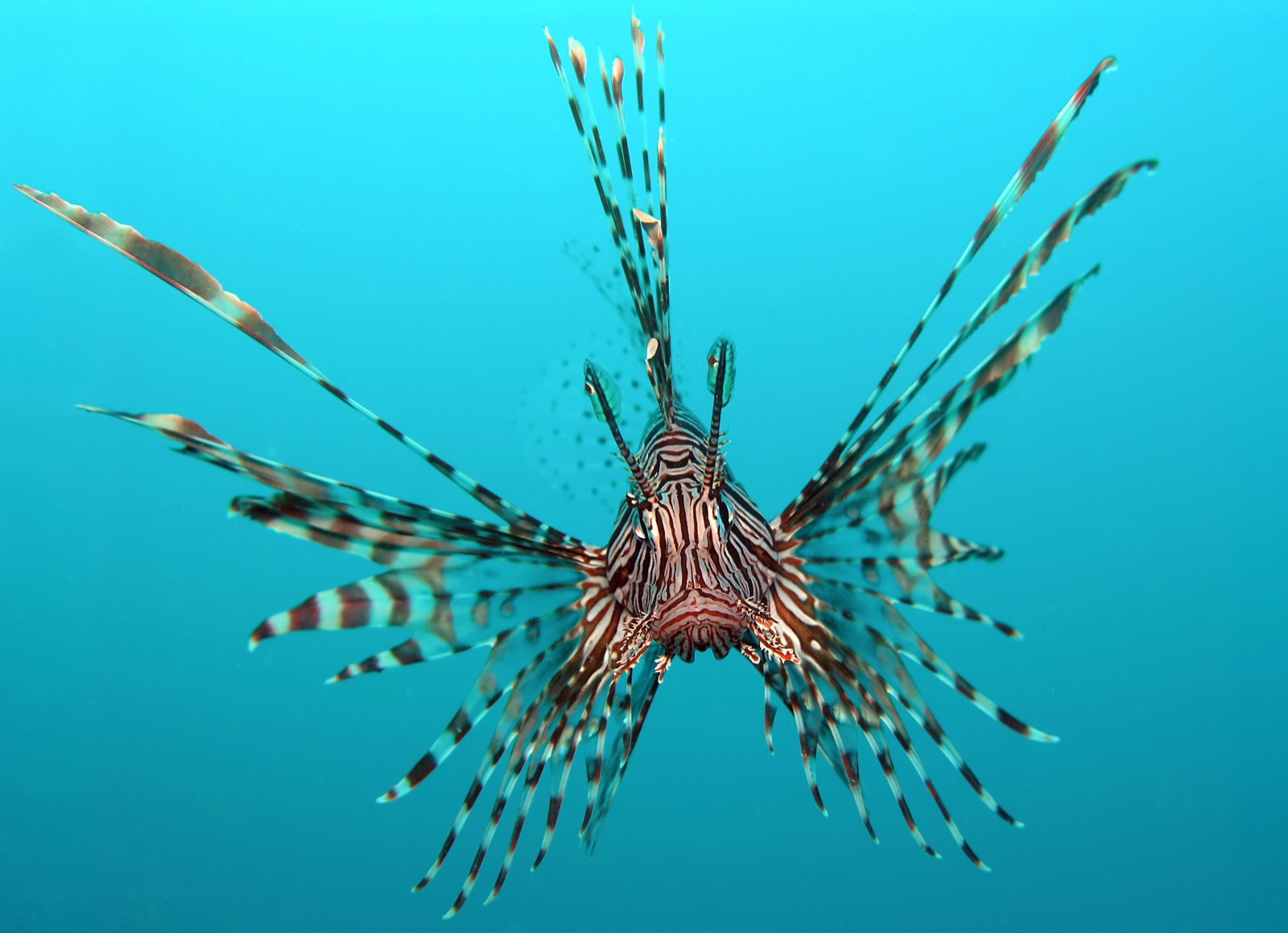
Lionfish
Also recorded nearby
"Charted here" species were listed by our editors from the sources on this page. Counts are GBIF occurrence records: observations logged within about 5 km of the charted position since 1990, matched only against the species in our catalogue. They show what has been seen there, not a promise of what you will see.
For photographers
Wide angle: ★☆☆☆☆ · Macro: ★★★★★ (editors' 1–5 rating of what this site gives each style of shooting)