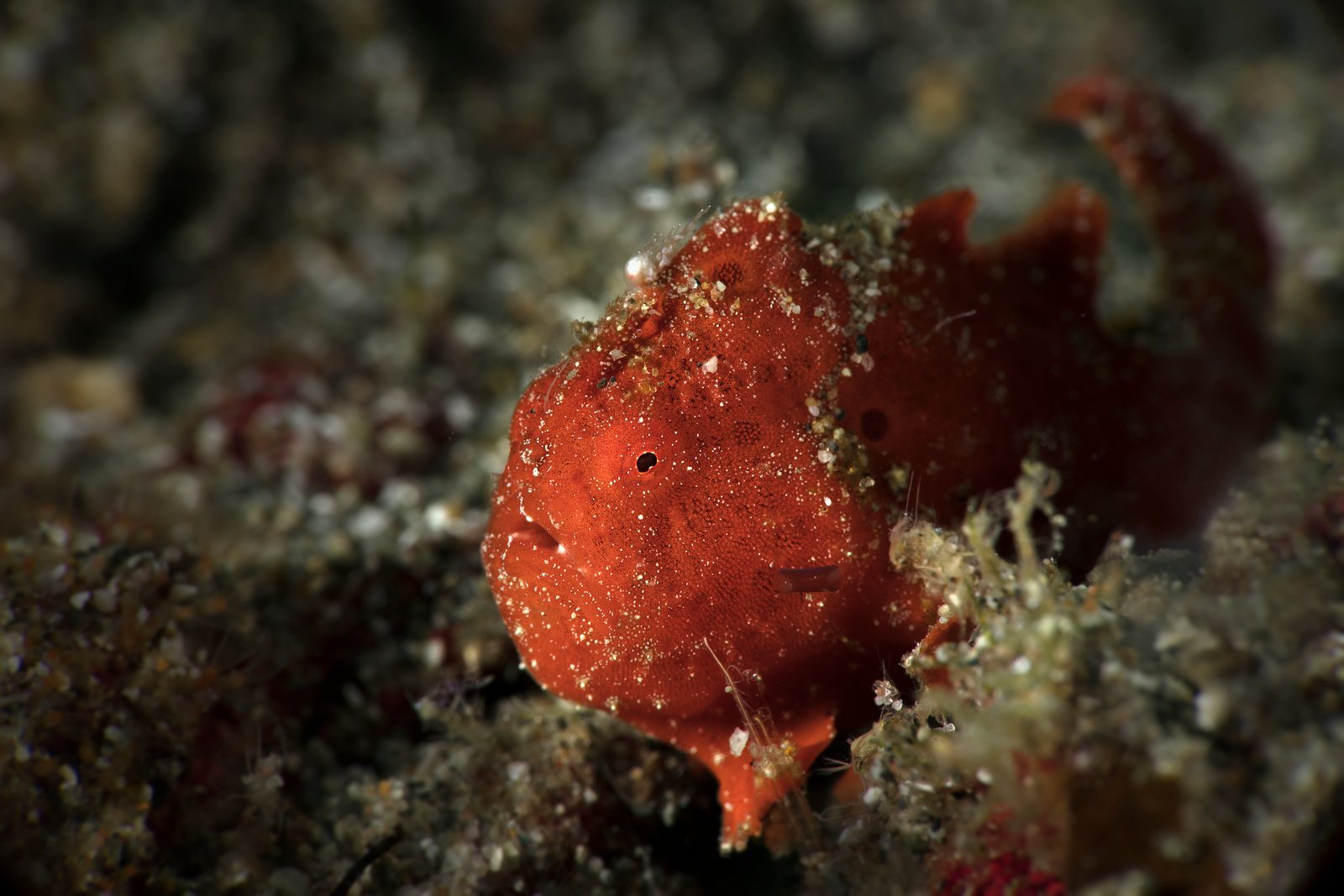
Basura
La profondeur correspond à la plage allant du sommet du site jusqu'à son maximum habituel ; le « niveau recommandé » est le niveau demandé en général par les opérateurs auprès des grandes agences, pas une règle légale. Les courants et la visibilité varient chaque jour, traitez donc tout cela comme des plages indicatives de planification.
Basura means garbage in Tagalog, and the site wears the name without apology: a gray sand slope seeded with bottles, cans, and fragments of village life that have become prime critter real estate. This is where Anilao guides go hunting for the rare stuff, hairy frogfish yawning on open sand, wonderpus flowing between burrows, tiger shrimp posing on sponges, and nudibranch species that end up in identification books. Every object is checked like a lobster trap. The diving is slow, shallow, and forensic, better measured in finds per hour than distance covered, and it converts muck skeptics with a single dive.
Le moment pour lequel vous venez: Hairy frogfish and rare octopus, junk-as-habitat safari, guide spotting at its sharpest
Topographie: Dark sand strewn with discarded debris
Courant: Light along-slope movement at most.
À savoir avant de plonger
Dangers: Fire urchins, stinging hydroids, and easily stirred silt.
Conservation: The debris is functioning habitat; removing 'trash' here evicts the animals photographers came for.
Qui vous croiserez
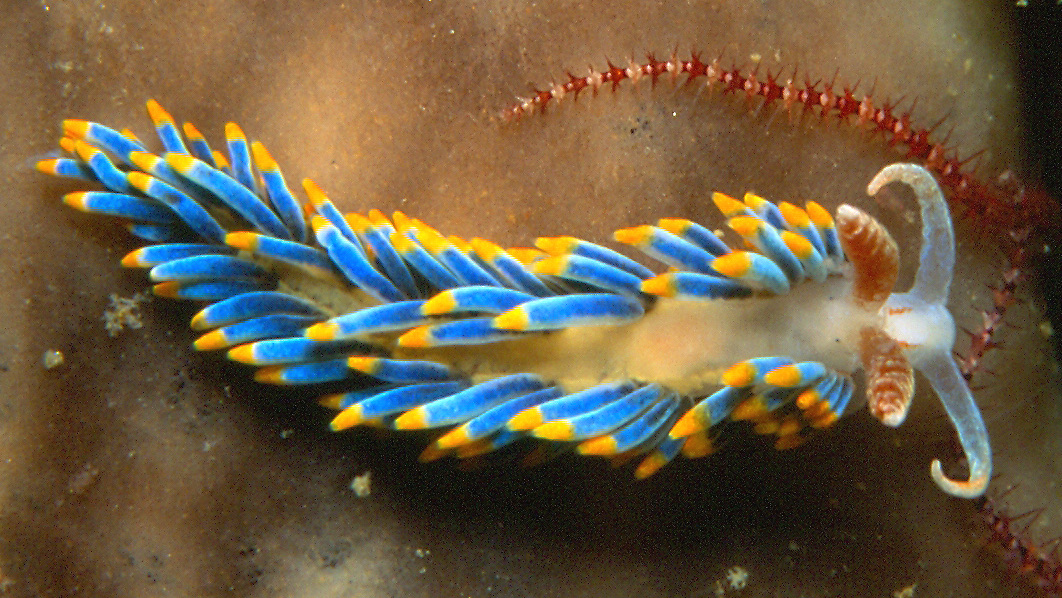
Nudibranchs
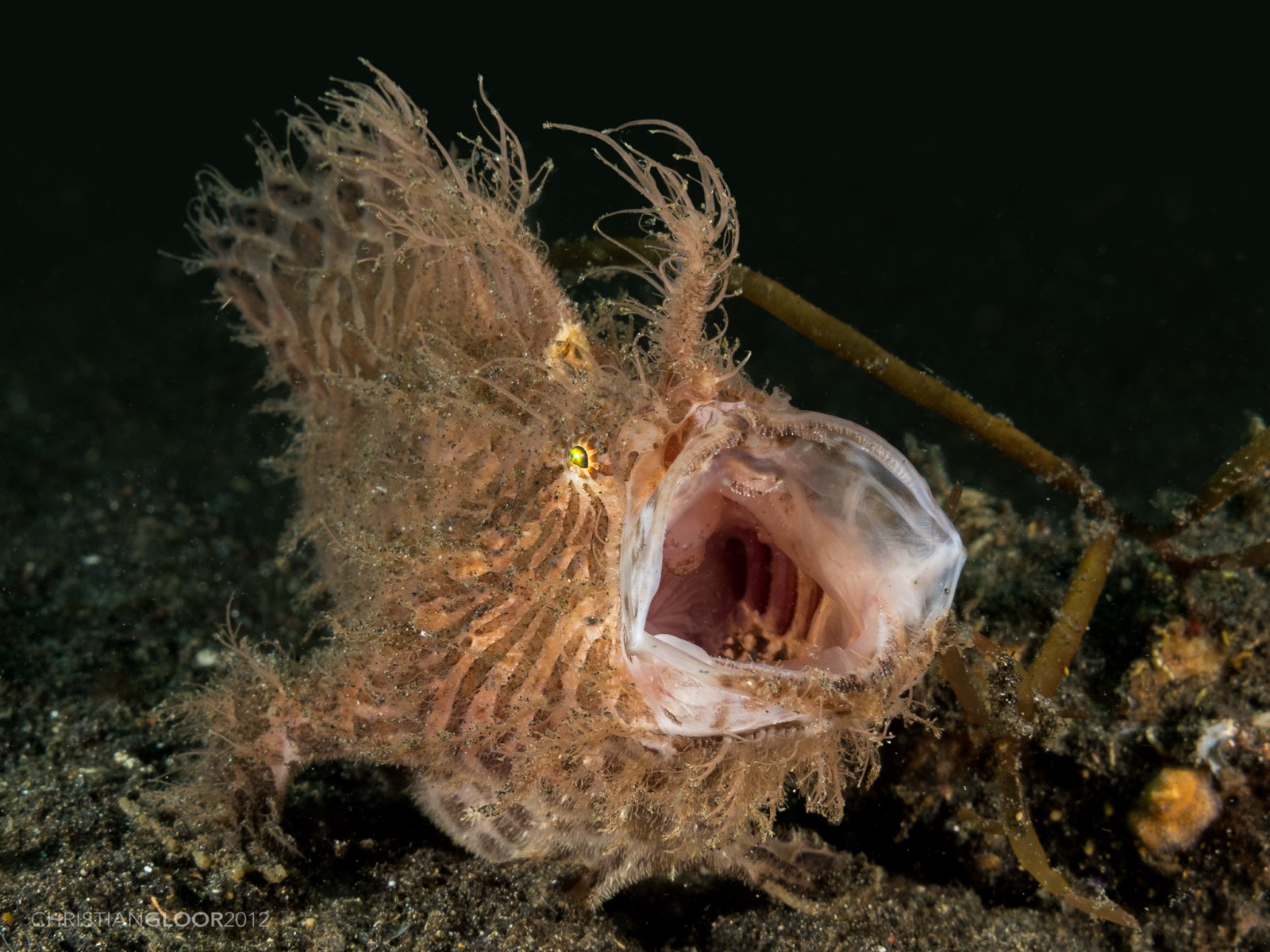
Frogfish
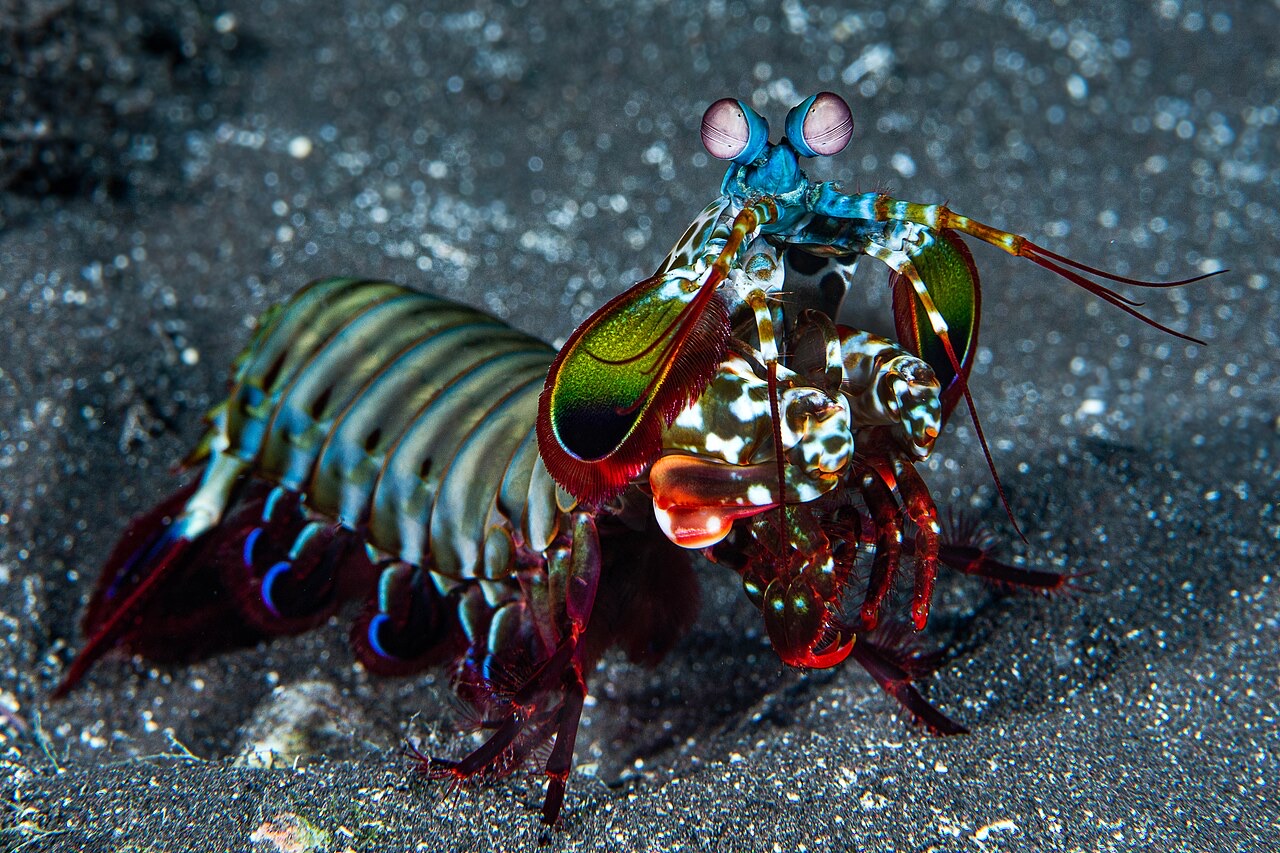
Peacock Mantis Shrimp
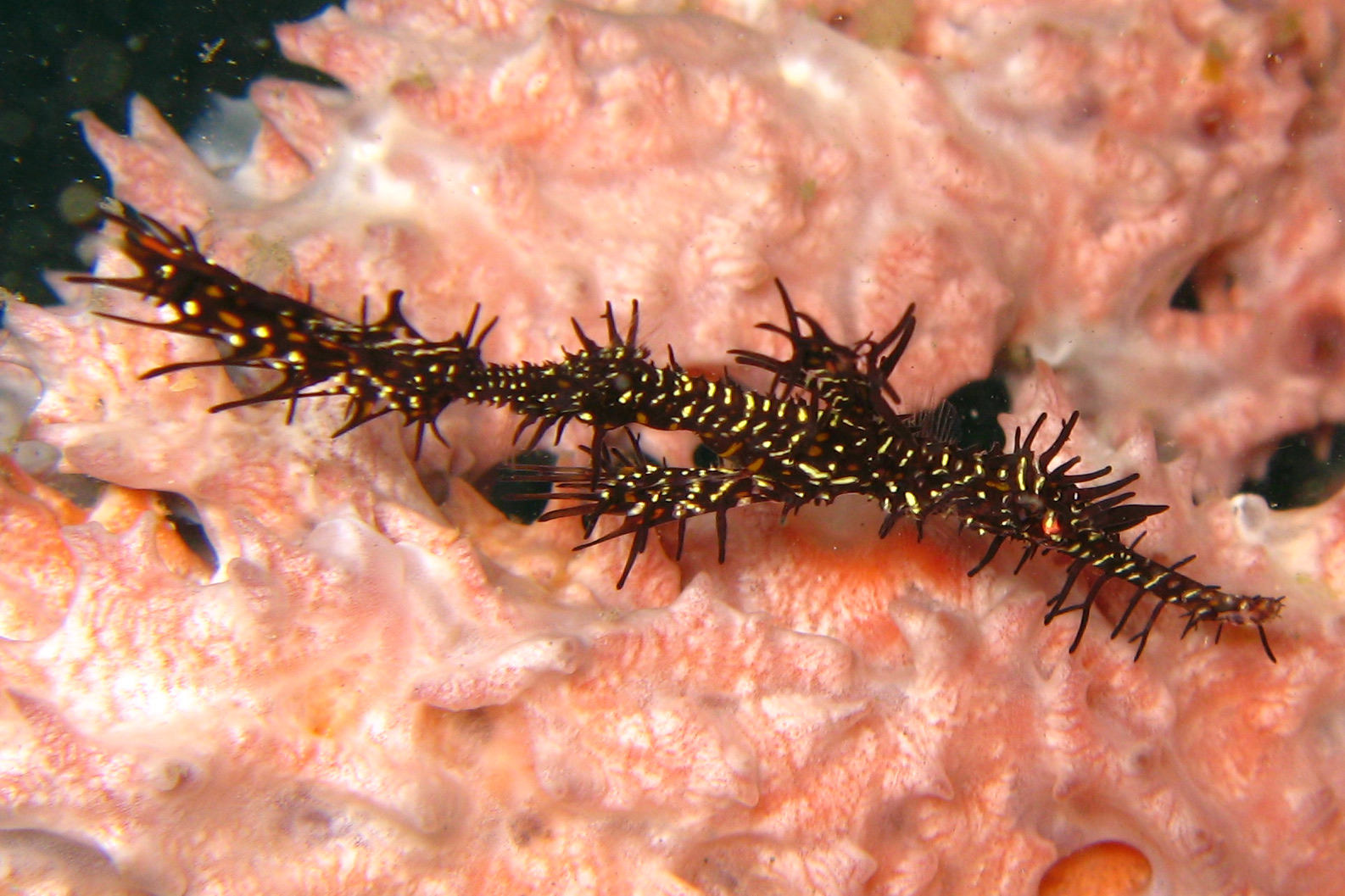
Ornate Ghost Pipefish
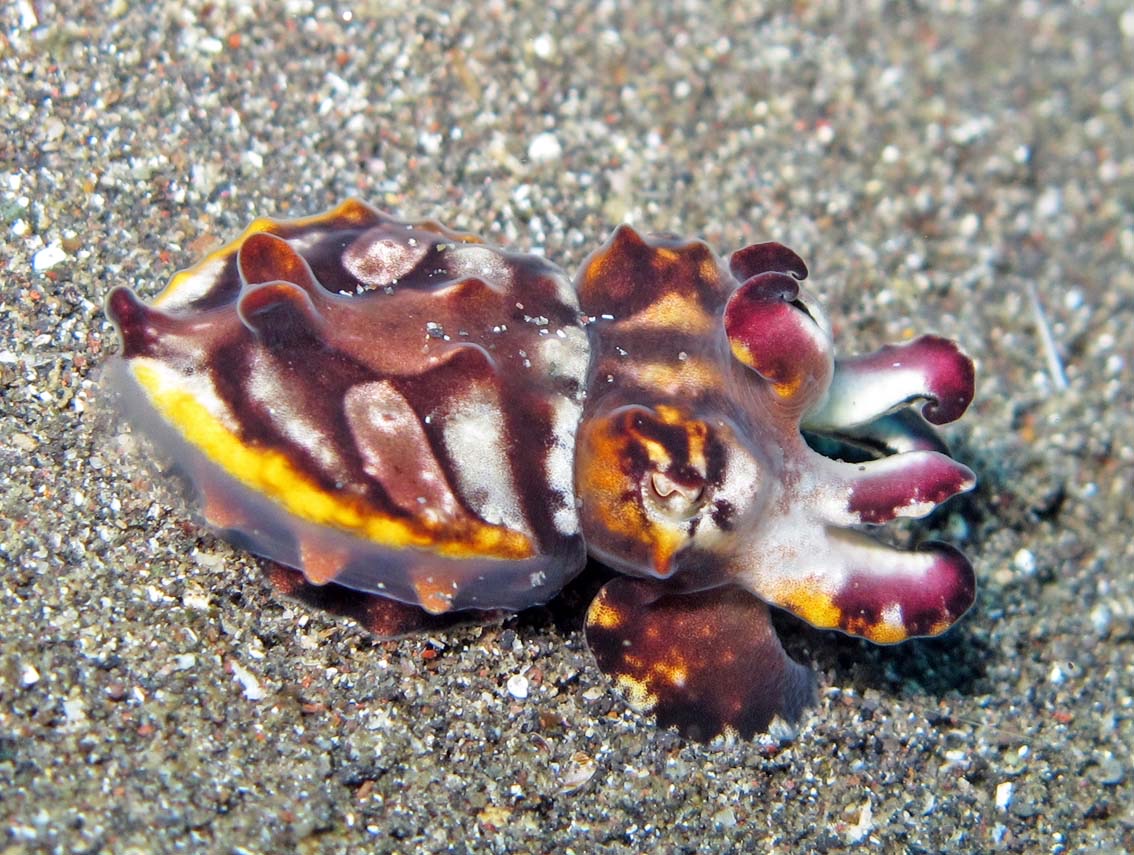
Flamboyant Cuttlefish
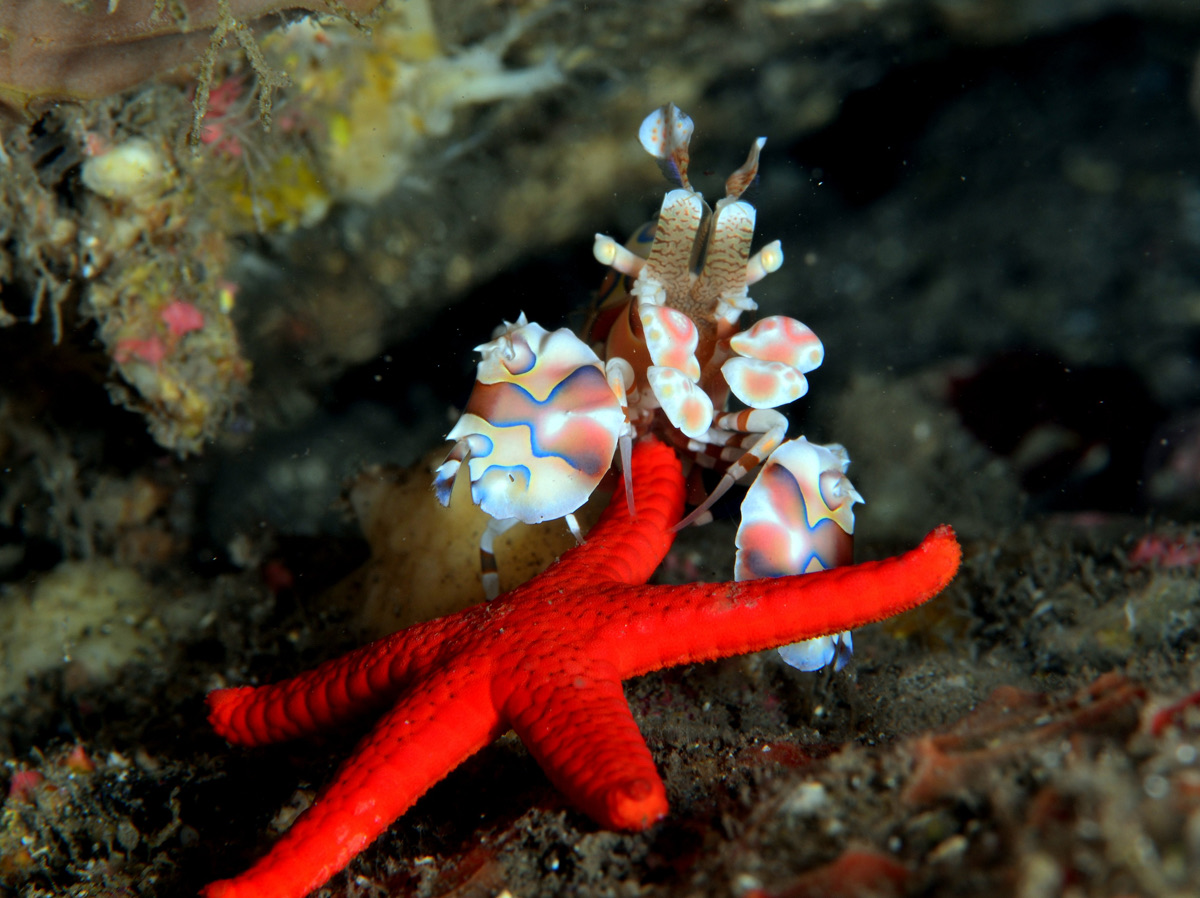
Harlequin Shrimp
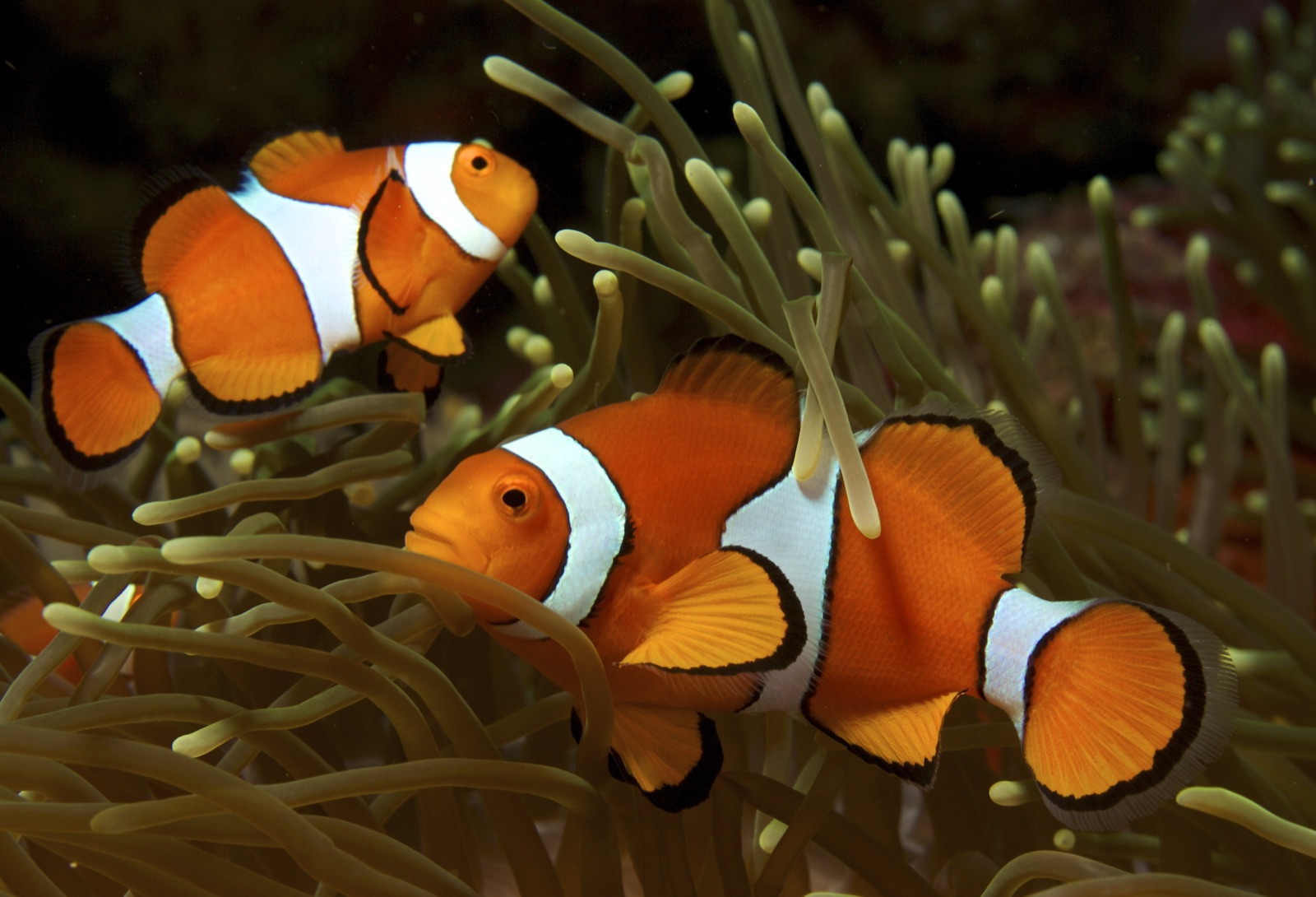
Clownfish & Anemonefish
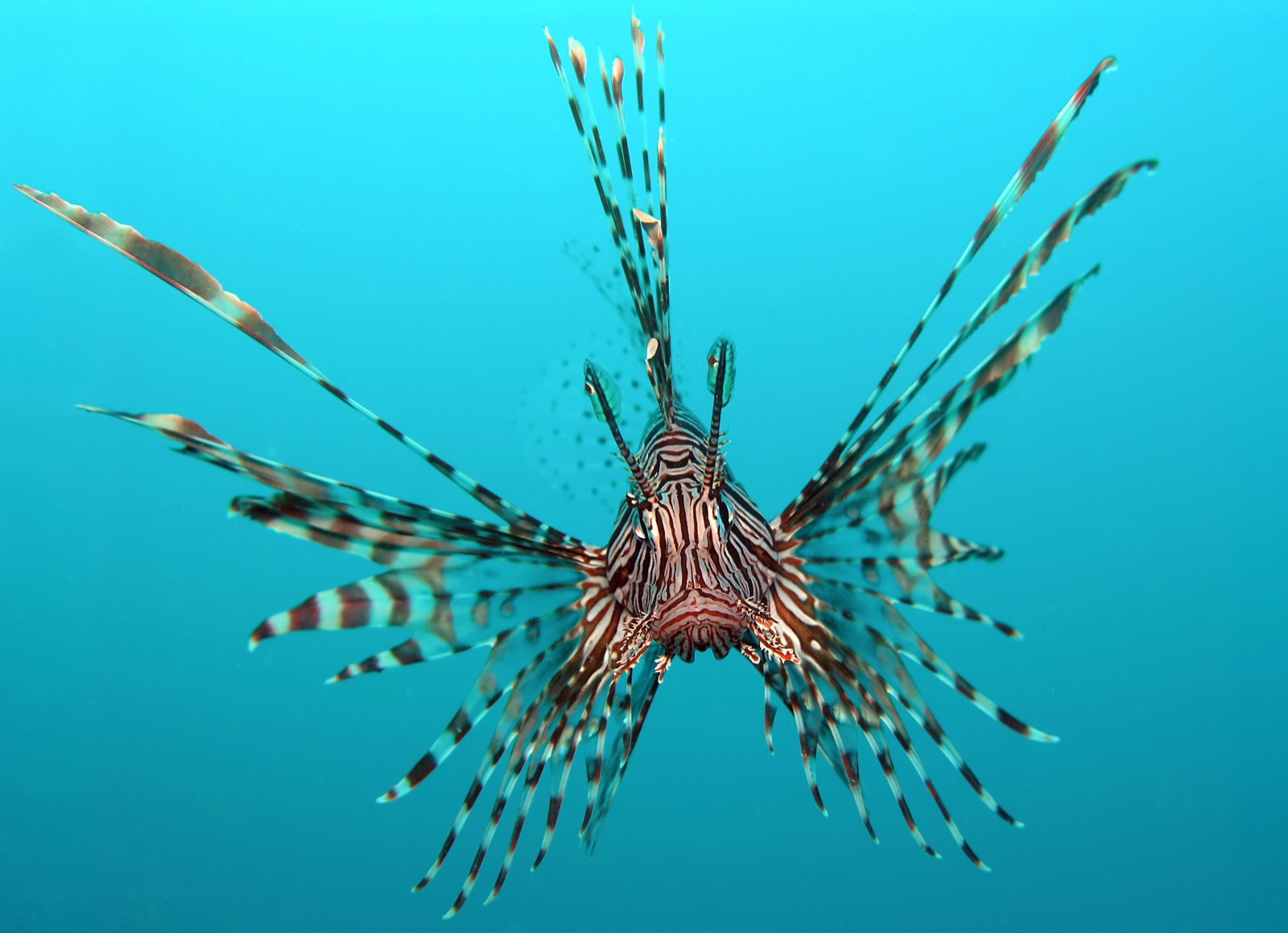
Lionfish
Également observé à proximité
Les espèces « cartographiées ici » ont été répertoriées par nos éditeurs à partir des sources indiquées sur cette page. Les comptages correspondent aux occurrences GBIF : observations enregistrées dans un rayon d'environ 5 km autour de la position cartographiée depuis 1990, comparées uniquement aux espèces de notre catalogue. Ils indiquent ce qui a été observé à cet endroit, sans garantir ce que vous y verrez.
Pour les photographes
Grand angle: ★☆☆☆☆ · Macro: ★★★★★ (note 1–5 des éditeurs sur ce que ce site offre à chaque style de prise de vue)