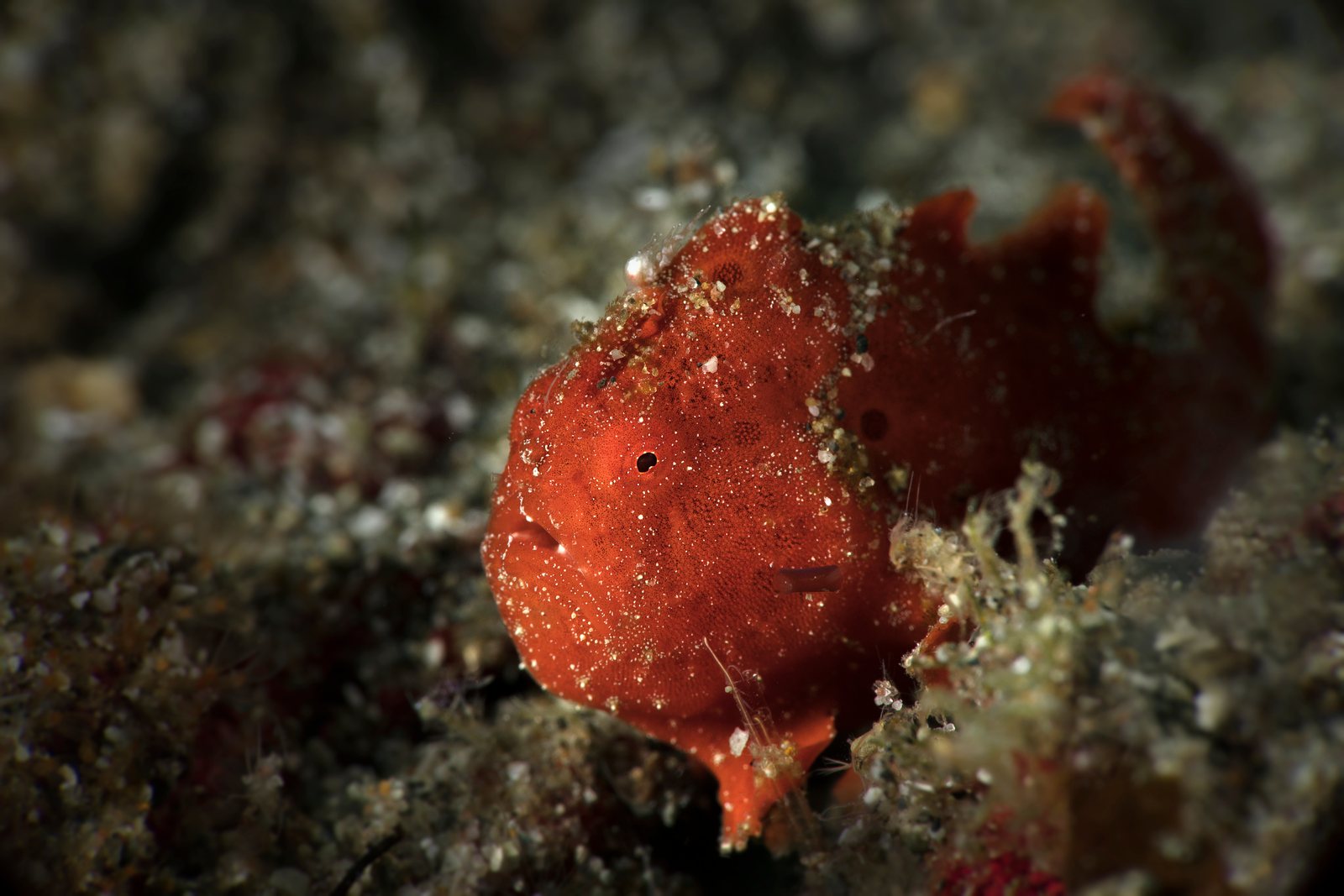
Basura
水深はサイト上部から通常の最大深度までの範囲です。「推奨資格」は多くのオペレーターが求めるメインストリームエージェンシーのレベルであり、法的な義務ではありません。潮流と透明度は日々変わるため、ここに記載の数値はあくまで計画のための目安としてお使いください。
Basura means garbage in Tagalog, and the site wears the name without apology: a gray sand slope seeded with bottles, cans, and fragments of village life that have become prime critter real estate. This is where Anilao guides go hunting for the rare stuff, hairy frogfish yawning on open sand, wonderpus flowing between burrows, tiger shrimp posing on sponges, and nudibranch species that end up in identification books. Every object is checked like a lobster trap. The diving is slow, shallow, and forensic, better measured in finds per hour than distance covered, and it converts muck skeptics with a single dive.
その瞬間のために: Hairy frogfish and rare octopus, junk-as-habitat safari, guide spotting at its sharpest
地形: Dark sand strewn with discarded debris
流れ(カレント): Light along-slope movement at most.
エントリー前に知っておこう
危険生物・リスク: Fire urchins, stinging hydroids, and easily stirred silt.
保全: The debris is functioning habitat; removing 'trash' here evicts the animals photographers came for.
出会える生物
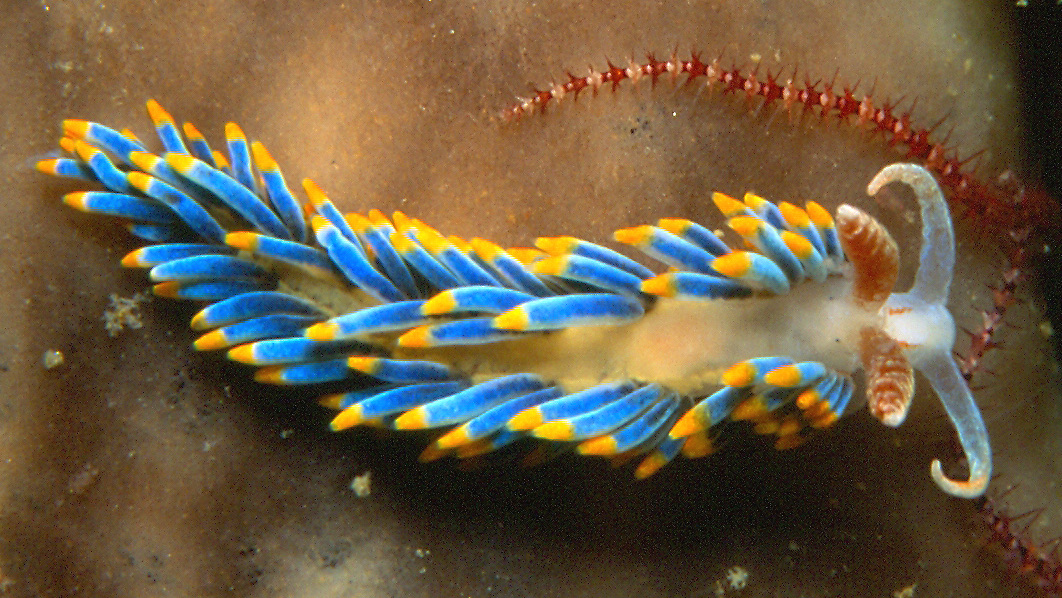
Nudibranchs
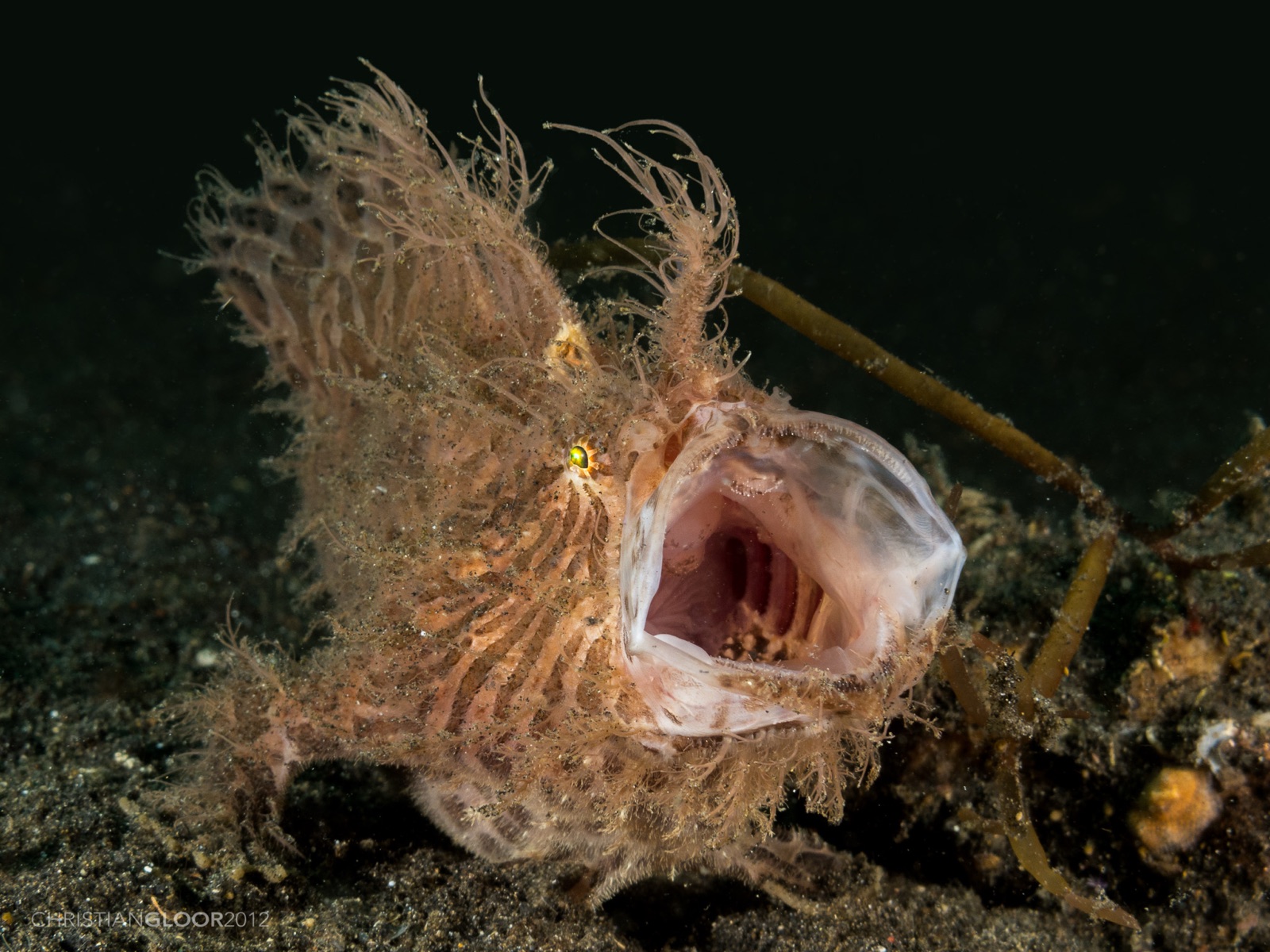
Frogfish
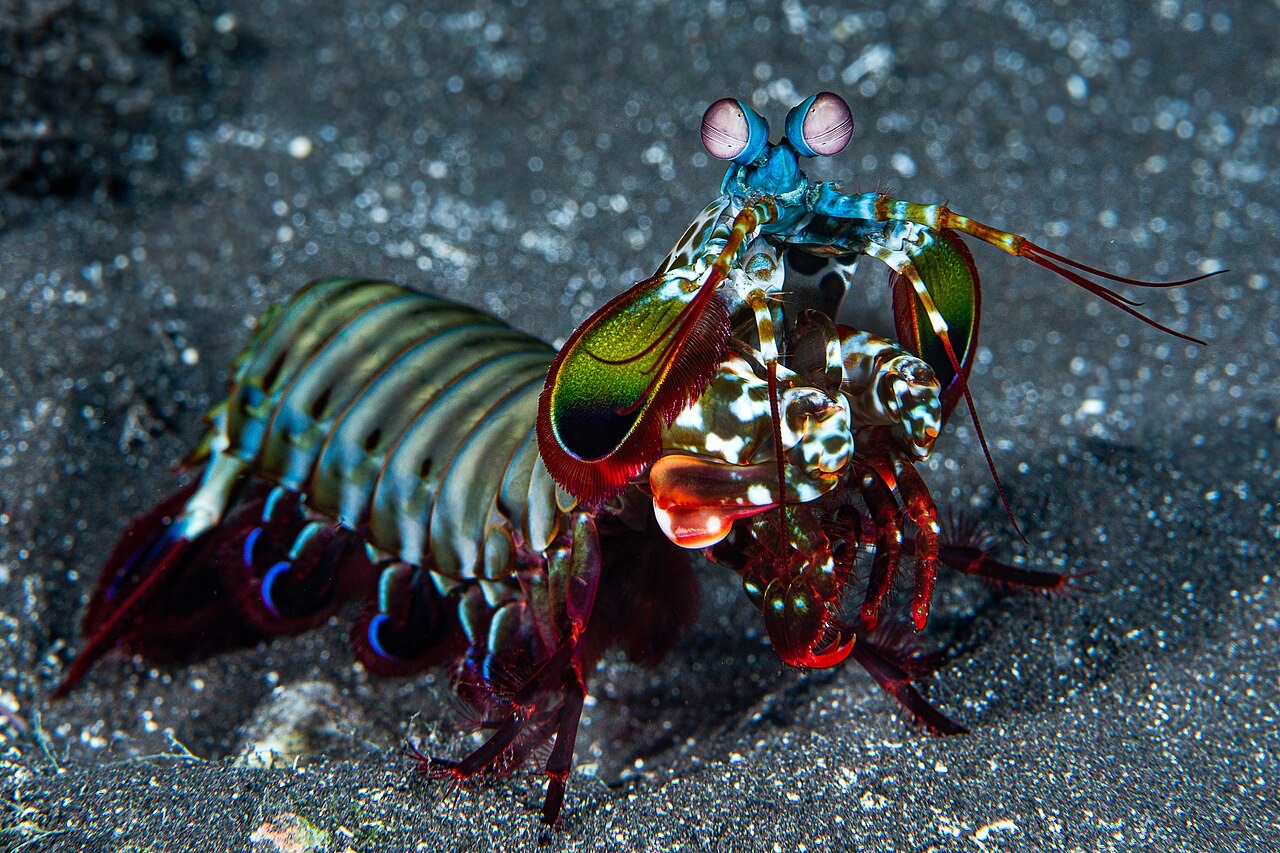
Peacock Mantis Shrimp
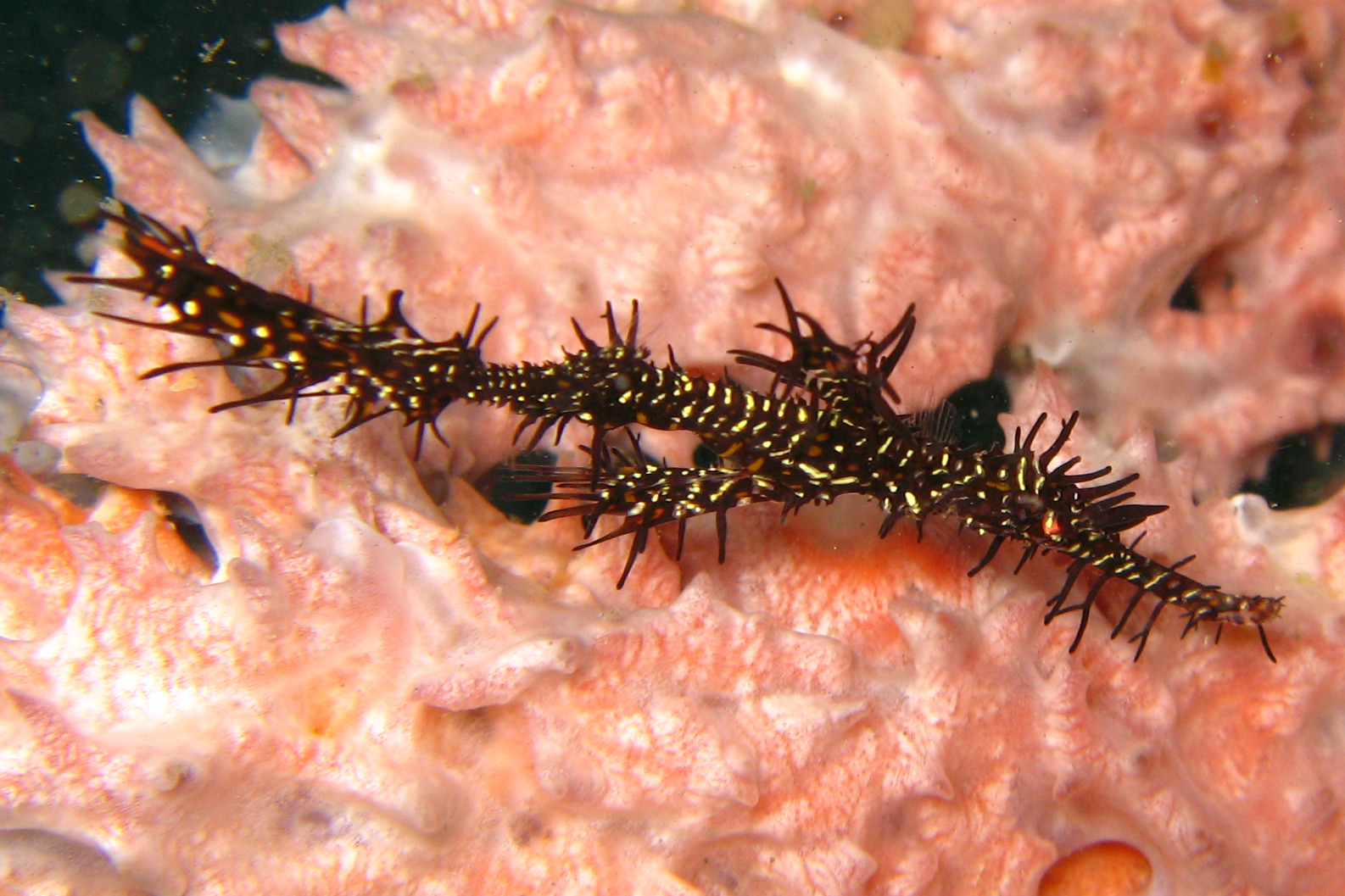
Ornate Ghost Pipefish
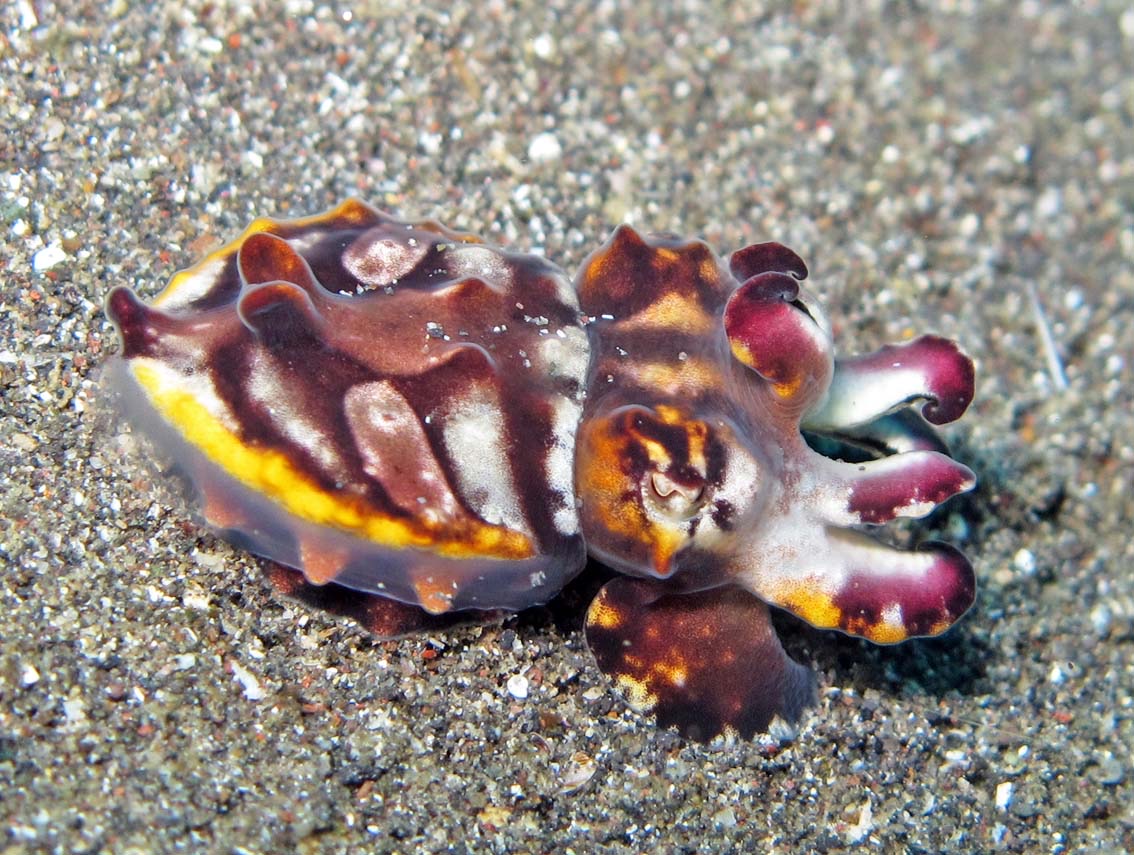
Flamboyant Cuttlefish
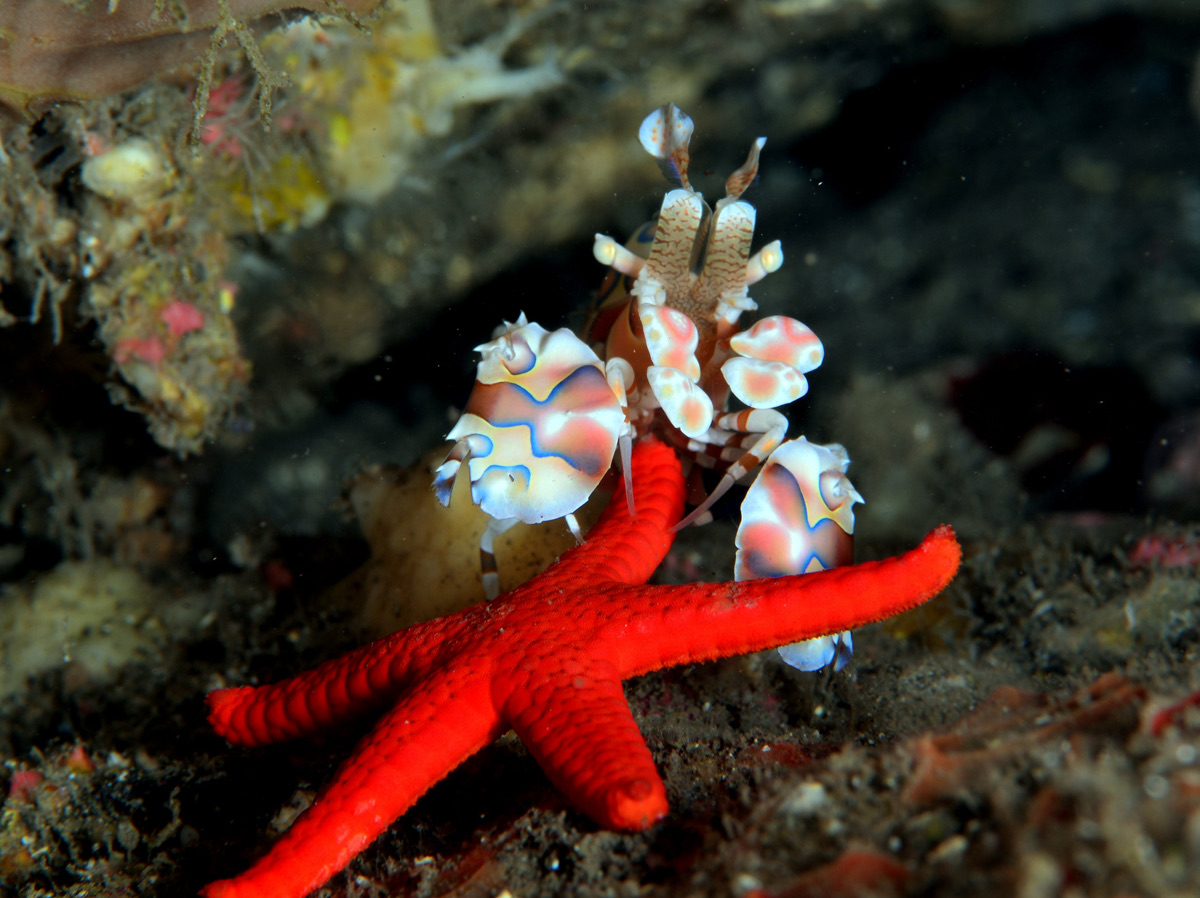
Harlequin Shrimp
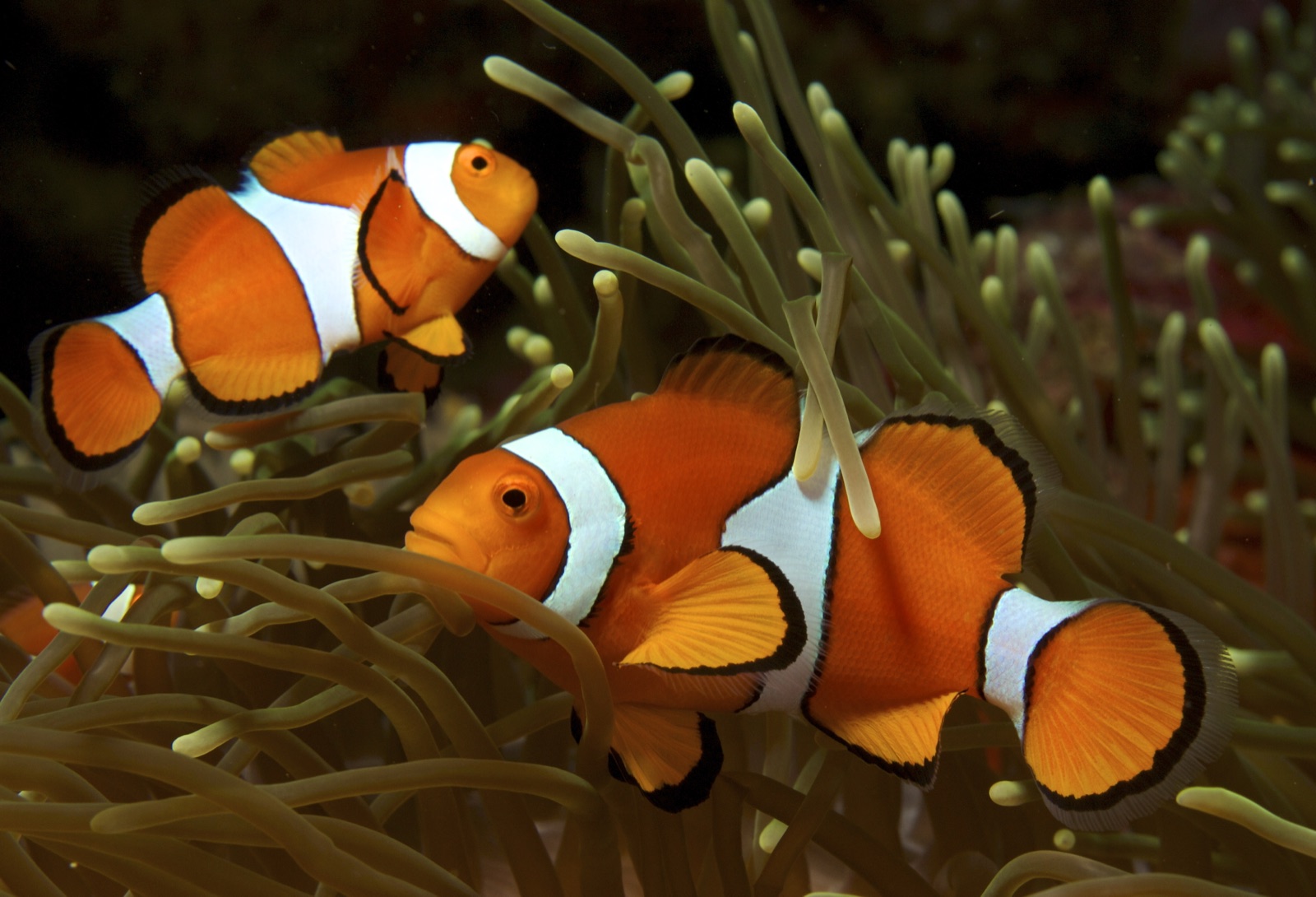
Clownfish & Anemonefish
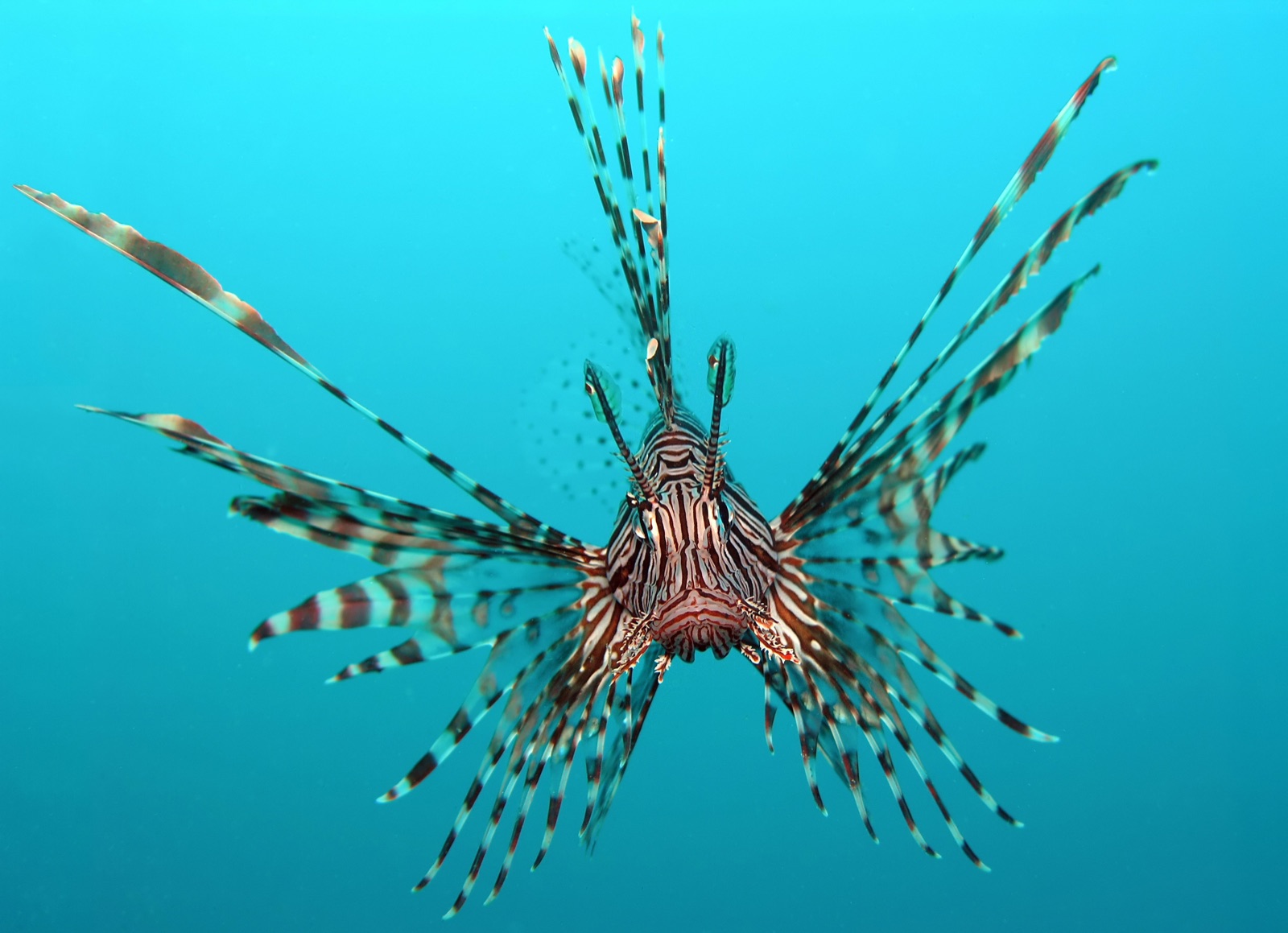
Lionfish
周辺でも記録あり
「ここに記載」の生物種は、このページの情報源をもとに編集部が登録したものです。件数はGBIFの出現記録数で、1990年以降に登録地点から約5km以内で記録された観察データのうち、当サイトのカタログ掲載種に一致したものです。そこで実際に目撃された記録であり、潜水時の遭遇を保証するものではありません。
水中フォトグラファー向け
ワイドアングル: ★☆☆☆☆ · マクロ: ★★★★★ (各撮影スタイルに対するこのサイトの評価(編集部による1〜5点))