Basura
수심은 사이트 상단부터 통상적인 최대 수심까지의 범위이며, '권장 자격증'은 업체에서 통상적으로 요구하는 주요 인증 기관 기준이지 법적 규정이 아닙니다. 조류와 시야는 매일 달라지므로, 모든 정보는 계획 수립용 참고 범위로 활용하세요.
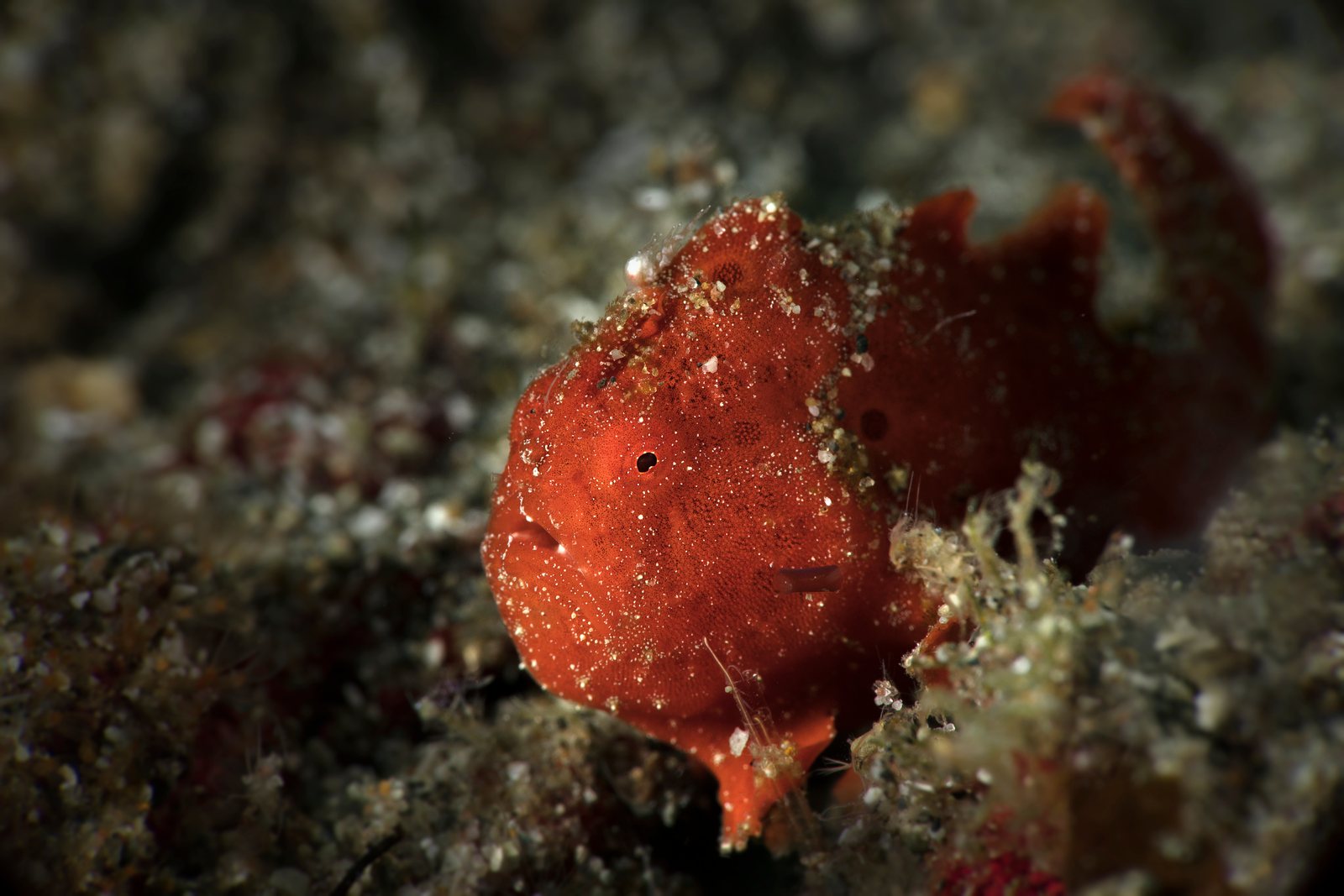
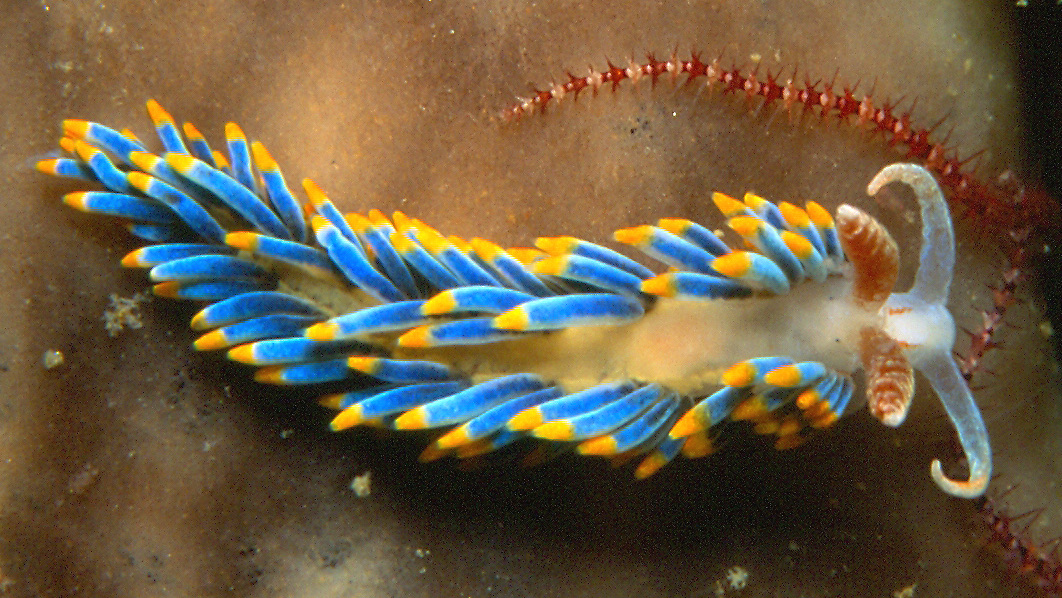
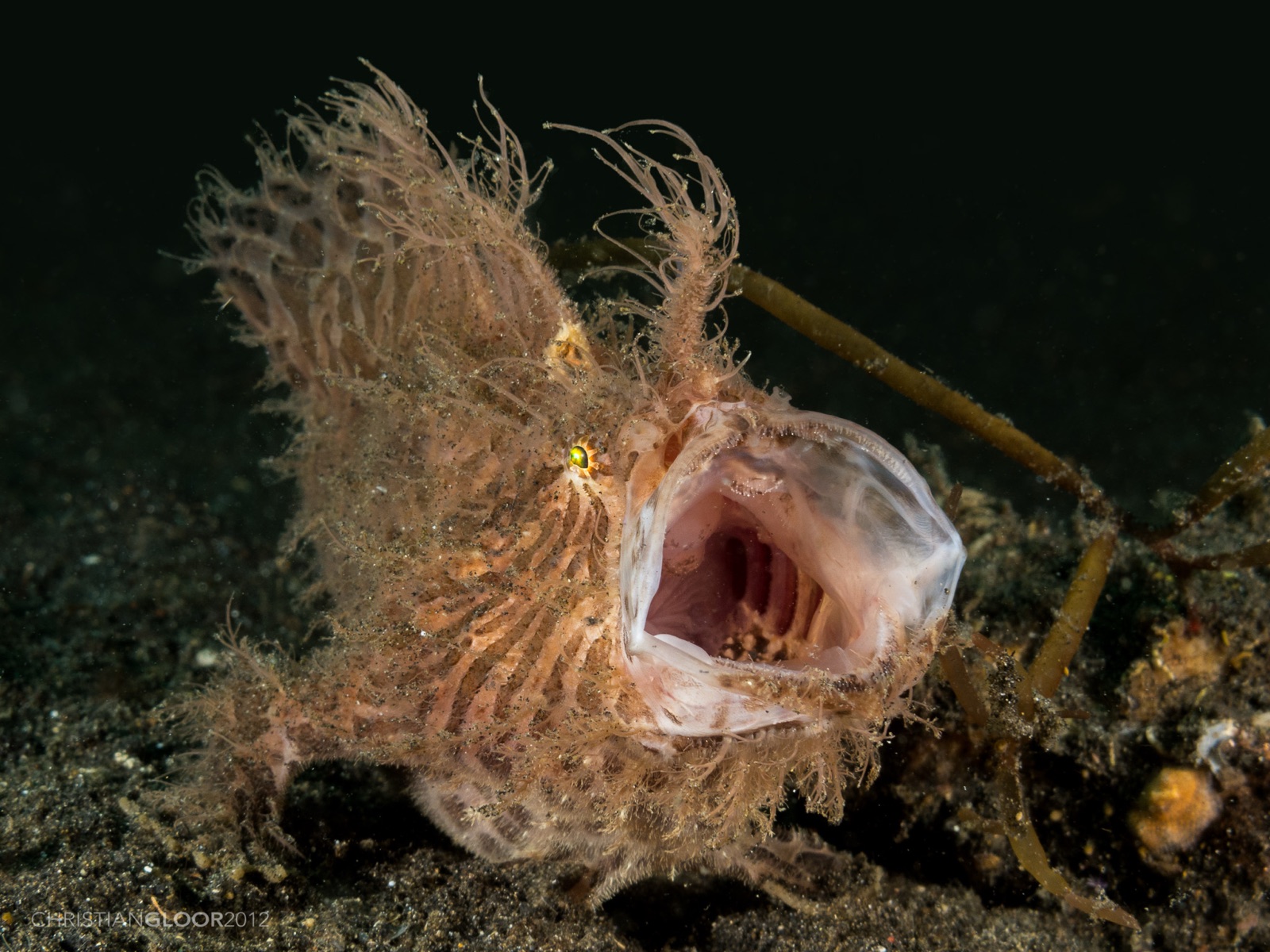
Basura means garbage in Tagalog, and the site wears the name without apology: a gray sand slope seeded with bottles, cans, and fragments of village life that have become prime critter real estate. This is where Anilao guides go hunting for the rare stuff, hairy frogfish yawning on open sand, wonderpus flowing between burrows, tiger shrimp posing on sponges, and nudibranch species that end up in identification books. Every object is checked like a lobster trap. The diving is slow, shallow, and forensic, better measured in finds per hour than distance covered, and it converts muck skeptics with a single dive.
바로 그 순간: Hairy frogfish and rare octopus, junk-as-habitat safari, guide spotting at its sharpest
지형: Dark sand strewn with discarded debris
조류: Light along-slope movement at most.
입수 전에 알아두세요
위험 요소: Fire urchins, stinging hydroids, and easily stirred silt.
보존: The debris is functioning habitat; removing 'trash' here evicts the animals photographers came for.
만날 수 있는 생물
Nudibranchs
Frogfish
Peacock Mantis Shrimp
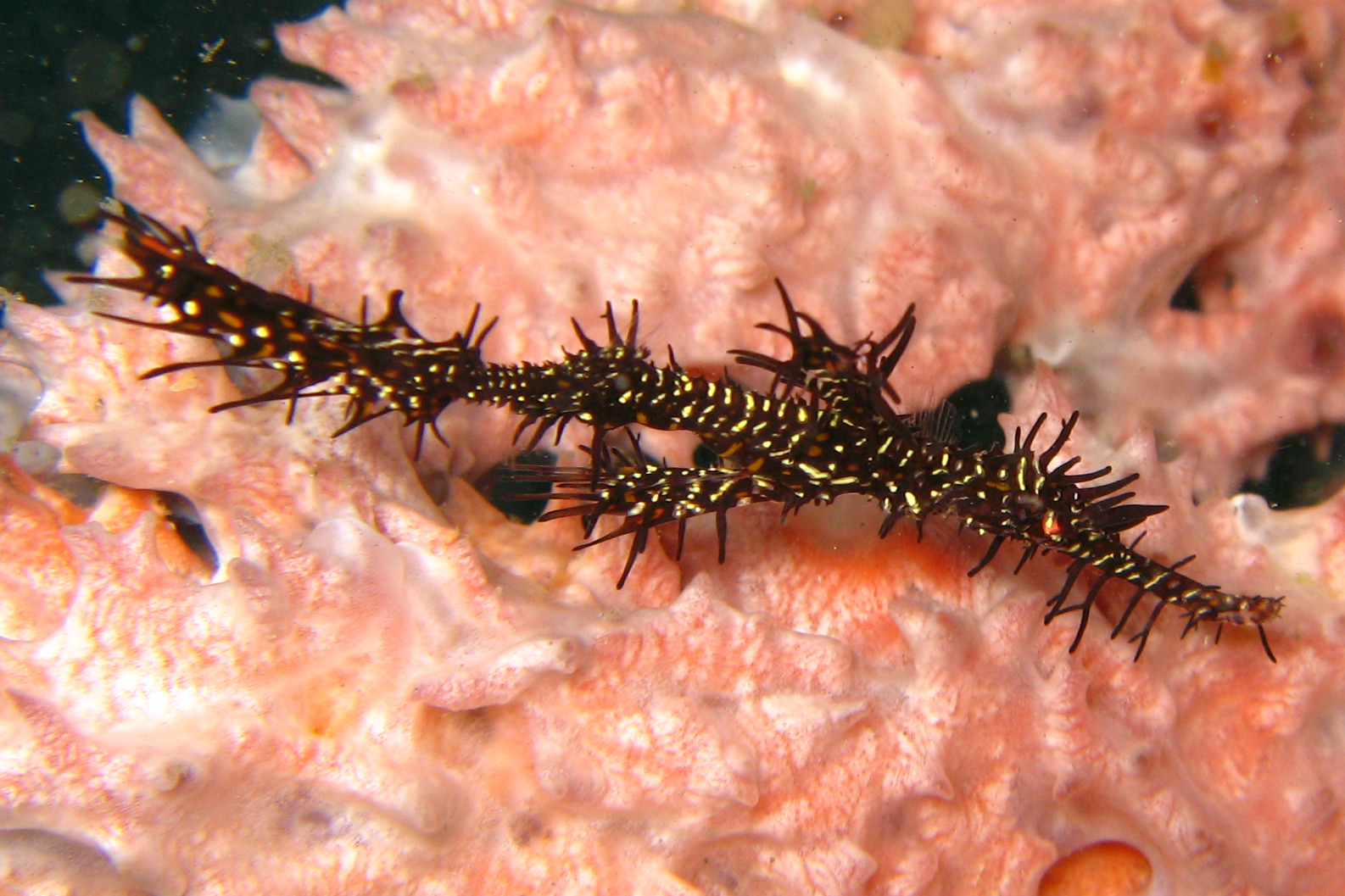
Ornate Ghost Pipefish
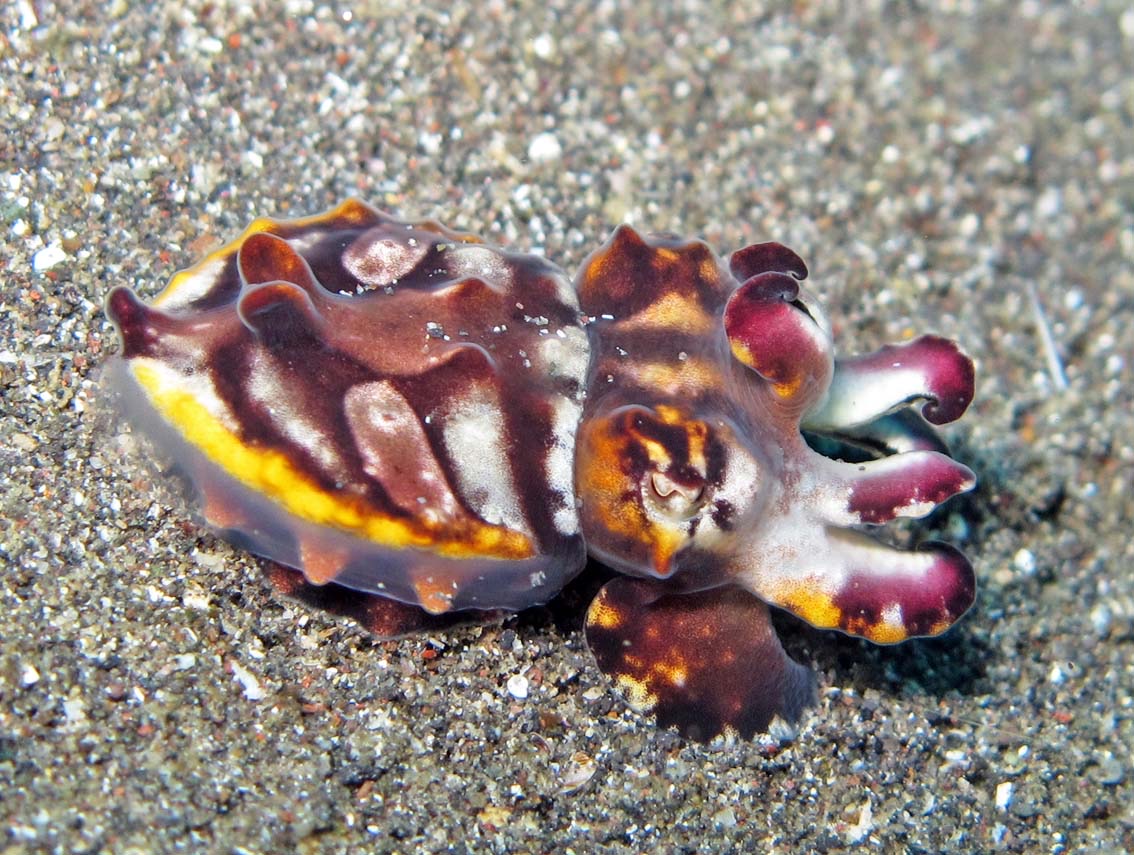
Flamboyant Cuttlefish
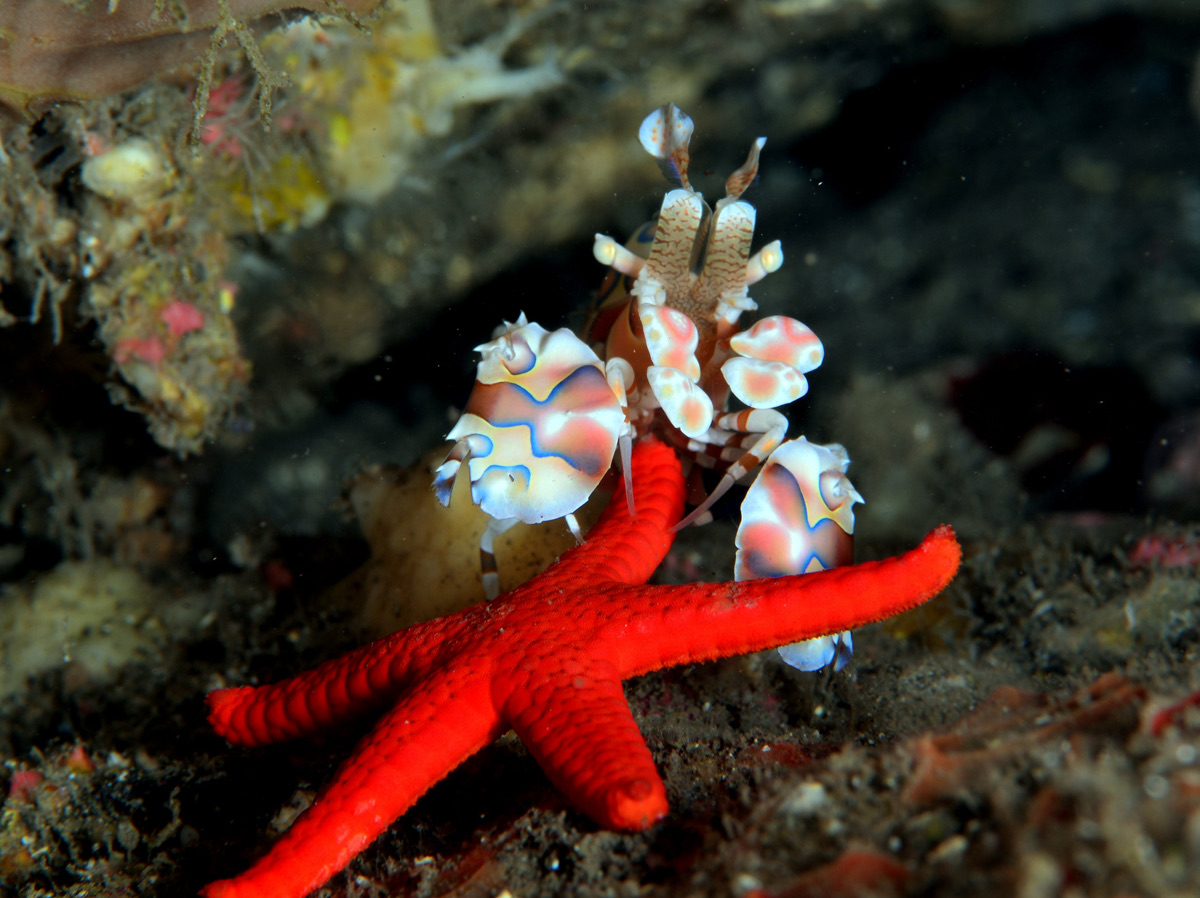
Harlequin Shrimp
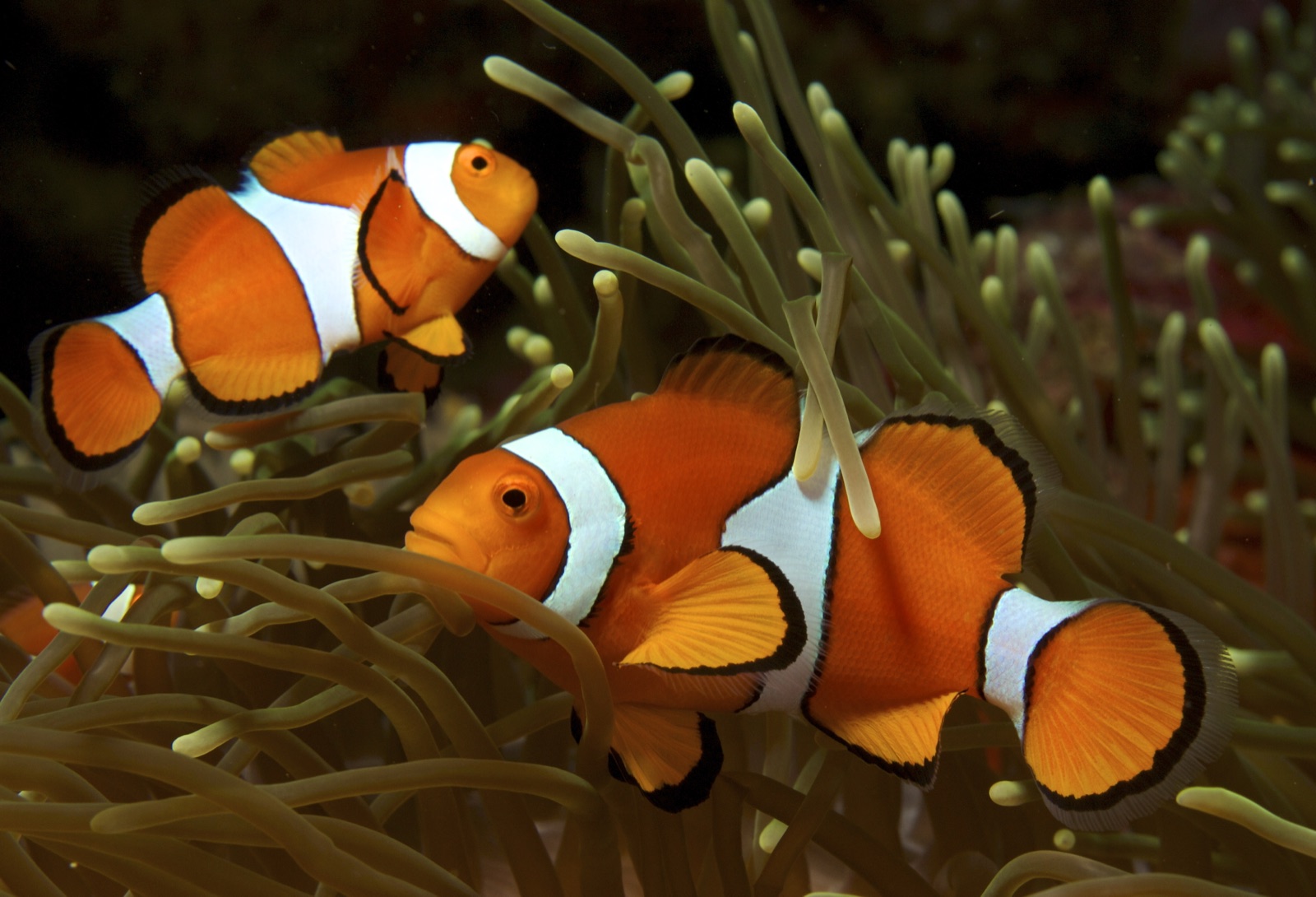
Clownfish & Anemonefish
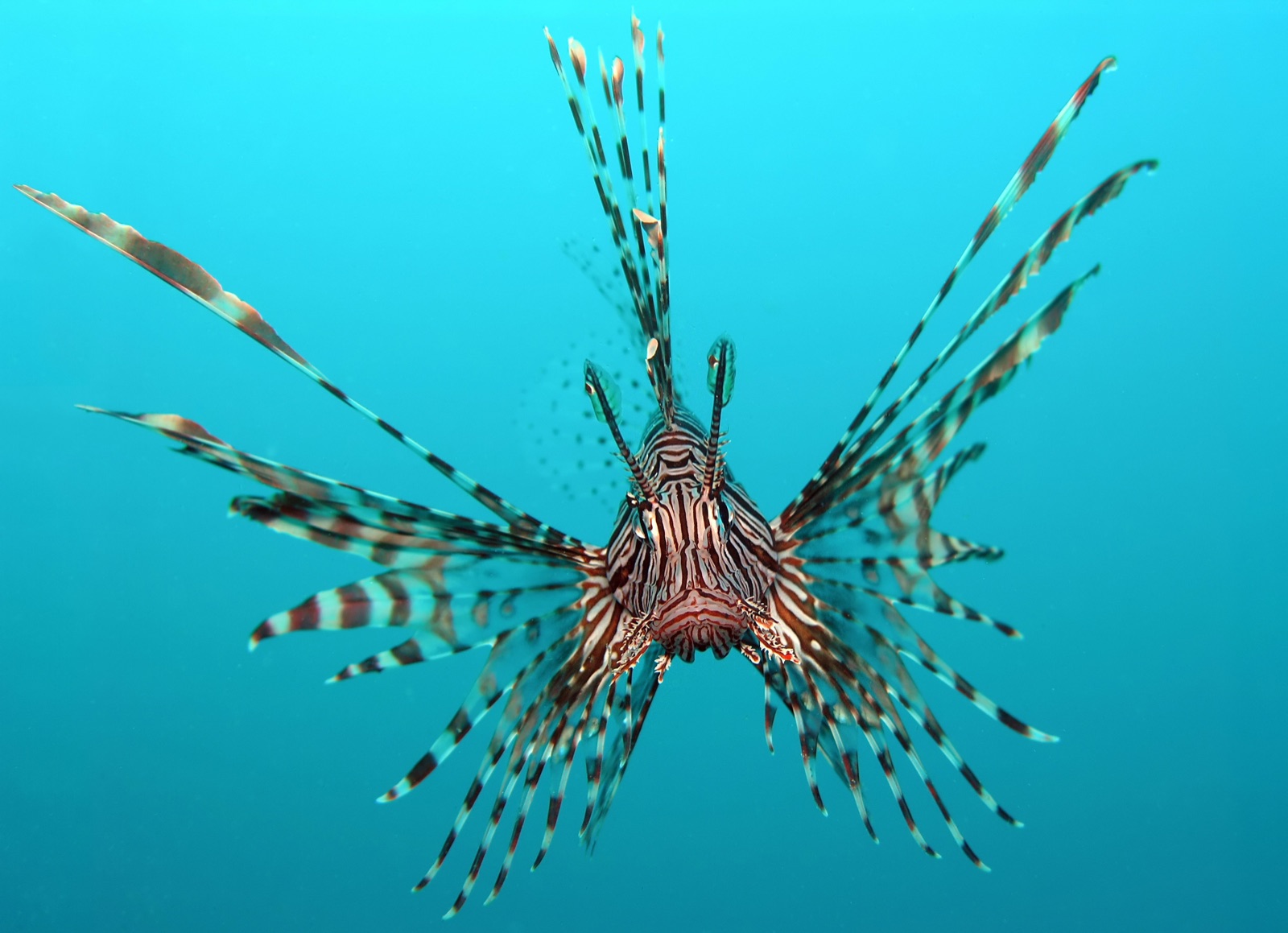
Lionfish
인근에서도 기록된 종
"여기에 등록된" 생물종은 편집팀이 이 페이지의 출처를 바탕으로 목록화한 종입니다. 표시된 수치는 GBIF 출현 기록으로, 1990년 이후 등록 위치 기준 약 5km 이내에서 관찰·기록된 건수이며, 저희 카탈로그에 수록된 종에 한해 대조한 결과입니다. 실제로 목격된 사례를 보여주는 것이며, 현장에서 반드시 볼 수 있다는 보장은 아닙니다.
수중 촬영자를 위한 정보
광각: ★☆☆☆☆ · 마크로: ★★★★★ (각 촬영 스타일에 대한 에디터의 1–5점 평가)