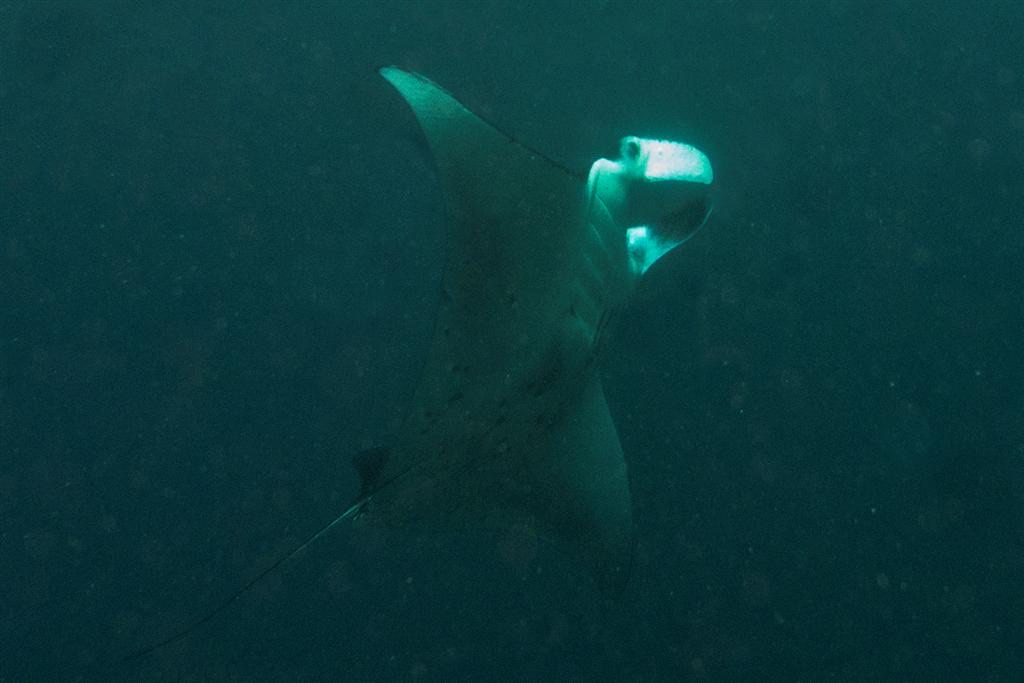
Manta Point (Nusa Penida)
La profondeur correspond à la plage allant du sommet du site jusqu'à son maximum habituel ; le « niveau recommandé » est le niveau demandé en général par les opérateurs auprès des grandes agences, pas une règle légale. Les courants et la visibilité varient chaque jour, traitez donc tout cela comme des plages indicatives de planification.
Under the limestone cliffs of southern Nusa Penida, reef mantas keep office hours at Batu Lumbung nearly every day of the year. They circle the cleaning bommies in slow, banking loops, sometimes three or four in view at once, and in plankton-thick periods they switch to barrel-rolling feeding runs at the surface, to the delight of snorkelers. The diving itself is simple: modest depth, a defined circuit, and long waits rewarded by animals with four-meter wingspans passing close enough to fill a fisheye frame. Swell is the gatekeeper, surging over the boulders and occasionally shutting the site for days. Sightings are about as dependable as wild megafauna gets.
Le moment pour lequel vous venez: Near-year-round reef mantas; surface feeding behavior; occasional mola cameo in season.
Topographie: Boulder-strewn limestone reef beneath sea cliffs, with several coral-head cleaning stations.
Courant: Current is usually manageable; the real variable is Indian Ocean swell against the cliffs, which can cancel the trip outright.
À savoir avant de plonger
Dangers: Ocean swell and surge against shallow rock; seasickness on the ride is practically part of the itinerary.
Conservation: The area sits inside the Nusa Penida MPA; operators follow a manta code of conduct and rotate boats at the mooring in busy periods.
Qui vous croiserez
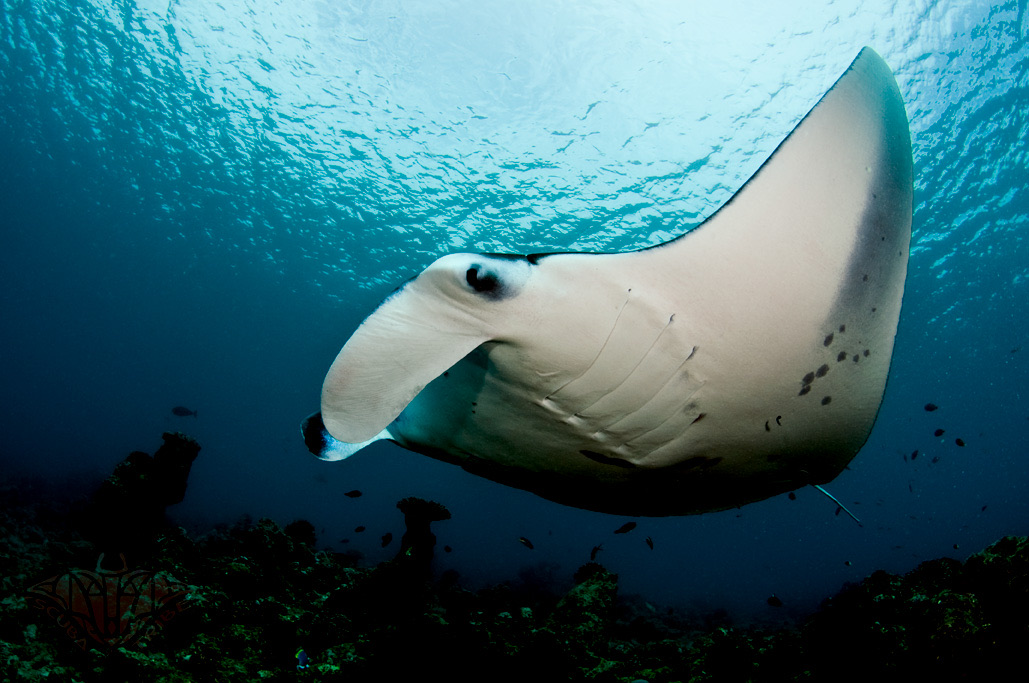
Reef Manta Ray
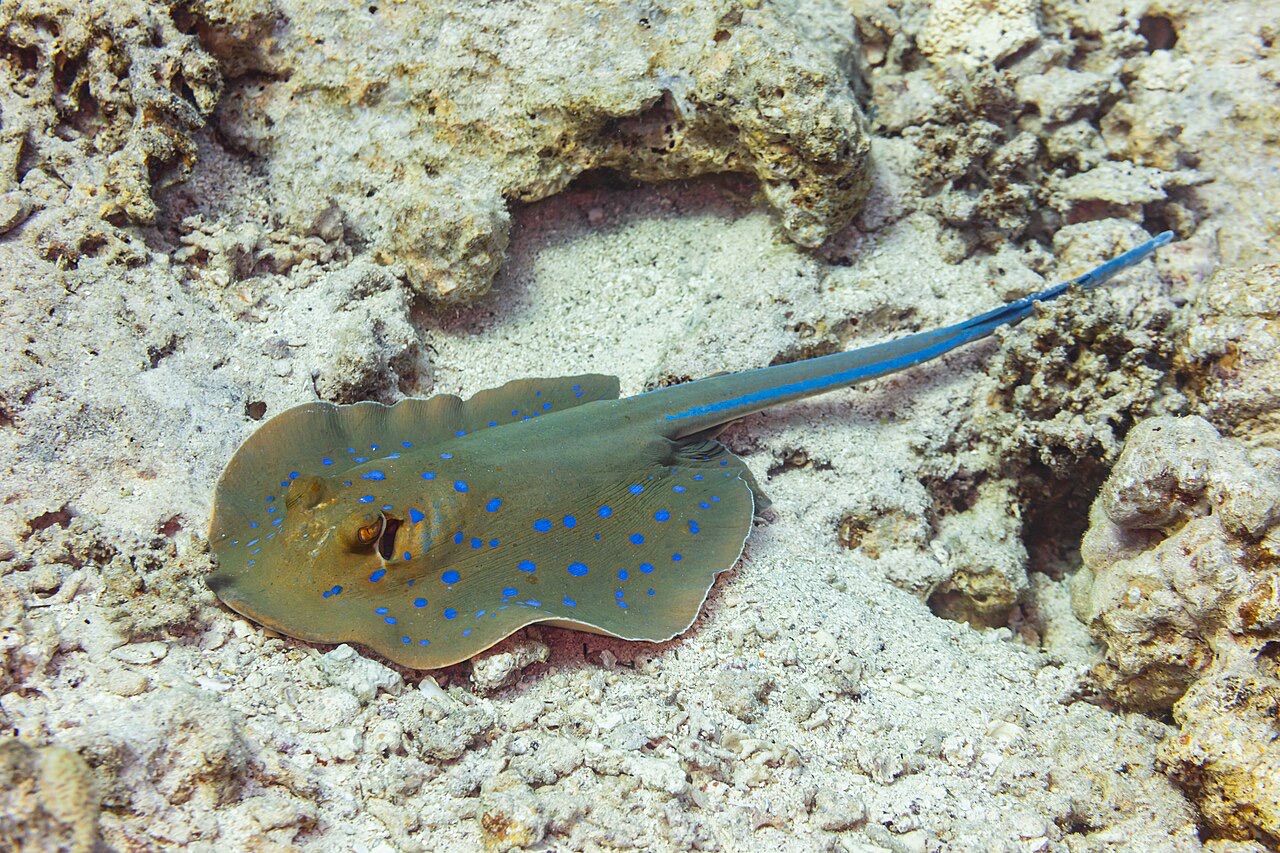
Blue-Spotted Ribbontail Ray
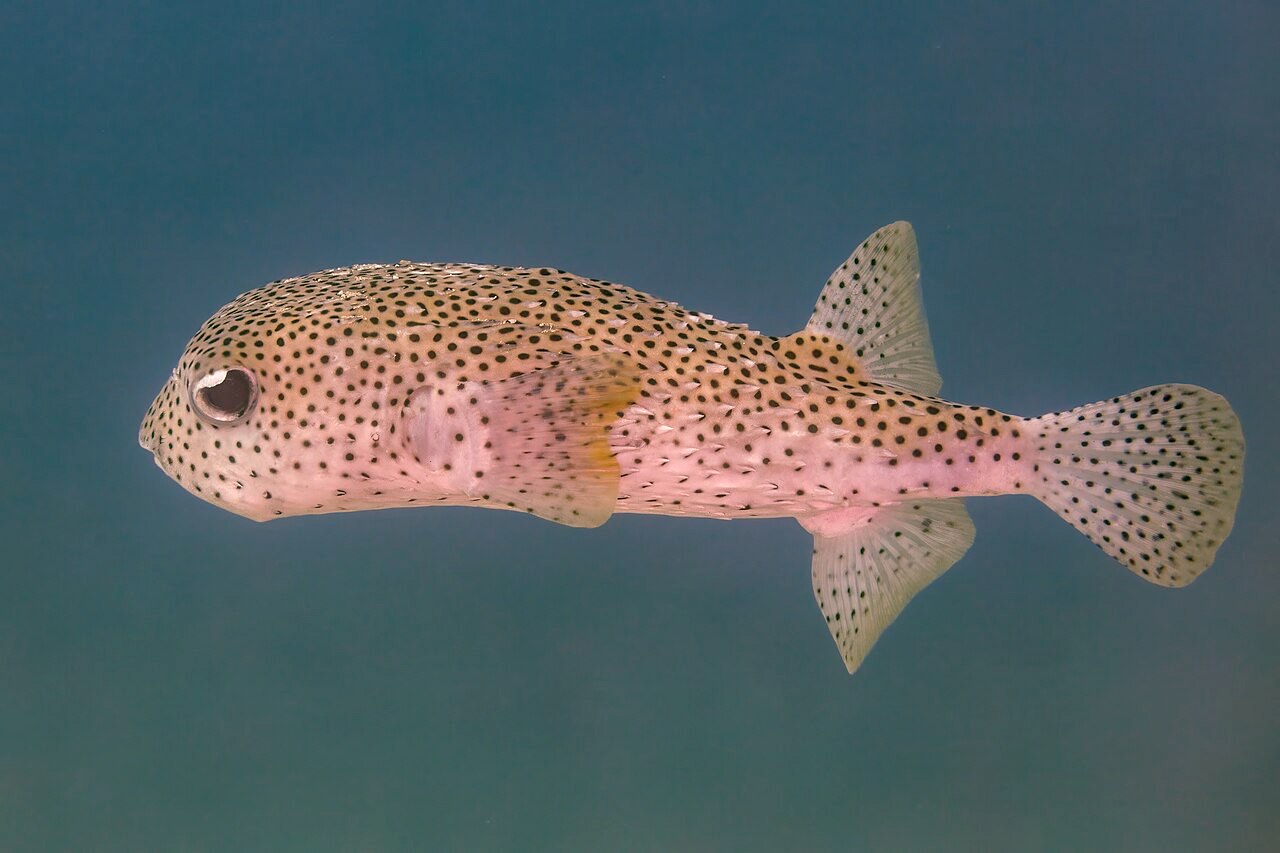
Porcupinefish
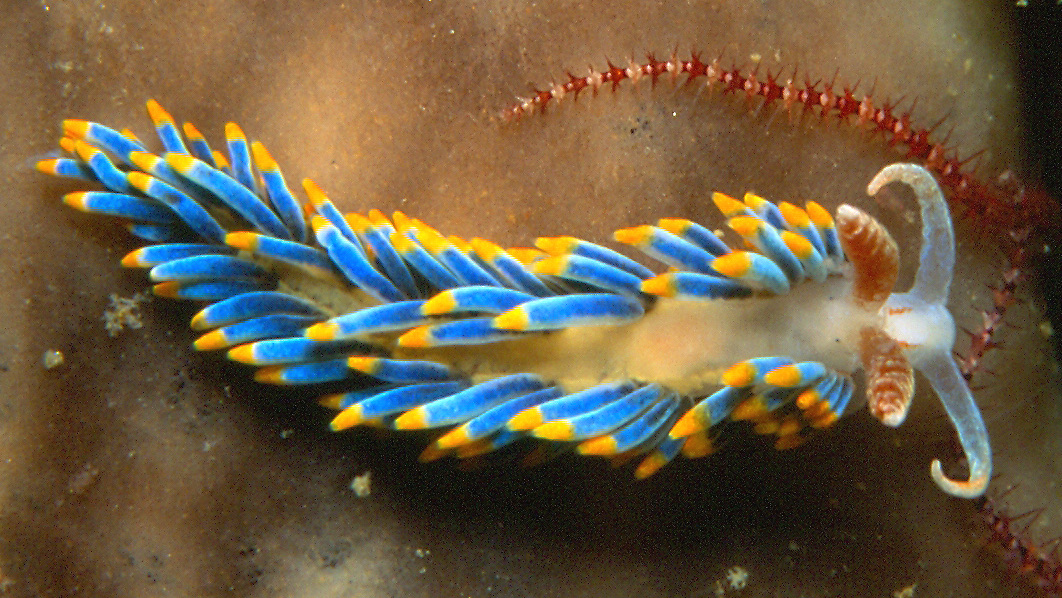
Nudibranchs
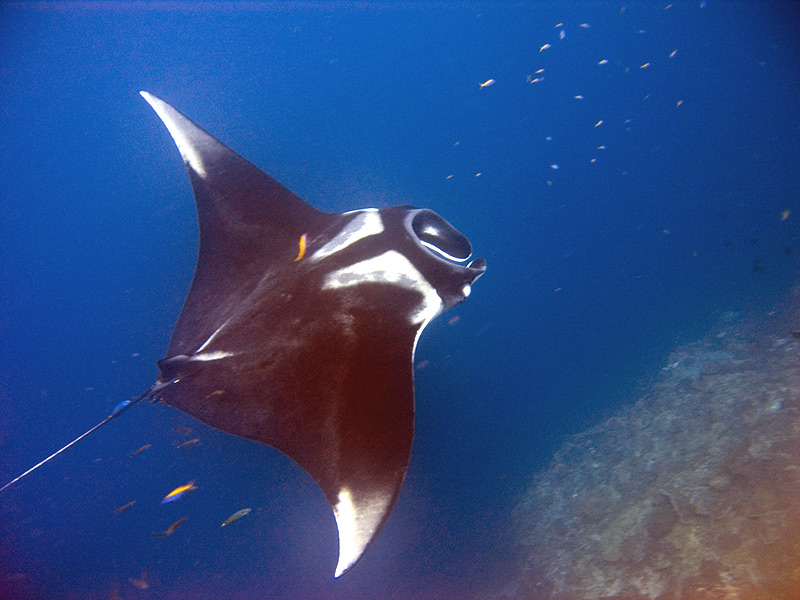
Oceanic Manta Ray
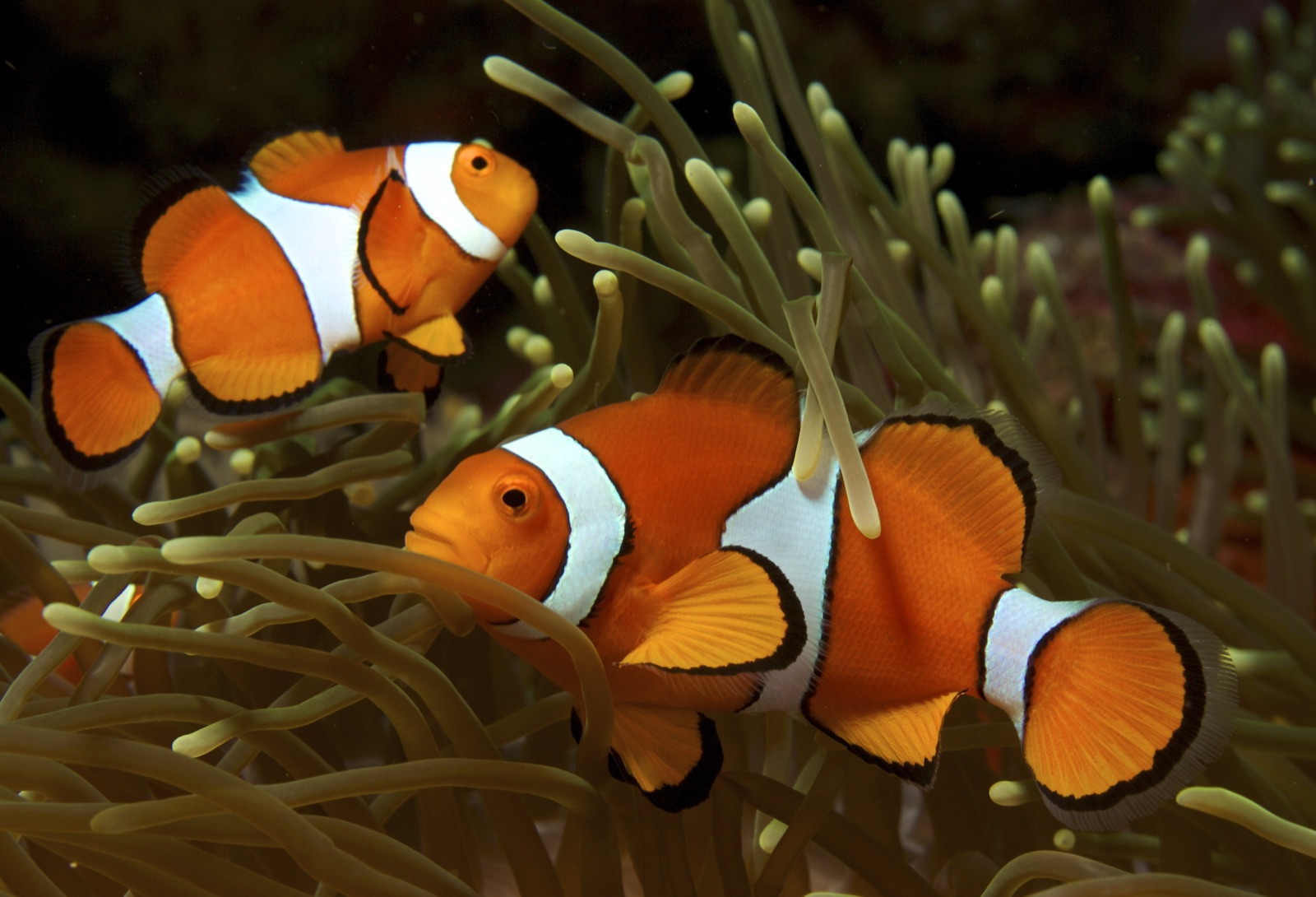
Clownfish & Anemonefish
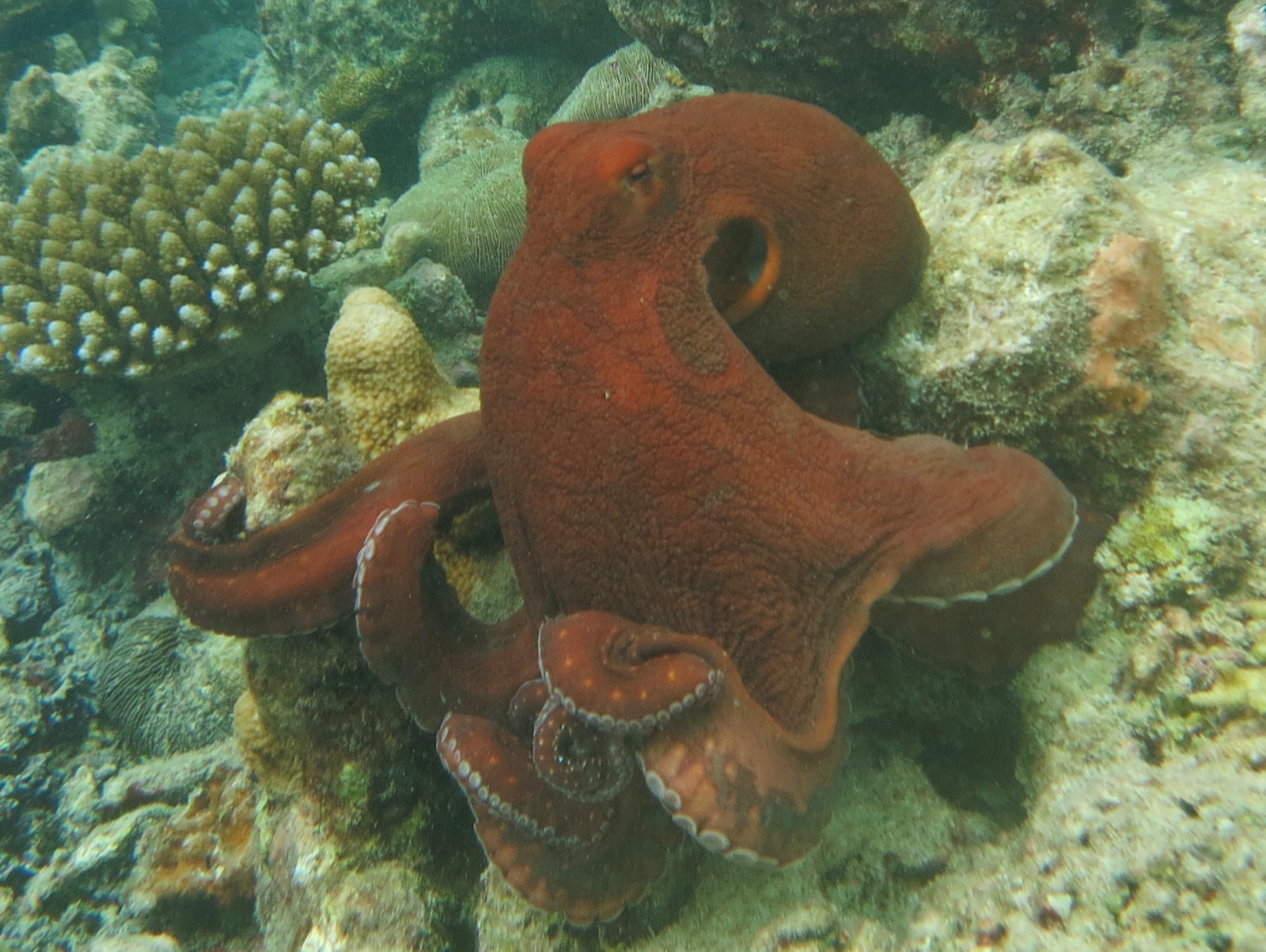
Common Reef (Day) Octopus
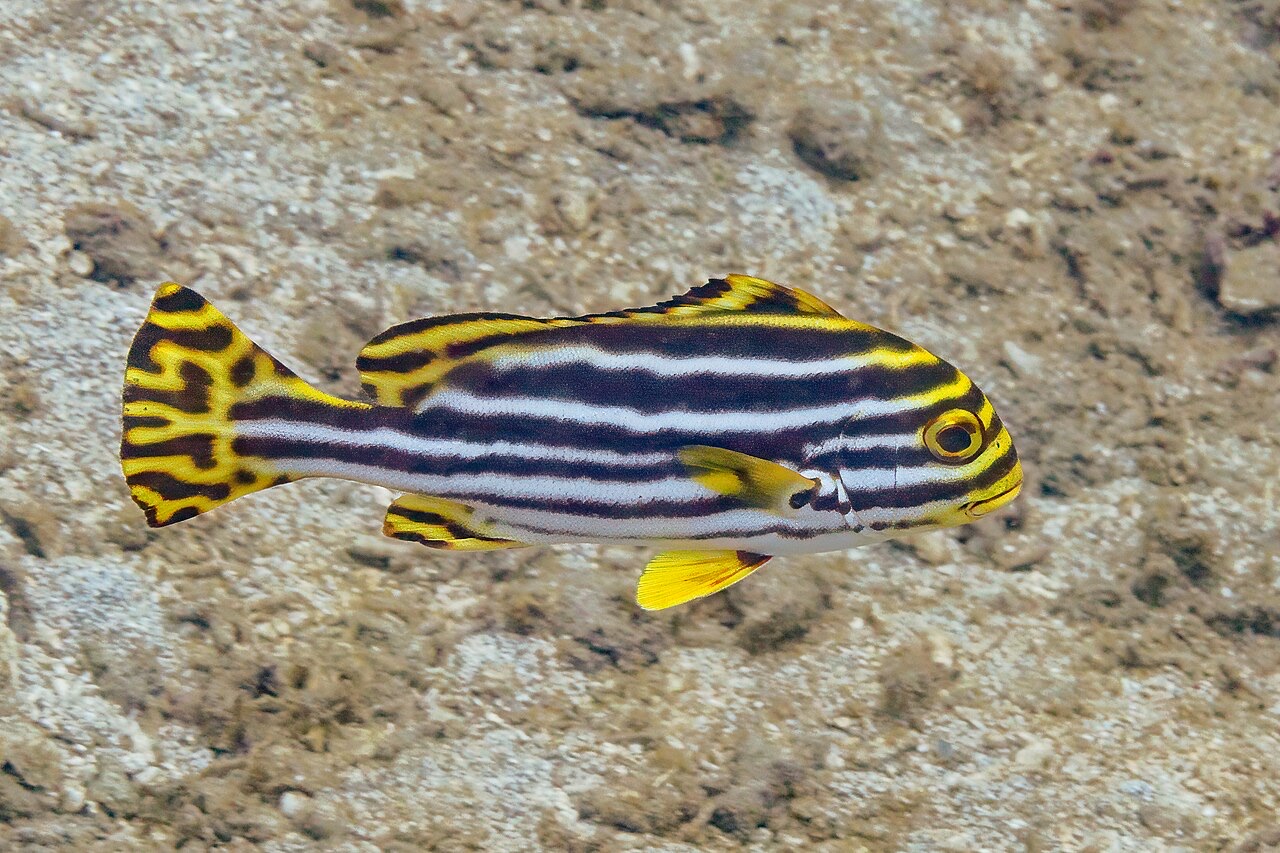
Oriental Sweetlips
Également observé à proximité
Les espèces « cartographiées ici » ont été répertoriées par nos éditeurs à partir des sources indiquées sur cette page. Les comptages correspondent aux occurrences GBIF : observations enregistrées dans un rayon d'environ 5 km autour de la position cartographiée depuis 1990, comparées uniquement aux espèces de notre catalogue. Ils indiquent ce qui a été observé à cet endroit, sans garantir ce que vous y verrez.
Pour les photographes
Grand angle: ★★★★★ · Macro: ★☆☆☆☆ (note 1–5 des éditeurs sur ce que ce site offre à chaque style de prise de vue)