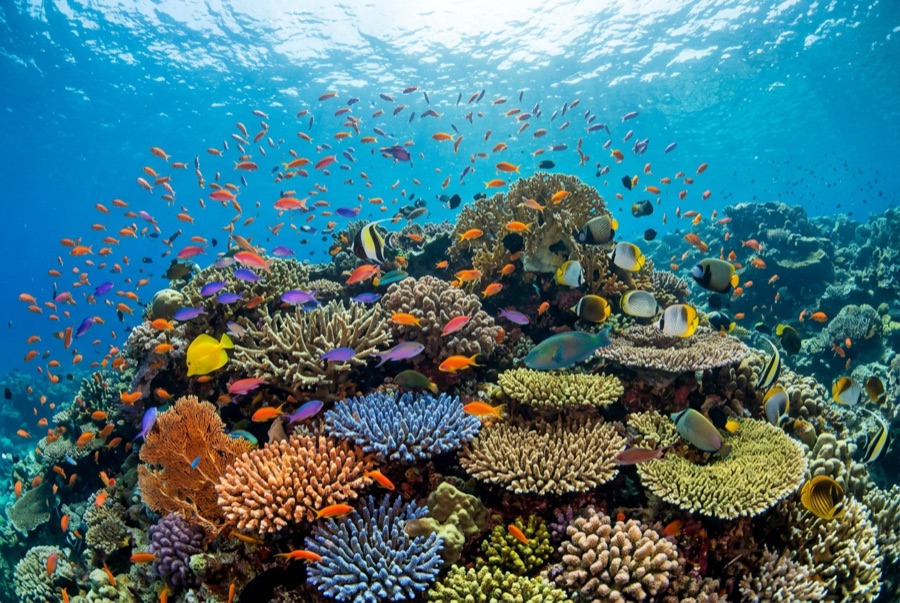
Wolf Island (Landslide & Shark Bay)
La profondità indica l'intervallo dalla sommità del sito al suo massimo abituale; il "brevetto consigliato" è il livello richiesto dalla maggior parte degli operatori delle principali agenzie, non una norma di legge. Correnti e visibilità cambiano ogni giorno, quindi considera tutto come intervalli di pianificazione.
Wolf is Darwin's louder sibling, an old volcano whose boulder slopes host the densest shark traffic in the archipelago. At Landslide, divers tuck into the rocks at 15-25 m while scalloped hammerheads stream overhead, sometimes in schools that take minutes to pass, with Galapagos sharks working closer to the terrain. Eagle rays cruise in squadrons, turtles queue at cleaning stations, and moray eels here swim brazenly in the open. In season the whale sharks that patrol Darwin call at Wolf too. Between dives, frigatebirds and boobies wheel over a sheer island that humans have never settled - the remoteness is the point.
Il momento che aspettavi: Hammerhead schools, free-swimming morays, eagle ray squadrons, seasonal whale sharks
Topografia: Boulder slopes and ledges falling away to deep water
Corrente: Converging currents feed the site; surge near the rocks and washing-machine moments are normal.
Sapere prima di tuffarsi
Pericoli: Strong current and surge, boulder terrain in motion, blue-water ascents; stay with the guide's line of drift.
Conservazione: Galapagos Marine Reserve rules apply; liveaboard access only, with site rotation set by the park.
Nitrox: Vale la pena qui: i profili rientrano nell'intervallo in cui l'aria arricchita (nitrox) prolunga in modo significativo il tempo di non-decompressione (con la formazione necessaria per utilizzarla).
Chi incontrerai
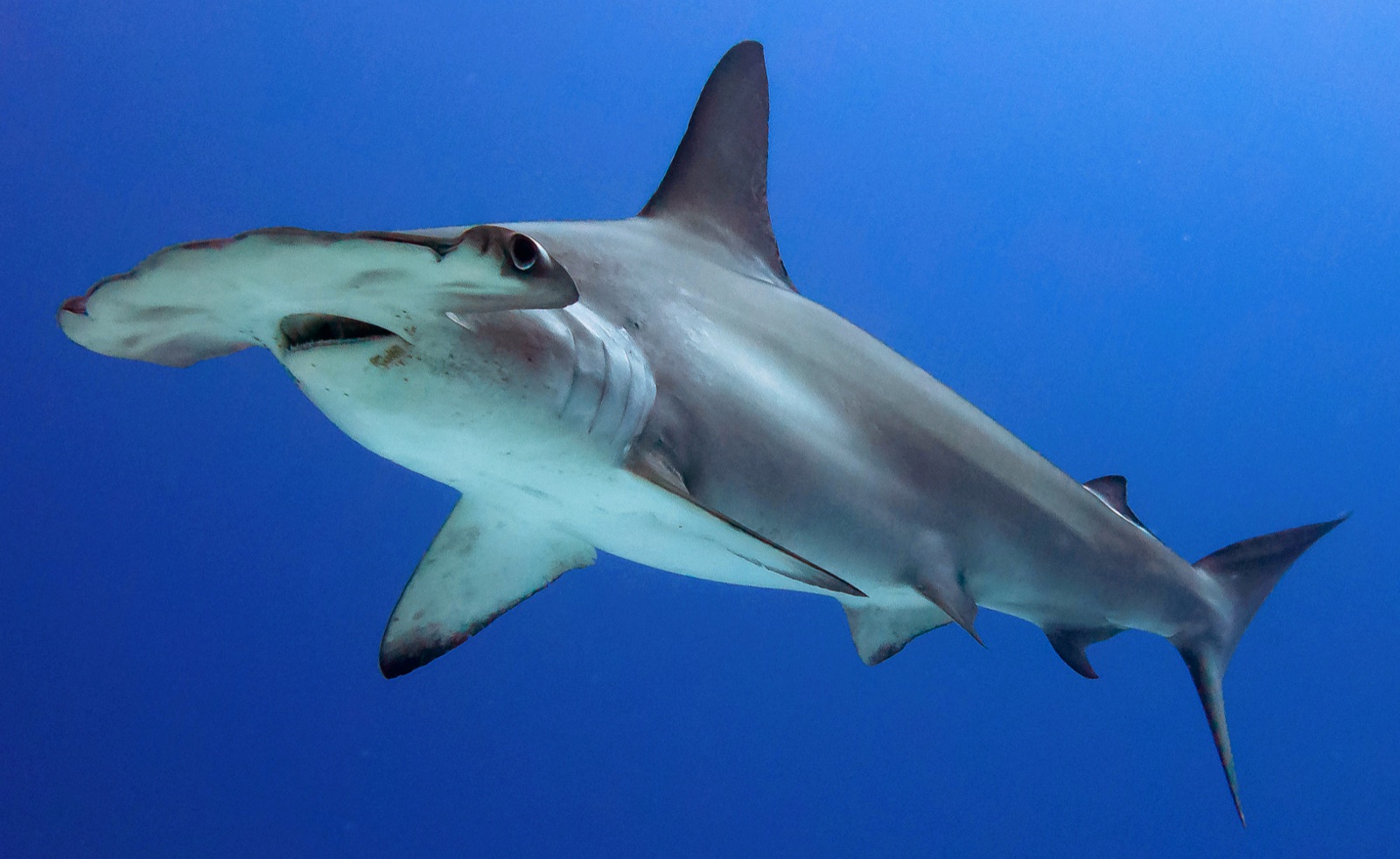
Scalloped Hammerhead
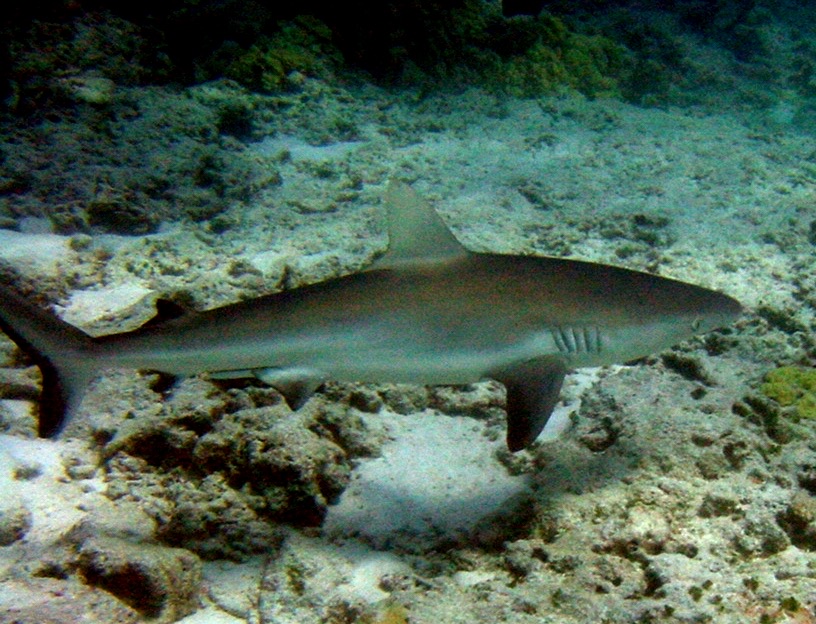
Galápagos Shark
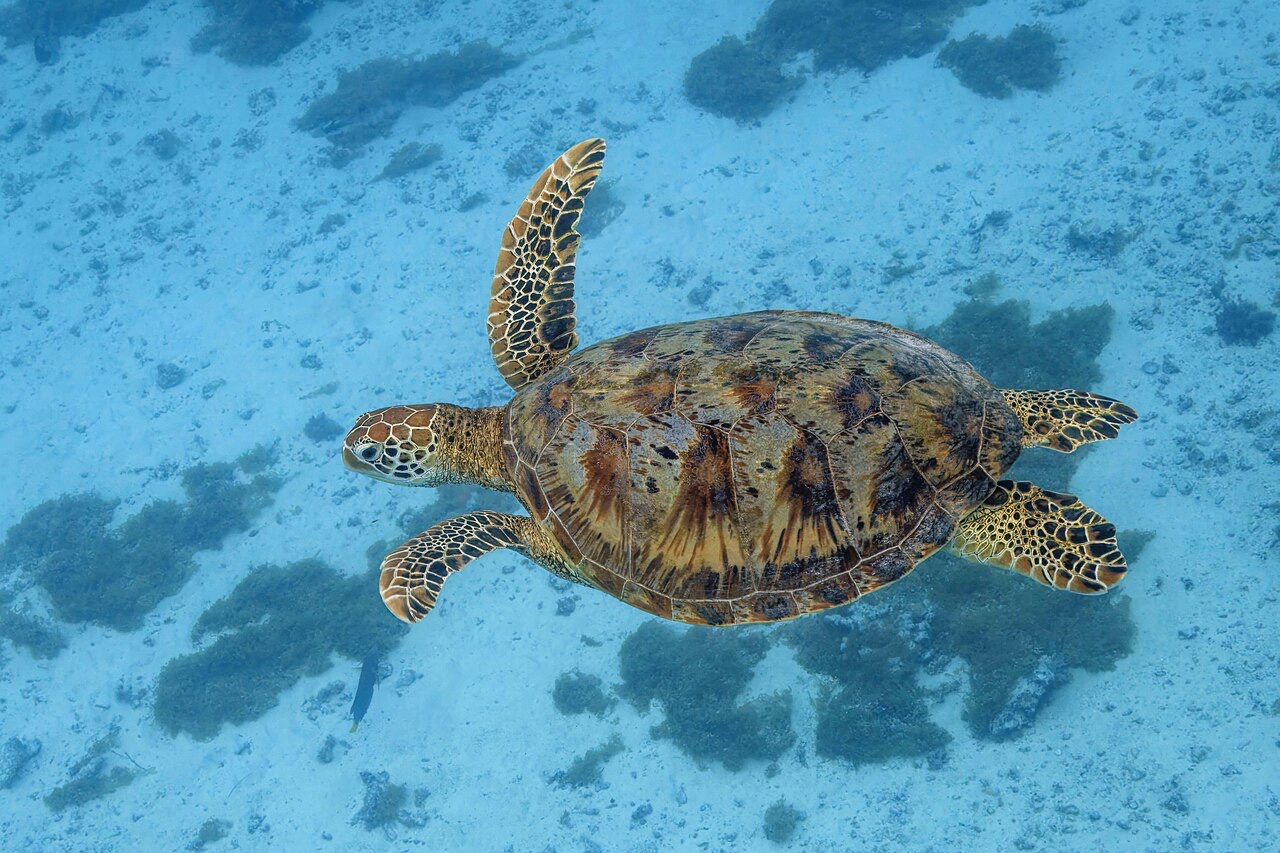
Green Sea Turtle
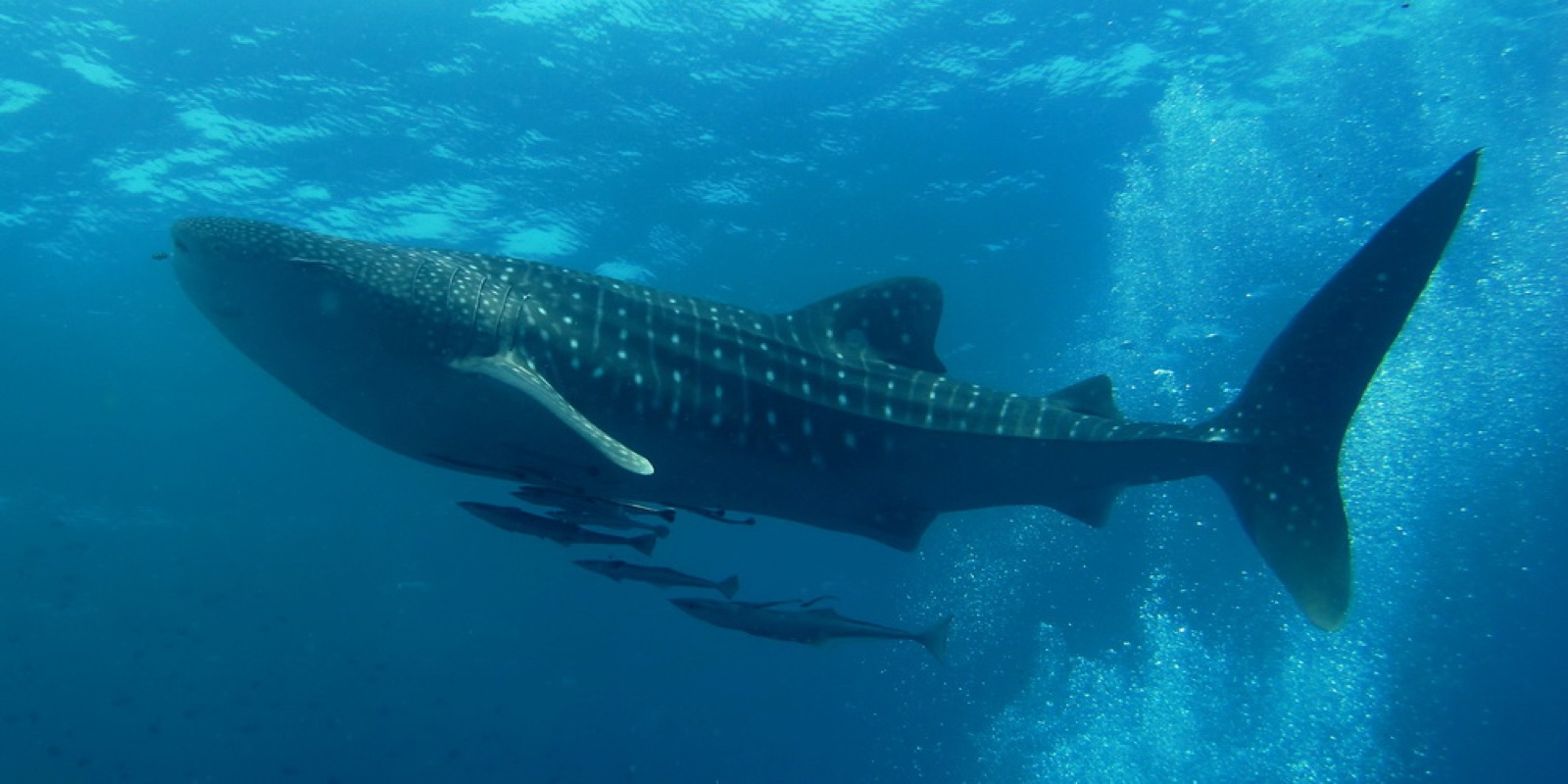
Whale Shark
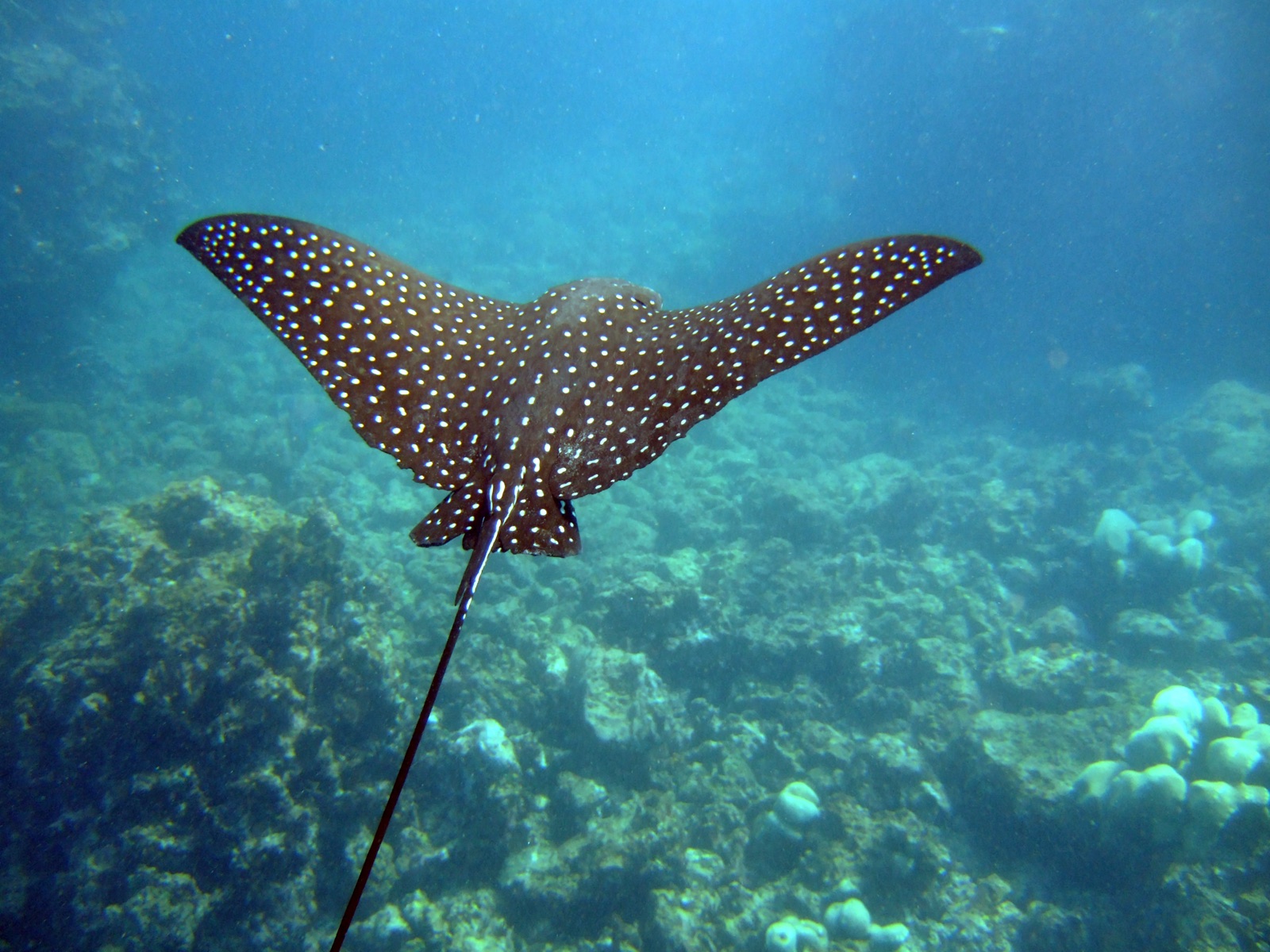
Spotted Eagle Ray
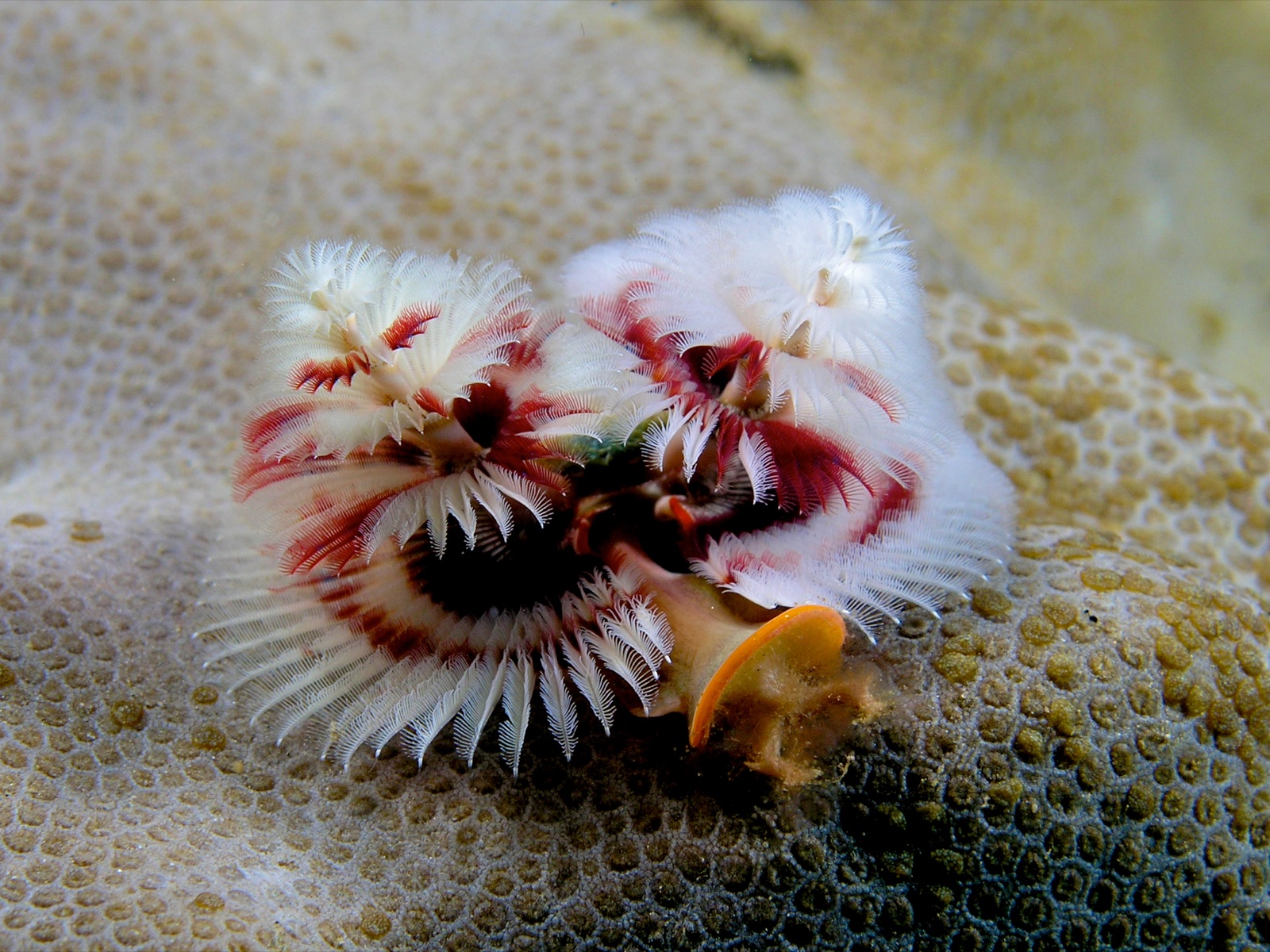
Christmas Tree Worm
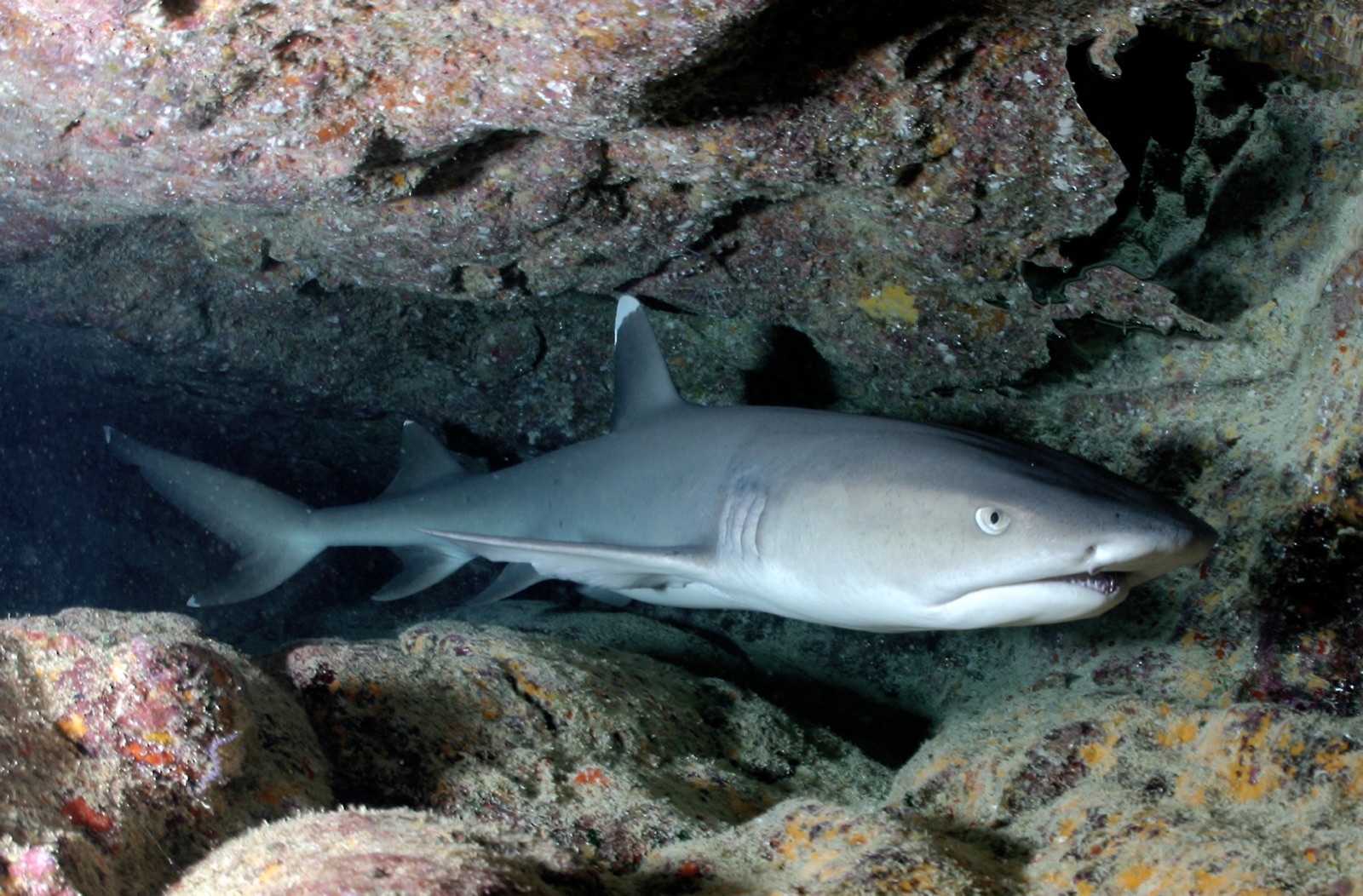
Whitetip Reef Shark
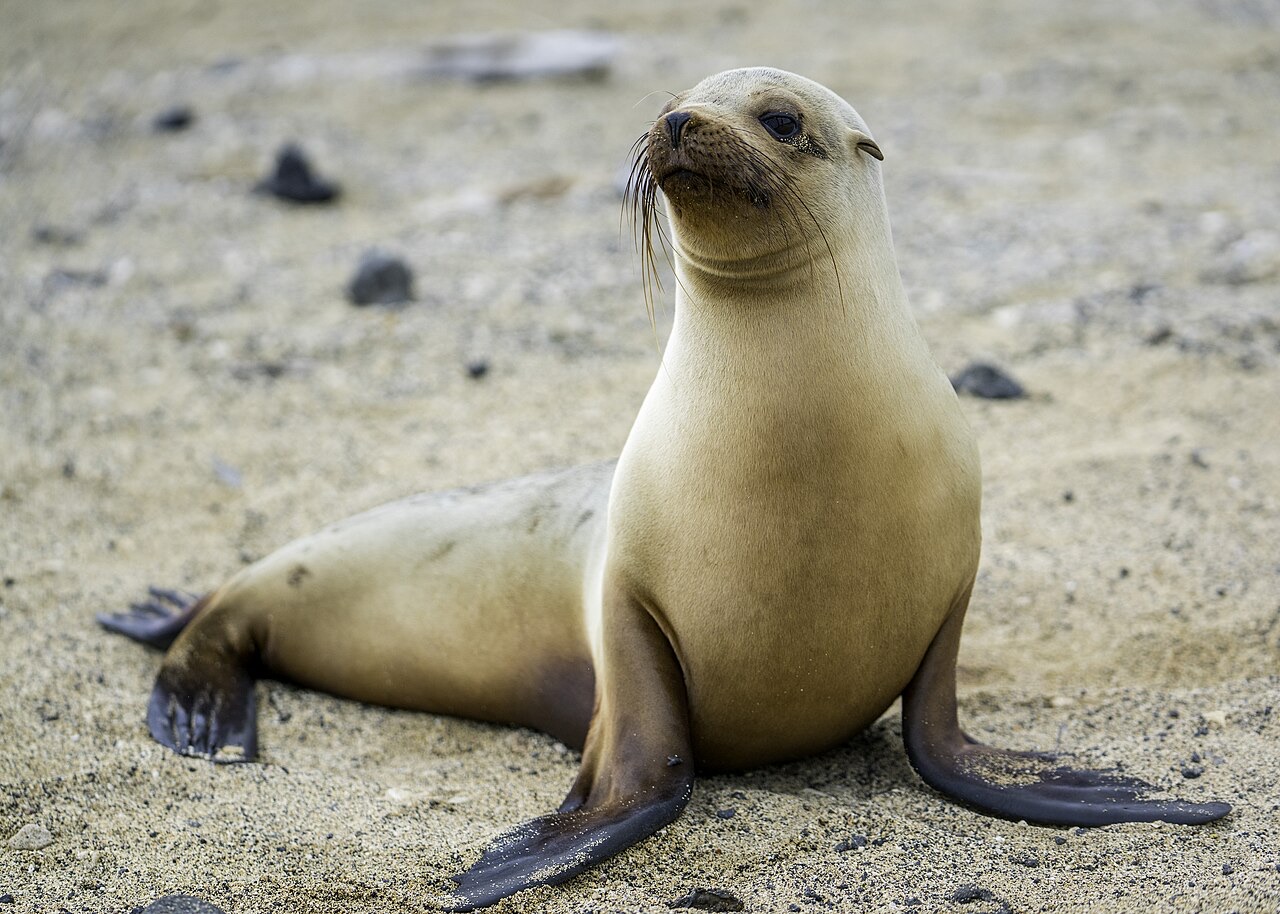
Galápagos Sea Lion
Registrate anche nelle vicinanze
Le specie "schedate qui" sono state inserite dai nostri redattori a partire dalle fonti indicate in questa pagina. I conteggi sono record di occorrenza GBIF: osservazioni registrate entro circa 5 km dalla posizione indicata in carta a partire dal 1990, confrontate esclusivamente con le specie presenti nel nostro catalogo. Mostrano ciò che è stato avvistato in quel luogo, non una garanzia di ciò che vedrete.
Per i fotografi
Grandangolo: ★★★★★ · Macro: ★☆☆☆☆ (valutazione da 1 a 5 dei redattori su ciò che questo sito offre per ogni stile di ripresa)