Chrisoula K
Depth is the range from the top of the site to its usual maximum; "recommended cert" is the mainstream-agency level operators usually ask for, not a legal rule. Currents and visibility change daily, so treat everything here as planning ranges.
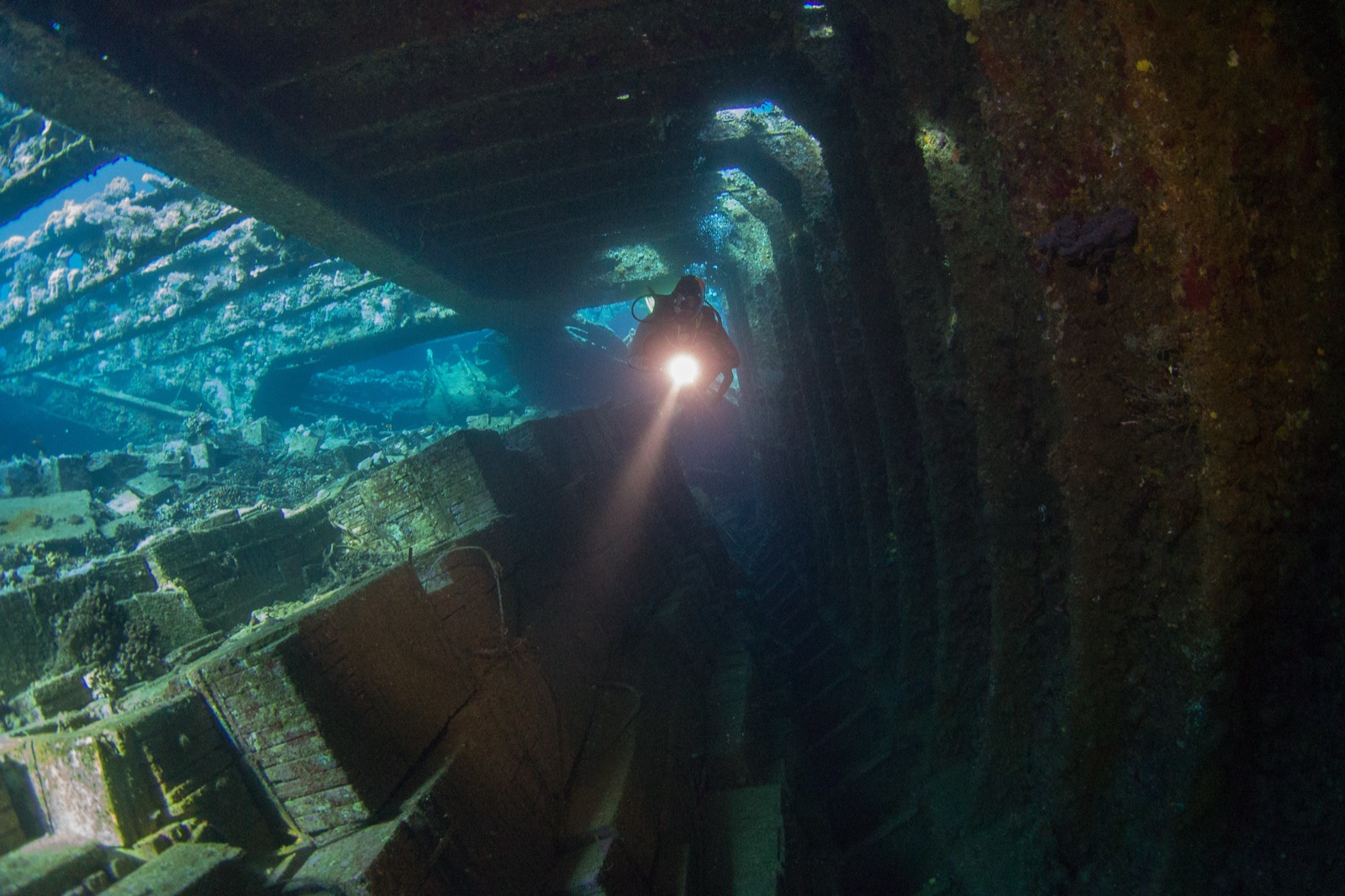
Divers call this the Tile Wreck for the neat tonnage of Italian floor tiles still stacked in its holds - pallets of them, fused by forty years of marine growth into strange terraced sculpture. The freighter hit Abu Nuhas at speed in 1981; her bow disintegrated against the crest while the rest settled largely upright down the slope, stern near 26 meters with rudder and propeller in place. Holds are roomy and bright enough for straightforward exploration, and the workshop spaces aft carry lathes and machinery for those who look. One wrinkle for the record-minded: some wreck historians argue the tile carrier dived today is actually the Marcus, an earlier loss, and the naming debate has never entirely settled.
The moment you come for: Holds stacked with floor tiles; machinery in the aft workshops; an easy, open penetration layout.
Topography: Largely upright hull on sand, bow wreckage scattered at the reef top
Entry: Eastern half of Abu Nuhas; the smashed bow lies at the reef crest, the stern in deeper water.
Know before you splash
Hazards: Sharp, unstable plating around the destroyed bow; surge over the shallow wreckage.
Conservation: Leave the tiles where they lie - the stacks are the site's identity.
Nitrox: Worth it here: profiles sit in the range where enriched air meaningfully extends no-stop time (with the training to use it).
Who you'll meet
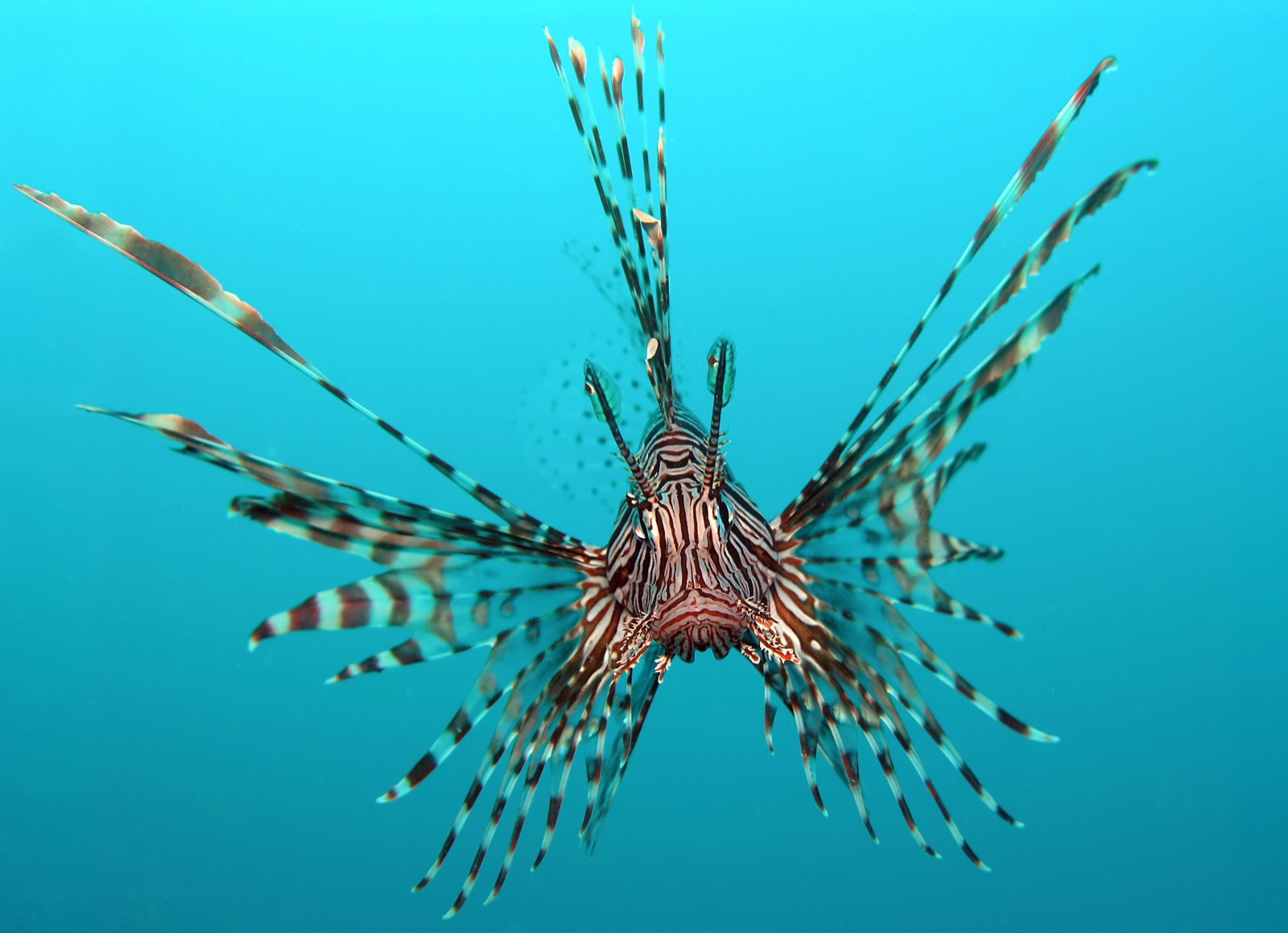
Lionfish
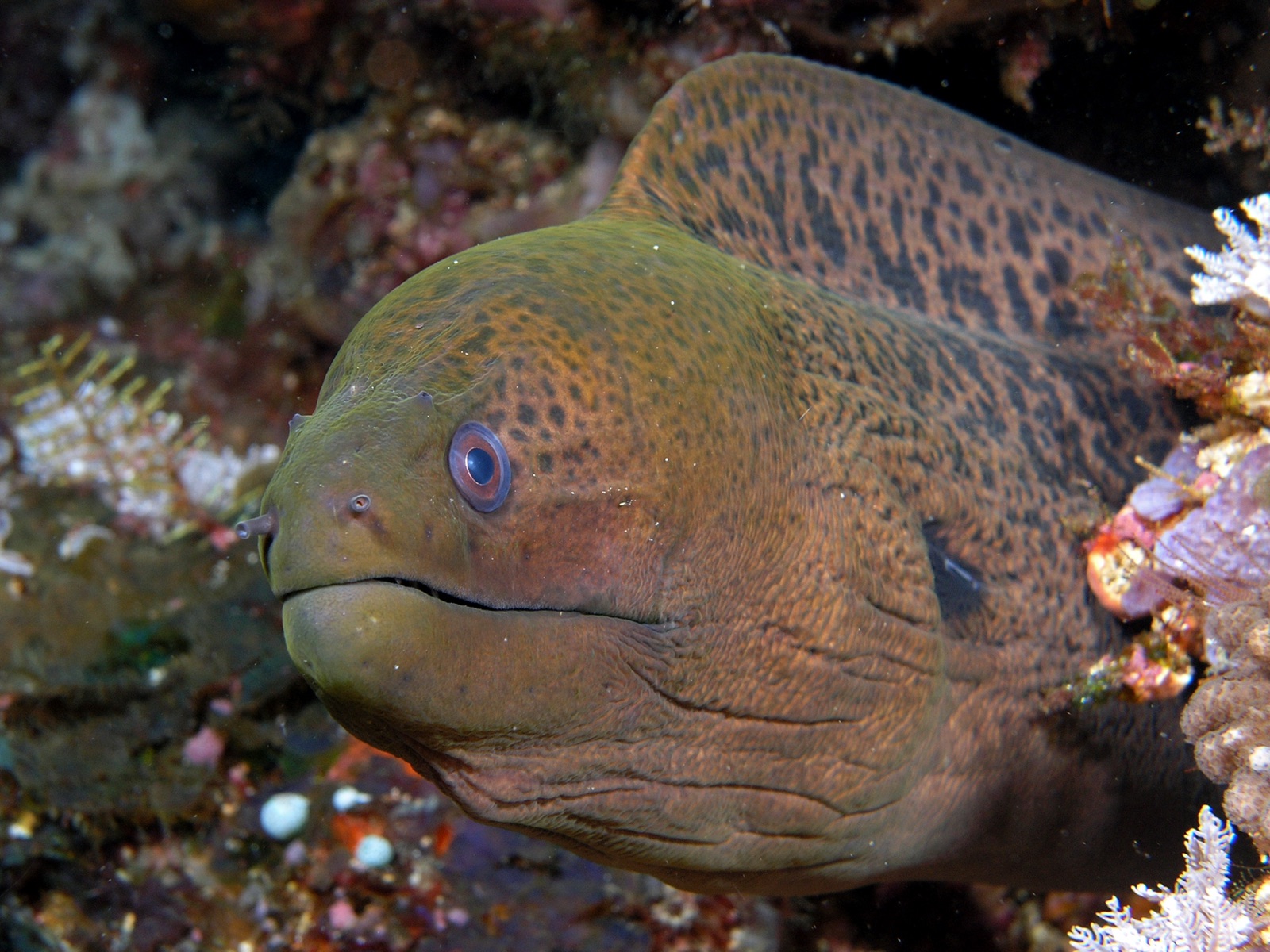
Giant Moray Eel
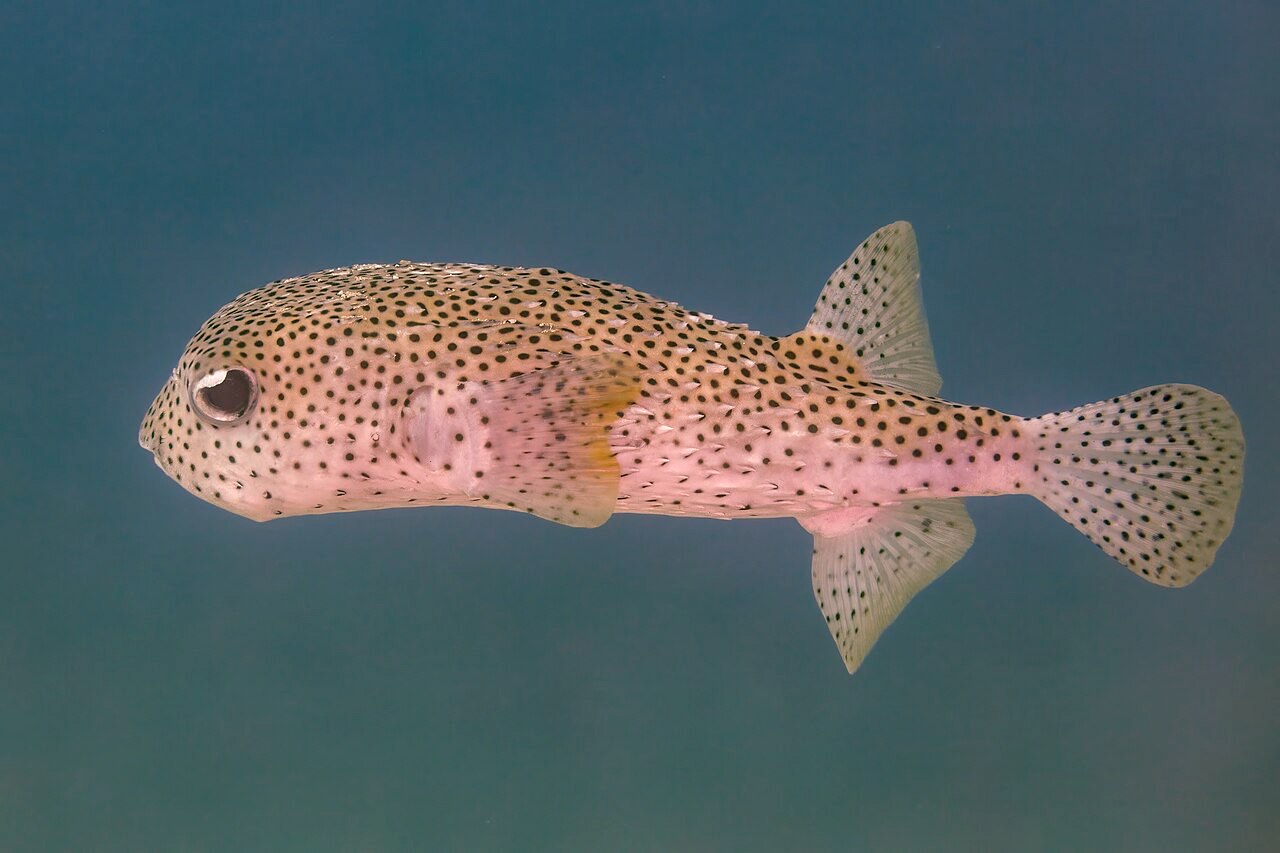
Porcupinefish
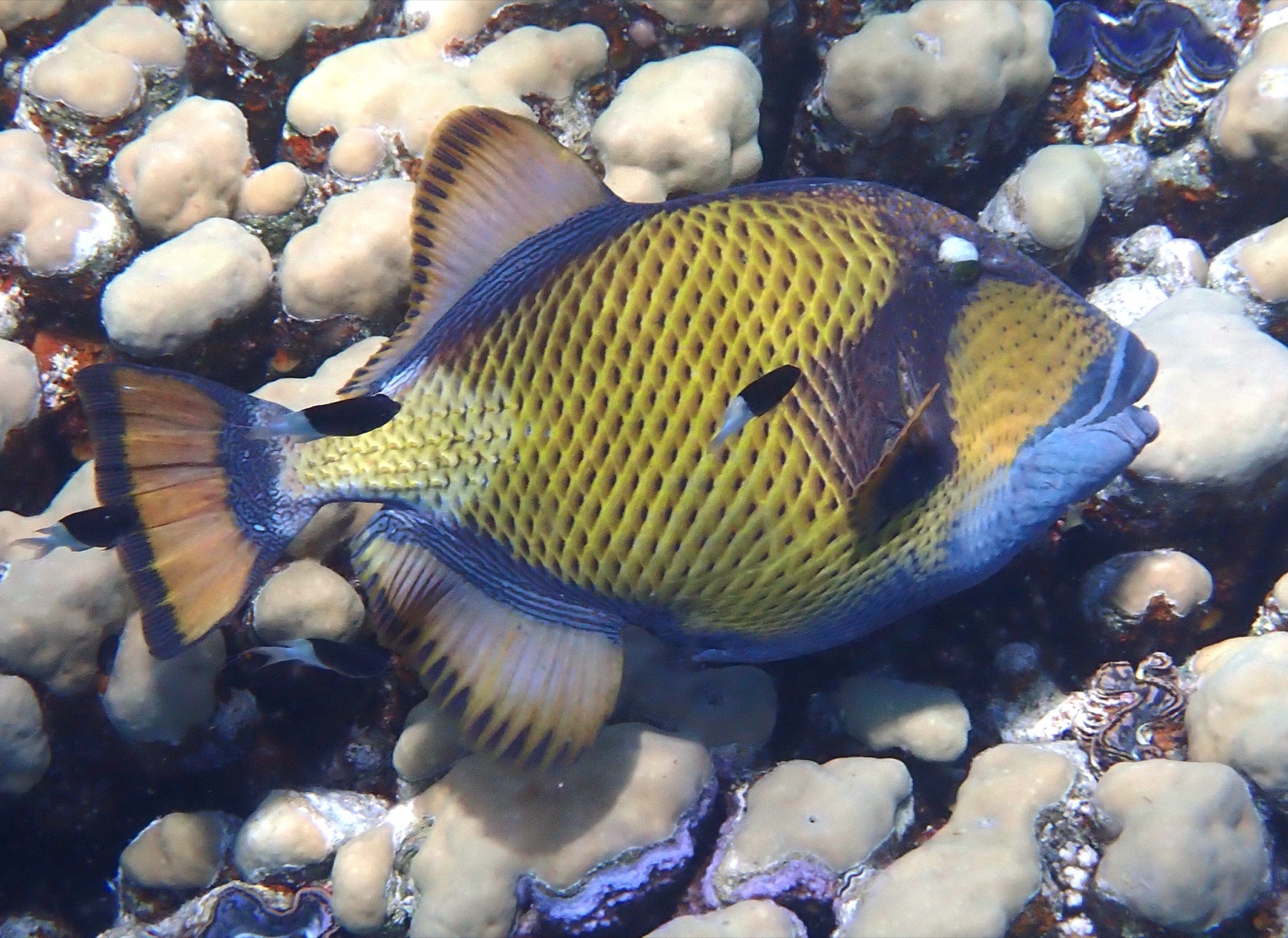
Titan Triggerfish
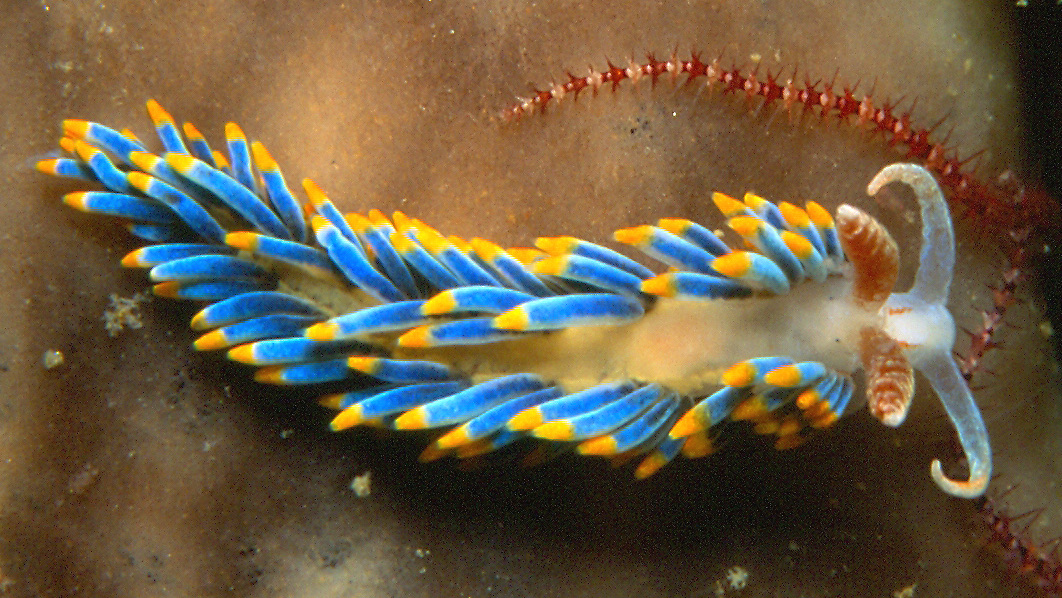
Nudibranchs

Clownfish & Anemonefish
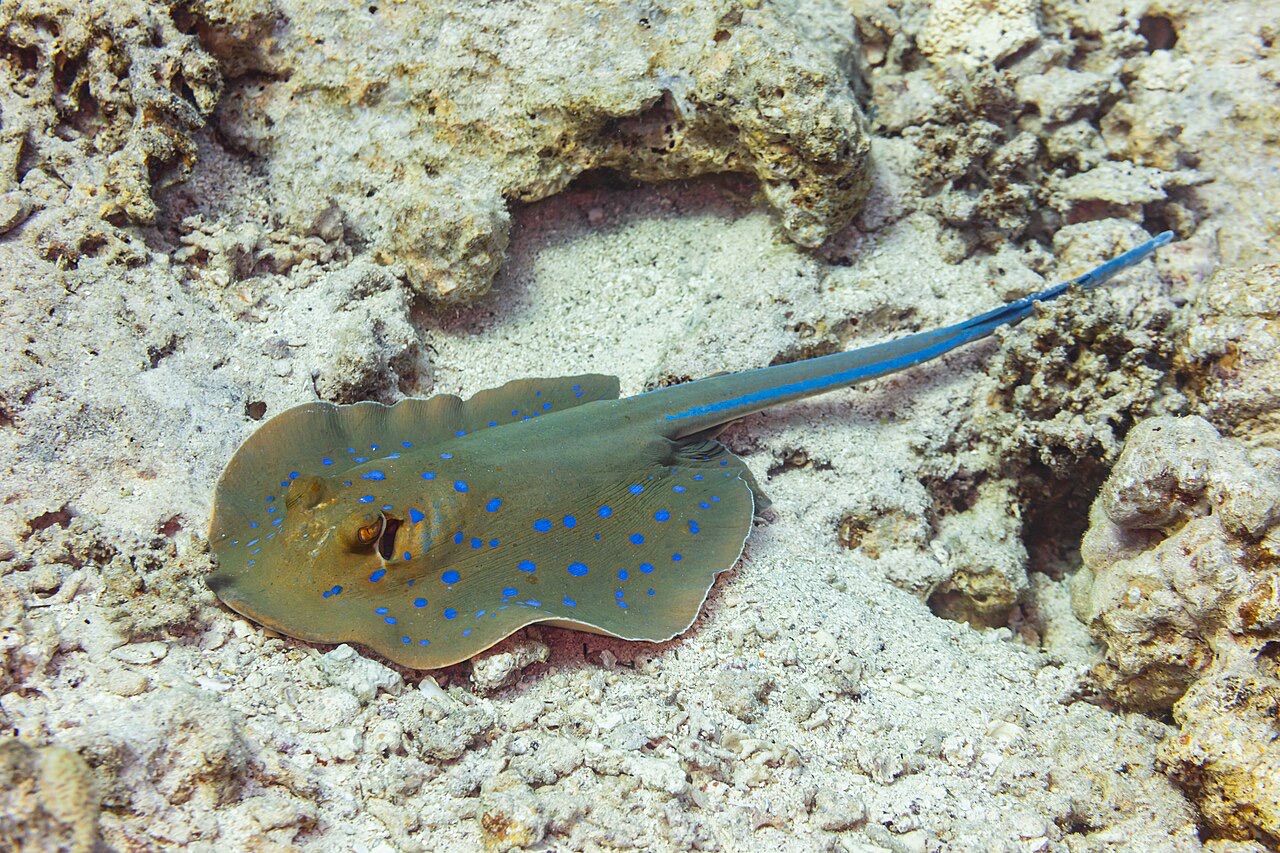
Blue-Spotted Ribbontail Ray
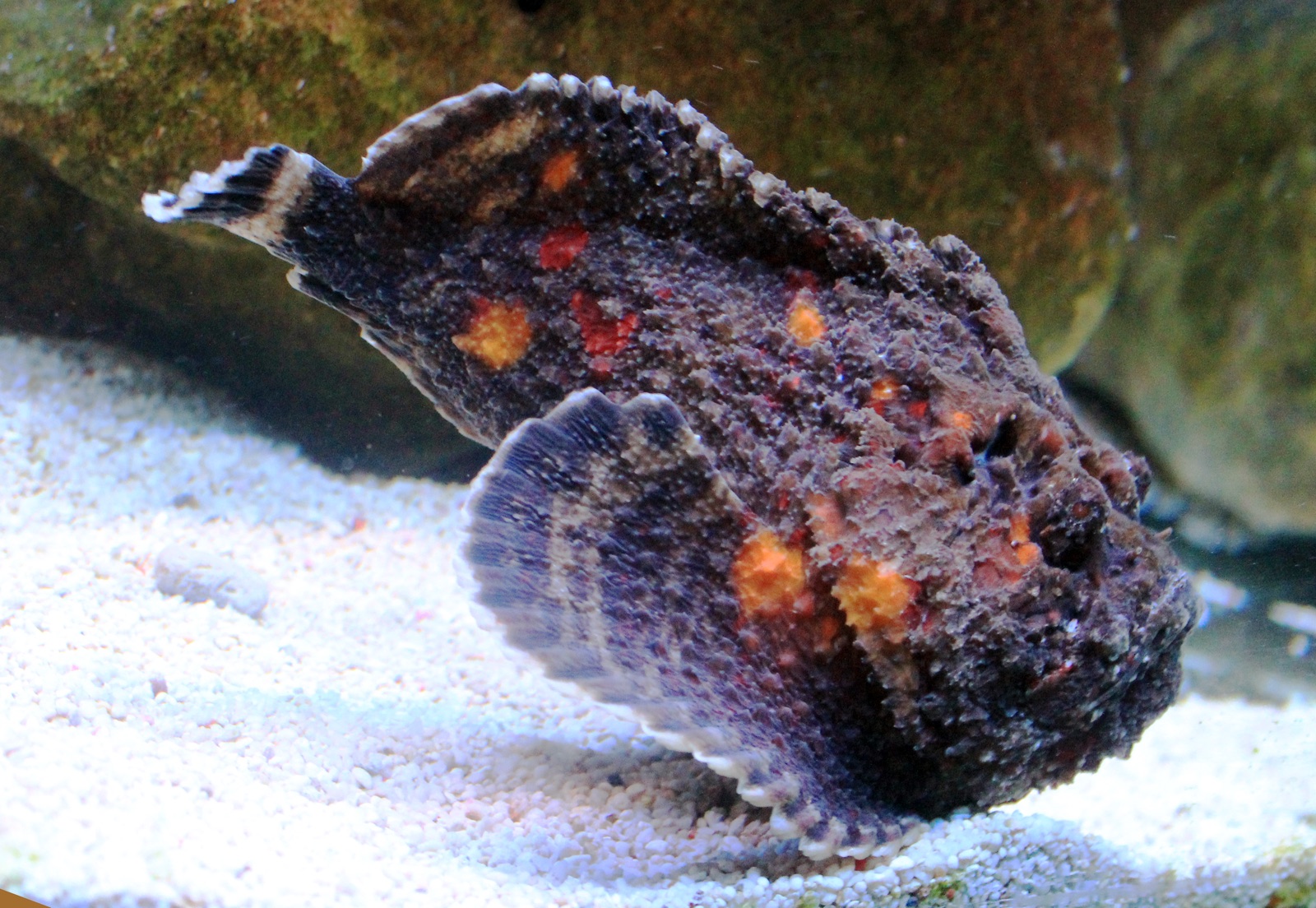
Reef Stonefish
Also recorded nearby
"Charted here" species were listed by our editors from the sources on this page. Counts are GBIF occurrence records: observations logged within about 5 km of the charted position since 1990, matched only against the species in our catalogue. They show what has been seen there, not a promise of what you will see.
For photographers
Wide angle: ★★★★☆ · Macro: ★★★☆☆ (editors' 1–5 rating of what this site gives each style of shooting)