Discover where to dive, when to go, and what you could see.

Discover where to dive, when to go, and what you could see.
★
Menu
Destinations Dive Sites Marine Life Wrecks News
Plan a trip Trip planner When to dive Cost calculator Comparisons Marine-life calendar Water temperature Liveaboards Operators & resorts Marine parks Hyperbaric chambers World map
Cave Diving All cave diving Destinations & Dive Sites Cave Systems & Maps Training & Qualifications Dive Centers & Guides Equipment & Technology Safety & Incident Research Science, History & Conservation Resources & Updates
Regions Australia, New Zealand & East AsiaCaribbean & Western AtlanticEurope, Atlantic & MediterraneanIndian Ocean & East AfricaPacific Islands & MicronesiaRed Sea & Middle EastSoutheast Asia & Coral TriangleThe Americas & Eastern Pacific Countries
Learn & Tools All guides Certifications Gear guides Videos Ask the Data AI Agents API
About About us Methodology Disclaimer Contact
Your view
★ Saved

Your starred destinations, sites and species, stored in this browser.

API GATEWAY

Free read-only JSON access to the atlas's cached data.

Dark mode

Guided View
New to diving? Depths, currents, certification levels? We explain every term as you browse, in plain English. Same data, with the help built in.

Expert View
You already know the difference between a wall and a drift. Just the data: clean, fast and compact. This is the default view.

Interface language
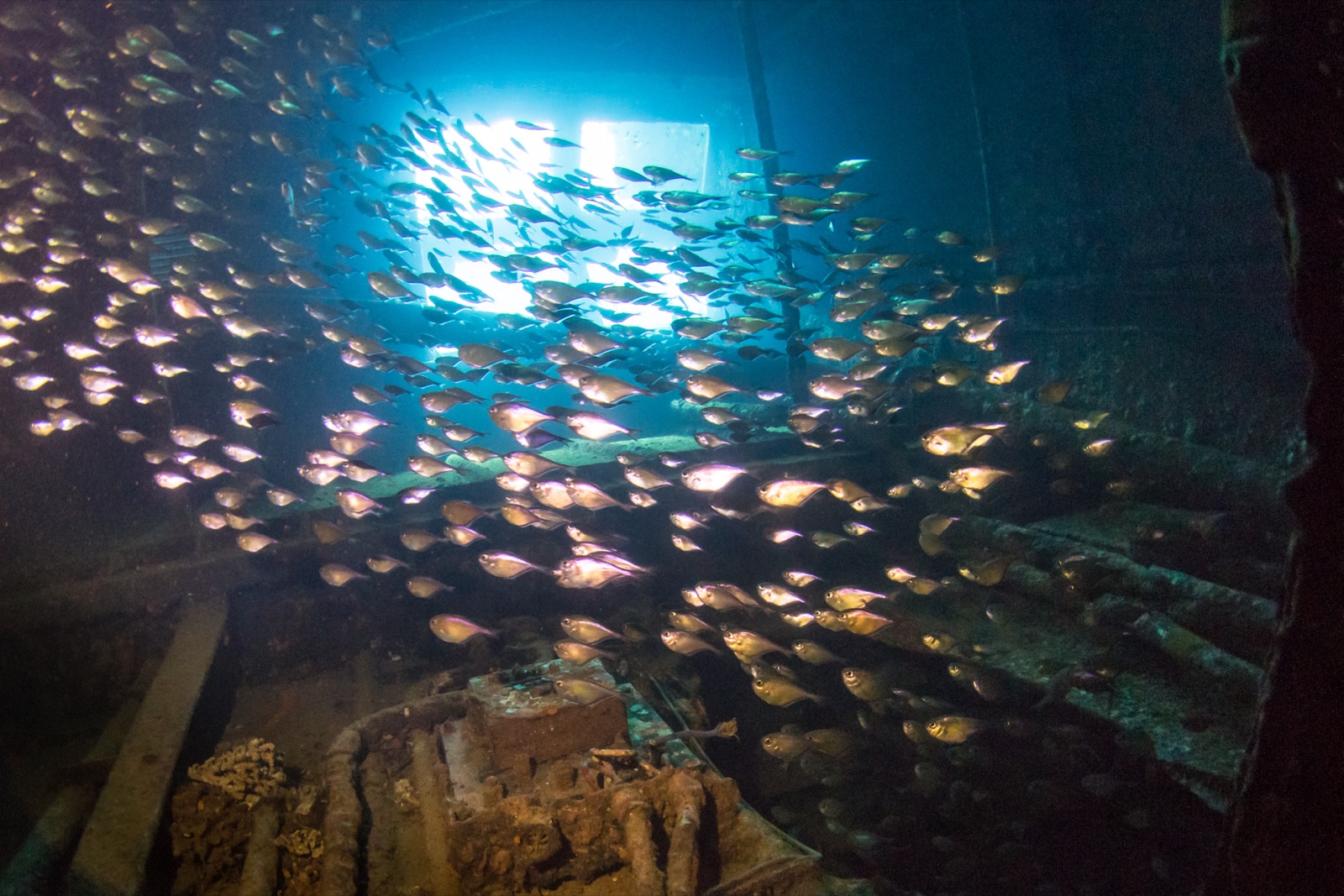
Schiffswrack Giannis D mit Fischen Pempheris adusta, Rotes Meer, Ägypten

Giannis D

Wreck 6–27 m Intermediate Hurghada & El Gouna, Egypt
Photo: W. Strickling · CC BY-SA 4.0
Well documented
Depth
6–27 m / 20–89 ft
Typical depth
20 m / 66 ft
Visibility
12–25 m / 39–82 ft
Water
21–29 °C / 70–84 °F
Current
Mild
Access
Boat
Best months
Apr, May, Jun, Sep, Oct, Nov
Recommended cert
Advanced Open Water; wreck training for the engine room
Typical dive
~45 min

Depth is the range from the top of the site to its usual maximum; "recommended cert" is the mainstream-agency level operators usually ask for, not a legal rule. Currents and visibility change daily, so treat everything here as planning ranges.

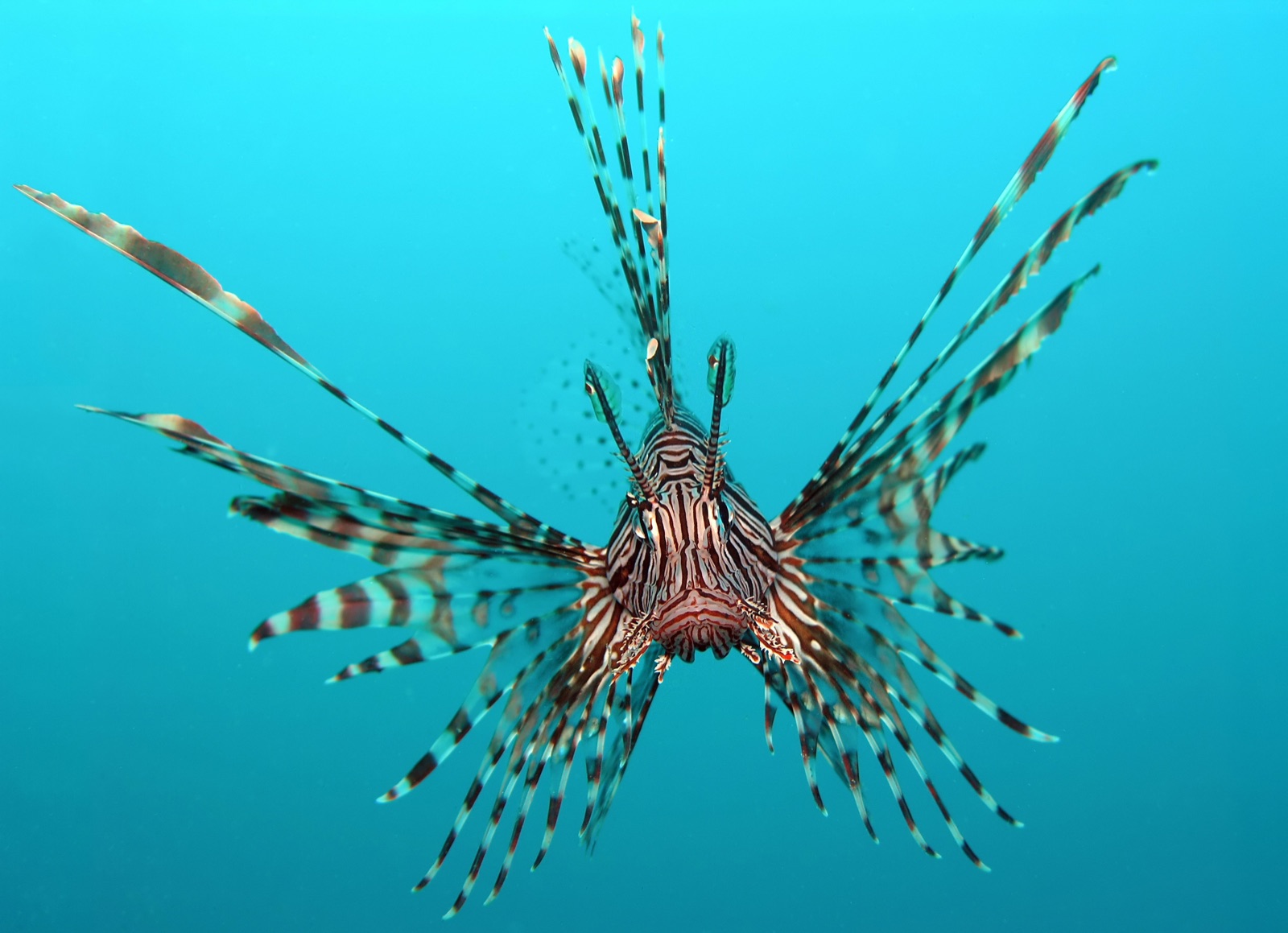
The Giannis D went onto Abu Nuhas in April 1983 carrying sawn timber, and her midships collapsed as she worked against the reef, leaving bow and stern as separate wrecks joined by wreckage-strewn rubble. The stern is the star: intact, heeled hard to port, its A-frame gantry and accommodation block still legible, and its engine room open to trained divers - a famously disorienting space where the 45-degree list argues with every instinct about which way is up. Glassfish own the interior, lionfish drift along the companionways, and the propeller sits in clean sand for wide-angle work. She is the most atmospheric of the reef's four wrecks and the one that repays a second visit most.

The moment you come for: The tilted engine room; the intact heeled stern; glassfish swirling through the accommodation.

Topography: Broken hull in three sections on sand and coral rubble at the reef base

Entry: Western end of Sha'ab Abu Nuhas; moorings on the sheltered side, with surge over the wreck in any north wind.

This site is a charted wreck Giannis D, Greek-flagged general cargo freighter, sunk 1983. Full wreck history and dive guide →

Know before you splash

Hazards: Surge moves divers against steel in north winds; the listing interior disorients - penetrate only with training and a light.

Conservation: Artifact removal is illegal; the wreck's fittings have already thinned over four decades.

Nitrox: Worth it here: profiles sit in the range where enriched air meaningfully extends no-stop time (with the training to use it).

Who you'll meet
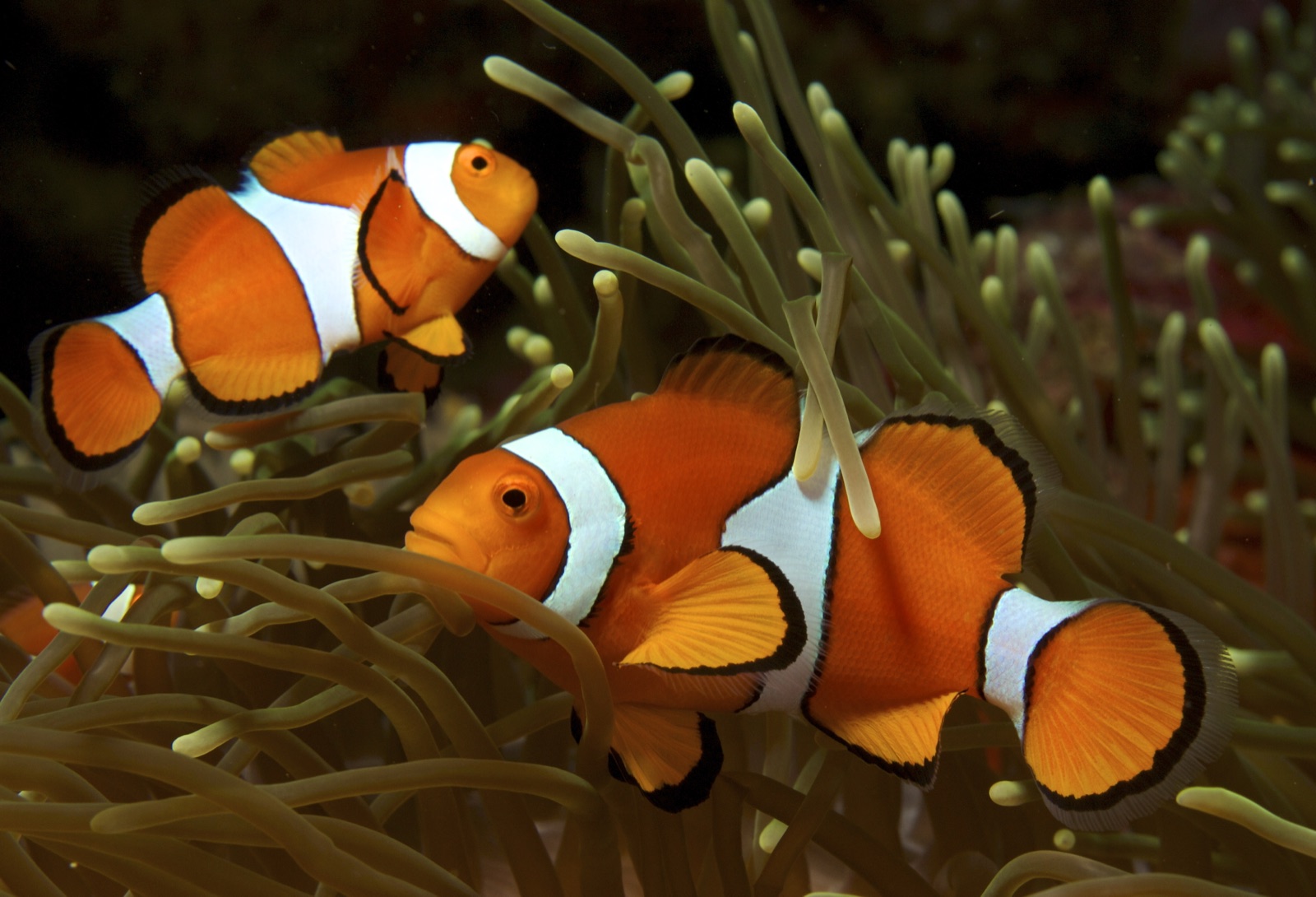
Also recorded nearby

"Charted here" species were listed by our editors from the sources on this page. Counts are GBIF occurrence records: observations logged within about 5 km of the charted position since 1990, matched only against the species in our catalogue. They show what has been seen there, not a promise of what you will see.

For photographers

Wide angle: ★★★★★ · Macro: ★★★☆☆ (editors' 1–5 rating of what this site gives each style of shooting)

Australia, New Zealand & East Asia

Cairns & the Ribbon ReefsNingaloo ReefCoral Sea & Osprey ReefOkinawa & the Kerama IslandsPoor Knights IslandsTownsville & the YongalaGreen IslandIzu Peninsula

Caribbean & Western Atlantic

BonaireCozumelRiviera Maya & the CenotesBelize Barrier ReefGrand CaymanIsla Mujeres & CancúnRoatánTiger Beach & Grand Bahama

Europe, Atlantic & Mediterranean

Malta & GozoSilfra & IcelandThe AzoresCanary IslandsLarnaca & the ZenobiaScapa FlowArctic NorwayMadeira

Indian Ocean & East Africa

North & South Malé AtollsAri AtollBaa Atoll & Hanifaru BayAliwal Shoal & UmkomaasMafia IslandMauritiusSeychellesSodwana Bay

Pacific Islands & Micronesia

PalauChuuk (Truk) LagoonFakaravaKona, HawaiʻiRangiroaTaveuni & Rainbow ReefBeqa Lagoon & Pacific HarbourEspiritu Santo

Red Sea & Middle East

Sharm El Sheikh & Ras MohammedBrothers, Daedalus & St John'sDahabHurghada & El GounaMarsa Alam & the Deep SouthAqabaDaymaniyat IslandsMusandam Peninsula

Southeast Asia & Coral Triangle

Bali & Nusa PenidaKomodoRaja AmpatSipadan & MabulAnilaoCoronKoh TaoLembeh Strait

The Americas & Eastern Pacific

Galápagos IslandsCocos IslandFlorida KeysSea of Cortez & Cabo PulmoSocorro & the RevillagigedosBritish ColumbiaCalifornia Channel IslandsCosta Rica Pacific Coast