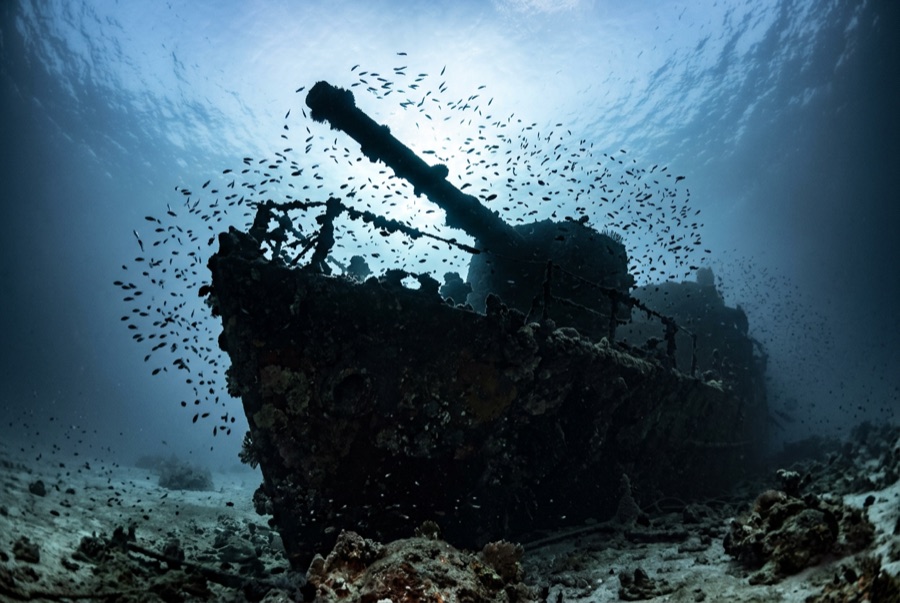
Kimon M
La profundidad es el rango desde la cima del punto de buceo hasta su máximo habitual; la "certificación recomendada" es el nivel que los operadores suelen pedir según las agencias principales, no una norma legal. Las corrientes y la visibilidad cambian a diario, así que trata todo esto como rangos de planificación.
Last in line along Abu Nuhas and first to sink of the four that remain, the Kimon M drove onto the reef in December 1978 with a cargo of lentils - hence the nickname - and heavy seas soon pushed her hull off the crest and down the slope, where she lies on her starboard side with the stern at about 32 meters. She is the most broken of the quartet, which is her appeal: an exercise in reading a ship from its pieces, engine and drive train exposed, deck machinery scattered, the four-bladed propeller standing clear of the sand. Fish have colonized the wreckage thoroughly, and because most day boats favor her prettier neighbors, the Kimon M often gives a group the rare Abu Nuhas experience of having a wreck to itself.
El momento por el que vienes: The exposed engine and propeller; quieter conditions than the neighboring wrecks; strong fish colonization.
Topografía: Hull lying on its starboard side down the sand slope, bow wreckage high on the reef
Entrada: Easternmost of the Abu Nuhas four; dived from a mooring or as a drift along the reef base.
Lo que debes saber antes de tirarte al agua
Riesgos: Unstable plating; depth creep toward the stern; surge on the shallow bow section.
Conservación: Collapsed structure shelters dense fish life - resist moving or turning wreckage.
Nitrox: Vale la pena aquí: los perfiles están en el rango donde el nitrox amplía de forma significativa el tiempo sin parada (con la formación necesaria para usarlo).
A quién encontrarás
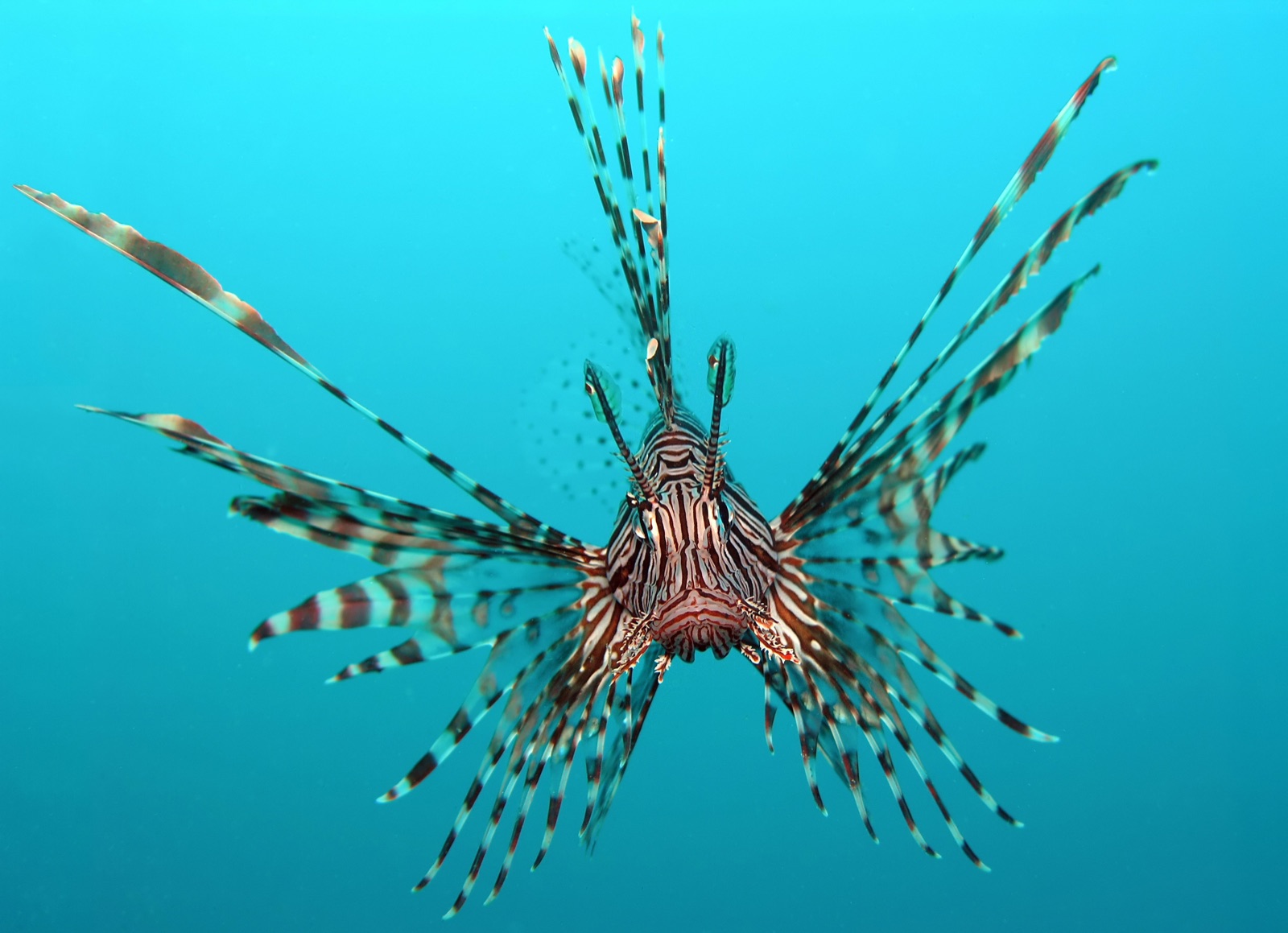
Lionfish
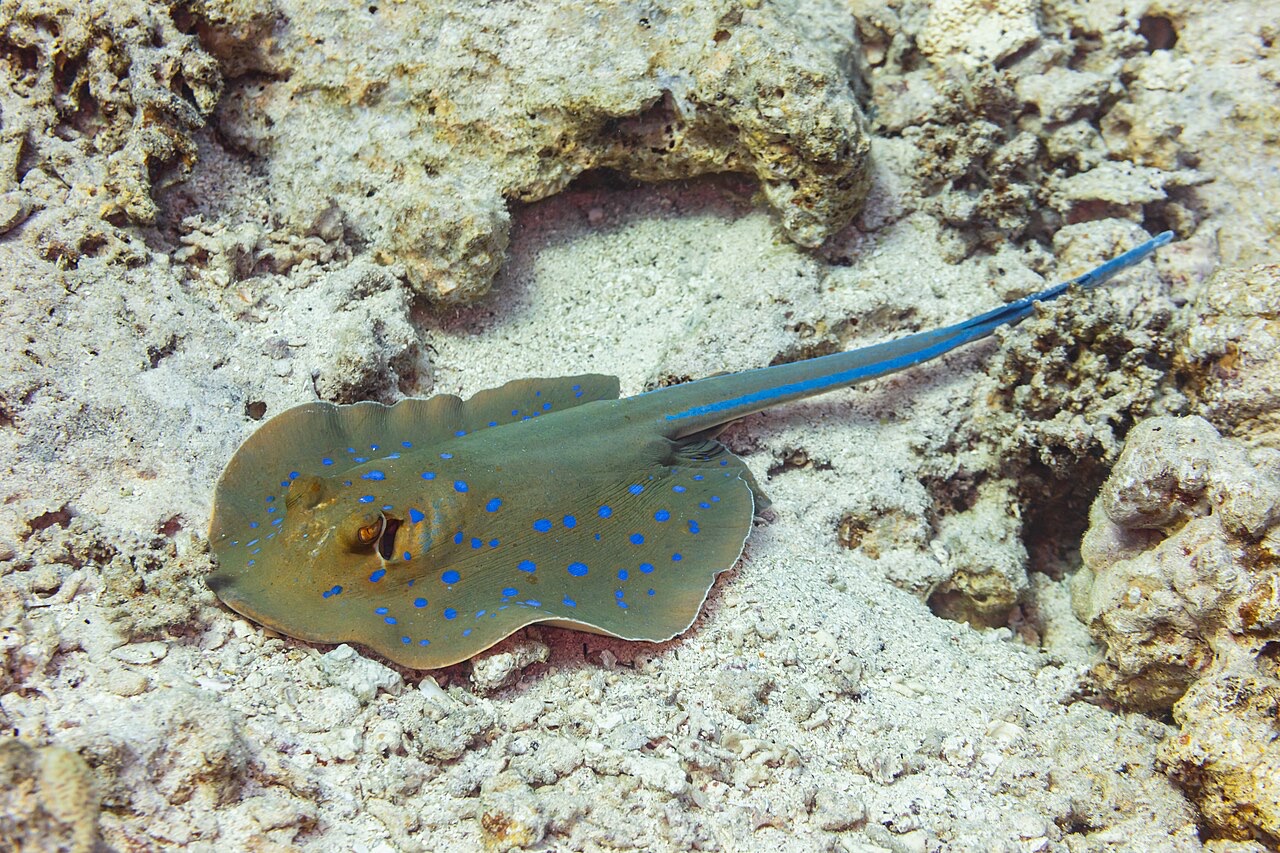
Blue-Spotted Ribbontail Ray
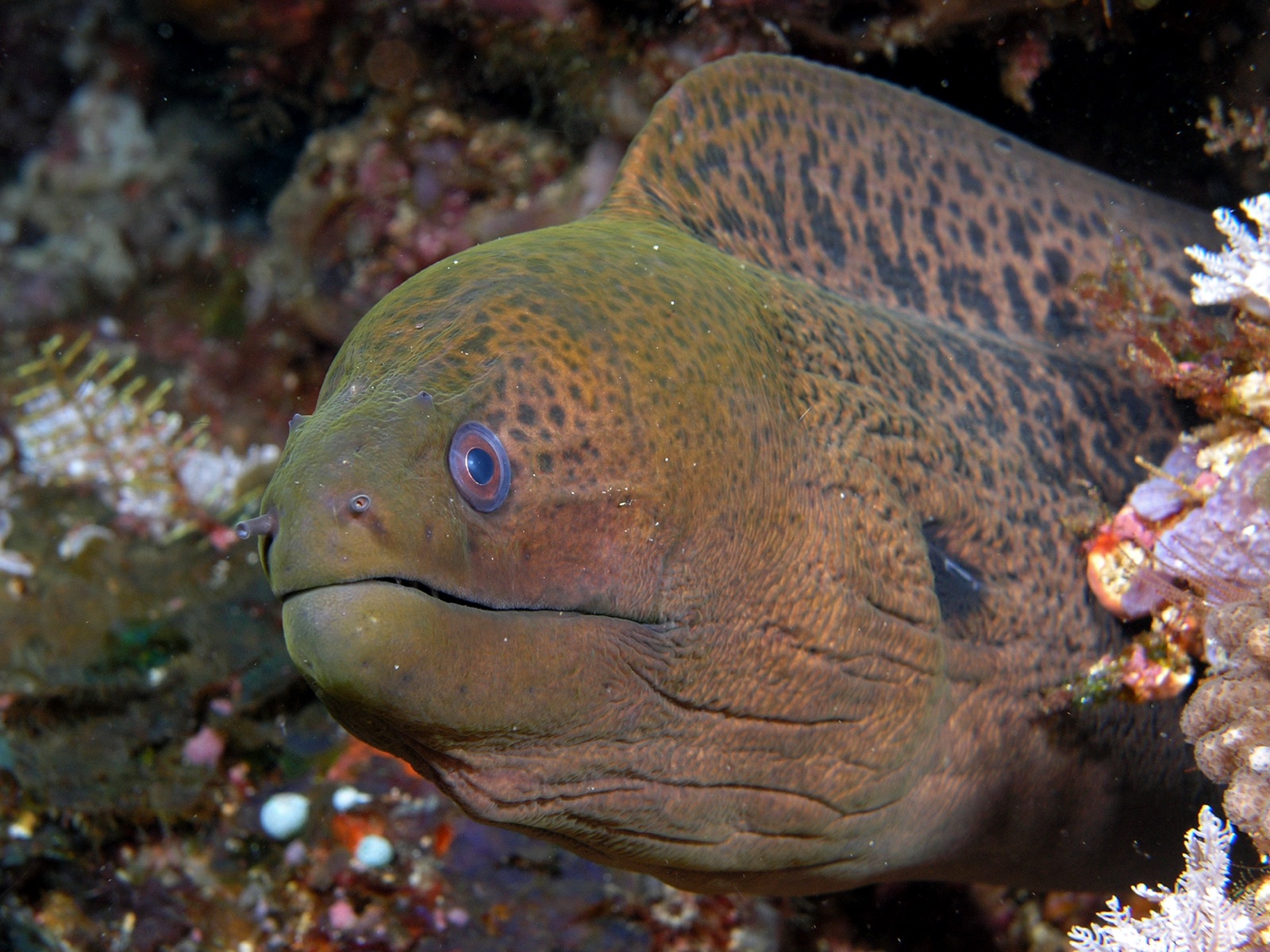
Giant Moray Eel
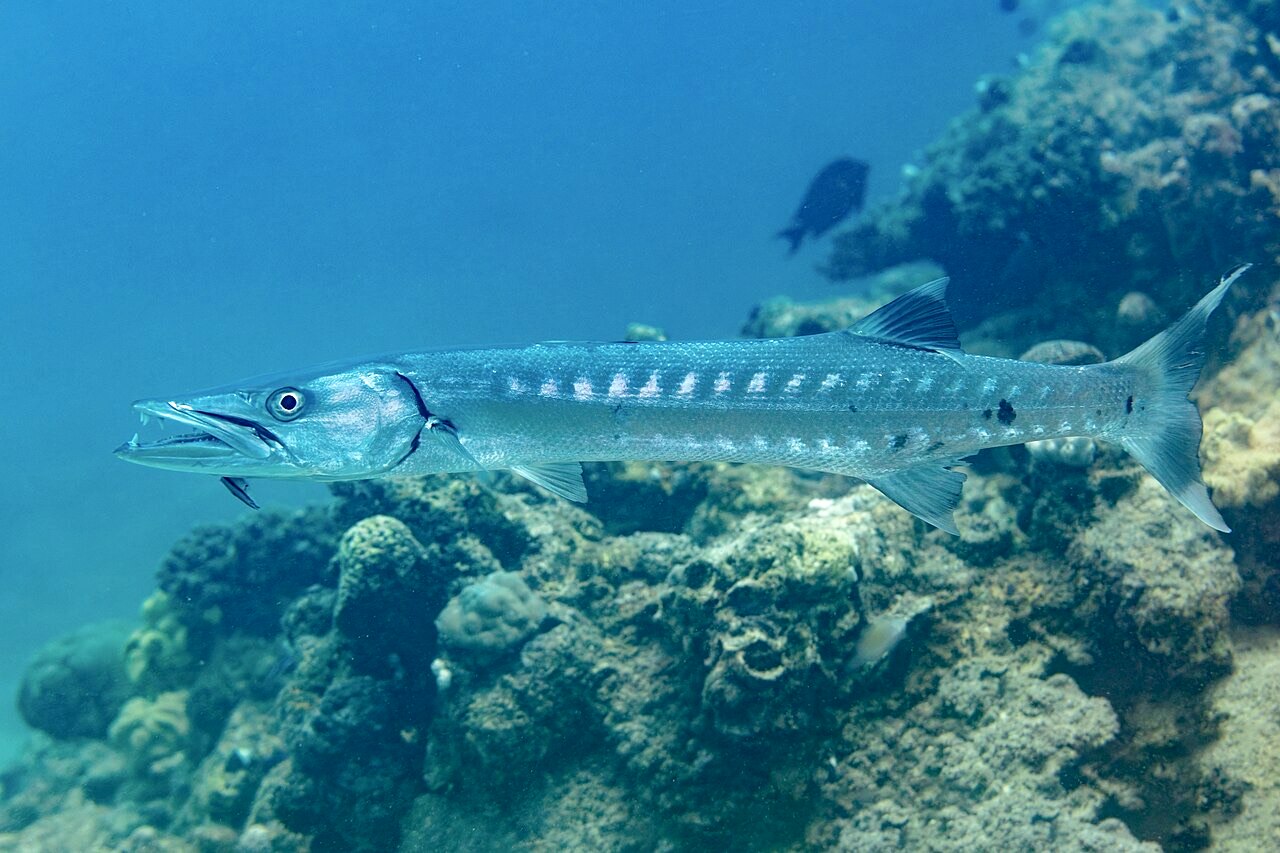
Great Barracuda
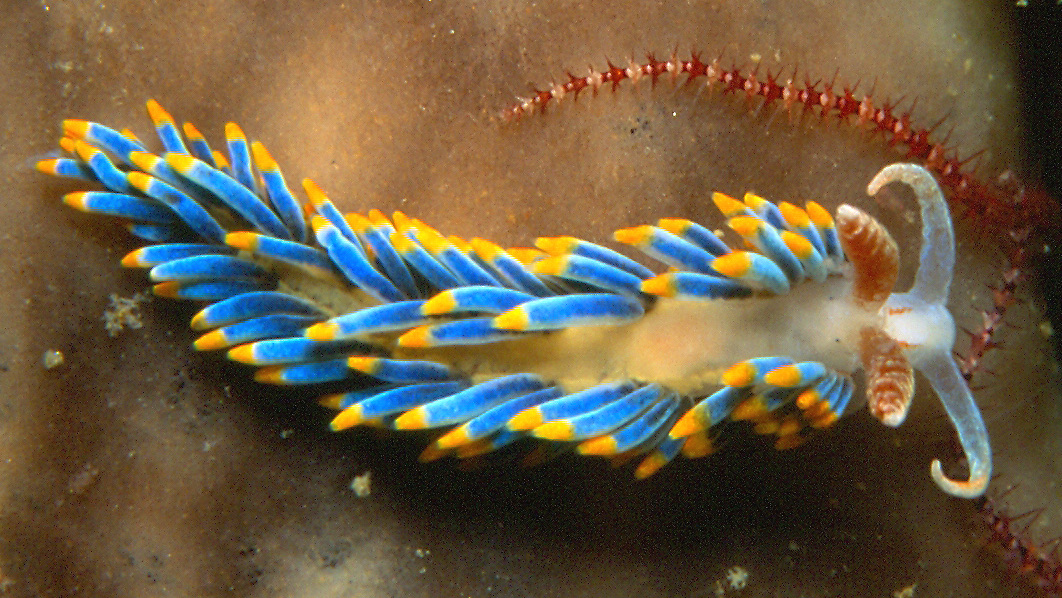
Nudibranchs
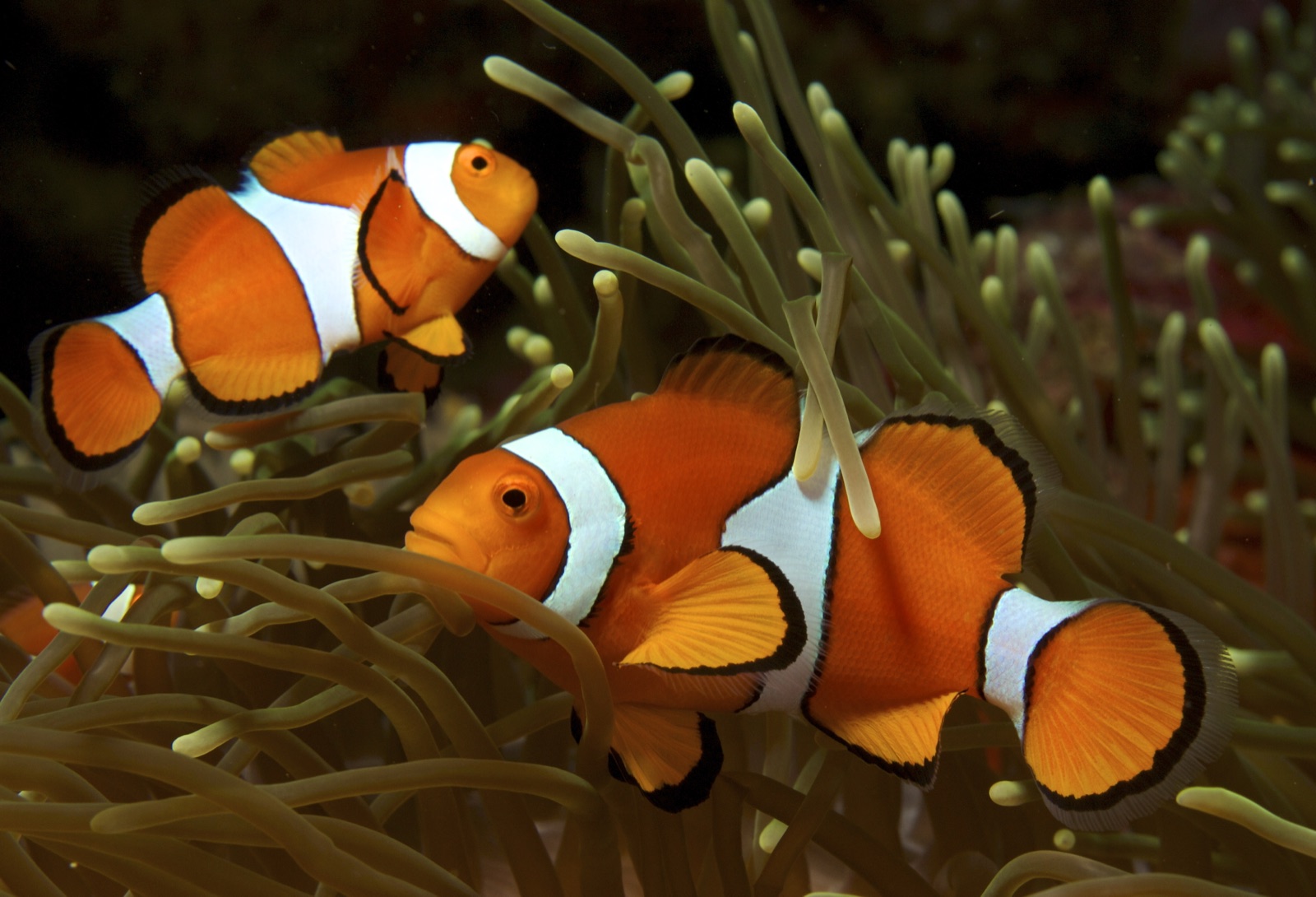
Clownfish & Anemonefish
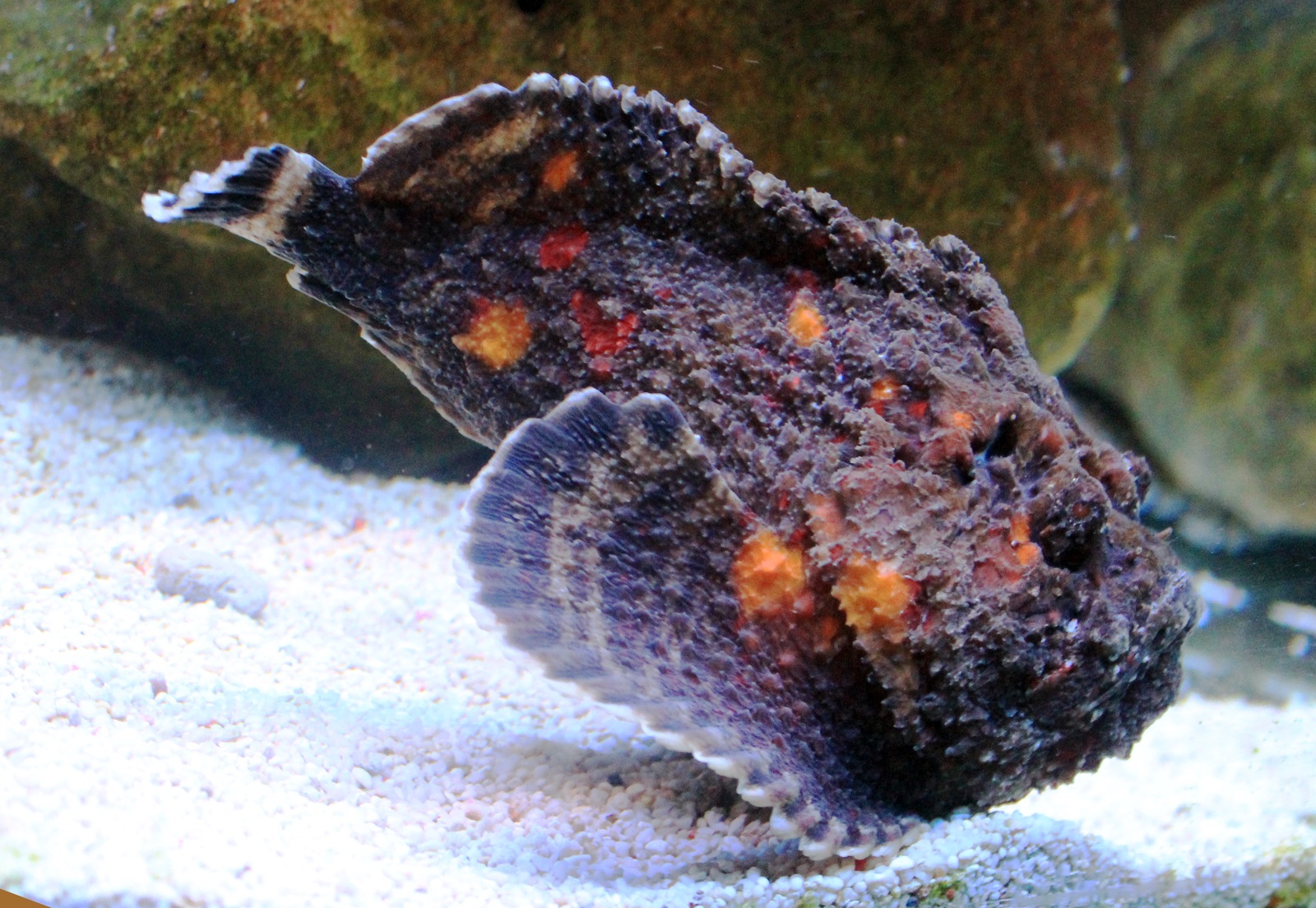
Reef Stonefish
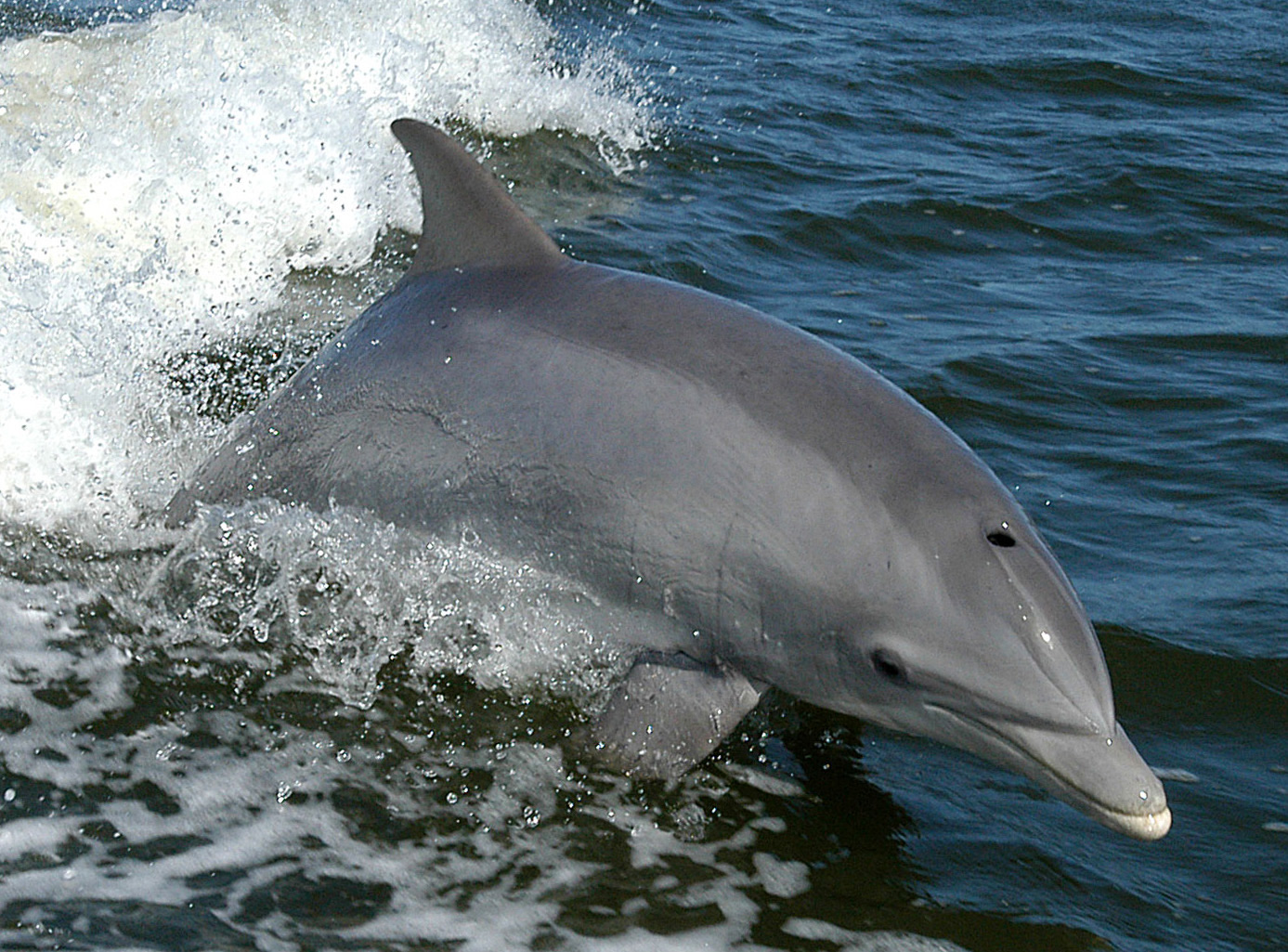
Bottlenose Dolphin
También registrado cerca
Las especies "aquí registradas" fueron añadidas por nuestros editores a partir de las fuentes de esta página. Los recuentos son registros de ocurrencia de GBIF: observaciones anotadas en un radio de unos 5 km de la posición registrada desde 1990, cotejadas únicamente con las especies de nuestro catálogo. Muestran lo que se ha avistado allí, no una garantía de lo que verás.
Para fotógrafos
Gran angular: ★★★★☆ · Macro: ★★★☆☆ (valoración de 1 a 5 de los editores sobre lo que ofrece este sitio para cada estilo de fotografía)