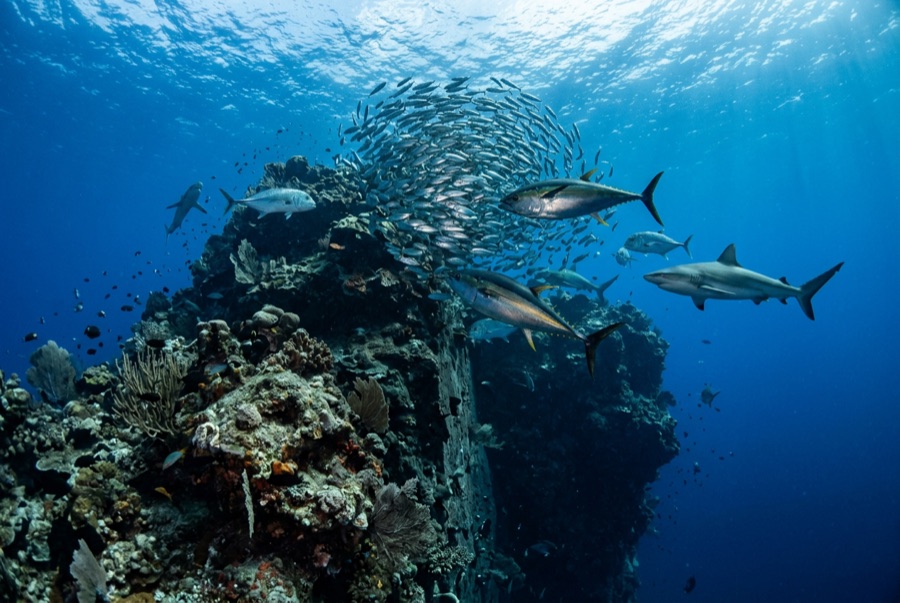
Castle Rock
La profundidad es el rango desde la cima del punto de buceo hasta su máximo habitual; la "certificación recomendada" es el nivel que los operadores suelen pedir según las agencias principales, no una norma legal. Las corrientes y la visibilidad cambian a diario, así que trata todo esto como rangos de planificación.
Castle Rock is northern Komodo's front-row predator dive. The seamount's summit sits just below the surface, and when the tide runs, fusiliers compress into a shivering dome over the coral while grey reef sharks, whitetips, and giant trevally take turns cutting through it. Divers hook into the rubble at the current split and watch the hunt happen at arm's length; on big days mackerel and dogtooth tuna join, and dolphins have been known to strafe the bait before moving on. The dive usually ends drifting off the mount into blue water for a mid-water safety stop. It pairs naturally with Crystal Rock nearby, and mid-year clarity makes the whole spectacle feel floodlit.
El momento por el que vienes: Sharks hunting fusilier schools; reef-hook front seats at the current split; big pelagic cameos.
Topografía: Submerged seamount north of Gili Lawa Laut, summit a few meters down, coral slopes into deep water.
Corriente: Negative entries up-current are routine; divers drop, regroup on the flank, and hook in at the split point.
Lo que debes saber antes de tirarte al agua
Riesgos: Strong current over an offshore summit, blue-water ascents, and boat traffic overhead; SMBs are non-negotiable.
Nitrox: Vale la pena aquí: los perfiles están en el rango donde el nitrox amplía de forma significativa el tiempo sin parada (con la formación necesaria para usarlo).
A quién encontrarás
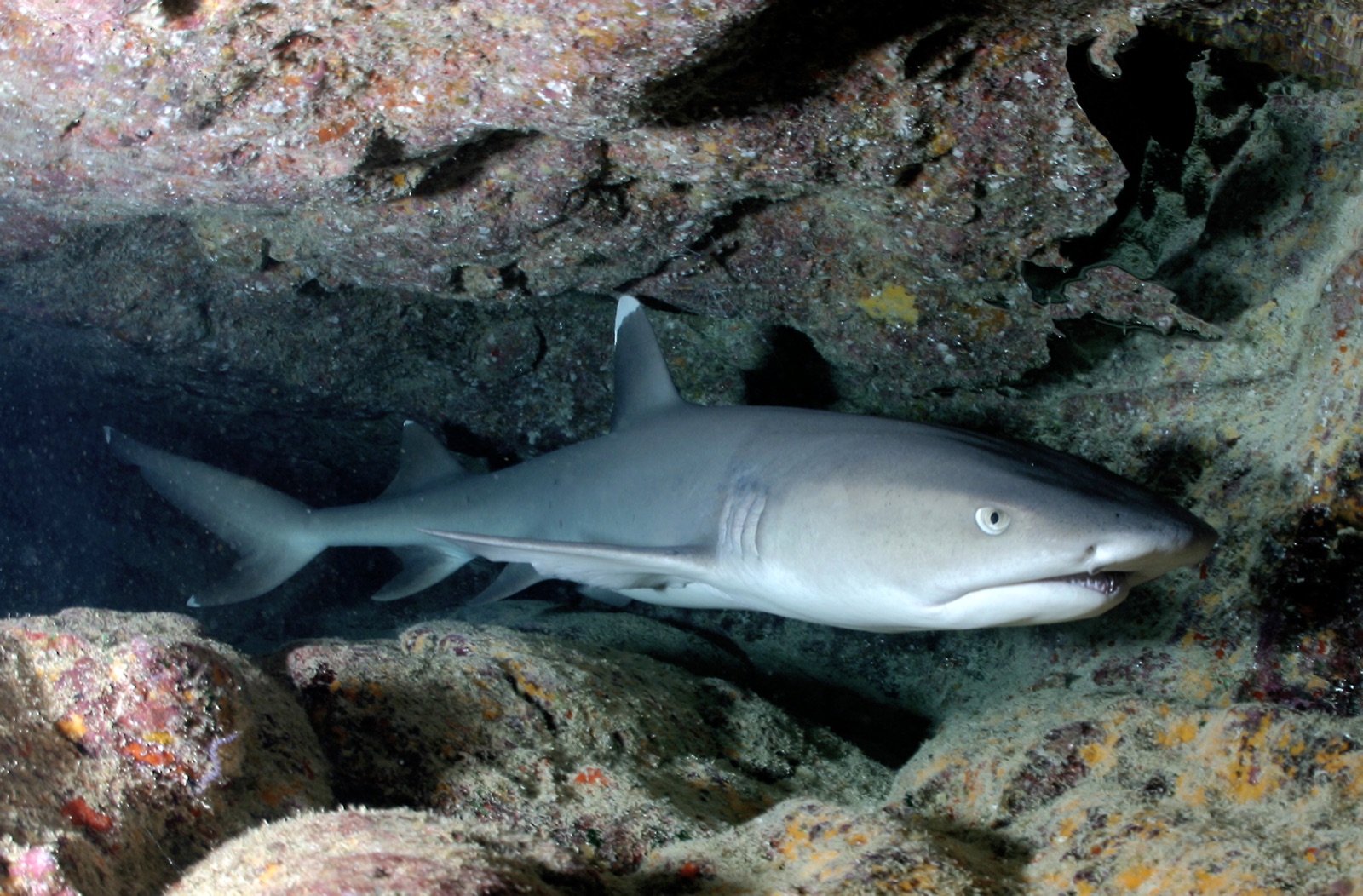
Whitetip Reef Shark
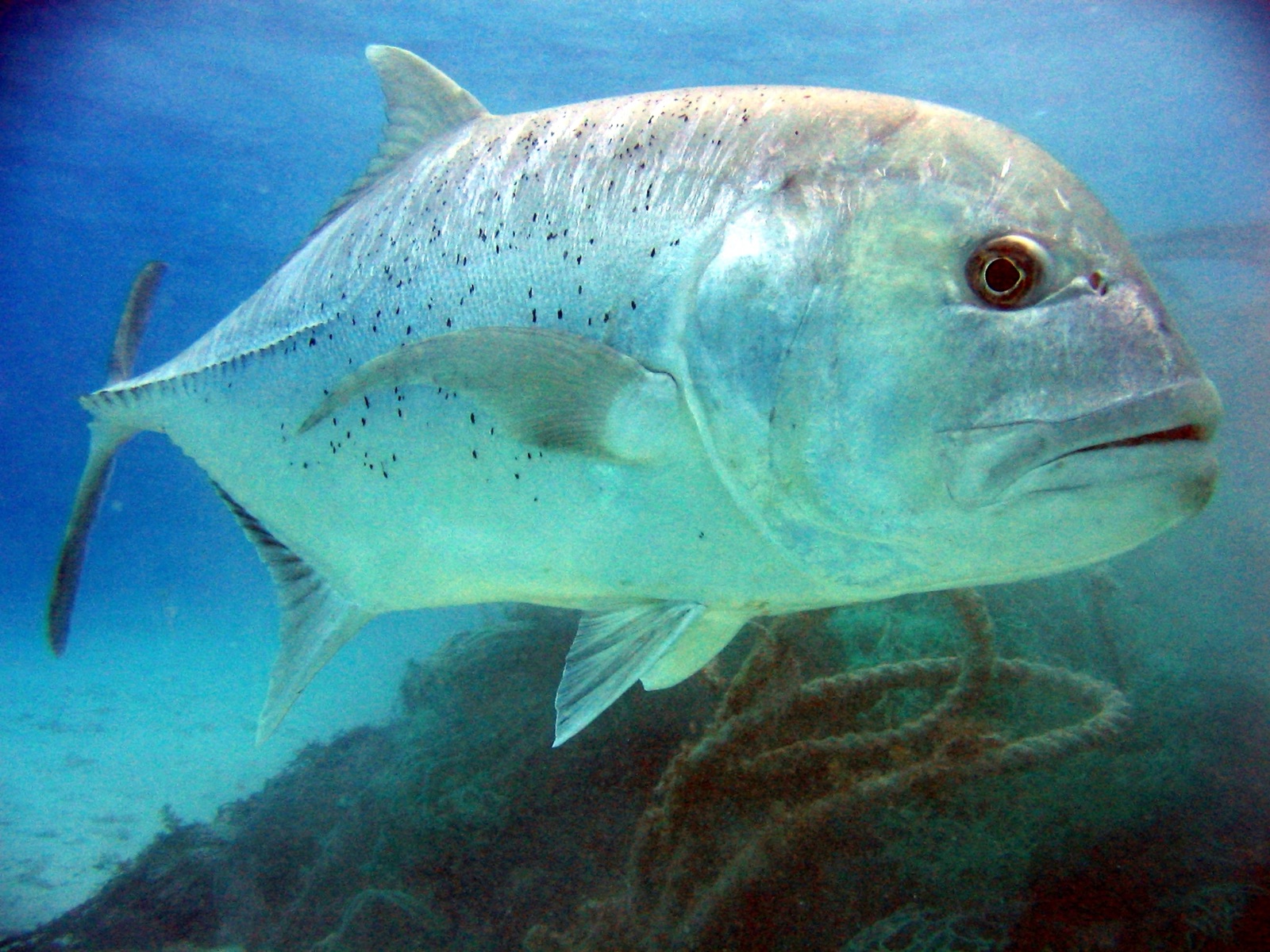
Giant Trevally
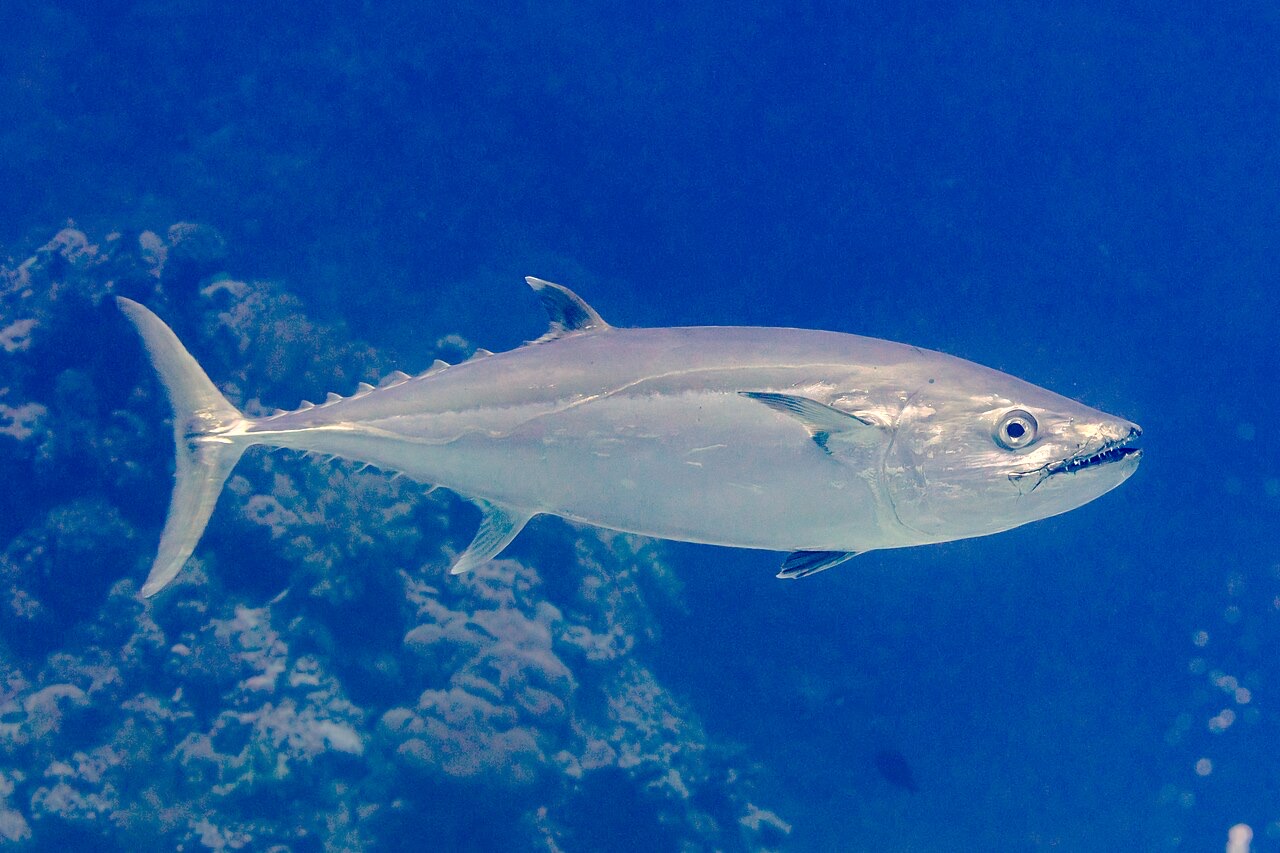
Dogtooth Tuna
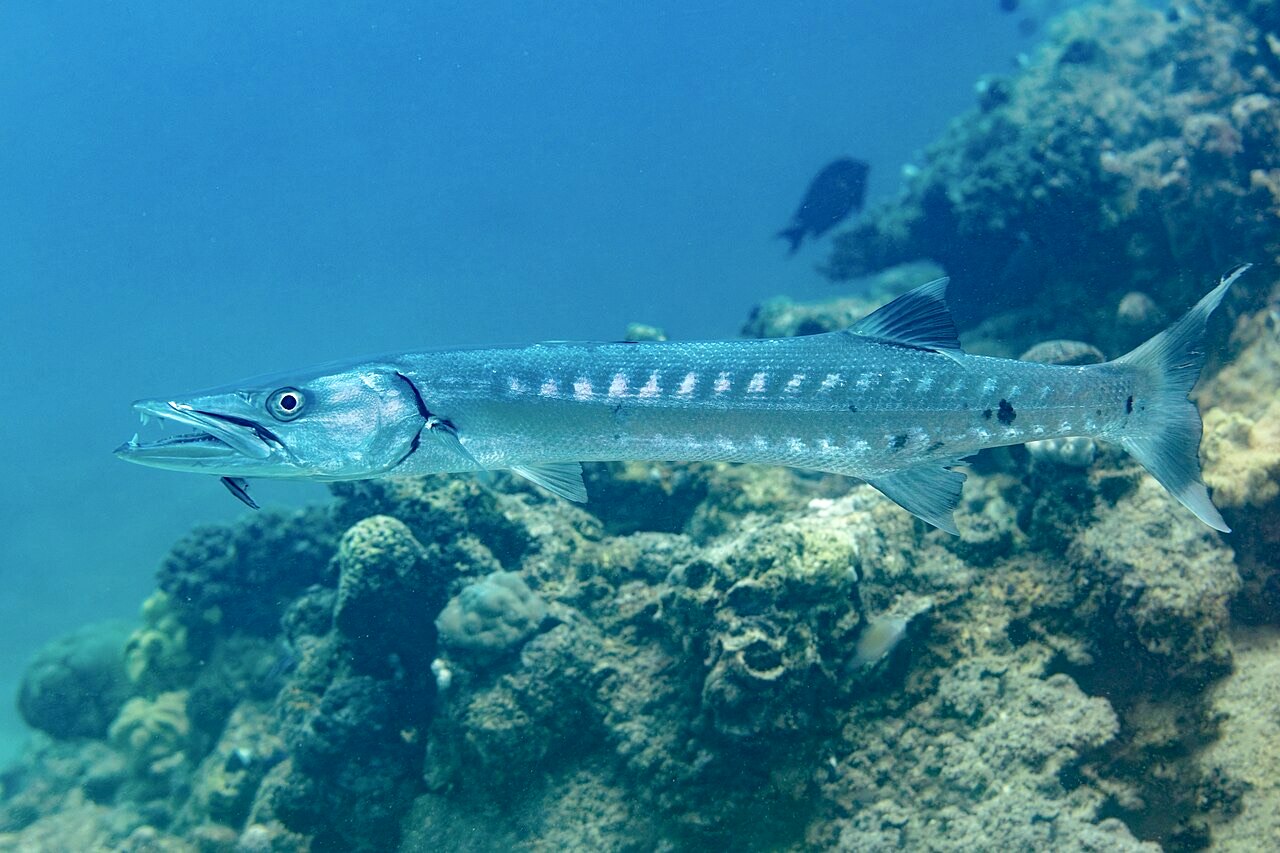
Great Barracuda
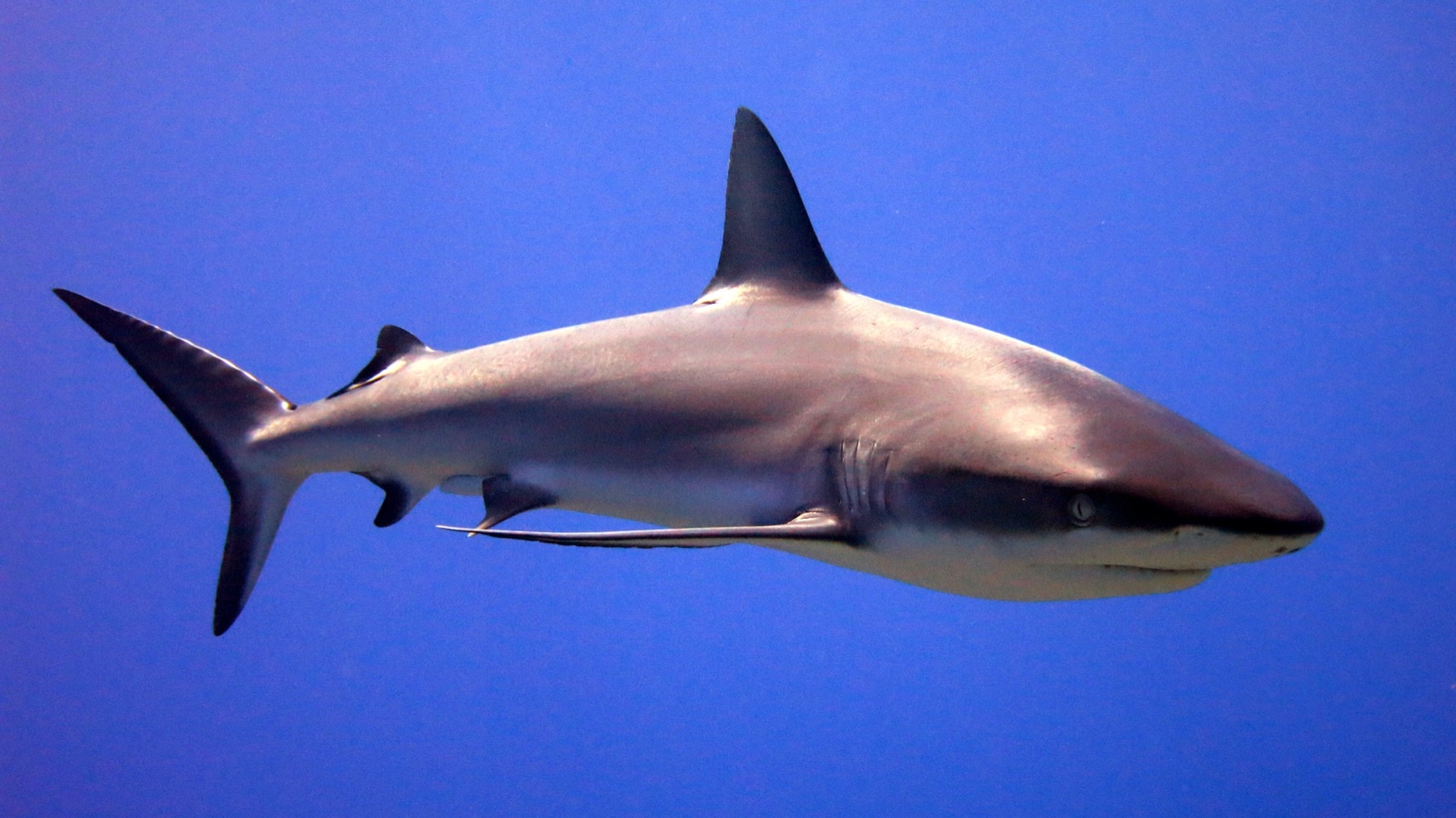
Grey Reef Shark
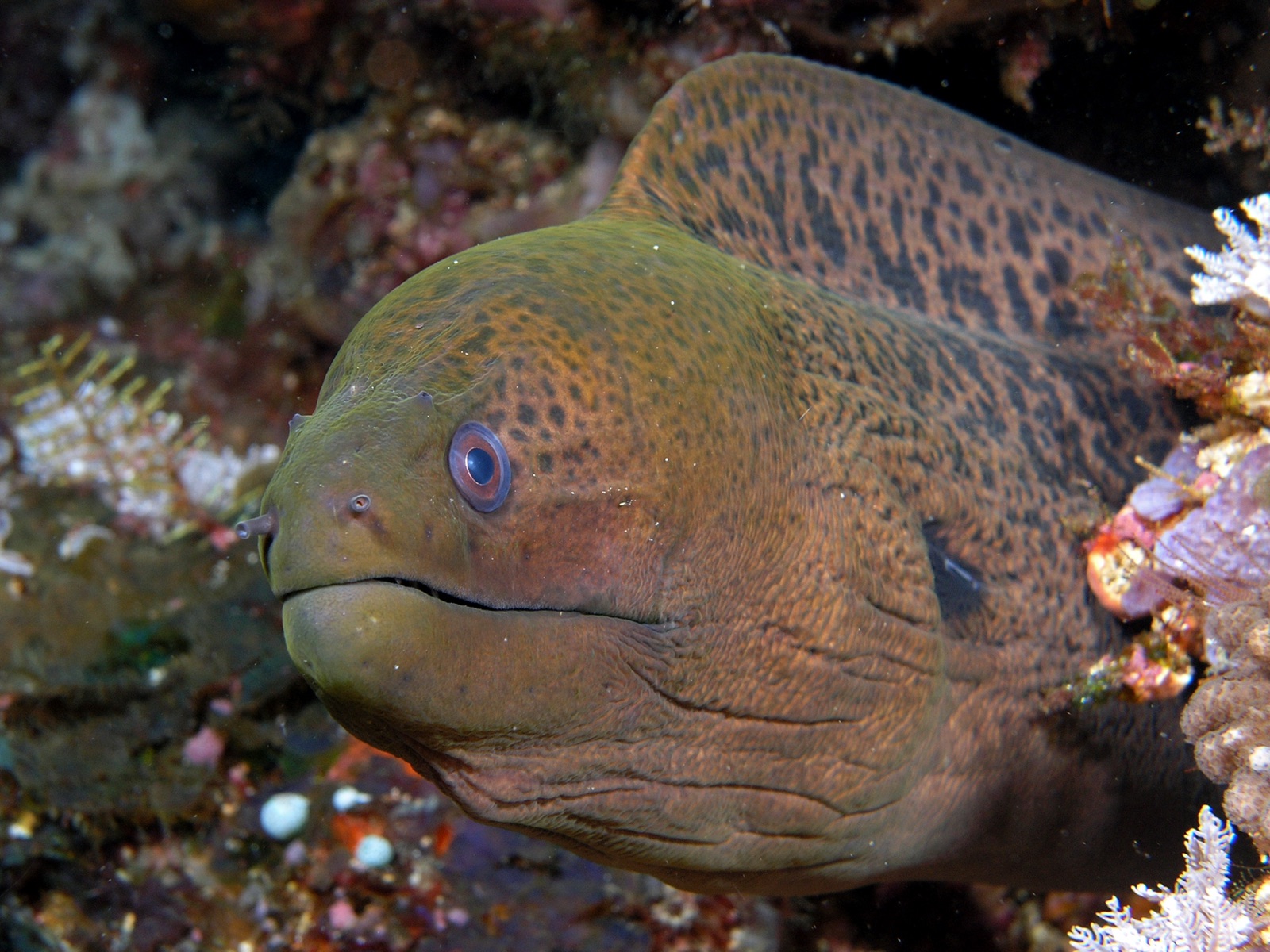
Giant Moray Eel
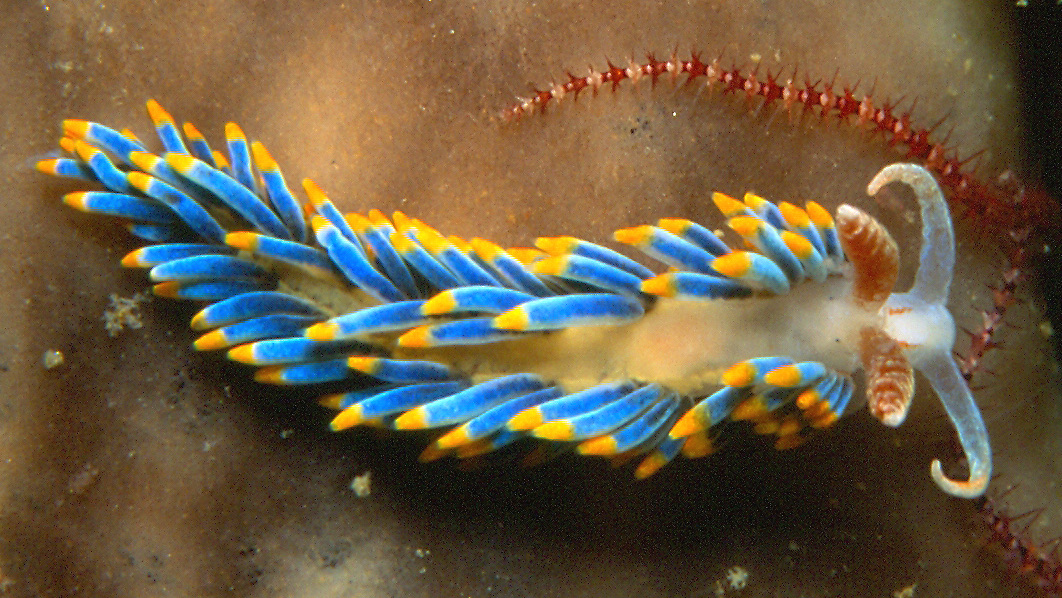
Nudibranchs
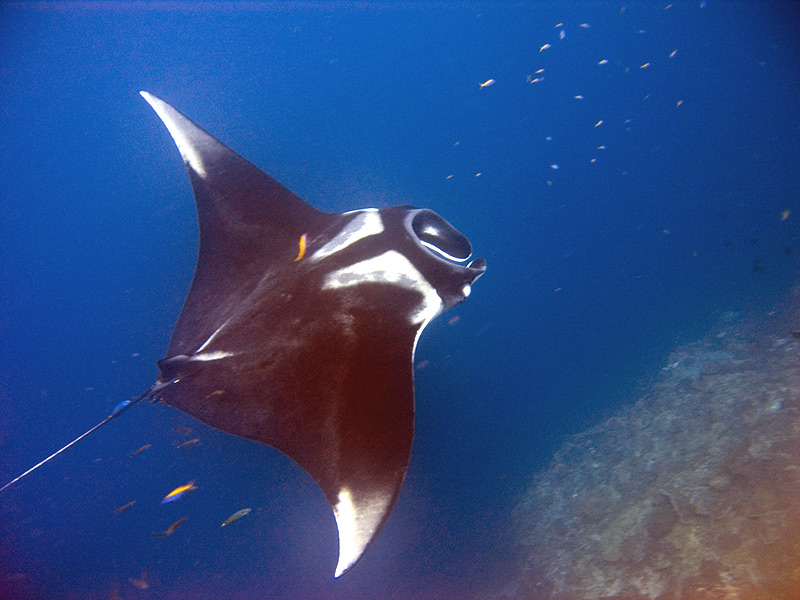
Oceanic Manta Ray
También registrado cerca
Las especies "aquí registradas" fueron añadidas por nuestros editores a partir de las fuentes de esta página. Los recuentos son registros de ocurrencia de GBIF: observaciones anotadas en un radio de unos 5 km de la posición registrada desde 1990, cotejadas únicamente con las especies de nuestro catálogo. Muestran lo que se ha avistado allí, no una garantía de lo que verás.
Para fotógrafos
Gran angular: ★★★★★ · Macro: ★★☆☆☆ (valoración de 1 a 5 de los editores sobre lo que ofrece este sitio para cada estilo de fotografía)