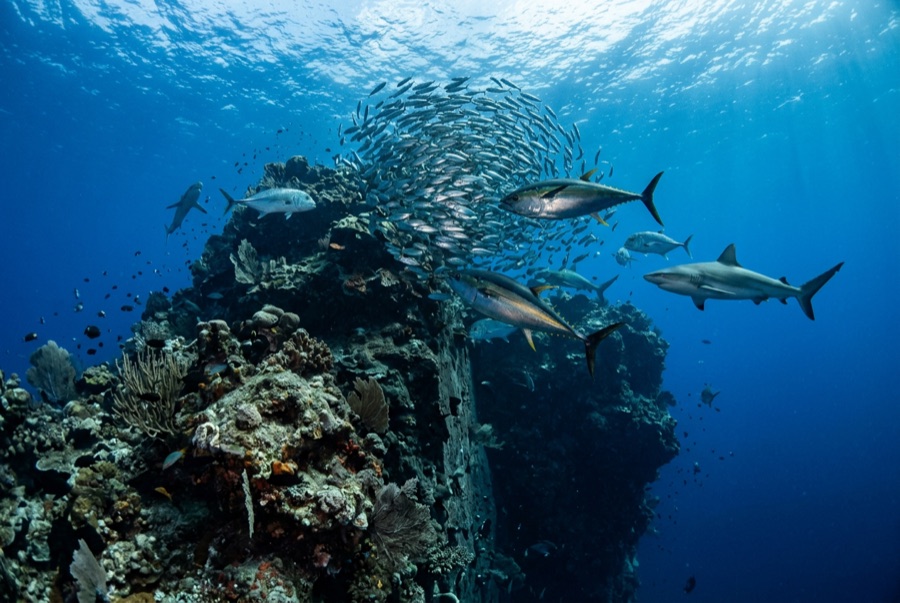
Castle Rock
La profondeur correspond à la plage allant du sommet du site jusqu'à son maximum habituel ; le « niveau recommandé » est le niveau demandé en général par les opérateurs auprès des grandes agences, pas une règle légale. Les courants et la visibilité varient chaque jour, traitez donc tout cela comme des plages indicatives de planification.
Castle Rock is northern Komodo's front-row predator dive. The seamount's summit sits just below the surface, and when the tide runs, fusiliers compress into a shivering dome over the coral while grey reef sharks, whitetips, and giant trevally take turns cutting through it. Divers hook into the rubble at the current split and watch the hunt happen at arm's length; on big days mackerel and dogtooth tuna join, and dolphins have been known to strafe the bait before moving on. The dive usually ends drifting off the mount into blue water for a mid-water safety stop. It pairs naturally with Crystal Rock nearby, and mid-year clarity makes the whole spectacle feel floodlit.
Le moment pour lequel vous venez: Sharks hunting fusilier schools; reef-hook front seats at the current split; big pelagic cameos.
Topographie: Submerged seamount north of Gili Lawa Laut, summit a few meters down, coral slopes into deep water.
Courant: Negative entries up-current are routine; divers drop, regroup on the flank, and hook in at the split point.
À savoir avant de plonger
Dangers: Strong current over an offshore summit, blue-water ascents, and boat traffic overhead; SMBs are non-negotiable.
Nitrox: Pertinent ici : les profils se situent dans la plage où le nitrox prolonge significativement le temps sans palier (avec la formation pour l'utiliser).
Qui vous croiserez
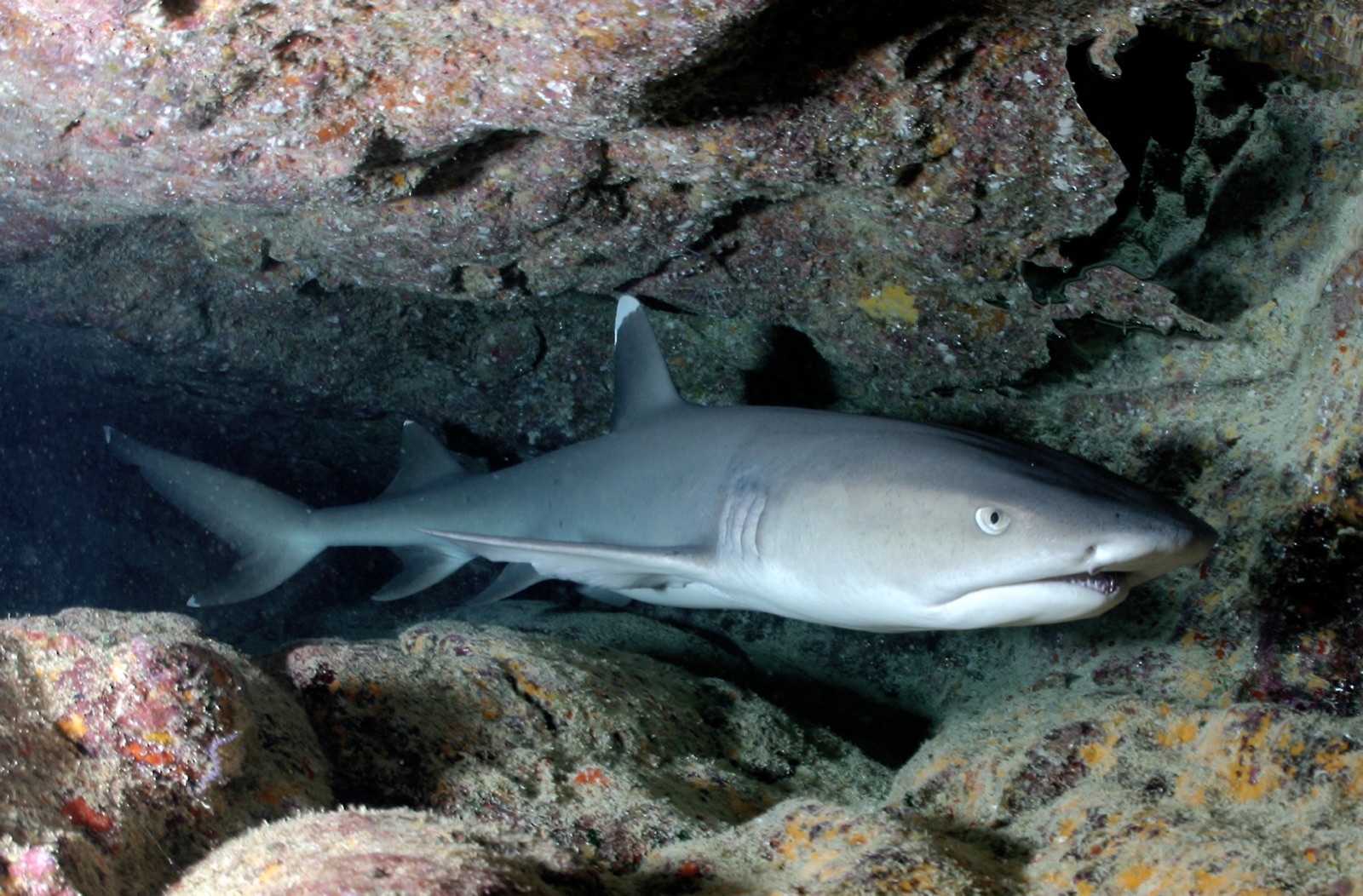
Whitetip Reef Shark
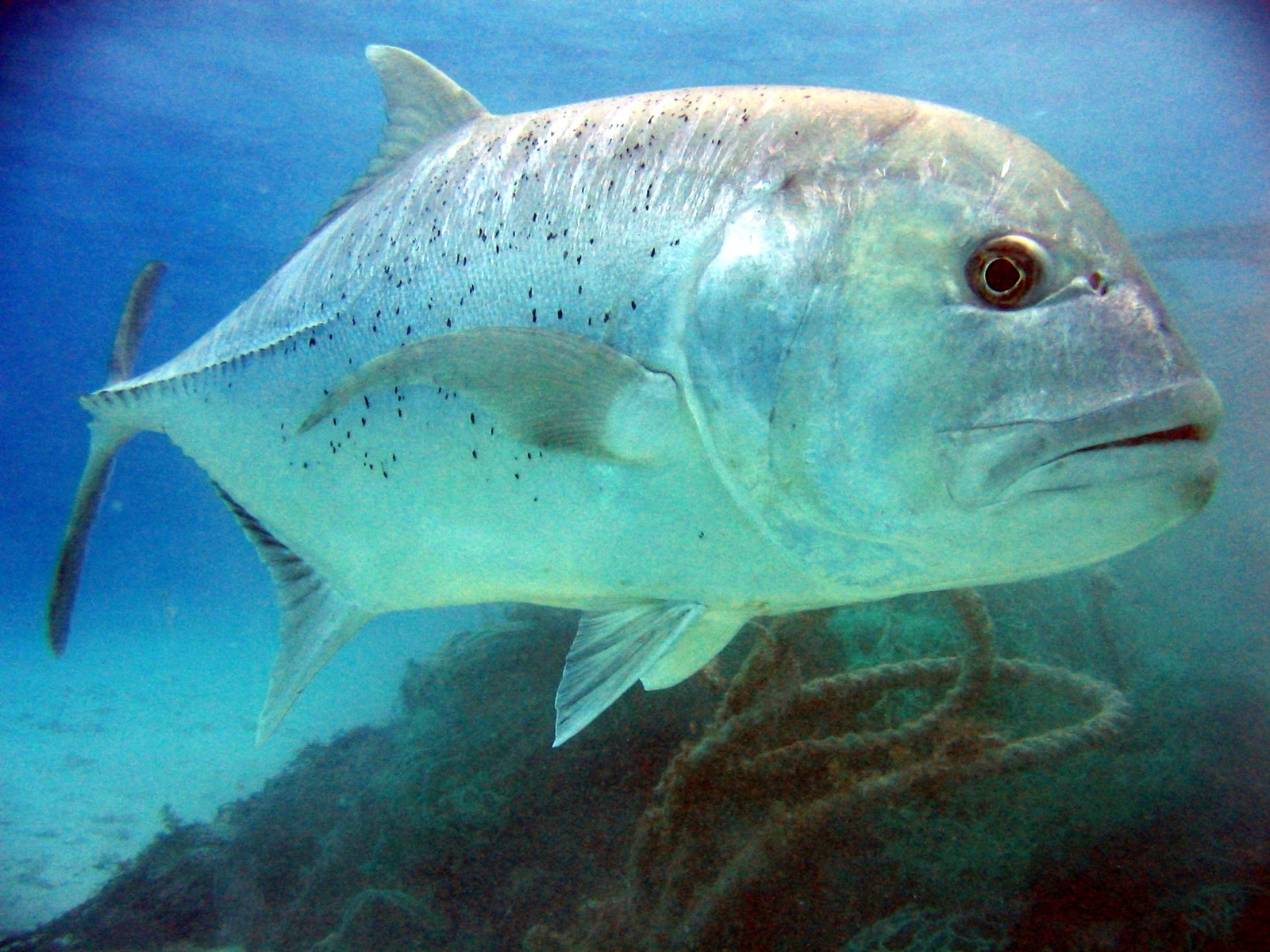
Giant Trevally
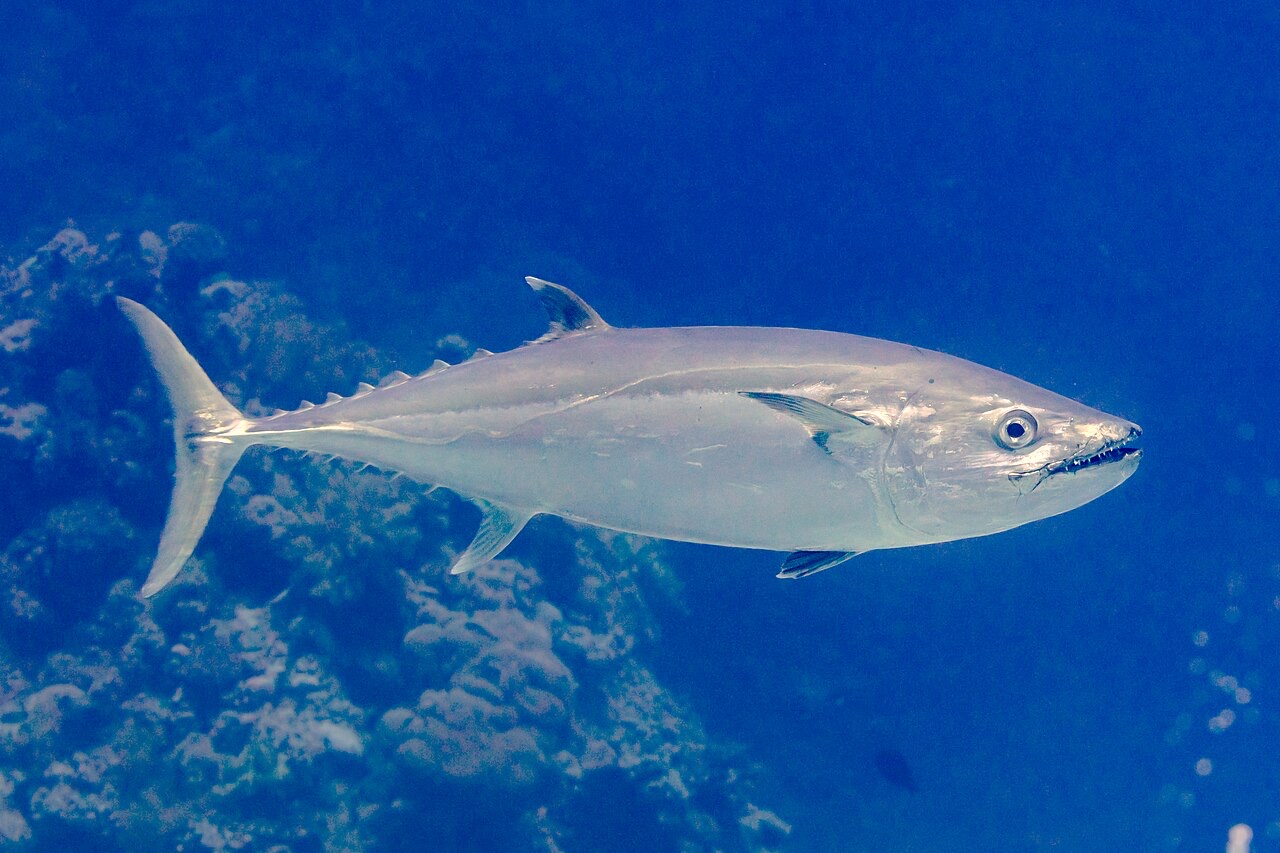
Dogtooth Tuna
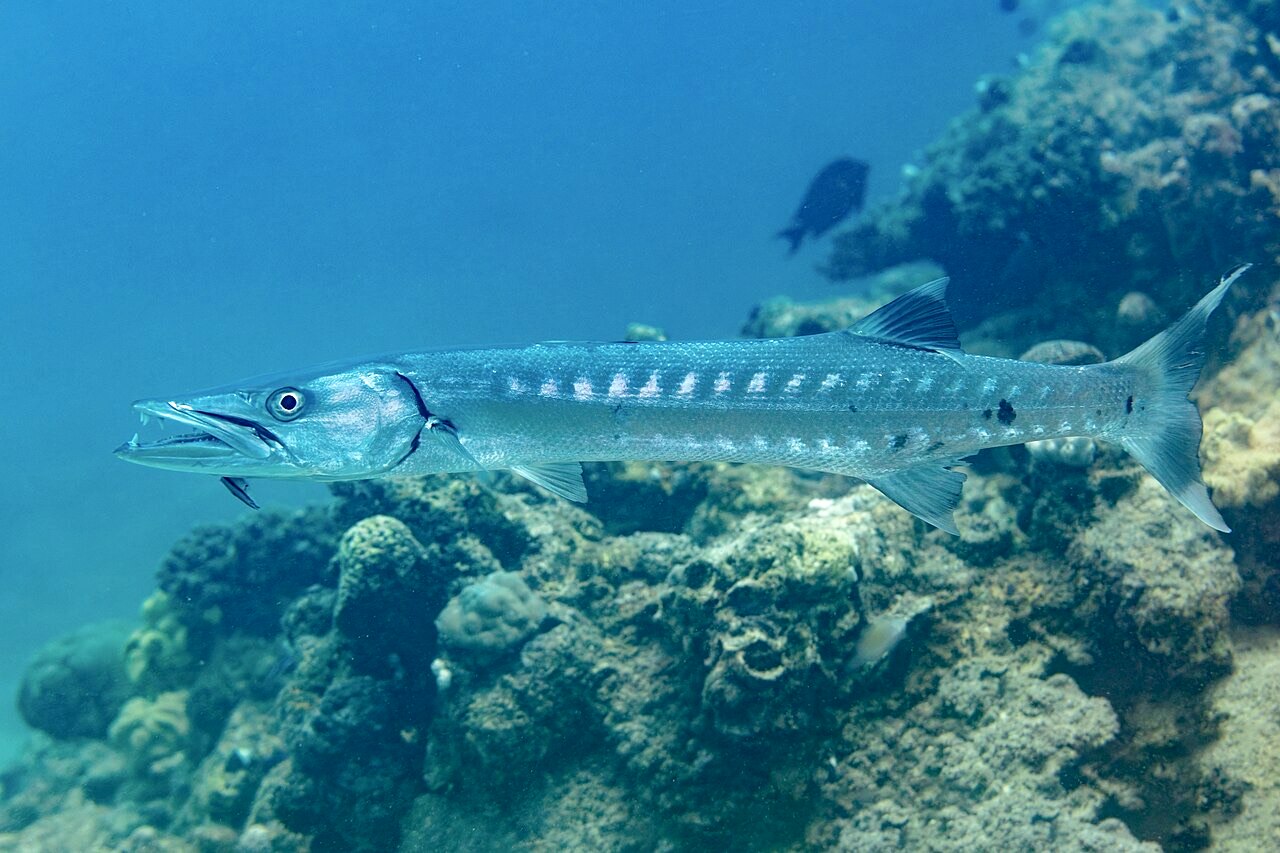
Great Barracuda
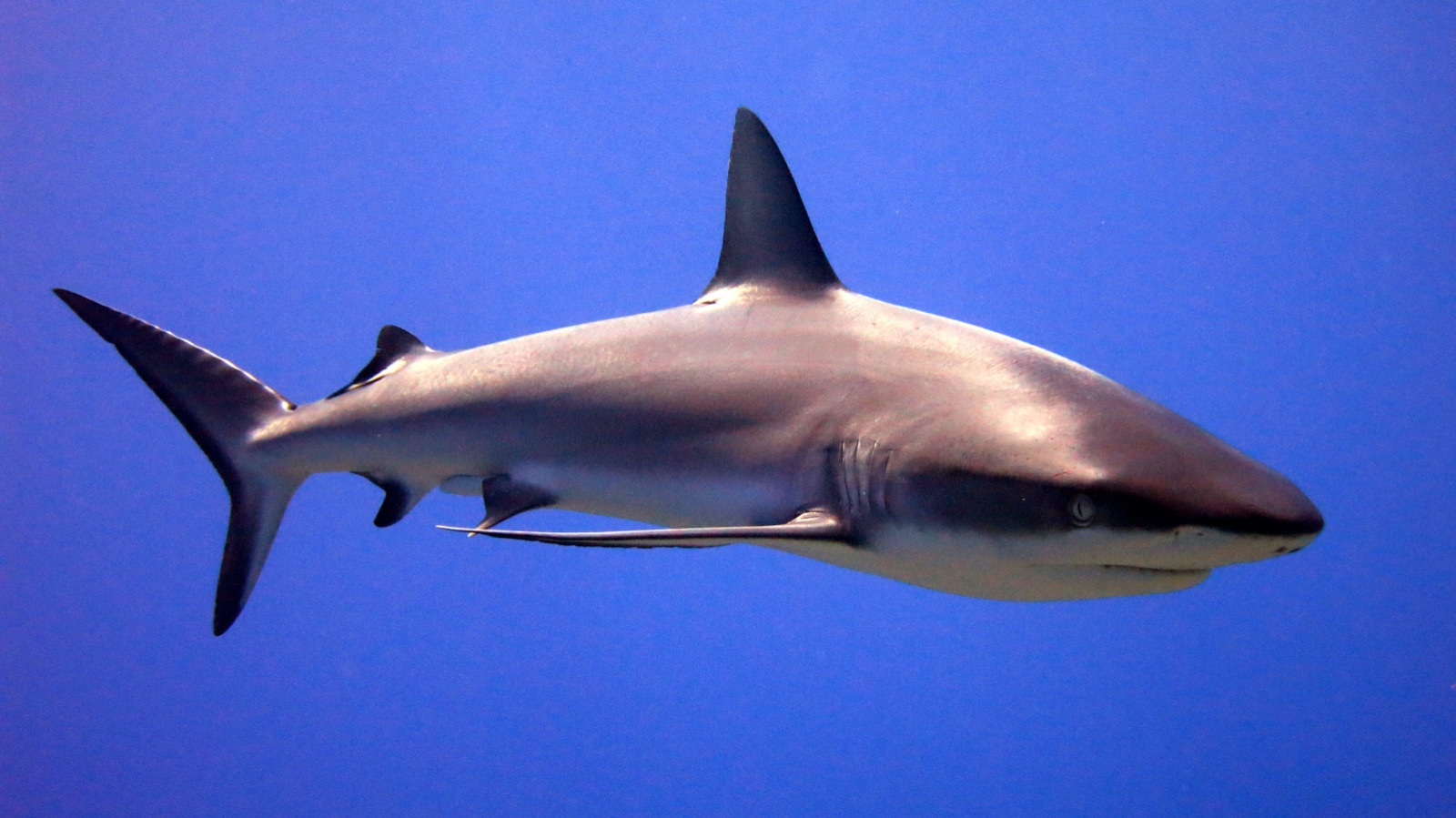
Grey Reef Shark
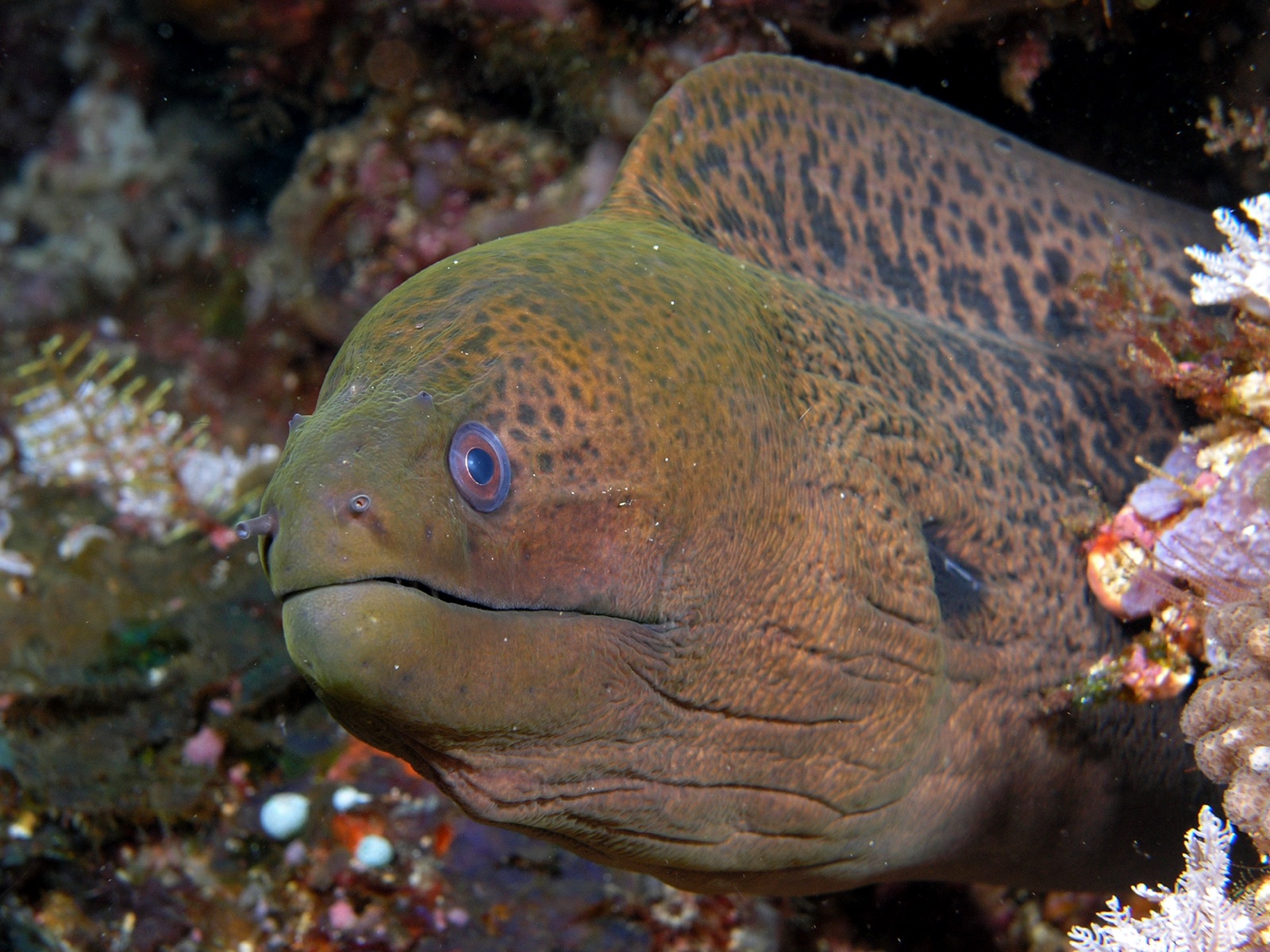
Giant Moray Eel
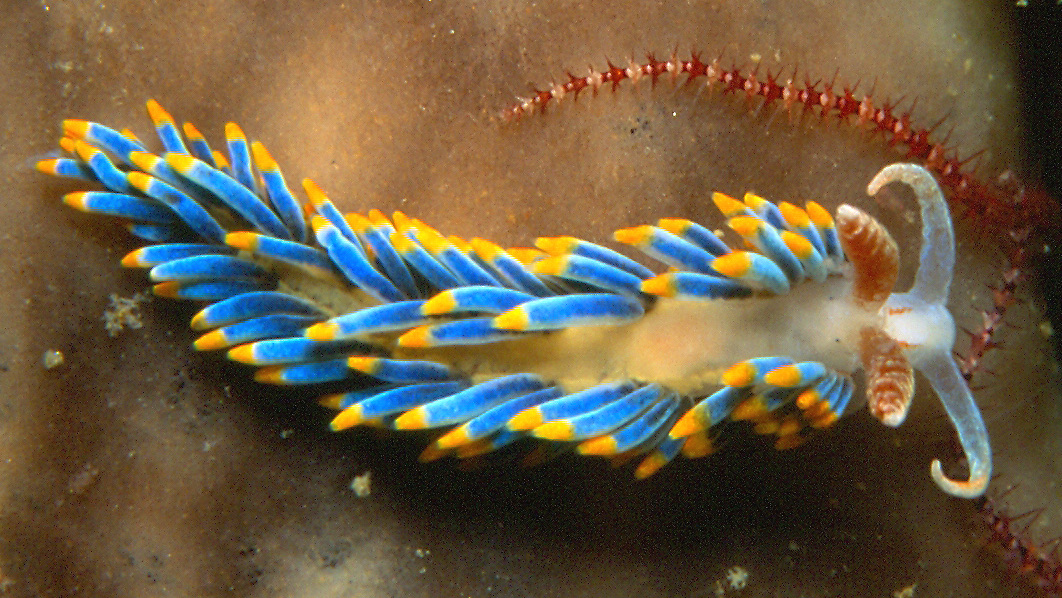
Nudibranchs
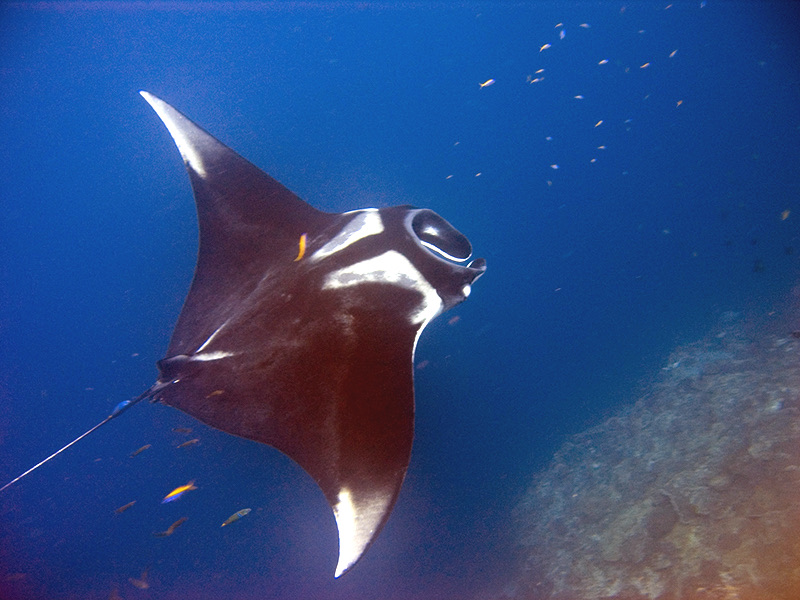
Oceanic Manta Ray
Également observé à proximité
Les espèces « cartographiées ici » ont été répertoriées par nos éditeurs à partir des sources indiquées sur cette page. Les comptages correspondent aux occurrences GBIF : observations enregistrées dans un rayon d'environ 5 km autour de la position cartographiée depuis 1990, comparées uniquement aux espèces de notre catalogue. Ils indiquent ce qui a été observé à cet endroit, sans garantir ce que vous y verrez.
Pour les photographes
Grand angle: ★★★★★ · Macro: ★★☆☆☆ (note 1–5 des éditeurs sur ce que ce site offre à chaque style de prise de vue)