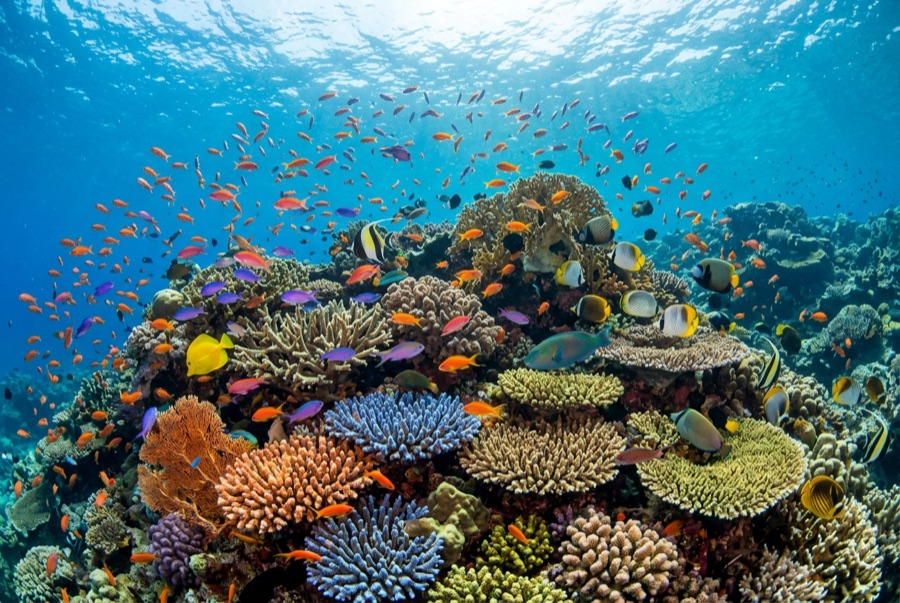
Manta Alley
La profondeur correspond à la plage allant du sommet du site jusqu'à son maximum habituel ; le « niveau recommandé » est le niveau demandé en général par les opérateurs auprès des grandes agences, pas une règle légale. Les courants et la visibilité varient chaque jour, traitez donc tout cela comme des plages indicatives de planification.
At the south tip of Komodo, a cluster of wave-washed rocks funnels plankton-rich water through a set of channels, and reef mantas treat the place as canteen and spa combined. On productive days they stack in the alley to feed, queue over cleaning stations, and barrel-roll through the soup while divers grip the rocks below; counts in the dozens have been reported when conditions align. The water is southern-cold and often green, the surge is honest, and the mantas seem to relish all of it. Away from the main event there are sharks in the gullies and thick schools of surgeonfish over the boulders. It is the remotest of the park's manta sites and, in season, arguably the most prolific.
Le moment pour lequel vous venez: Feeding aggregations of reef mantas; wild south-coast setting; shark and schooling-fish support act.
Topographie: Rocky islets and channels off south Komodo with boulder reef, cleaning bommies, and surge gullies.
Courant: Swell and surge around the rocks are as much a factor as current; the alley itself concentrates flow between the islets.
À savoir avant de plonger
Dangers: Surge against shallow rock, cold water, and exposure to Indian Ocean swell; this corner of the park punishes casual boat-handling and casual diving alike.
Conservation: Standard manta etiquette; the site's remoteness is its main protection.
Qui vous croiserez
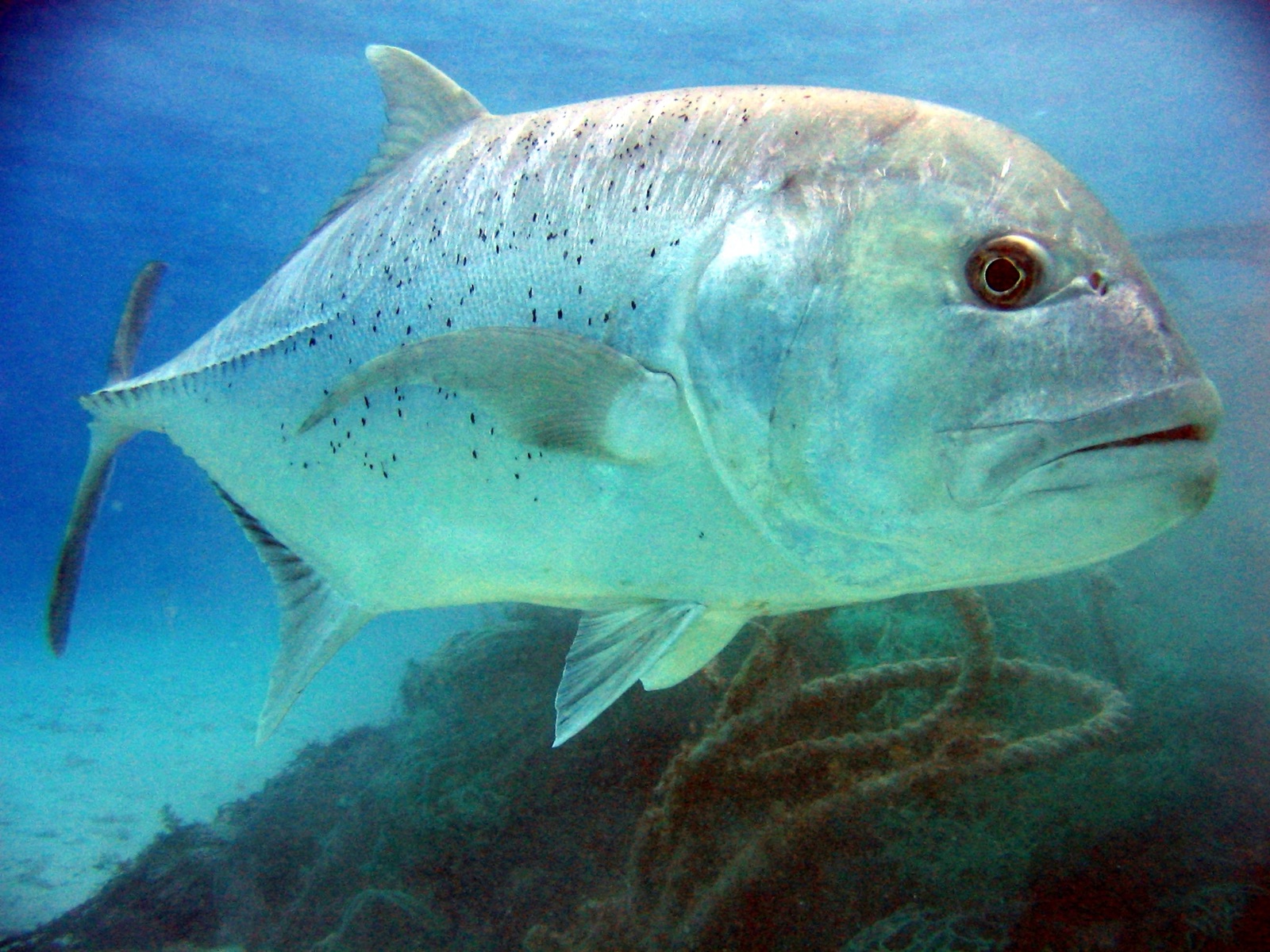
Giant Trevally
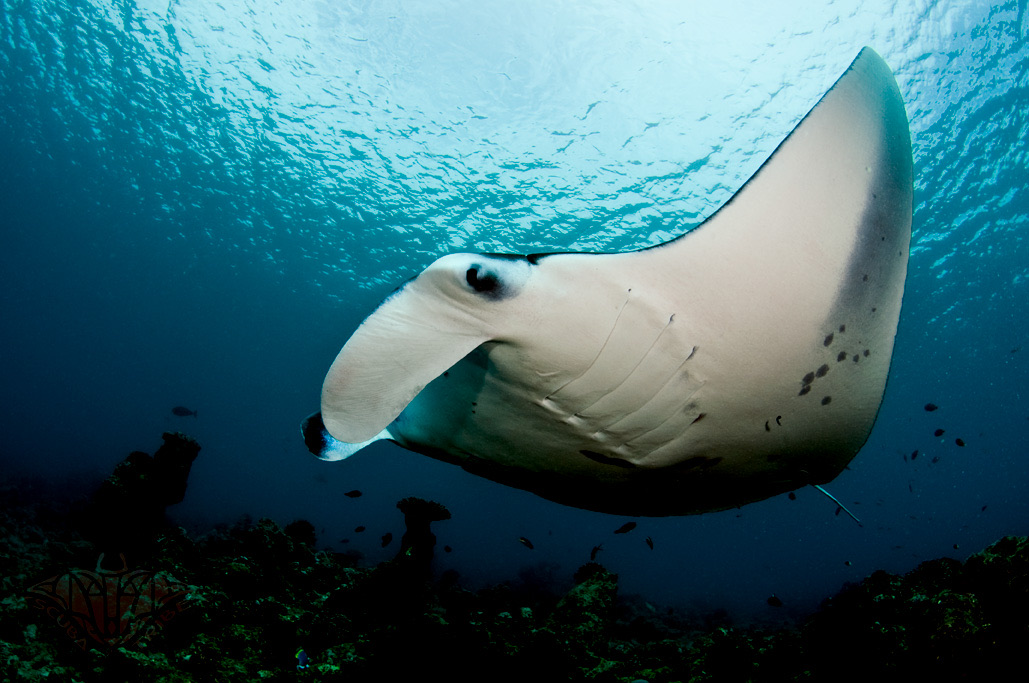
Reef Manta Ray
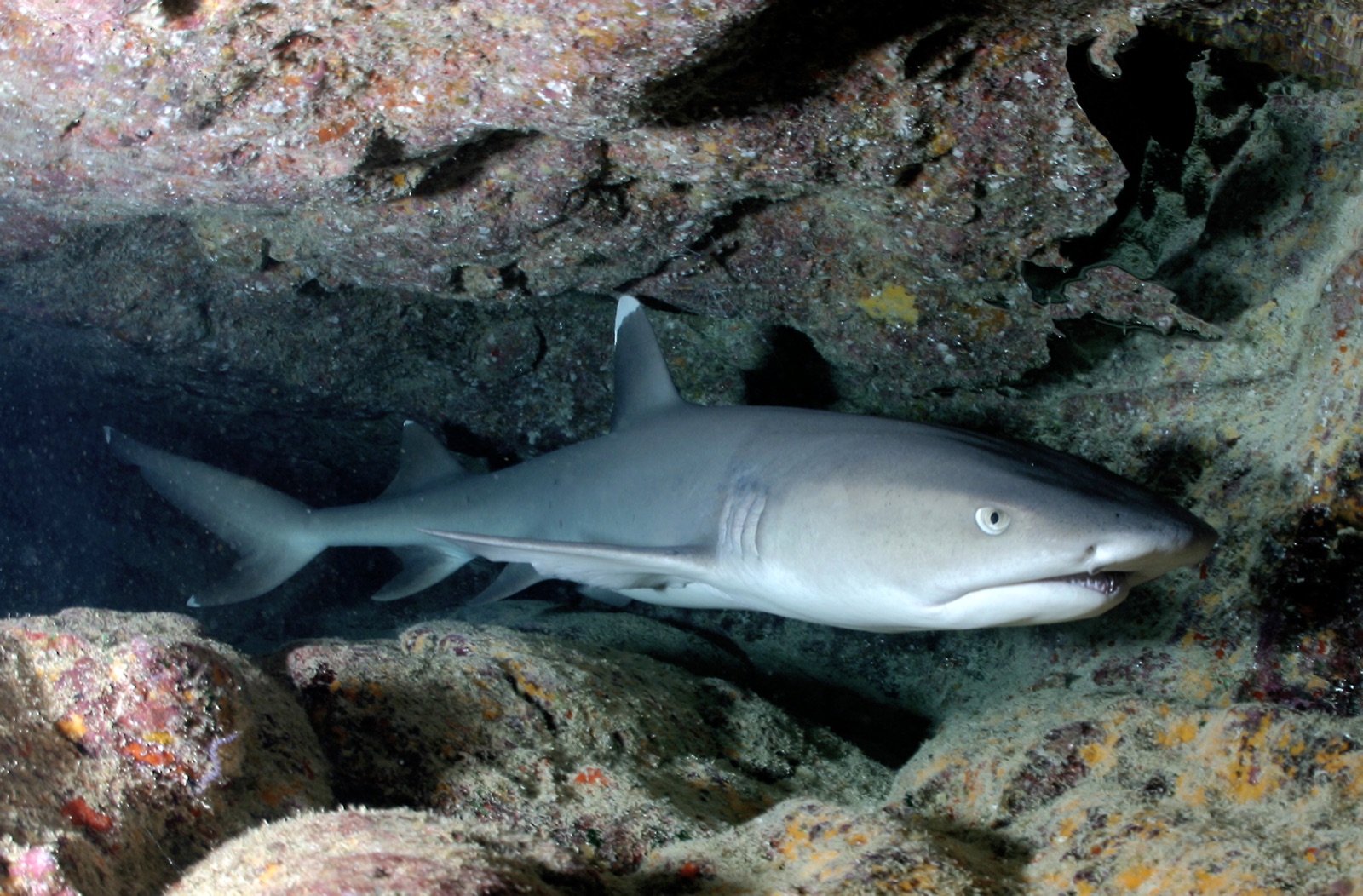
Whitetip Reef Shark
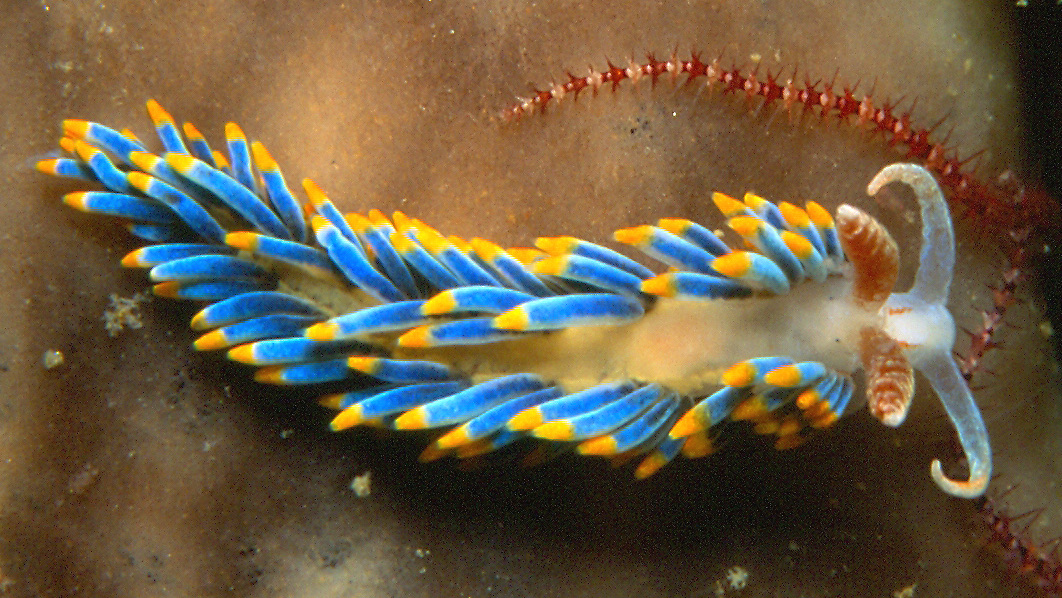
Nudibranchs
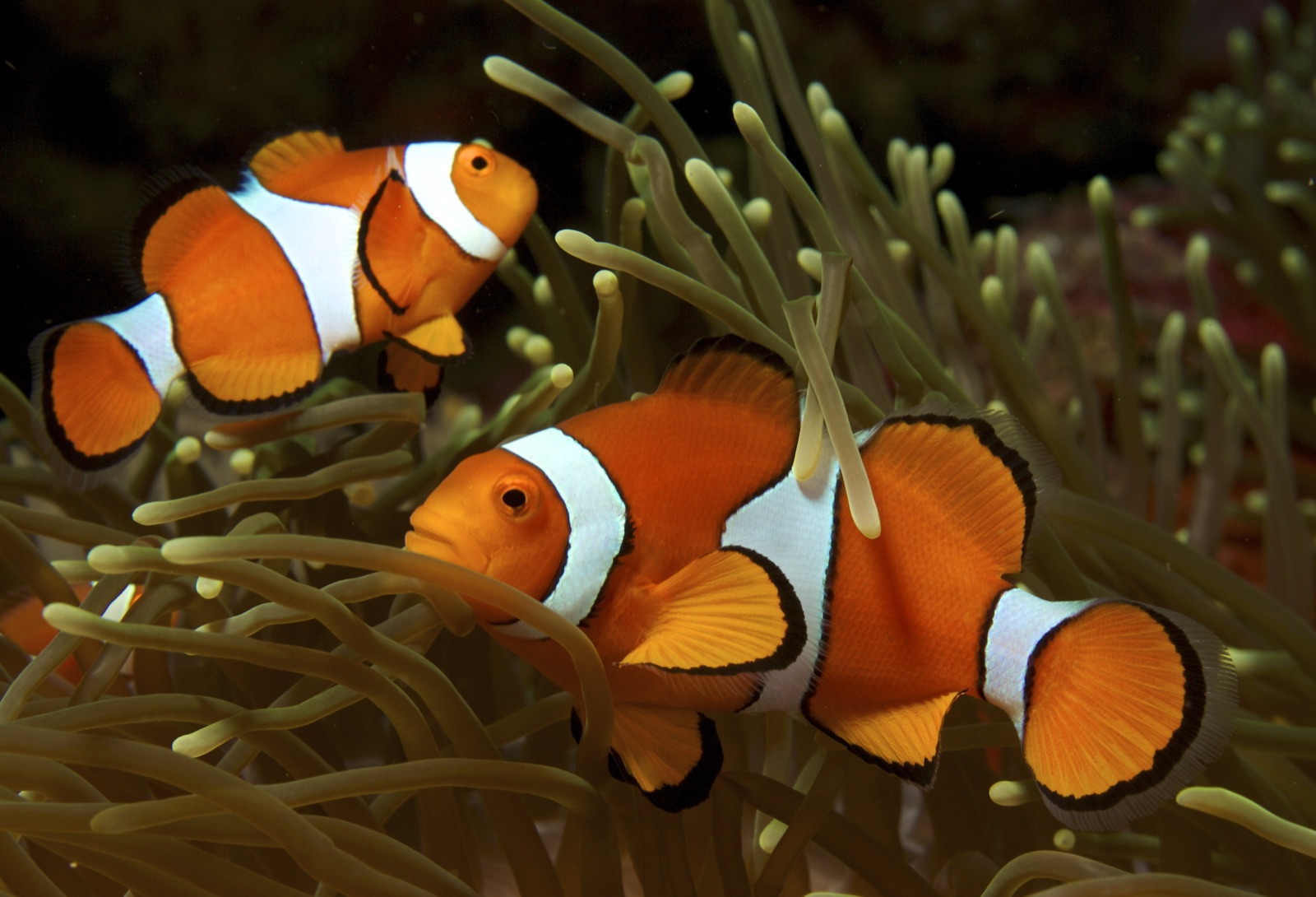
Clownfish & Anemonefish
Les espèces « cartographiées ici » ont été répertoriées par nos éditeurs à partir des sources indiquées sur cette page. Les comptages correspondent aux occurrences GBIF : observations enregistrées dans un rayon d'environ 5 km autour de la position cartographiée depuis 1990, comparées uniquement aux espèces de notre catalogue. Ils indiquent ce qui a été observé à cet endroit, sans garantir ce que vous y verrez.
Pour les photographes
Grand angle: ★★★★★ · Macro: ★☆☆☆☆ (note 1–5 des éditeurs sur ce que ce site offre à chaque style de prise de vue)