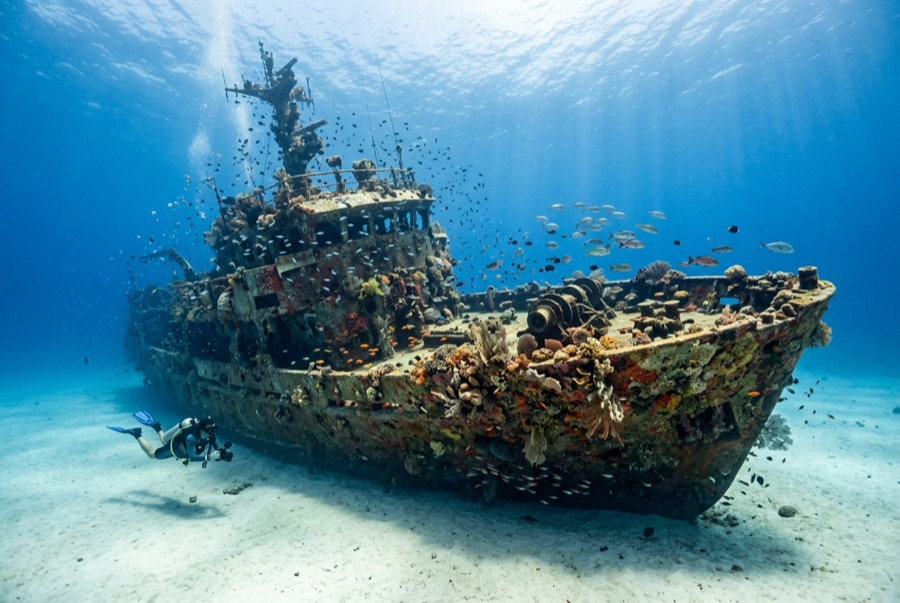
Navy Pier
Die Tiefe gibt den Bereich von der Oberkante des Tauchplatzes bis zur üblichen Maximaltiefe an; „empfohlene Zertifizierung" ist das von Anbietern üblicherweise geforderte Mainstream-Agenturniveau – keine gesetzliche Vorschrift. Strömungen und Sichtweite ändern sich täglich – behandle alle Angaben hier als Planungsbereiche.
Navy Pier is a biodiversity trick played in fifteen meters of water. The pilings of the Harold E. Holt communication station's pier have grown a reef of their own, and the shade between them stacks life in layers: grey nurse sharks cruising the gloom, wobbegongs draped on crossbeams, a famously sociable giant grouper, frogfish and nudibranchs on every sponge, lionfish hovering under the deck, and schooling trevally where the light falls through. Because access is rationed by defense rules and tide, the site never feels farmed. Many divers call it the best pier dive they have done anywhere, and the argument is short.
Der Moment, für den du kommst: Grey nurse sharks under the deck, resident giant grouper, wobbegongs, macro on every piling
Topografie: Sand and rubble beneath a working naval pier whose pilings are fully overgrown
Strömung: Tidal streams sweep the pier outside slack water; dives are timed to the turn, and drifting off the structure is the main sin.
Einstieg: Diveable only through the single licensed operator under Australian Defence rules: photo ID required, schedules fixed to slack tide, and access can be suspended without notice.
Was du wissen solltest, bevor du ins Wasser gehst
Gefahren: Tidal current outside slack, fishing line and structure overhead, and venomous ambush fish on the rubble.
Genehmigungen & Regeln: Defence-controlled site: one authorized operator, ID checks, and no independent diving.
Wen du triffst
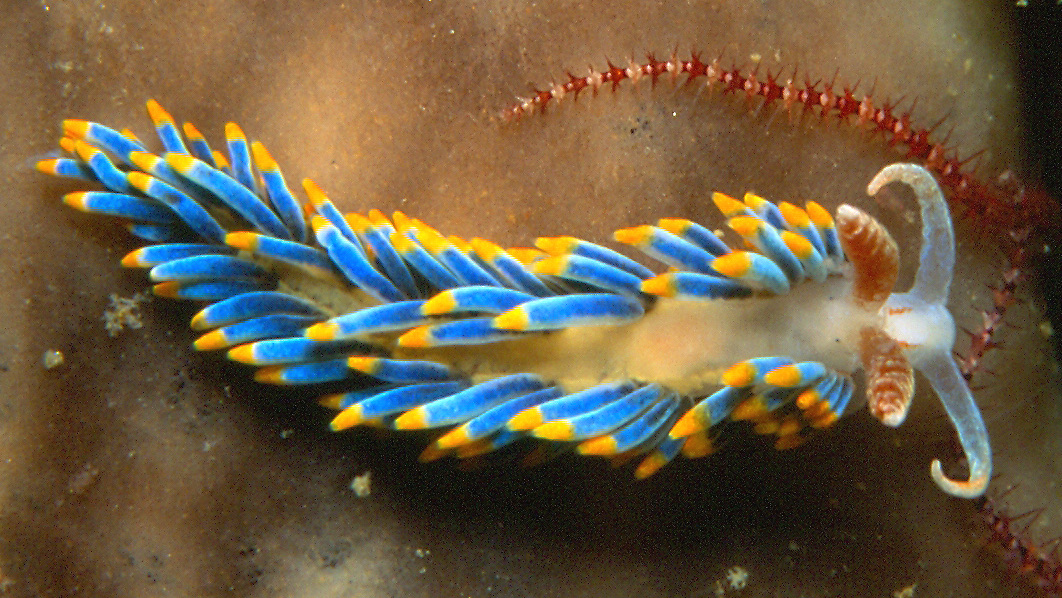
Nudibranchs
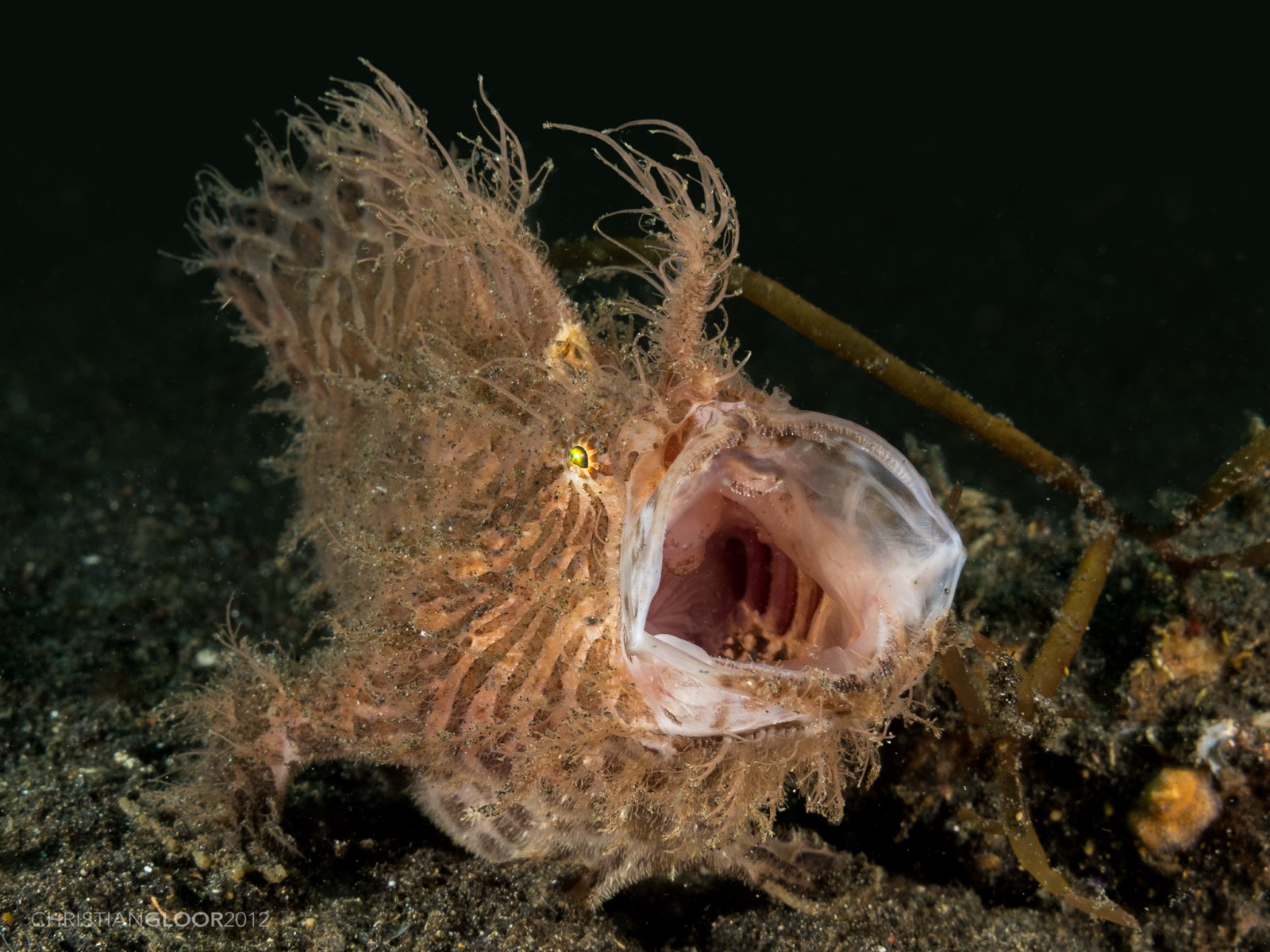
Frogfish
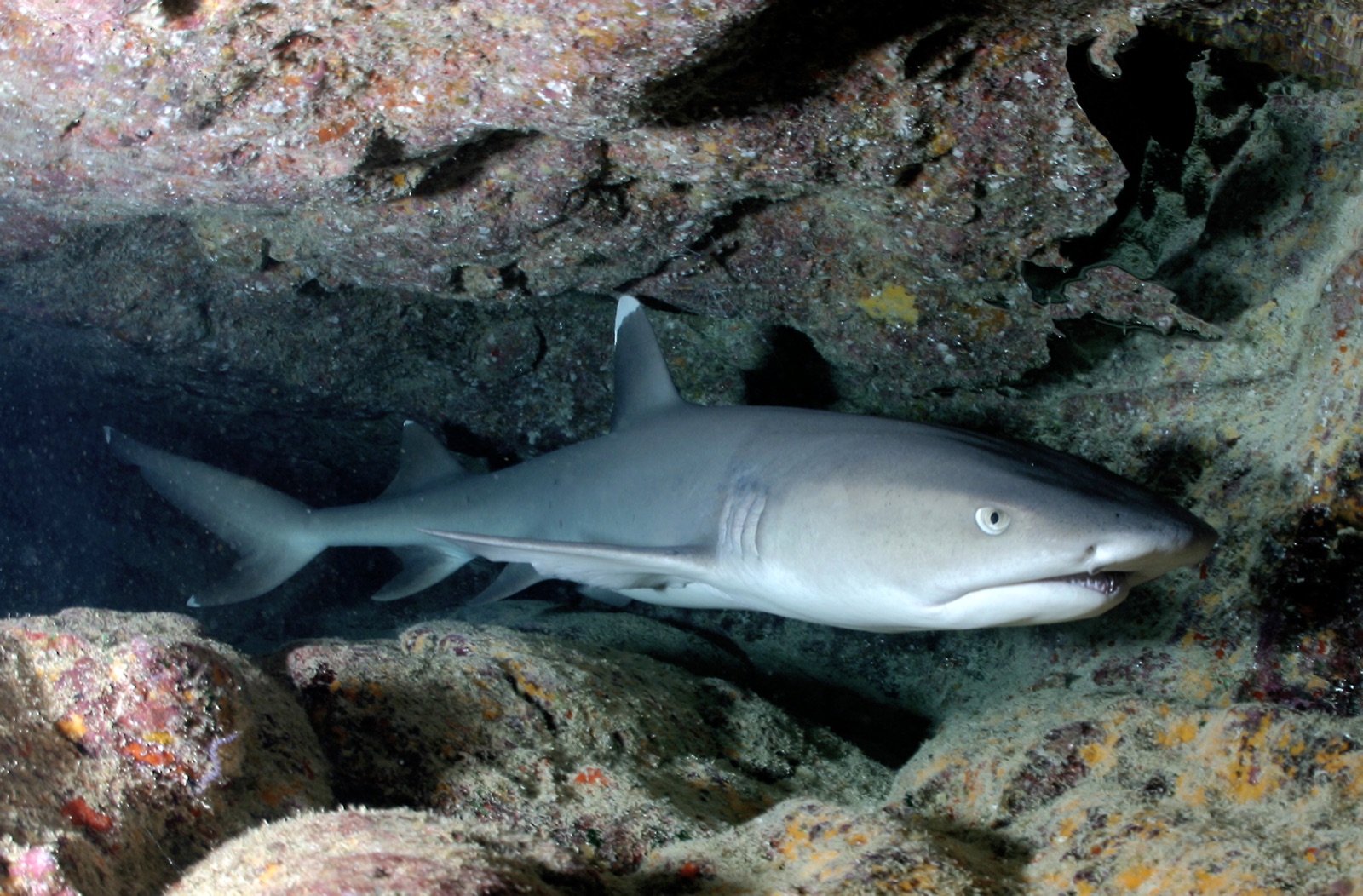
Whitetip Reef Shark
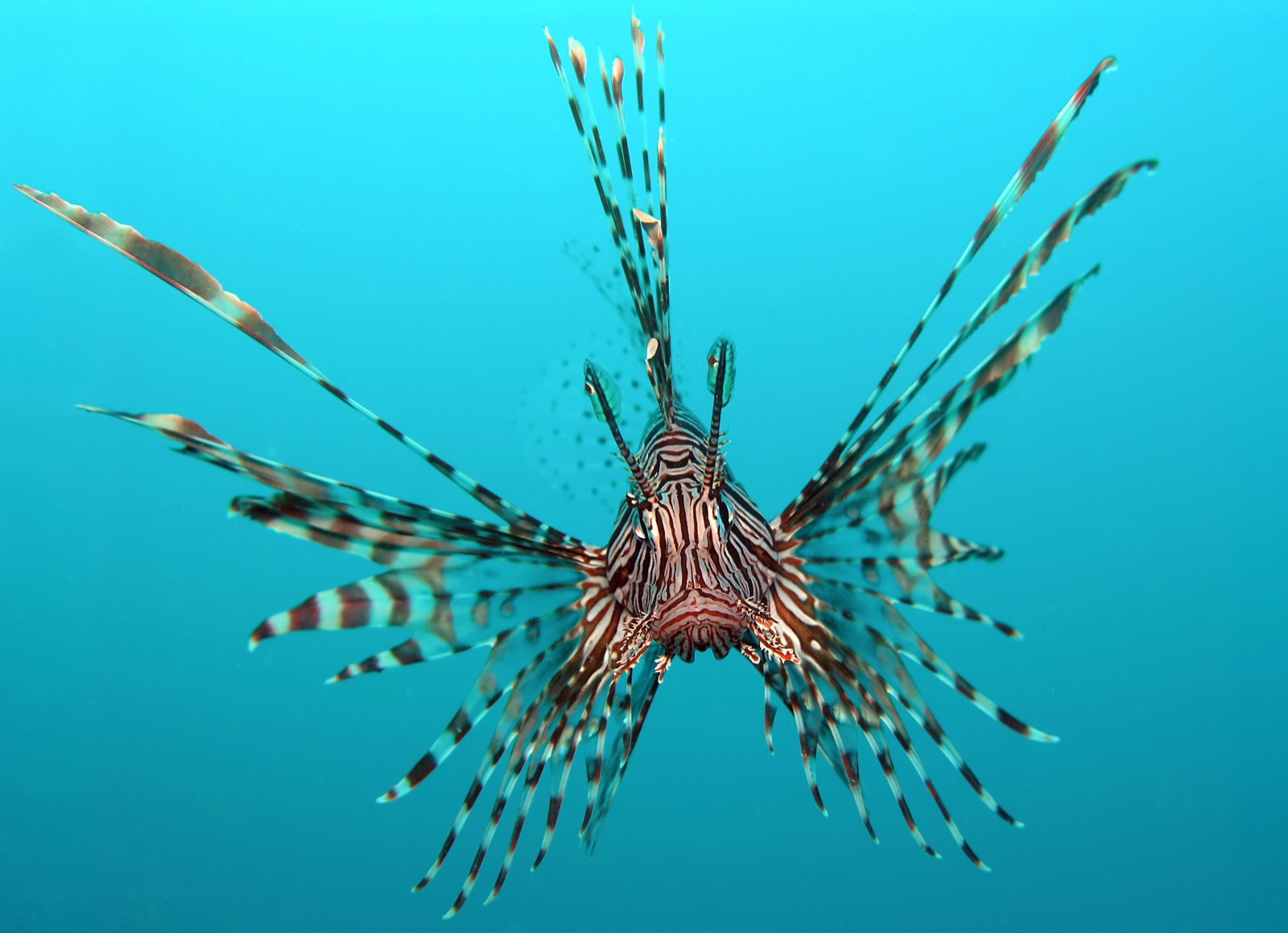
Lionfish
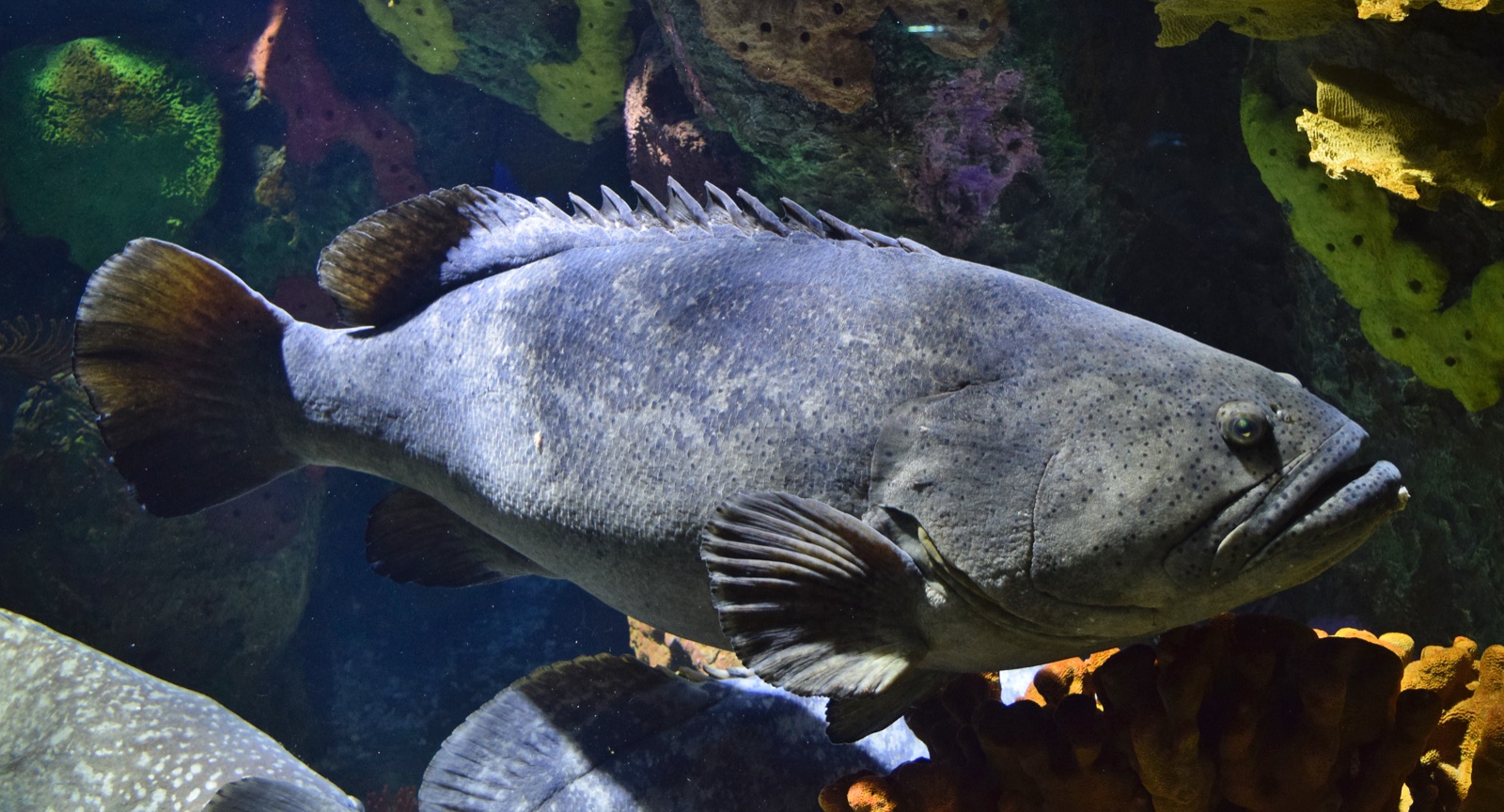
Giant Grouper
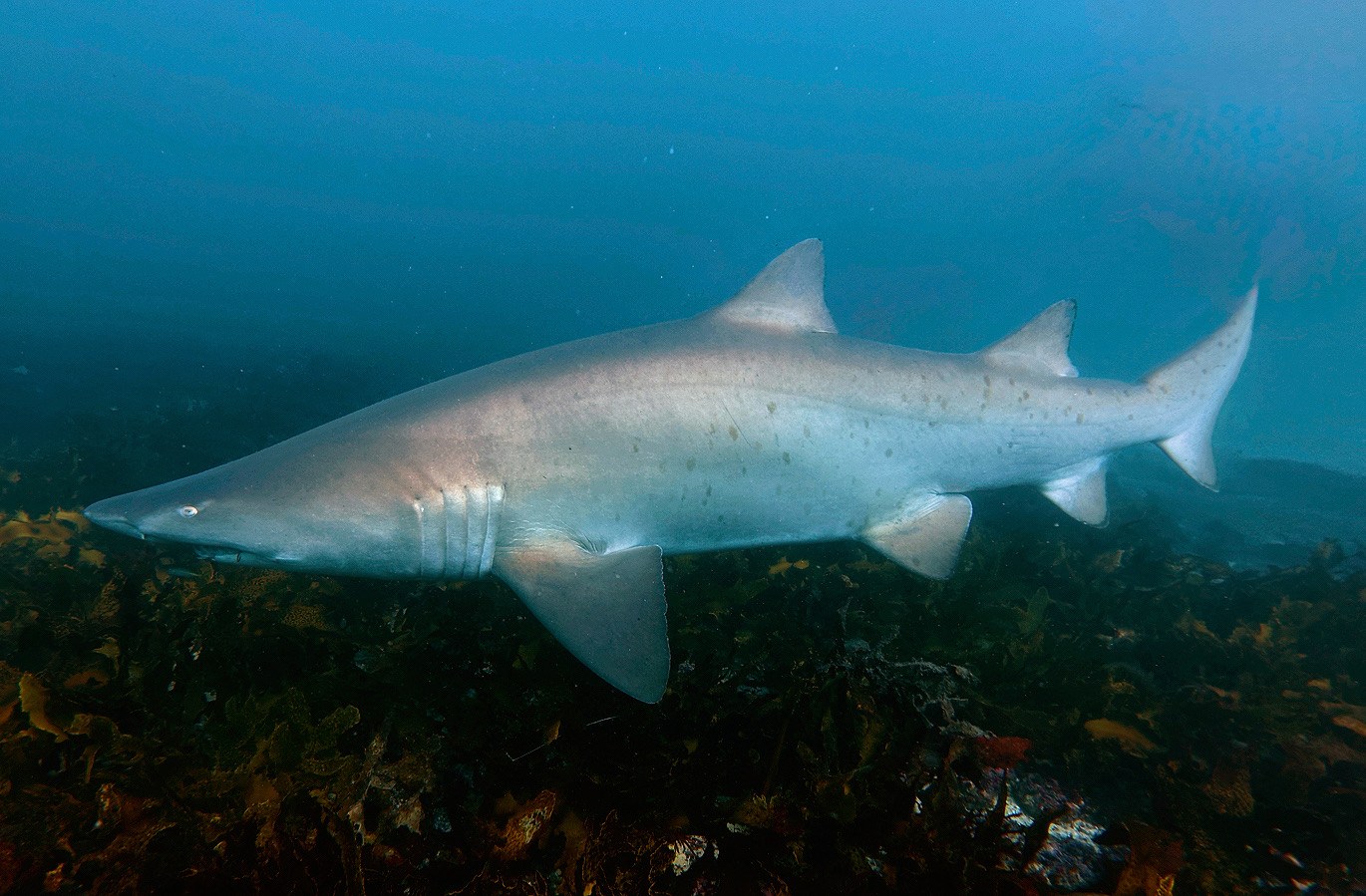
Grey Nurse Shark
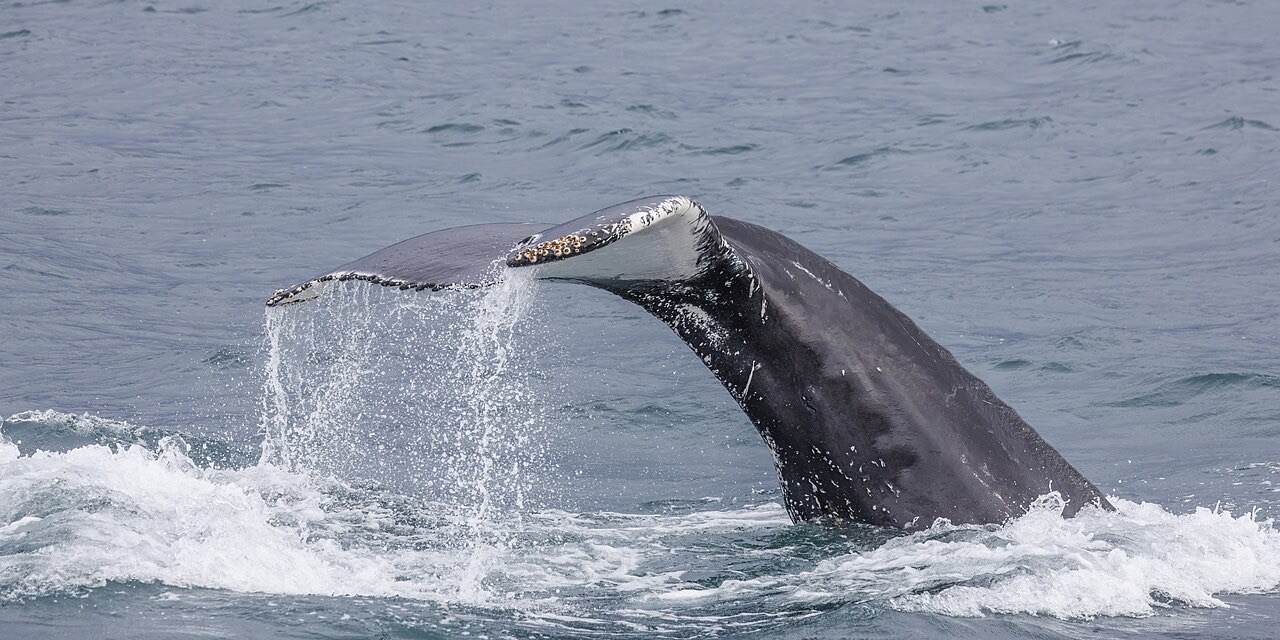
Humpback Whale
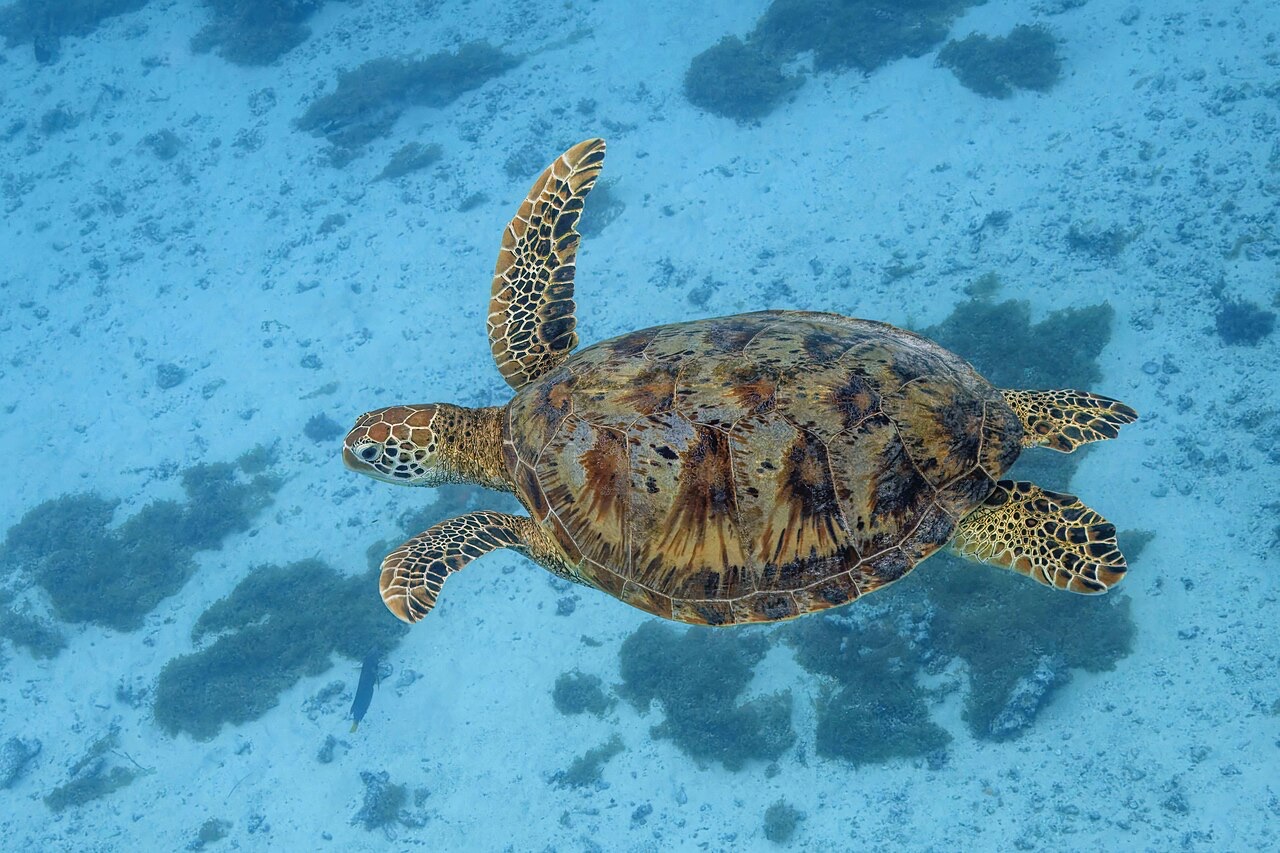
Green Sea Turtle
Auch in der Nähe nachgewiesen
„Hier kartiert" – Arten wurden von unseren Redakteuren anhand der Quellen auf dieser Seite erfasst. Die Zahlen sind GBIF-Vorkommensdatensätze: Beobachtungen, die seit 1990 im Umkreis von etwa 5 km um die kartierte Position protokolliert wurden, ausschließlich abgeglichen mit den Arten in unserem Katalog. Sie zeigen, was dort gesichtet wurde – keine Garantie, was du sehen wirst.
Für Fotografen
Weitwinkel: ★★★☆☆ · Makro: ★★★★★ (Redaktionelle 1–5-Bewertung, was dieser Platz für jeden Fotografie-Stil bietet)