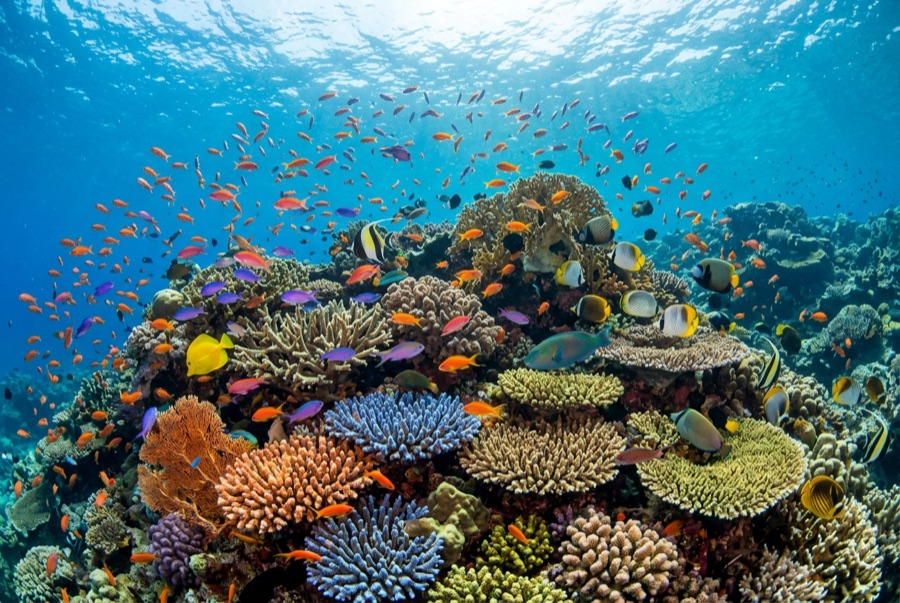
Turquoise Bay
Die Tiefe gibt den Bereich von der Oberkante des Tauchplatzes bis zur üblichen Maximaltiefe an; „empfohlene Zertifizierung" ist das von Anbietern üblicherweise geforderte Mainstream-Agenturniveau – keine gesetzliche Vorschrift. Strömungen und Sichtweite ändern sich täglich – behandle alle Angaben hier als Planungsbereiche.
Turquoise Bay is the argument for fringing reefs: step off a national-park beach, put your face in, and drift over coral gardens busy with parrotfish, anemonefish, rays, and cruising turtles while the lagoon current does the finning. The snorkel is shallow, bright, and genuinely wild, with reef sharks and octopus turning up often enough to keep it honest. The current that powers the conveyor exits seaward through a gap in the reef, so the exit point matters more here than at any beach this beautiful has a right to demand. Divers use it as a surface-interval treat; snorkelers rightly treat it as a headline.
Der Moment, für den du kommst: World-class drift snorkel from the sand, turtles and rays in a meter-deep gallery, national-park setting
Topografie: Shallow lagoon coral gardens over white sand inside the fringing reef
Strömung: The drift that makes the snorkel famous also flows toward a passage through the reef; exiting early is the whole safety briefing.
Einstieg: Walk in off the beach in Cape Range National Park; enter at the southern end of the drift section and exit at the sandbar before the lagoon passage.
Was du wissen solltest, bevor du ins Wasser gehst
Gefahren: Seaward current through the reef passage; strong swimmers only when the flow is up, and exit at the sandbar.
Naturschutz: Stand only on sand, never coral; the gardens are shallow enough to kill with a careless fin.
Wen du triffst
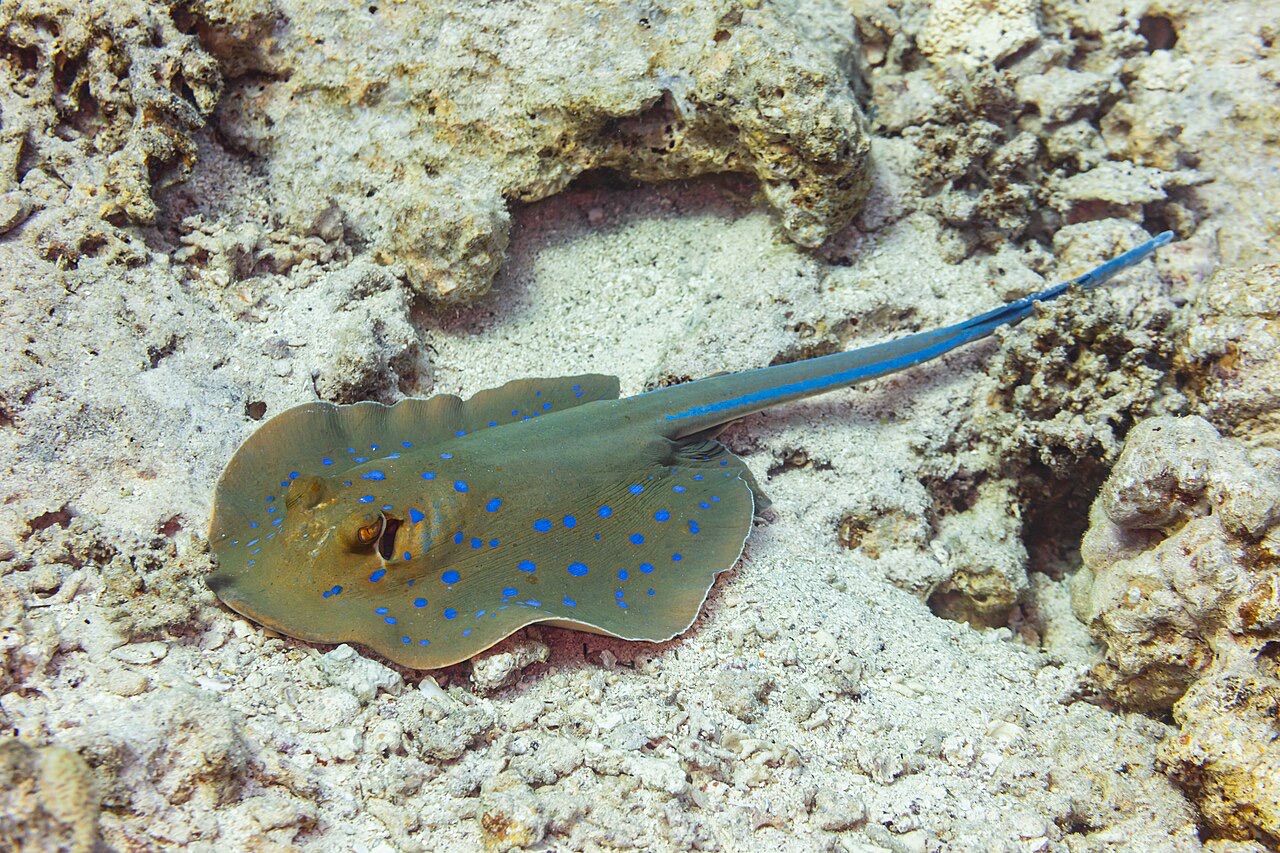
Blue-Spotted Ribbontail Ray
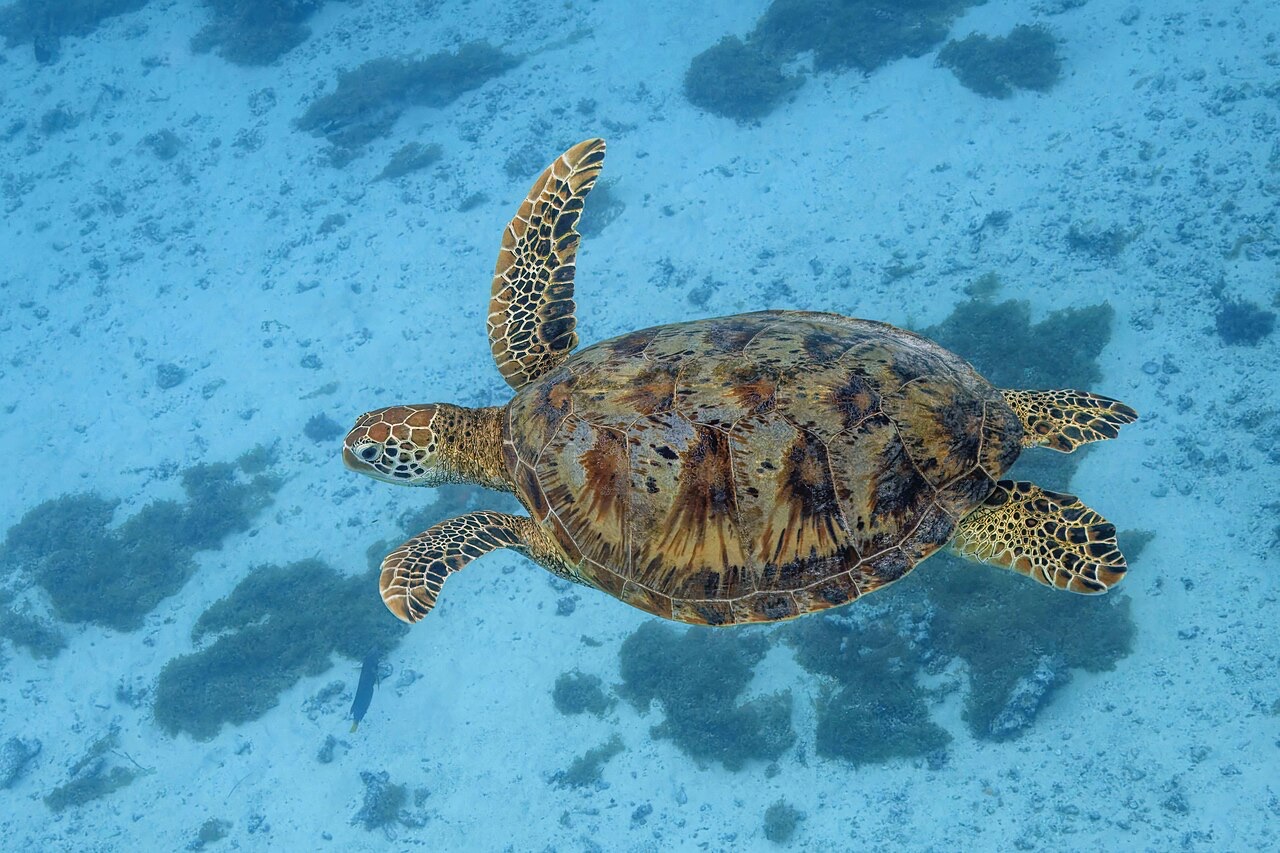
Green Sea Turtle
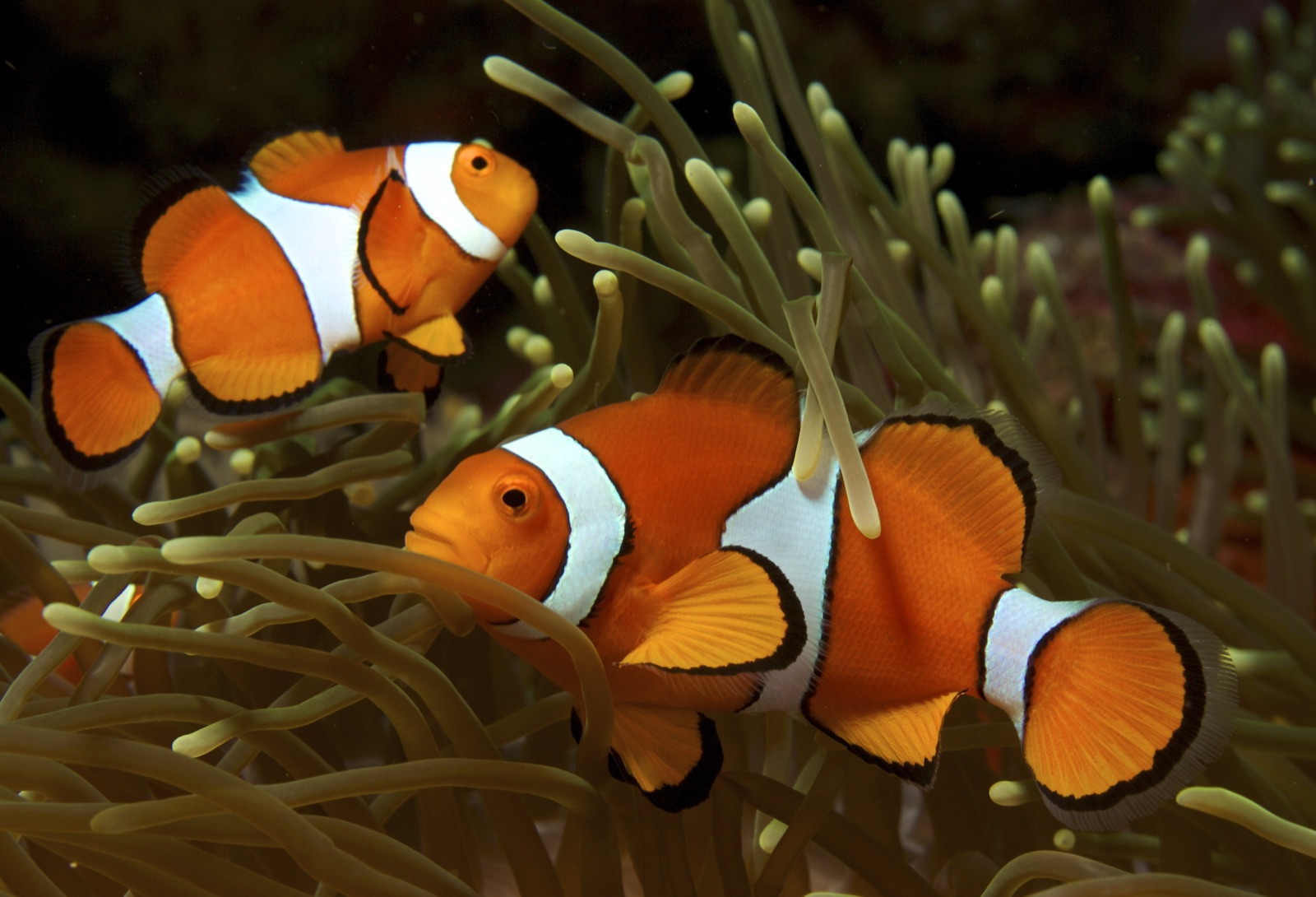
Clownfish & Anemonefish
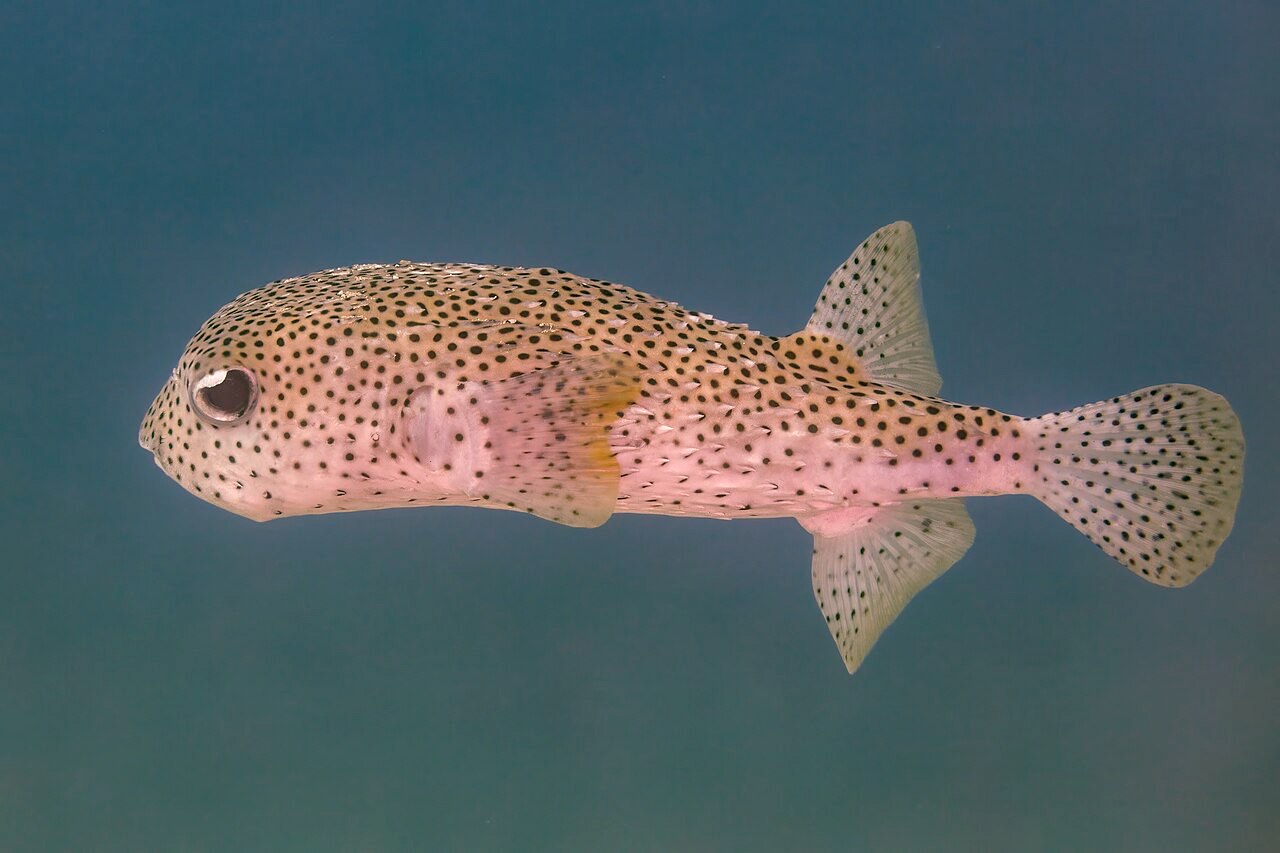
Porcupinefish
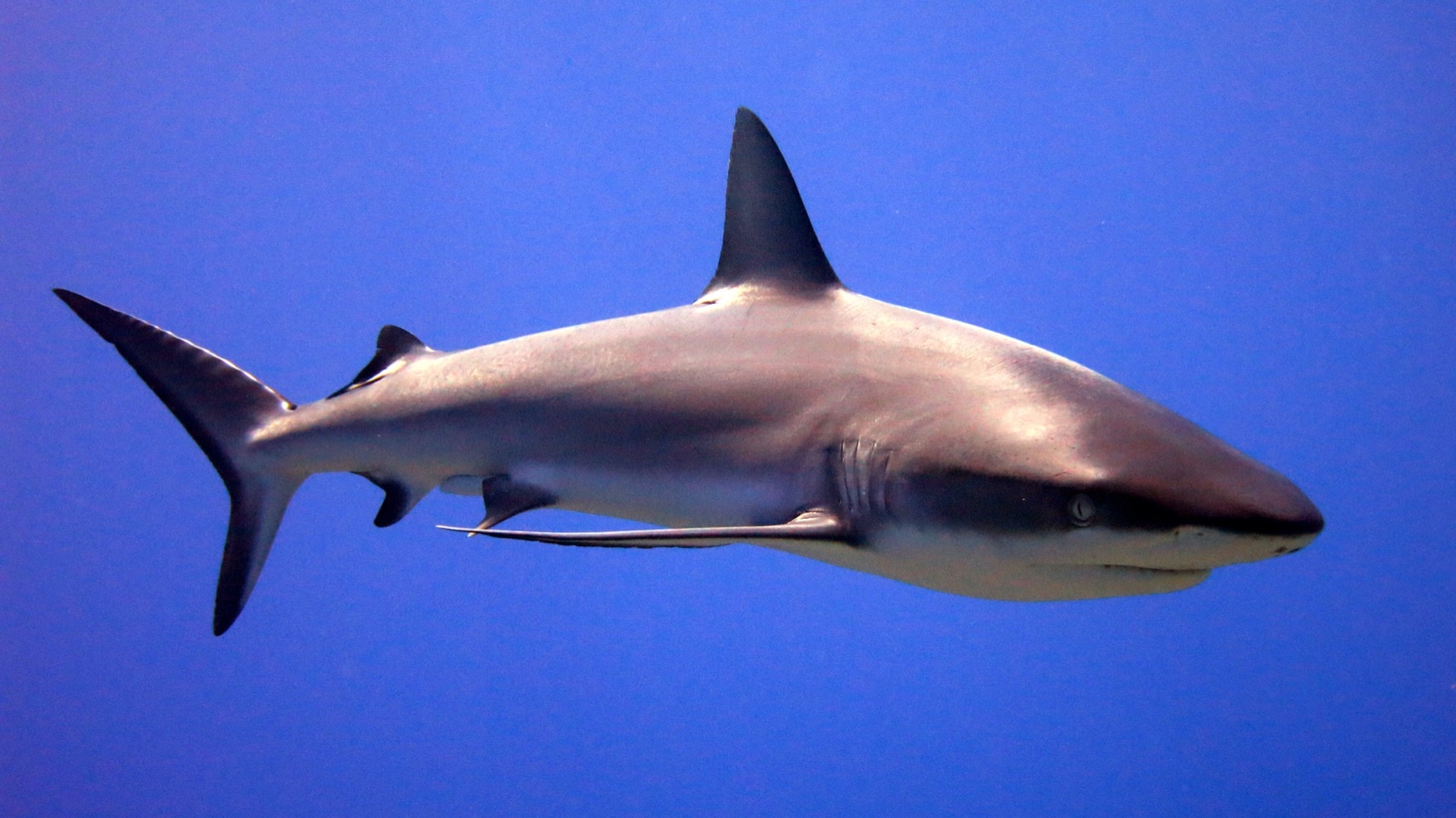
Grey Reef Shark
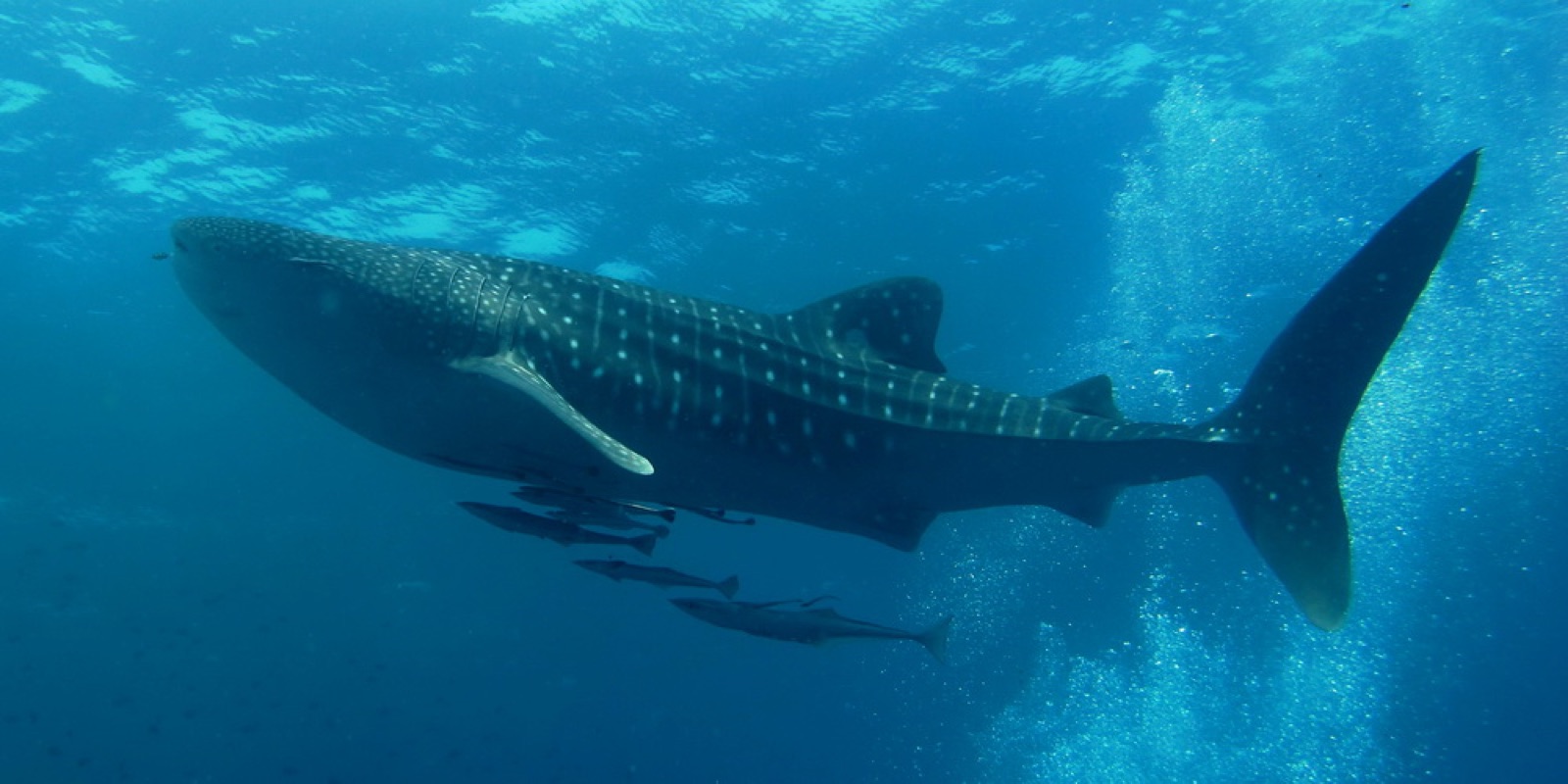
Whale Shark
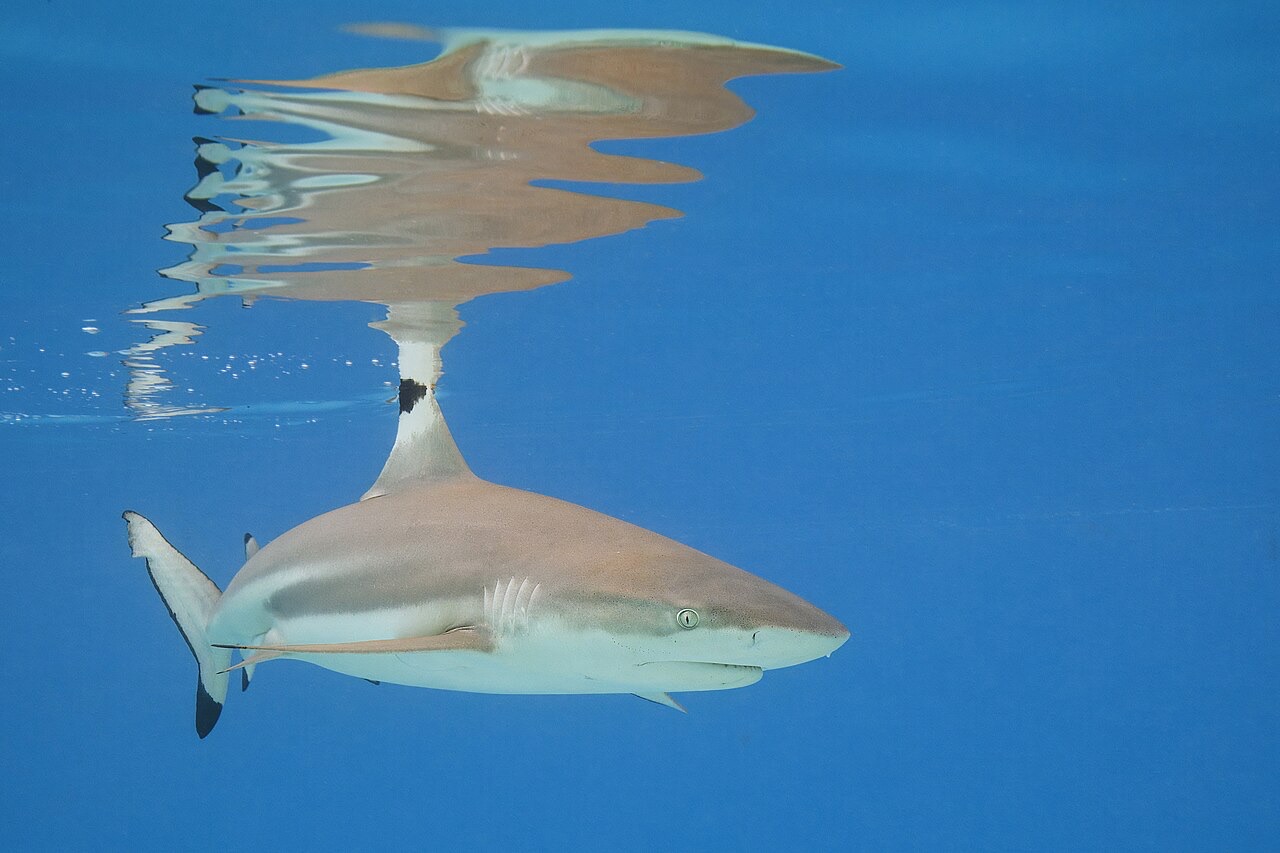
Blacktip Reef Shark
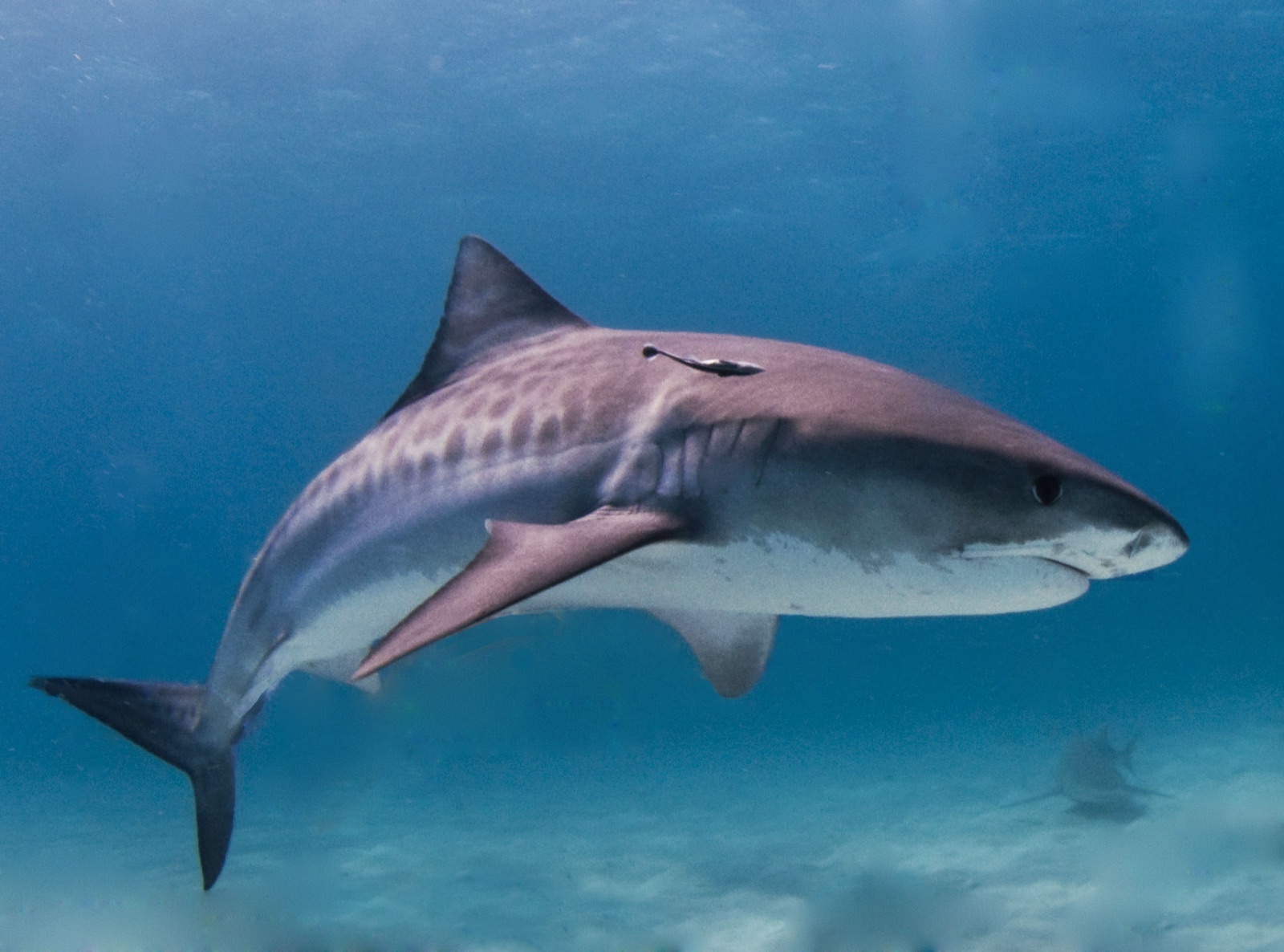
Tiger Shark
Auch in der Nähe nachgewiesen
„Hier kartiert" – Arten wurden von unseren Redakteuren anhand der Quellen auf dieser Seite erfasst. Die Zahlen sind GBIF-Vorkommensdatensätze: Beobachtungen, die seit 1990 im Umkreis von etwa 5 km um die kartierte Position protokolliert wurden, ausschließlich abgeglichen mit den Arten in unserem Katalog. Sie zeigen, was dort gesichtet wurde – keine Garantie, was du sehen wirst.
Für Fotografen
Weitwinkel: ★★★★☆ · Makro: ★★☆☆☆ (Redaktionelle 1–5-Bewertung, was dieser Platz für jeden Fotografie-Stil bietet)