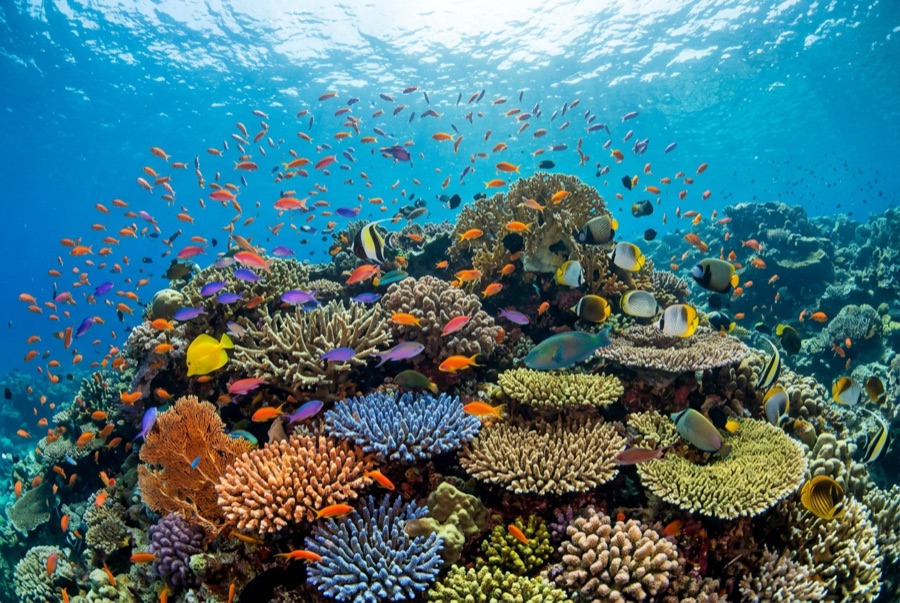
Turquoise Bay
La profundidad es el rango desde la cima del punto de buceo hasta su máximo habitual; la "certificación recomendada" es el nivel que los operadores suelen pedir según las agencias principales, no una norma legal. Las corrientes y la visibilidad cambian a diario, así que trata todo esto como rangos de planificación.
Turquoise Bay is the argument for fringing reefs: step off a national-park beach, put your face in, and drift over coral gardens busy with parrotfish, anemonefish, rays, and cruising turtles while the lagoon current does the finning. The snorkel is shallow, bright, and genuinely wild, with reef sharks and octopus turning up often enough to keep it honest. The current that powers the conveyor exits seaward through a gap in the reef, so the exit point matters more here than at any beach this beautiful has a right to demand. Divers use it as a surface-interval treat; snorkelers rightly treat it as a headline.
El momento por el que vienes: World-class drift snorkel from the sand, turtles and rays in a meter-deep gallery, national-park setting
Topografía: Shallow lagoon coral gardens over white sand inside the fringing reef
Corriente: The drift that makes the snorkel famous also flows toward a passage through the reef; exiting early is the whole safety briefing.
Entrada: Walk in off the beach in Cape Range National Park; enter at the southern end of the drift section and exit at the sandbar before the lagoon passage.
Lo que debes saber antes de tirarte al agua
Riesgos: Seaward current through the reef passage; strong swimmers only when the flow is up, and exit at the sandbar.
Conservación: Stand only on sand, never coral; the gardens are shallow enough to kill with a careless fin.
A quién encontrarás
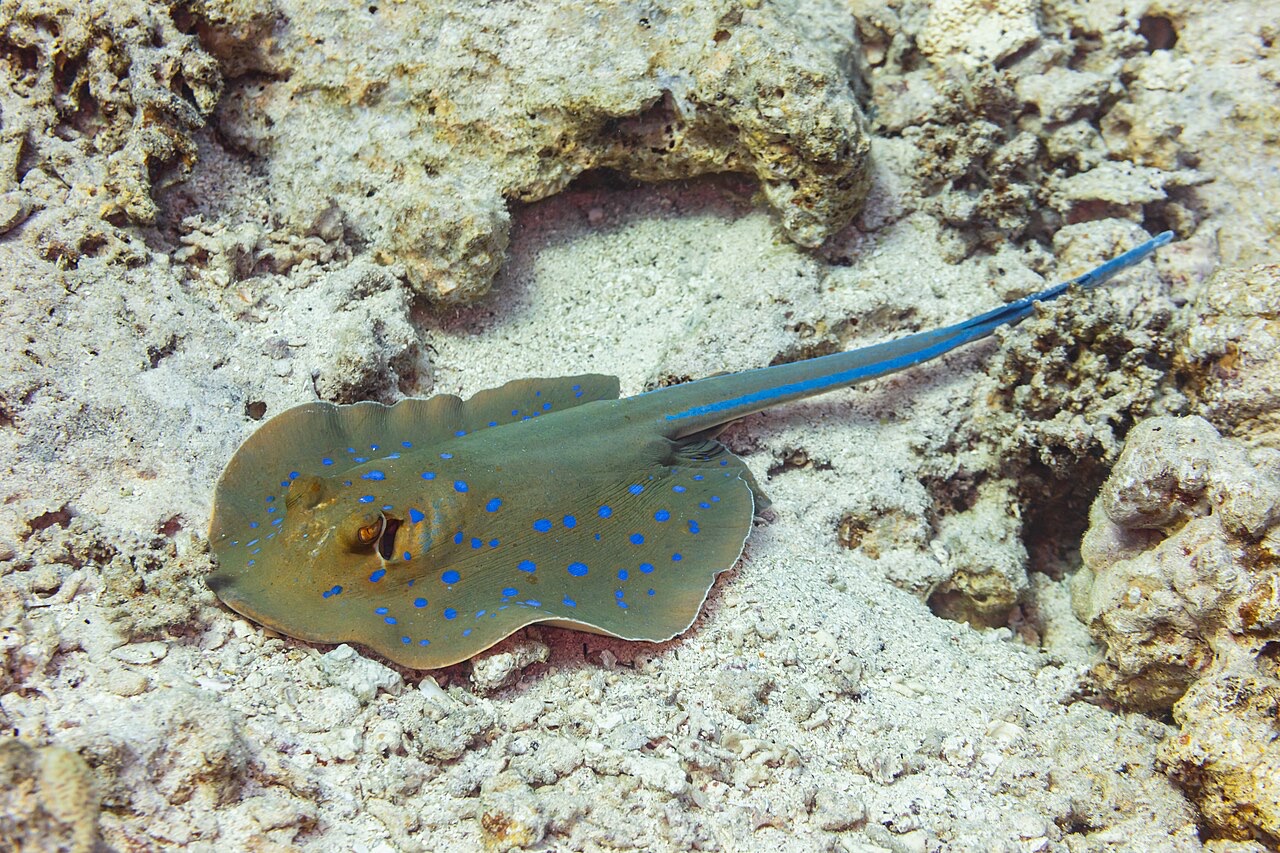
Blue-Spotted Ribbontail Ray
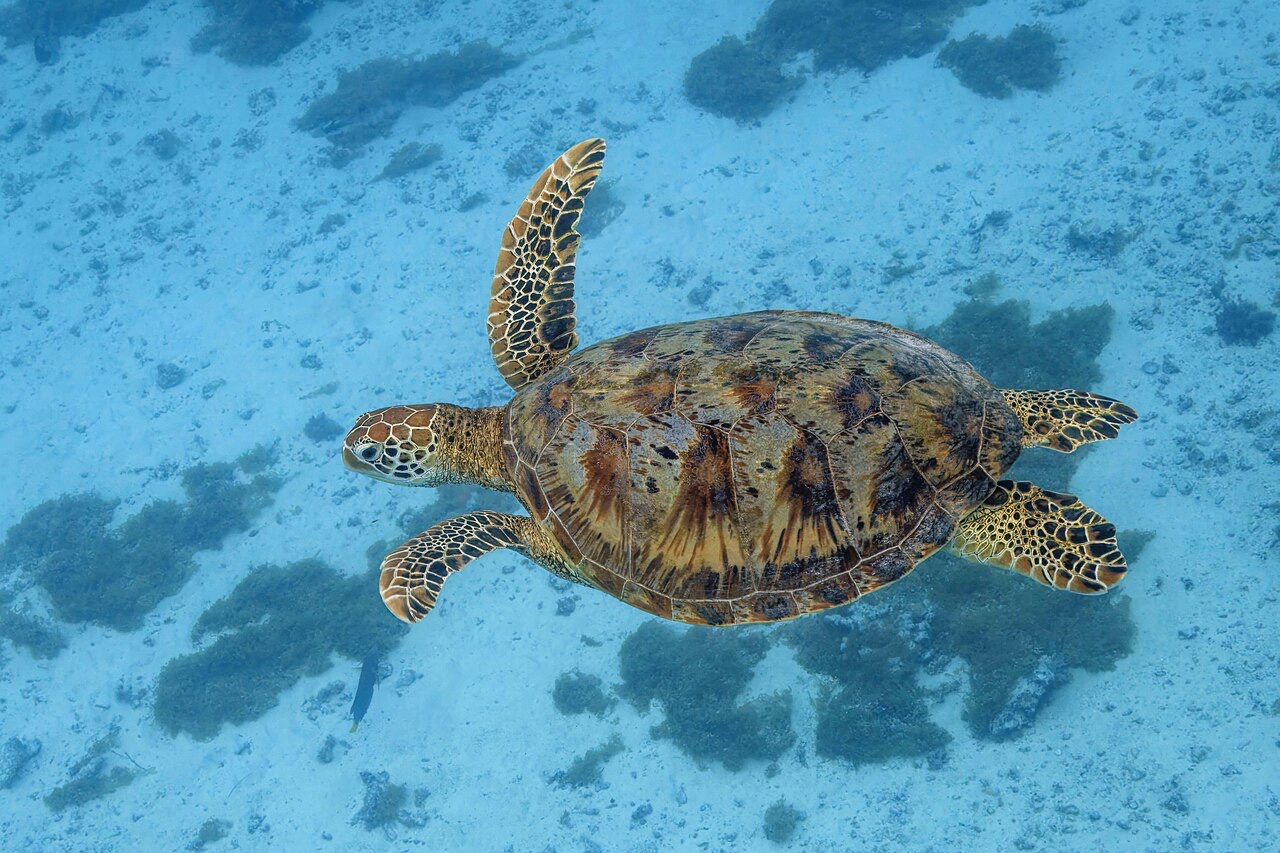
Green Sea Turtle
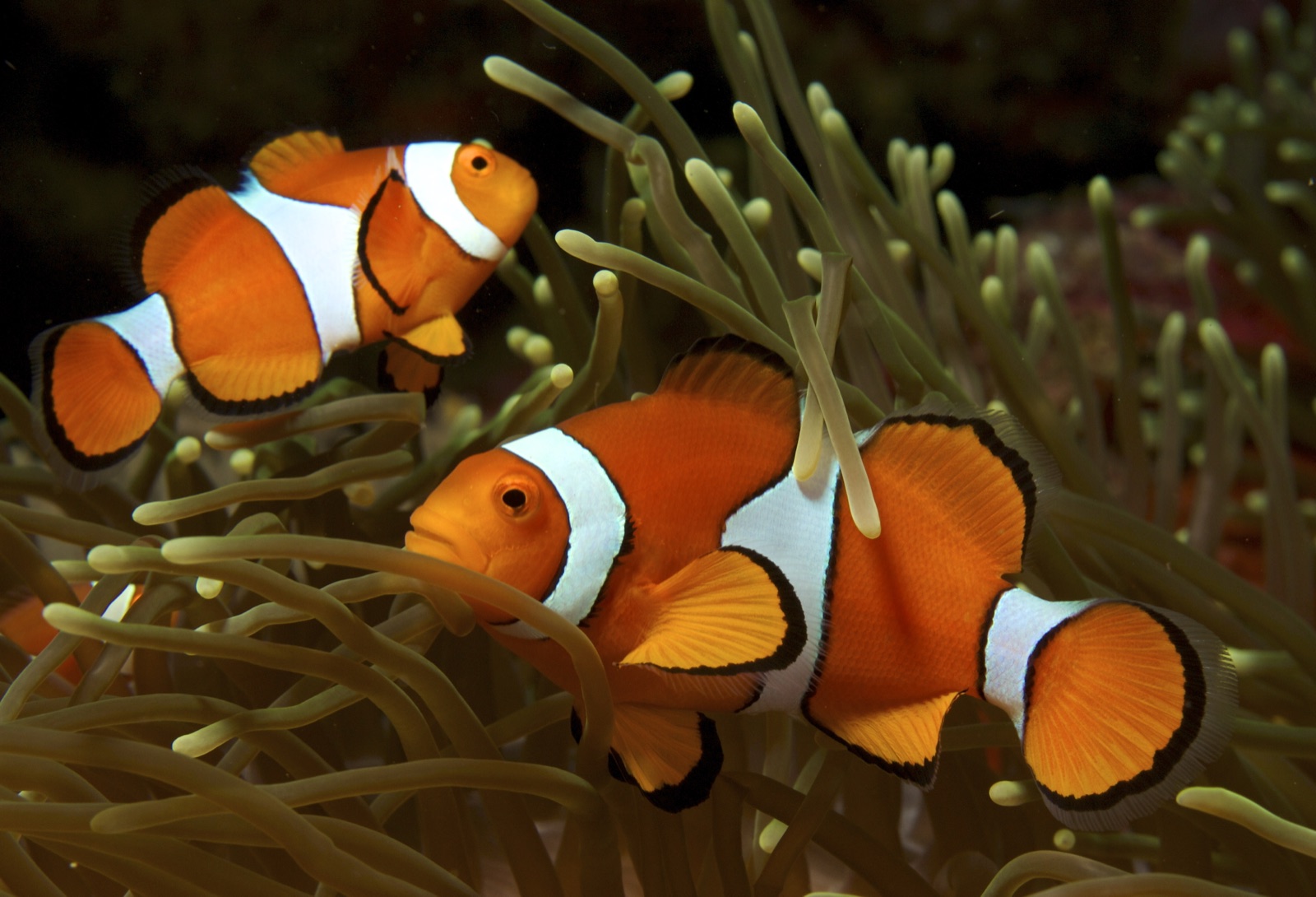
Clownfish & Anemonefish
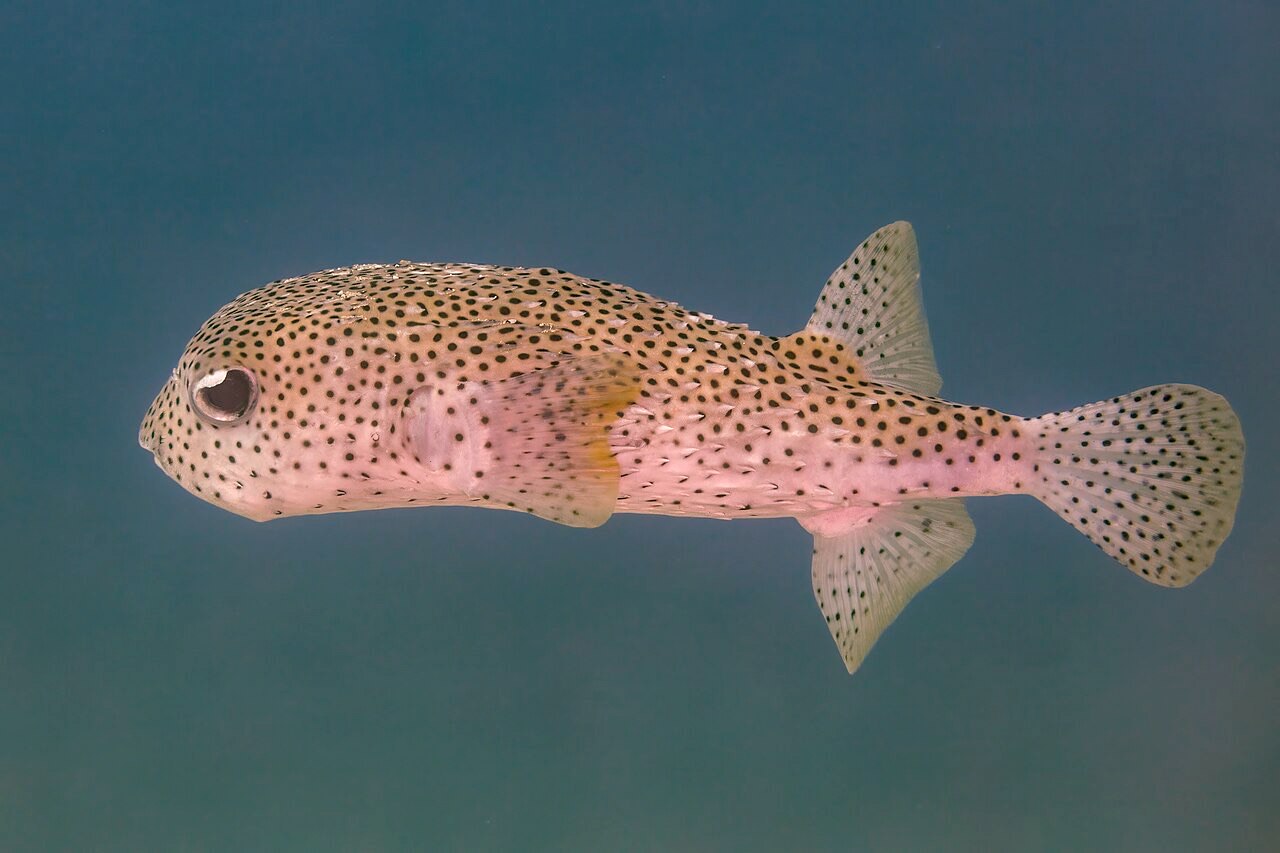
Porcupinefish
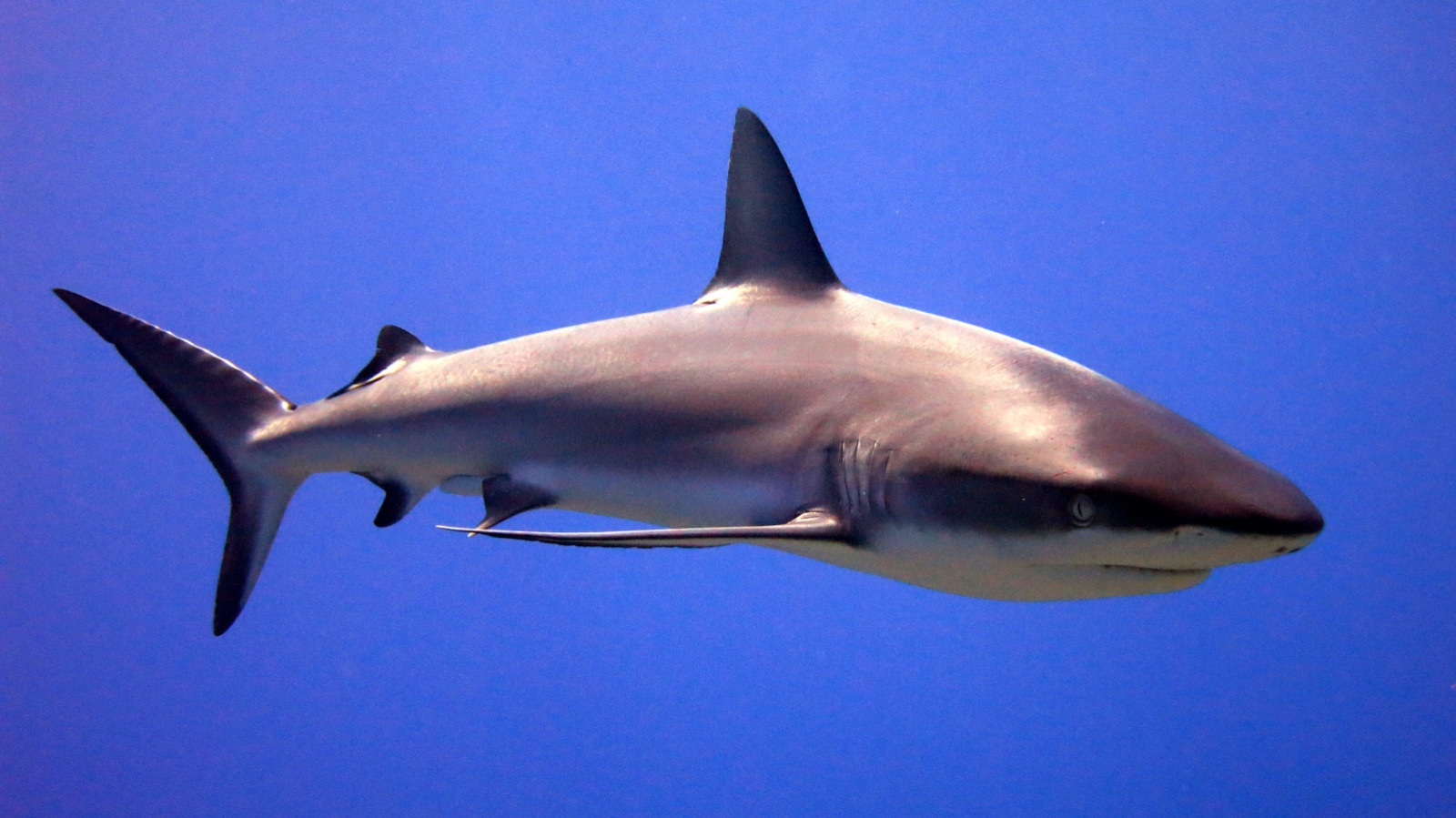
Grey Reef Shark
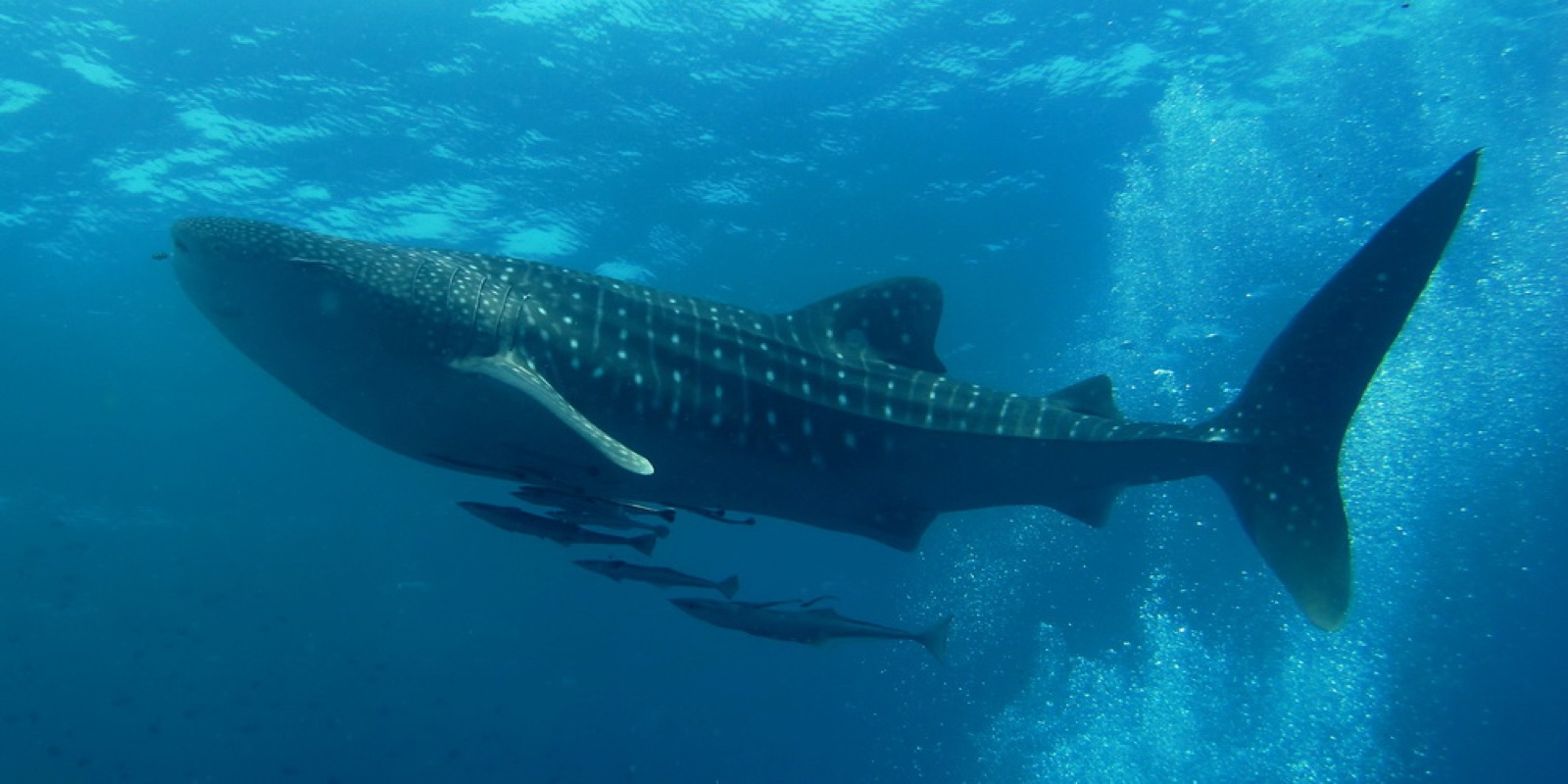
Whale Shark
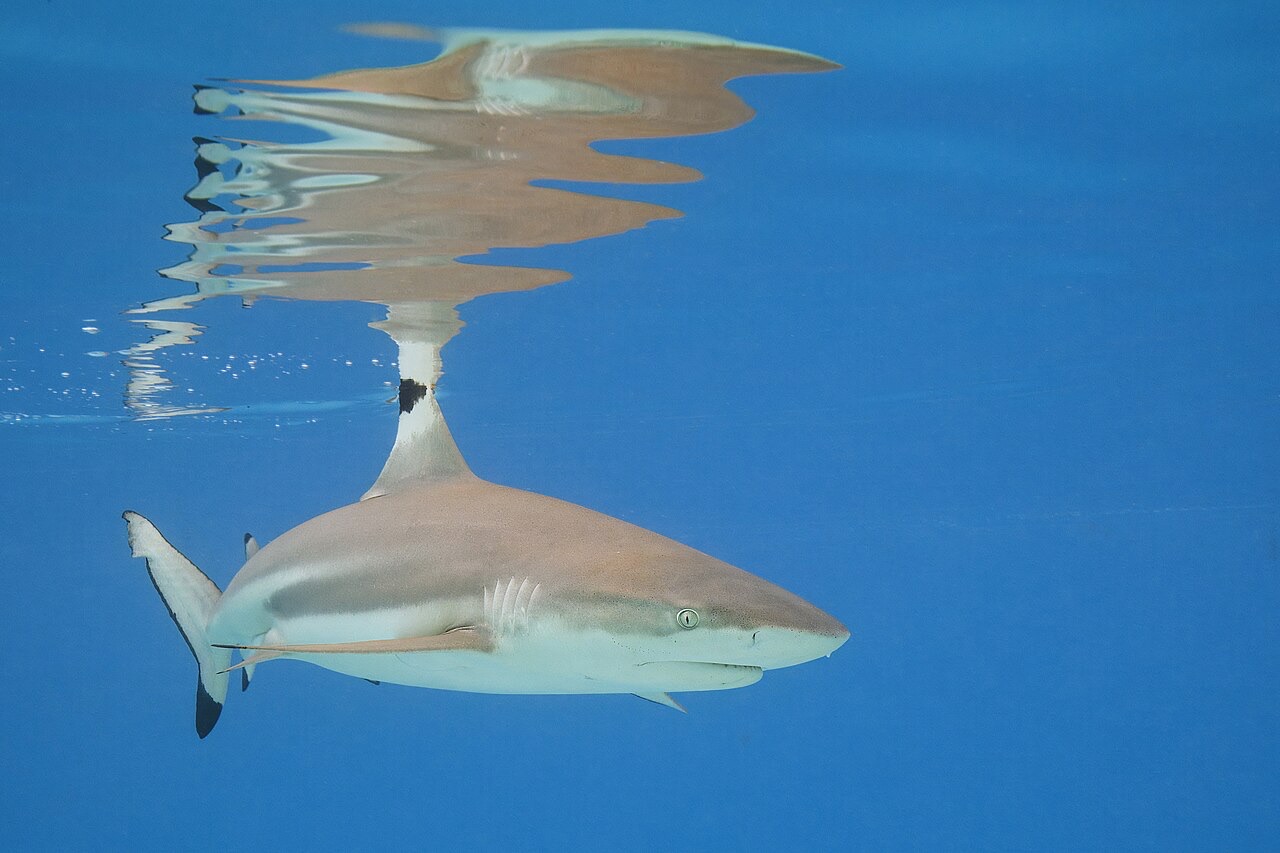
Blacktip Reef Shark
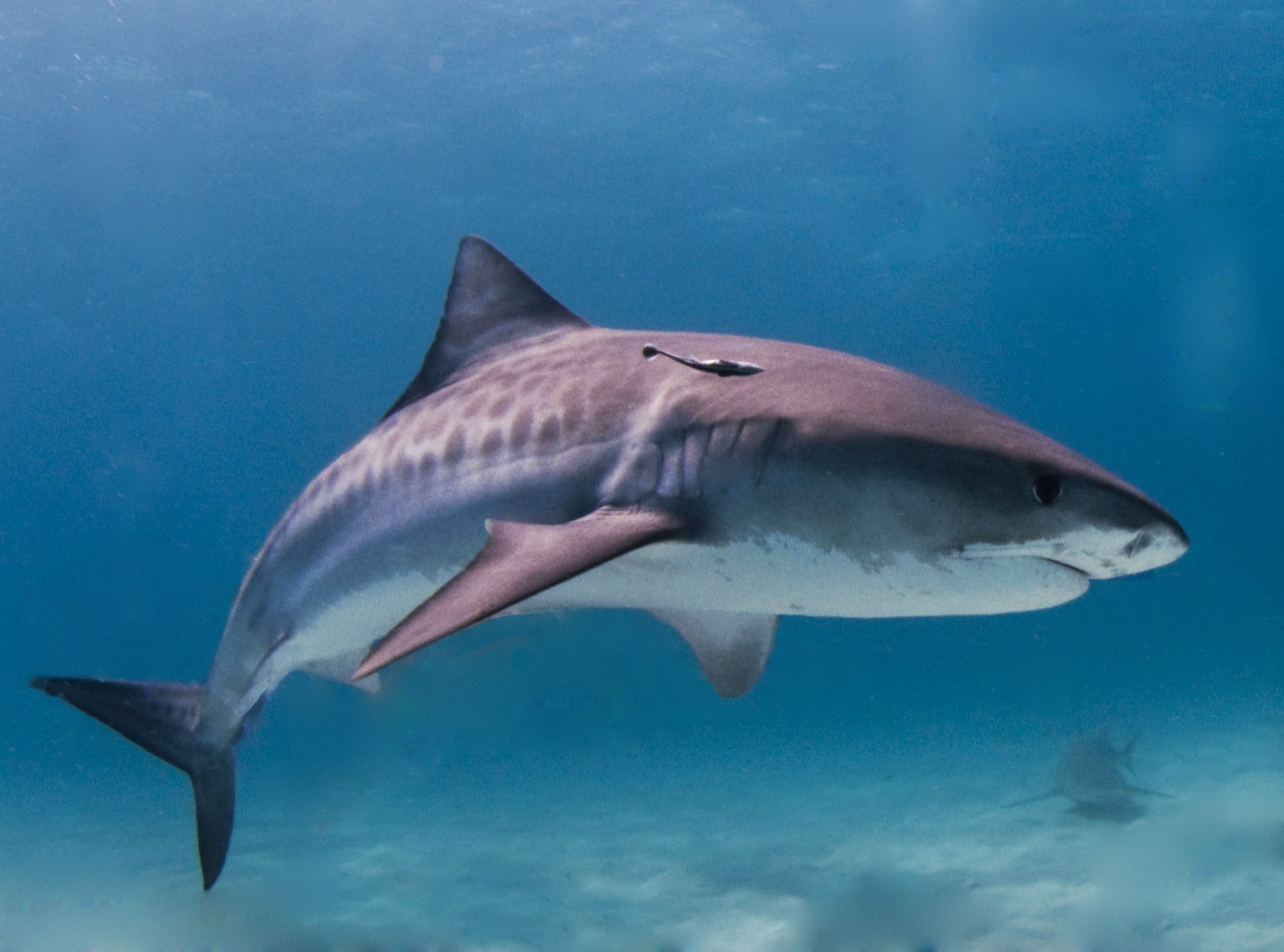
Tiger Shark
También registrado cerca
Las especies "aquí registradas" fueron añadidas por nuestros editores a partir de las fuentes de esta página. Los recuentos son registros de ocurrencia de GBIF: observaciones anotadas en un radio de unos 5 km de la posición registrada desde 1990, cotejadas únicamente con las especies de nuestro catálogo. Muestran lo que se ha avistado allí, no una garantía de lo que verás.
Para fotógrafos
Gran angular: ★★★★☆ · Macro: ★★☆☆☆ (valoración de 1 a 5 de los editores sobre lo que ofrece este sitio para cada estilo de fotografía)