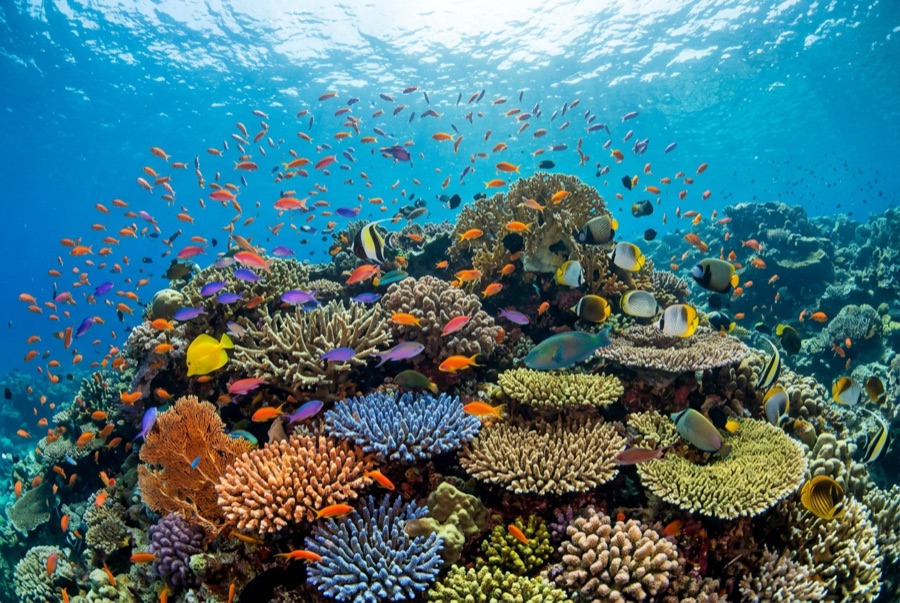
Turquoise Bay
La profondeur correspond à la plage allant du sommet du site jusqu'à son maximum habituel ; le « niveau recommandé » est le niveau demandé en général par les opérateurs auprès des grandes agences, pas une règle légale. Les courants et la visibilité varient chaque jour, traitez donc tout cela comme des plages indicatives de planification.
Turquoise Bay is the argument for fringing reefs: step off a national-park beach, put your face in, and drift over coral gardens busy with parrotfish, anemonefish, rays, and cruising turtles while the lagoon current does the finning. The snorkel is shallow, bright, and genuinely wild, with reef sharks and octopus turning up often enough to keep it honest. The current that powers the conveyor exits seaward through a gap in the reef, so the exit point matters more here than at any beach this beautiful has a right to demand. Divers use it as a surface-interval treat; snorkelers rightly treat it as a headline.
Le moment pour lequel vous venez: World-class drift snorkel from the sand, turtles and rays in a meter-deep gallery, national-park setting
Topographie: Shallow lagoon coral gardens over white sand inside the fringing reef
Courant: The drift that makes the snorkel famous also flows toward a passage through the reef; exiting early is the whole safety briefing.
Entrée: Walk in off the beach in Cape Range National Park; enter at the southern end of the drift section and exit at the sandbar before the lagoon passage.
À savoir avant de plonger
Dangers: Seaward current through the reef passage; strong swimmers only when the flow is up, and exit at the sandbar.
Conservation: Stand only on sand, never coral; the gardens are shallow enough to kill with a careless fin.
Qui vous croiserez
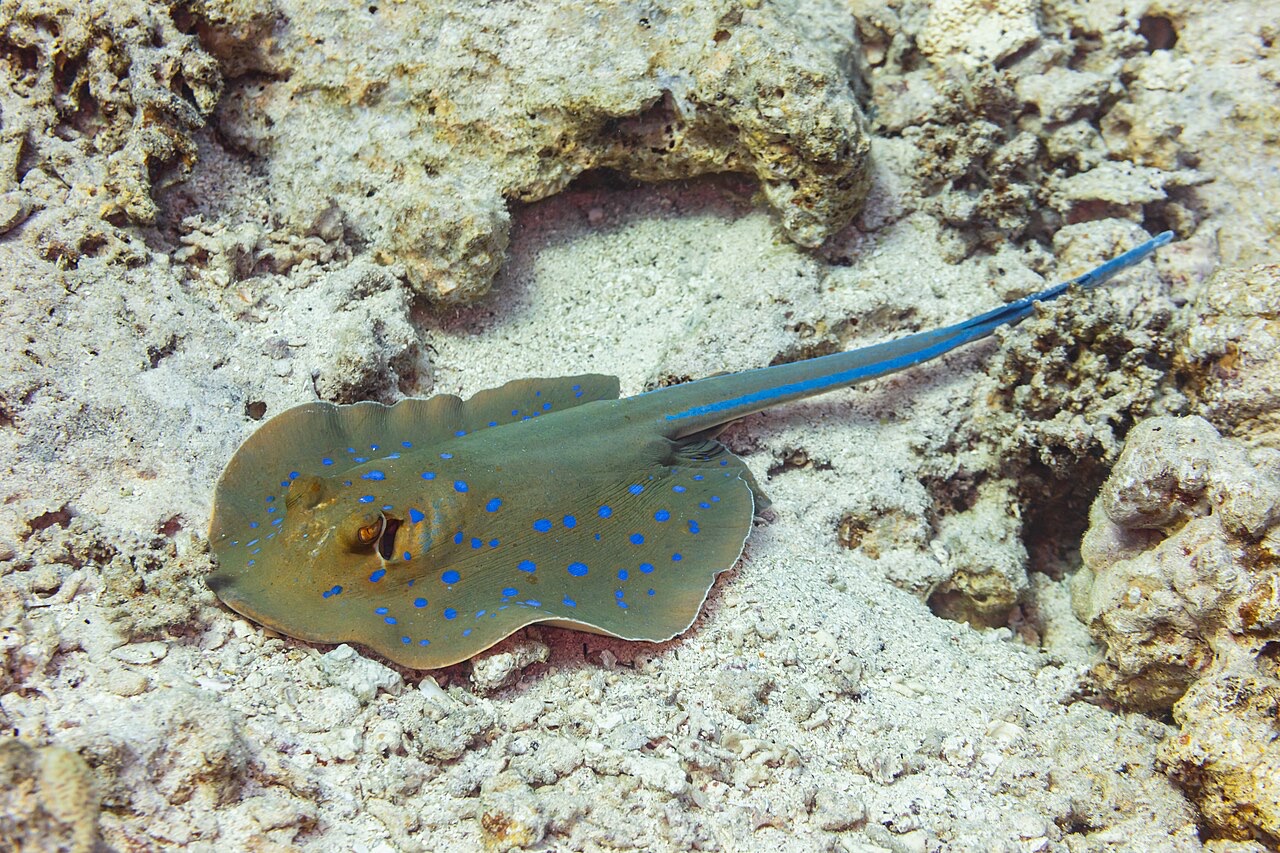
Blue-Spotted Ribbontail Ray
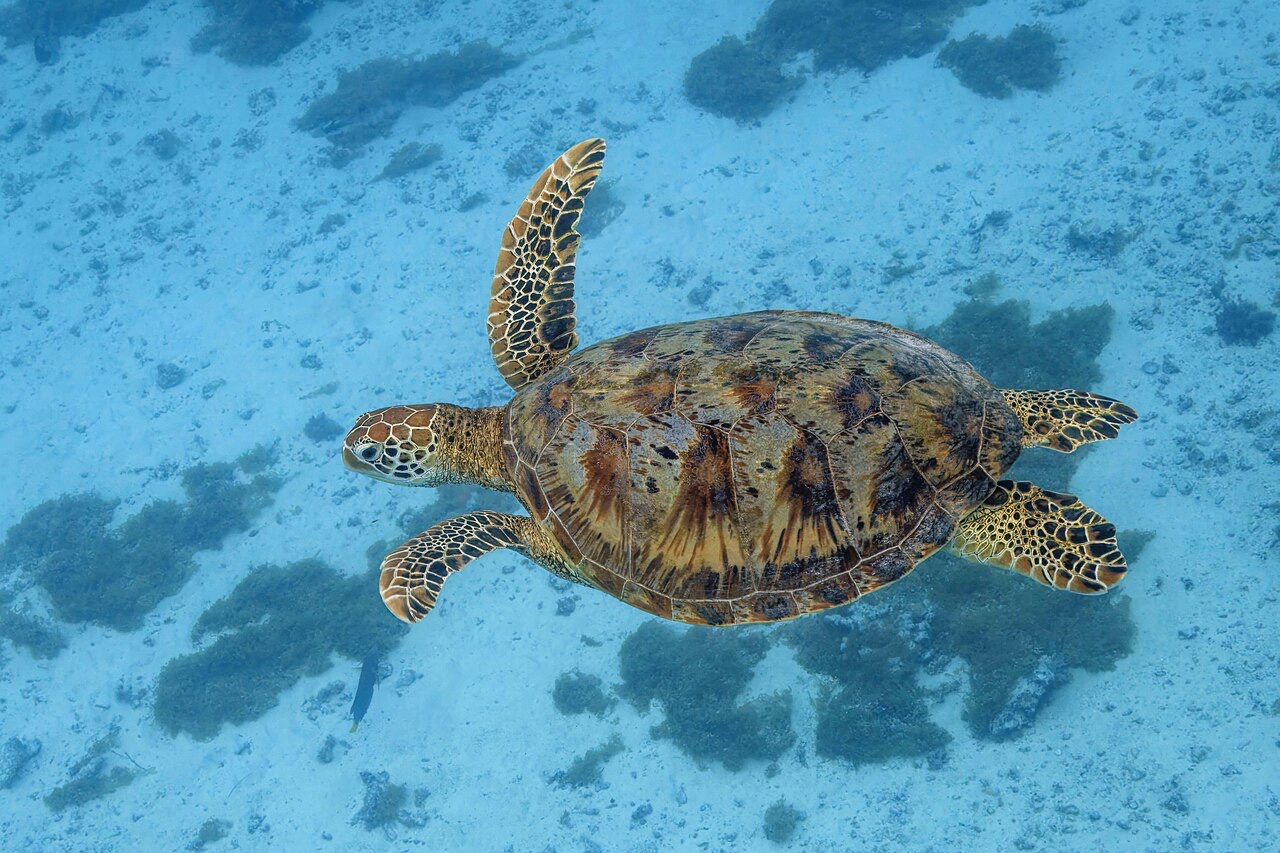
Green Sea Turtle
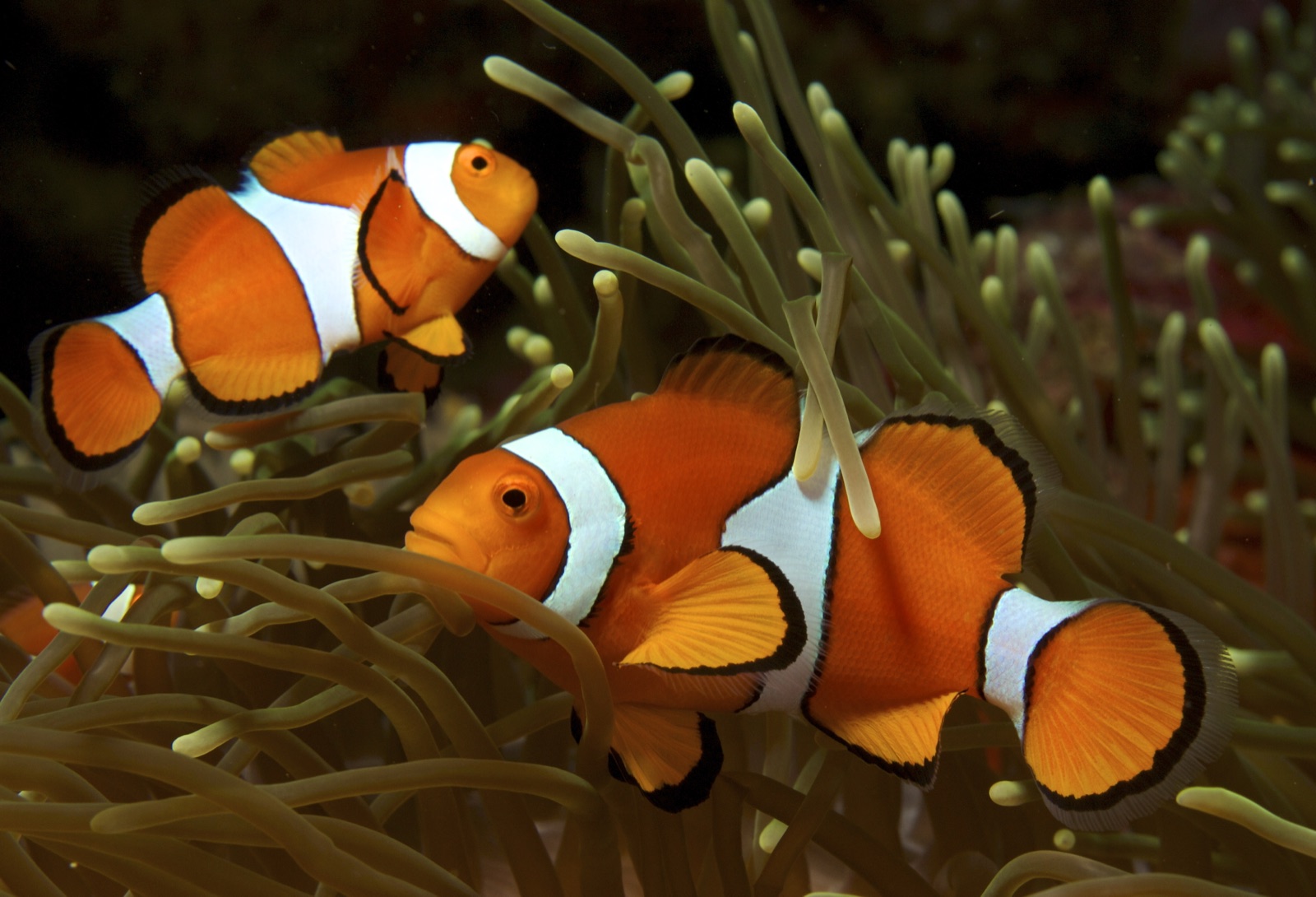
Clownfish & Anemonefish
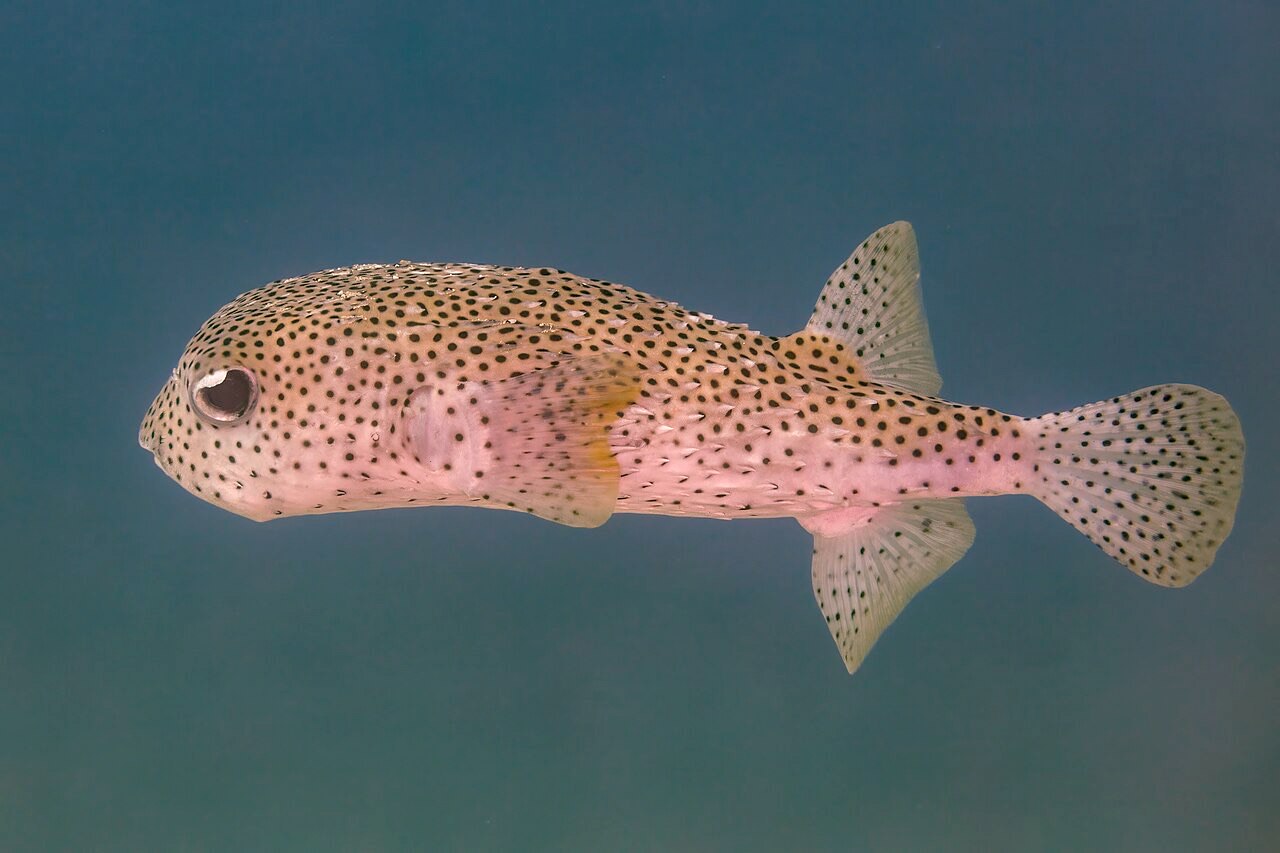
Porcupinefish
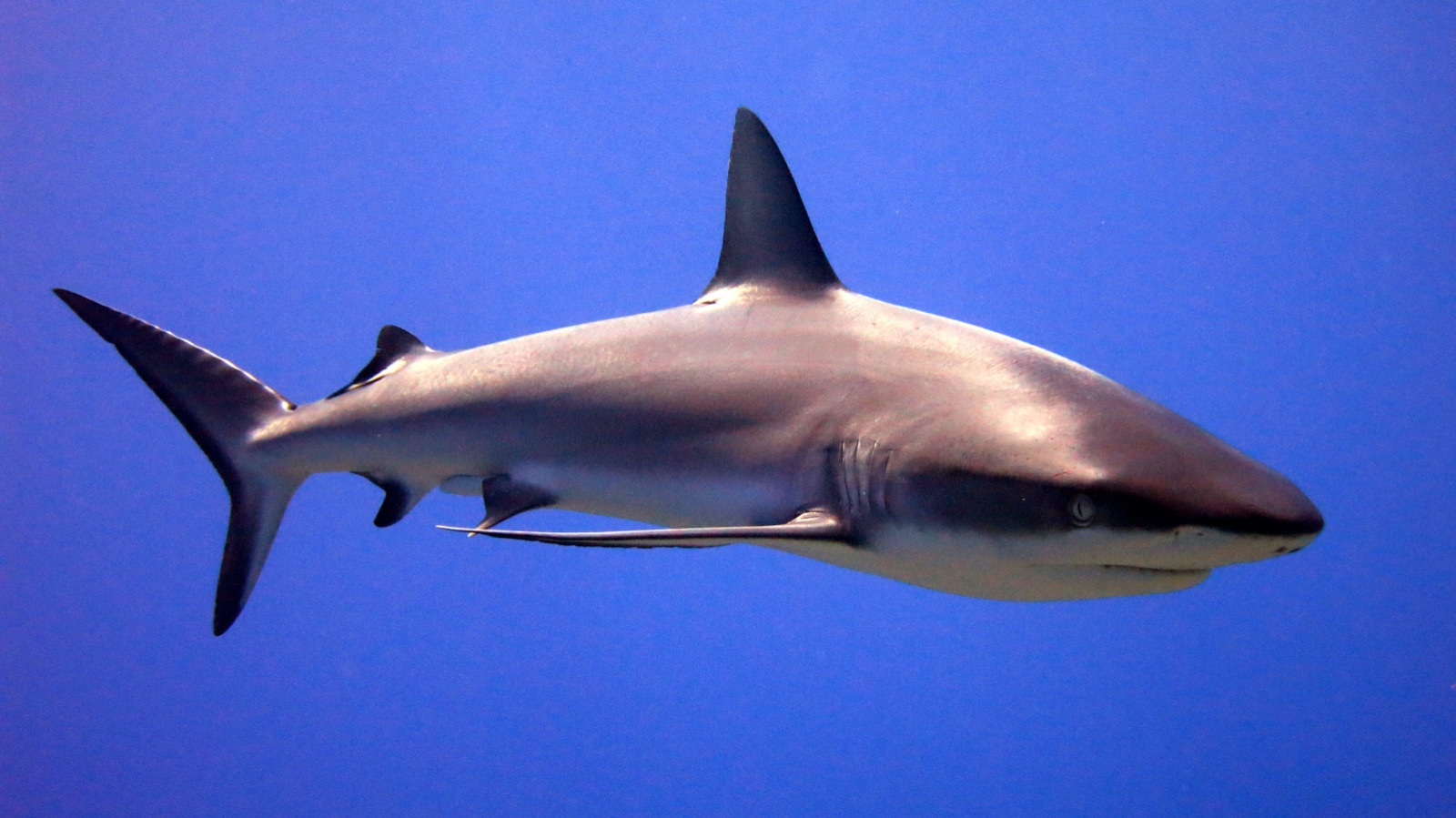
Grey Reef Shark
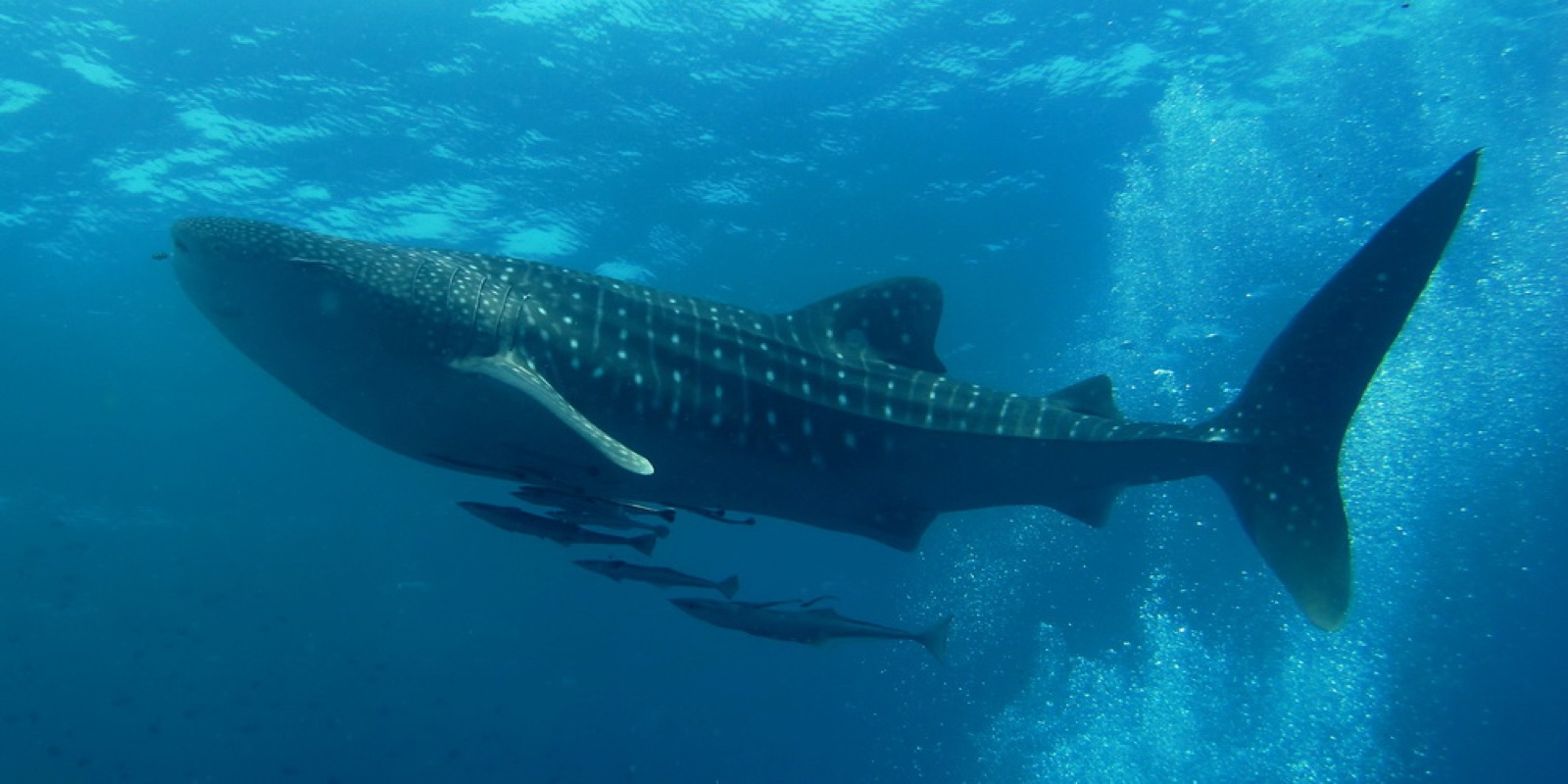
Whale Shark
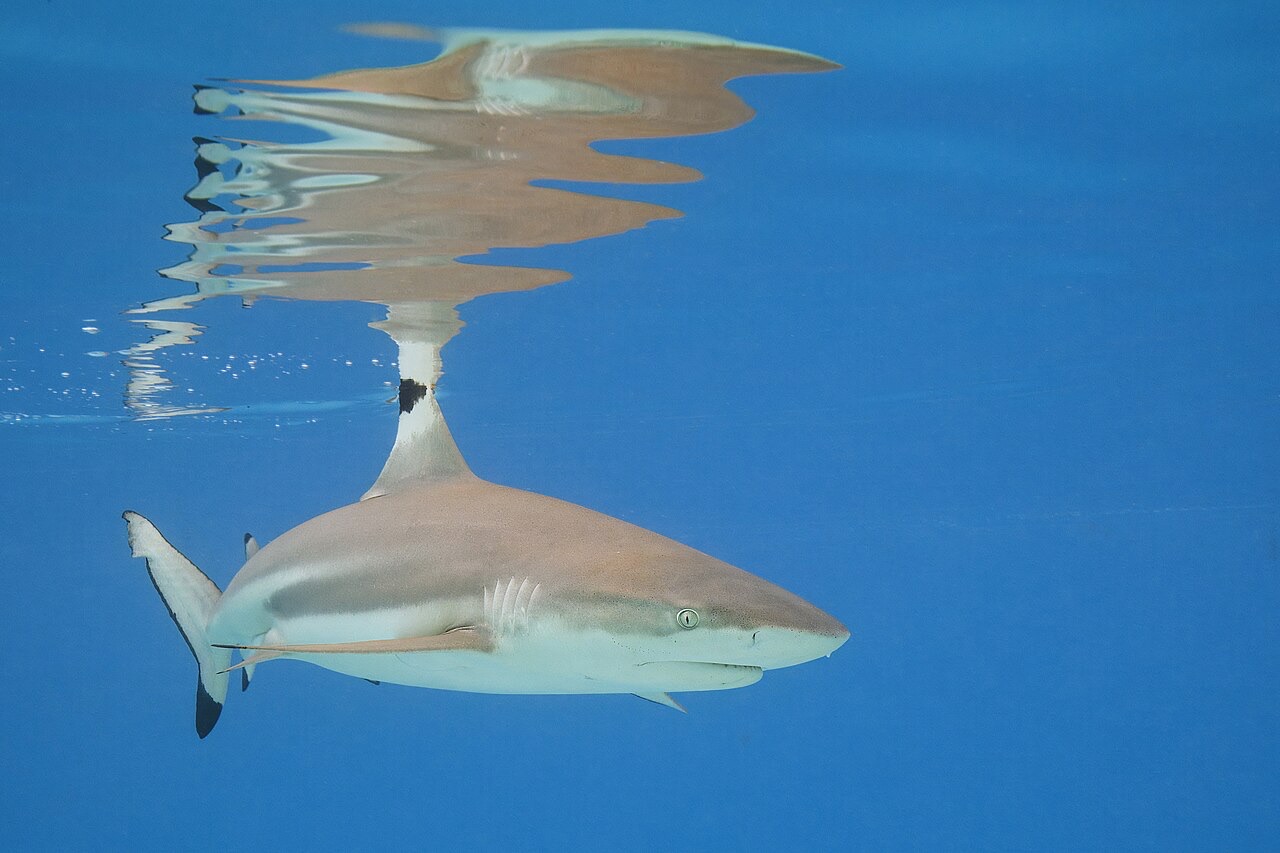
Blacktip Reef Shark
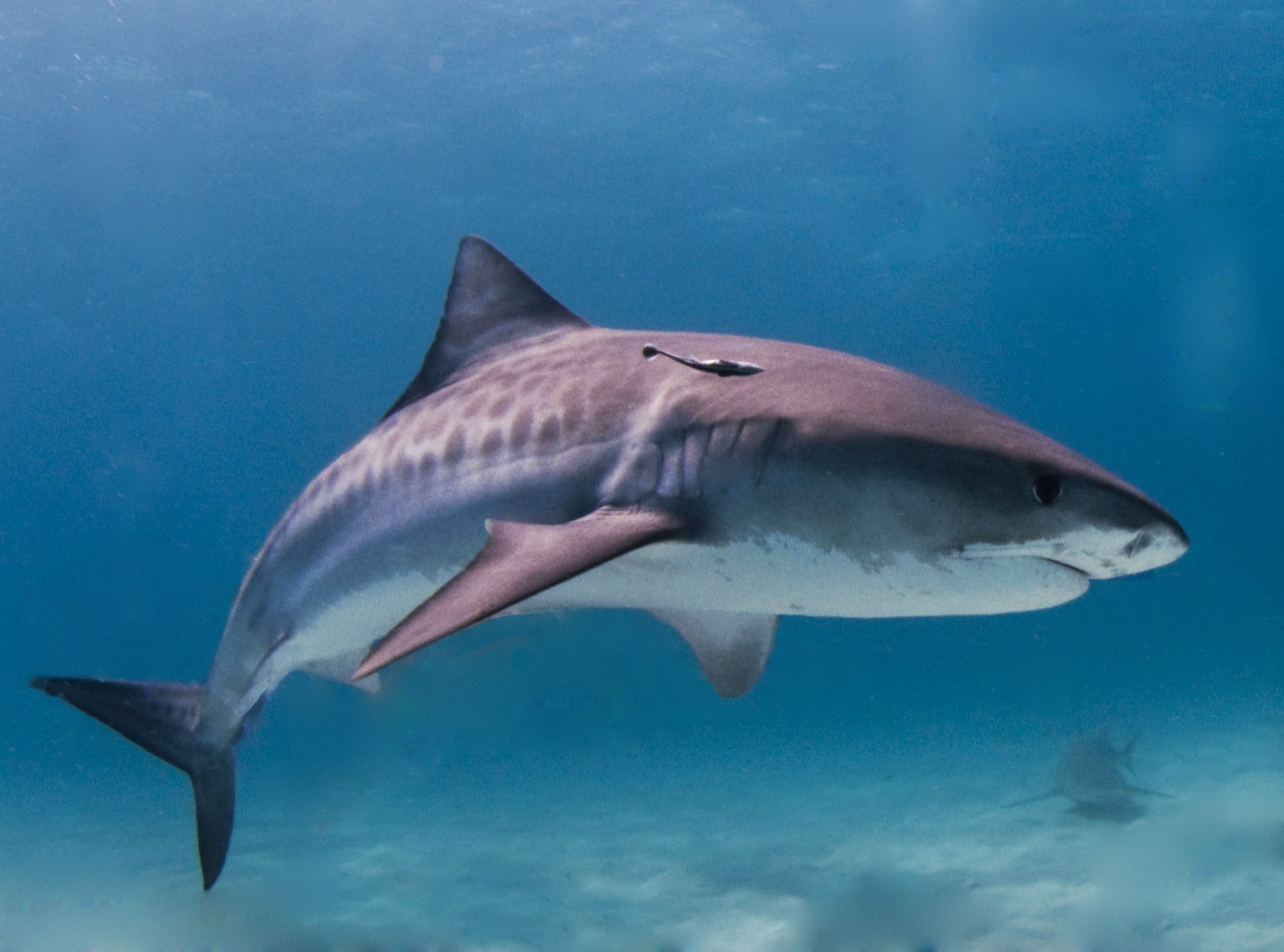
Tiger Shark
Également observé à proximité
Les espèces « cartographiées ici » ont été répertoriées par nos éditeurs à partir des sources indiquées sur cette page. Les comptages correspondent aux occurrences GBIF : observations enregistrées dans un rayon d'environ 5 km autour de la position cartographiée depuis 1990, comparées uniquement aux espèces de notre catalogue. Ils indiquent ce qui a été observé à cet endroit, sans garantir ce que vous y verrez.
Pour les photographes
Grand angle: ★★★★☆ · Macro: ★★☆☆☆ (note 1–5 des éditeurs sur ce que ce site offre à chaque style de prise de vue)