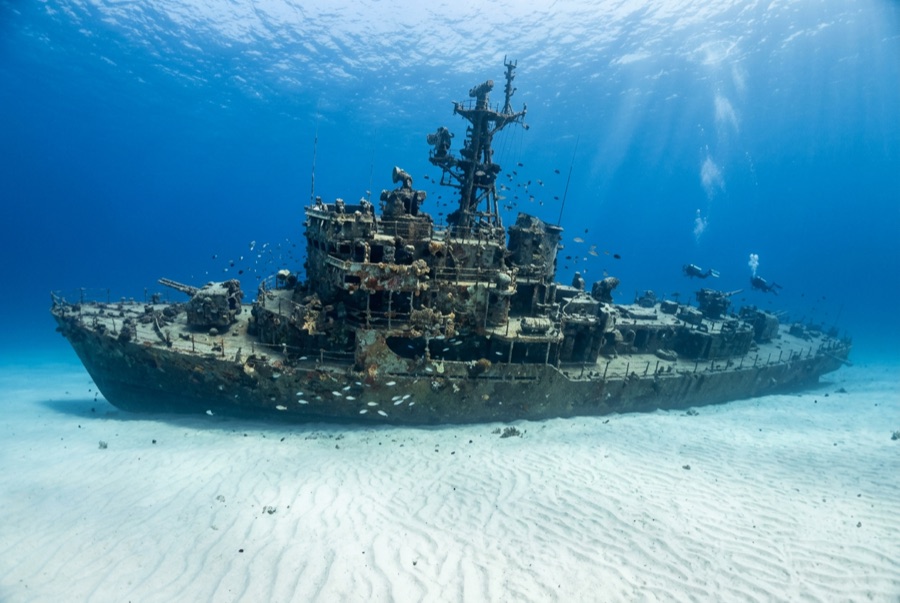
El Aguila
La profondeur correspond à la plage allant du sommet du site jusqu'à son maximum habituel ; le « niveau recommandé » est le niveau demandé en général par les opérateurs auprès des grandes agences, pas une règle légale. Les courants et la visibilité varient chaque jour, traitez donc tout cela comme des plages indicatives de planification.
El Aguila is a wreck improved by catastrophe. Sunk upright as an attraction in 1997, she was torn into three pieces by Hurricane Mitch a year later, and the breaks turned a tidy hull into honest wreckage: peeled plates, exposed ribs, and swim-through gaps that need no doors. The residents are the show: green moray eels of startling girth patrol openly, a shifting crowd of large groupers begs with menaces (a legacy of old feeding), and garden eels stipple the surrounding sand. The depth puts most of the dive below 25 m, so it pairs naturally with a shallow reef second tank.
Le moment pour lequel vous venez: Three-piece broken hull, oversized green morays and groupers, garden-eel plain on the sand.
Topographie: A cargo ship scuttled in 1997 on flat sand at about 33 m, broken into three sections by Hurricane Mitch the following year.
Entrée: Moored descent off Sandy Bay, minutes from the West End shops.
À savoir avant de plonger
Dangers: Depth for the full tour and sharp storm-torn steel; penetration only where openings are obvious and trained.
Conservation: Inside the Roatan Marine Park; the grouper begging is inherited: feed nothing.
Nitrox: Pertinent ici : les profils se situent dans la plage où le nitrox prolonge significativement le temps sans palier (avec la formation pour l'utiliser).
Qui vous croiserez
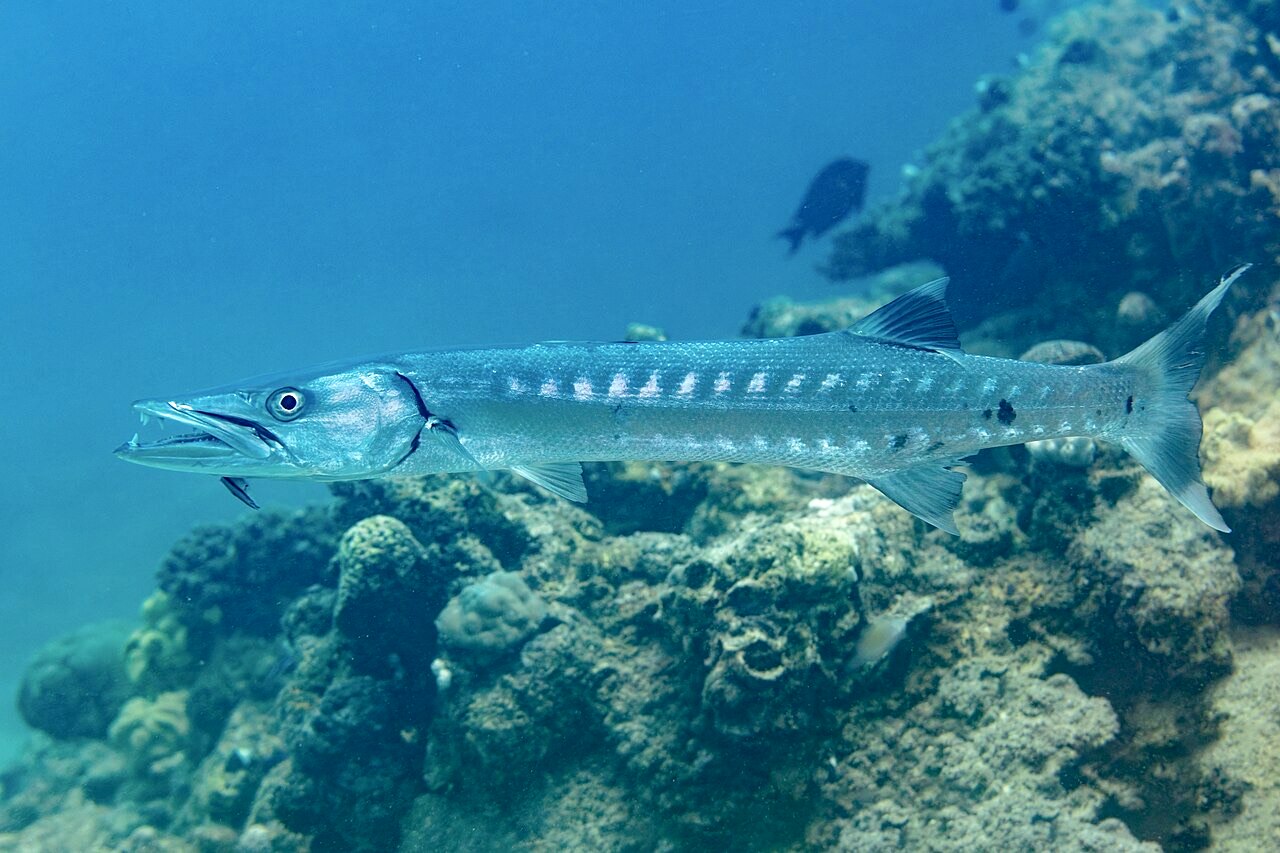
Great Barracuda
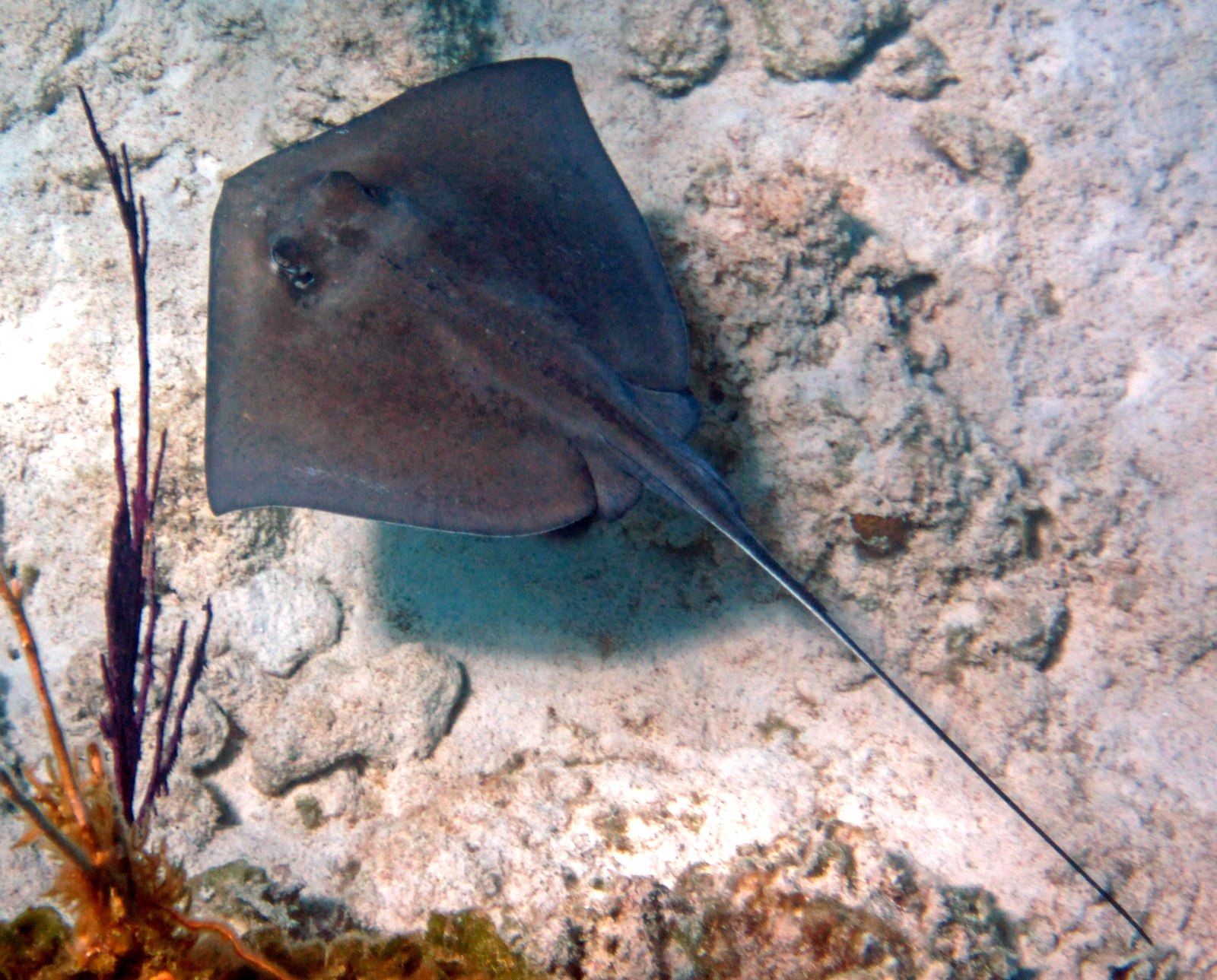
Southern Stingray
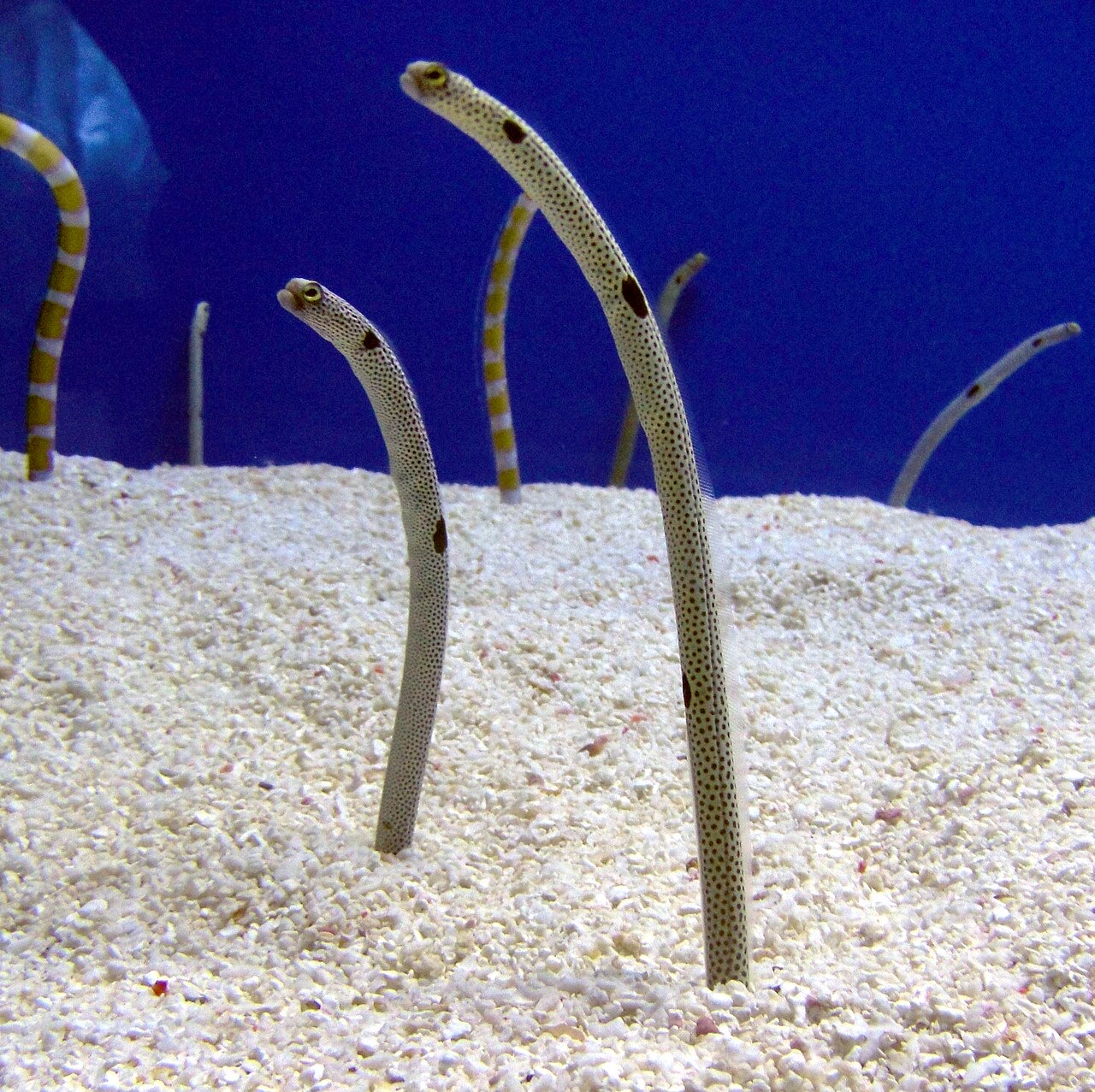
Garden Eel
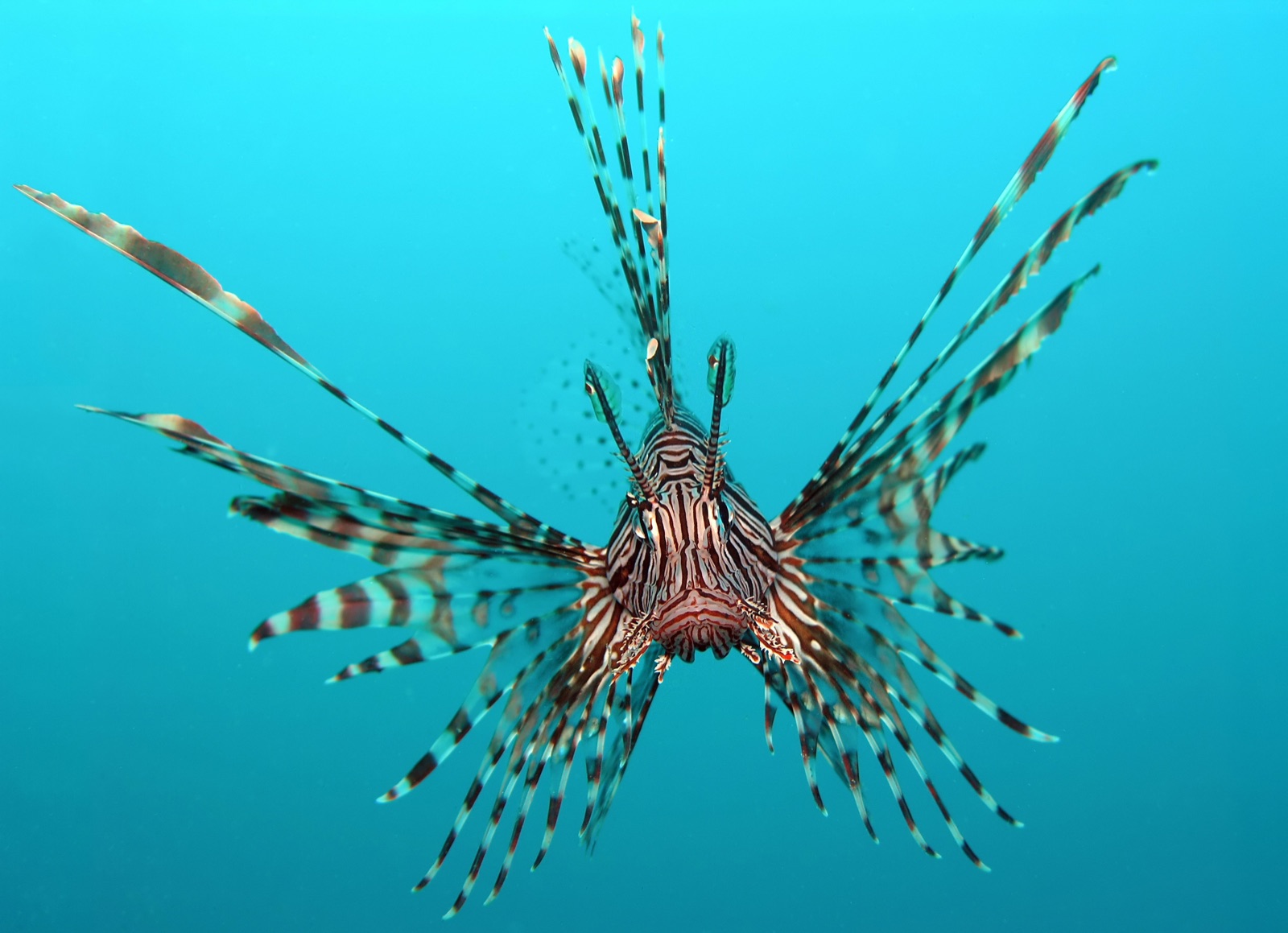
Lionfish
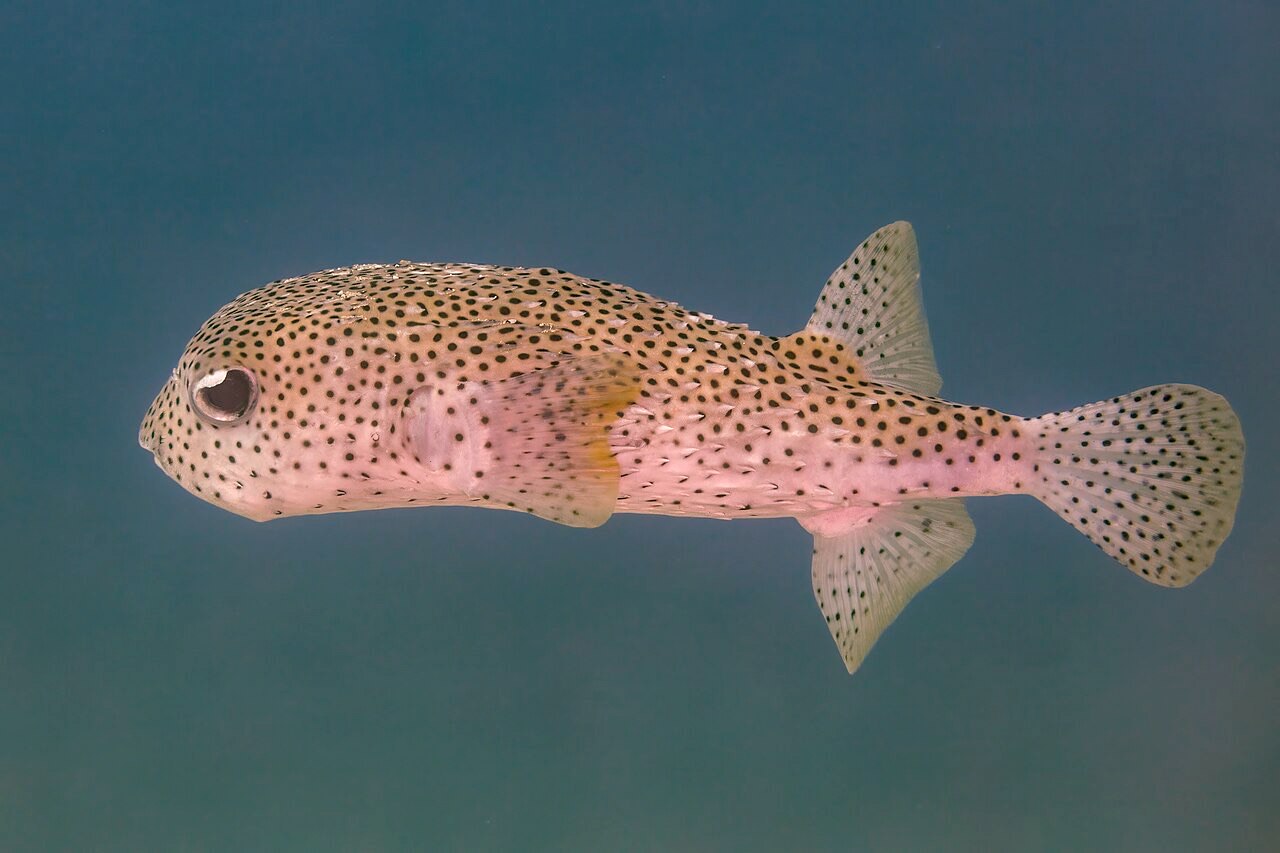
Porcupinefish
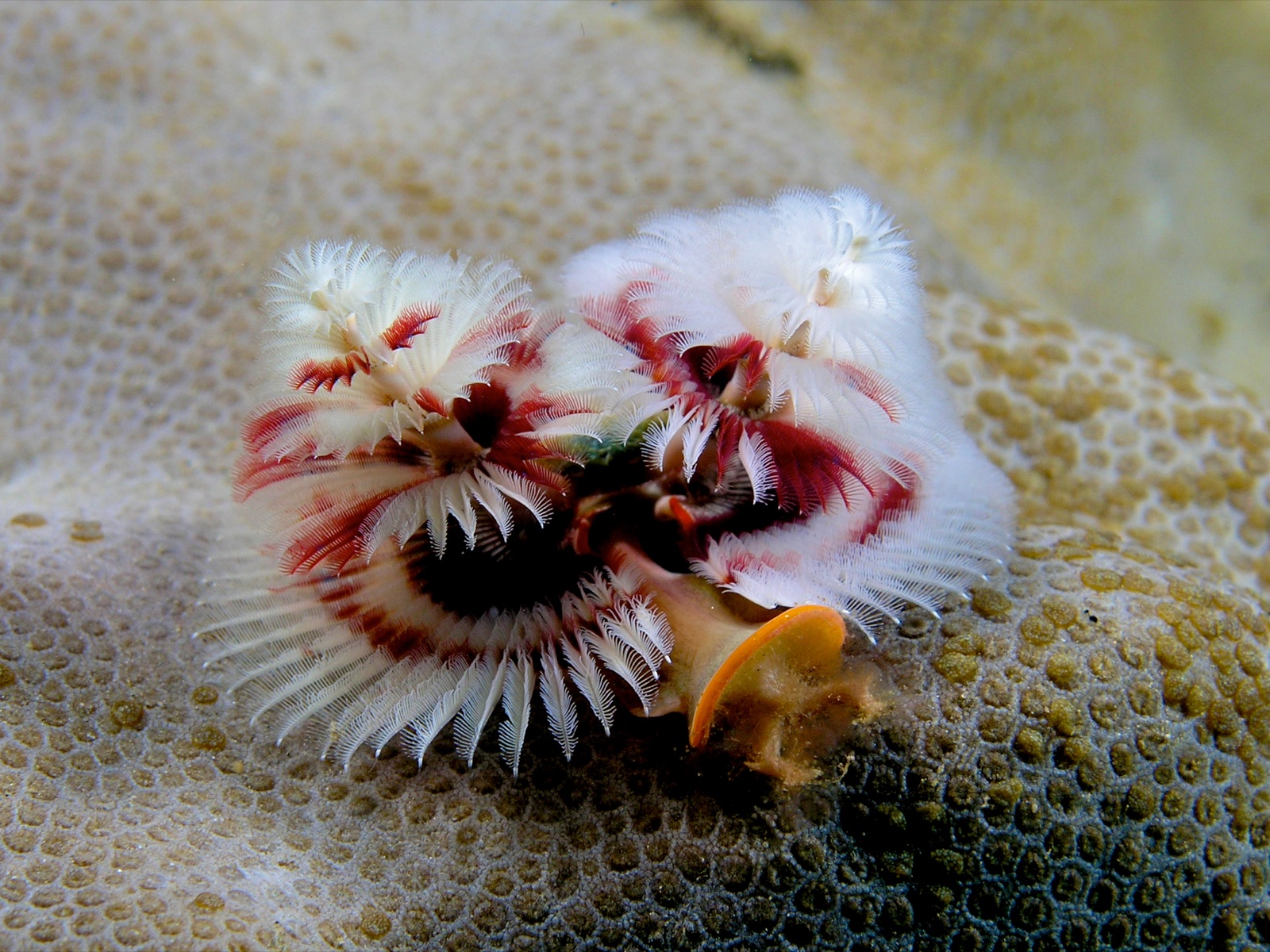
Christmas Tree Worm
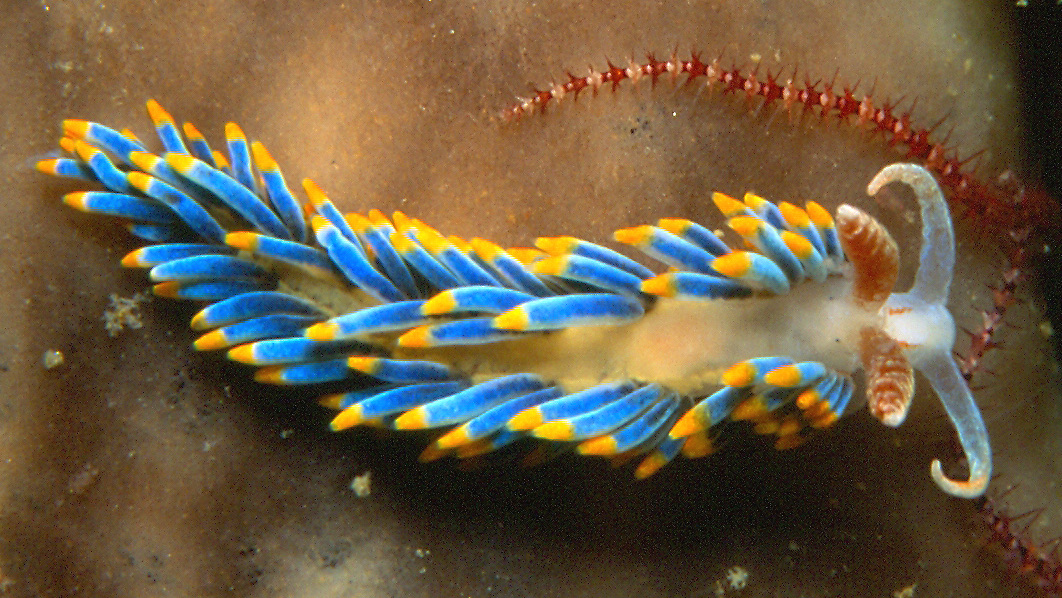
Nudibranchs
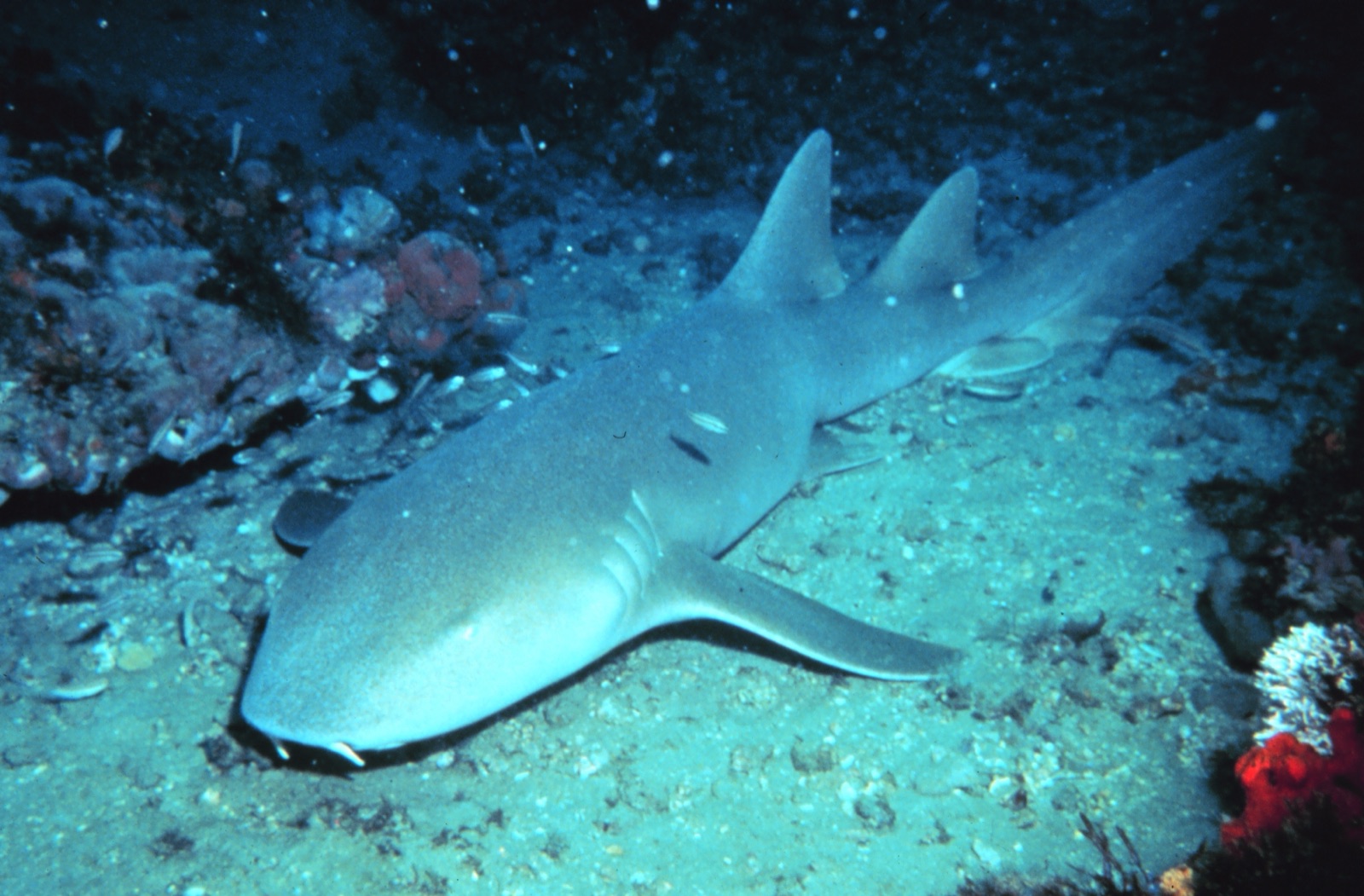
Nurse Shark
Également observé à proximité
Les espèces « cartographiées ici » ont été répertoriées par nos éditeurs à partir des sources indiquées sur cette page. Les comptages correspondent aux occurrences GBIF : observations enregistrées dans un rayon d'environ 5 km autour de la position cartographiée depuis 1990, comparées uniquement aux espèces de notre catalogue. Ils indiquent ce qui a été observé à cet endroit, sans garantir ce que vous y verrez.
Pour les photographes
Grand angle: ★★★★☆ · Macro: ★★☆☆☆ (note 1–5 des éditeurs sur ce que ce site offre à chaque style de prise de vue)