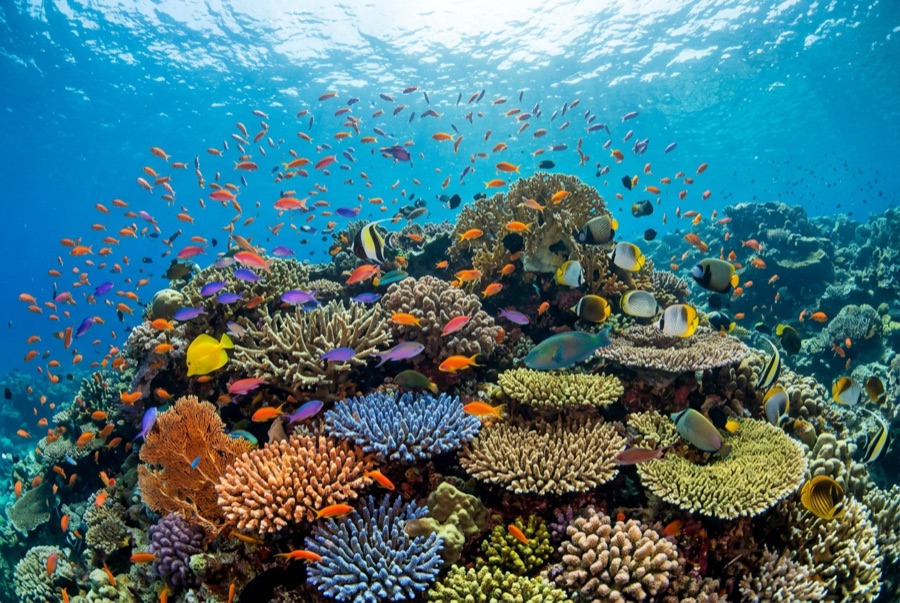
Cabo Pulmo Reef
Depth is the range from the top of the site to its usual maximum; "recommended cert" is the mainstream-agency level operators usually ask for, not a legal rule. Currents and visibility change daily, so treat everything here as planning ranges.
Cabo Pulmo is the recovery story divers cross continents to verify. After the village banned fishing in 1995 and Mexico made the bay a national park, fish biomass multiplied to levels unmatched in the region, and the reef's basalt-and-coral ridges now hold what the rest of the coast lost: dog snapper the size of retrievers, grouper with no fear radius, and the famous rotating tornado of bigeye jacks that can occupy a diver's whole horizon. Bull sharks patrol the sand edges in cooler months, big enough to reset your sense of scale. Site names rotate across the ridges - El Bajo, El Cantil, and others - but the experience is continuous: a working reef running at full population.
The moment you come for: The bigeye jack tornado, bull sharks over the sand, a protected reef at carrying capacity
Topography: Hard-coral ridges - among the northernmost true coral formations in the eastern Pacific - over sand
Current: Gentle most days; swell and surge pick up when south weather runs.
Entry: Pangas launch from the beach at Cabo Pulmo village; surf entries for the boats, not the divers.
Know before you splash
Hazards: Surge on the shallow ridges in swell; respect bull sharks with calm positioning and no crowding.
Permits & rules: Daily park fee collected by operators.
Conservation: Cabo Pulmo National Park: no fishing, no gloves, no touching, guided groups with capped sizes and rotating site assignments.
Who you'll meet
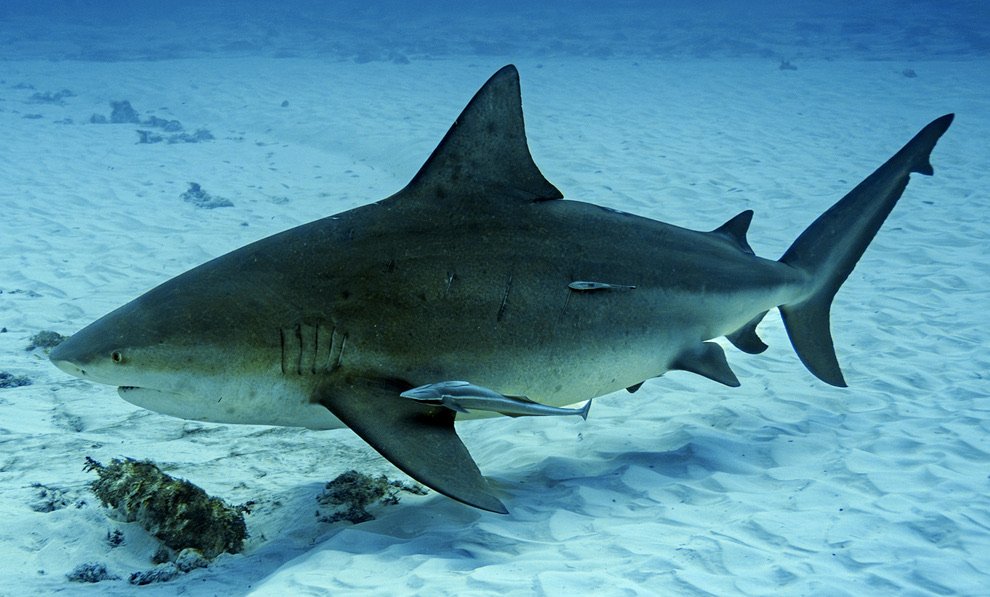
Bull Shark
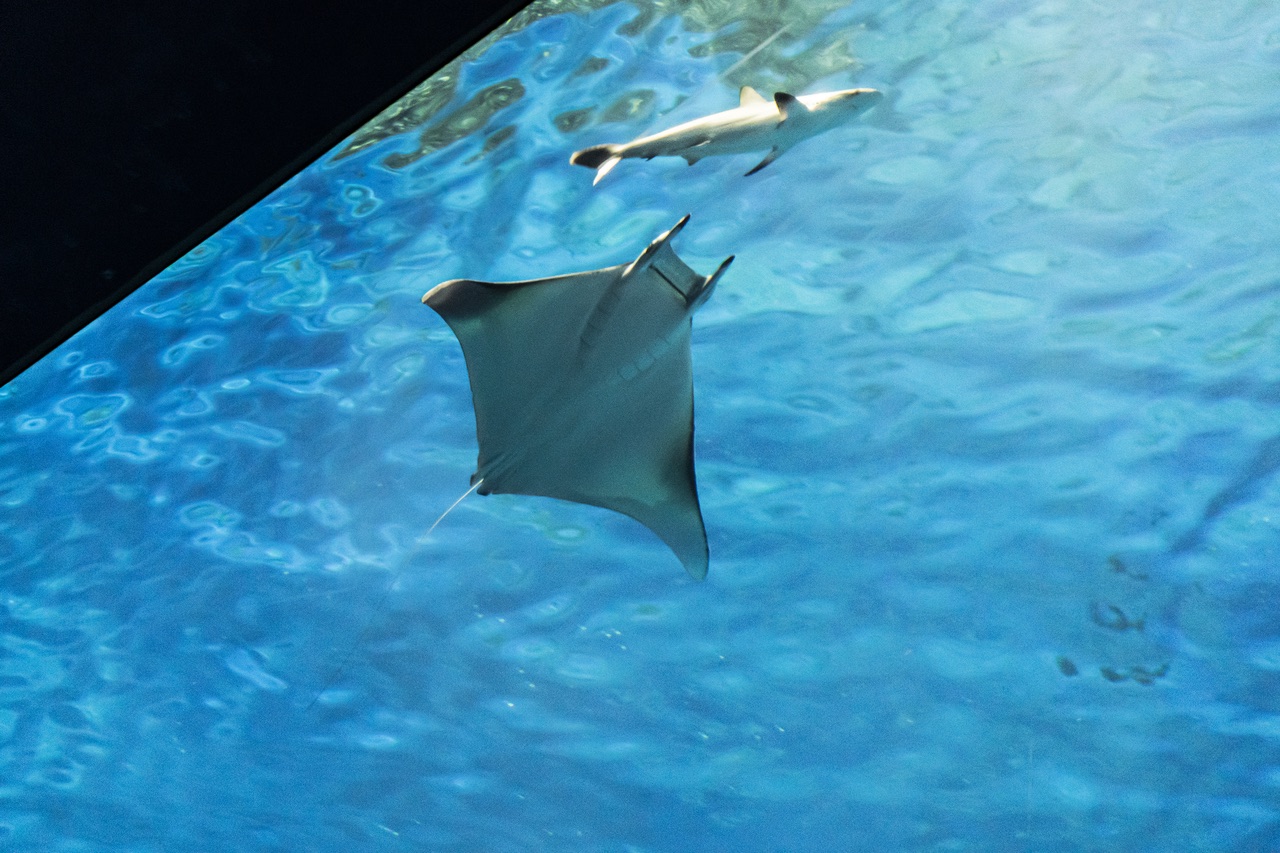
Mobula (Devil) Ray
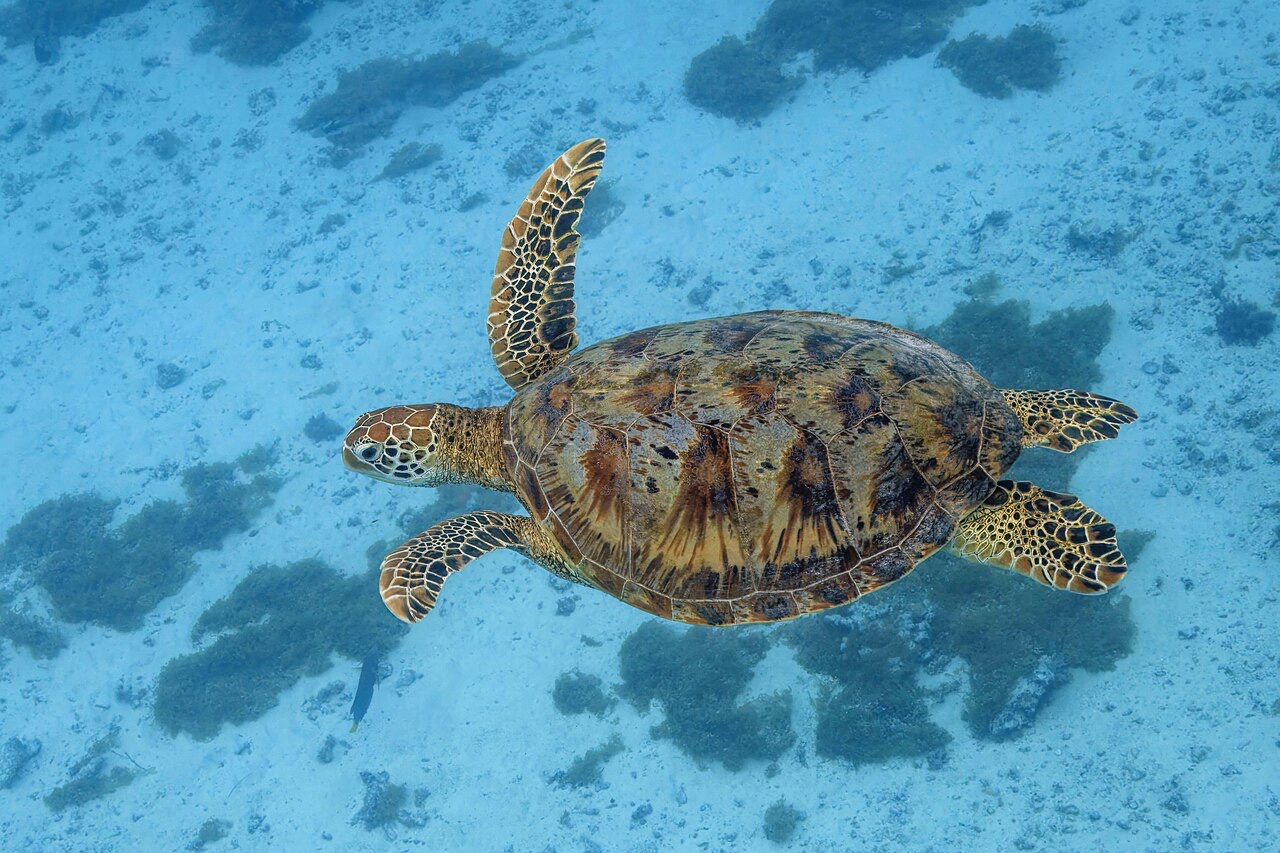
Green Sea Turtle
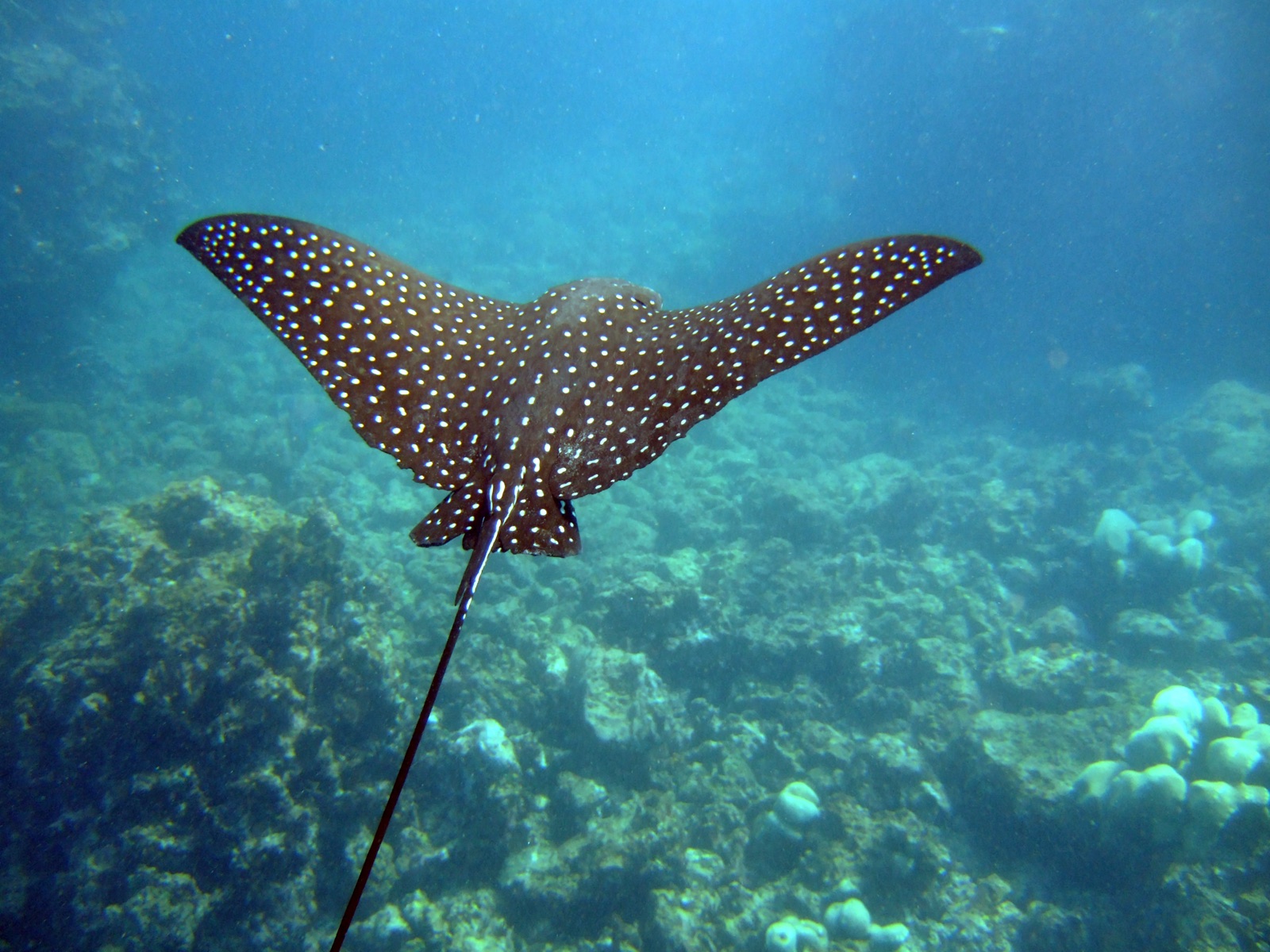
Spotted Eagle Ray
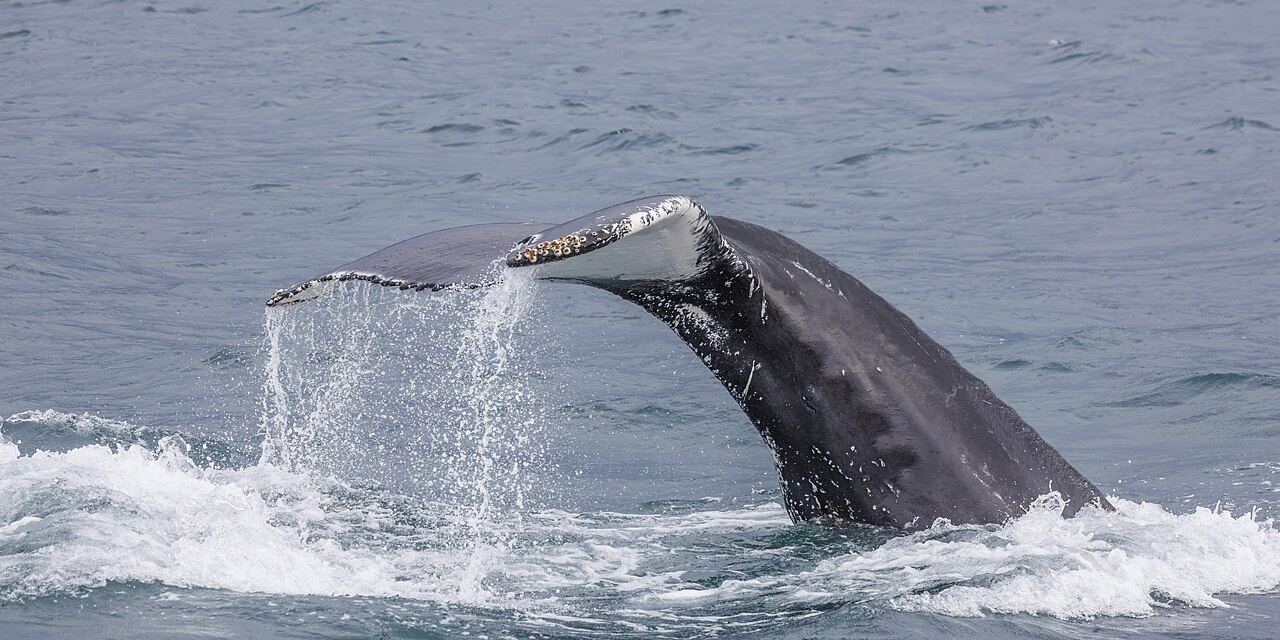
Humpback Whale
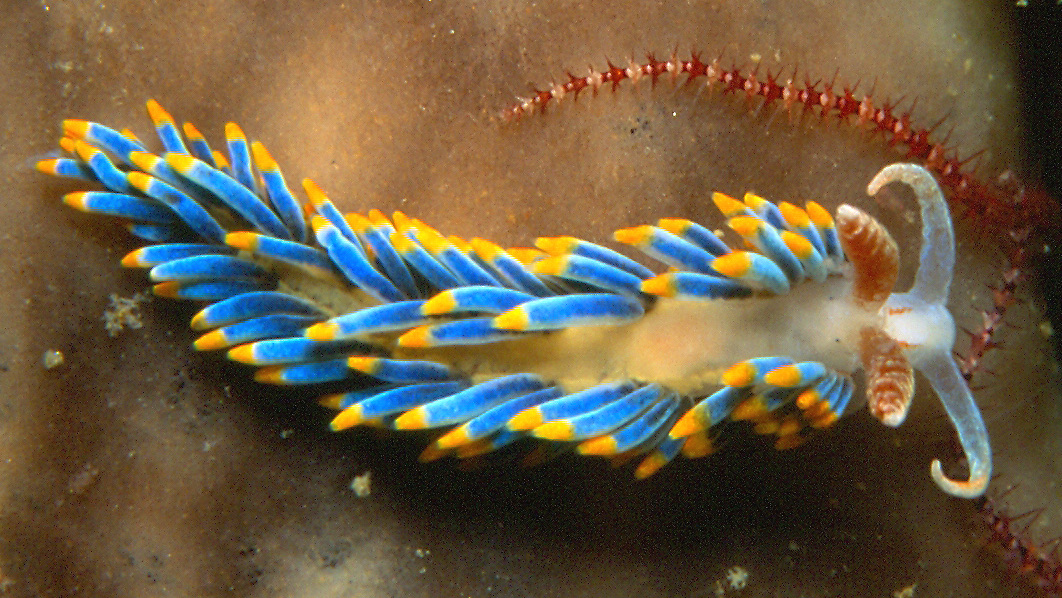
Nudibranchs
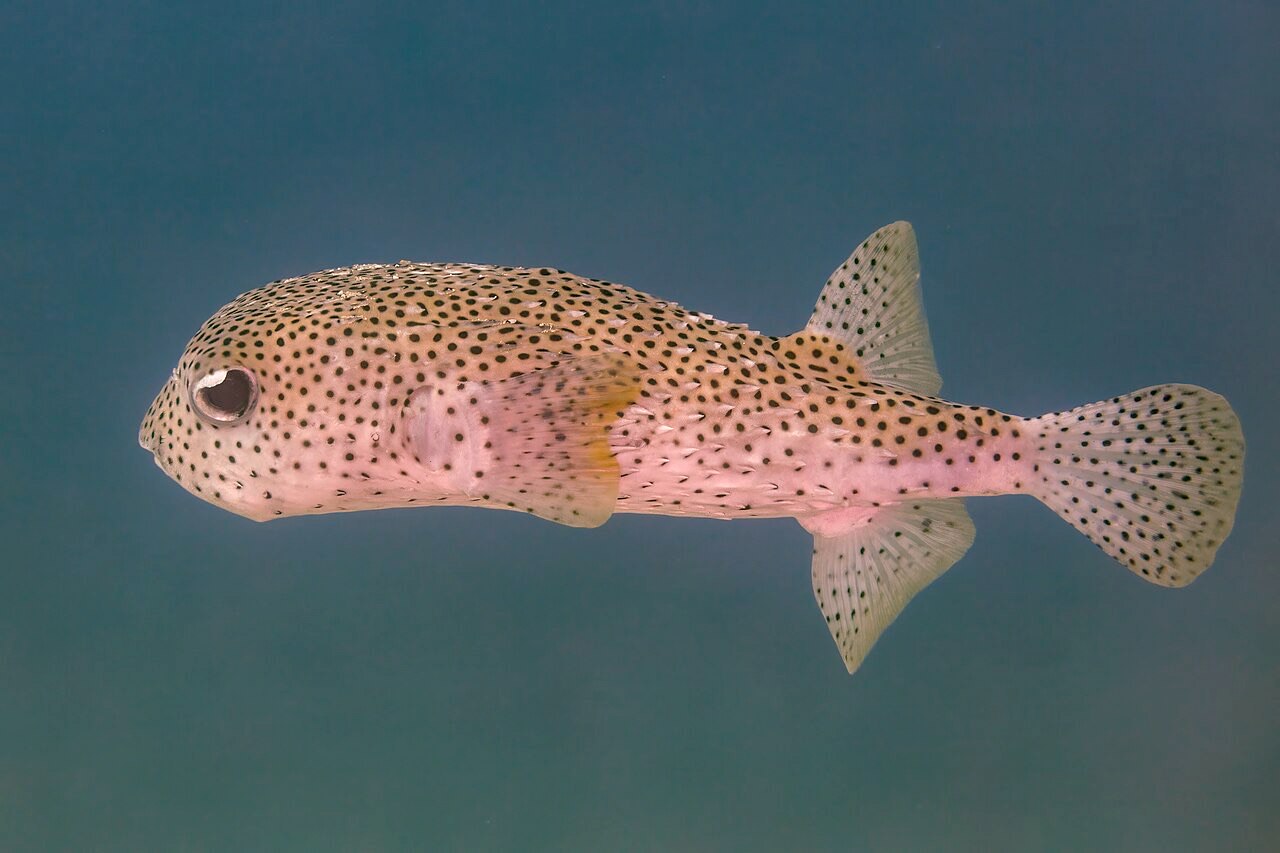
Porcupinefish
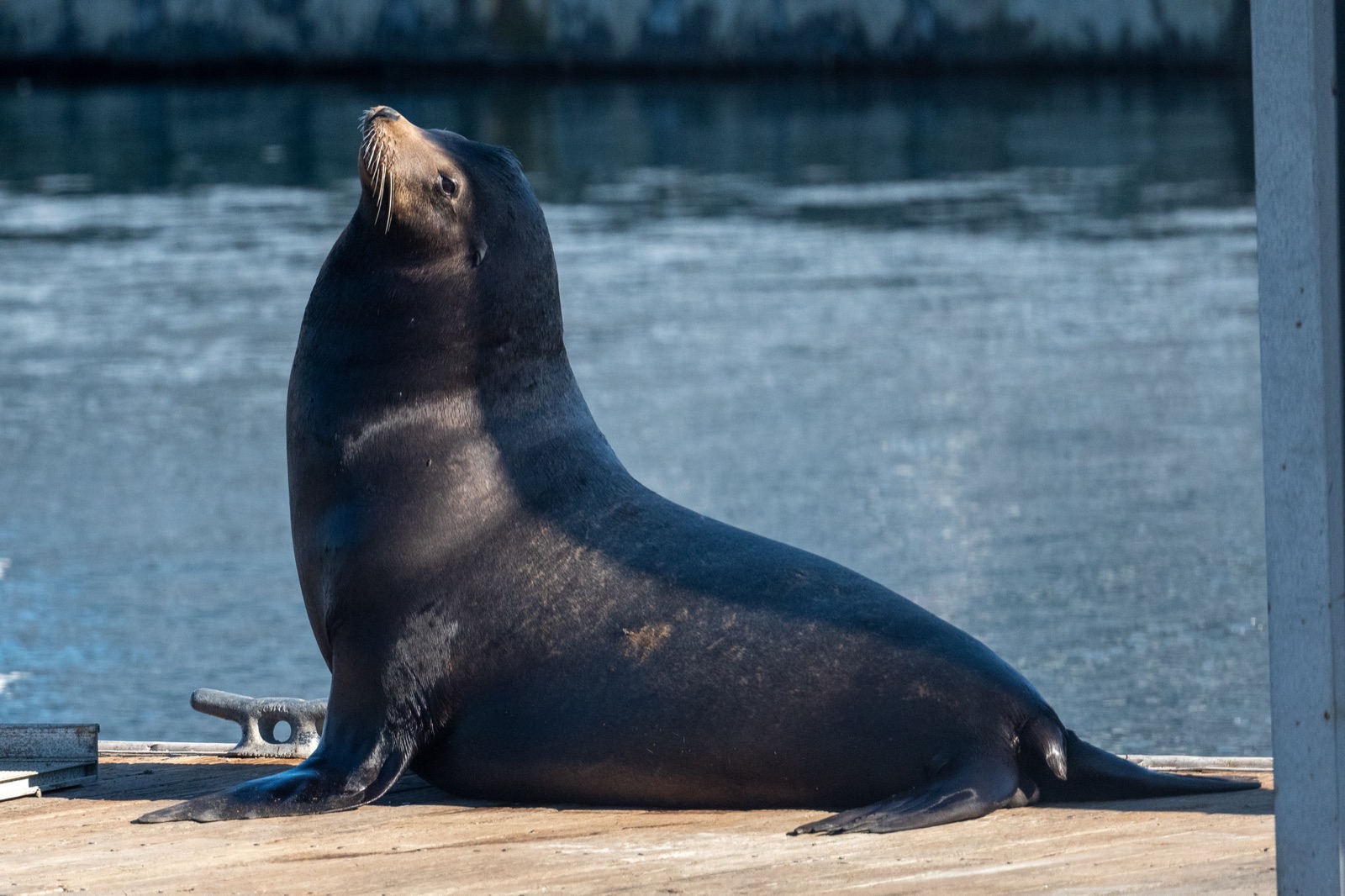
California Sea Lion
Also recorded nearby
"Charted here" species were listed by our editors from the sources on this page. Counts are GBIF occurrence records: observations logged within about 5 km of the charted position since 1990, matched only against the species in our catalogue. They show what has been seen there, not a promise of what you will see.
For photographers
Wide angle: ★★★★★ · Macro: ★★☆☆☆ (editors' 1–5 rating of what this site gives each style of shooting)