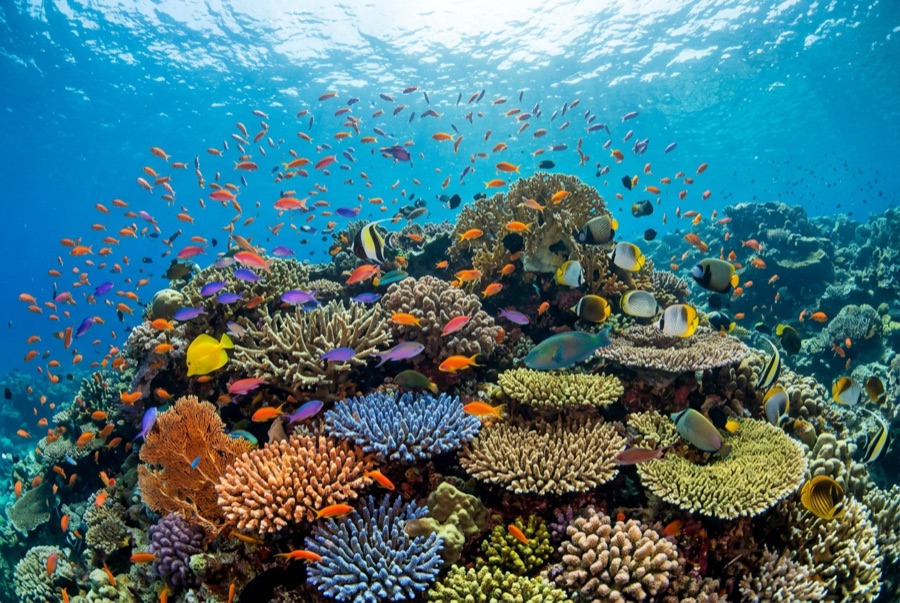
Cabo Pulmo Reef
La profondeur correspond à la plage allant du sommet du site jusqu'à son maximum habituel ; le « niveau recommandé » est le niveau demandé en général par les opérateurs auprès des grandes agences, pas une règle légale. Les courants et la visibilité varient chaque jour, traitez donc tout cela comme des plages indicatives de planification.
Cabo Pulmo is the recovery story divers cross continents to verify. After the village banned fishing in 1995 and Mexico made the bay a national park, fish biomass multiplied to levels unmatched in the region, and the reef's basalt-and-coral ridges now hold what the rest of the coast lost: dog snapper the size of retrievers, grouper with no fear radius, and the famous rotating tornado of bigeye jacks that can occupy a diver's whole horizon. Bull sharks patrol the sand edges in cooler months, big enough to reset your sense of scale. Site names rotate across the ridges - El Bajo, El Cantil, and others - but the experience is continuous: a working reef running at full population.
Le moment pour lequel vous venez: The bigeye jack tornado, bull sharks over the sand, a protected reef at carrying capacity
Topographie: Hard-coral ridges - among the northernmost true coral formations in the eastern Pacific - over sand
Courant: Gentle most days; swell and surge pick up when south weather runs.
Entrée: Pangas launch from the beach at Cabo Pulmo village; surf entries for the boats, not the divers.
À savoir avant de plonger
Dangers: Surge on the shallow ridges in swell; respect bull sharks with calm positioning and no crowding.
Permis & règlements: Daily park fee collected by operators.
Conservation: Cabo Pulmo National Park: no fishing, no gloves, no touching, guided groups with capped sizes and rotating site assignments.
Qui vous croiserez
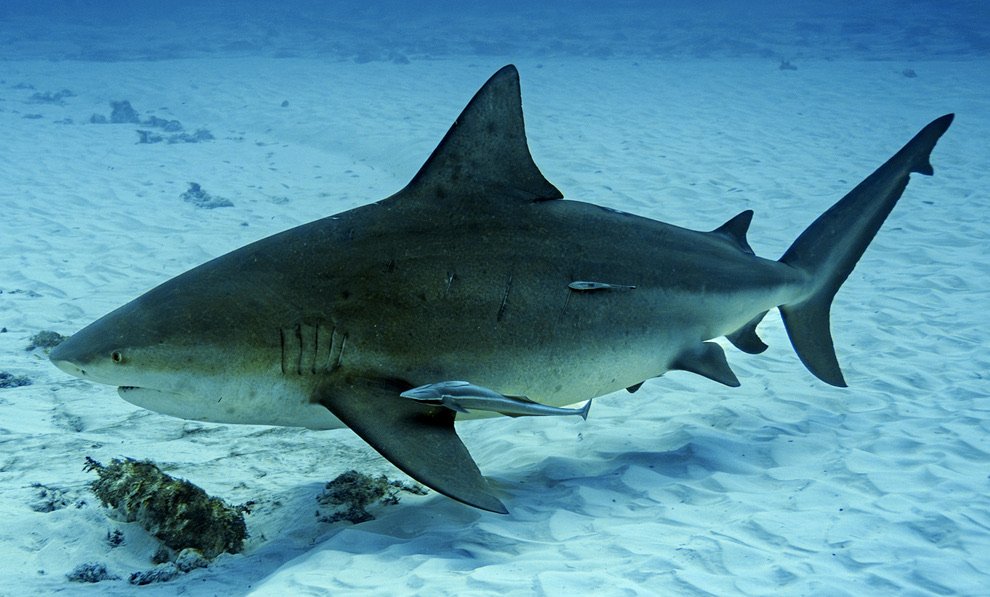
Bull Shark
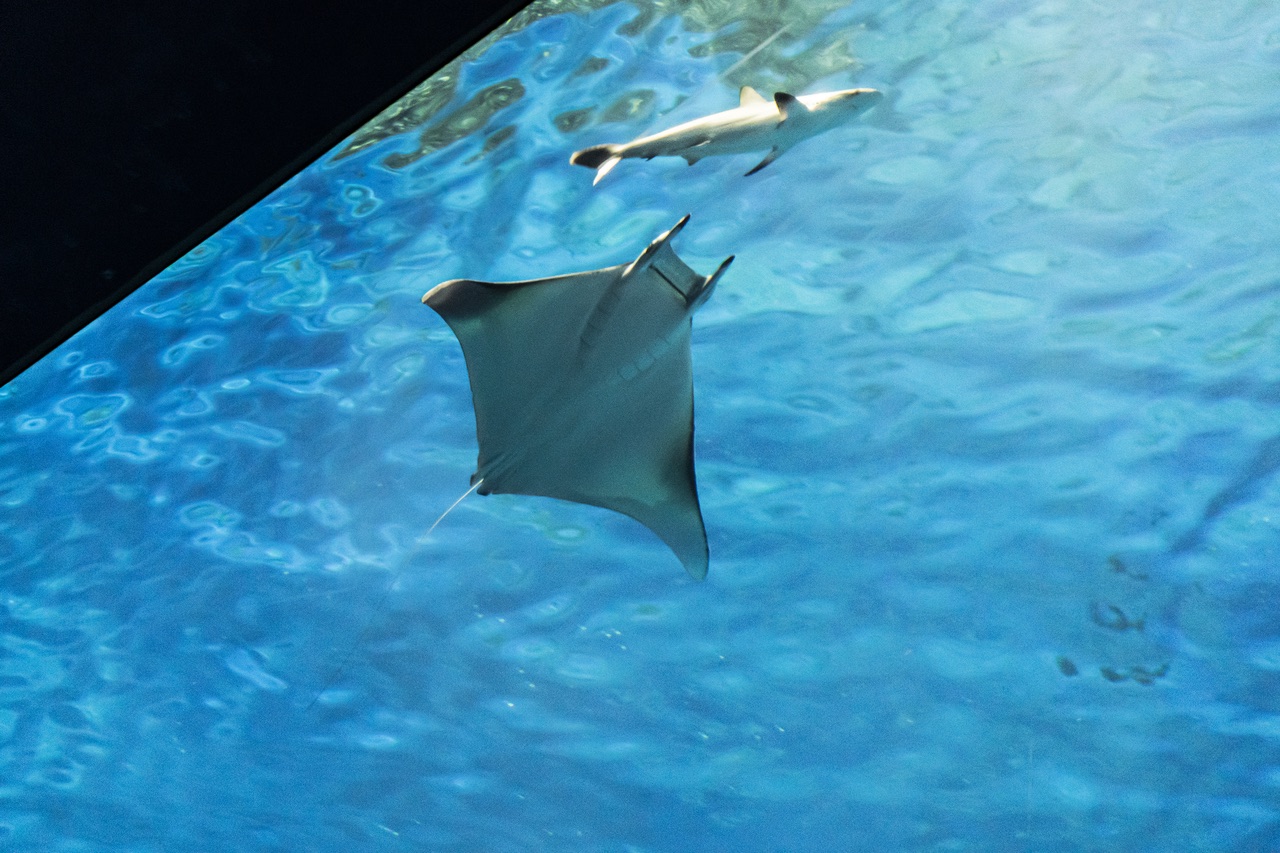
Mobula (Devil) Ray
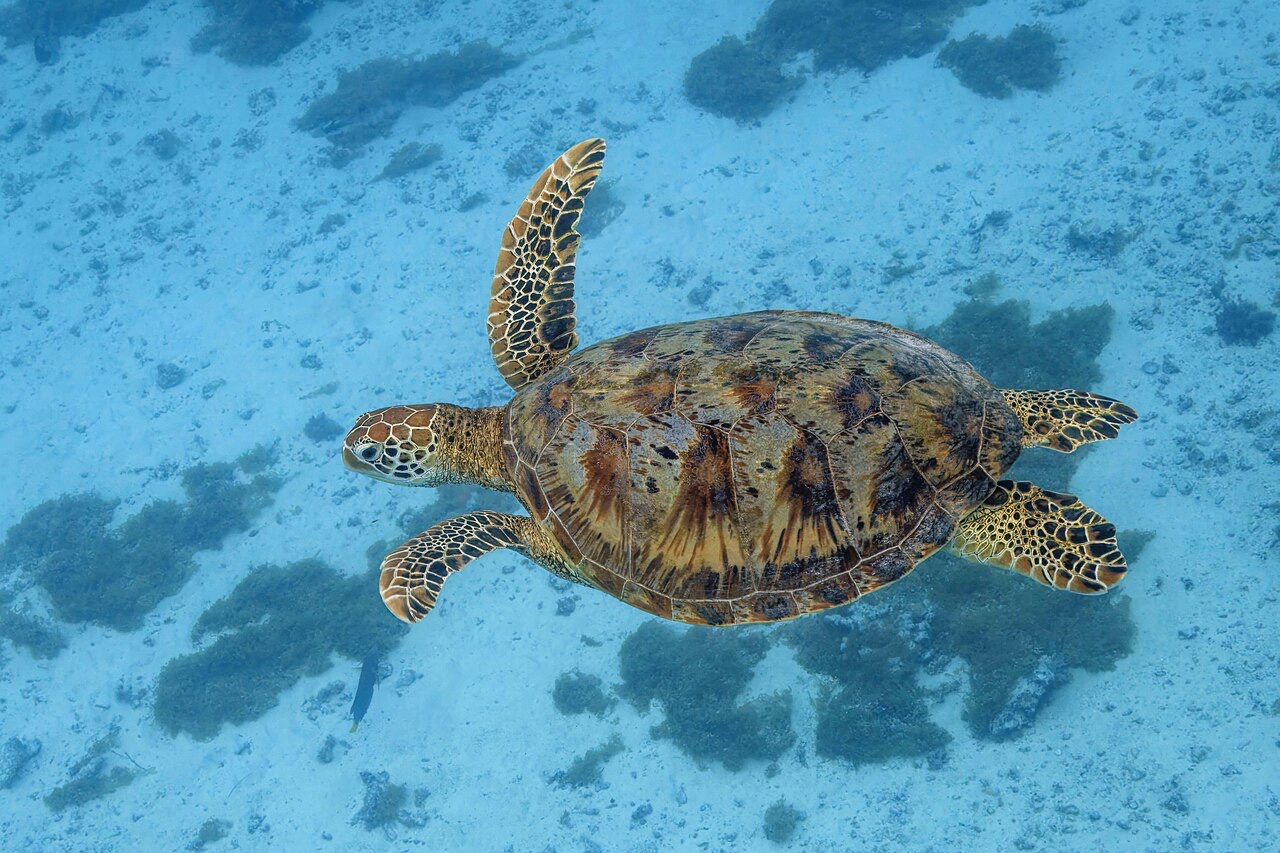
Green Sea Turtle
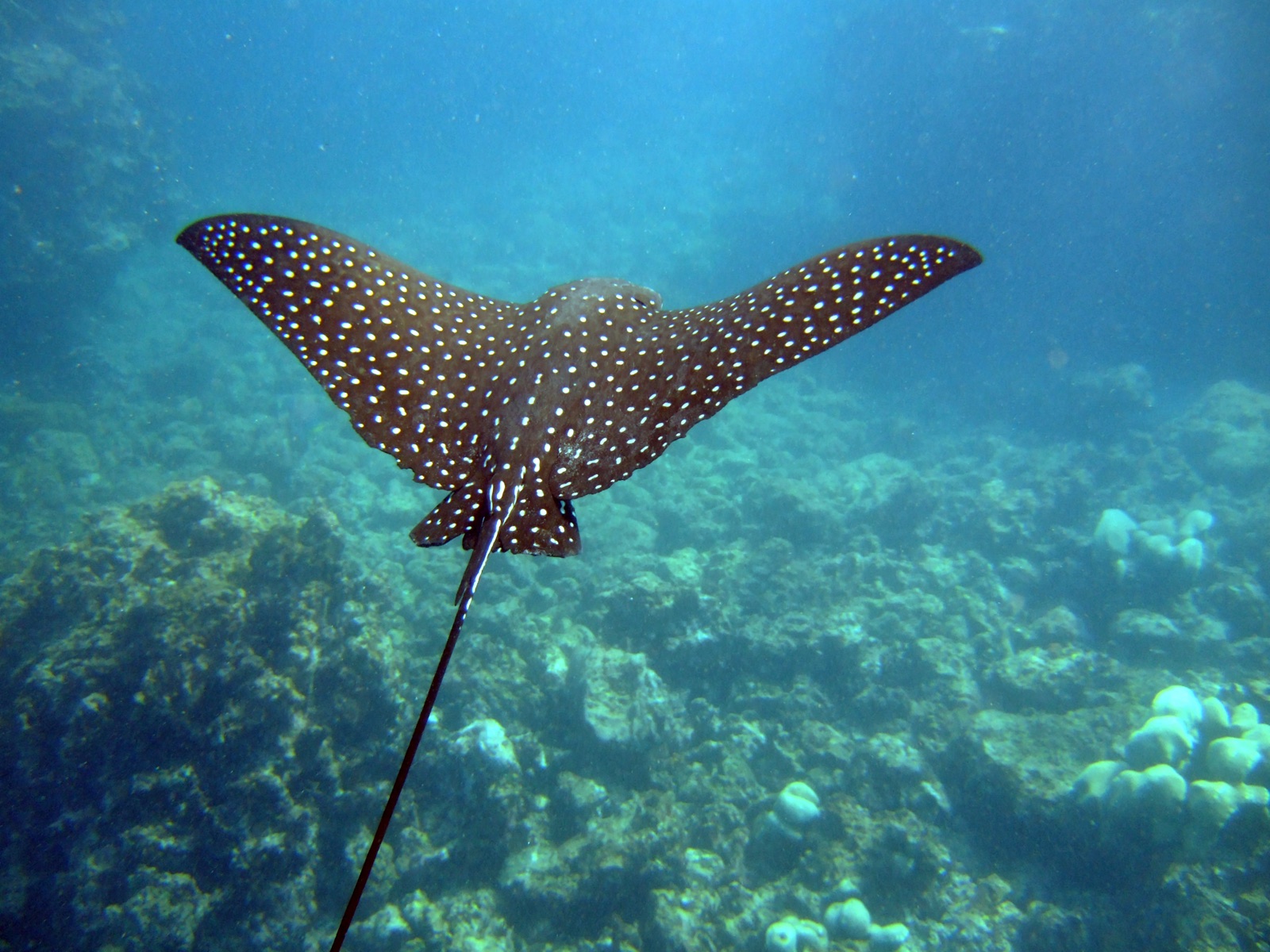
Spotted Eagle Ray
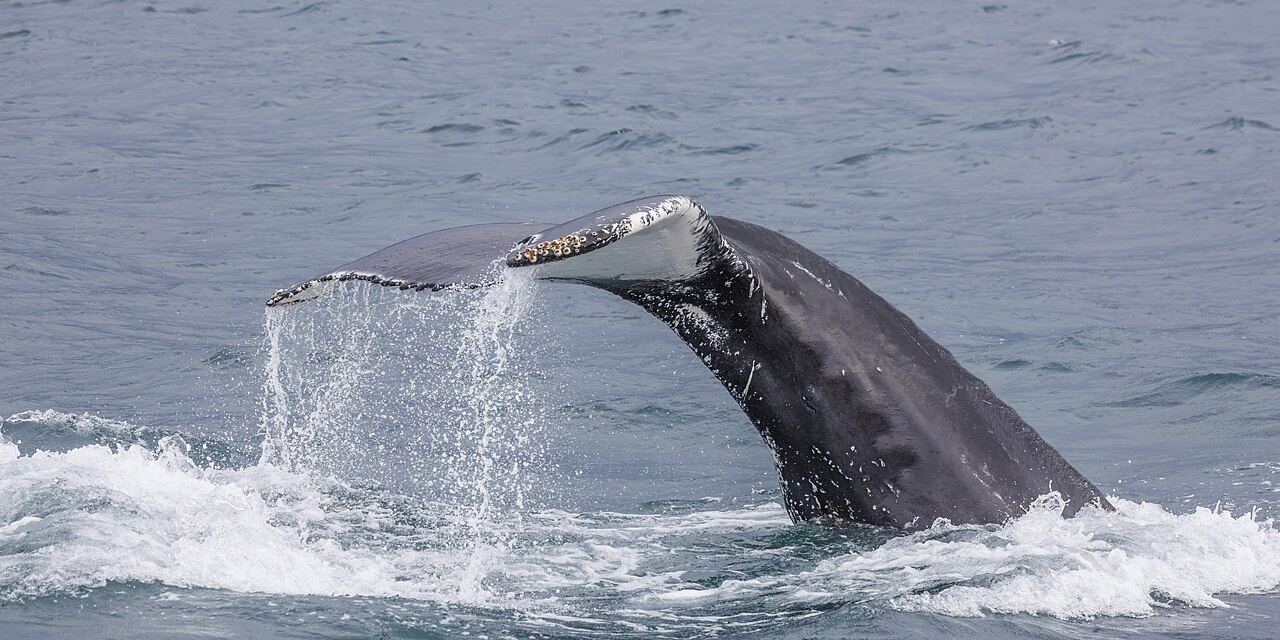
Humpback Whale
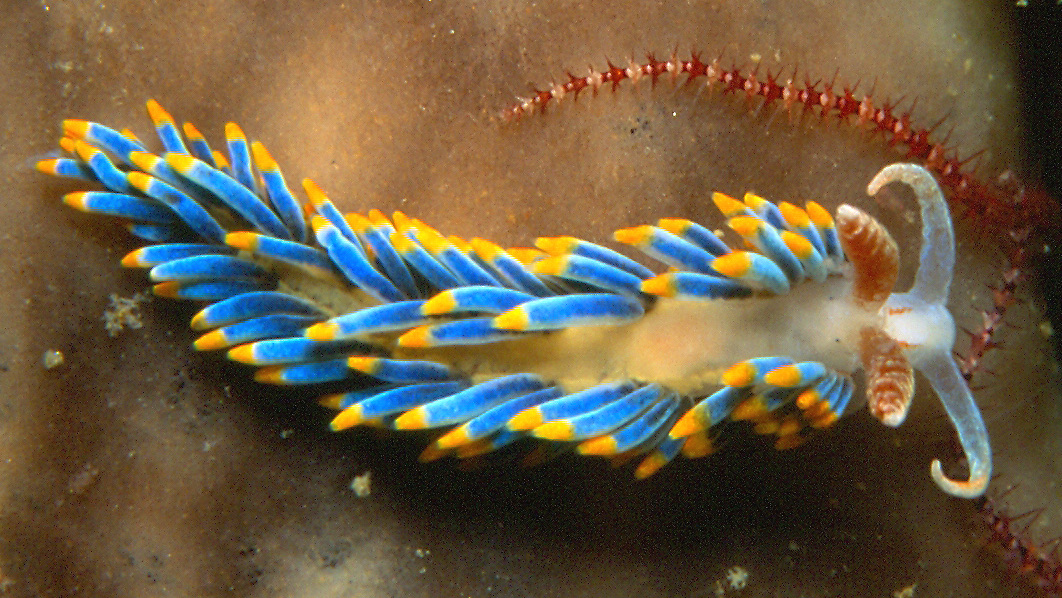
Nudibranchs
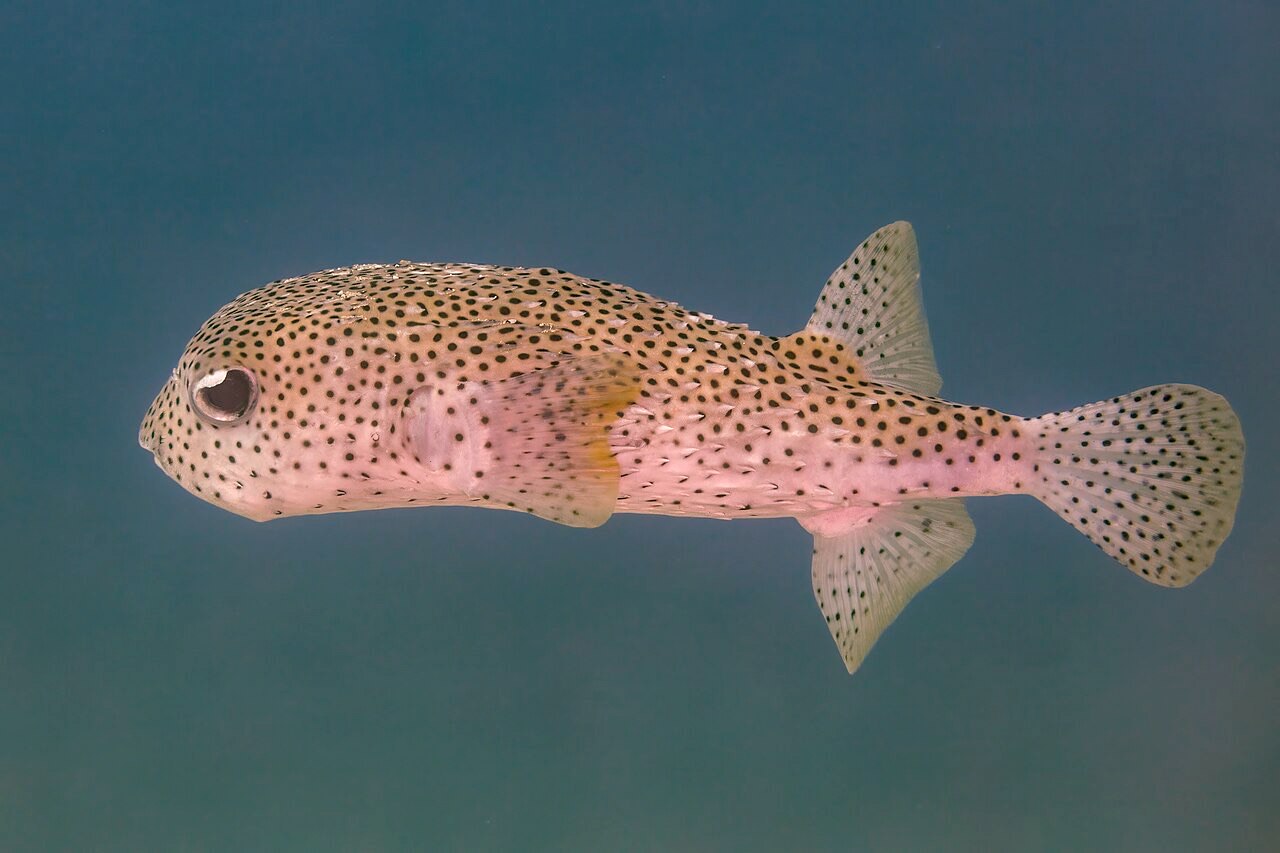
Porcupinefish
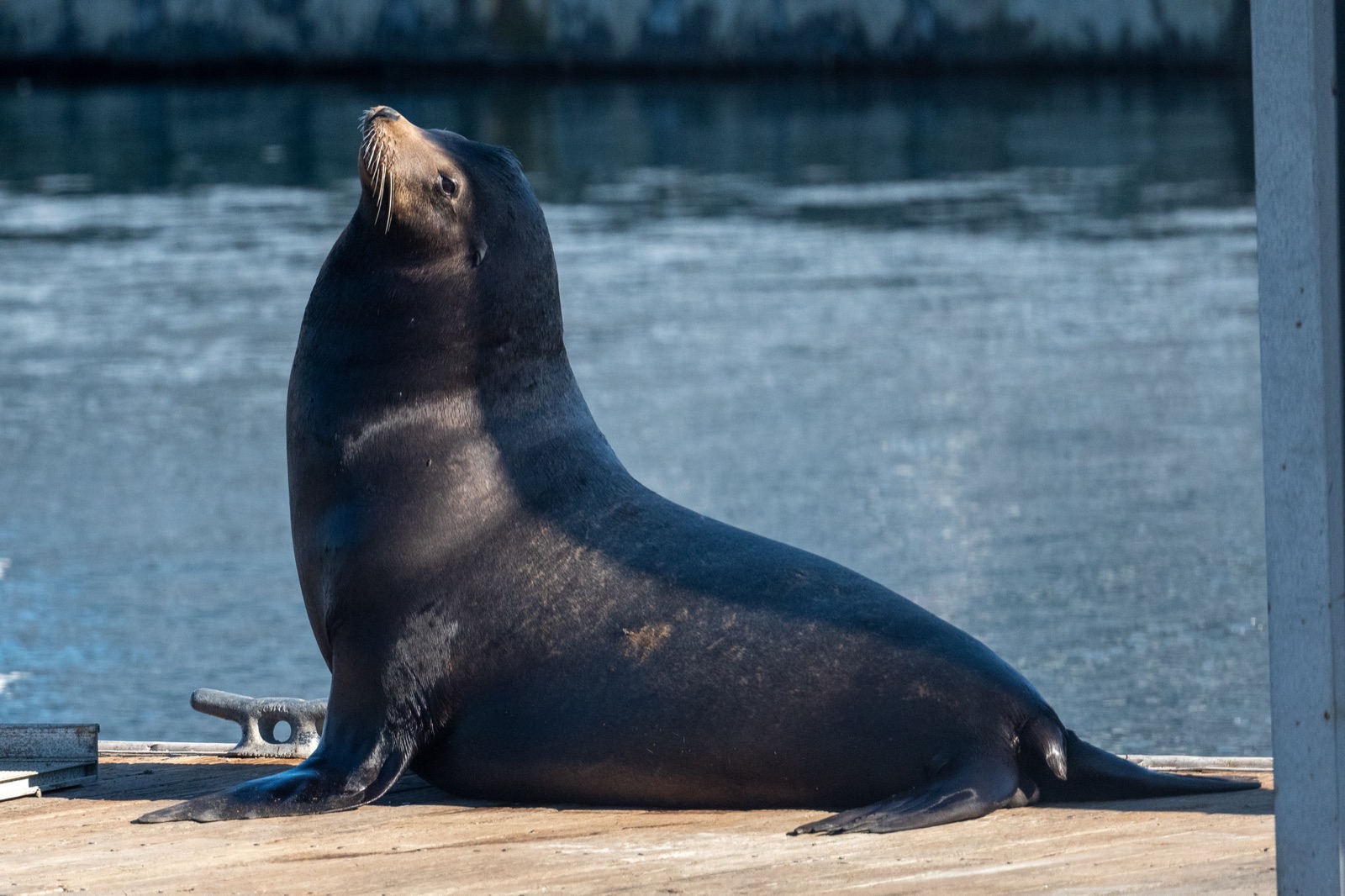
California Sea Lion
Également observé à proximité
Les espèces « cartographiées ici » ont été répertoriées par nos éditeurs à partir des sources indiquées sur cette page. Les comptages correspondent aux occurrences GBIF : observations enregistrées dans un rayon d'environ 5 km autour de la position cartographiée depuis 1990, comparées uniquement aux espèces de notre catalogue. Ils indiquent ce qui a été observé à cet endroit, sans garantir ce que vous y verrez.
Pour les photographes
Grand angle: ★★★★★ · Macro: ★★☆☆☆ (note 1–5 des éditeurs sur ce que ce site offre à chaque style de prise de vue)