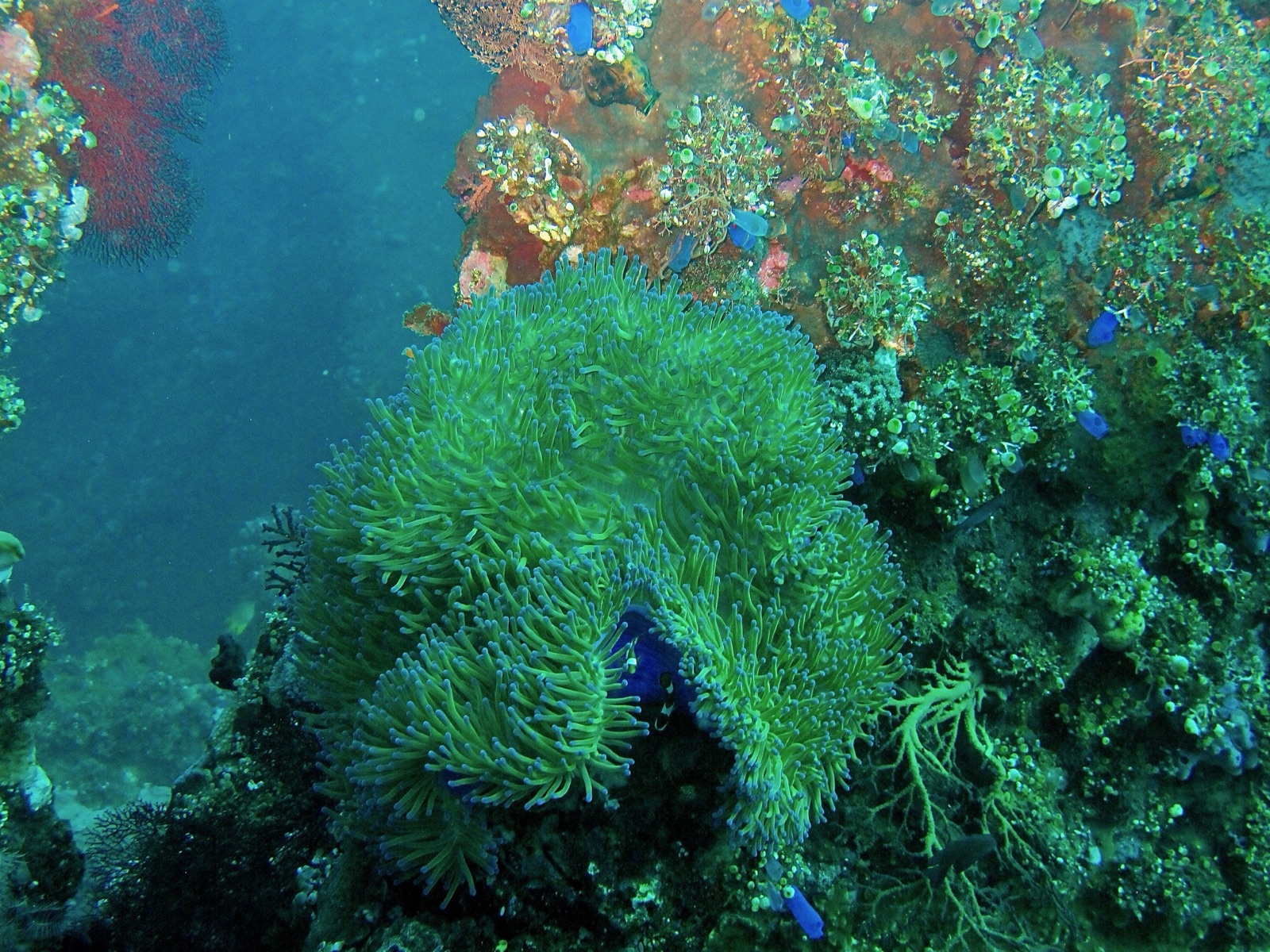
USAT Liberty Wreck
La profondità indica l'intervallo dalla sommità del sito al suo massimo abituale; il "brevetto consigliato" è il livello richiesto dalla maggior parte degli operatori delle principali agenzie, non una norma di legge. Correnti e visibilità cambiano ogni giorno, quindi considera tutto come intervalli di pianificazione.
The Liberty may be the most accessible great wreck in the world: a US Army transport torpedoed in 1942, beached at Tulamben, then nudged back into the sea by the 1963 Mount Agung eruption. Sixty years of coral growth have turned the broken hull into a reef in the shape of a ship, its ribs and swim-throughs upholstered in gorgonians and black coral trees. At first light a resident school of bumphead parrotfish files out of the wreck like commuters, and dusk brings hunting trevally and flashlightfish deeper in the structure. Garden eels stipple the sand, pygmy seahorses hold on the fans, and barracuda hang off the stern. Depth options from five to thirty meters suit nearly everyone, which explains both its fame and its morning crowds.
Il momento che aspettavi: Dawn bumphead parade; coral-encrusted swim-throughs; shore access with big-wreck atmosphere.
Topografia: Black volcanic sand slope with the broken 120-meter hull lying parallel to shore.
Corrente: Usually calm; occasional longshore current and surge in the shallows.
Entrata: Walk-in over rounded black pebbles a short swim from the wreck; porters famously carry tanks to the water. Entries get sporty when swell runs.
Sapere prima di tuffarsi
Pericoli: Surge over the entry pebbles, silt inside confined sections, and crowds; penetration beyond open swim-throughs needs training.
Conservazione: Heavy traffic is the site's main pressure; avoid touching the structure, and dive early or late to spread the load.
Nitrox: Vale la pena qui: i profili rientrano nell'intervallo in cui l'aria arricchita (nitrox) prolunga in modo significativo il tempo di non-decompressione (con la formazione necessaria per utilizzarla).
Chi incontrerai
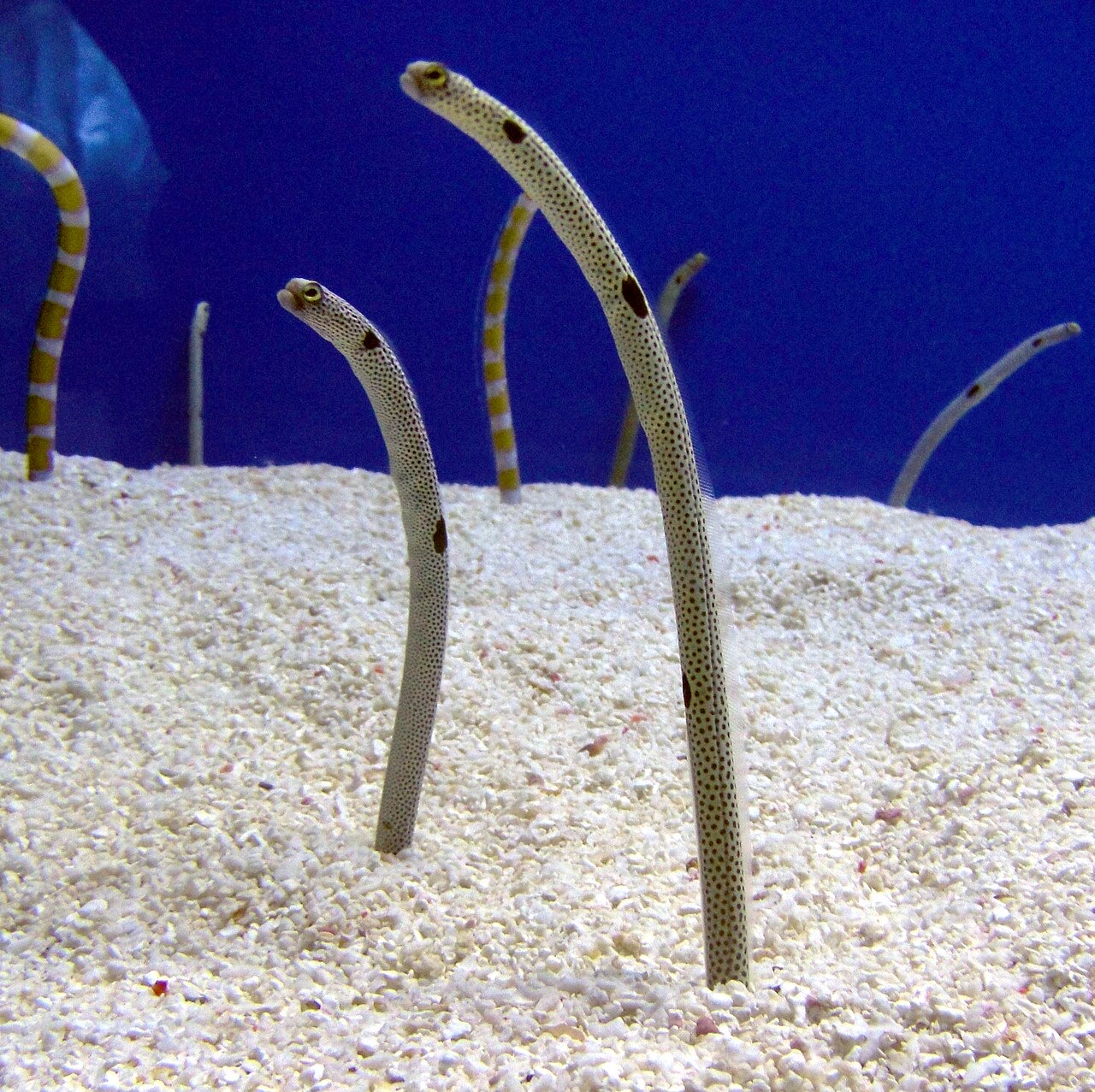
Garden Eel
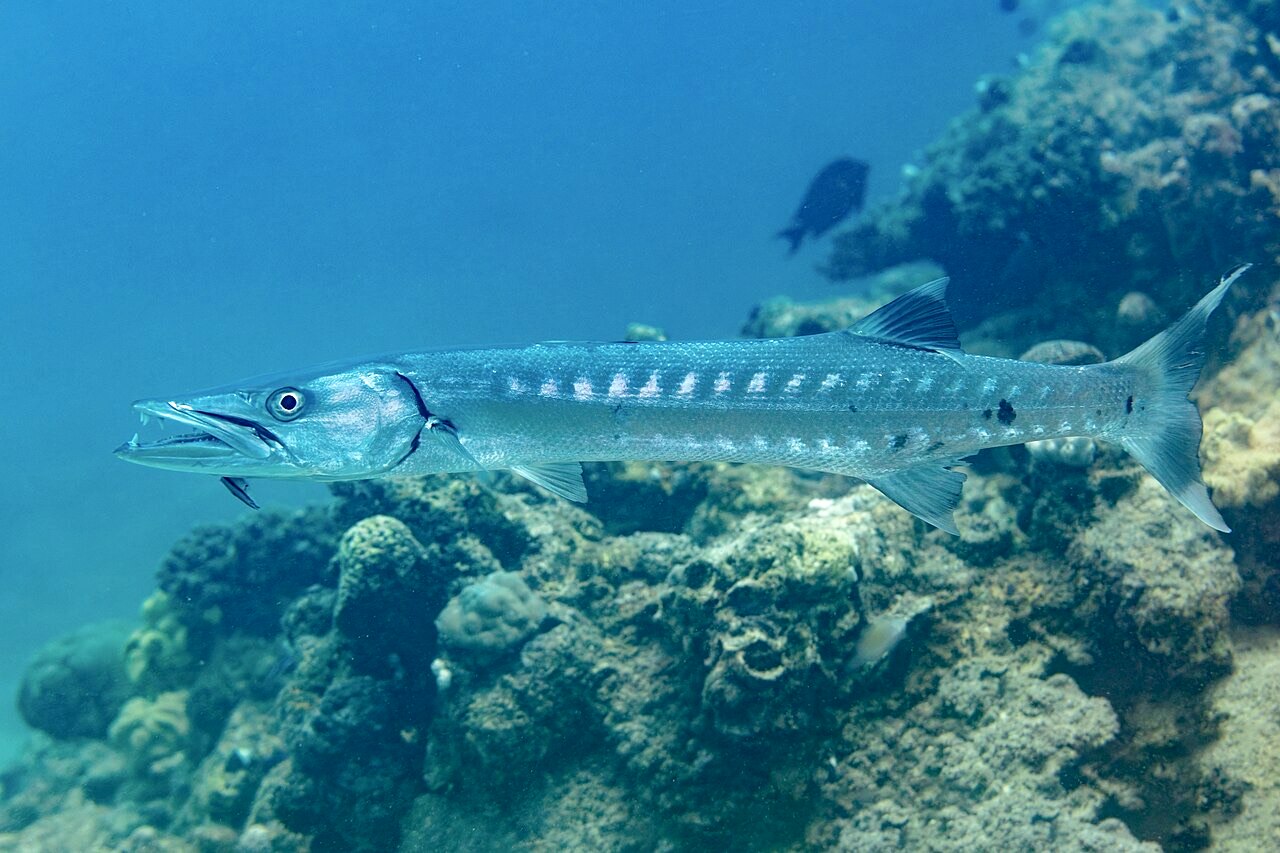
Great Barracuda
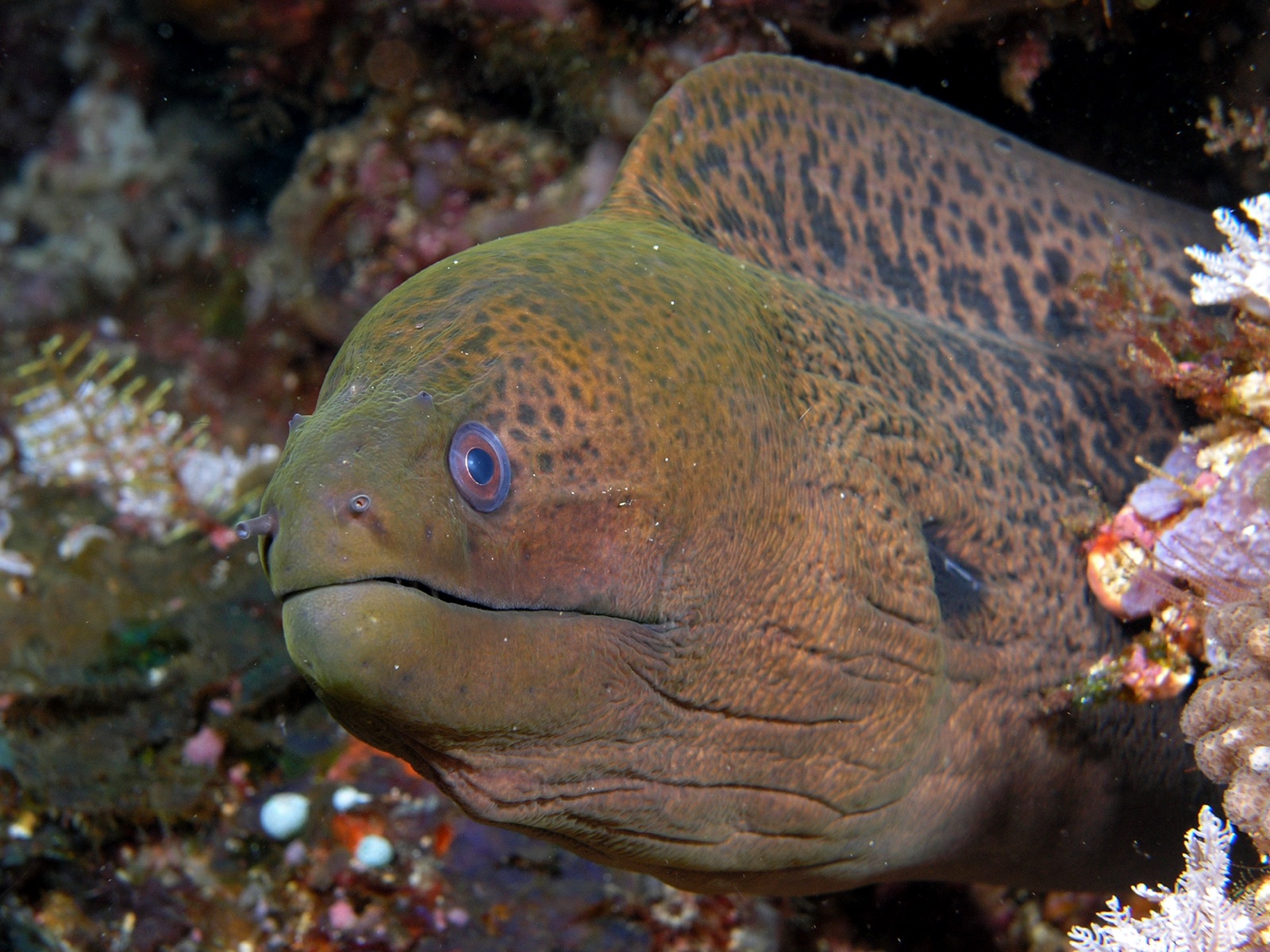
Giant Moray Eel
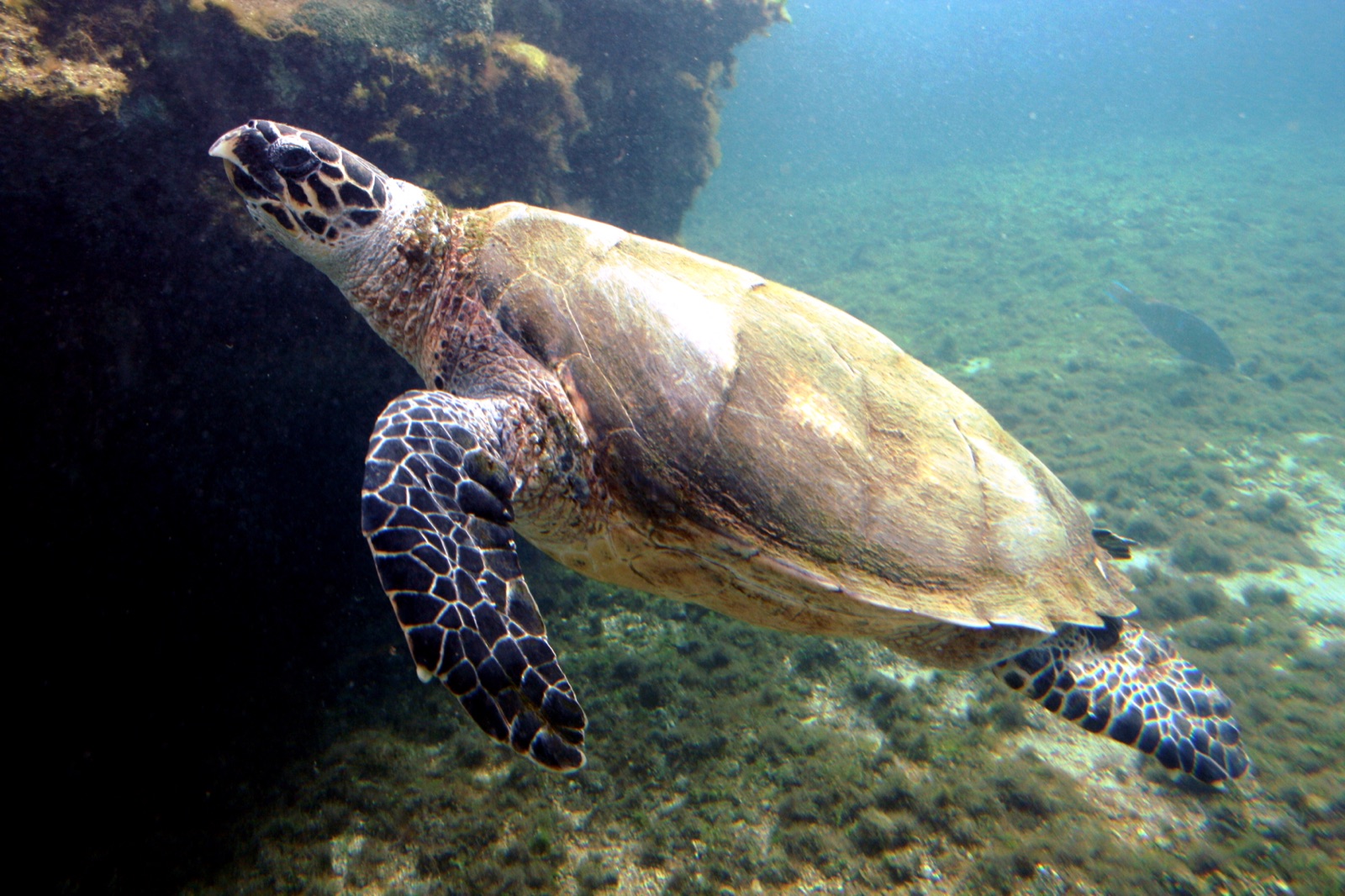
Hawksbill Turtle
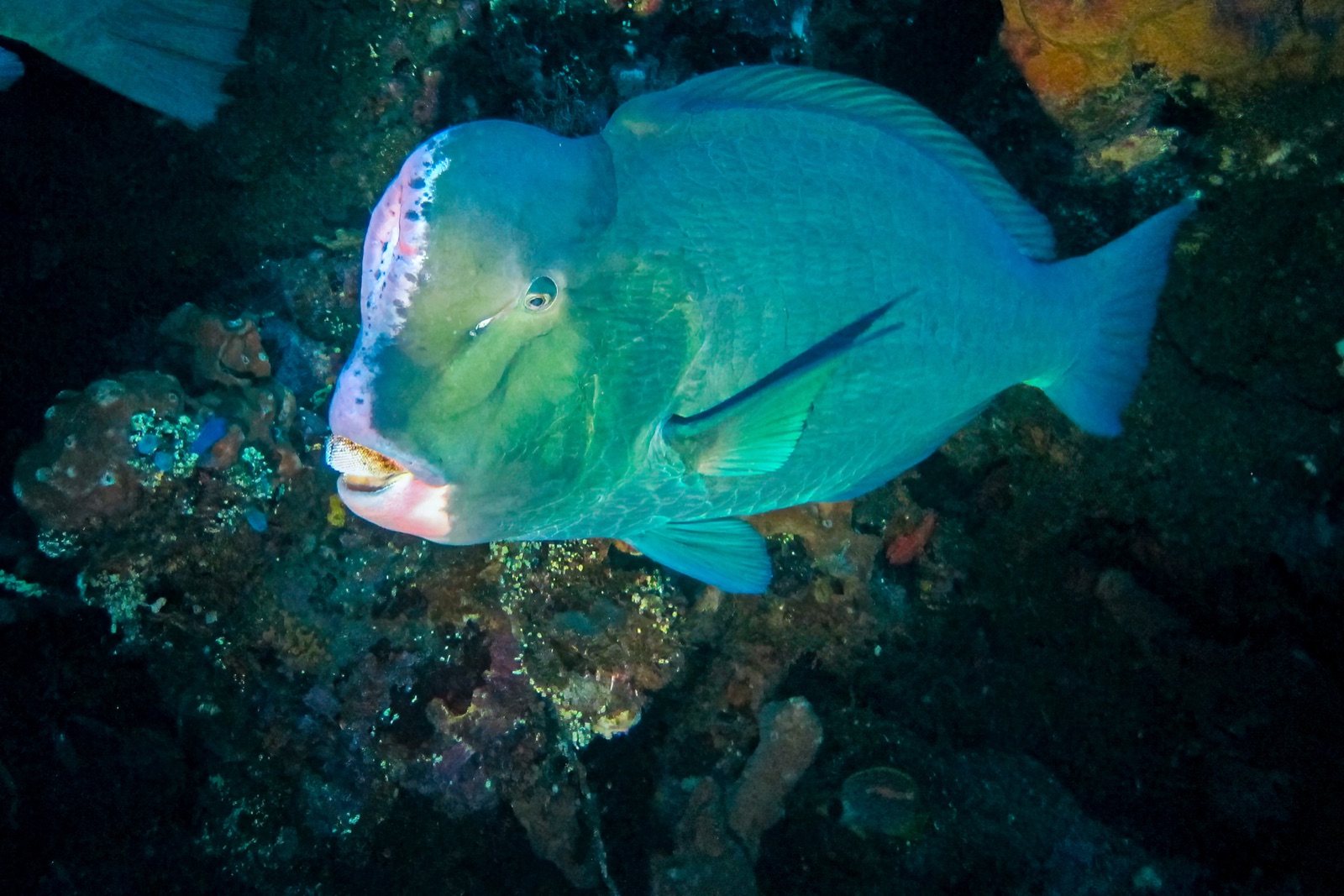
Bumphead Parrotfish
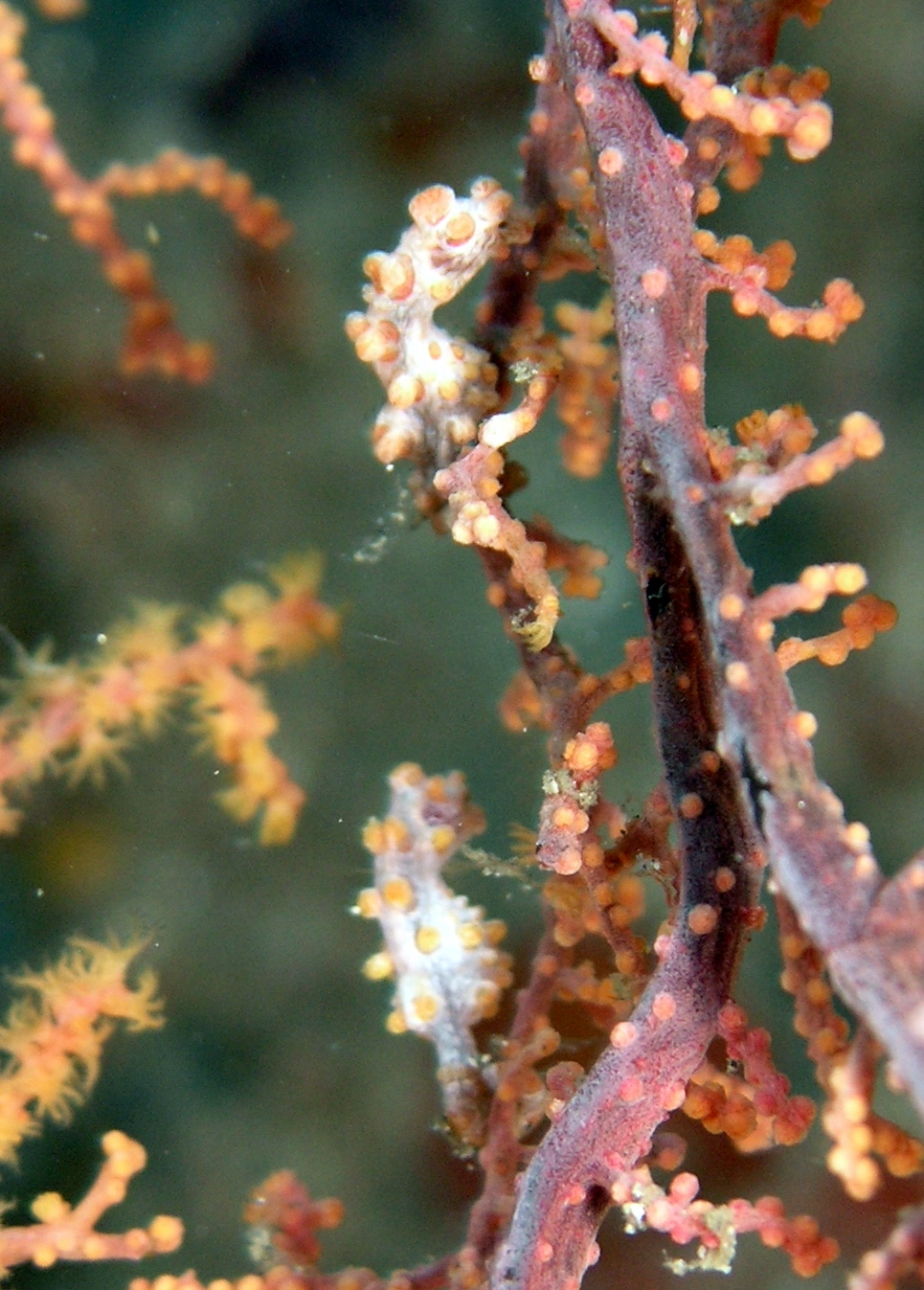
Pygmy Seahorse
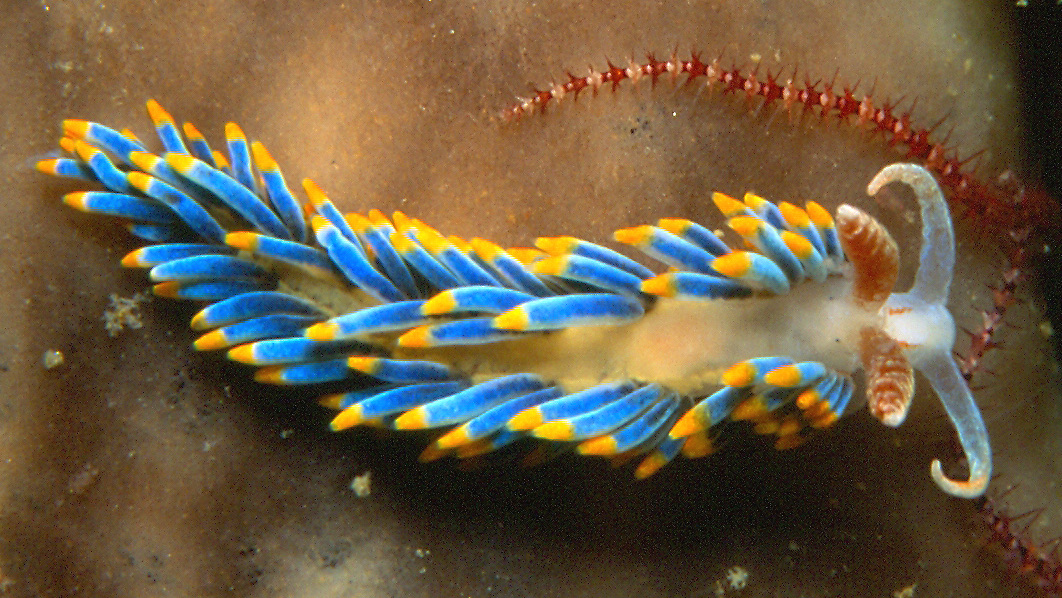
Nudibranchs
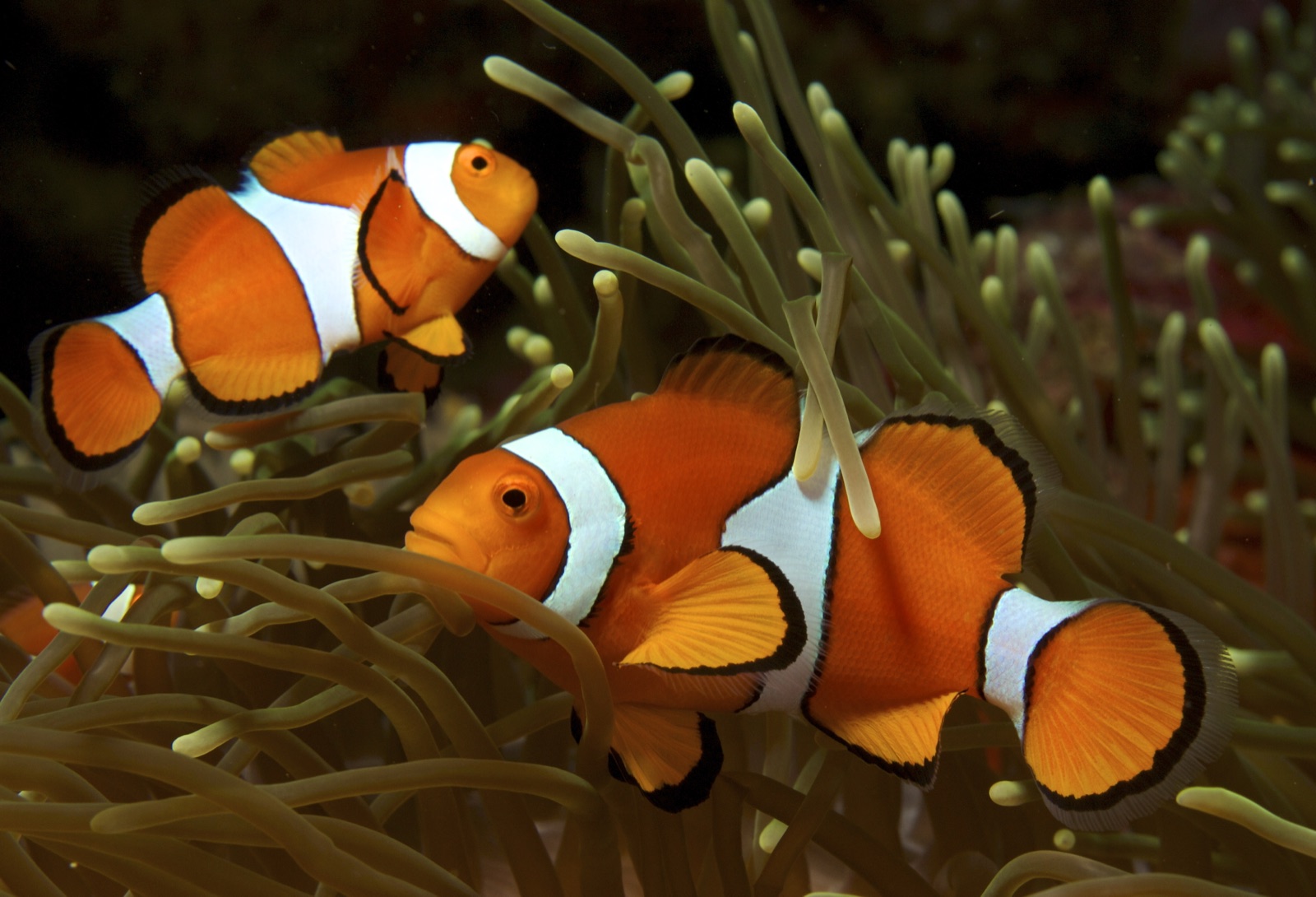
Clownfish & Anemonefish
Registrate anche nelle vicinanze
Le specie "schedate qui" sono state inserite dai nostri redattori a partire dalle fonti indicate in questa pagina. I conteggi sono record di occorrenza GBIF: osservazioni registrate entro circa 5 km dalla posizione indicata in carta a partire dal 1990, confrontate esclusivamente con le specie presenti nel nostro catalogo. Mostrano ciò che è stato avvistato in quel luogo, non una garanzia di ciò che vedrete.
Per i fotografi
Grandangolo: ★★★★★ · Macro: ★★★★☆ (valutazione da 1 a 5 dei redattori su ciò che questo sito offre per ogni stile di ripresa)