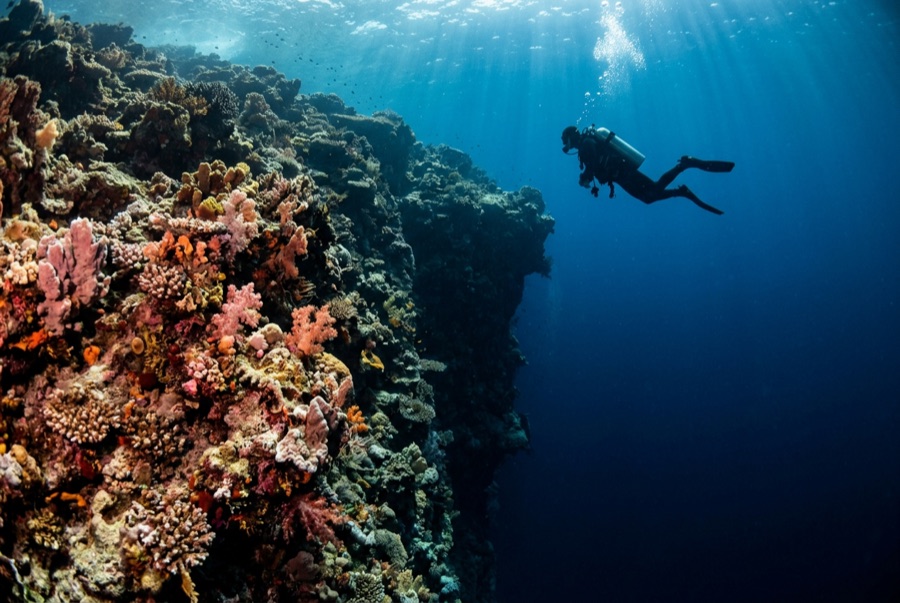
Koh Bon West Ridge
Die Tiefe gibt den Bereich von der Oberkante des Tauchplatzes bis zur üblichen Maximaltiefe an; „empfohlene Zertifizierung" ist das von Anbietern üblicherweise geforderte Mainstream-Agenturniveau – keine gesetzliche Vorschrift. Strömungen und Sichtweite ändern sich täglich – behandle alle Angaben hier als Planungsbereiche.
Koh Bon's western ridge is Thailand's most reliable manta station. The limestone spur steps down from the island to a nose at around 18-25 m where cleaning stations operate, and reef mantas arrive on their own schedule to bank in slow circles overhead, sometimes one, sometimes a squadron that stays the whole dive. Etiquette is drilled: hold the reef side, stay low, let the animals run the geometry. Manta-less days still pay in yellow soft coral on the ridge's north face, octopus in the rubble, and napoleon wrasse cruising the steps. Liveaboards revisit until the mantas oblige.
Der Moment, für den du kommst: Reef mantas at cleaning stations, a diveable ridge line in all currents, repeat-visit rhythm
Topografie: Limestone ridge stepping down to a deep point
Strömung: The ridge nose catches flow from both sides; mantas prefer it that way.
Was du wissen solltest, bevor du ins Wasser gehst
Gefahren: Current at the nose and depth creep following mantas off the ridge.
Naturschutz: Cleaning stations fail when divers crowd them; the low-and-still protocol is enforced by every good crew.
Nitrox: Hier lohnt es sich – die Profile liegen in einem Bereich, in dem Nitrox die Nullzeiten spürbar verlängert (mit der entsprechenden Ausbildung).
Wen du triffst
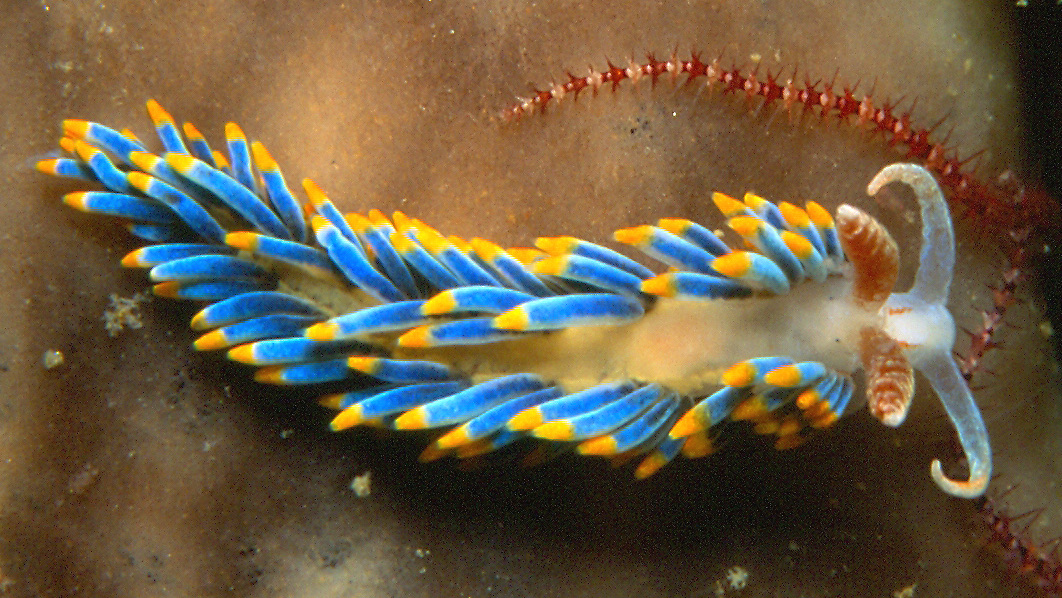
Nudibranchs
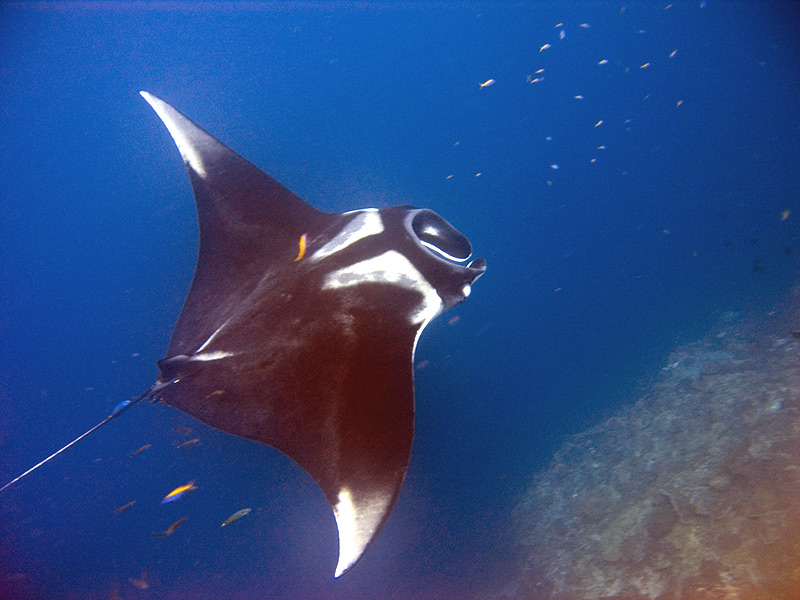
Oceanic Manta Ray
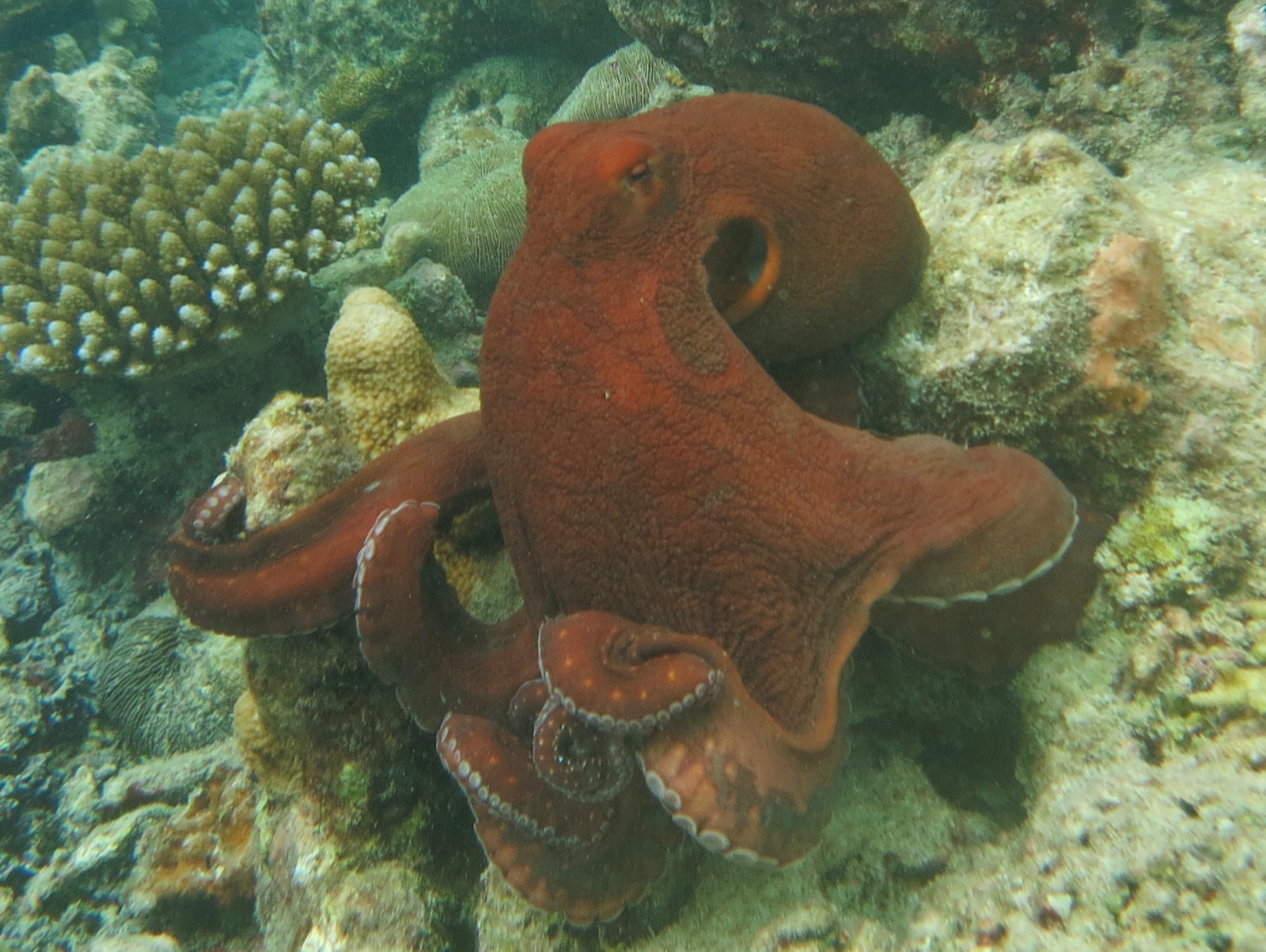
Common Reef (Day) Octopus
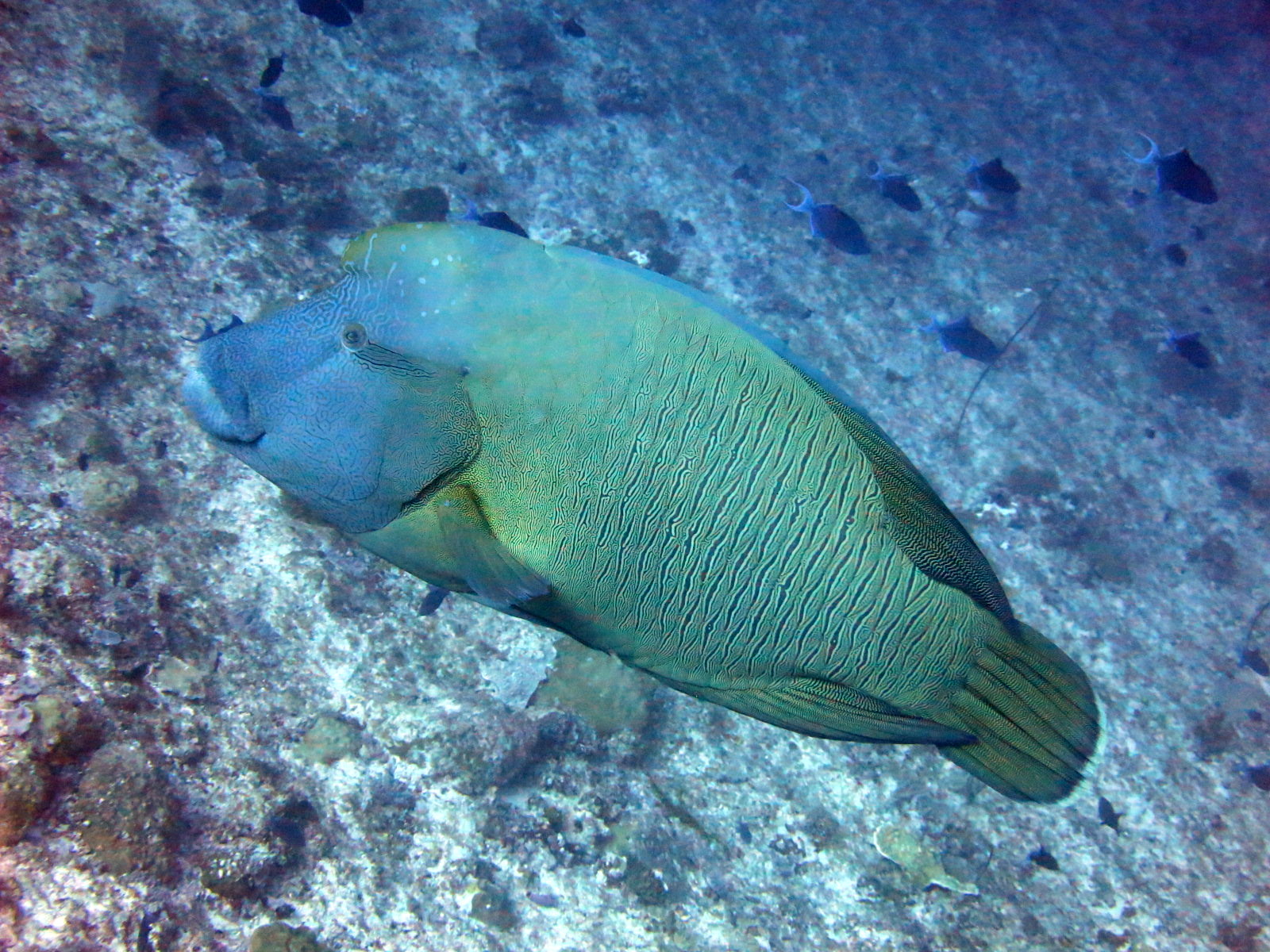
Napoleon (Humphead) Wrasse
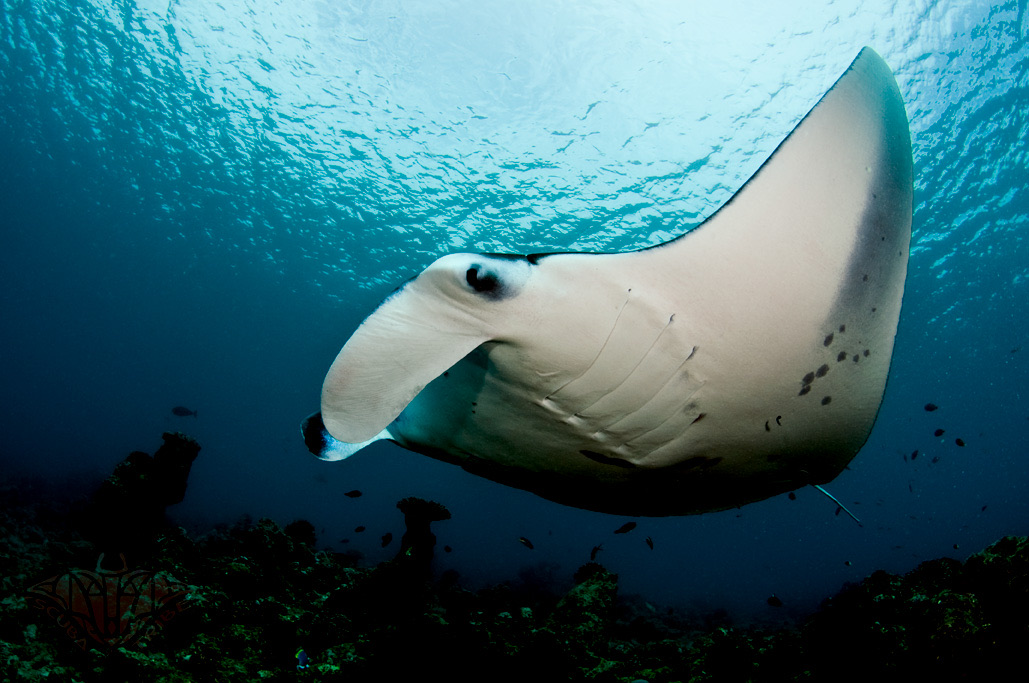
Reef Manta Ray
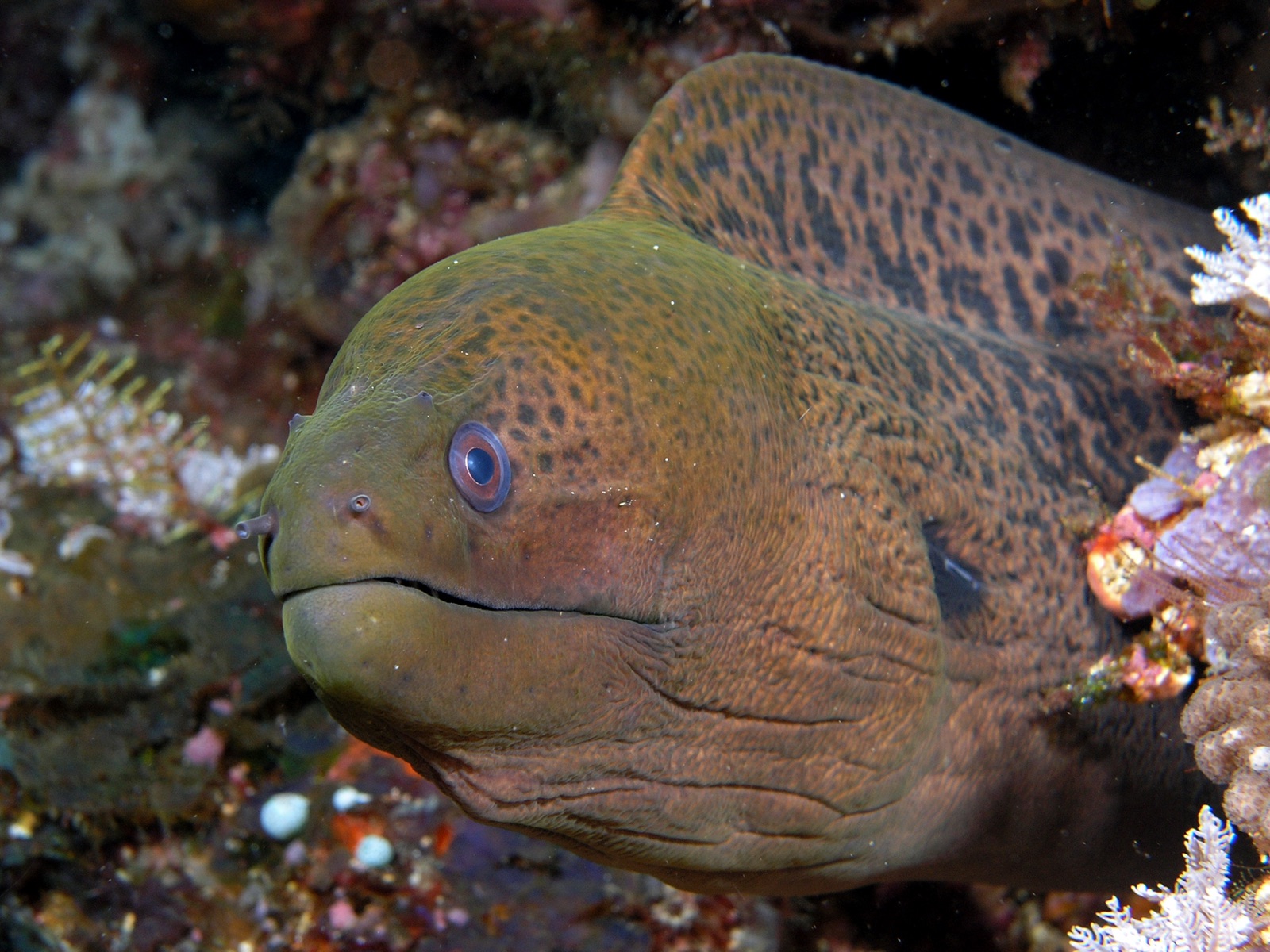
Giant Moray Eel
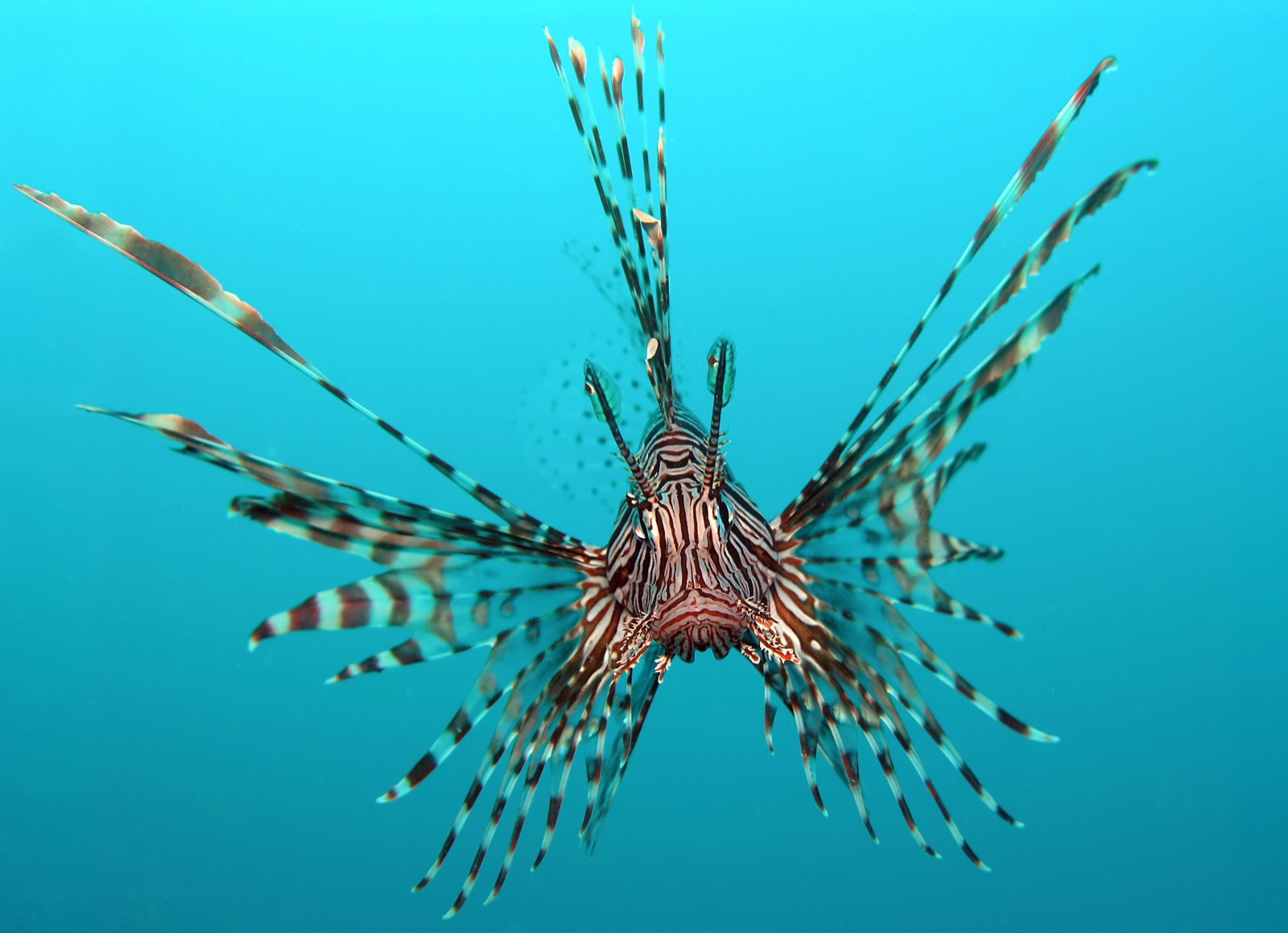
Lionfish
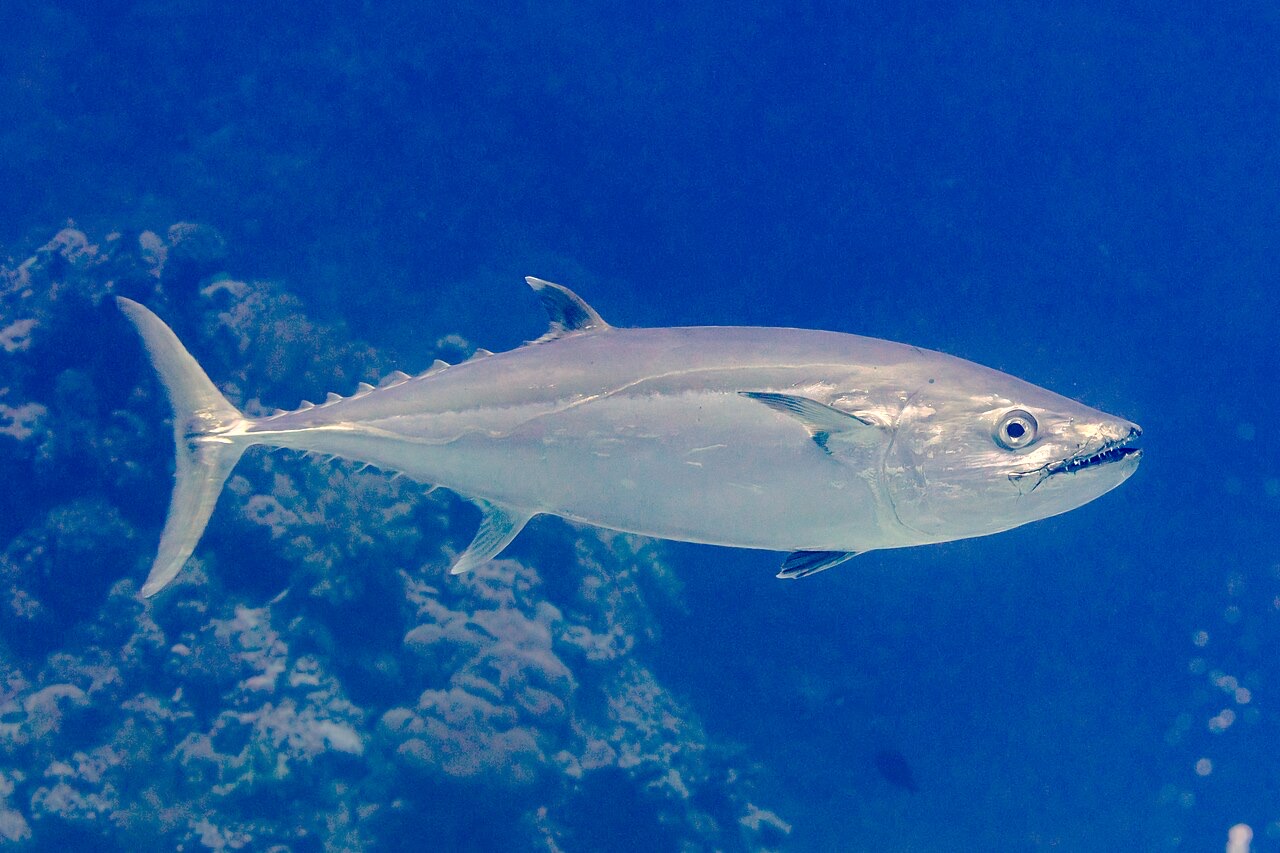
Dogtooth Tuna
Auch in der Nähe nachgewiesen
„Hier kartiert" – Arten wurden von unseren Redakteuren anhand der Quellen auf dieser Seite erfasst. Die Zahlen sind GBIF-Vorkommensdatensätze: Beobachtungen, die seit 1990 im Umkreis von etwa 5 km um die kartierte Position protokolliert wurden, ausschließlich abgeglichen mit den Arten in unserem Katalog. Sie zeigen, was dort gesichtet wurde – keine Garantie, was du sehen wirst.
Für Fotografen
Weitwinkel: ★★★★★ · Makro: ★★☆☆☆ (Redaktionelle 1–5-Bewertung, was dieser Platz für jeden Fotografie-Stil bietet)