Japanese Gardens
La profondeur correspond à la plage allant du sommet du site jusqu'à son maximum habituel ; le « niveau recommandé » est le niveau demandé en général par les opérateurs auprès des grandes agences, pas une règle légale. Les courants et la visibilité varient chaque jour, traitez donc tout cela comme des plages indicatives de planification.
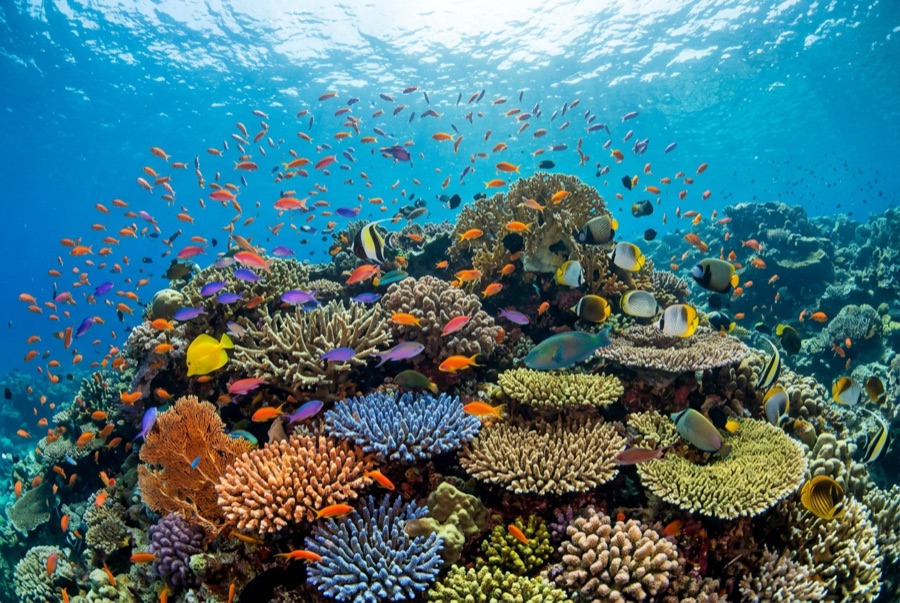
Sheltered by Koh Nang Yuan's triple islets, Japanese Gardens is the calm, bright nursery where a remarkable share of the world's divers blew their first underwater bubbles. The slope arranges itself politely: fields of branching and brain coral studded with Christmas tree worms, wrasse and damselfish at eye level, butterflyfish pairs on patrol, juvenile angelfish in the rubble, and green turtles that drift through class formations with celebrity effect. Depth barely reaches 16 m and current rarely registers, so skills happen on sand patches while snorkelers float overhead. It is diving with the training wheels visible, and prettier than it has any obligation to be.
Le moment pour lequel vous venez: First-dive calm, healthy shallow coral, turtle flybys through training classes
Topographie: Gently sloping hard-coral garden on sand
Entrée: On the sheltered east side of Koh Nang Yuan's sandbar; reached by boat or as a shore dive from the islet, which charges a landing fee.
À savoir avant de plonger
Dangers: Swimmer and longtail traffic off the sandbar; sunburn ranks above everything else.
Conservation: Enormous beginner volume concentrates here; instructors drilling fin control before coral contact is the site's real conservation program.
Qui vous croiserez
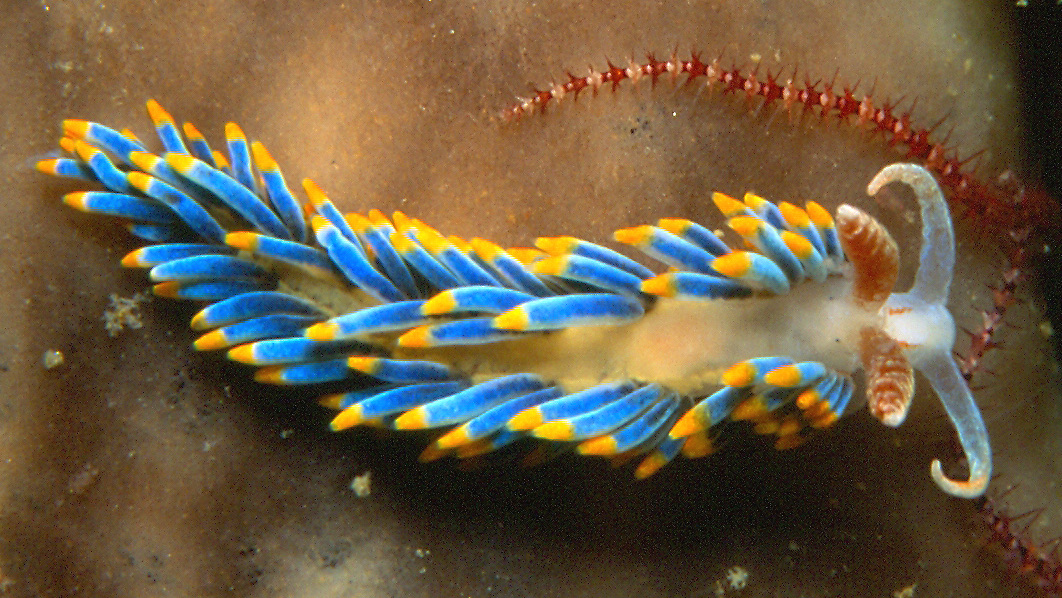
Nudibranchs
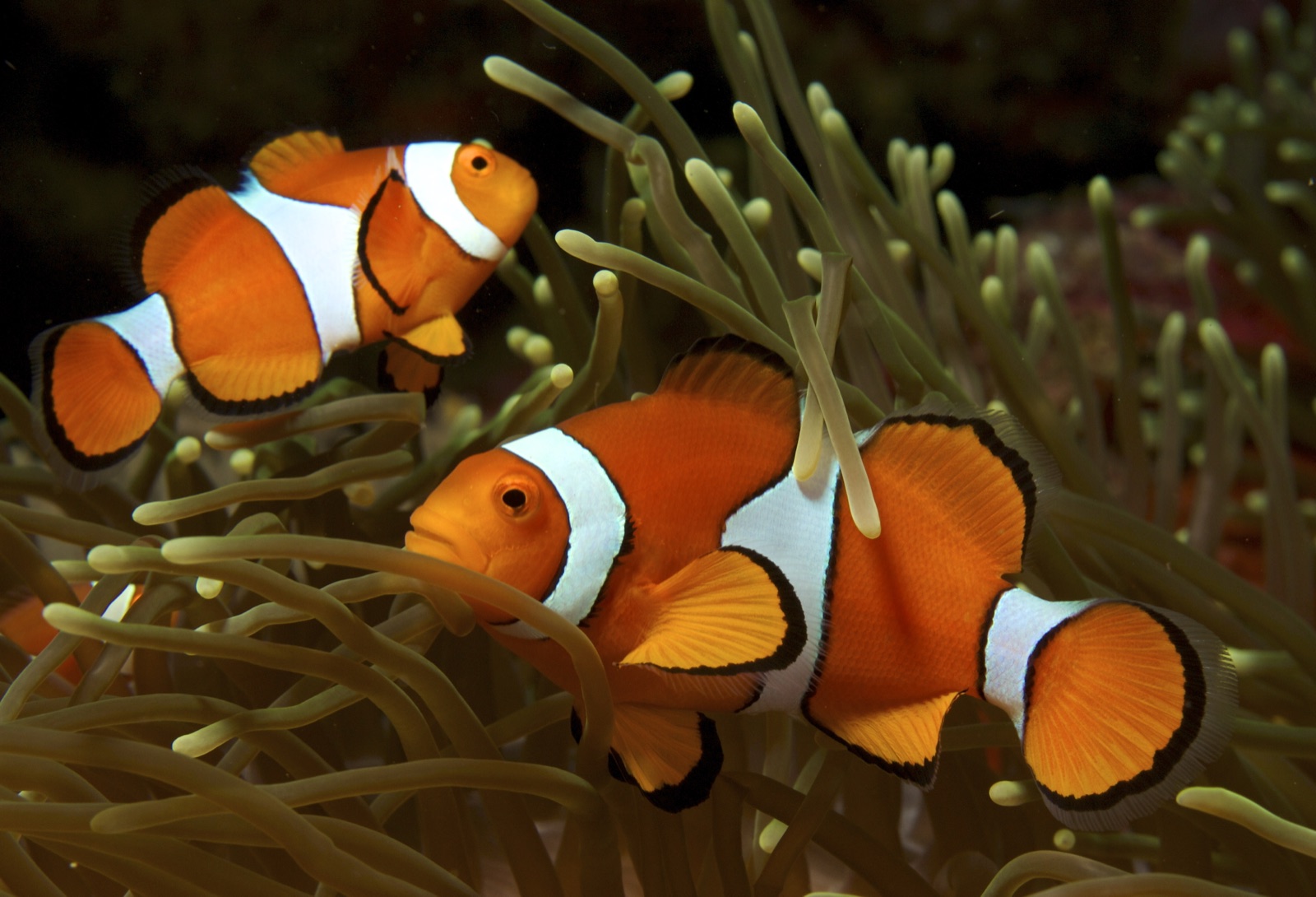
Clownfish & Anemonefish
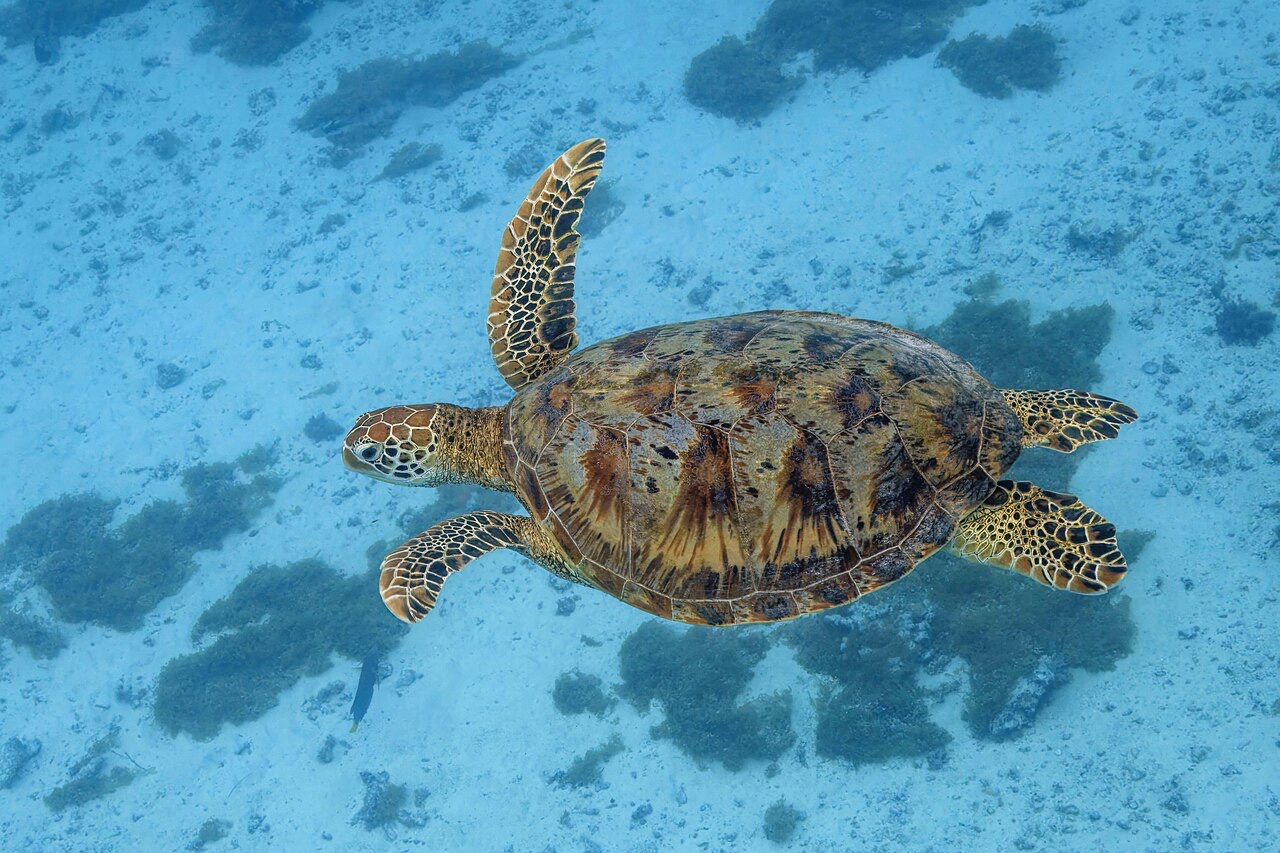
Green Sea Turtle
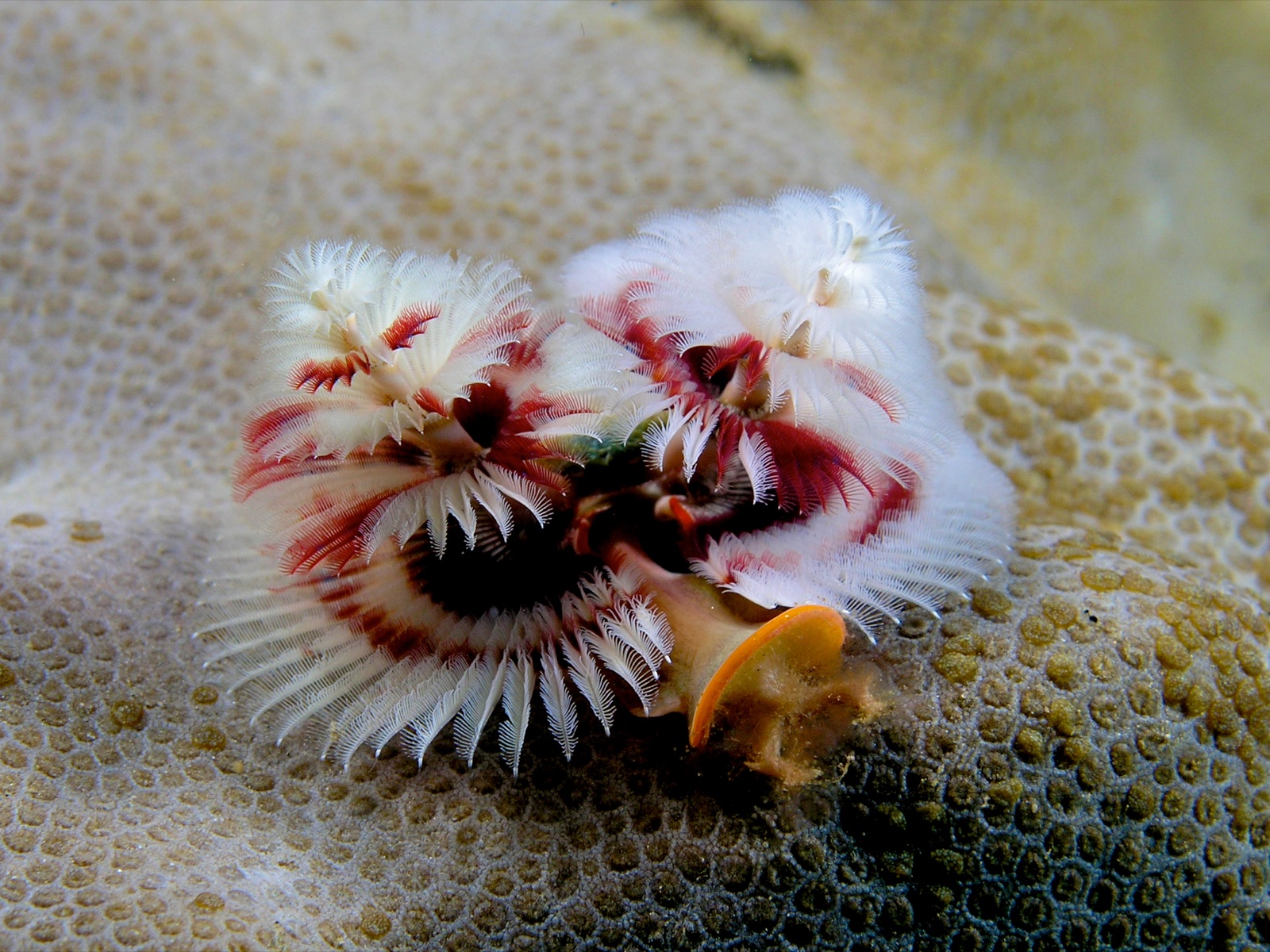
Christmas Tree Worm
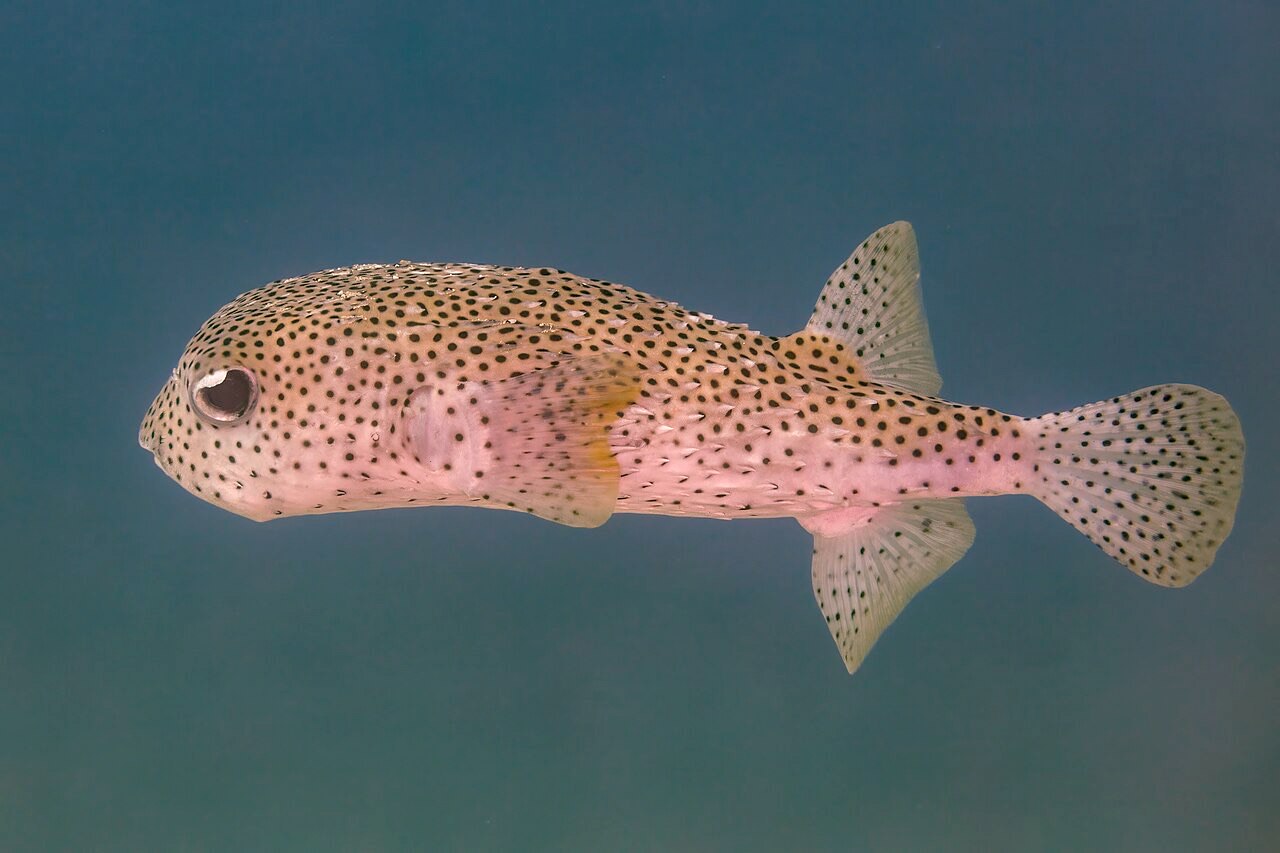
Porcupinefish
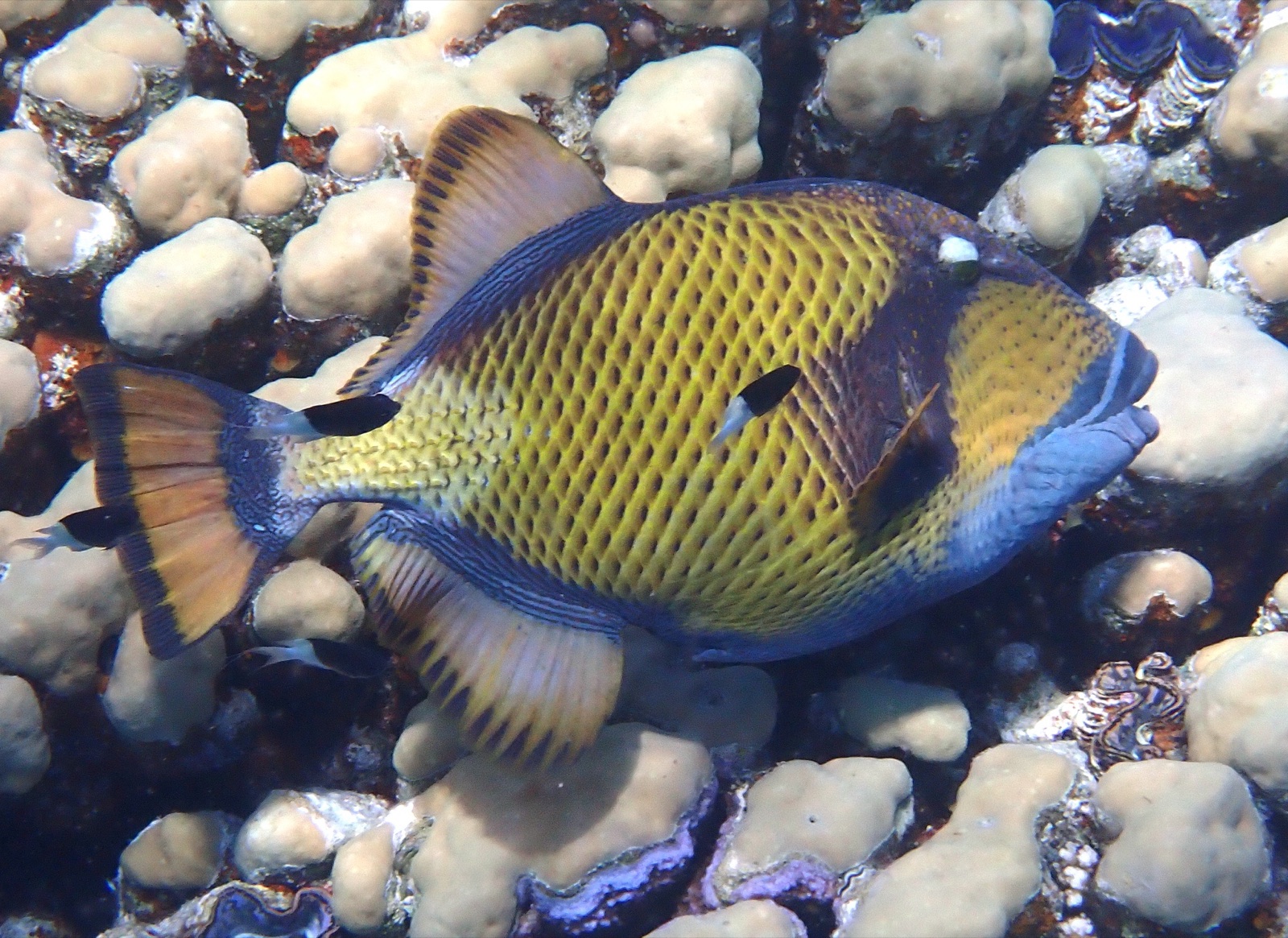
Titan Triggerfish
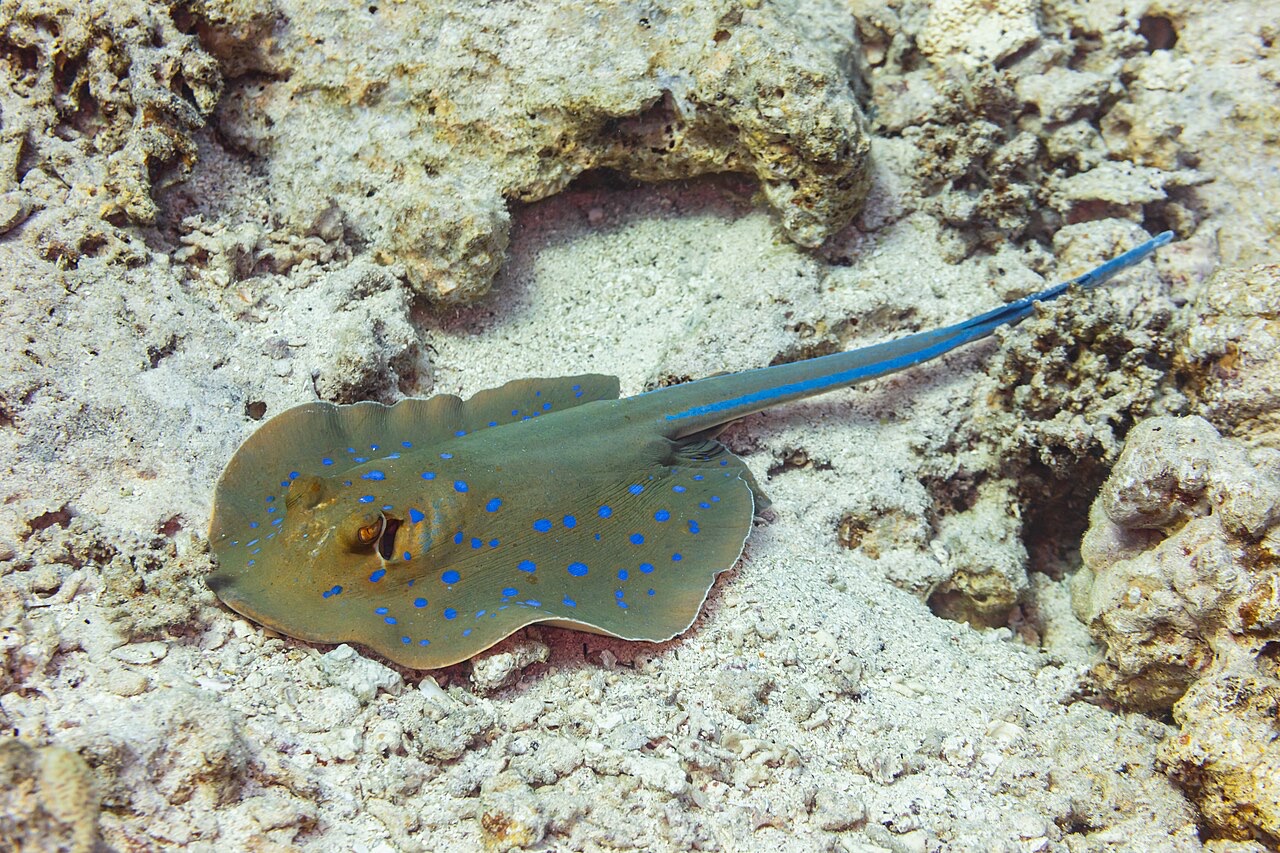
Blue-Spotted Ribbontail Ray
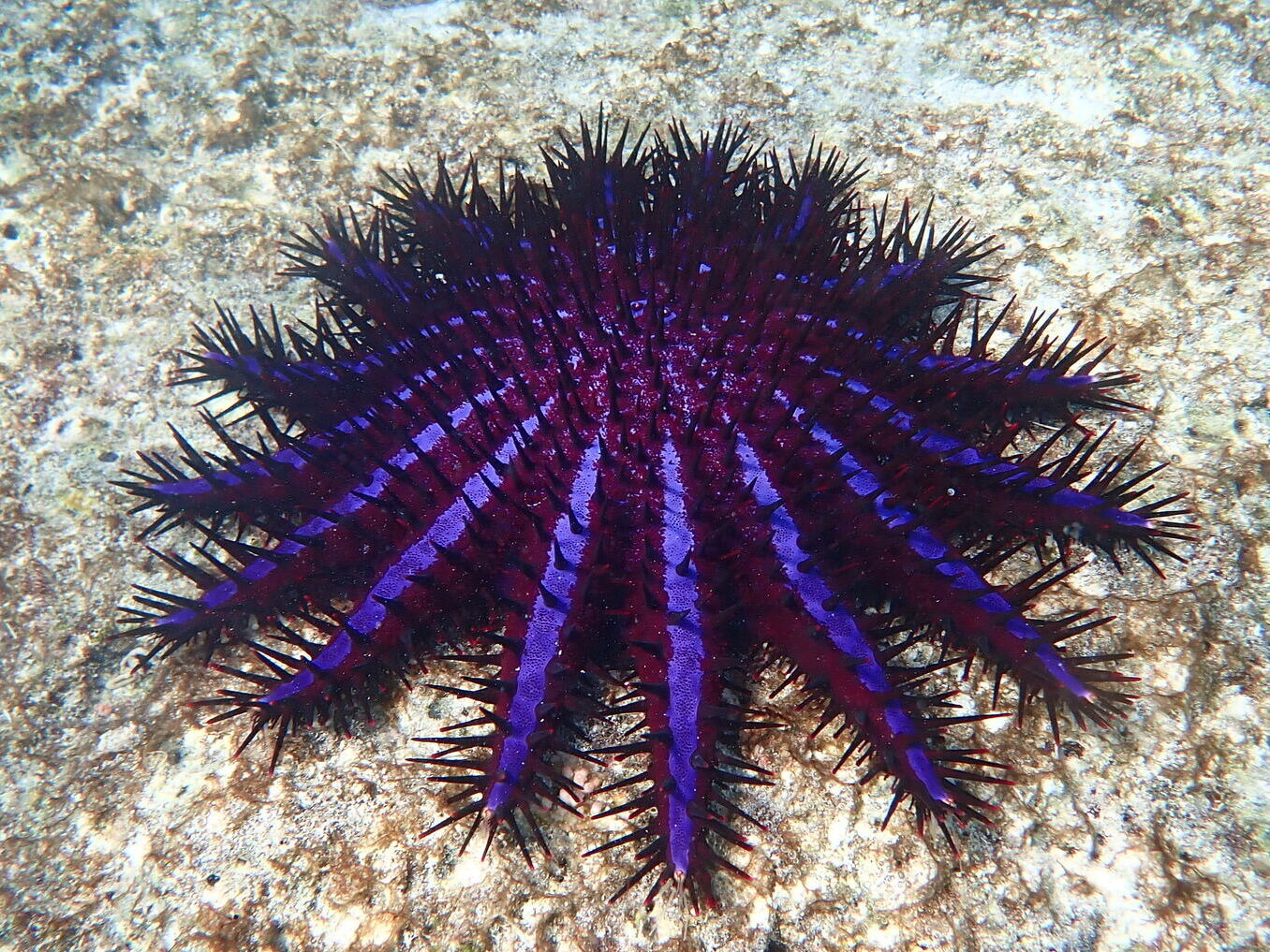
Crown-of-Thorns Starfish
Également observé à proximité
Les espèces « cartographiées ici » ont été répertoriées par nos éditeurs à partir des sources indiquées sur cette page. Les comptages correspondent aux occurrences GBIF : observations enregistrées dans un rayon d'environ 5 km autour de la position cartographiée depuis 1990, comparées uniquement aux espèces de notre catalogue. Ils indiquent ce qui a été observé à cet endroit, sans garantir ce que vous y verrez.
Pour les photographes
Grand angle: ★★★☆☆ · Macro: ★★★☆☆ (note 1–5 des éditeurs sur ce que ce site offre à chaque style de prise de vue)