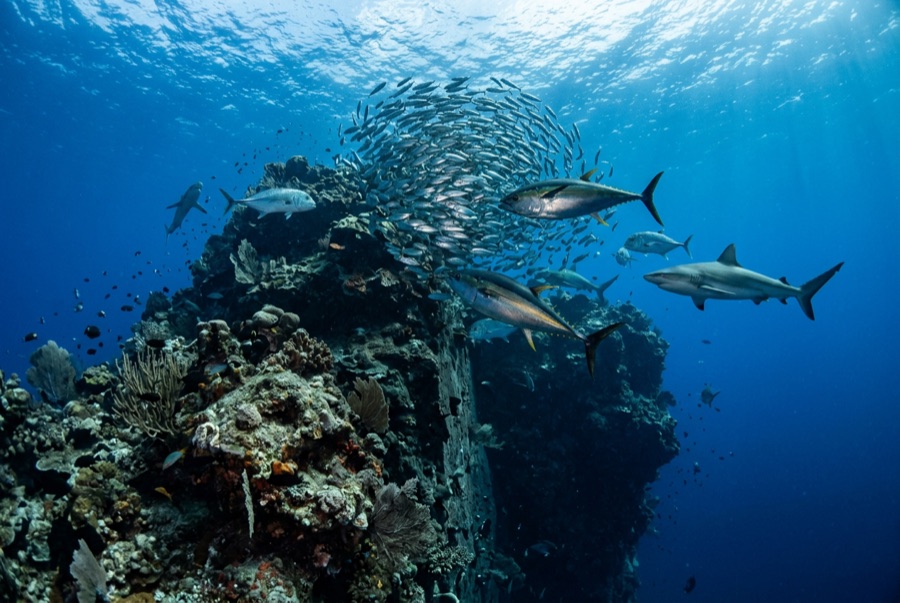
Crystal Rock
Die Tiefe gibt den Bereich von der Oberkante des Tauchplatzes bis zur üblichen Maximaltiefe an; „empfohlene Zertifizierung" ist das von Anbietern üblicherweise geforderte Mainstream-Agenturniveau – keine gesetzliche Vorschrift. Strömungen und Sichtweite ändern sich täglich – behandle alle Angaben hier als Planungsbereiche.
Crystal Rock earns its name on calm mid-year mornings when the water over its shoulders turns to glass. The pinnacle's tip shows at low tide; underneath, soft corals in orange and yellow crowd the current-facing faces, and a saddle runs across to a deeper satellite mound where sharks and dogtooth tuna hold station. Sweetlips and snapper bunch under the overhangs, turtles chew through the shallows, and eagle rays pass occasionally on the tide. It offers a touch more coral color than its neighbor Castle Rock and the same predatory traffic, so liveaboards commonly dive both in a morning. The window between too little current and too much is where this site does its best work.
Der Moment, für den du kommst: Vividly clear water in season; soft-coral faces; tuna and sharks on the deep saddle.
Topografie: Rock pinnacle breaking the surface at low water, with a satellite mound and coral saddles below.
Strömung: Same tidal engine as Castle Rock next door; slack-window timing changes the dive completely.
Was du wissen solltest, bevor du ins Wasser gehst
Gefahren: Current over exposed rock, surge in the shallows near the tip, and the usual northern-Komodo demand for tide-table discipline.
Nitrox: Hier lohnt es sich – die Profile liegen in einem Bereich, in dem Nitrox die Nullzeiten spürbar verlängert (mit der entsprechenden Ausbildung).
Wen du triffst
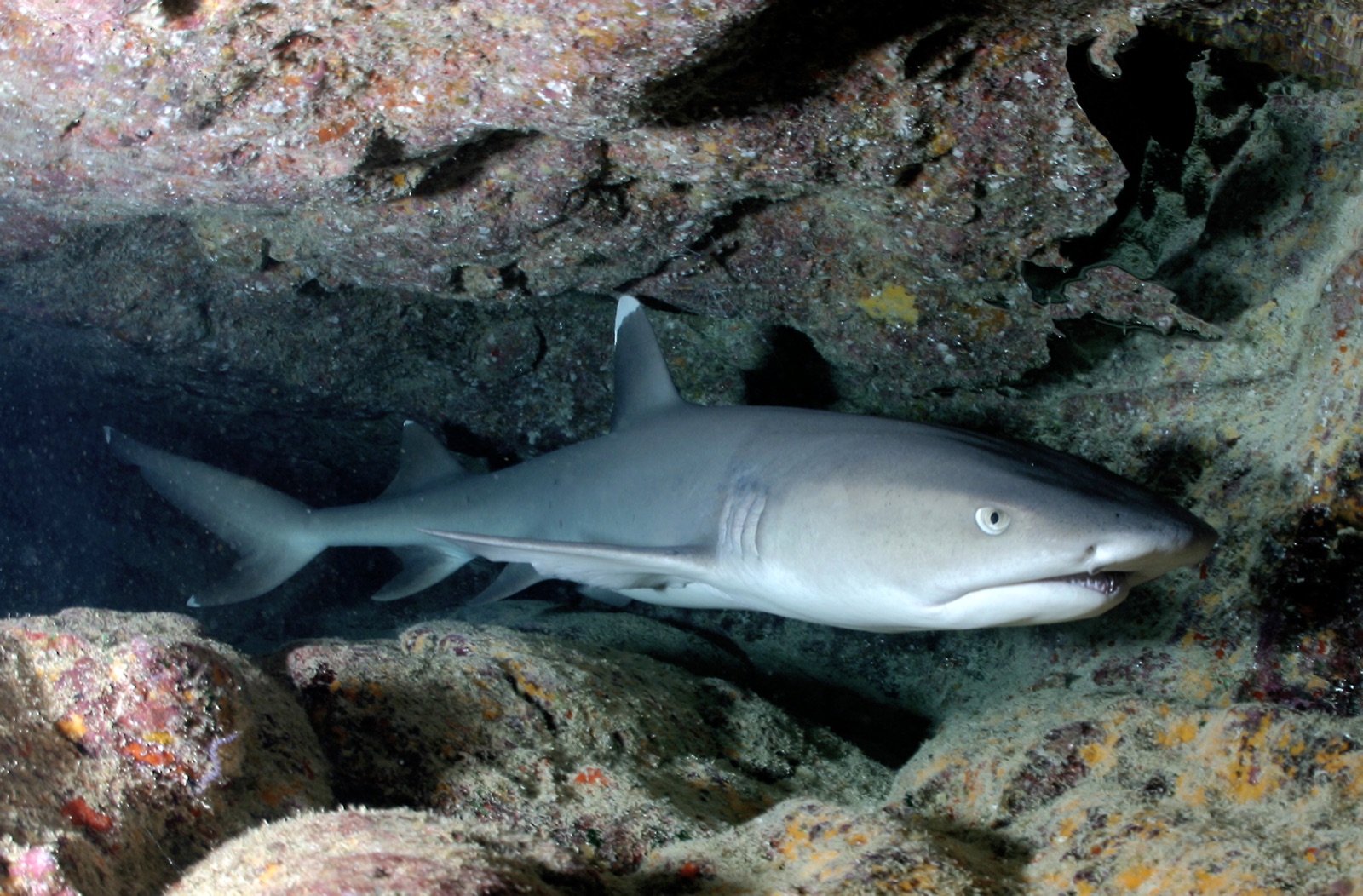
Whitetip Reef Shark
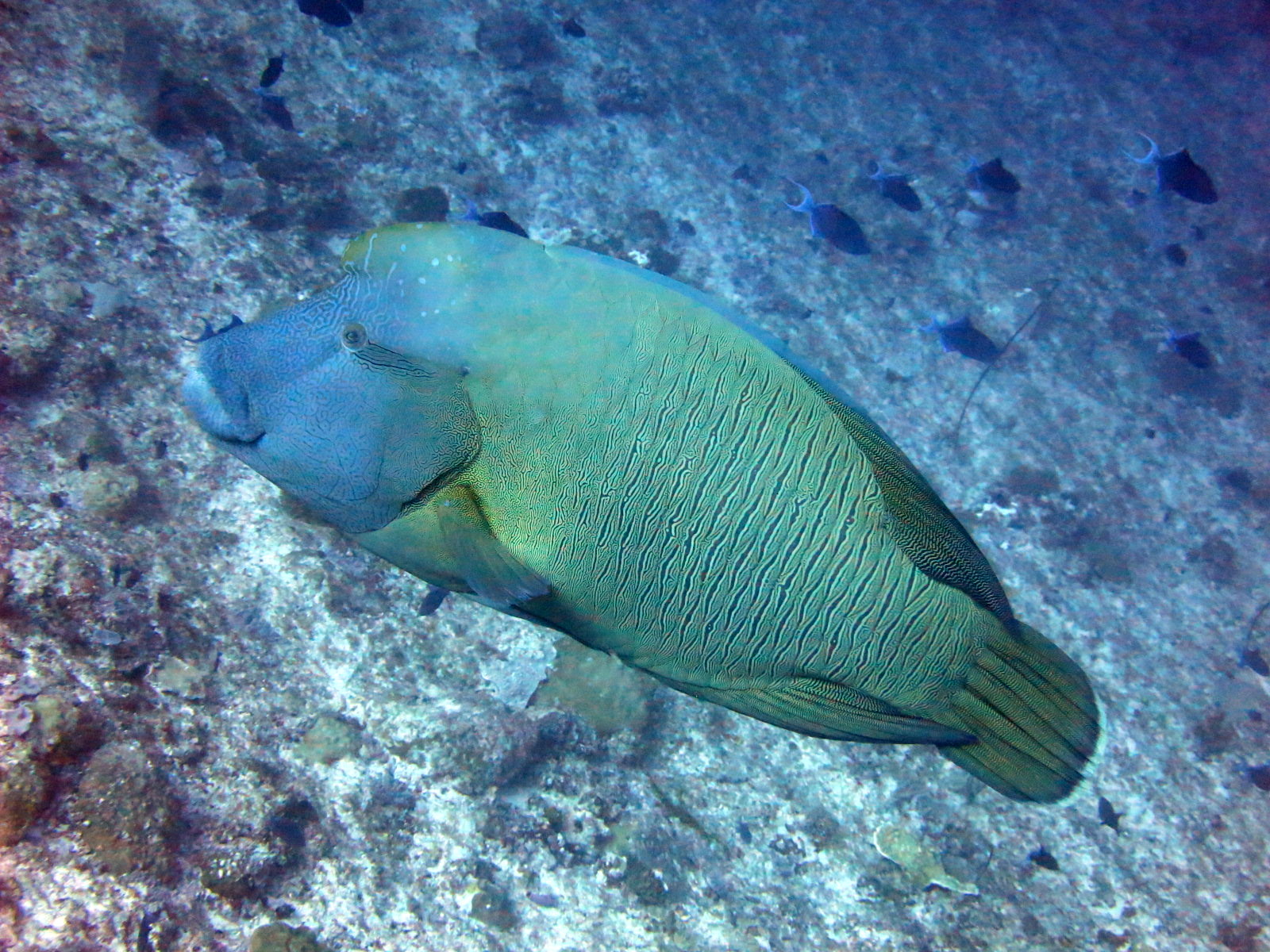
Napoleon (Humphead) Wrasse
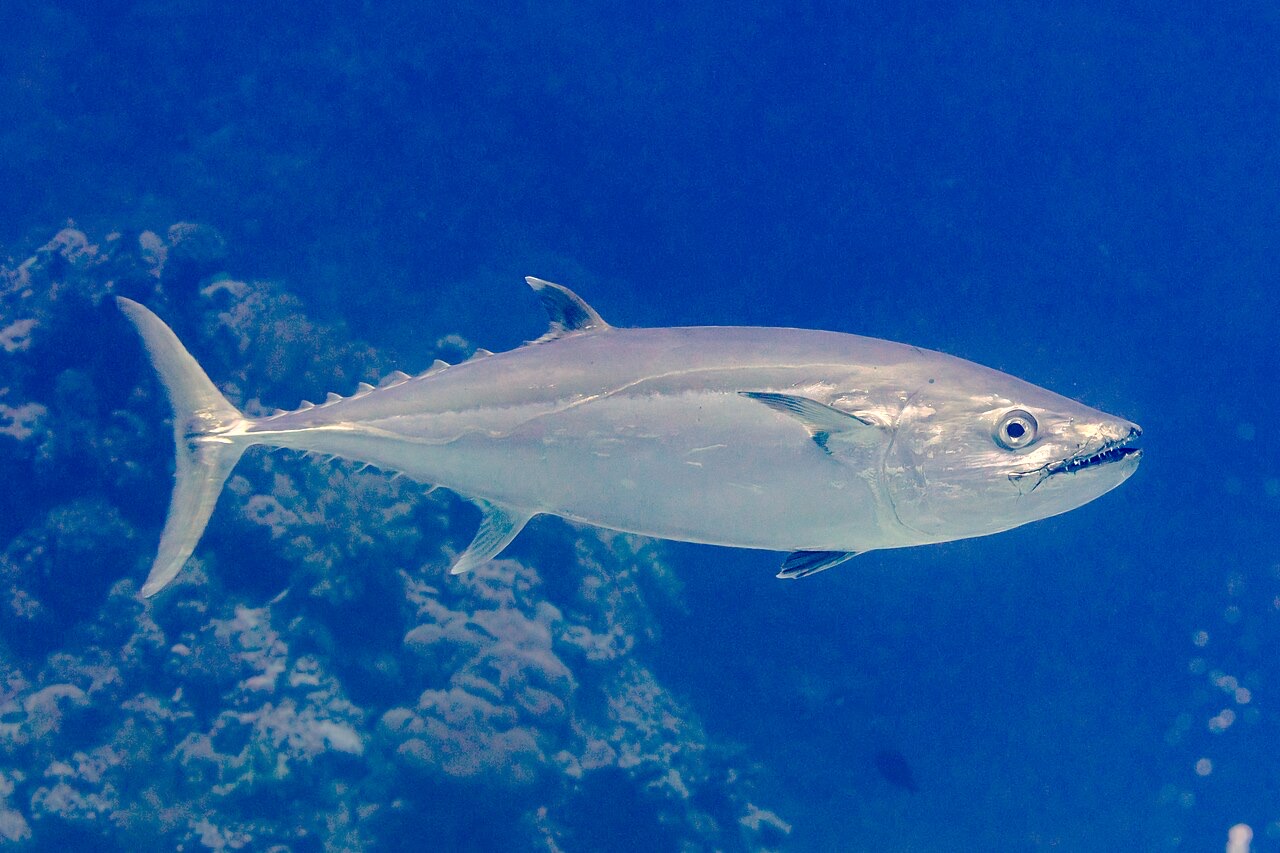
Dogtooth Tuna
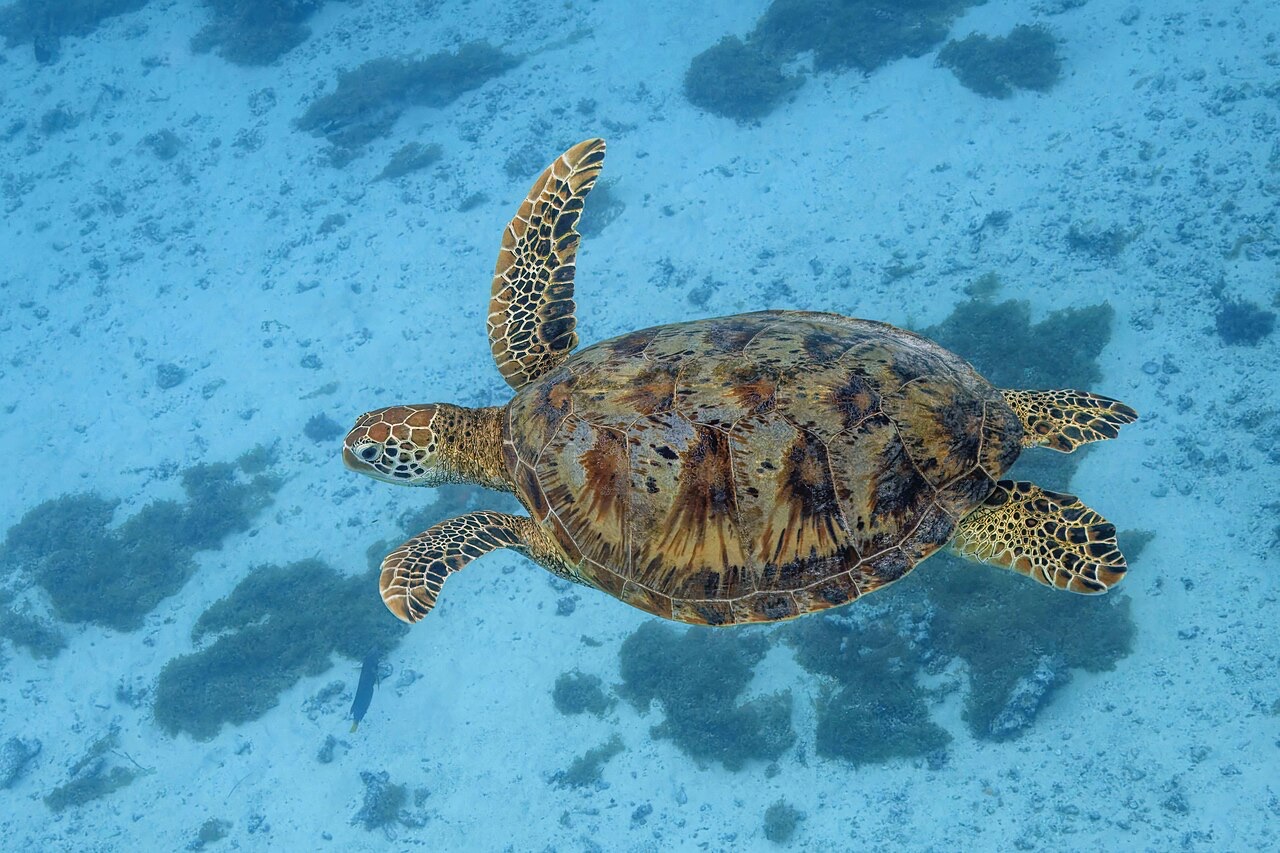
Green Sea Turtle
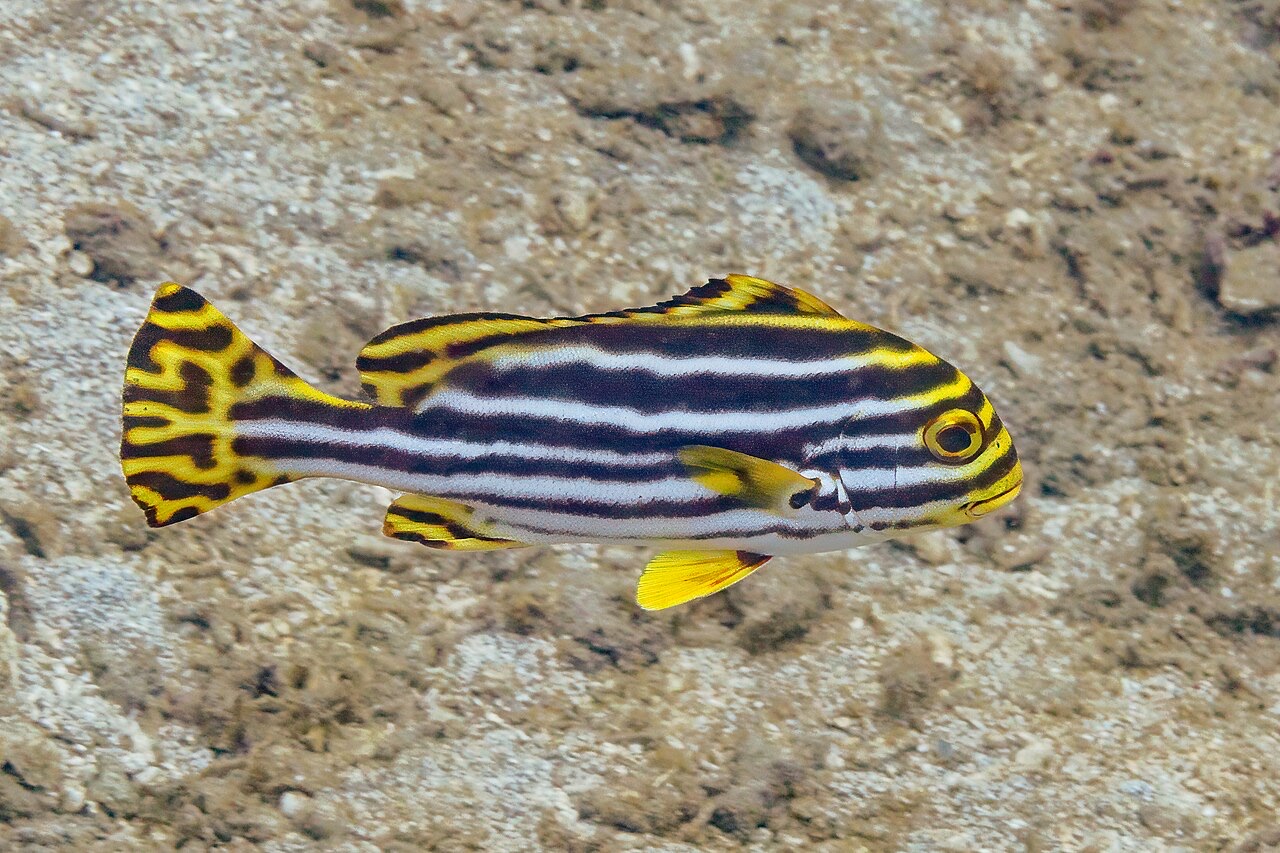
Oriental Sweetlips
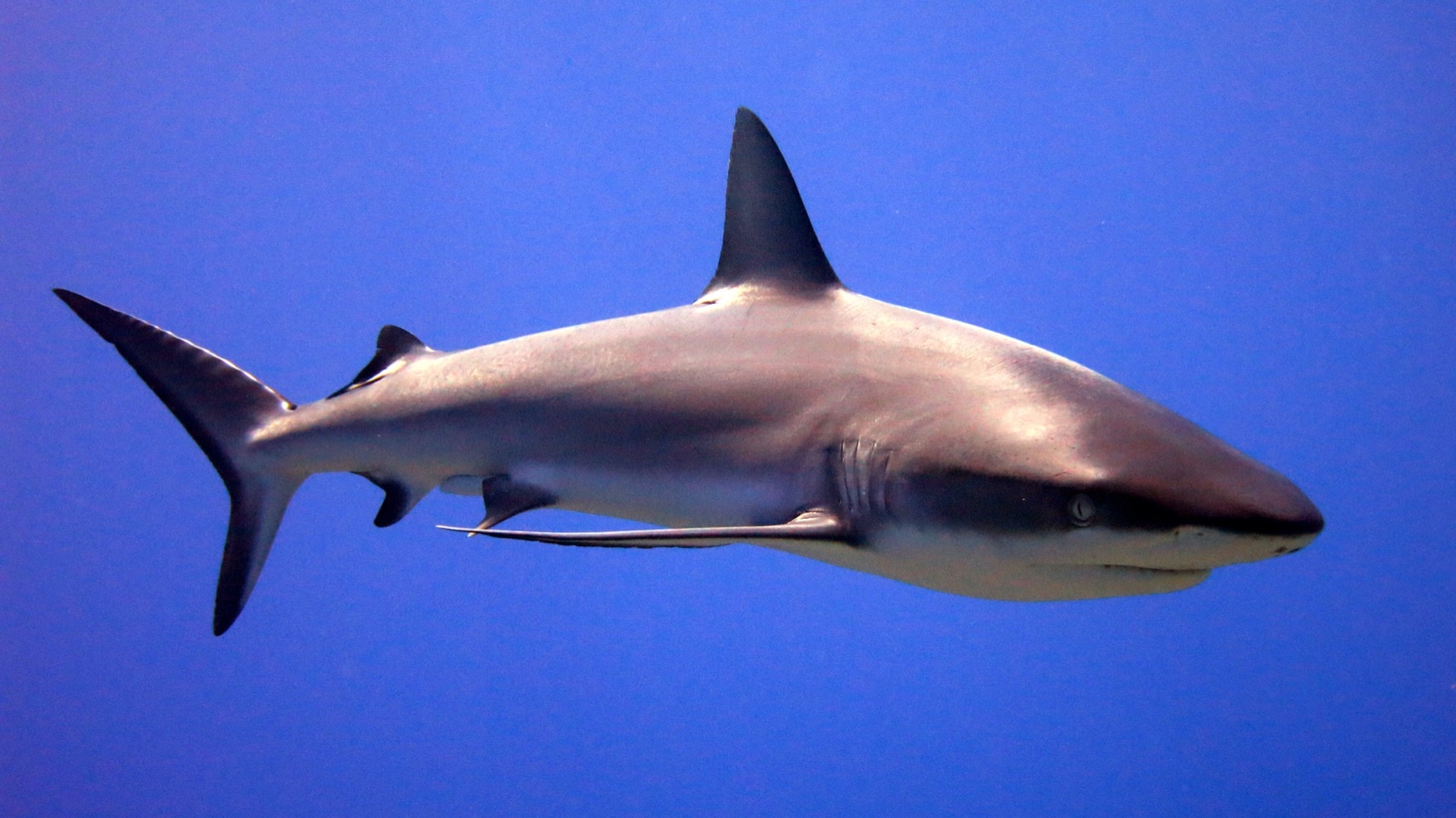
Grey Reef Shark
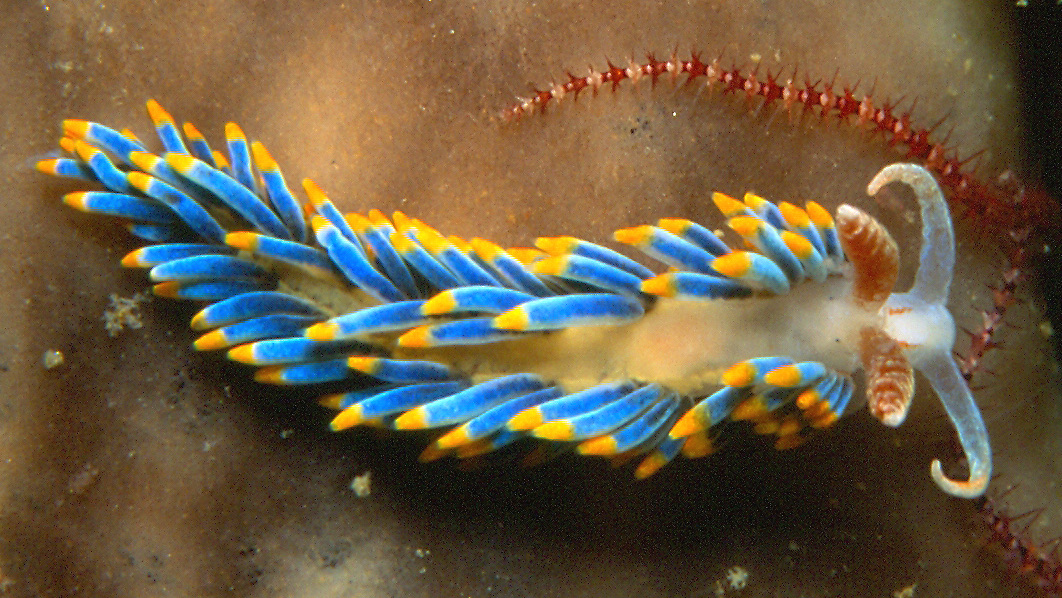
Nudibranchs
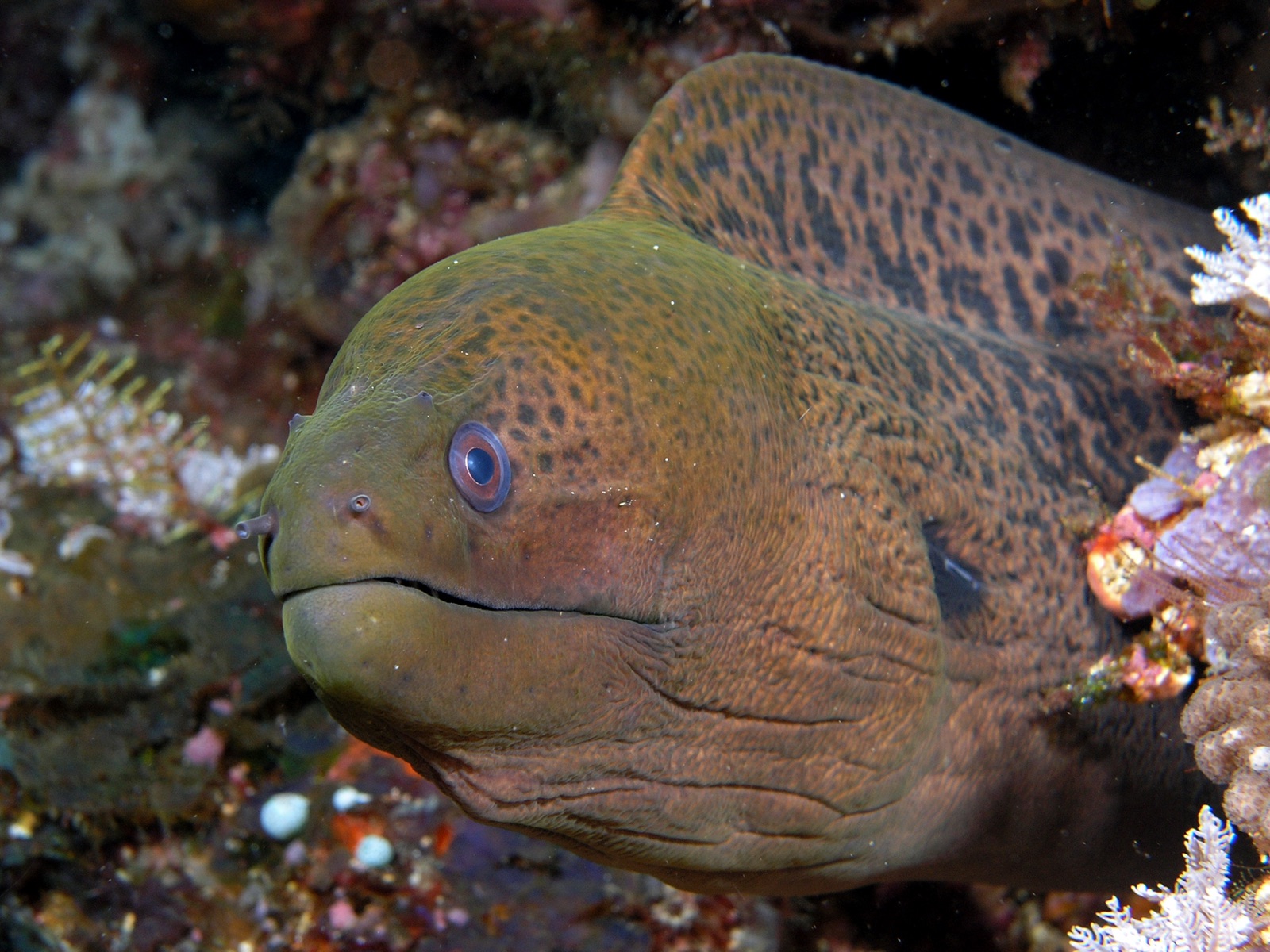
Giant Moray Eel
Auch in der Nähe nachgewiesen
„Hier kartiert" – Arten wurden von unseren Redakteuren anhand der Quellen auf dieser Seite erfasst. Die Zahlen sind GBIF-Vorkommensdatensätze: Beobachtungen, die seit 1990 im Umkreis von etwa 5 km um die kartierte Position protokolliert wurden, ausschließlich abgeglichen mit den Arten in unserem Katalog. Sie zeigen, was dort gesichtet wurde – keine Garantie, was du sehen wirst.
Für Fotografen
Weitwinkel: ★★★★★ · Makro: ★★★☆☆ (Redaktionelle 1–5-Bewertung, was dieser Platz für jeden Fotografie-Stil bietet)