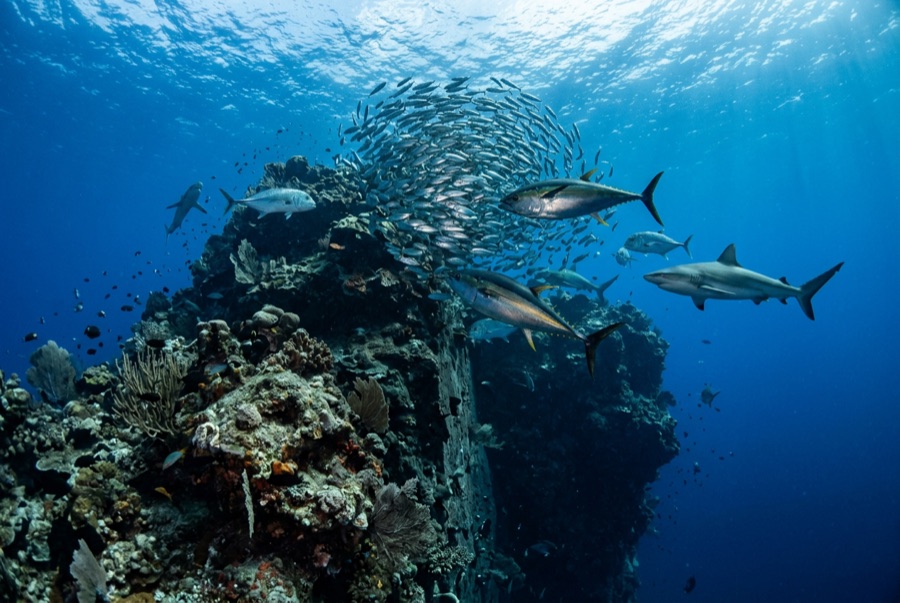
Crystal Rock
La profundidad es el rango desde la cima del punto de buceo hasta su máximo habitual; la "certificación recomendada" es el nivel que los operadores suelen pedir según las agencias principales, no una norma legal. Las corrientes y la visibilidad cambian a diario, así que trata todo esto como rangos de planificación.
Crystal Rock earns its name on calm mid-year mornings when the water over its shoulders turns to glass. The pinnacle's tip shows at low tide; underneath, soft corals in orange and yellow crowd the current-facing faces, and a saddle runs across to a deeper satellite mound where sharks and dogtooth tuna hold station. Sweetlips and snapper bunch under the overhangs, turtles chew through the shallows, and eagle rays pass occasionally on the tide. It offers a touch more coral color than its neighbor Castle Rock and the same predatory traffic, so liveaboards commonly dive both in a morning. The window between too little current and too much is where this site does its best work.
El momento por el que vienes: Vividly clear water in season; soft-coral faces; tuna and sharks on the deep saddle.
Topografía: Rock pinnacle breaking the surface at low water, with a satellite mound and coral saddles below.
Corriente: Same tidal engine as Castle Rock next door; slack-window timing changes the dive completely.
Lo que debes saber antes de tirarte al agua
Riesgos: Current over exposed rock, surge in the shallows near the tip, and the usual northern-Komodo demand for tide-table discipline.
Nitrox: Vale la pena aquí: los perfiles están en el rango donde el nitrox amplía de forma significativa el tiempo sin parada (con la formación necesaria para usarlo).
A quién encontrarás
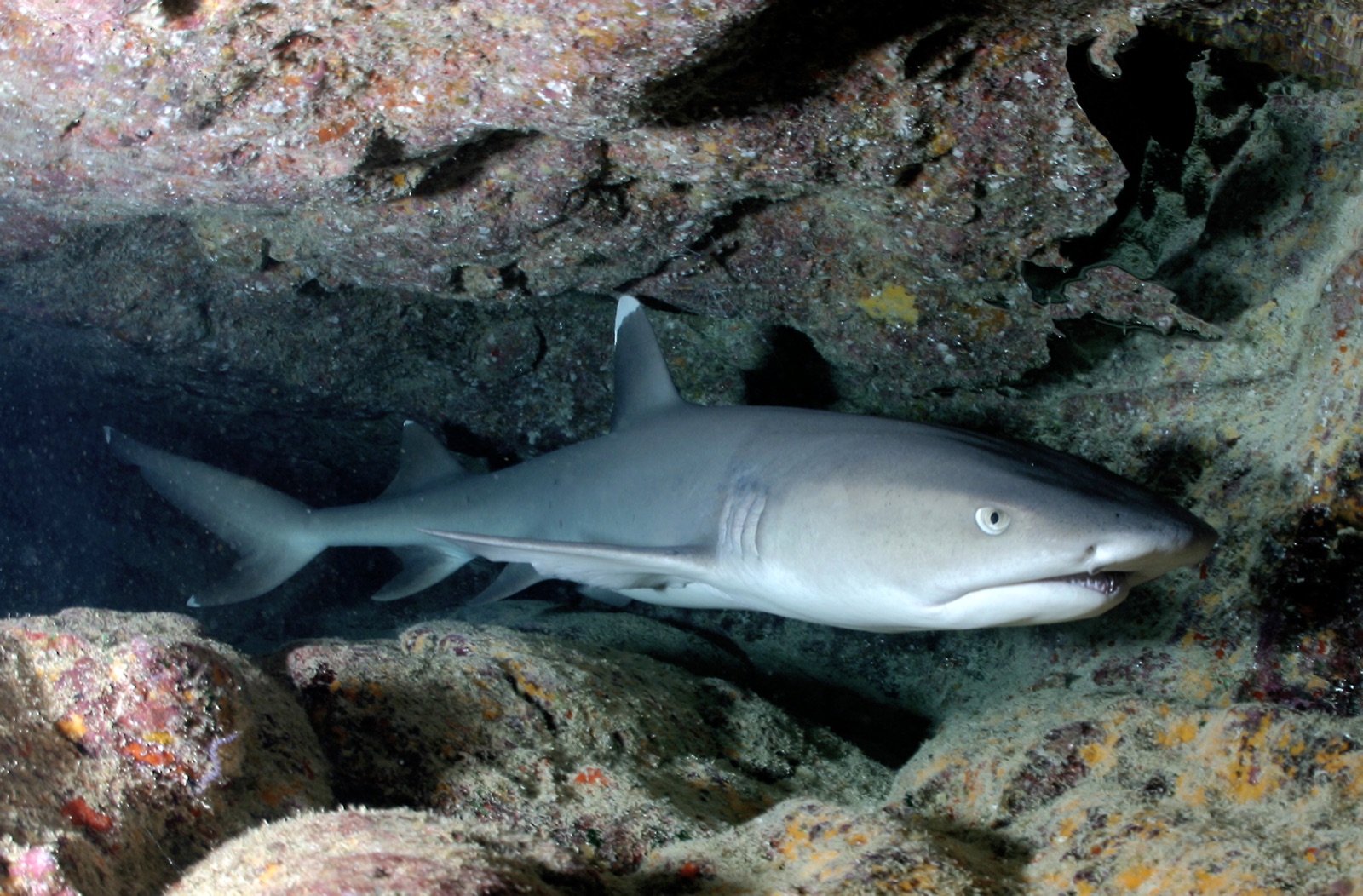
Whitetip Reef Shark
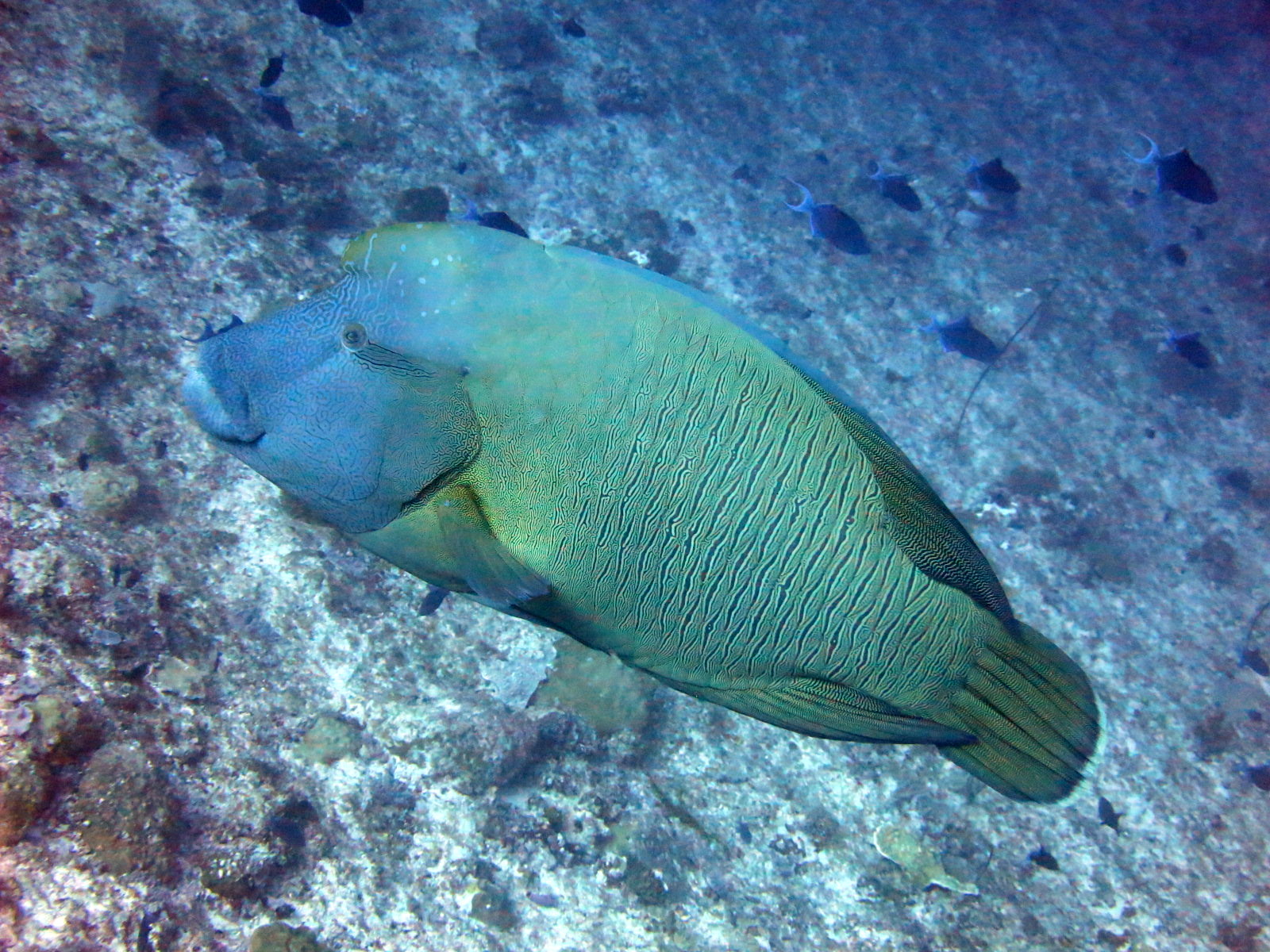
Napoleon (Humphead) Wrasse
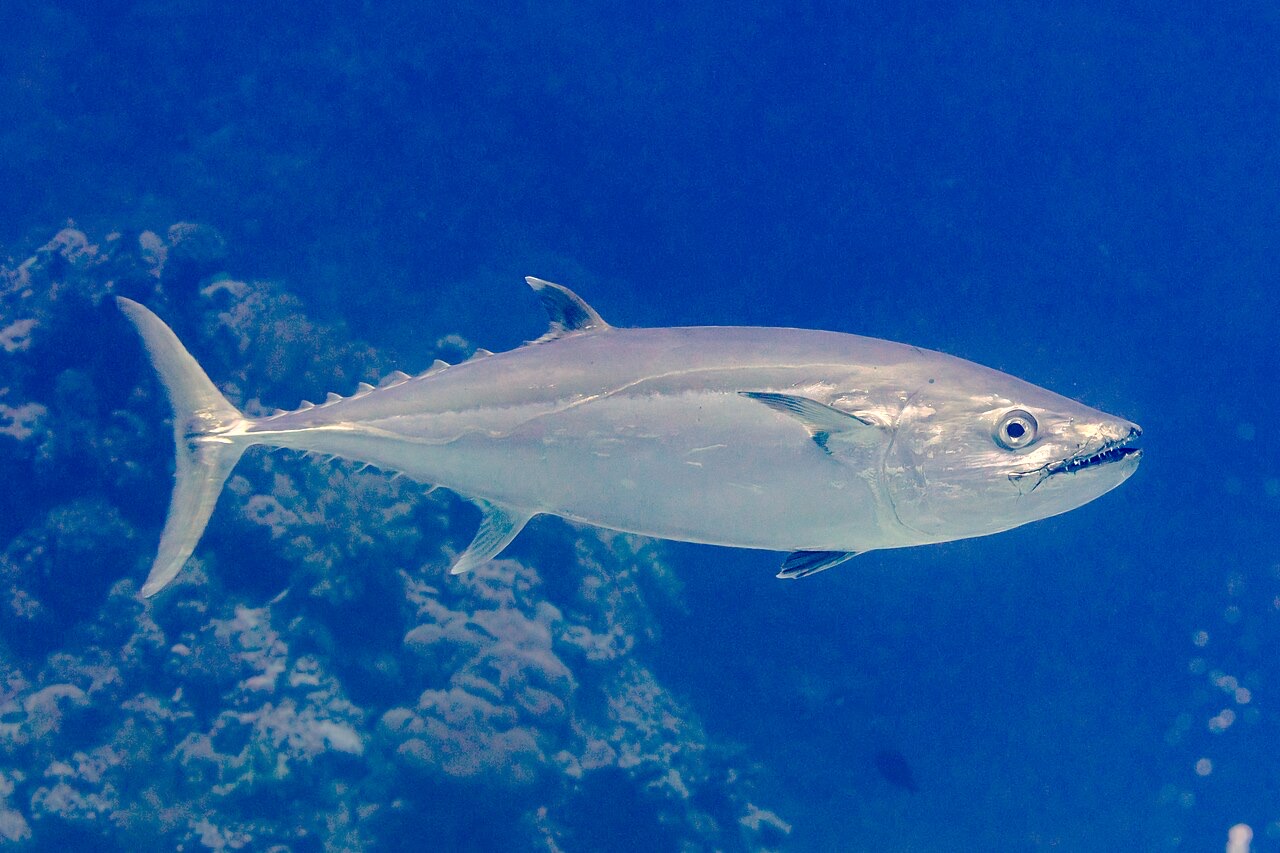
Dogtooth Tuna
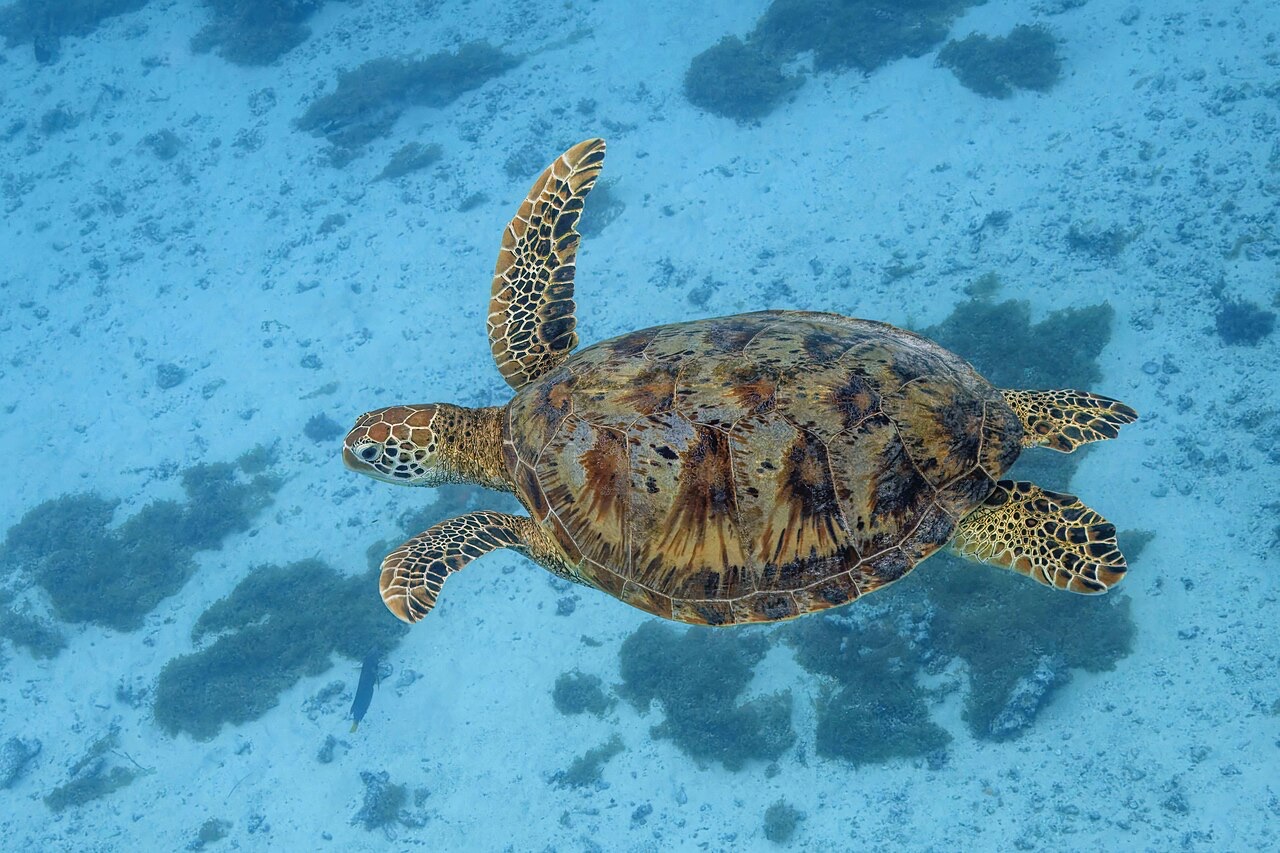
Green Sea Turtle
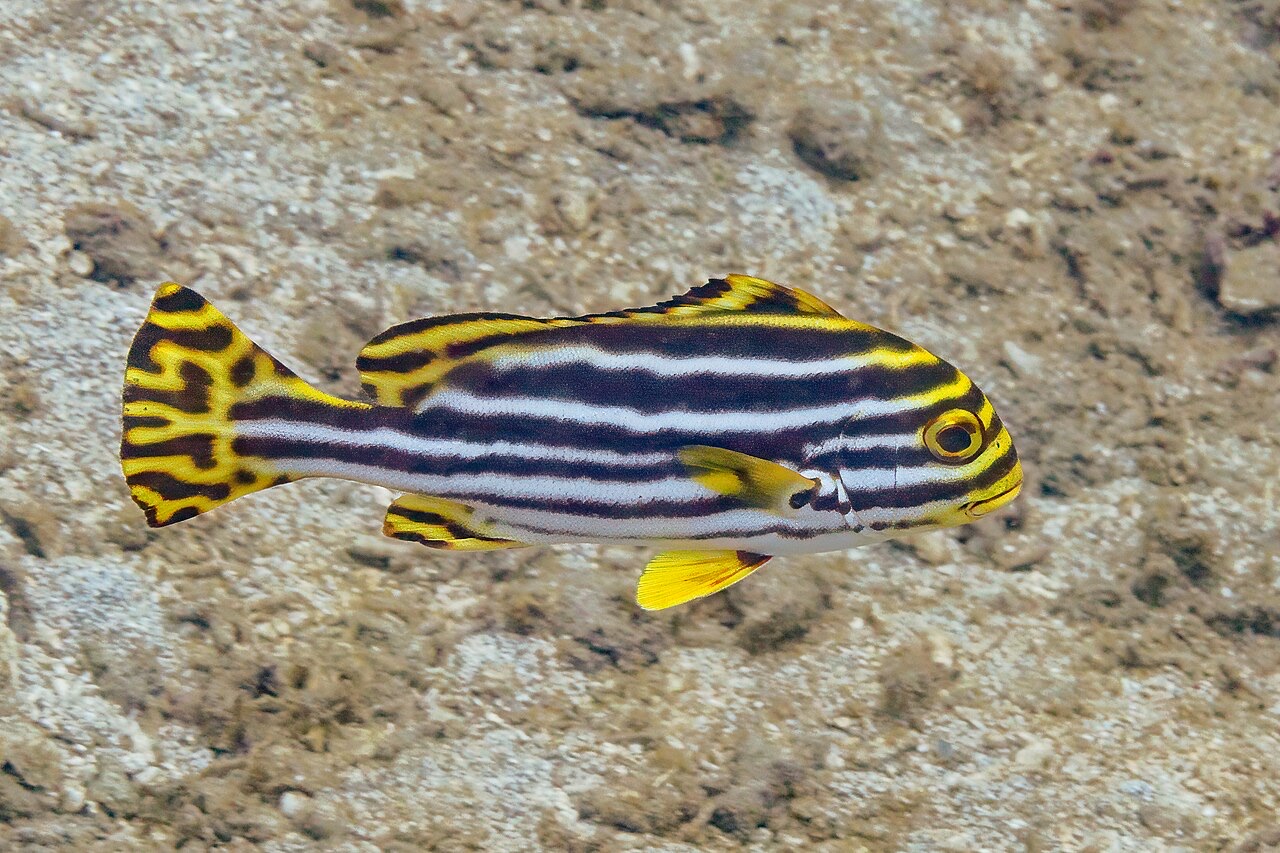
Oriental Sweetlips
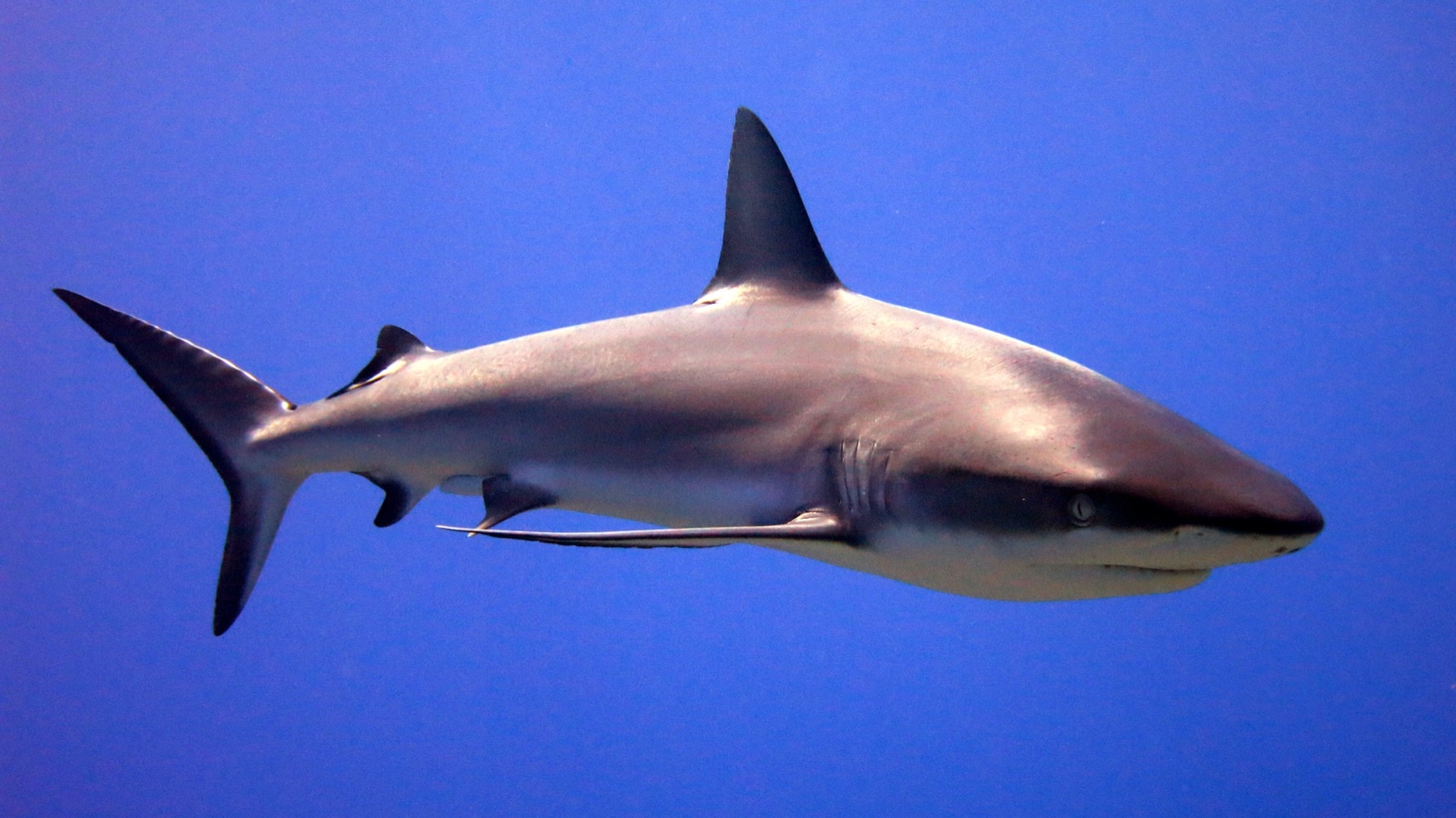
Grey Reef Shark
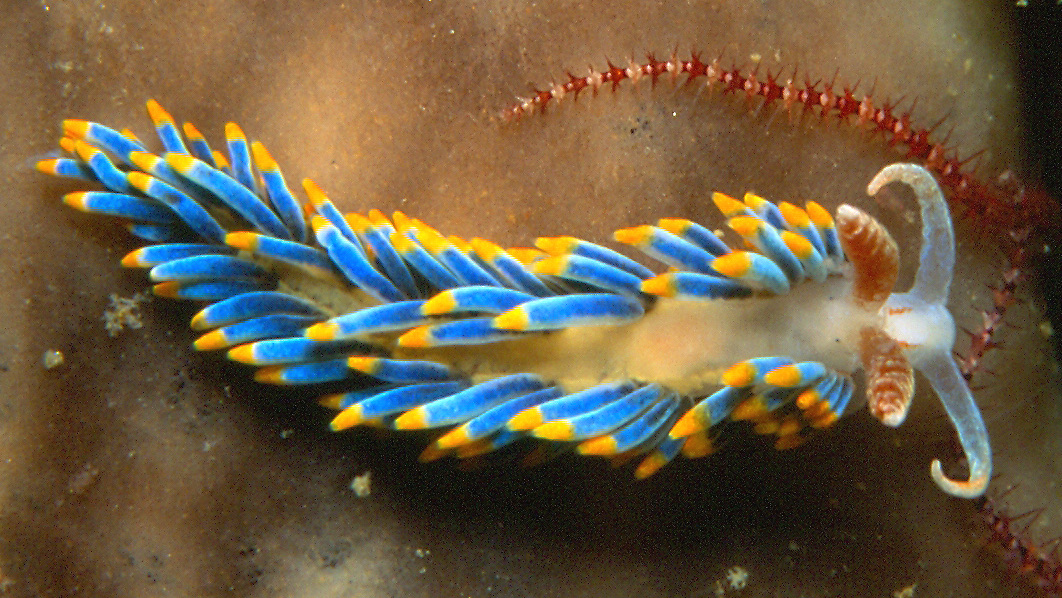
Nudibranchs
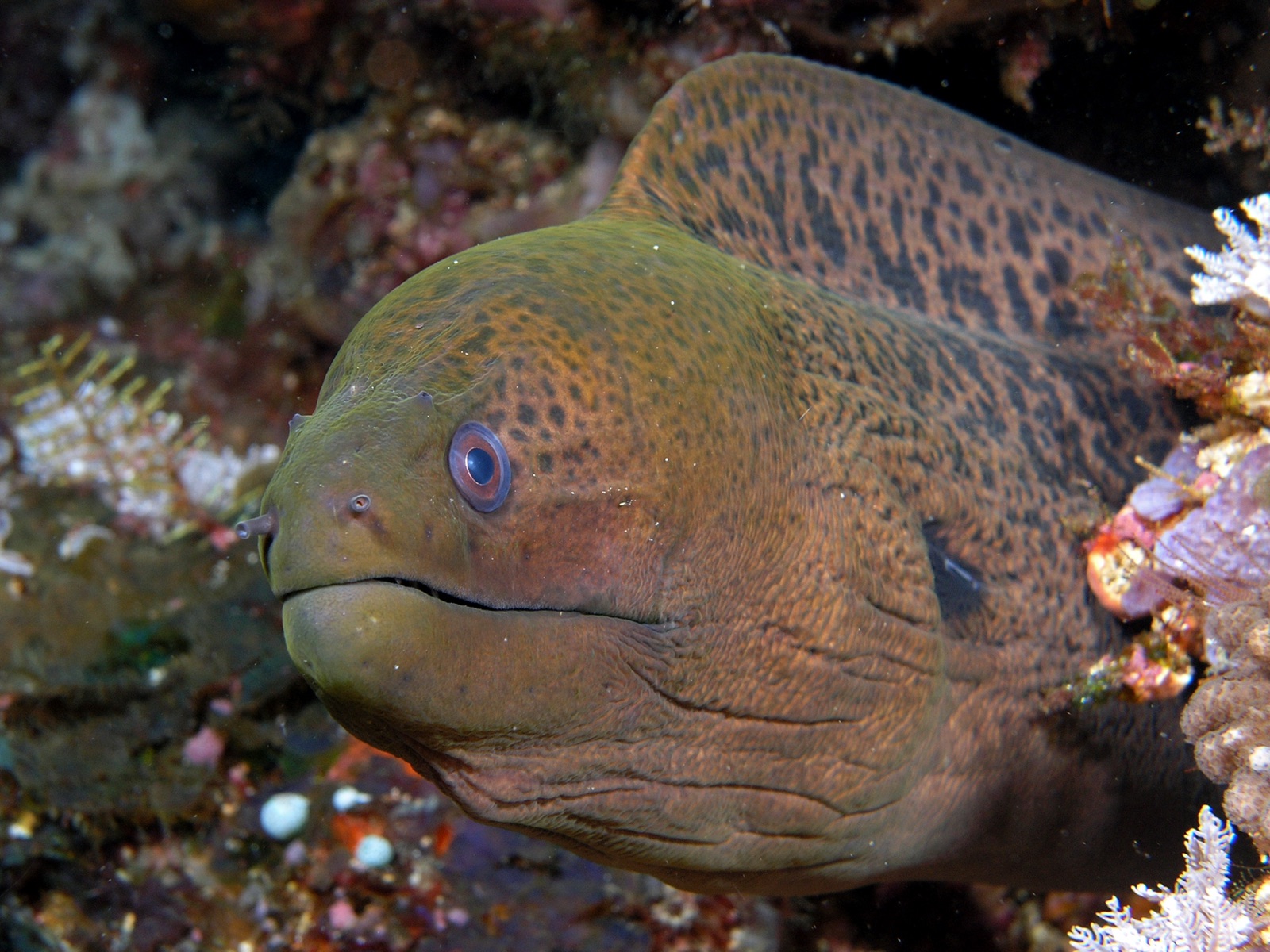
Giant Moray Eel
También registrado cerca
Las especies "aquí registradas" fueron añadidas por nuestros editores a partir de las fuentes de esta página. Los recuentos son registros de ocurrencia de GBIF: observaciones anotadas en un radio de unos 5 km de la posición registrada desde 1990, cotejadas únicamente con las especies de nuestro catálogo. Muestran lo que se ha avistado allí, no una garantía de lo que verás.
Para fotógrafos
Gran angular: ★★★★★ · Macro: ★★★☆☆ (valoración de 1 a 5 de los editores sobre lo que ofrece este sitio para cada estilo de fotografía)