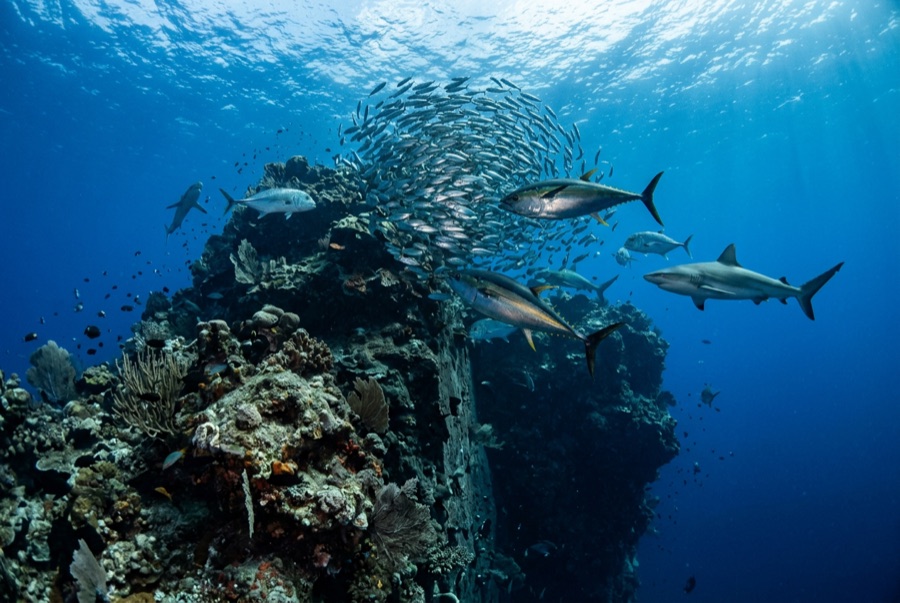
Crystal Rock
La profondeur correspond à la plage allant du sommet du site jusqu'à son maximum habituel ; le « niveau recommandé » est le niveau demandé en général par les opérateurs auprès des grandes agences, pas une règle légale. Les courants et la visibilité varient chaque jour, traitez donc tout cela comme des plages indicatives de planification.
Crystal Rock earns its name on calm mid-year mornings when the water over its shoulders turns to glass. The pinnacle's tip shows at low tide; underneath, soft corals in orange and yellow crowd the current-facing faces, and a saddle runs across to a deeper satellite mound where sharks and dogtooth tuna hold station. Sweetlips and snapper bunch under the overhangs, turtles chew through the shallows, and eagle rays pass occasionally on the tide. It offers a touch more coral color than its neighbor Castle Rock and the same predatory traffic, so liveaboards commonly dive both in a morning. The window between too little current and too much is where this site does its best work.
Le moment pour lequel vous venez: Vividly clear water in season; soft-coral faces; tuna and sharks on the deep saddle.
Topographie: Rock pinnacle breaking the surface at low water, with a satellite mound and coral saddles below.
Courant: Same tidal engine as Castle Rock next door; slack-window timing changes the dive completely.
À savoir avant de plonger
Dangers: Current over exposed rock, surge in the shallows near the tip, and the usual northern-Komodo demand for tide-table discipline.
Nitrox: Pertinent ici : les profils se situent dans la plage où le nitrox prolonge significativement le temps sans palier (avec la formation pour l'utiliser).
Qui vous croiserez
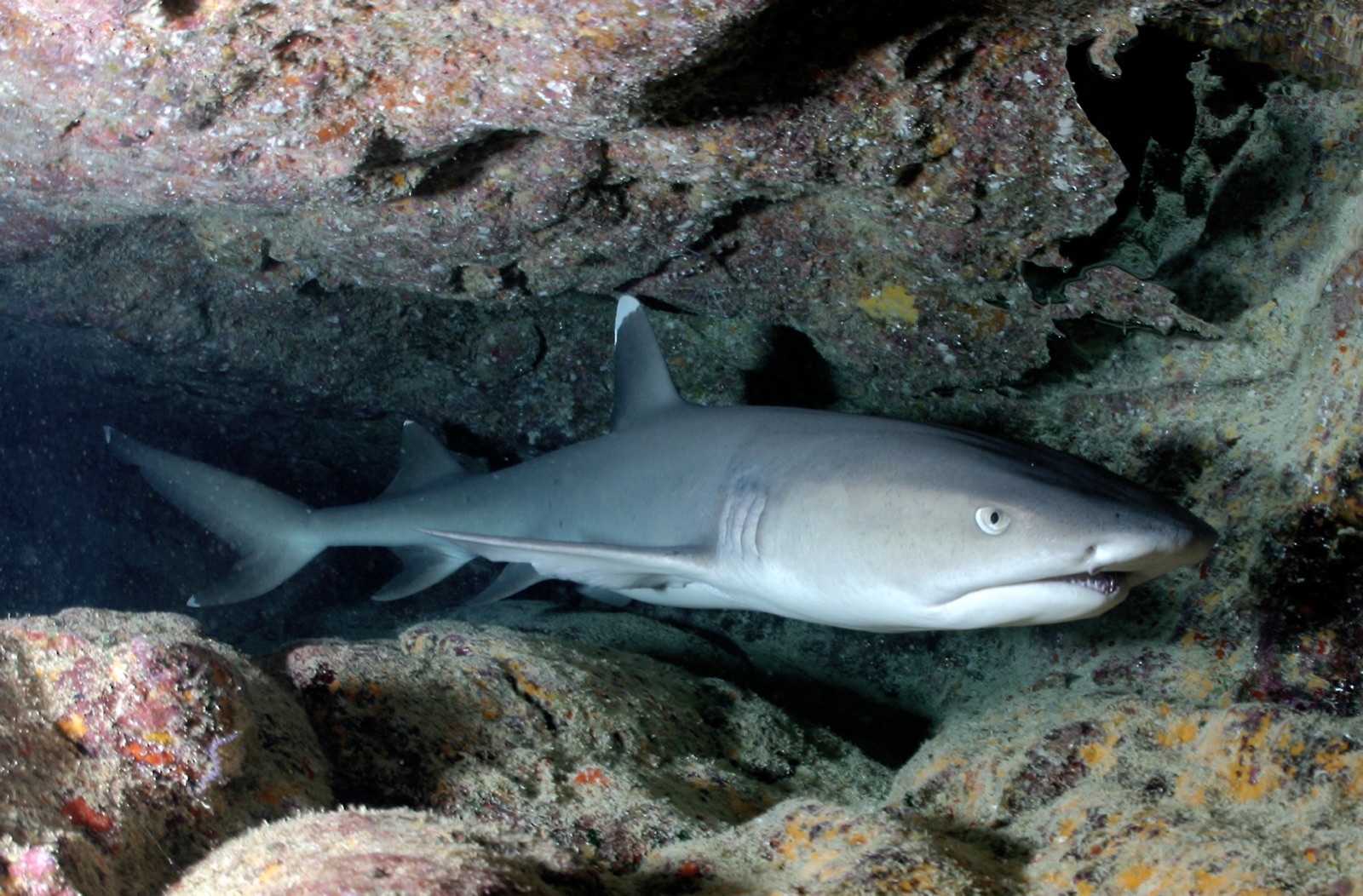
Whitetip Reef Shark
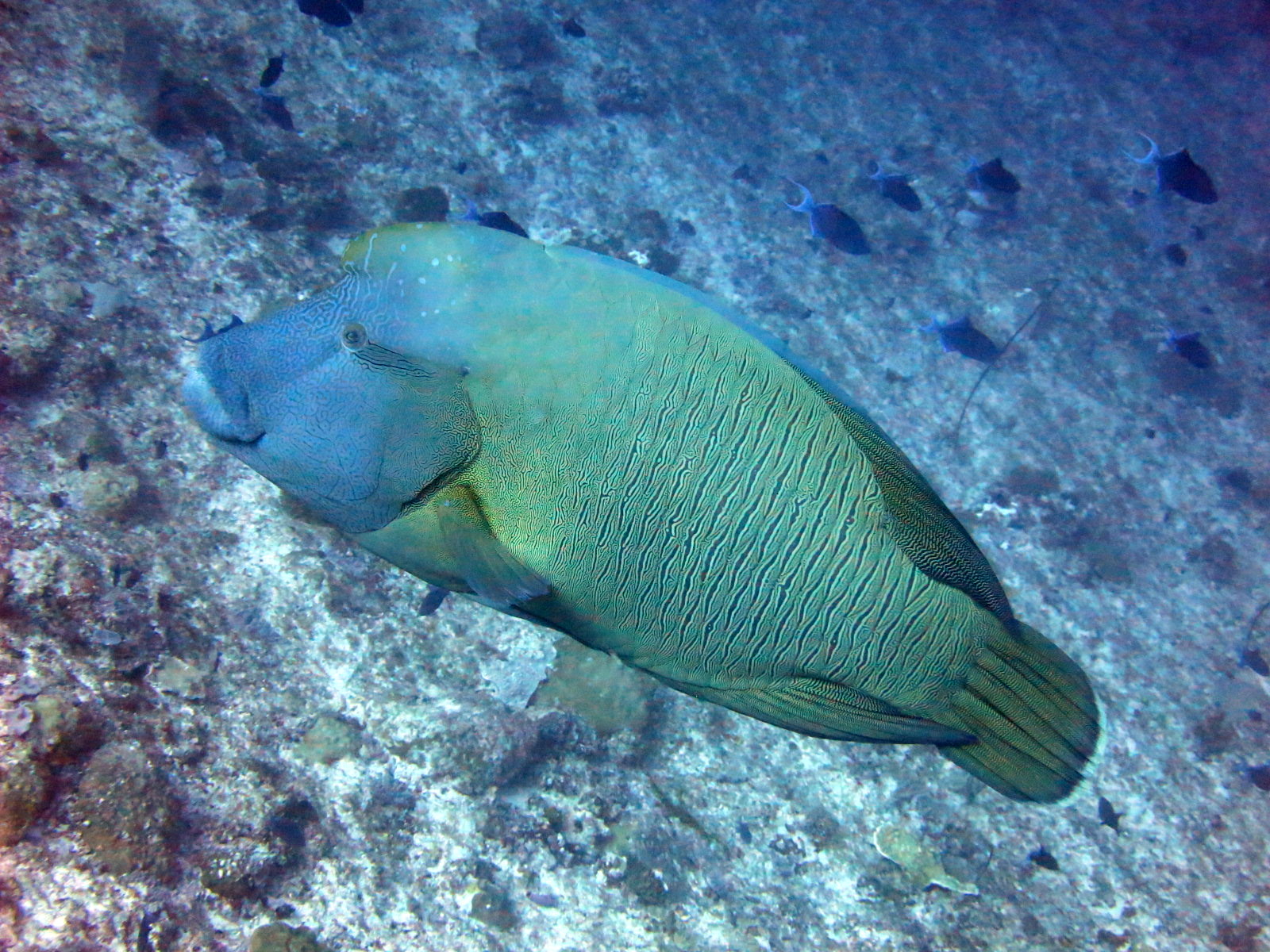
Napoleon (Humphead) Wrasse
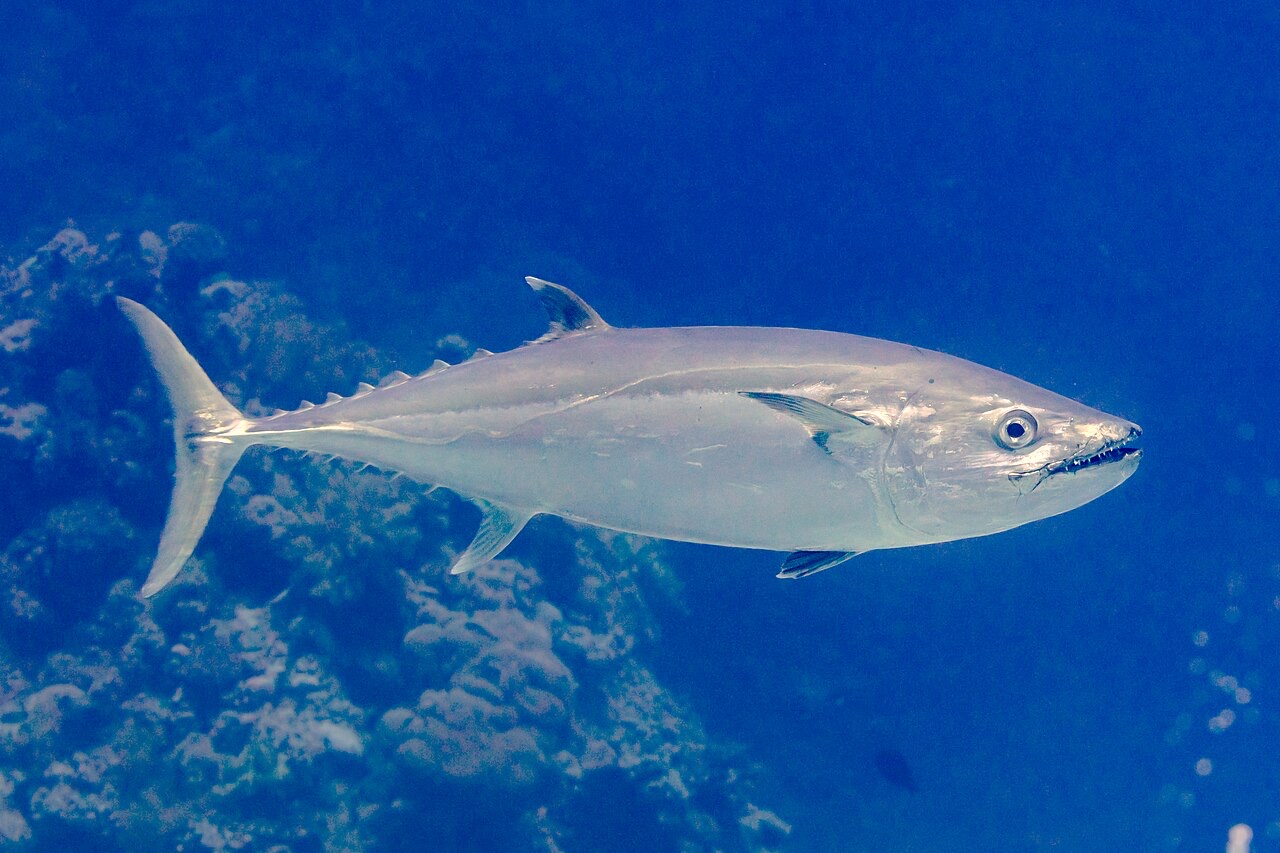
Dogtooth Tuna
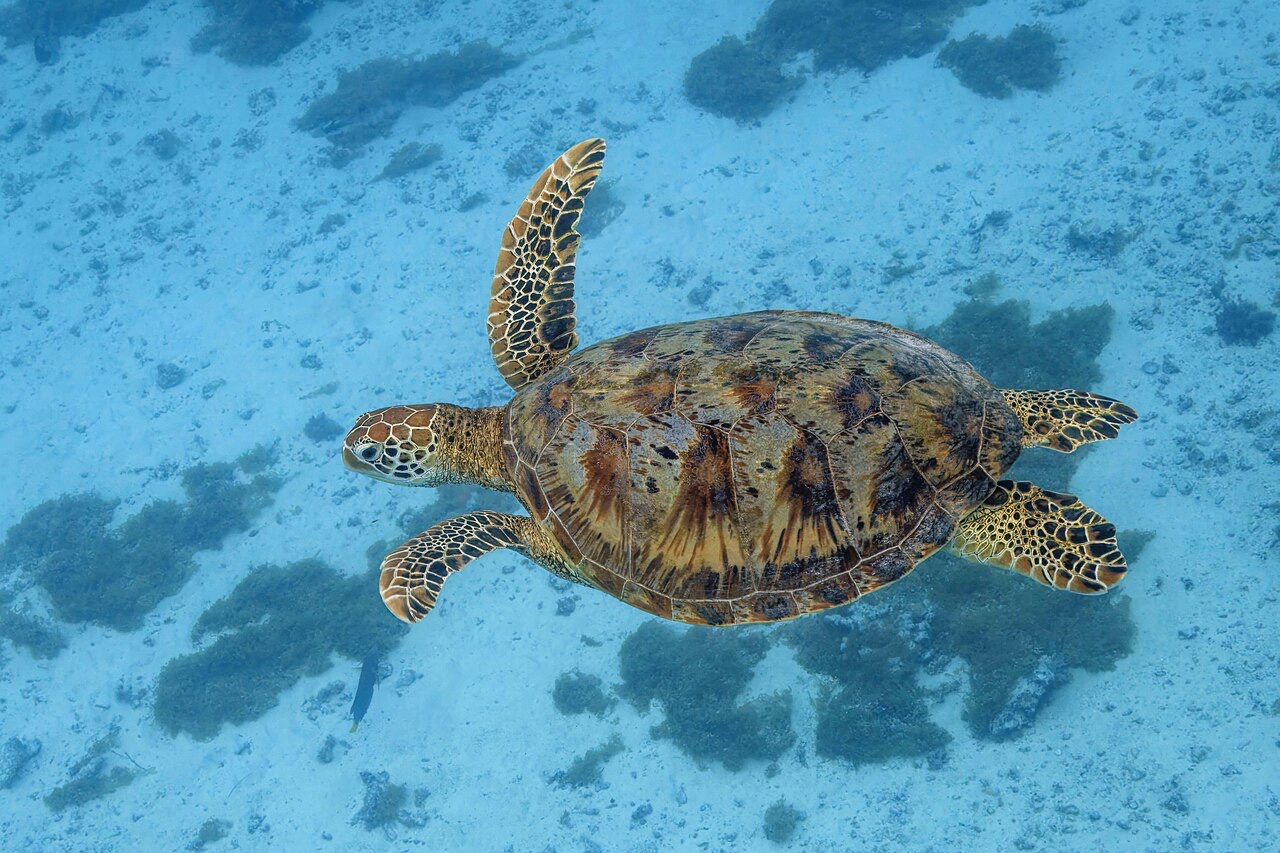
Green Sea Turtle
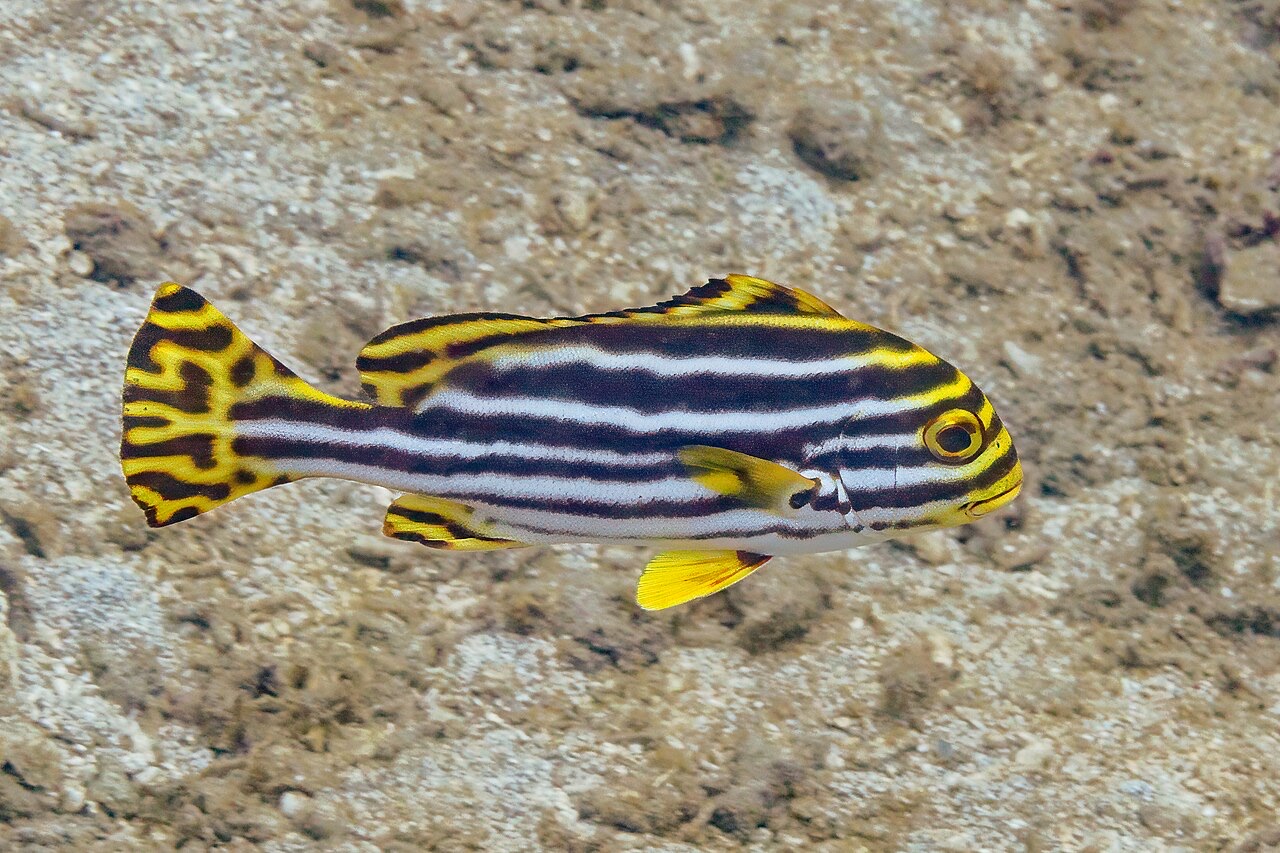
Oriental Sweetlips
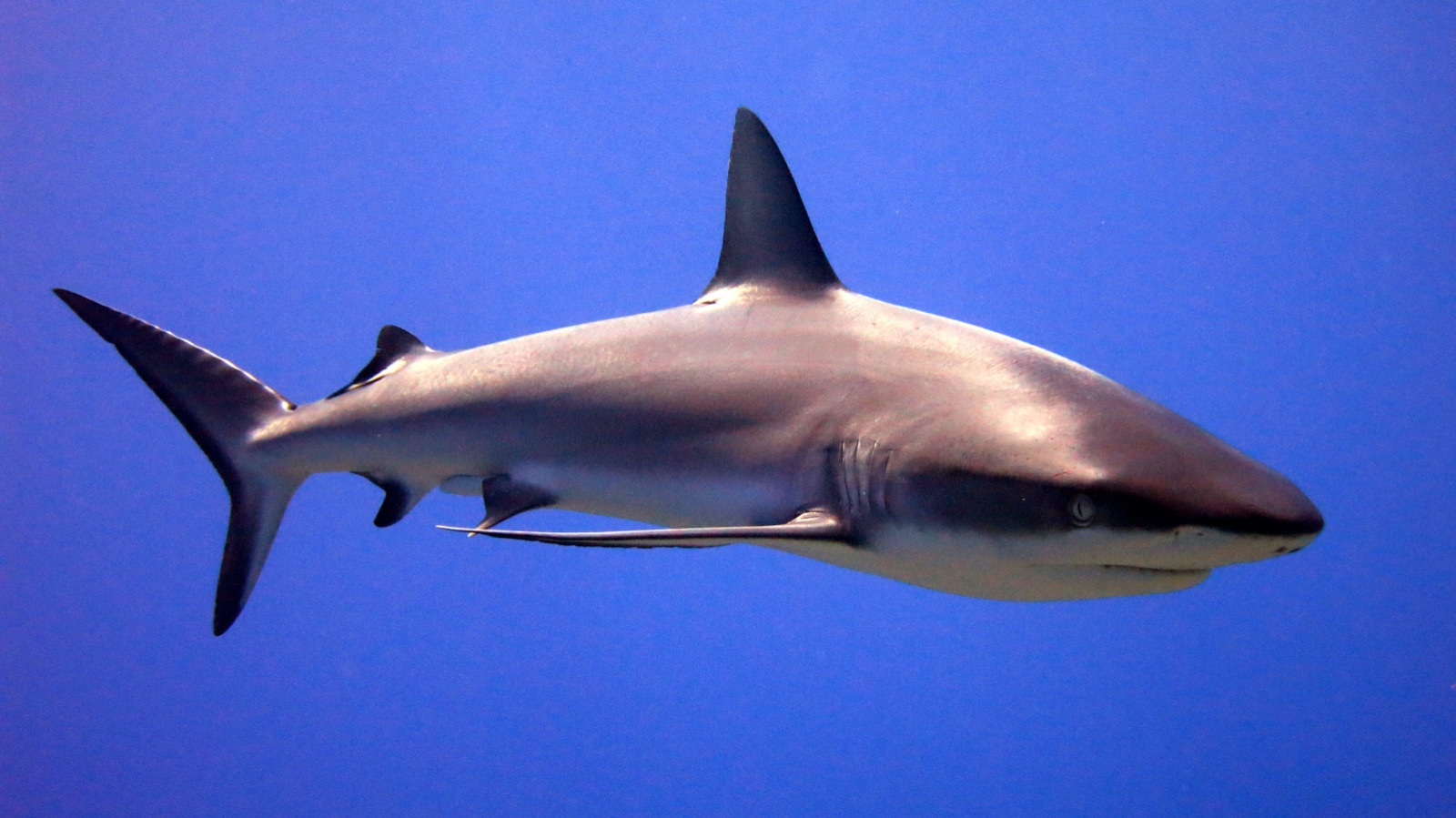
Grey Reef Shark
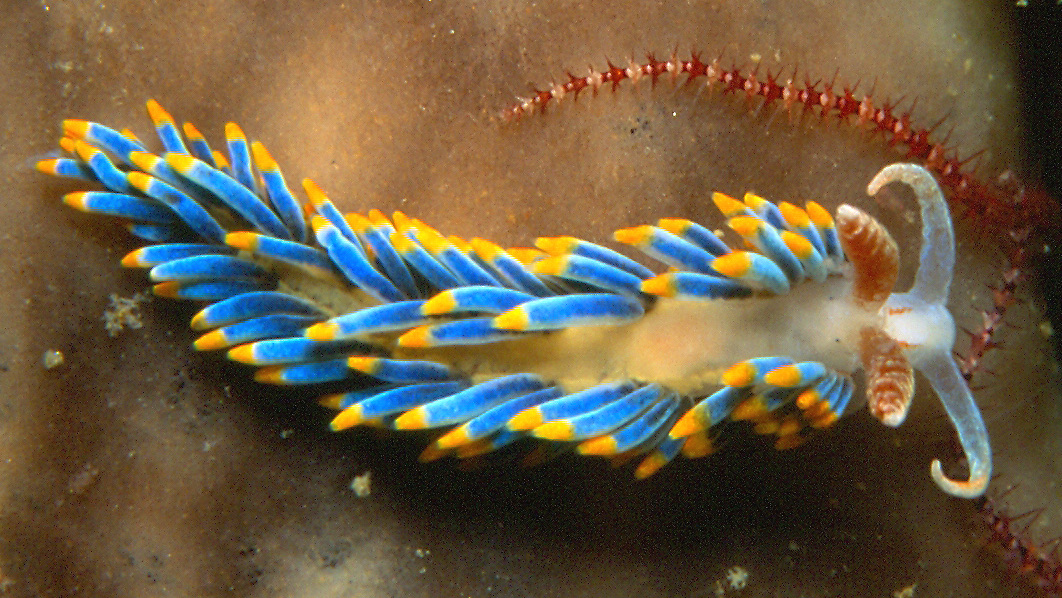
Nudibranchs
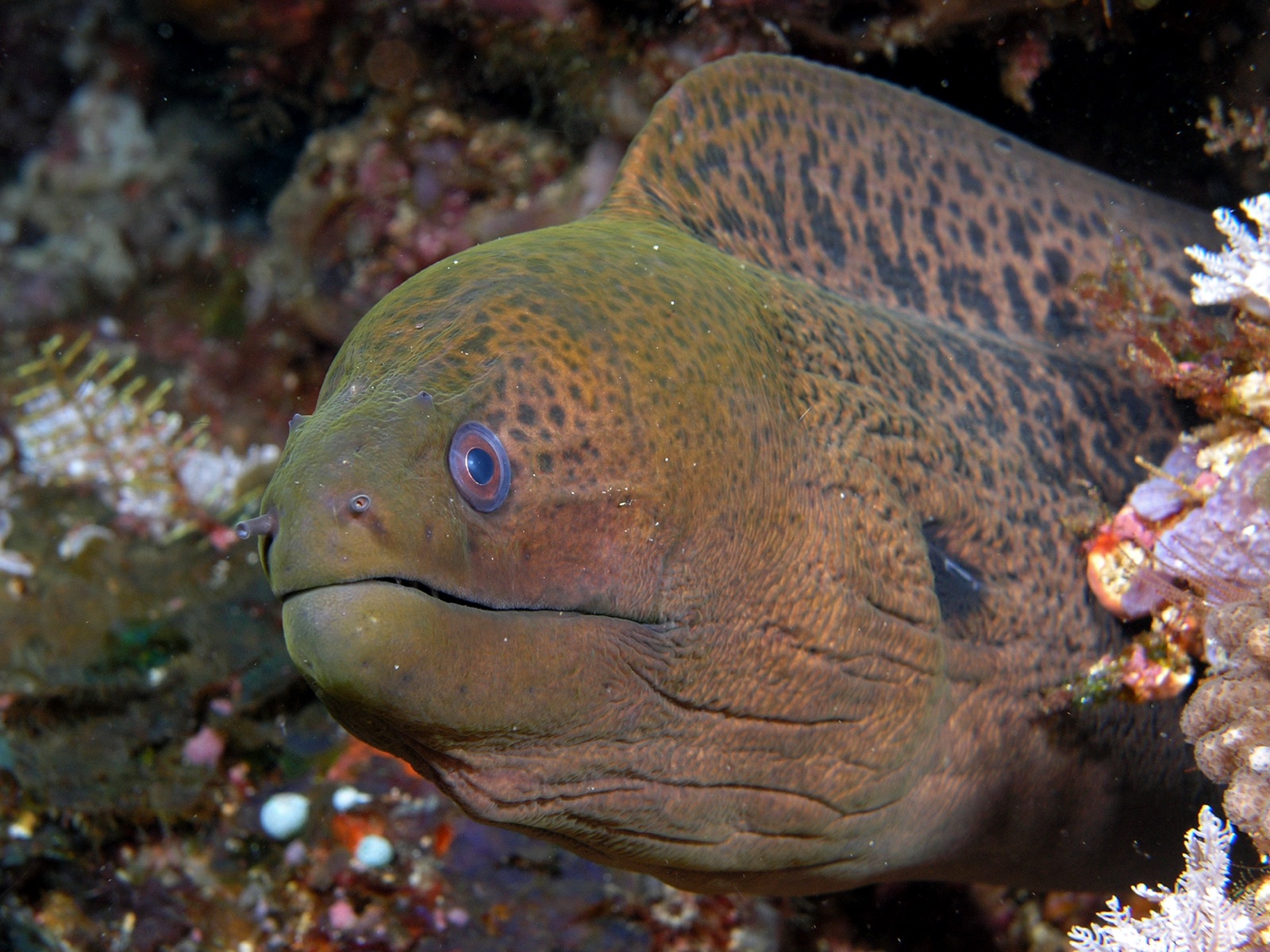
Giant Moray Eel
Également observé à proximité
Les espèces « cartographiées ici » ont été répertoriées par nos éditeurs à partir des sources indiquées sur cette page. Les comptages correspondent aux occurrences GBIF : observations enregistrées dans un rayon d'environ 5 km autour de la position cartographiée depuis 1990, comparées uniquement aux espèces de notre catalogue. Ils indiquent ce qui a été observé à cet endroit, sans garantir ce que vous y verrez.
Pour les photographes
Grand angle: ★★★★★ · Macro: ★★★☆☆ (note 1–5 des éditeurs sur ce que ce site offre à chaque style de prise de vue)