The Passage
La profondeur correspond à la plage allant du sommet du site jusqu'à son maximum habituel ; le « niveau recommandé » est le niveau demandé en général par les opérateurs auprès des grandes agences, pas une règle légale. Les courants et la visibilité varient chaque jour, traitez donc tout cela comme des plages indicatives de planification.
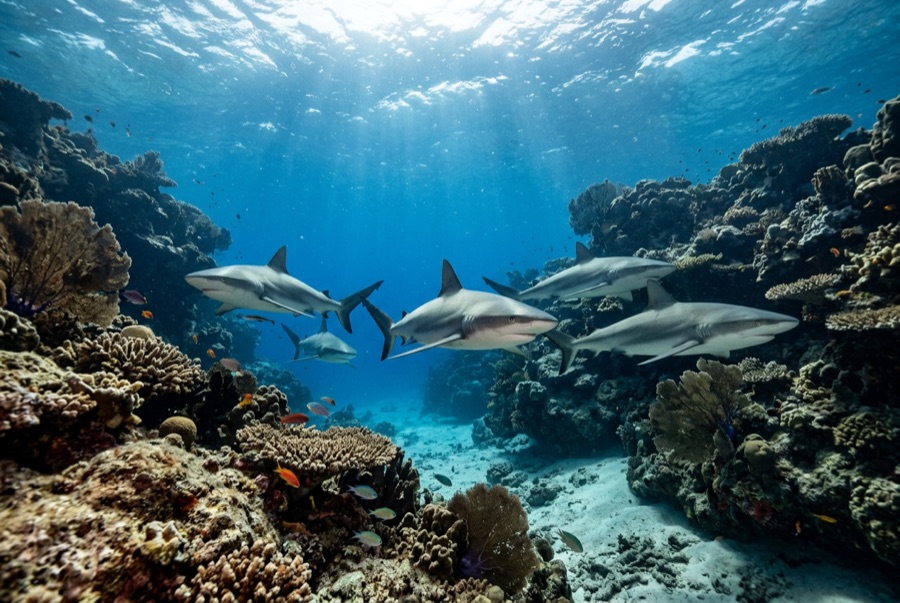
The Passage is the strangest famous dive in Raja Ampat: a river-narrow saltwater channel between Gam and Waigeo, hung with jungle so close that trees shade parts of the dive. Tidal water pours through, feeding soft corals, sponges, and sea fans that grow within snorkel depth, and light shafts cut between rock ledges and small archways. Wobbegongs rest under the overhangs, archerfish and juvenile reef fish work the mangrove fringes, and nudibranchs stud the walls. Dived on a manageable tide it feels like drifting through a flooded canyon; on a hard run it becomes an expert-only ride. The mix of rainforest, mangrove, and reef in one frame is unique in the archipelago.
Le moment pour lequel vous venez: River-style drift beneath jungle walls; mangrove-and-soft-coral shallows; oddball light for photographers.
Topographie: Narrow channel between Gam and Waigeo with rock walls, ledges, mangrove edges, and soft-coral gardens in the shallows.
Courant: A tidal river between two islands; timing decides whether it is a gentle glide or a sled run, and eddies swirl near the walls.
À savoir avant de plonger
Dangers: Strong tidal current, boils and back-eddies, restricted room to maneuver, and reduced visibility on the wrong tide.
Conservation: Shallow filter-feeder growth is easily broken in the eddies; keep hands off the walls and fins up.
Qui vous croiserez
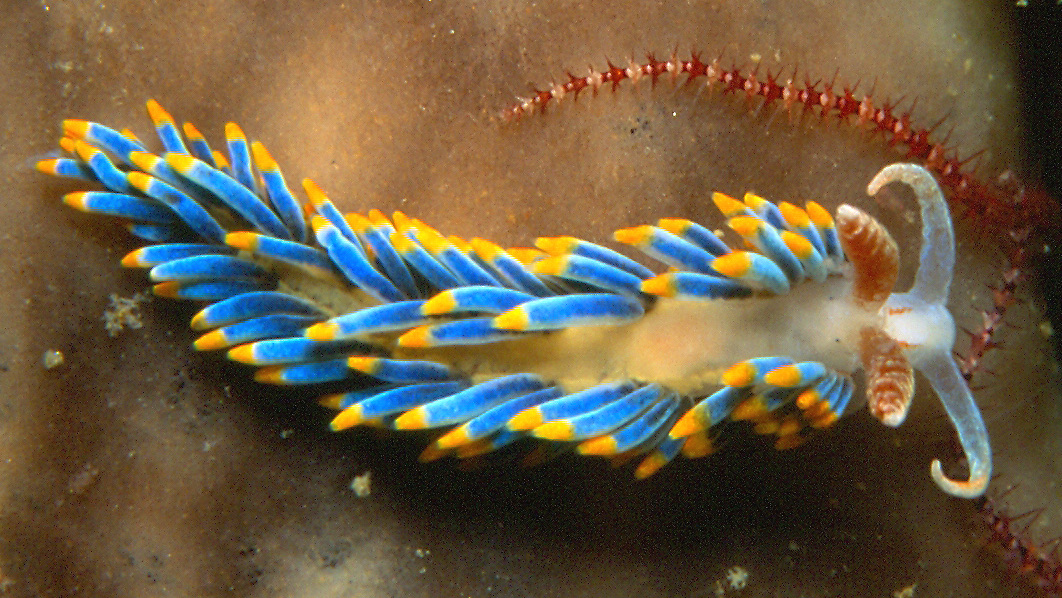
Nudibranchs
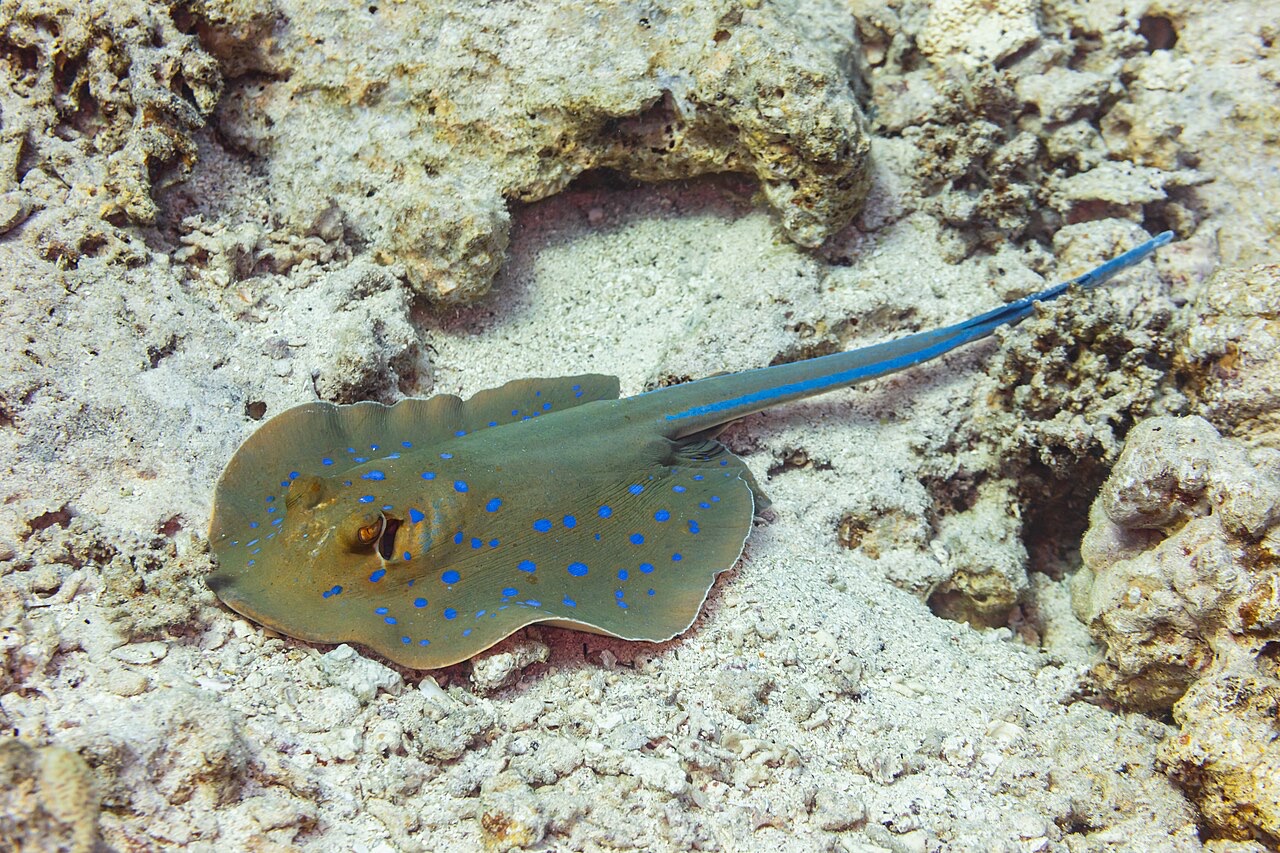
Blue-Spotted Ribbontail Ray
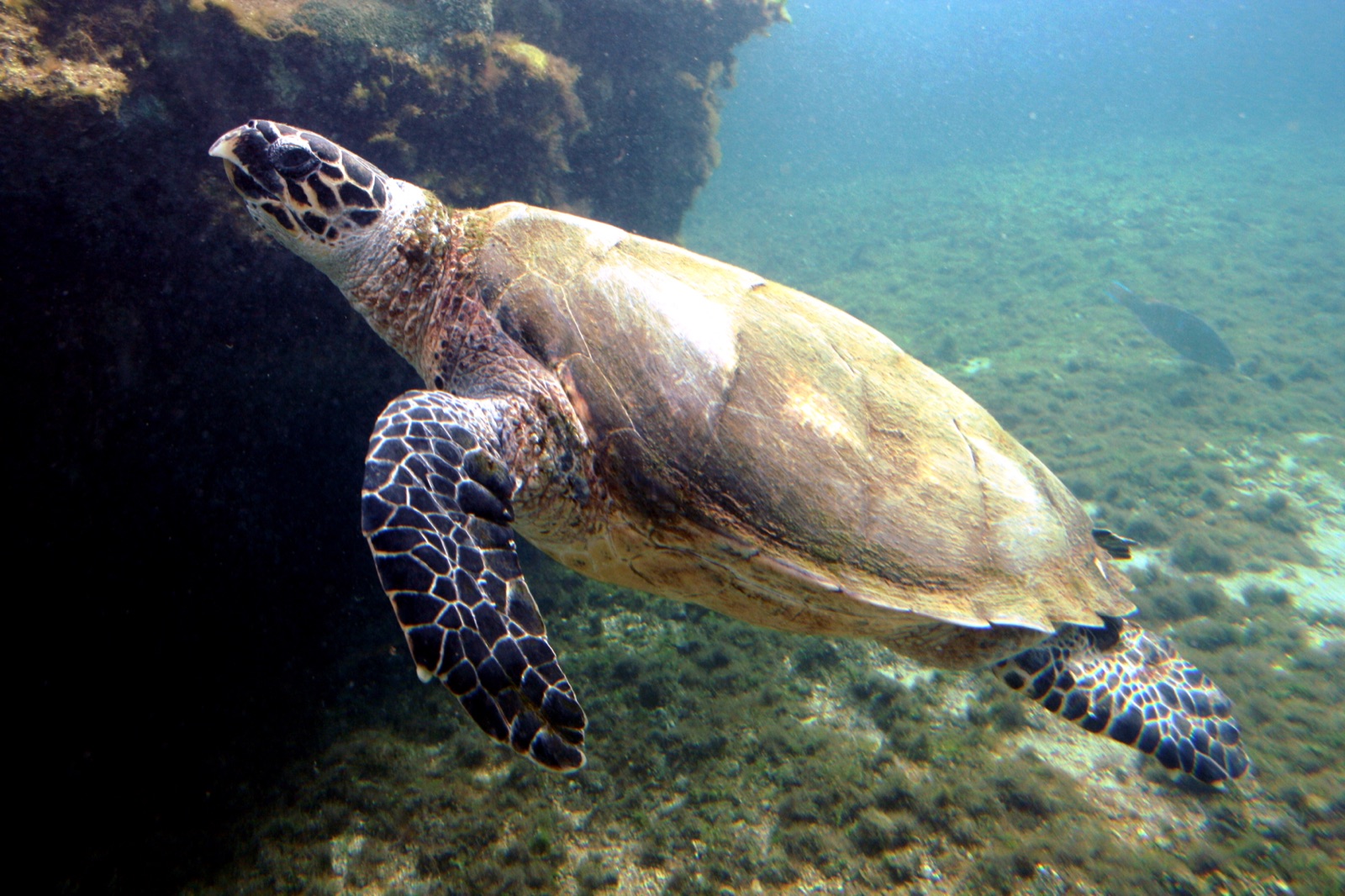
Hawksbill Turtle
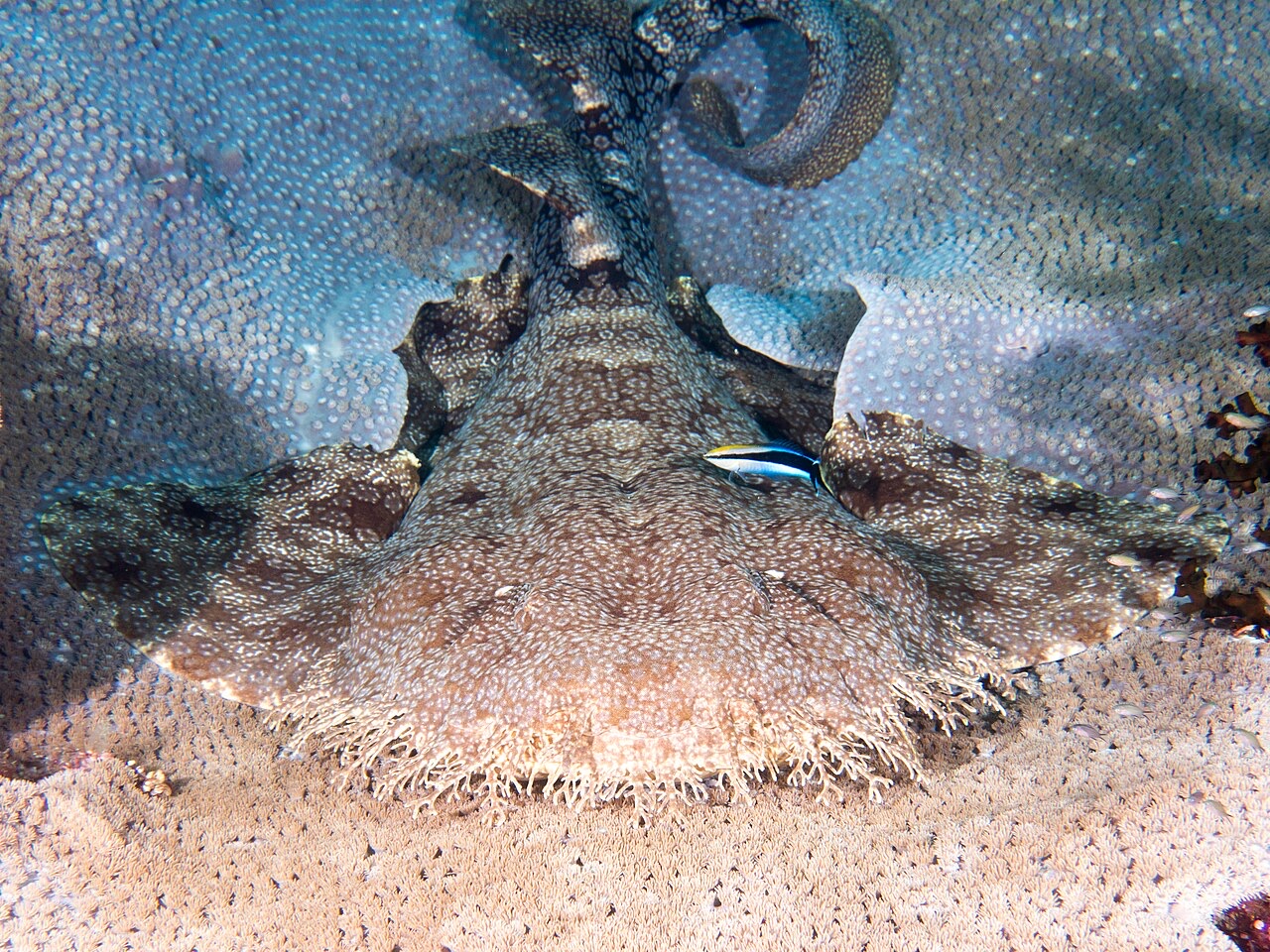
Tasselled Wobbegong
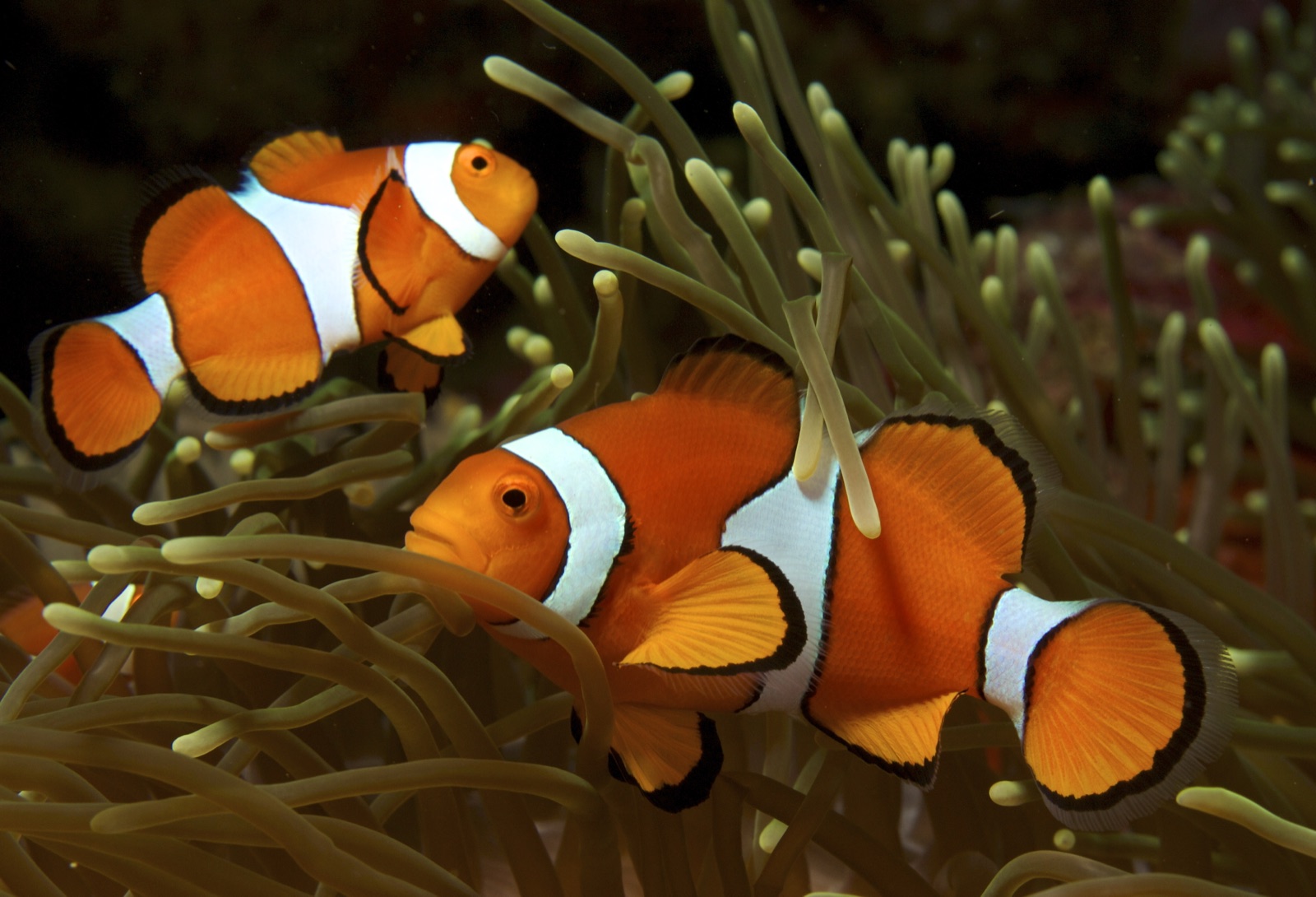
Clownfish & Anemonefish
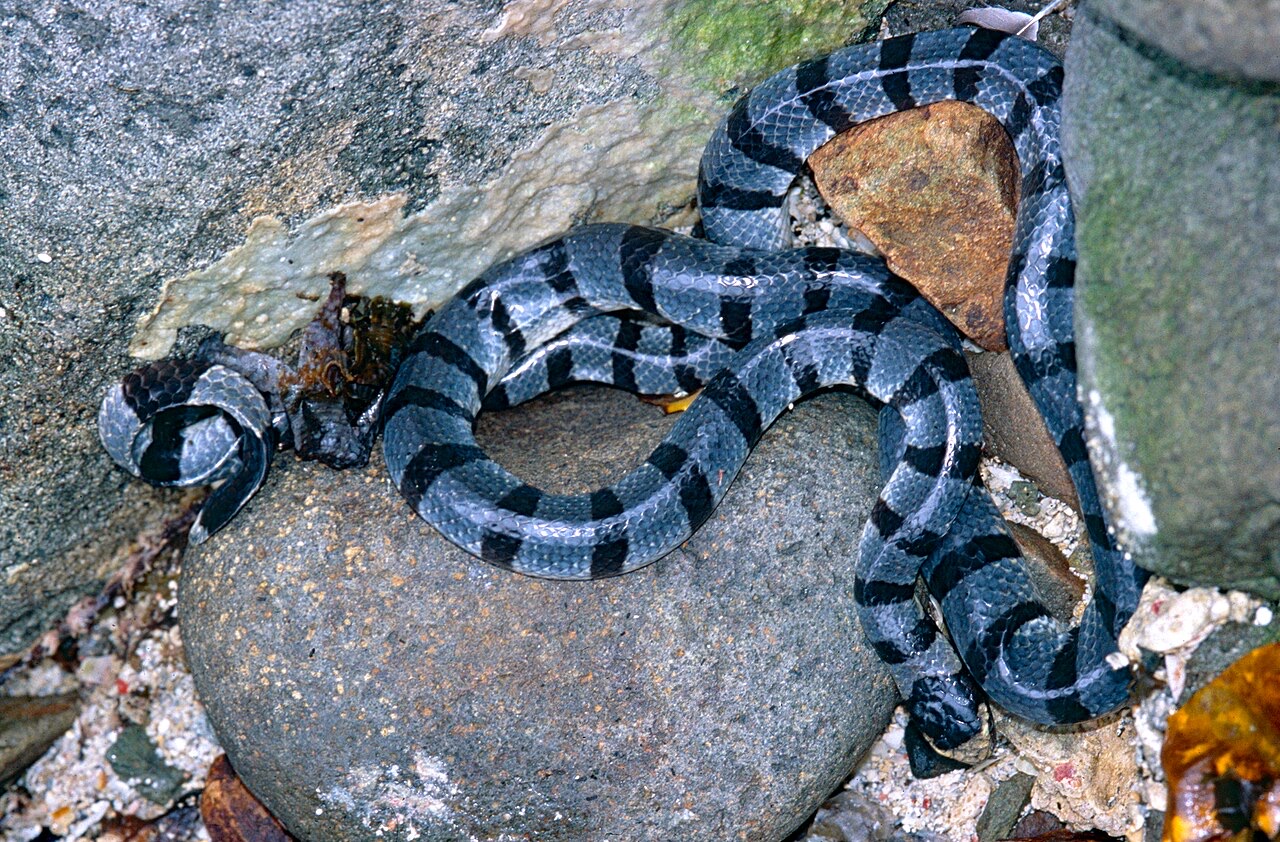
Banded Sea Krait
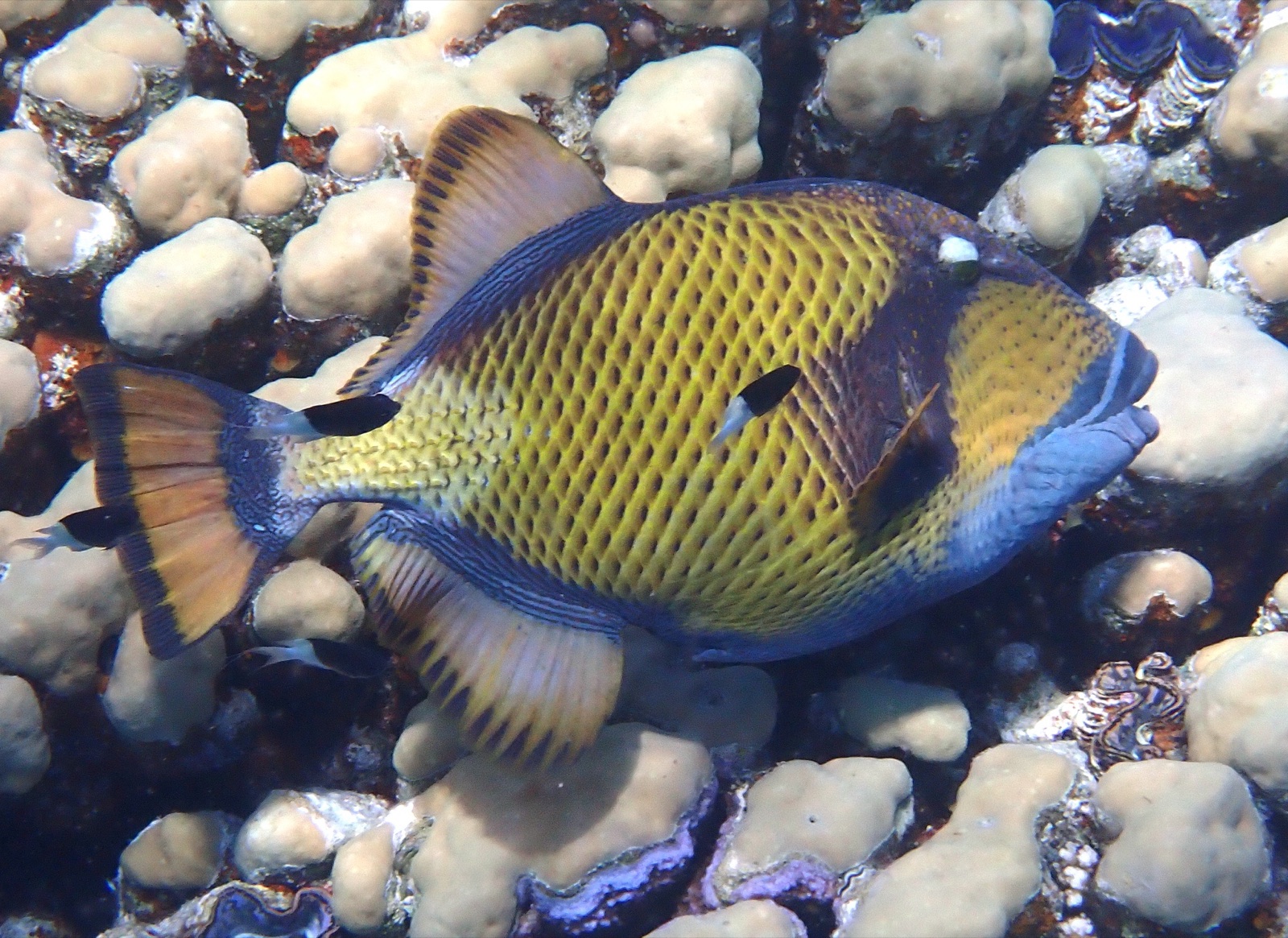
Titan Triggerfish
Les espèces « cartographiées ici » ont été répertoriées par nos éditeurs à partir des sources indiquées sur cette page. Les comptages correspondent aux occurrences GBIF : observations enregistrées dans un rayon d'environ 5 km autour de la position cartographiée depuis 1990, comparées uniquement aux espèces de notre catalogue. Ils indiquent ce qui a été observé à cet endroit, sans garantir ce que vous y verrez.
Pour les photographes
Grand angle: ★★★★★ · Macro: ★★★☆☆ (note 1–5 des éditeurs sur ce que ce site offre à chaque style de prise de vue)